Public Figures & Cultural Luminaries
Filterable archive covering centuries of intellectual, artistic, and moral contributions to the human story.
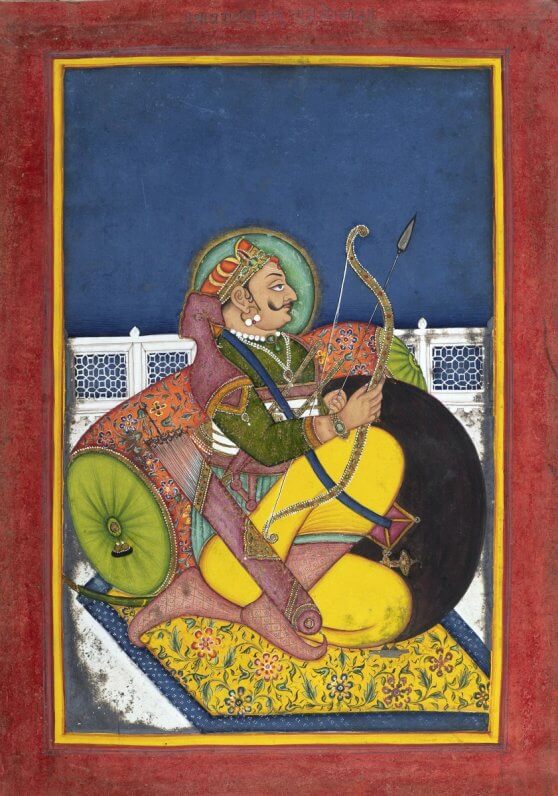
Prithviraj Chauhan
 (पृथ्वीराज चौहान)
Last Hindu king to rule Delhi and Ajmer before the establishment of the Delhi Sultanate, celebrated in the epic poem Prithviraj Raso for defeating Muhammad of Ghor at the First Battle of Tarain.
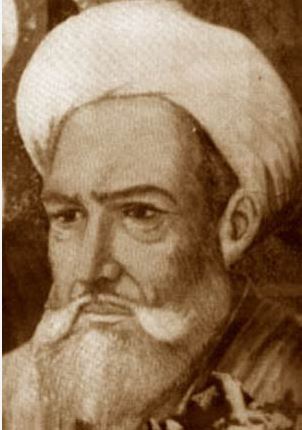
Shahab al-Din Suhrawardi
 (شهاب الدين يحيى السهروردي)
Founder of the School of Illumination (Hikmat al-Ishraq) who synthesized ancient Persian Zoroastrian wisdom, Pythagorean thought, and Platonism into a luminous ontology of radiant Light.
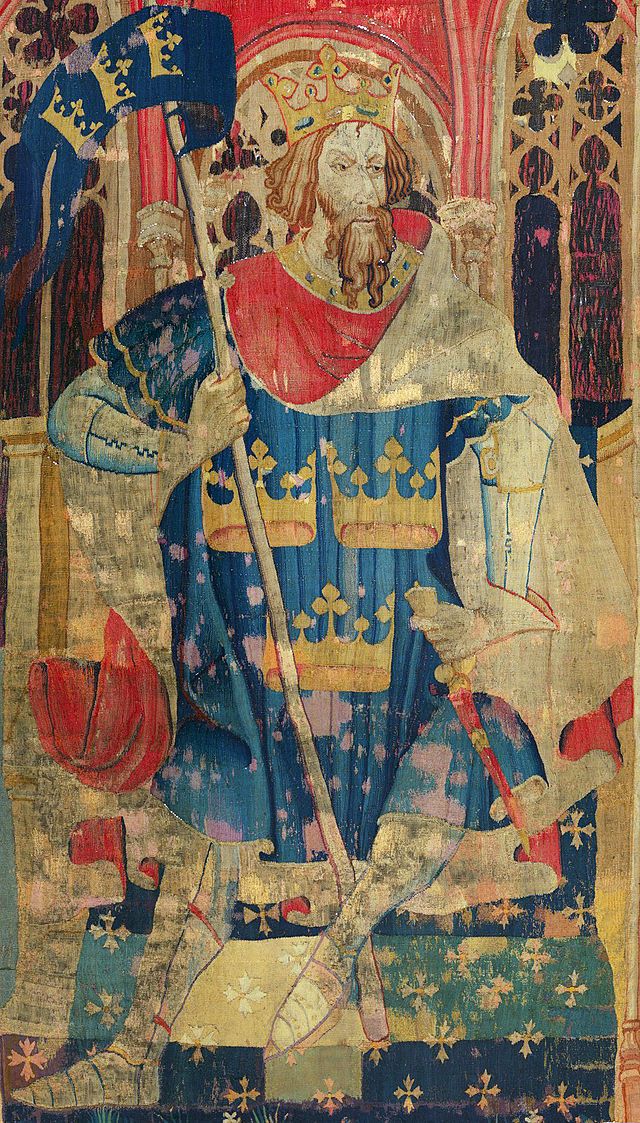
Chrétien de Troyes
 (Chrétien de Troyes)
Great French medieval trouvère and poet who originated the Arthurian courtly romance, inventing the Holy Grail quest and the tragic romance of Lancelot and Guinevere.
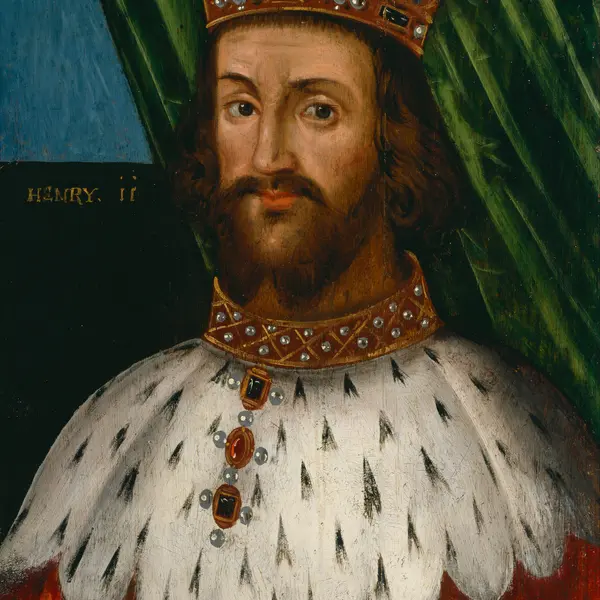
Henry II of England
(Henry Plantagenet)
First Plantagenet King of England who established the English Common Law, the jury system, and the vast Angevin Empire.
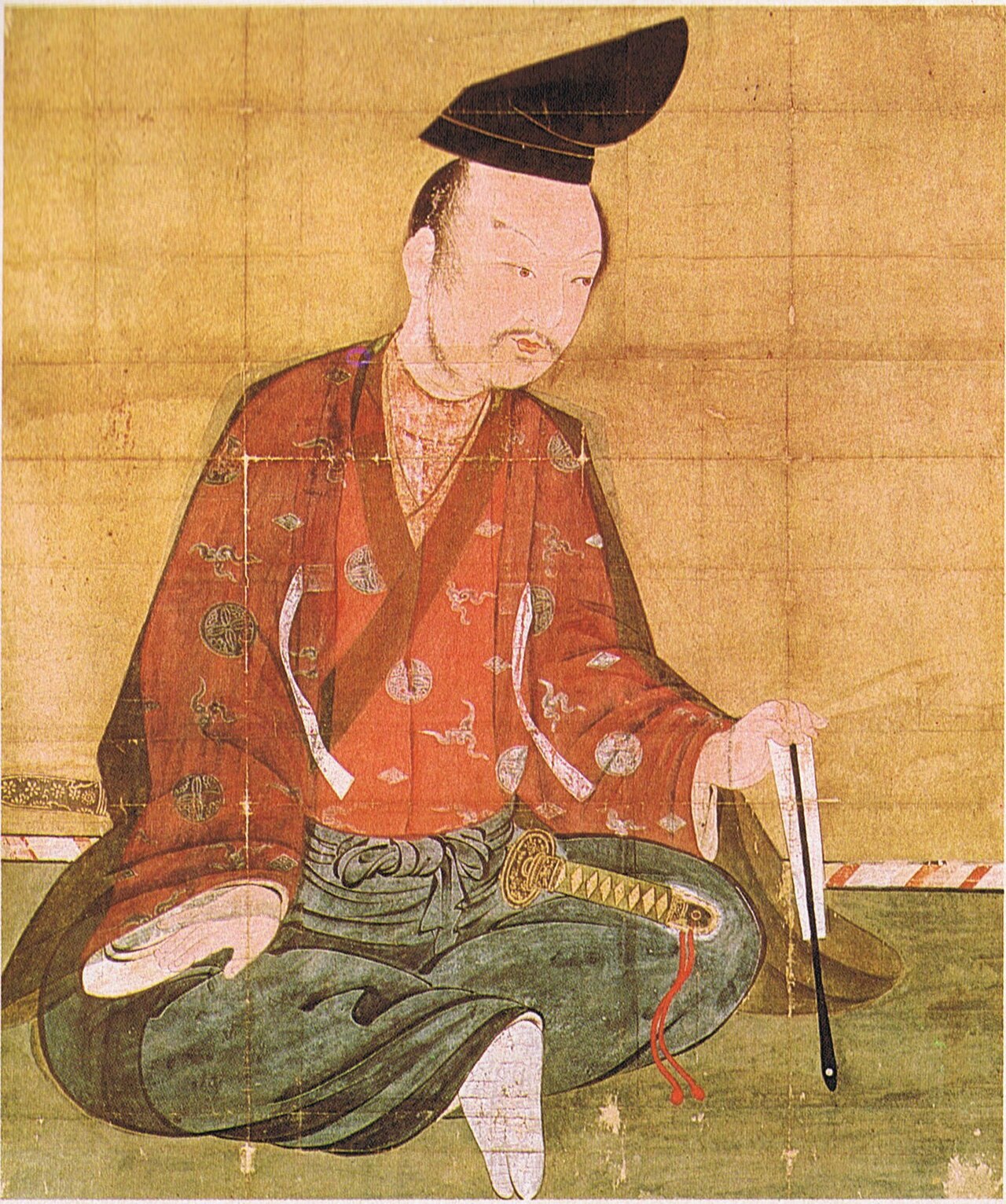
Minamoto no Yoshitsune
 (源義経)
(源義経)
Brilliant samurai commander of the Genpei War who led the Minamoto clan to total victory over the Taira at Ichi-no-Tani, Yashima, and Dan-no-ura.
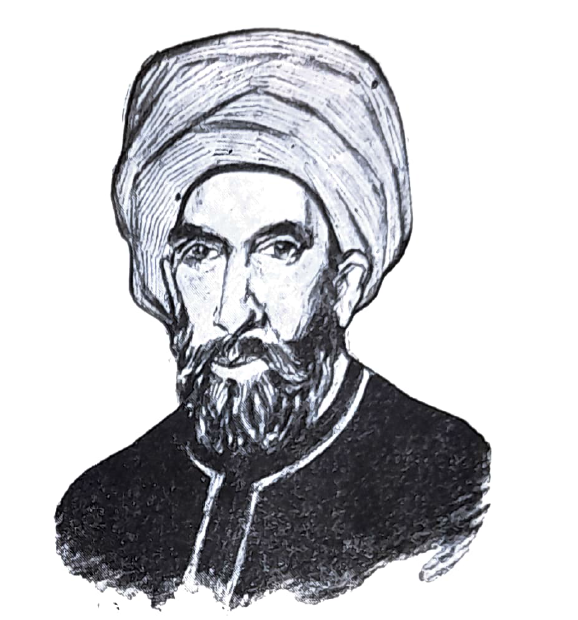
Ibn Tufail
 (أبو بكر محمد بن عبد الملك بن طفيل القيسي الأندلسي)
Andalusian Muslim philosopher and physician who authored the philosophical novel Hayy ibn Yaqdhan (The Self-Taught Philosopher), which inspired John Locke's tabula rasa and Defoe's Robinson Crusoe.
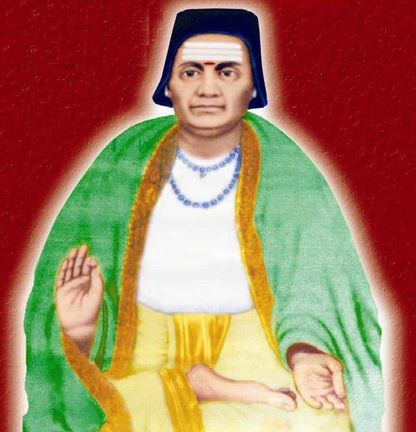
Bhaskara II (Bhaskaracharya)
(भास्कराचार्य)
Preeminent medieval Indian mathematician who authored the Siddhanta Shiromani and Lilavati, solving Pell's equation (Chakravala method) and discovering differential calculus principles.
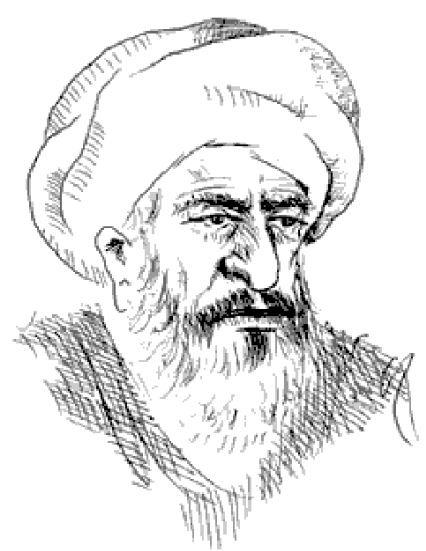
Abu Yaqub Yusuf (أبو يعقوب يوسف بن عبد المؤمن)
Second Almohad Caliph, distinguished philosopher-monarch who commissioned the Giralda in Seville, assembled the greatest imperial library in the Mediterranean, and personally sponsored philosopher Averroes.

Ahmad ibn Ali al-Rifa'i
 (أحمد بن علي الرفاعي)
Venerated Iraqi Sufi master, jurist, and founder of the Rifa'iyya order who taught radical humility, service to animals and the afflicted, and legendary devotion to the Prophet.
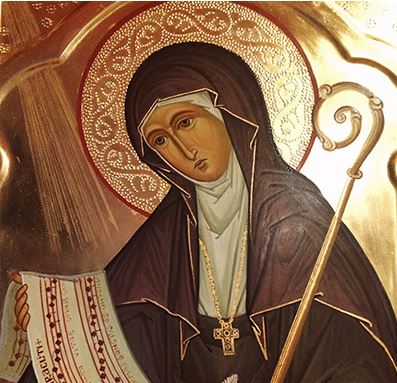
Saint Hildegard of Bingen
 (Hildegard von Bingen)
Benedictine abbess, mystic, polymath, and composer whose luminous liturgical chants in Symphonia armoniae celestium revelationum and allegorical morality play Ordo Virtutum mark the summit of medieval sacred music.
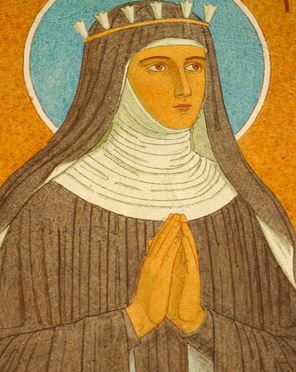
Hildegard of Bingen (Sibyl of the Rhine)
(Hildegard von Bingen)
Twelfth-century visionary abbess, composer, naturalist, and Doctor of the Church. Authored Scivias detailing luminous cosmic revelations, composed transcendent liturgical music, and articulated the theology of Viriditas (divine greening power).

Nur ad-Din Zengi (الملك العادل نور الدين محمود زنكي)
Zengid ruler of Syria celebrated as 'The Just King' (al-Malik al-Adil) who united Damascus and Aleppo, defeated the Second Crusade, and commissioned the famous minbar built for the liberation of Jerusalem.
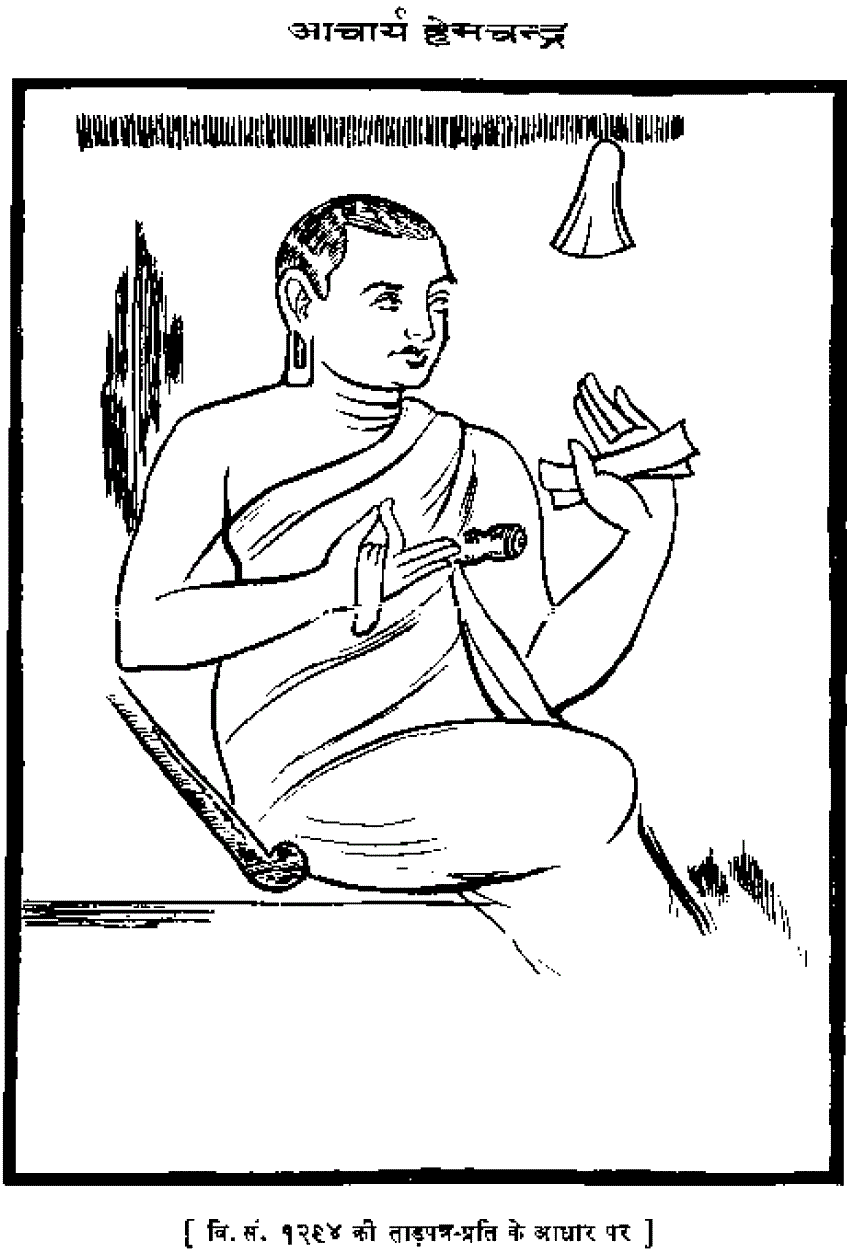
Acharya Hemachandra
(हेमचन्द्र)
Jain polymath, grammarian, and royal counselor who converted King Kumarapala of Gujarat, establishing animal protection laws and authoring encyclopedic works on grammar and philosophy.
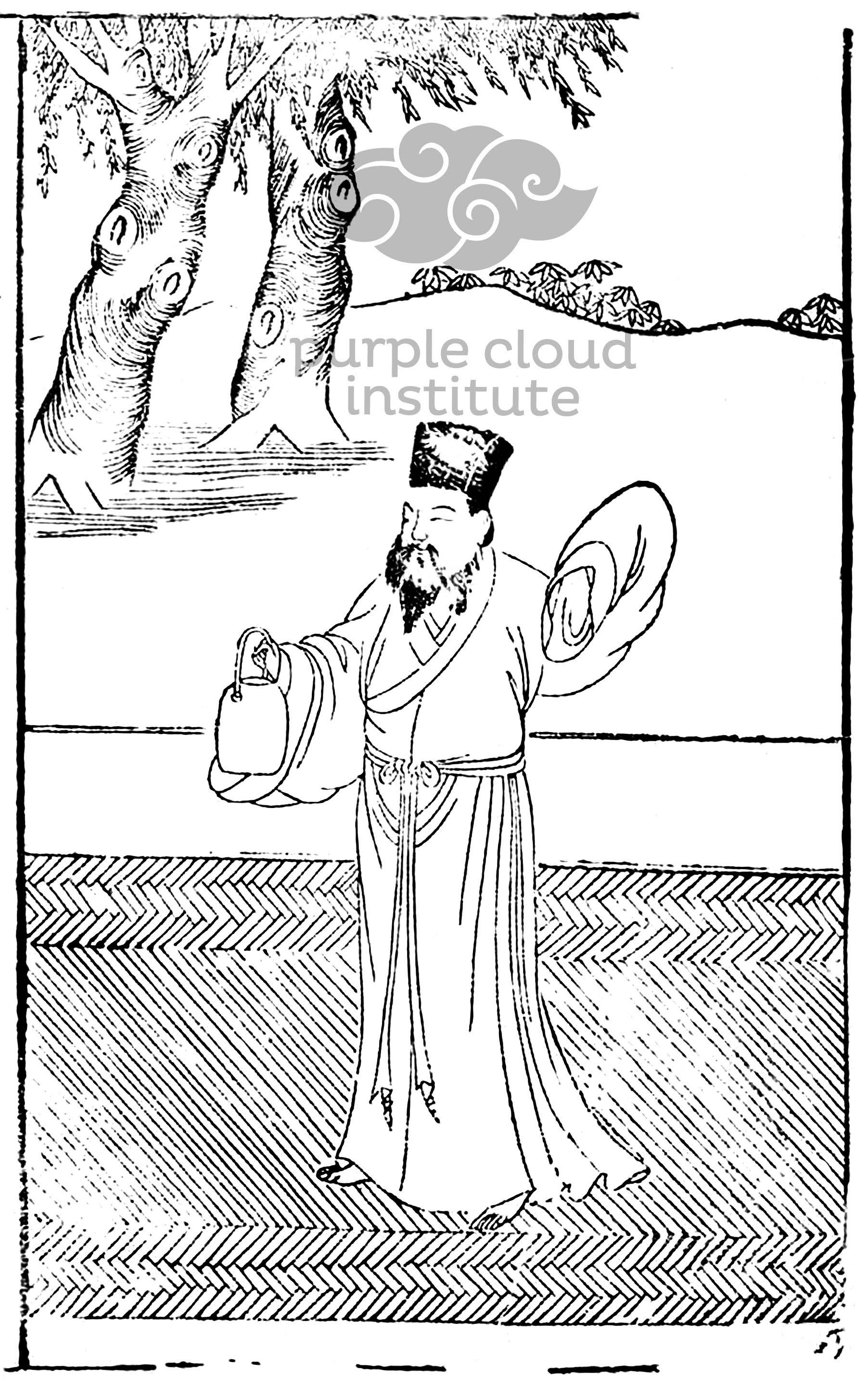
Wang Chongyang
 (王重陽)
(王重陽)
Founder of Quanzhen (Complete Perfection) Daoism who synthesized Buddhism, Daoism, and Confucianism and trained the legendary 'Seven Immortals of the North'.
Shirkuh
 (أسد الدين شيركوه بن شاذي)
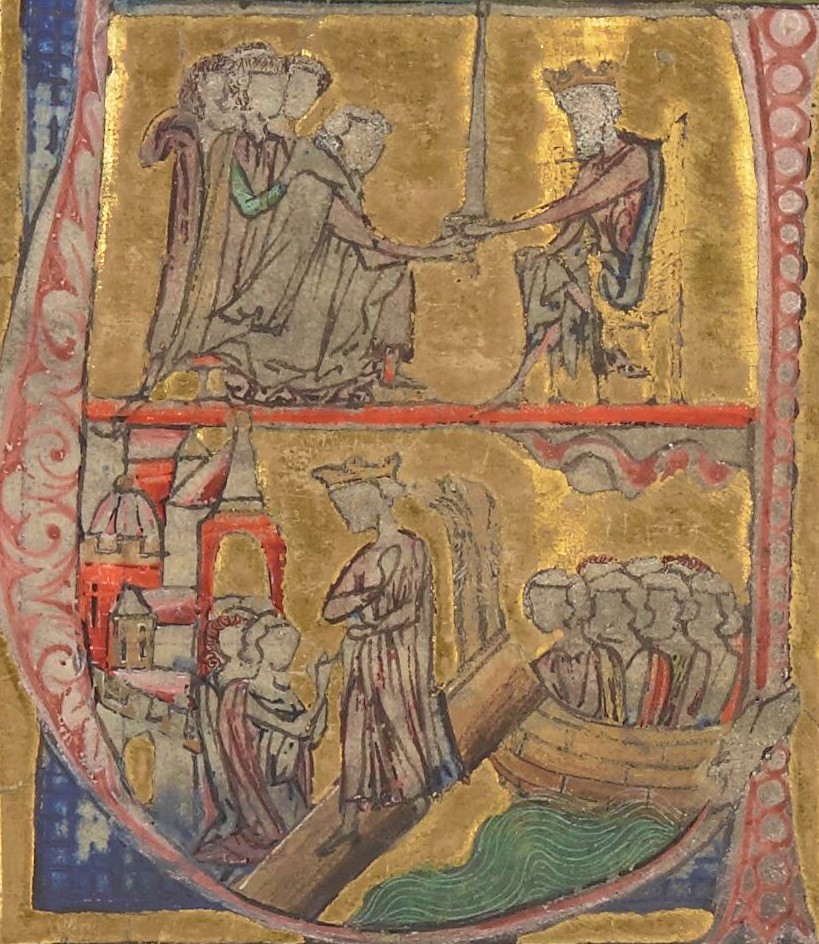
Kurdish general in the service of Nur ad-Din Zengi known as 'Lion of the Mountains', who led three military expeditions to conquer Egypt, paving the way for the Ayyubid Dynasty.
Abraham ben Meir ibn Ezra
(אברהם אבן עזרא)
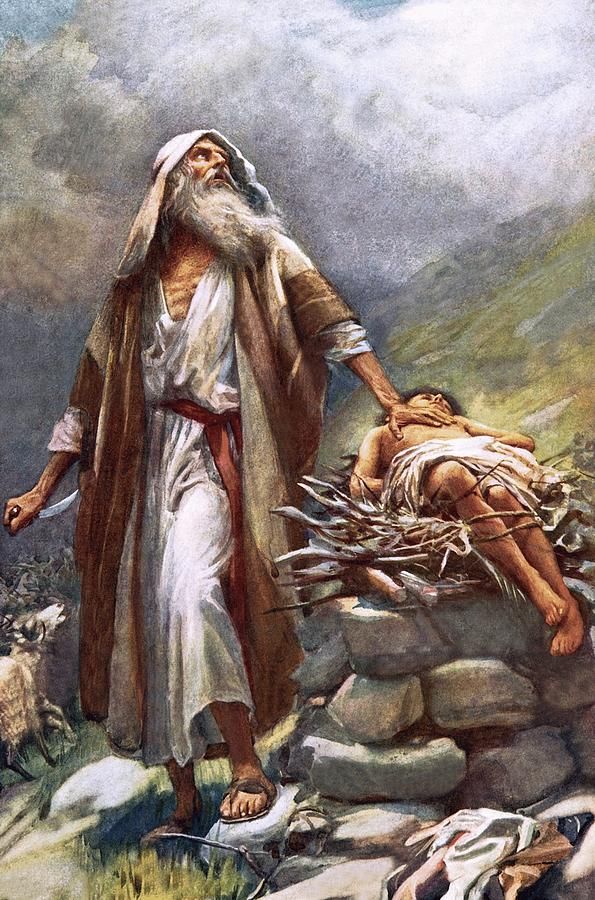
Brilliant Andalusian polymath, poet, astronomer, and biblical commentator whose critical grammatical methodology shaped medieval Torah interpretation.
Basava (ಬಸವಣ್ಣ)
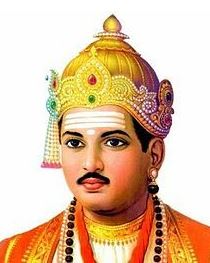
12th-century Kannada philosopher, statesman, and social reformer who rejected caste and gender discrimination, established the Anubhava Mantapa spiritual parliament, and pioneered the democratic 'Vachana' poetic philosophy.
Abdul Qadir Gilani (Ghawth al-Azam)
(عبد القادر الجيلاني)
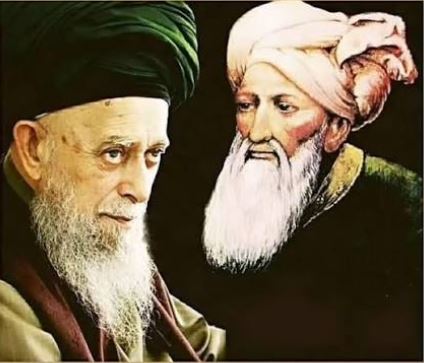
Celebrated across the Islamic world as "Ghawth al-Azam" (The Greatest Succor). Hanbali jurist and master preacher whose spiritual assembly in Baghdad founded the Qadiriyya—the earliest worldwide Sufi fraternal order.