Public Figures & Cultural Luminaries
Filterable archive covering centuries of intellectual, artistic, and moral contributions to the human story.
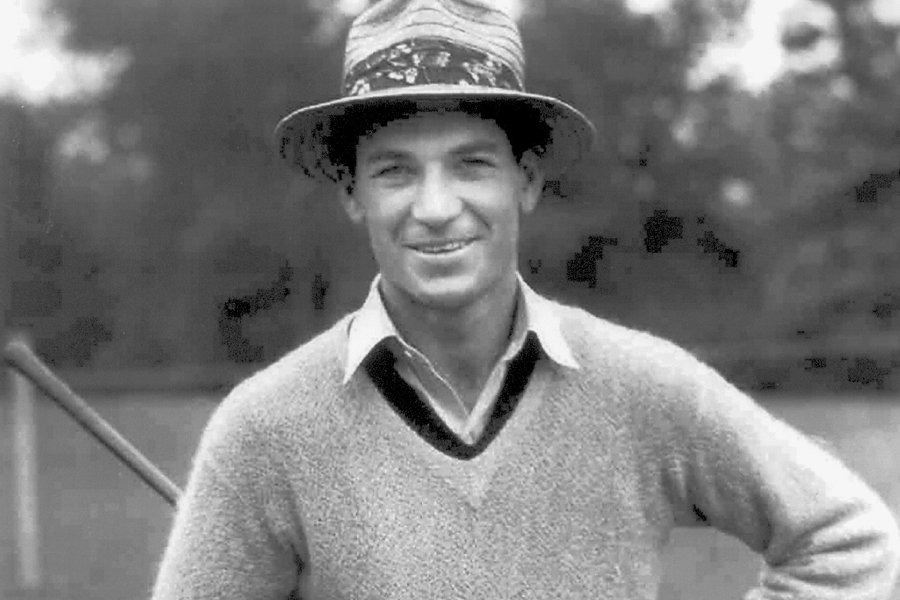
William Ben Hogan
 (William Ben Hogan)
American professional golfer, nine-time major champion renowned for his legendary ball-striking precision and miraculous comeback from a near-fatal head-on crash.
Oscar Kambona
 (Oscar Salathiel Kambona)
Charismatic first Foreign Minister of Tanzania and Secretary-General of TANU who pacified the 1964 army mutiny and chaired the OAU Liberation Committee.
Stanley Knowles
(Stanley Howard Knowles)
Beloved parliamentarian known as the 'Conscience of Parliament' who represented Winnipeg North Centre for nearly forty years, winning indexed pensions.
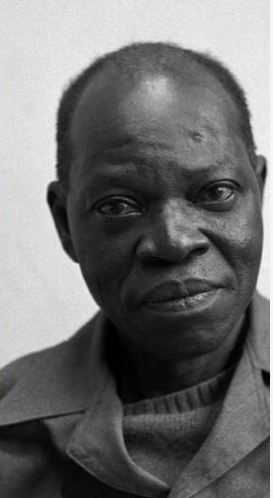
Amos Tutuola
 (Amos Tutuola)
Nigerian writer whose bizarre, intoxicating 1952 mythological novel The Palm-Wine Drinkard became the first African novel in English to achieve worldwide international fame.
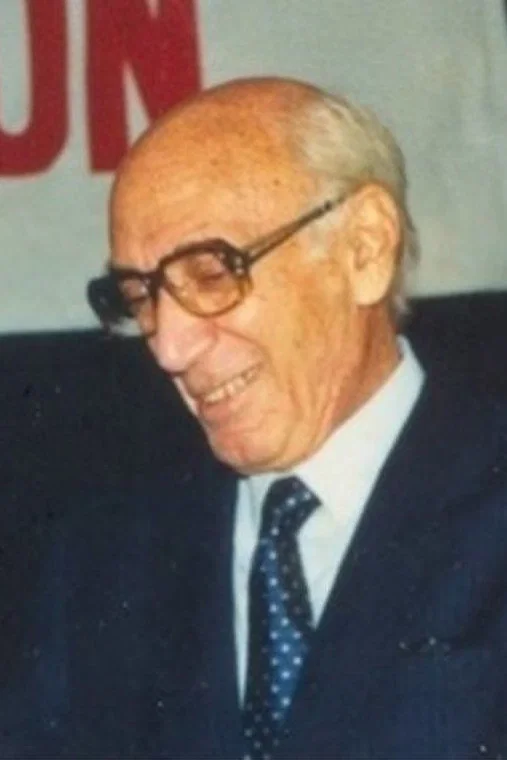
Henry Barakat
 (هنري بركات)
Venerable Egyptian film director whose lyrical, emotionally poignant direction of over eighty films—most notably 'The Nightingale's Prayer' and 'The Sin'—defined the Golden Age of Egyptian Cinema, nominated for the Berlin Golden Bear and Academy Award.
Sa'dallah Wannus
 (سعد الله ونوس)
Syria's greatest modern playwright who formulated the 'Theatre of Politicization' and delivered UNESCO's historic 1996 World Theatre Day message.
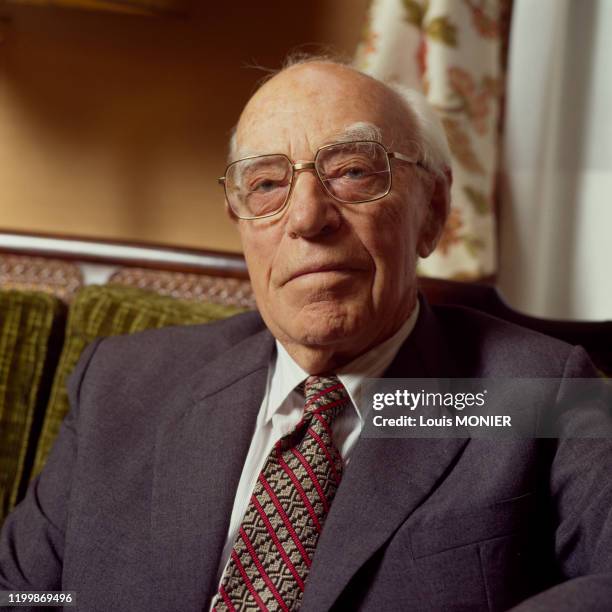
John Carew Eccles
 (Sir John Carew Eccles)
Distinguished neurophysiologist and philosopher who won the 1963 Nobel Prize in Physiology or Medicine for discovering the ionic mechanisms involved in excitation and inhibition in the brain's synapses.
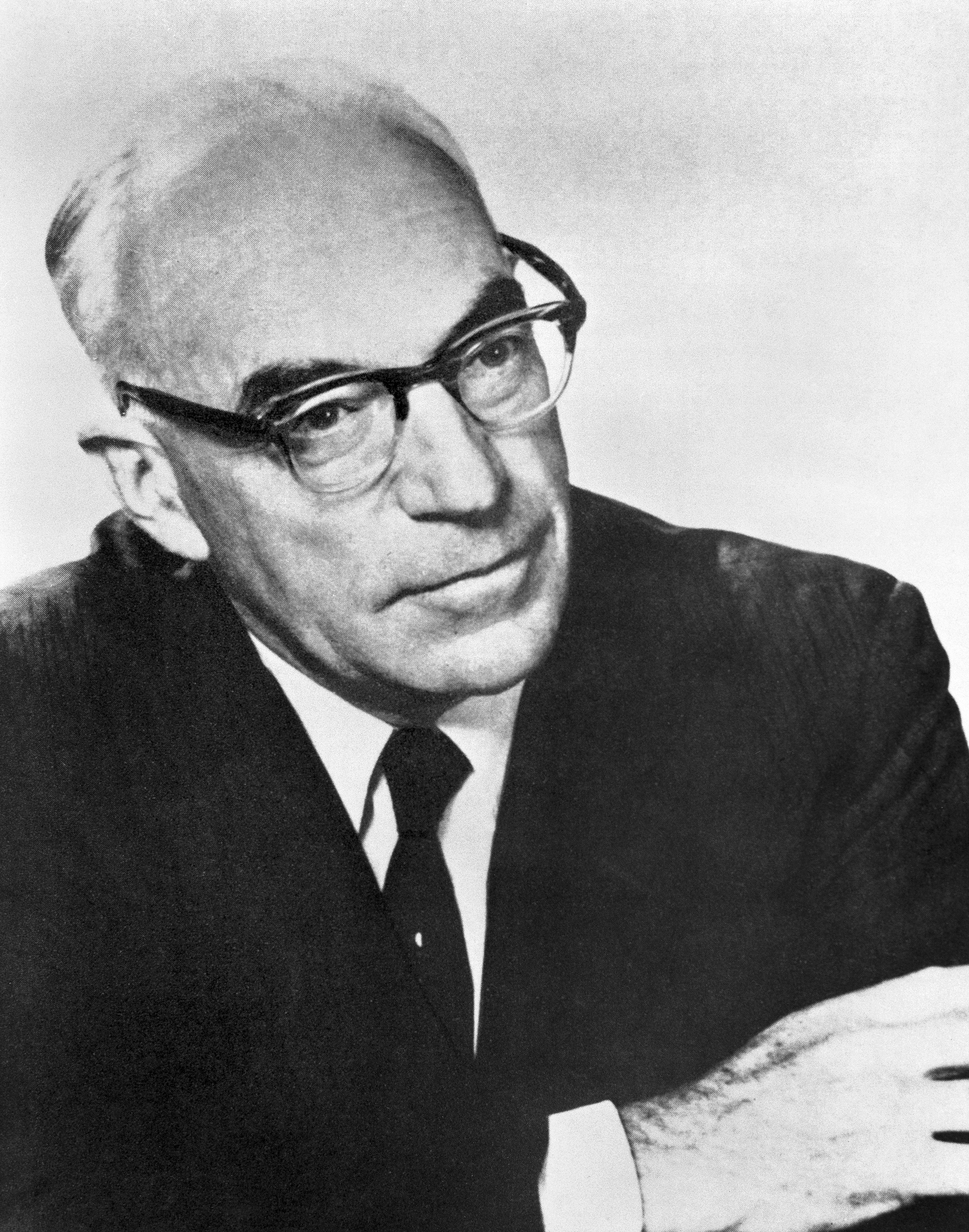
John Eccles
(Sir John Carew Eccles)
Australian neurophysiologist who won the 1963 Nobel Prize in Medicine for discovering the ionic mechanisms of synaptic inhibition, proving that hyperpolarizing chloride ion influx generates inhibitory postsynaptic potentials (IPSPs).
Fernand Dumont
 (Fernand Dumont)
Eminent Quebec sociologist, philosopher, and intellectual giant whose foundational works, including Le Lieu de l'homme and Genèse de la société québécoise, provided the intellectual compass for the Quiet Revolution.
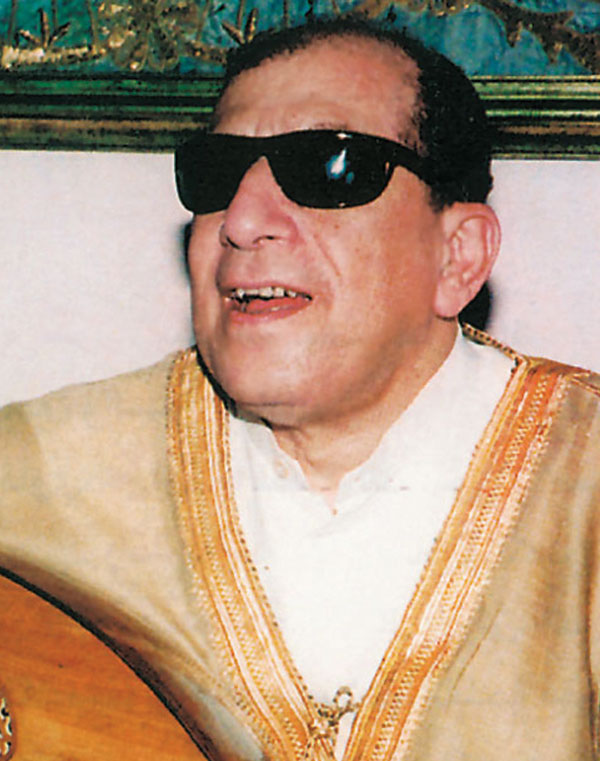
Sayed Mekawy
(سيد مكاوي)
Iconic blind Egyptian composer, singer, and cultural legend known as 'Sheikh Sayed', whose masterful operetta 'El Leila El Kebira' and timeless popular songs preserved and elevated authentic Egyptian folklore to universal acclaim.
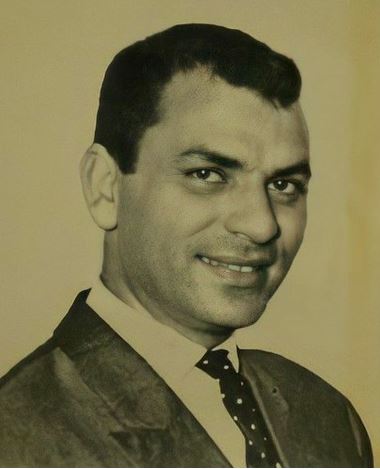
Ismail Ahmed
 (إسماعيل أحمد)
Beloved Moroccan singer, composer, and virtuoso violinist whose smooth tenor voice and romantic classics like 'Kano Hna' and 'Habib El Qalb' defined 20th-century Moroccan melody.
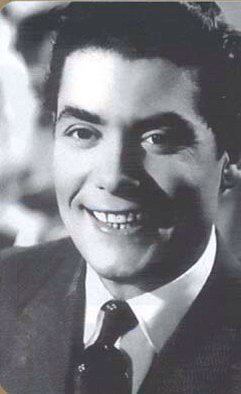
Shukry Sarhan
(شكري سرحان)
Revered 'Knight of Egyptian Cinema' and premier dramatic actor whose profound psychological realism in Henry Barakat's The Sin (Al-Haram) and Hussein Kamal's The Postman defined realistic Arab cinema.
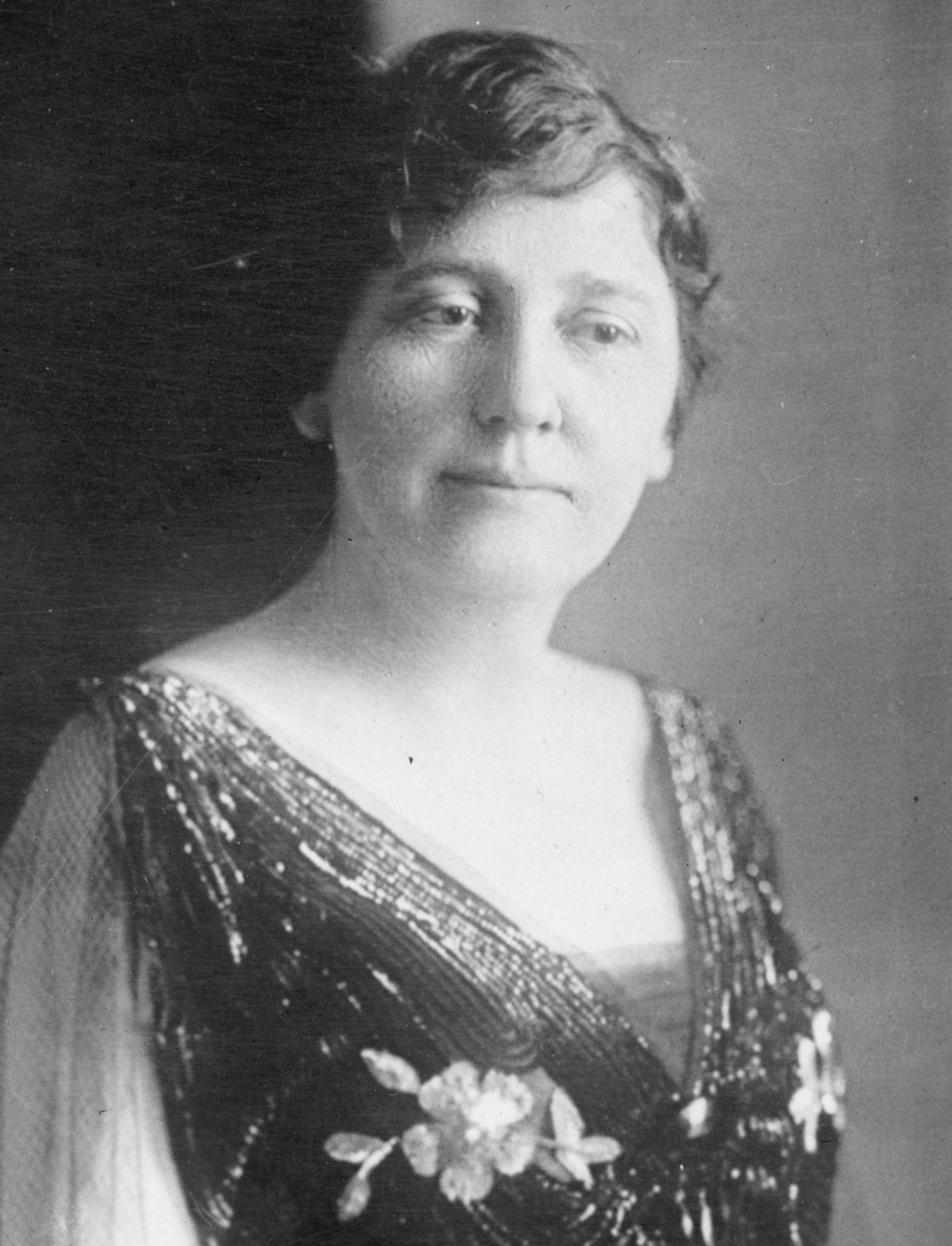
Lois Marshall
(Lois Marshall)
Internationally acclaimed Canadian concert singer who overcame childhood polio to triumph in Bach, Handel, and Mahler under Arturo Toscanini and Sir Thomas Beecham.
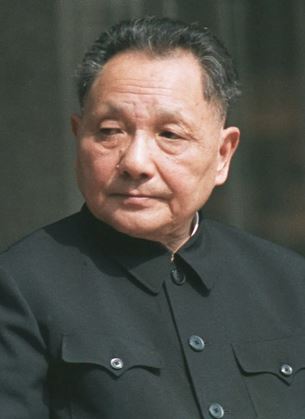
Deng Xiaoping
 (邓小平)
Architect of modern Chinese economic resurgence; pioneered Special Economic Zones, coined 'socialism with Chinese characteristics', and negotiated Hong Kong's 'One Country, Two Systems'.
Bozorg Alavi
 (بزرگ علوی)
Founding master of modern Persian psychological fiction, member of the 'Group of Fifty-Three', author of the iconic mystery novel 'Her Eyes'.
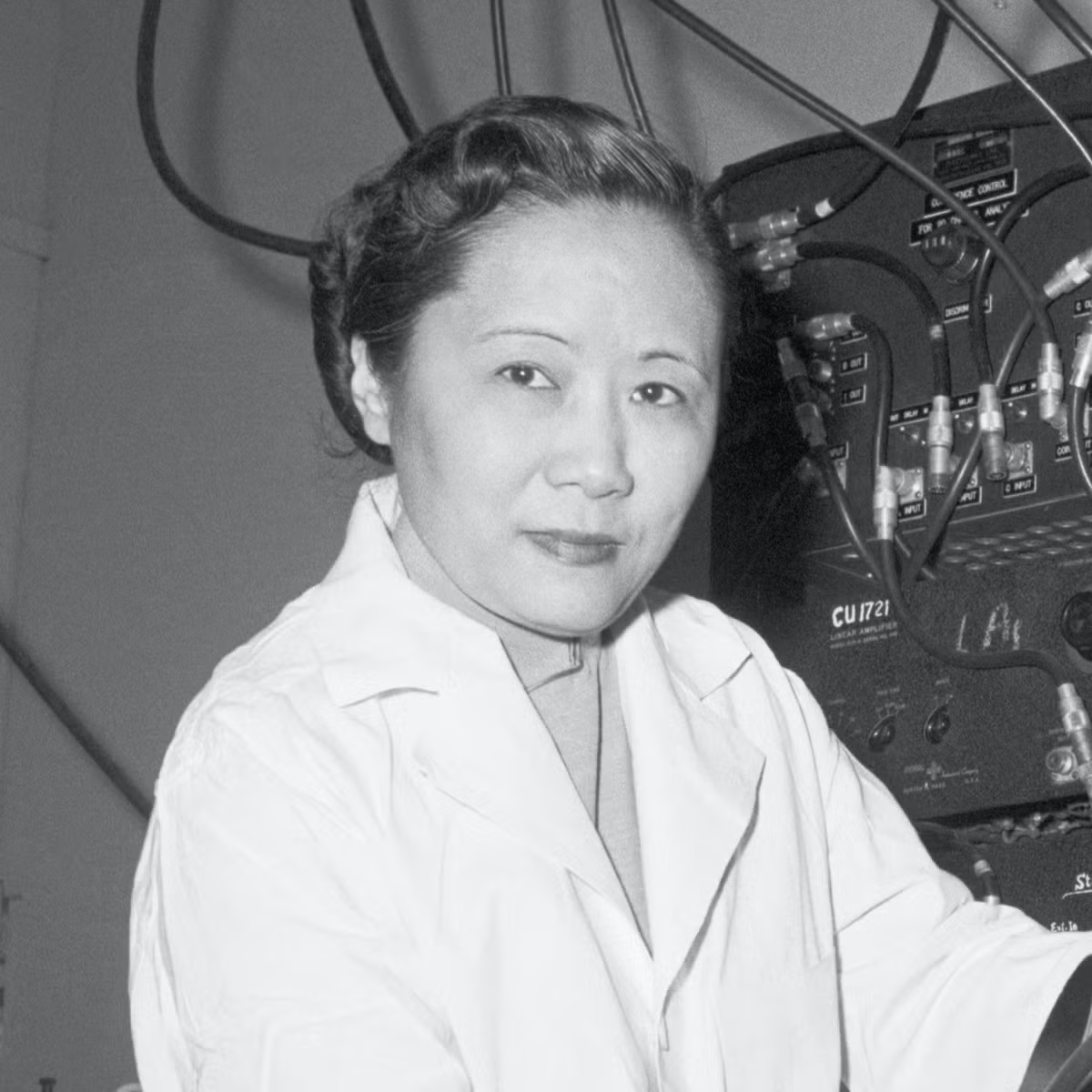
Chien-Shiung Wu
(吴健雄)
Trailblazing experimental physicist known as the 'First Lady of Physics' who disproved the conservation of parity.
Vojin Komadina
 (Војин Комадина)
Distinguished classical composer and academician whose orchestral and piano works synthesized archaic Balkan folkloric micro-intervals and polyphony with avant-garde modern orchestration.
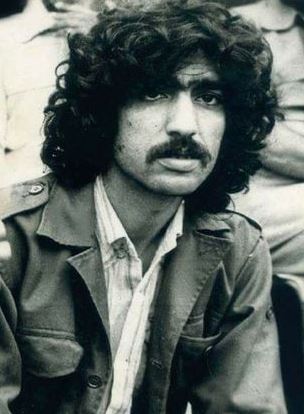
Larbi Batma
(العربي باطما)
Charismatic poet, singer, and lead percussionist of the legendary band 'Nass El Ghiwane', hailed by Martin Scorsese as 'The Rolling Stones of the Arab World', who revolutionized modern Moroccan youth culture.