Public Figures & Cultural Luminaries
Filterable archive covering centuries of intellectual, artistic, and moral contributions to the human story.
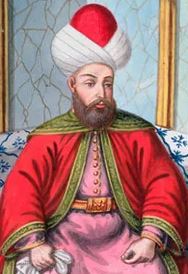
Sokollu Mehmed Pasha
 (Mehmed-paša Sokolović)
De facto ruler during the Ottoman Golden Age whose exceptional administrative mastery preserved imperial strength through dynastic transitions.
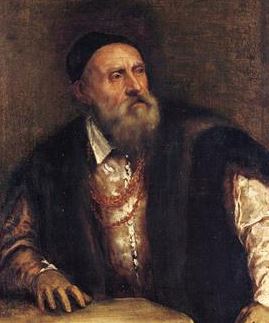
Tiziano Vecellio (Tiziano Vecellio)
Supreme master of the Venetian school whose dynamic brushwork, vibrant colorism, and imperial portraits for Emperor Charles V revolutionized European oil painting.
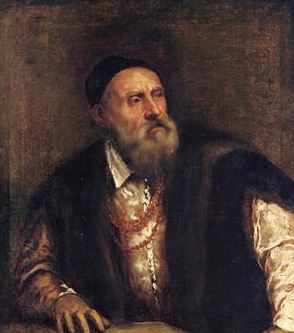
Tiziano Vecellio (Titian)
 (Tiziano Vecellio)
Supreme giant of the Venetian School of painting whose revolutionary mastery of glowing color (*colorito*), expressive brushwork, and monumental compositions influenced generations of European painters from Rubens to Velázquez.
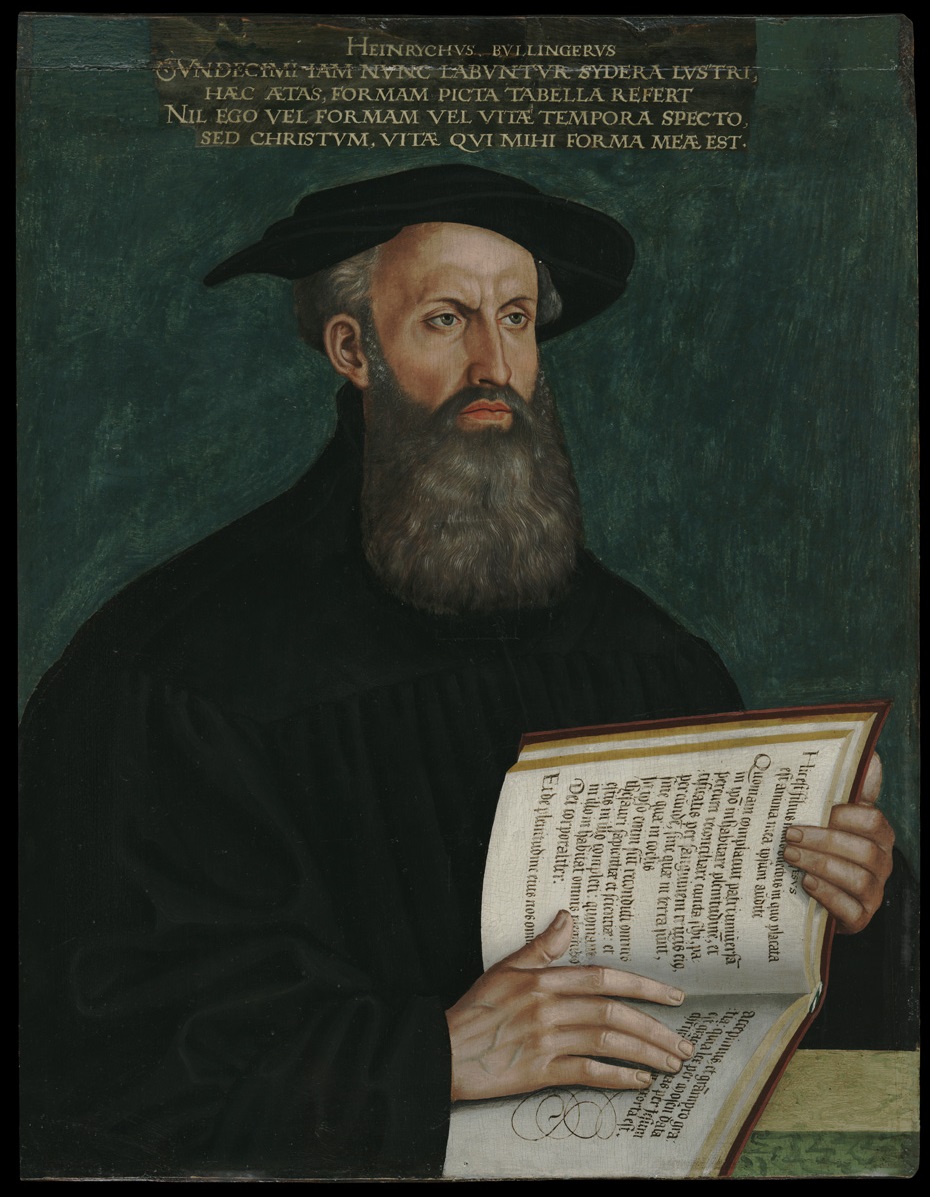
Heinrich Bullinger
 (Heinrich Bullinger)
Successor to Zwingli as Antistes of Zurich for forty-four years whose 'Second Helvetic Confession' unified the Reformed churches across Europe and whose 12,000 letters guided kings.
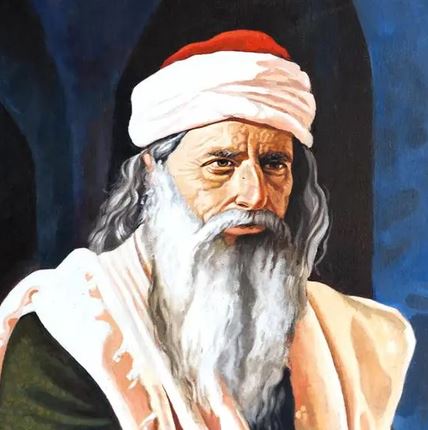
Joseph ben Ephraim Karo (Maran / Author of the Shulchan Aruch)
 (יוֹסֵף קָארוֹ)
Venerated as "Maran" (Our Master). Expelled from Spain in 1492, he settled in the mystical Galilean city of Safed, authoring the Beit Yosef and the Shulchan Aruch (The Prepared Table)—the universally authoritative code of Jewish halakhic law.
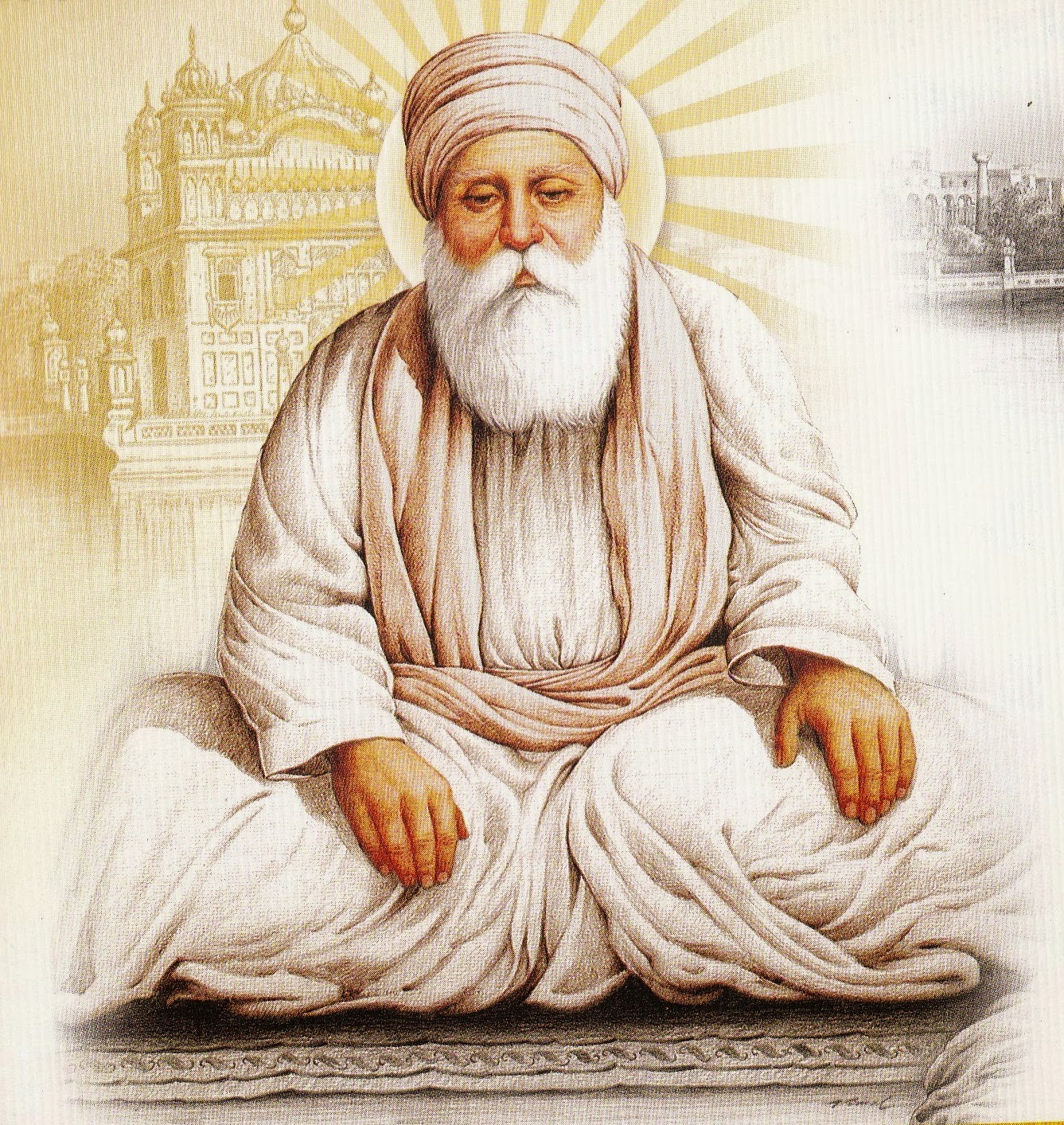
Guru Amar Das Ji (Third Sikh Guru & Champion of Equality)
 (ਗੁਰੂ ਅਮਰ ਦਾਸ ਜੀ)
Ascending to the Guruship at the age of seventy-three after years of humble service fetching water from the river, Guru Amar Das revolutionized Punjabi society by banning the veil (purdah) and widow-burning (sati), creating the Manji system of administration.
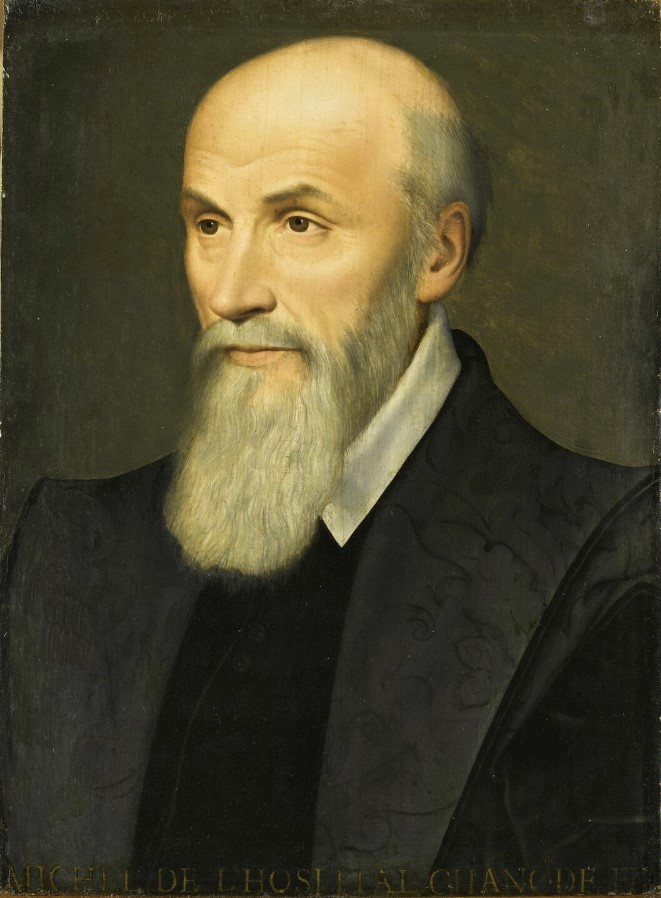
Michel de L'Hôpital
 (Michel de L'Hôpital)
Chancellor of France and humanist statesman who pioneered modern religious toleration and judicial reform in the Edict of Saint-Germain.
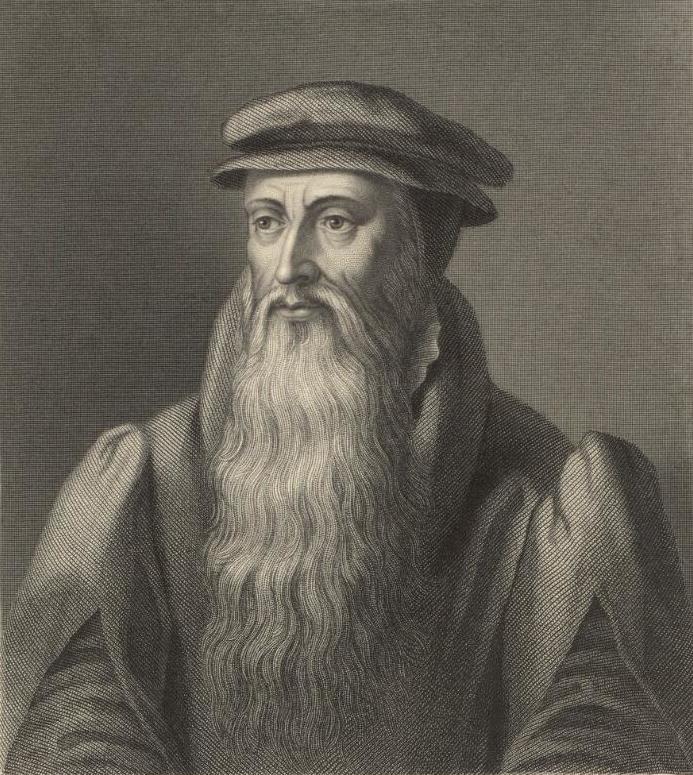
John Knox
 (John Knox)
Fiery leader of the Scottish Reformation, disciple of Calvin, and founder of the Presbyterian Church of Scotland who defied Mary, Queen of Scots in defense of the Reformed faith.
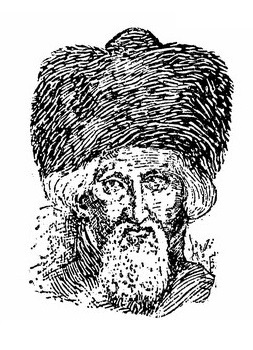
Isaac ben Solomon Luria
 (יצחק לוריא)
Supreme kabbalist of Safed whose revolutionary mystical doctrines of Tzimtzum (divine contraction), Shevirat HaKelim (shattering of the vessels), and Tikkun Olam reshaped Judaism.
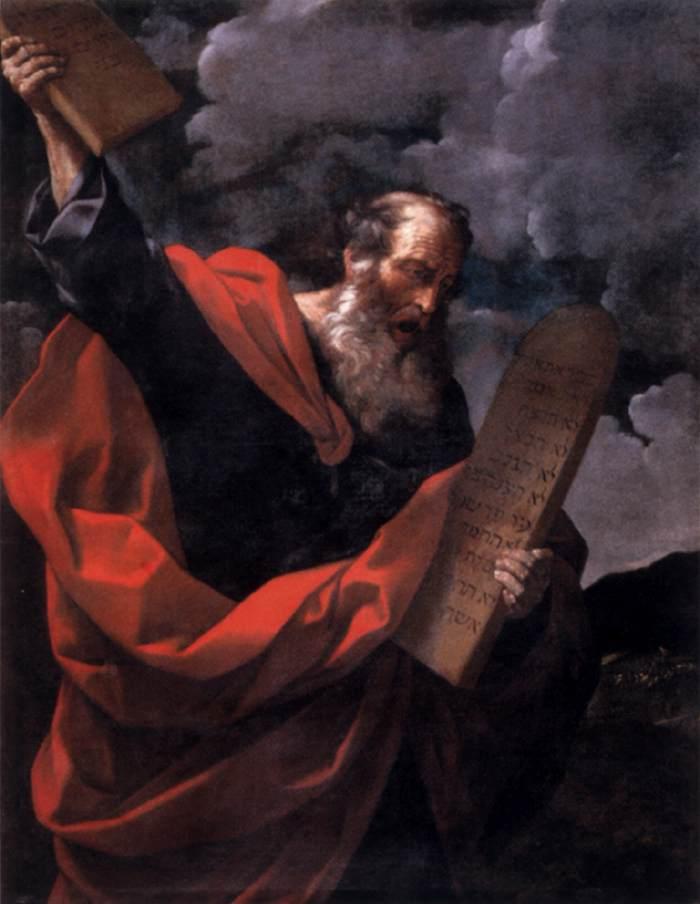
Moses ben Jacob Cordovero
(משה קורדובירו)
Eminent Safed kabbalist and master synthesizer whose works 'Pardes Rimonim' and 'Tomer Devorah' harmonized Zoharic mysticism with profound personal ethics.
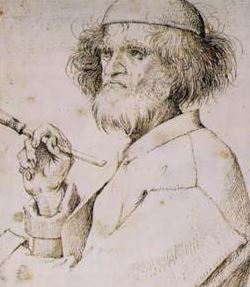
Pieter Bruegel the Elder
 (Pieter Bruegel de Oude)
Pioneering Netherlandish Renaissance master celebrated for his panoramic seasonal landscapes, biting allegorical satires (Netherlandish Proverbs), and affectionate, vivid depictions of peasant celebrations and labor.
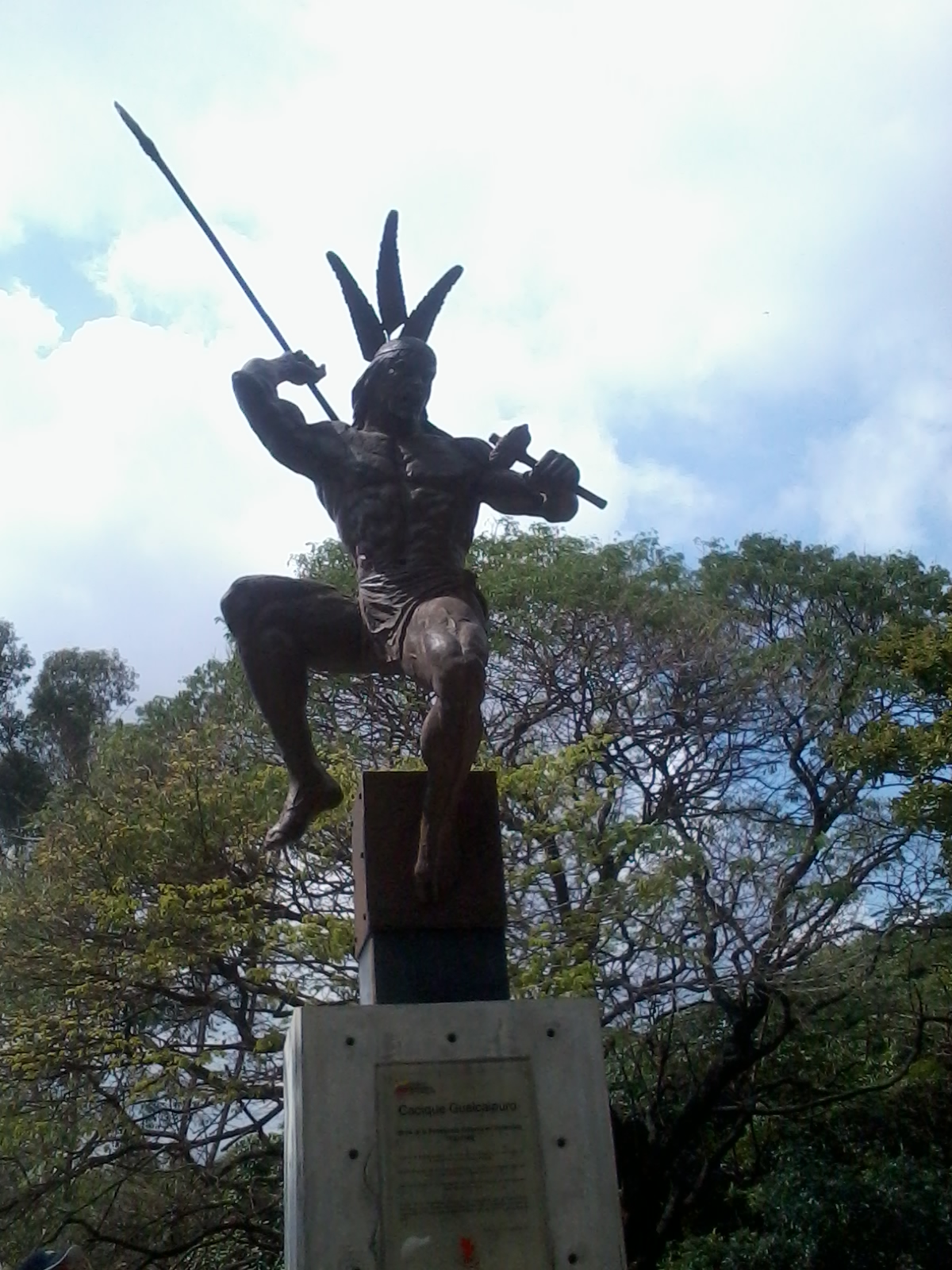
Guaicaipuro
 (Guaicaipuro)
Cacique of the Teques and Caracas tribes who formed an indigenous confederation across northern Venezuela that repeatedly defeated Spanish conquistadors, driving them out of the Caracas valley for nearly a decade.
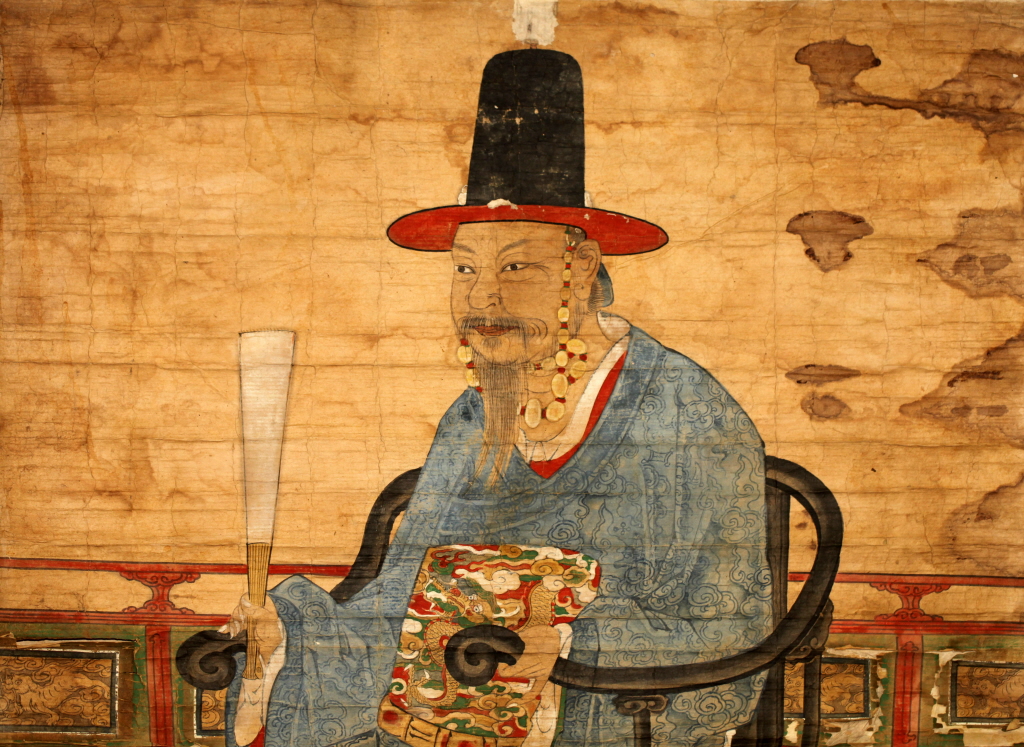
King Myeongjong of Joseon
 (조선 명종 (이환))
Thirteenth monarch of the Joseon Kingdom of Korea who struggled against conservative factionalism, patronized Neo-Confucian scholarship under Yi Hwang (Toegye), and established royal state grain relief.
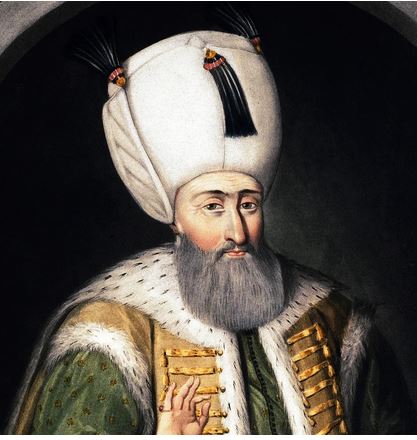
Suleiman I (The Magnificent / Kanuni Sultan Süleyman)
 (سليمان اول / Kanunî Sultan Süleyman)
Tenth and longest-reigning Sultan of the Ottoman Empire (1520–1566). Known in the West as "the Magnificent" and in the East as "the Lawgiver" (Kanuni). Oversaw the golden age of Ottoman military supremacy, arts, and monumental architecture.
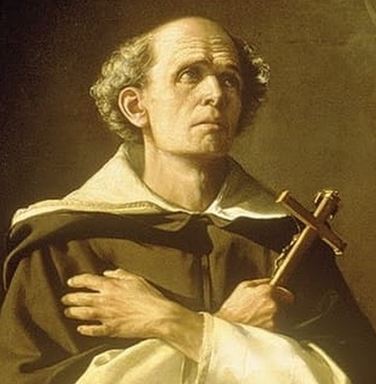
Bartolomé de las Casas
(Bartolomé de las Casas)
16th-century Spanish Dominican friar and Bishop of Chiapas who renounced his colonial encomienda to become the 'Protector of the Indians', authoring A Short Account of the Destruction of the Indies to denounce colonial genocide.
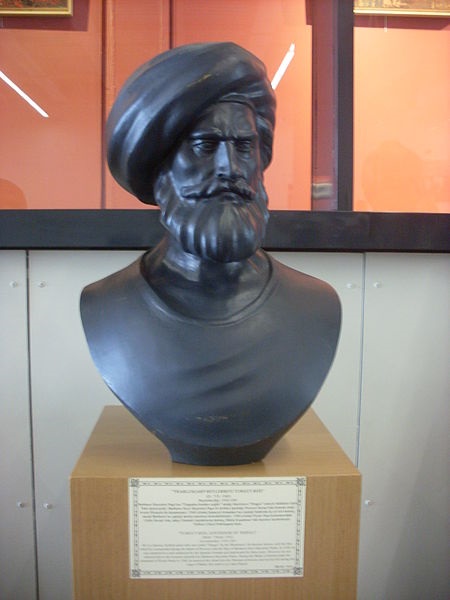
Turgut Reis (Dragut Rais)
(Turgut Reis / Dragut)
Ottoman admiral, privateer, and Bey of Tripoli described by contemporaries as 'a living drawn sword', who captured Tripoli and commanded at the Great Siege of Malta.
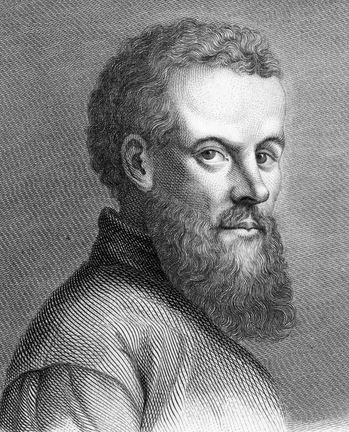
Andreas Vesalius
 (Andreas van Wesel)
Brilliant anatomist whose 1543 masterpiece De Humani Corporis Fabrica founded modern human anatomy through direct cadaver dissection, correcting over 200 errors in Galen's texts.
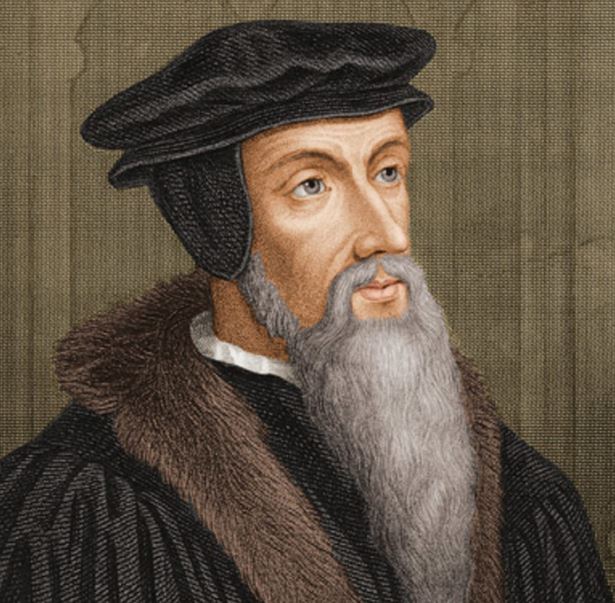
John Calvin (Jean Cauvin)
(Jean Cauvin)
Systematic theologian of the Protestant Reformation who established Geneva as the spiritual bastion of Reformed Christianity. Authored the Institutes of the Christian Religion, articulating doctrines of divine sovereignty, grace, and civic duty.