 United States
•
10 views
United States
•
10 views
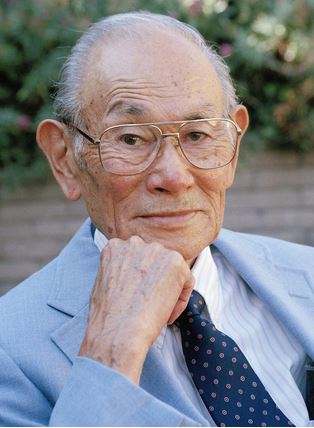
Fred Korematsu

Oakland, California, United States
Archival Overview
Fred Korematsu was an American civil rights activist who courageously refused to comply with President Franklin D. Roosevelt's Executive Order 9066, which forcibly interned over 120,000 Japanese Americans during World War II. Challenging his conviction all the way to the US Supreme Court in Korematsu v. United States (1944), he persevered for four decades until his conviction was formally overturned in 1983.
Biographical Record
Fred Toyosaburo Korematsu was born in Oakland, California, the third of four sons of Japanese immigrant parents who operated a flower nursery. After graduating from Castlemont High School, Korematsu trained as an industrial shipyard welder. When World War II broke out, he attempted to enlist in the US Navy but was rejected on medical grounds, only to be subsequently fired from his defense shipyard job solely because of his Japanese ancestry.
Following the attack on Pearl Harbor, President Roosevelt issued Executive Order 9066 in February 1942, authorizing the forced removal and mass incarceration of Japanese Americans from the West Coast. While his family obeyed civilian exclusion orders and was sent to the Tanforan Assembly Center, 23-year-old Korematsu went into hiding in the Bay Area, undergoing minor plastic surgery on his eyelids in an attempt to pass as Spanish-Hawaiian and remain with his Italian-American fiancée.
Arrested in San Leandro in May 1942, Korematsu was visited in jail by Ernest Besig, director of the Northern California ACLU, who asked if he would be willing to serve as a test case to challenge the constitutionality of mass ethnic detention. Korematsu agreed: 'I was a citizen; I had done nothing wrong.' Although the Supreme Court ruled against him in a notorious 6–3 decision in December 1944, legal historian Peter Irons discovered suppressed military intelligence documents in 1982 proving that the federal government had lied to the Court about Japanese-American disloyalty. In November 1983, a federal court formally overturned Korematsu's conviction, and in 1998 he was awarded the Presidential Medal of Freedom.
Key Life Milestones
Supreme Court Ruling in Korematsu v. United States
Challenged the constitutionality of Japanese-American wartime internment before the highest court in the United States.
Historic Exoneration via Writ of Coram Nobis
Federal court vacated his conviction after evidence emerged proving wartime prosecutors suppressed intelligence showing no espionage threat.
Memorial Guestbook & Tributes
0 messages recordedLeave a Respectful Tribute
Final Resting Place
Perpetual MemorialLarkspur, Marin County, California, United States