Public Figures & Cultural Luminaries
Filterable archive covering centuries of intellectual, artistic, and moral contributions to the human story.
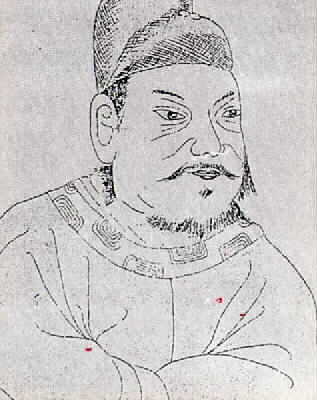
King Jeongjo
 (정조 (조선 정조))
Twenty-second King of the Joseon Dynasty (1776–1800), enlightened Confucian monarch who established the Gyujanggak royal research library, constructed the UNESCO fortress of Suwon Hwaseong, and patronized the Silhak (Practical Learning) intellectual renaissance.
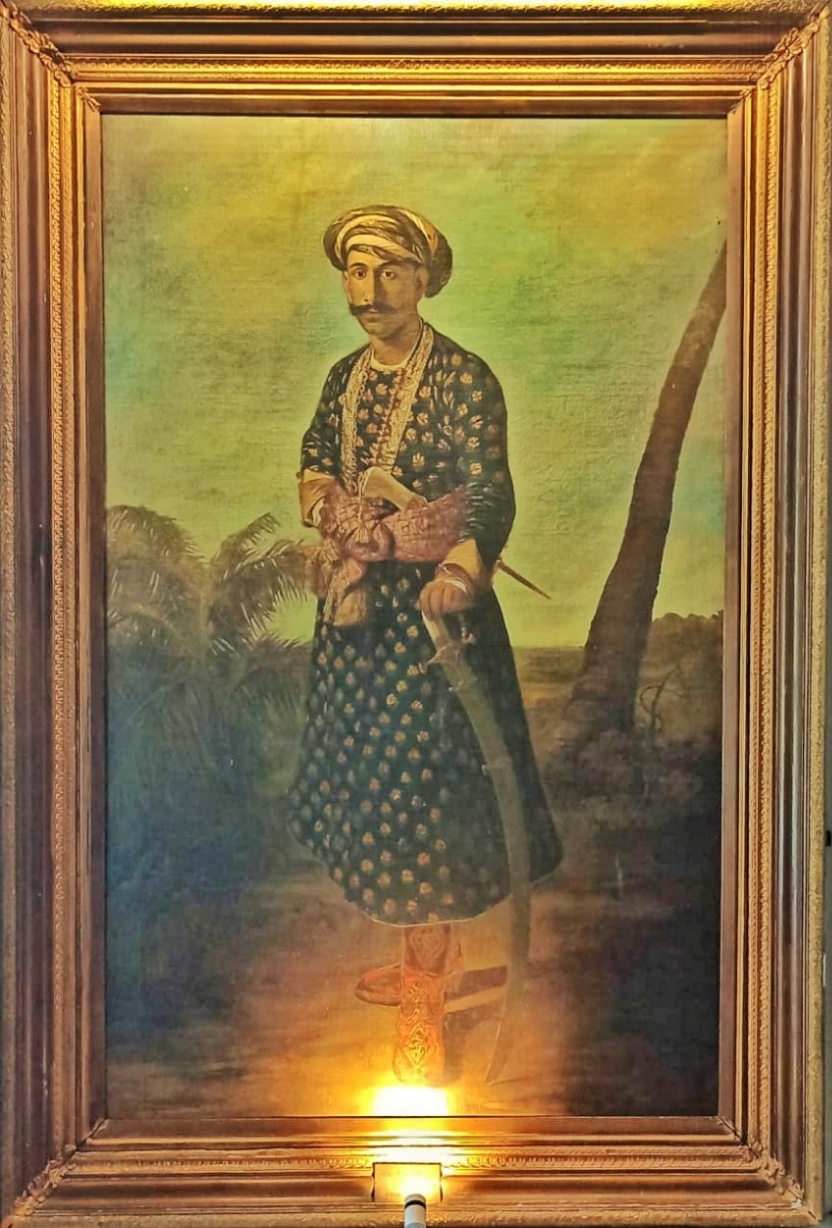
Tipu Sultan (Tiger of Mysore)
 (ٹیپو سلطان / ಟಿಪ್ಪು ಸುಲ್ತಾನ್)
Visionary ruler of the Kingdom of Mysore who pioneered iron-cased Mysorean rocketry and led four relentless wars against British colonial hegemony.
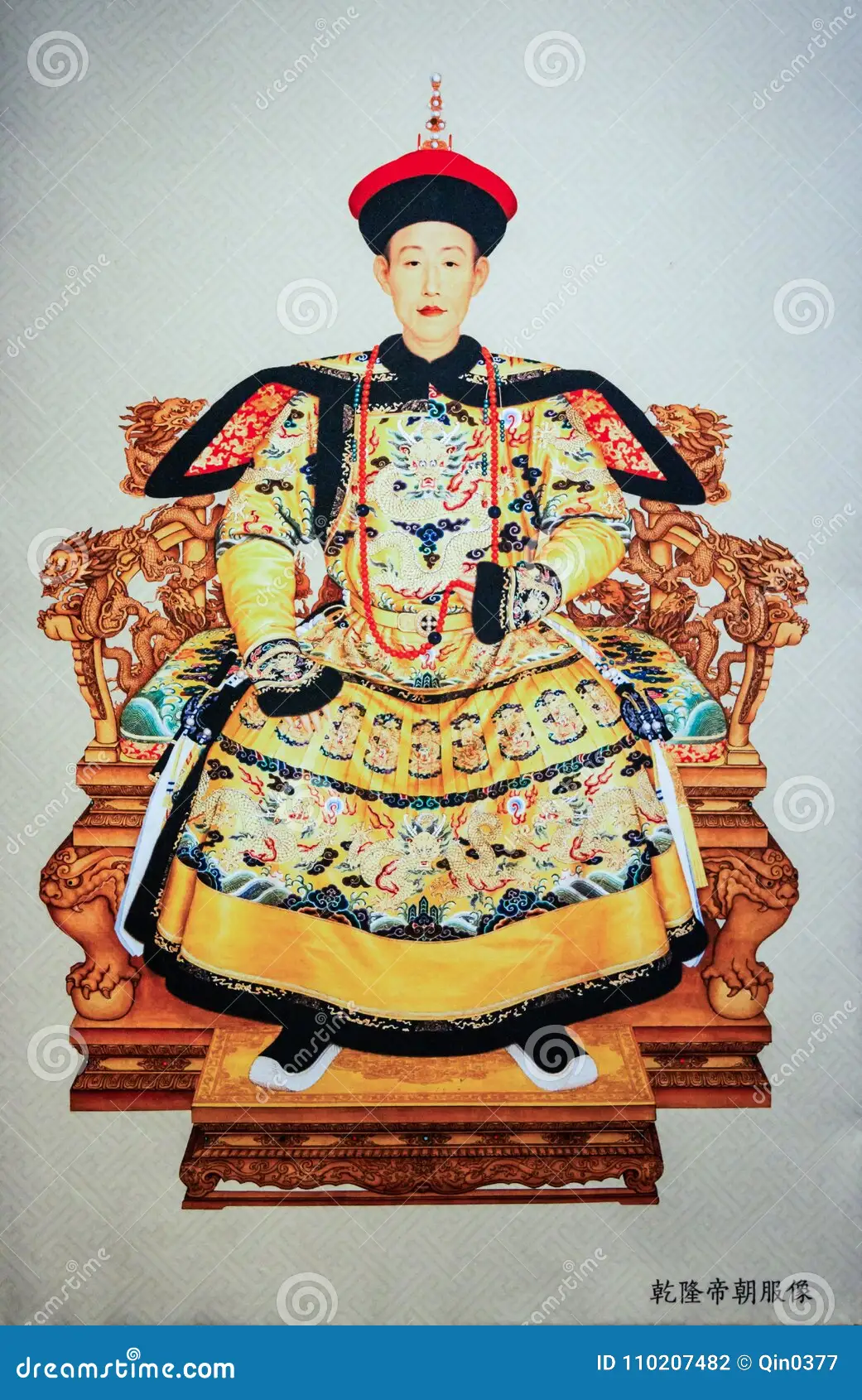
Qianlong Emperor (Hongli)
 (乾隆帝 / 愛新覺羅·弘曆)
Sixth emperor of the Qing dynasty whose sixty-year reign presided over the pinnacle of territorial expansion, imperial wealth, and colossal cultural patronage across China.
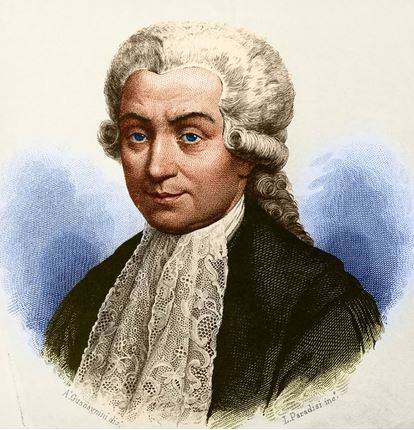
Luigi Galvani
 (Luigi Aloisio Galvani)
Italian physician and anatomist who discovered bioelectricity ('animal electricity'), demonstrating that nerves and muscles communicate via electrical currents, inspiring Mary Shelley's Frankenstein.
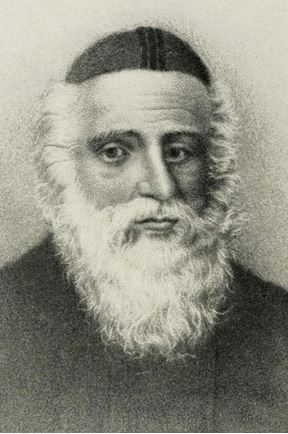
Elijah ben Solomon Zalman (אליהו בן שלמה זלמן)
Supreme rabbinic genius of Lithuania whose photographic memory, textual emendations of the Talmud, and mastery of mathematics and astronomy defined modern Lithuanian yeshiva scholarship.
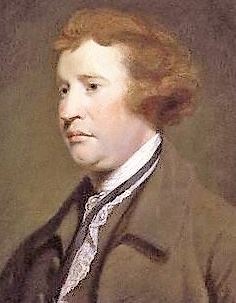
Edmund Burke
 (Edmund Burke)
Formulated the foundational principles of representative democracy, parliamentary conscience, and gradualist political change rooted in historical tradition.
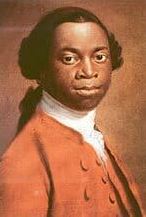
Olaudah Equiano
 (Olaudah Equiano)
Igbo-born writer and abolitionist whose gripping 1789 autobiography exposed the atrocities of the Middle Passage and galvanized the British parliamentary campaign to end the transatlantic slave trade.
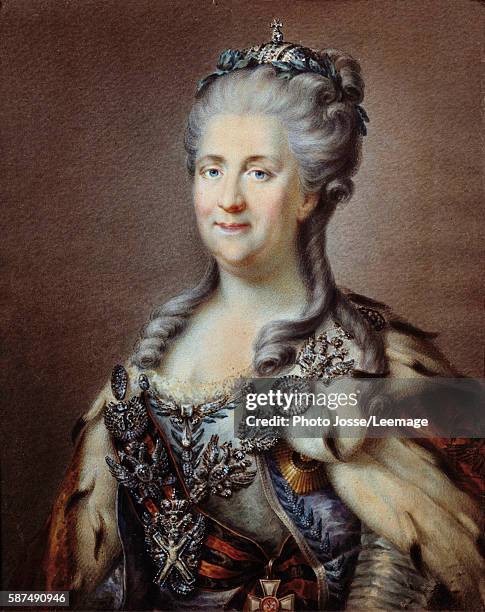
Catherine II of Russia (Catherine the Great)
 (Екатерина II Великая (Sophie of Anhalt-Zerbst))
Longest-reigning female leader of Russia whose thirty-four-year golden age modernized the Russian Empire and annexed Crimea.
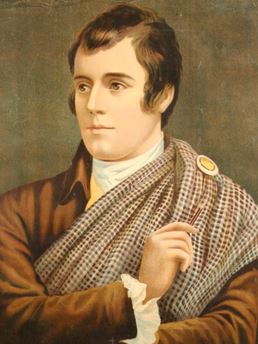
Robert Burns (Rabbie Burns)
 (Robert Burns)
Beloved national bard of Scotland whose vibrant Scots-language poetry and folk song collecting—including Auld Lang Syne, Tam o' Shanter, and A Man's a Man for A' That—celebrated democracy, social brotherhood, and romantic passion.
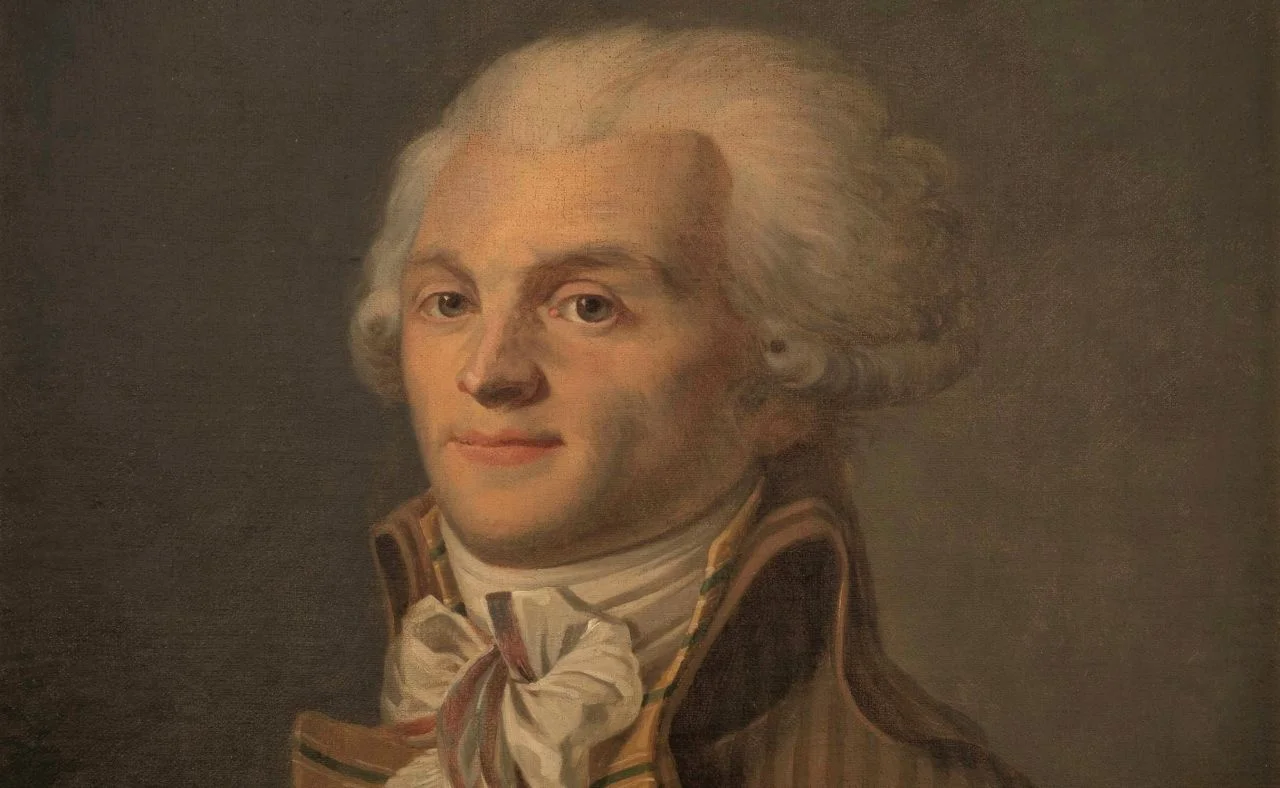
Maximilien de Robespierre
 (Maximilien François Marie Isidore de Robespierre)
Leading architect of the French Revolution and leader of the Jacobins known as 'The Incorruptible', who spearheaded the Reign of Terror and the Republic of Virtue.
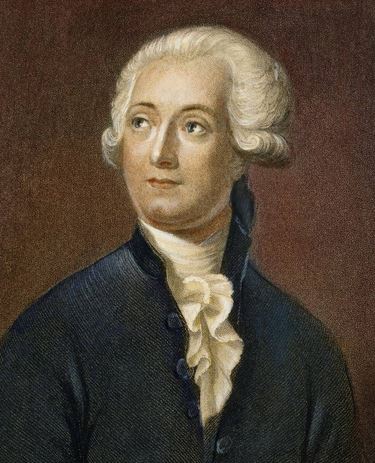
Antoine-Laurent de Lavoisier
(Antoine-Laurent de Lavoisier)
'Father of Modern Chemistry' who discovered the law of conservation of mass, recognized and named oxygen and hydrogen, abolished the phlogiston theory, and standardized chemical nomenclature.
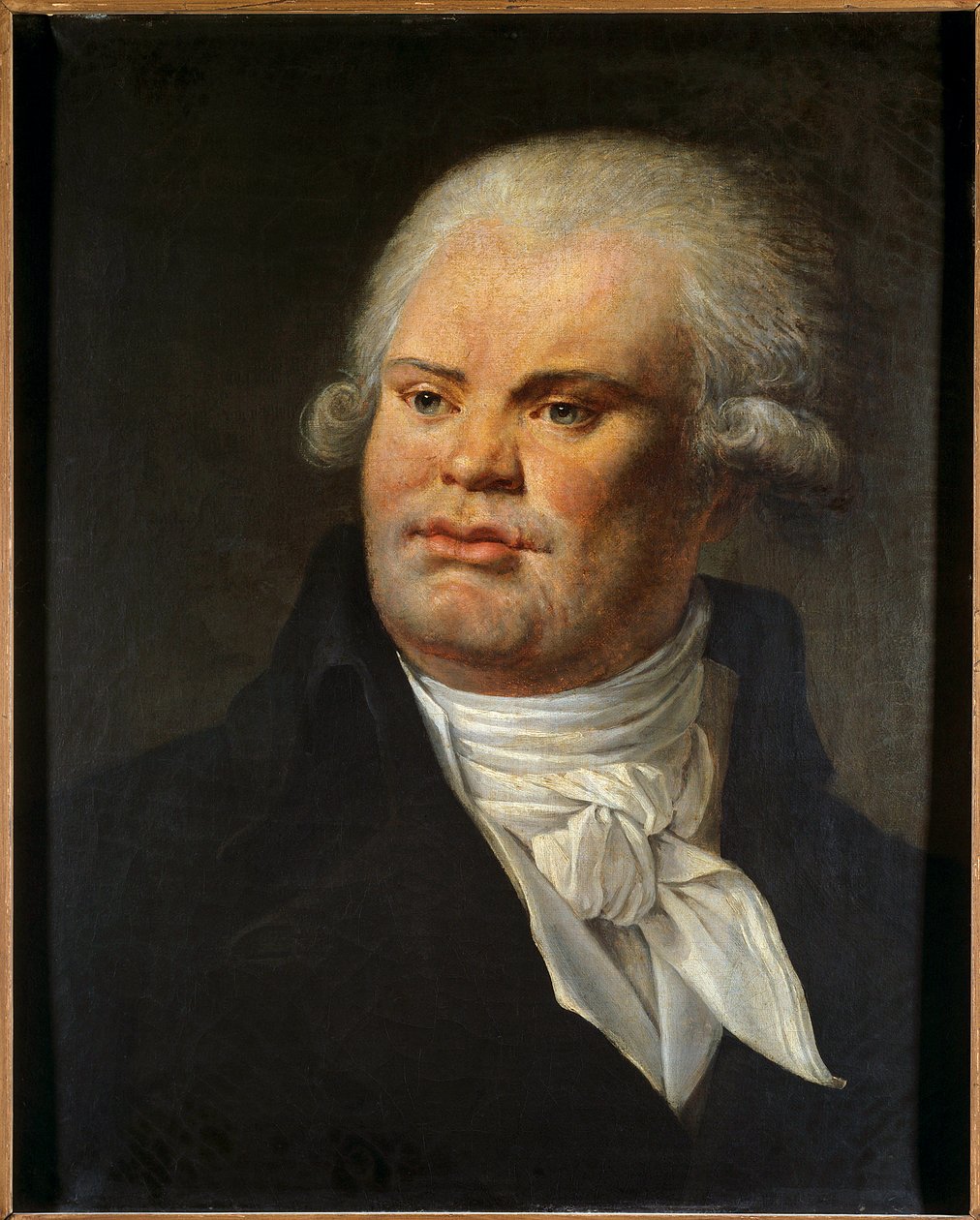
Georges Danton
(Georges Jacques Danton)
Thunderous orator and founding father of the French First Republic who mobilized national defense with 'Audacity, more audacity, always audacity' before being guillotined during the Terror.
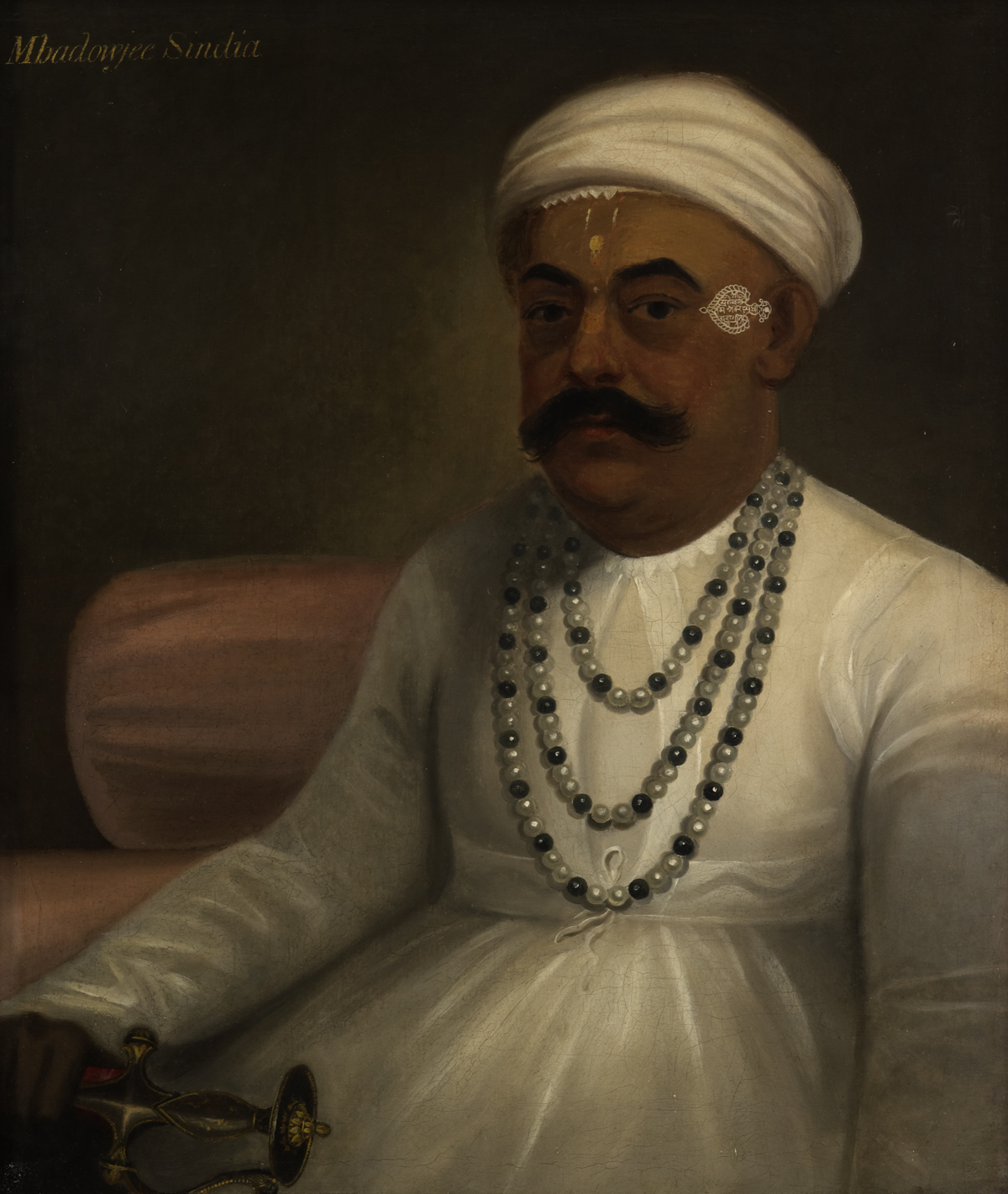
Mahadji Shinde
(महादजी शिंदे)
Ruler of Gwalior and supreme Maratha statesman who resurrected Maratha supremacy after the Third Battle of Panipat, trained modern European-style infantry under Benoit de Boigne, and controlled Delhi.
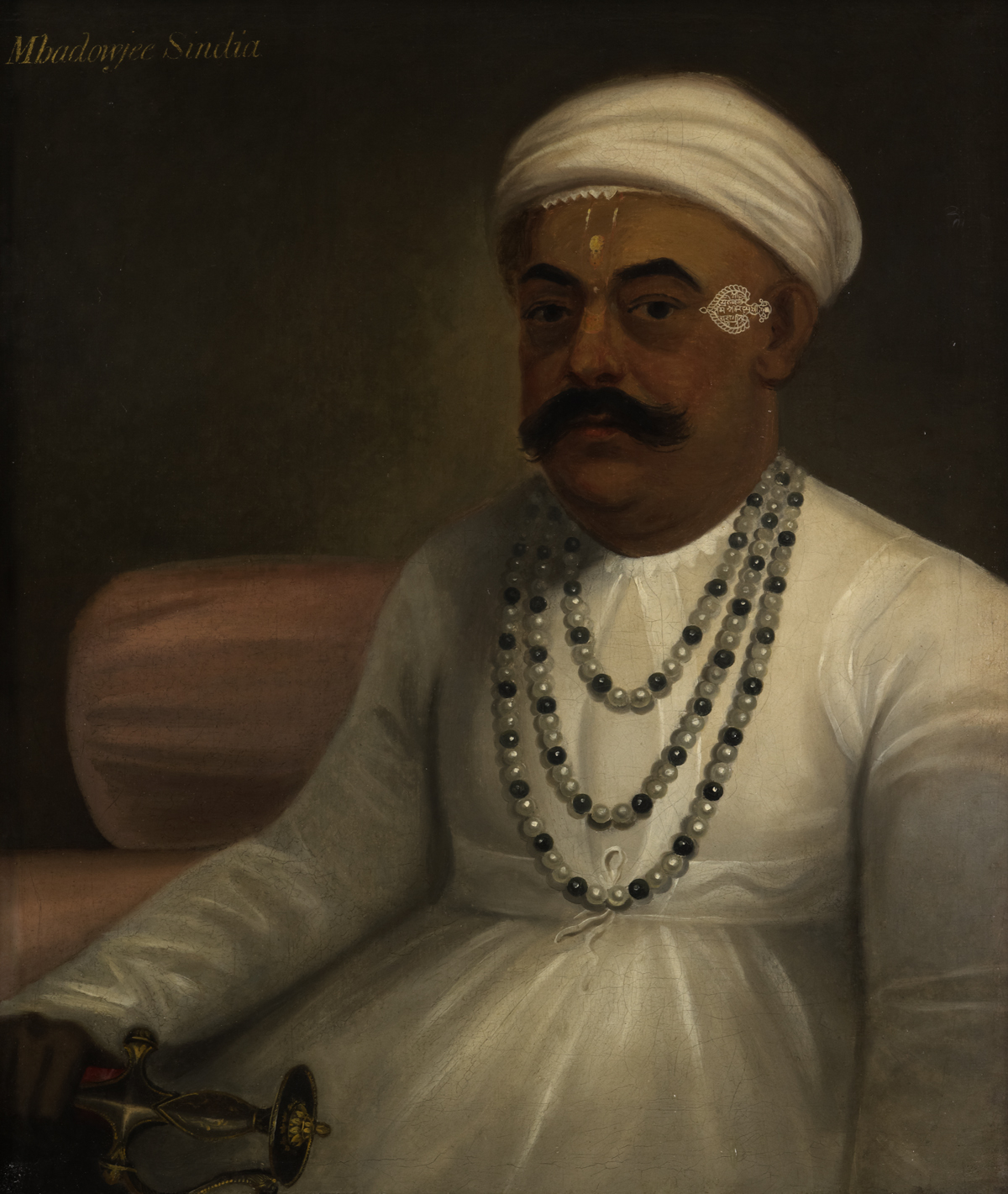
Mahadaji Shinde (Madhavrao Scindia)
(महादजी शिंदे)
Maratha ruler of Gwalior who rebuilt Maratha supremacy after the disaster of Panipat, trained modern European-style infantry brigades, and liberated Delhi.
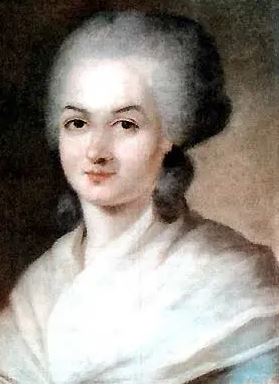
Olympe de Gouges
(Marie Gouze (Olympe de Gouges))
French playwright, abolitionist, and political activist whose 1791 Declaration of the Rights of Woman and of the Female Citizen pioneered modern constitutional feminism, executed by guillotine during the Reign of Terror.
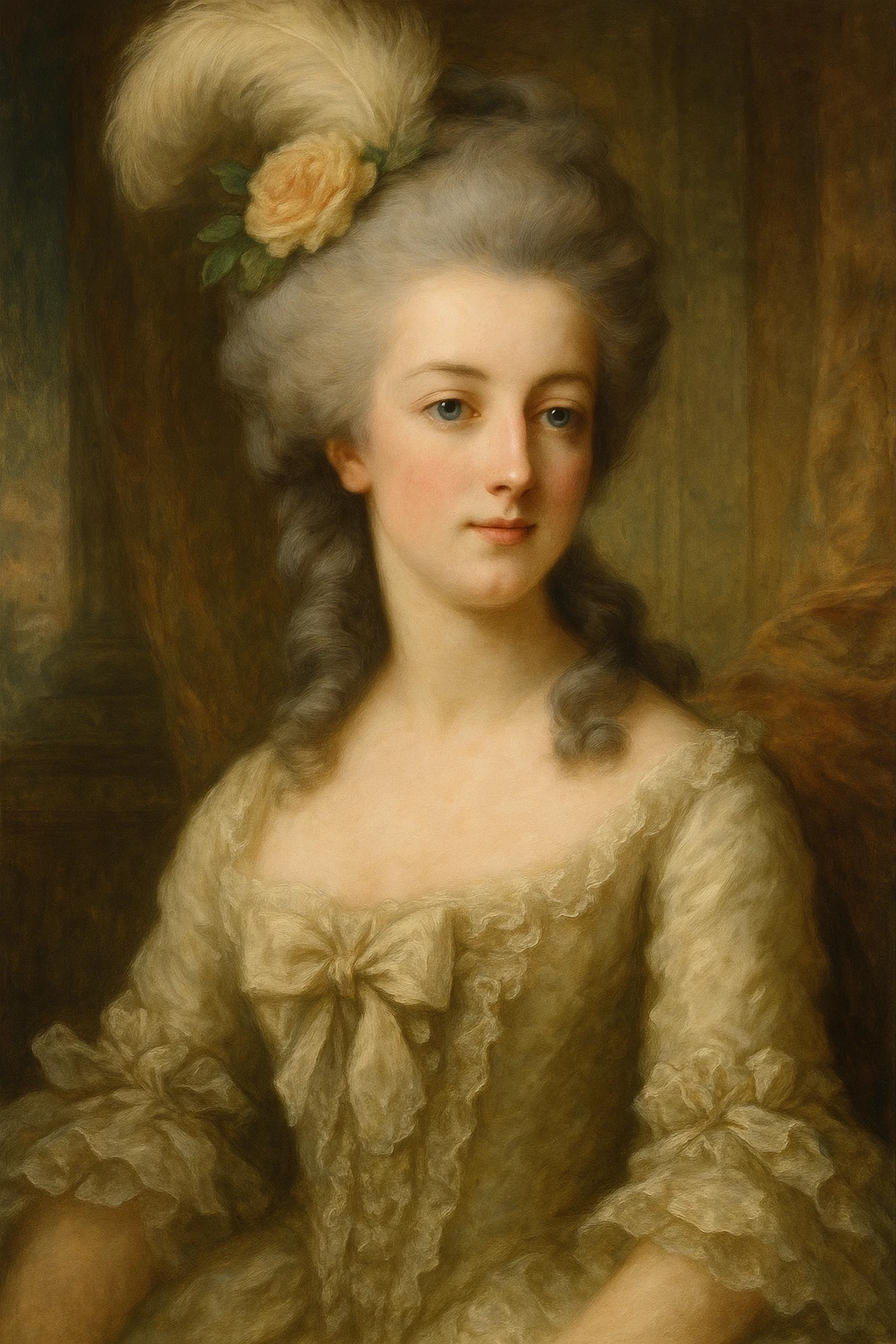
Marie Antoinette
 (Maria Antonia Josepha Johanna von Habsburg-Lothringen)
Last Queen of France before the French Revolution, tragic symbol of courtly elegance and the downfall of the Bourbon monarchy.
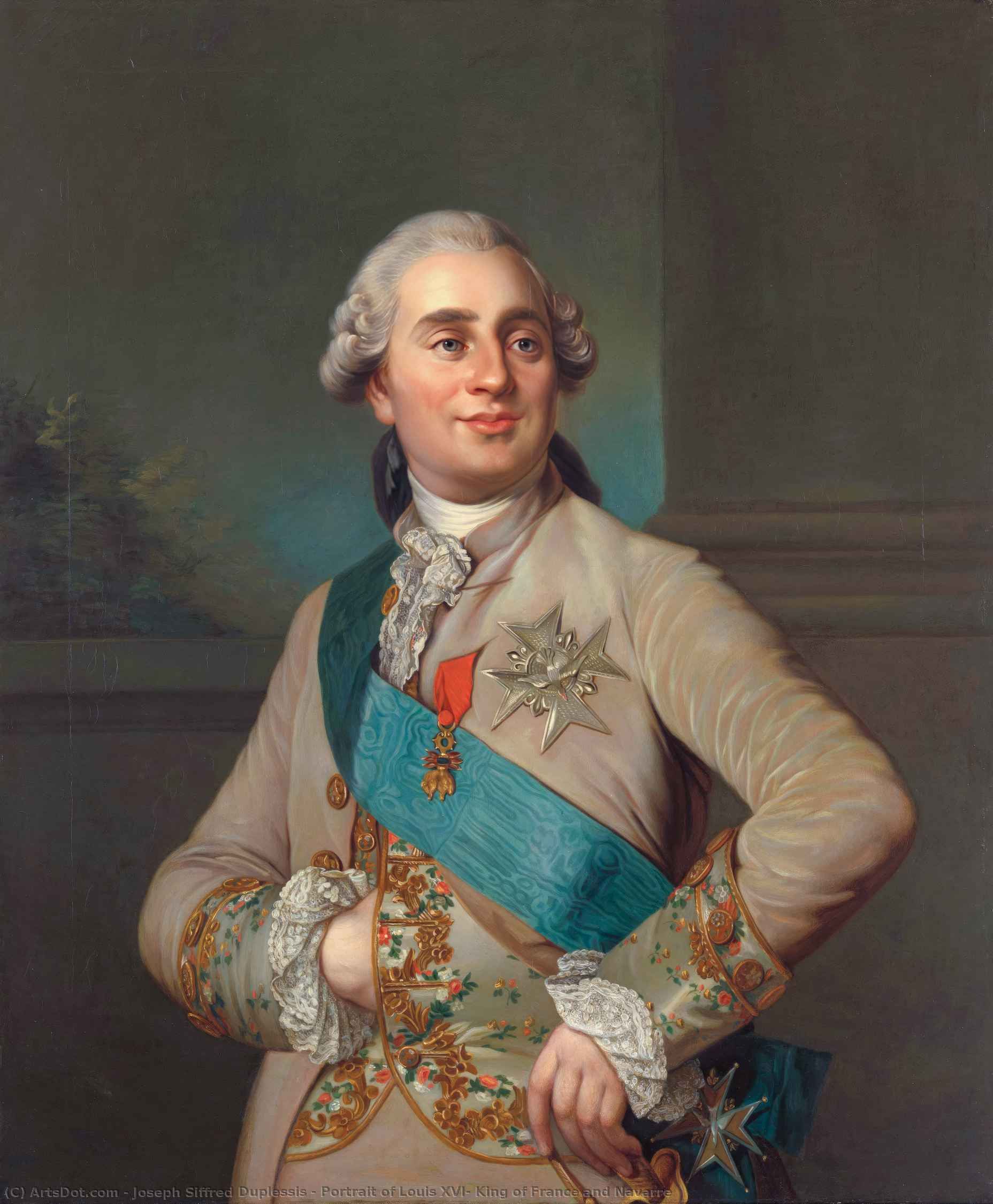
Louis XVI of France
(Louis-Auguste de France)
Last King of France of the Ancien Régime whose support for the American Revolution worsened finances, leading to the French Revolution.
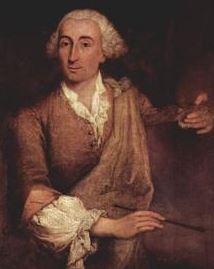
Francesco Lazzaro Guardi (Francesco Guardi)
Last great master of the Venetian veduta whose shimmering, painterly brushwork (pittura di tocco) and poetic capriccios anticipated 19th-century Impressionism.