Public Figures & Cultural Luminaries
Filterable archive covering centuries of intellectual, artistic, and moral contributions to the human story.
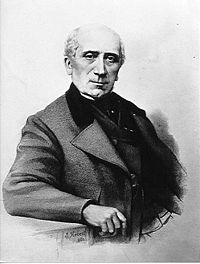
Théodore David Eugène Maunoir
 (Théodore Maunoir)
Chirurgien suisse réputé, l'un des cinq membres fondateurs historiques du Comité international de la Croix-Rouge en 1863 aux côtés d'Henri Dunant.
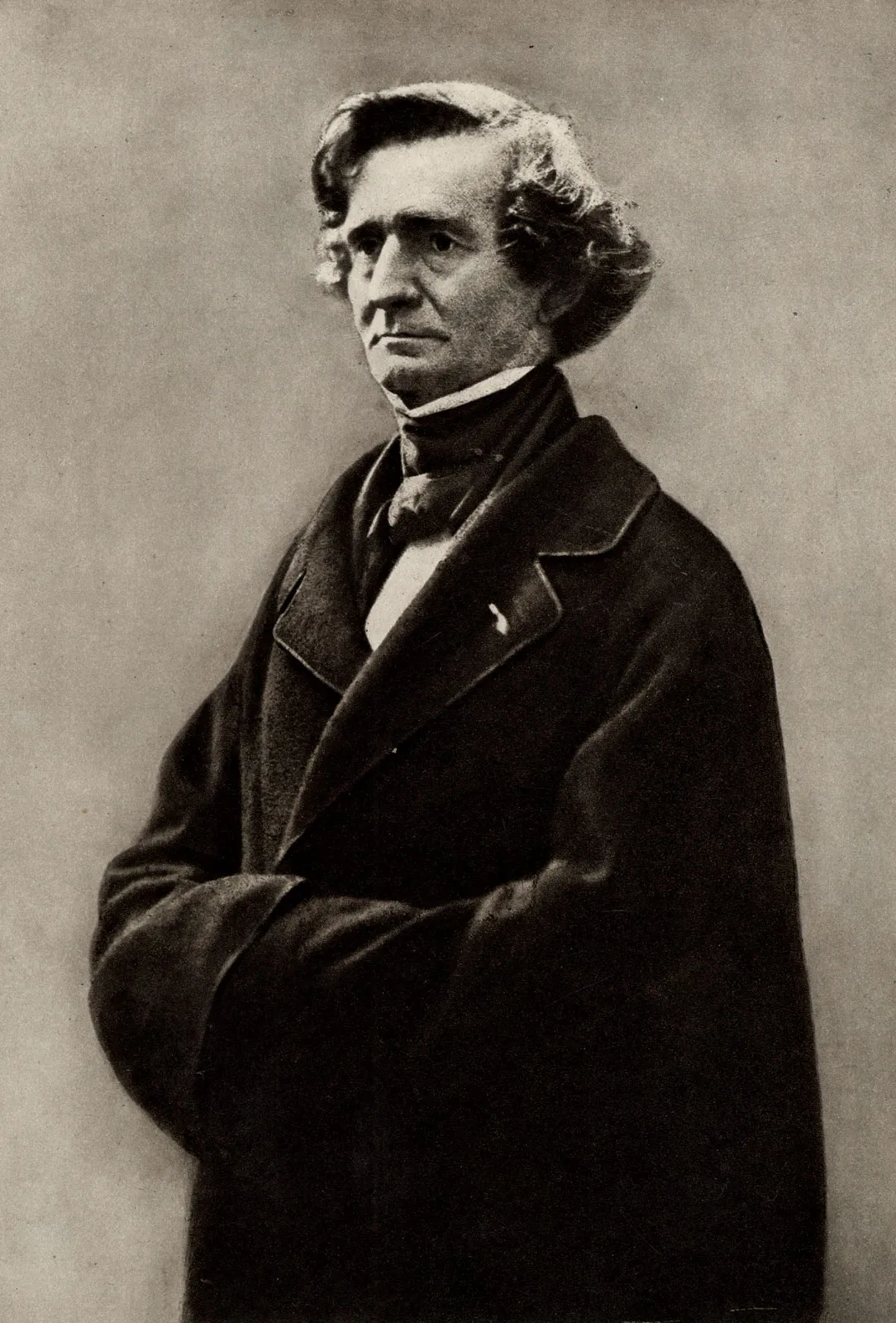
Hector Berlioz
 (Louis-Hector Berlioz)
Radical French Romantic composer whose Symphonie fantastique and Treatise on Orchestration redefined the modern orchestra.
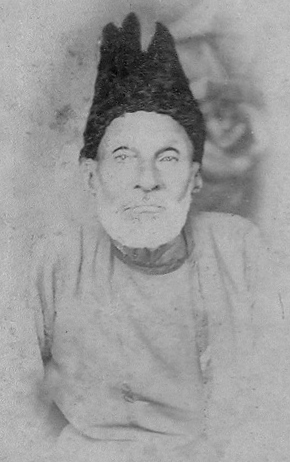
Mirza Ghalib
 (مرزا اسد اللہ خاں غالب)
Preeminent classical Urdu and Persian poet (1797–1869) whose profound ghazals captured love, philosophical skepticism, and the tragic twilight of the Mughal Empire in Delhi.
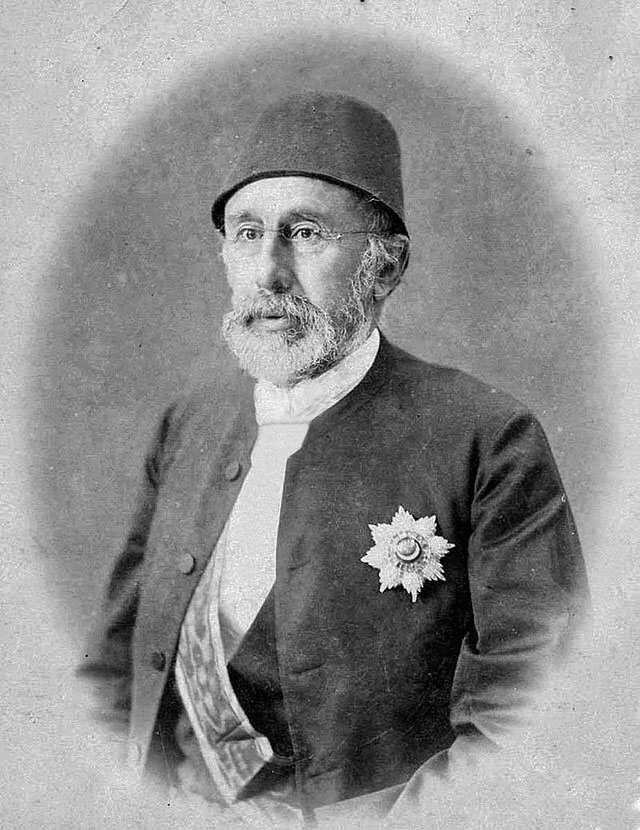
Keçecizade Mehmed Fuad Pasha
 (Keçecizade Mehmed Fuad Paşa)
Ottoman Grand Vizier, brilliant diplomat, and co-leader of the Tanzimat reforms who resolved the 1860 Mount Lebanon crisis and modernized the Ottoman state administration.
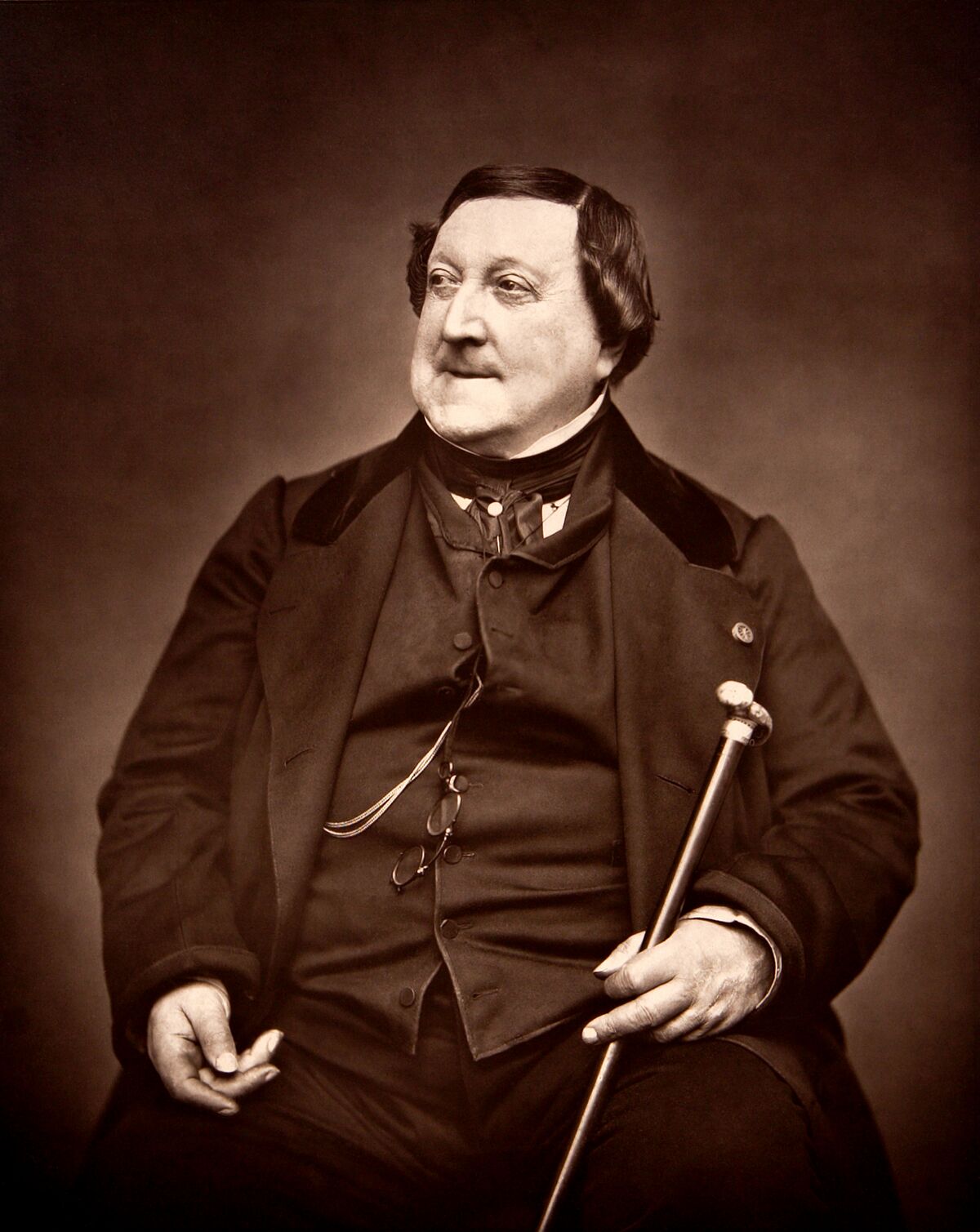
Gioachino Rossini
 (Gioachino Antonio Rossini)
Prolific Italian master of bel canto opera, world-renowned for The Barber of Seville and the iconic William Tell Overture.
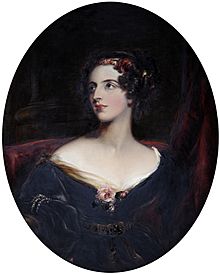
Harriet Leveson-Gower, Duchess of Sutherland
 (Harriet Elizabeth Georgiana Leveson-Gower)
Harriet Leveson-Gower, Duchess of Sutherland, was an influential British philanthropist, abolitionist campaigner, and Mistress of the Robes to Queen Victoria. In 1852, she authored the 'Stafford House Address', mobilizing over 560,000 British women to petition against American slavery, and hosted Harriet Beecher Stowe in London, funding transatlantic abolitionist and refugee relief.
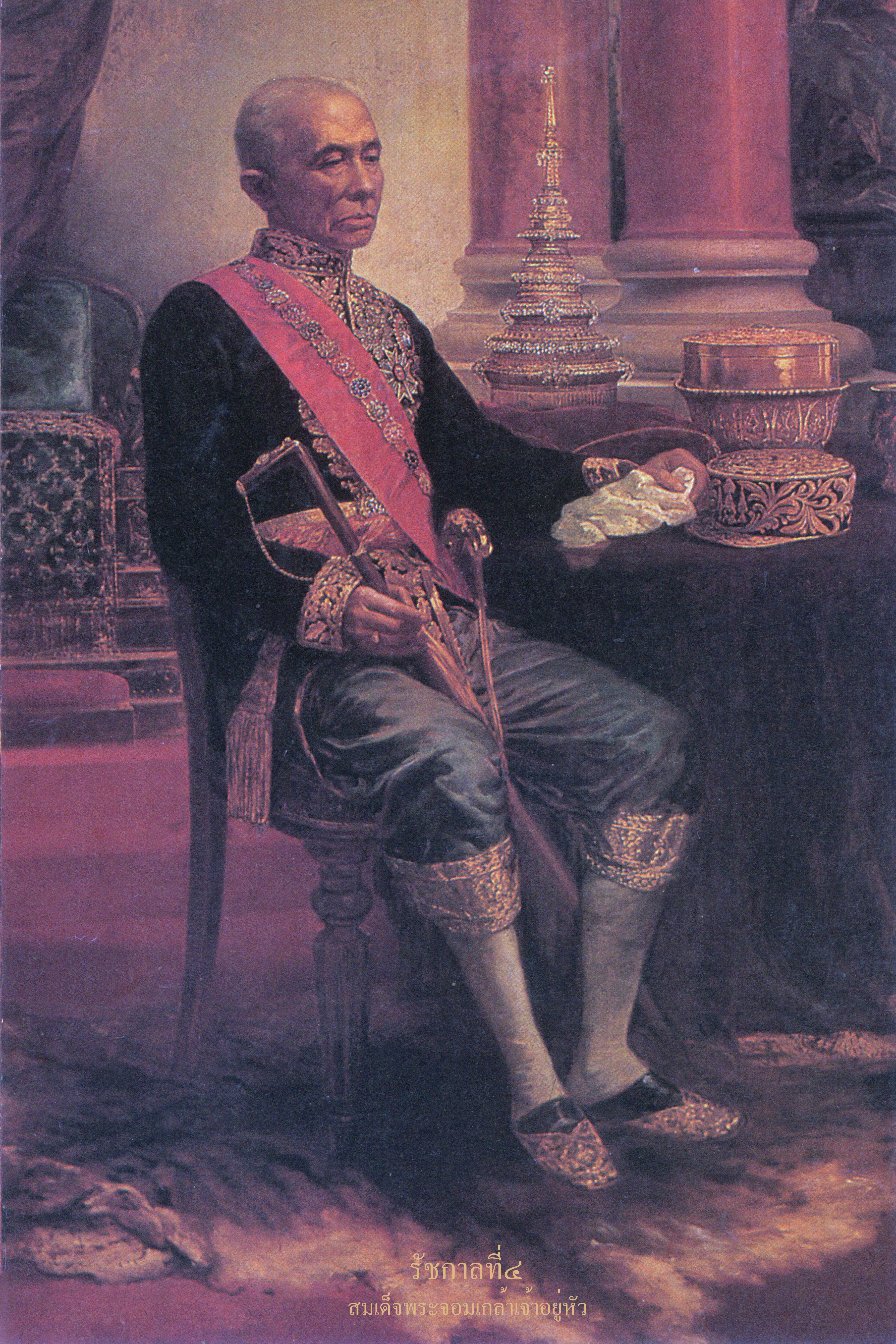
King Mongkut (Rama IV)
 (พระบาทสมเด็จพระจอมเกล้าเจ้าอยู่หัว)
Fourth monarch of the Chakri Dynasty of Siam who embraced modern Western science and diplomacy to preserve Siamese independence from European colonial powers, celebrated as the Father of Thai Science.
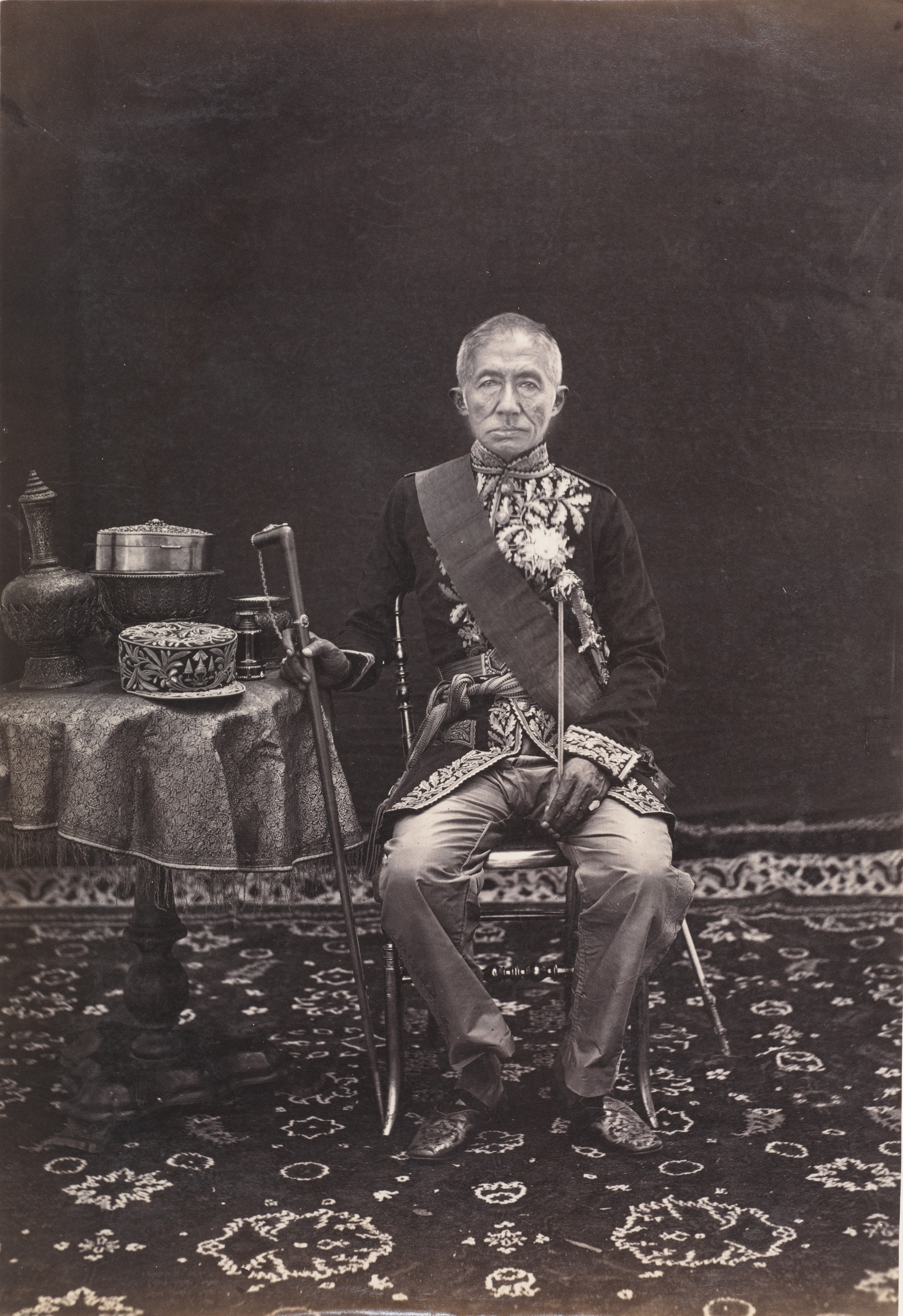
King Mongkut
(Phra Bat Somdet Phra Poramentharamaha Mongkut (Rama IV))
Fourth monarch of Siam (1851–1868), scholarly Buddhist reformer and astronomer who opened Siam to modern science and international diplomacy, accurately calculated the total solar eclipse of 1868, and laid the foundations for Siamese modernization.
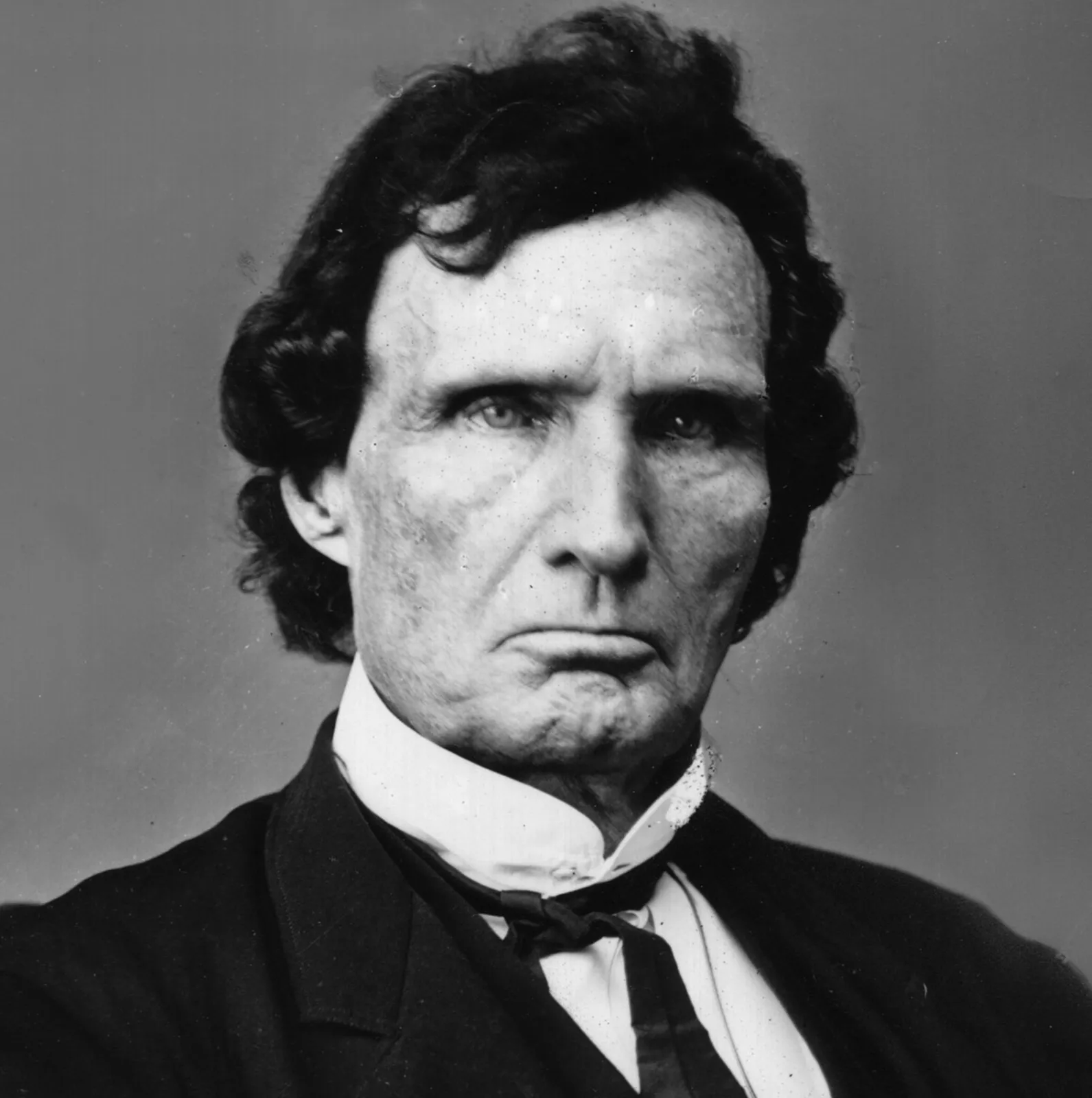
Thaddeus Stevens
 (Thaddeus Stevens)
Formidable Radical Republican leader in the House of Representatives during the Civil War and Reconstruction who drafted the 14th Amendment and led the impeachment of Andrew Johnson.
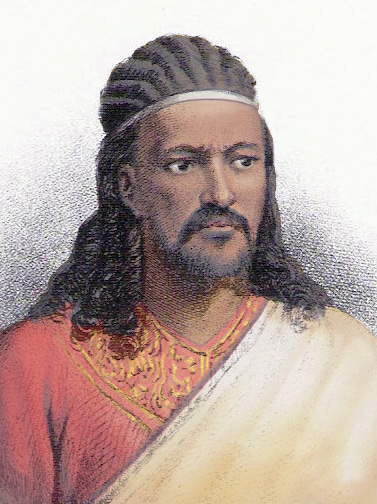
Emperor Tewodros II (Kassa Hailu)
 (ቴዎድሮስ ፪ኛ)
Visionary Emperor of Ethiopia who brought an end to the feudal 'Zemene Mesafint' era, began modernizing Ethiopia, and chose death over British surrender.
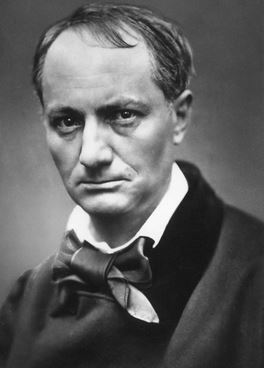
Charles Pierre Baudelaire
(Charles Baudelaire)
Revolutionary French poet whose 1857 masterpiece Les Fleurs du Mal (The Flowers of Evil) extracted incandescent beauty from urban decay, melancholy (spleen), and vice, founding modern European Symbolism and decadent aesthetics.
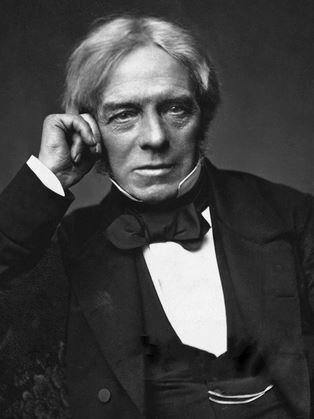
Michael Faraday
(Michael Faraday)
Self-taught laboratory titan who discovered electromagnetic induction, built the first electric motor and generator, discovered benzene, and invented the Faraday cage.
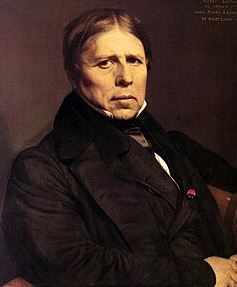
Jean-Auguste-Dominique Ingres
(Jean-Auguste-Dominique Ingres)
French Neoclassical master of curvilinear draftsmanship, porcelain flesh tones, and iconic exotic odalisques.
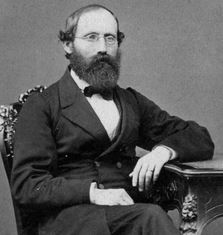
Bernhard Riemann
 (Georg Friedrich Bernhard Riemann)
Visionary German mathematician whose non-Euclidean differential geometry provided the geometric language for Einstein's general relativity, and whose Riemann Hypothesis remains mathematics' greatest open problem.
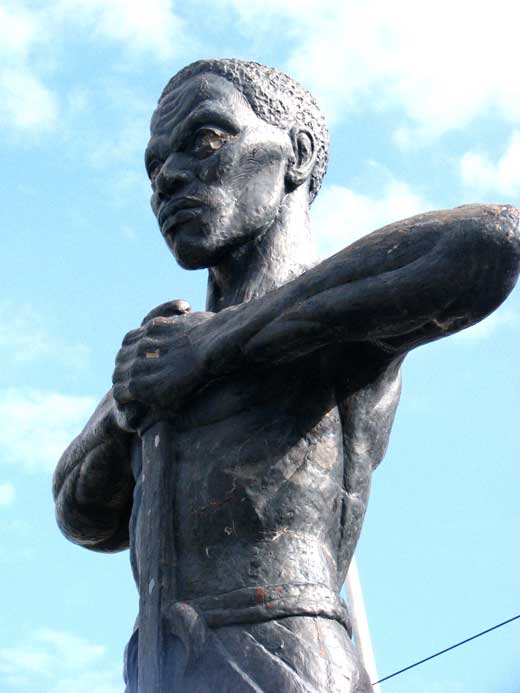
Paul Bogle
 (Paul Bogle)
National Hero of Jamaica and Baptist deacon who led the historic 1865 Morant Bay Rebellion to protest crushing poverty, starvation, and legal disenfranchisement of formerly enslaved Black Jamaican peasants.
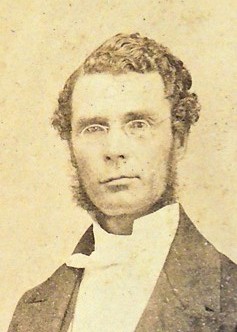
George William Gordon
(George William Gordon)
National Hero of Jamaica, wealthy mixed-race landowner, and elected member of the Jamaican House of Assembly who sacrificed his life defending the human and economic rights of the Black peasant majority.
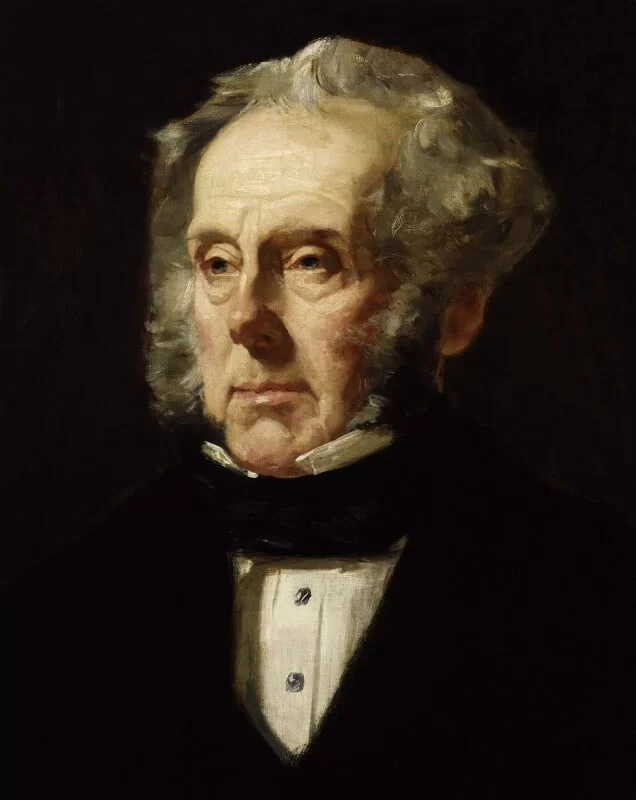
Henry John Temple, 3rd Viscount Palmerston
(Henry John Temple, 3rd Viscount Palmerston)
Dominant British Foreign Secretary and Prime Minister of the Victorian era known as 'Pam', famous for gunboat diplomacy and his 'Civis Romanus sum' doctrine.
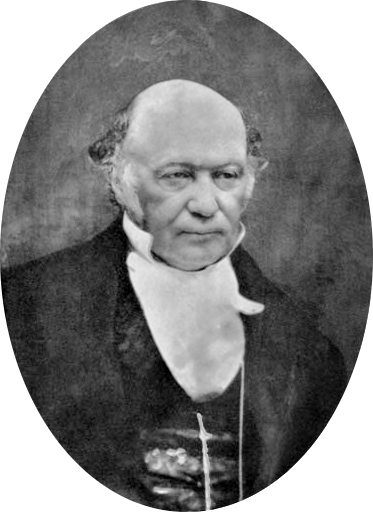
William Rowan Hamilton
 (William Rowan Hamilton)
Irish mathematician, physicist, and astronomer who invented quaternions and reformulated classical mechanics into Hamiltonian mechanics, the mathematical foundation of modern quantum theory.