Public Figures & Cultural Luminaries
Filterable archive covering centuries of intellectual, artistic, and moral contributions to the human story.
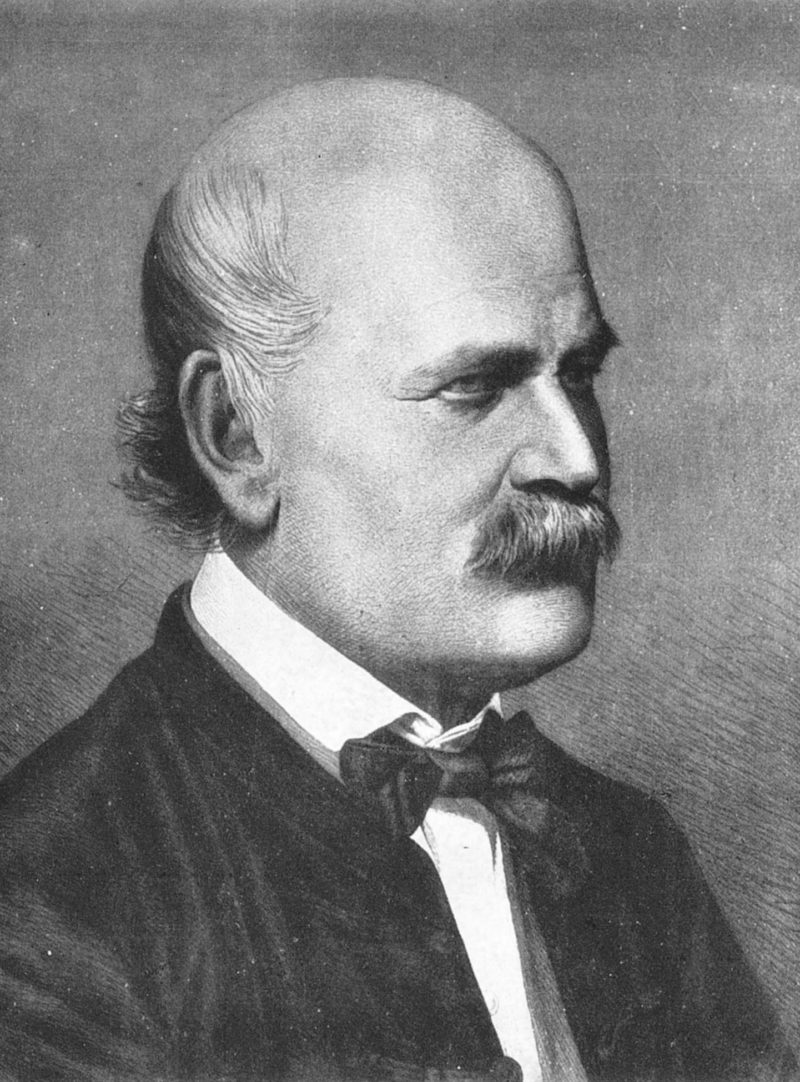
Ignaz Philipp Semmelweis
 (Semmelweis Ignác Fülöp)
Médecin obstétricien hongrois surnommé le « Sauveur des mères », pionnier de l'antisepsie hospitalière par le lavage des mains au chlorure de chaux.
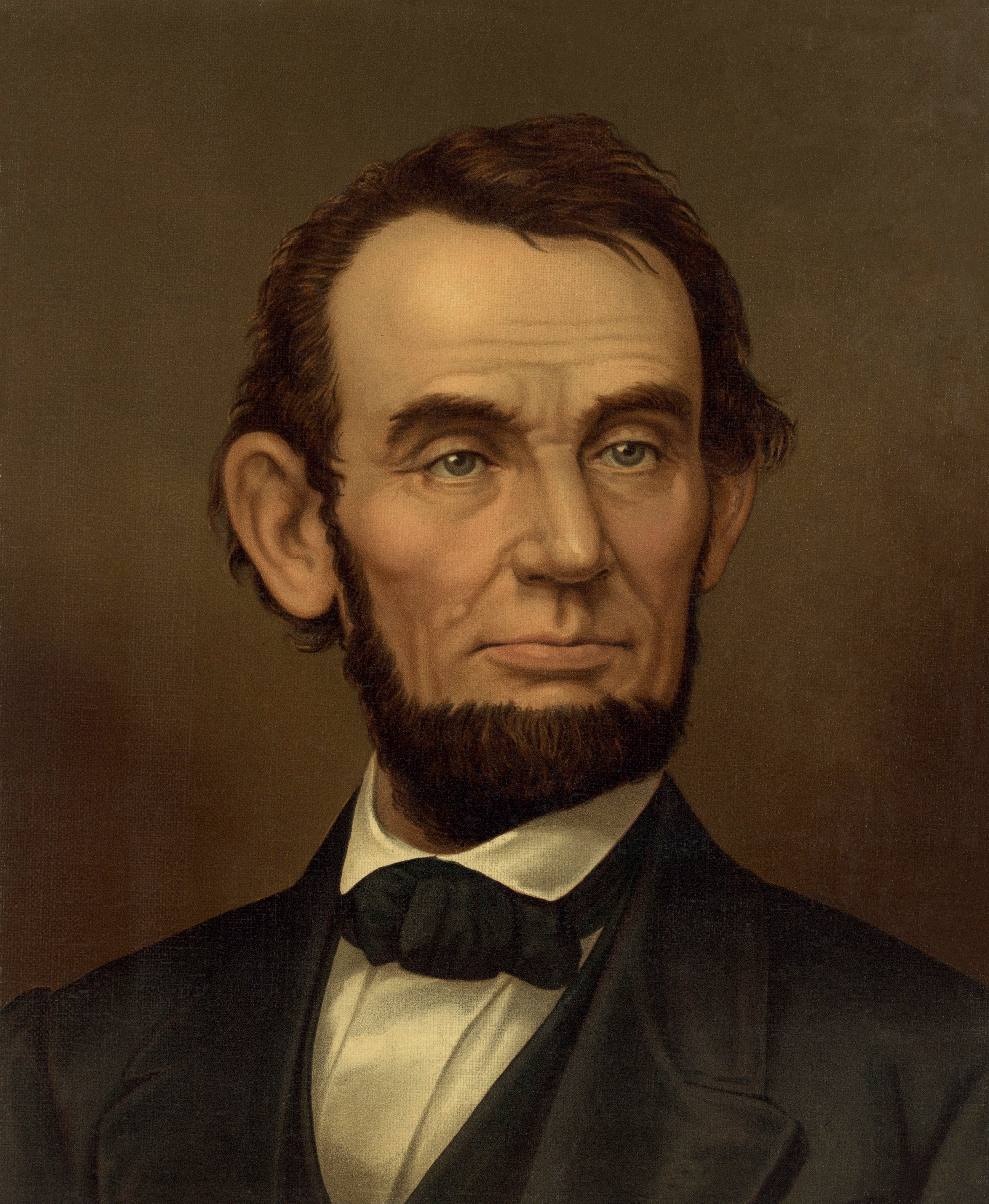
Abraham Lincoln
 (Abraham Lincoln)
Preserved the American democratic experiment against dissolution and ended chattel slavery through the Emancipation Proclamation and the 13th Amendment.
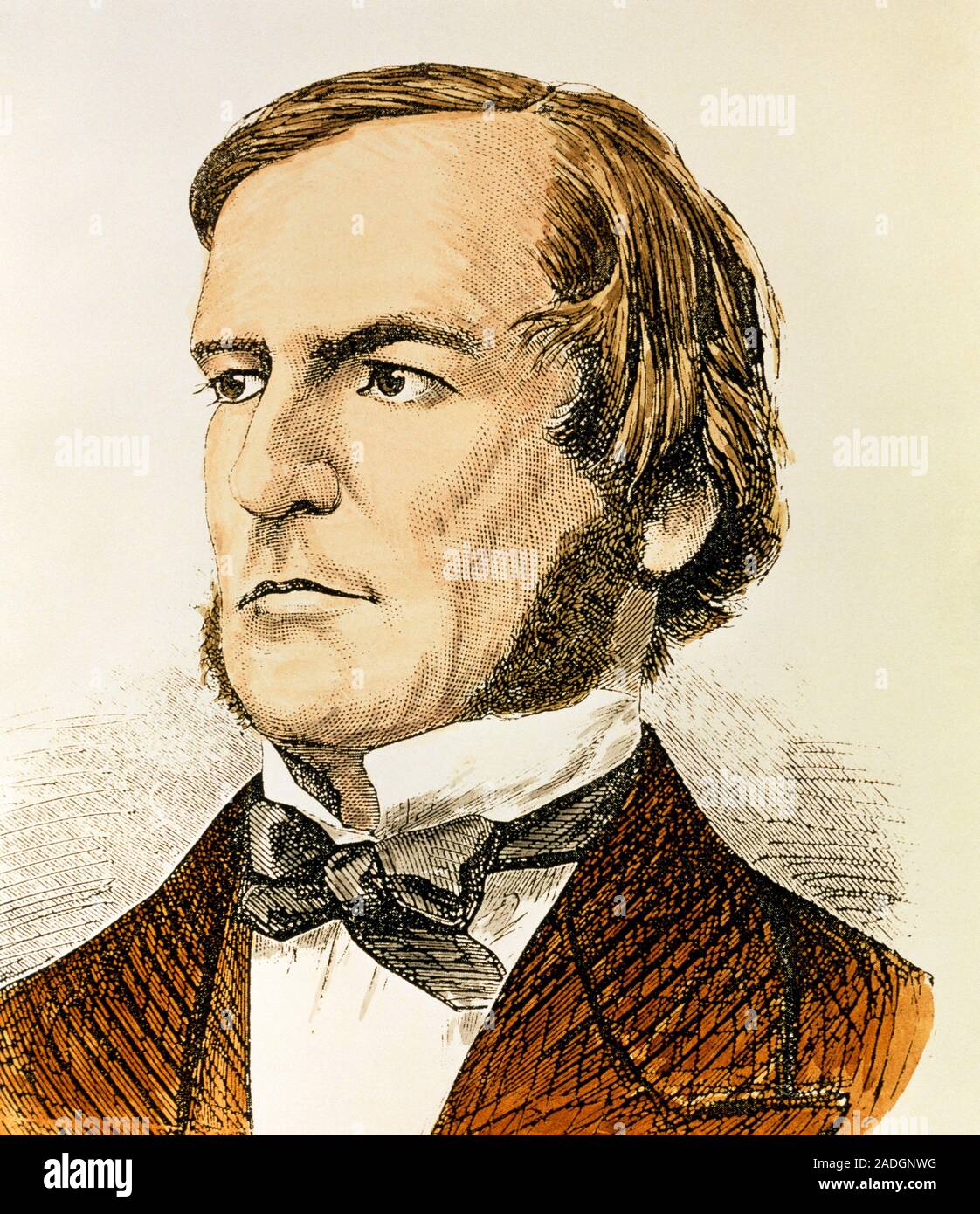
George Boole
 (George Boole)
Self-taught English mathematician and philosopher who created Boolean algebra, the mathematical foundation of all digital computers.
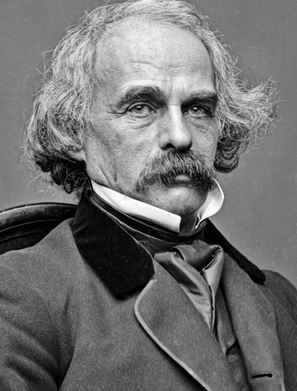
Nathaniel Hawthorne (born Hathorne)
(Nathaniel Hawthorne)
Preeminent figure of American Dark Romanticism haunted by his Puritan ancestors' role in the 1692 Salem Witch Trials, who explored guilt, sin, and moral hypocrisy in The Scarlet Letter (Hester Prynne) and The House of the Seven Gables.
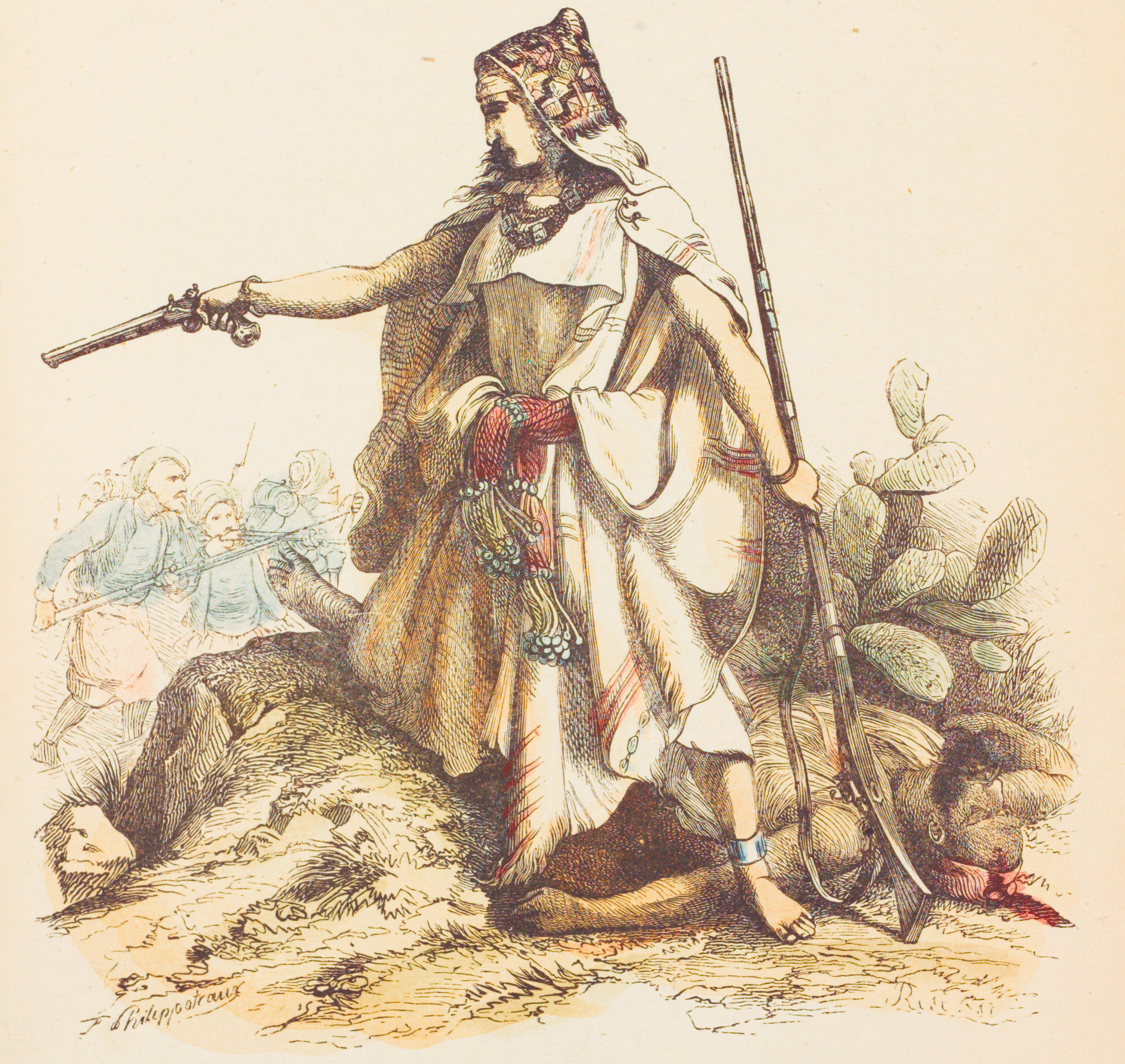
Lalla Fatma N'Soumer
 (لالة فاطمة نسومر)
Legendary Kabyle religious leader and anti-colonial resistance commander known as the 'Joan of Arc of the Djurdjura', who rallied Berber mountain confederations and routed French imperial armies.
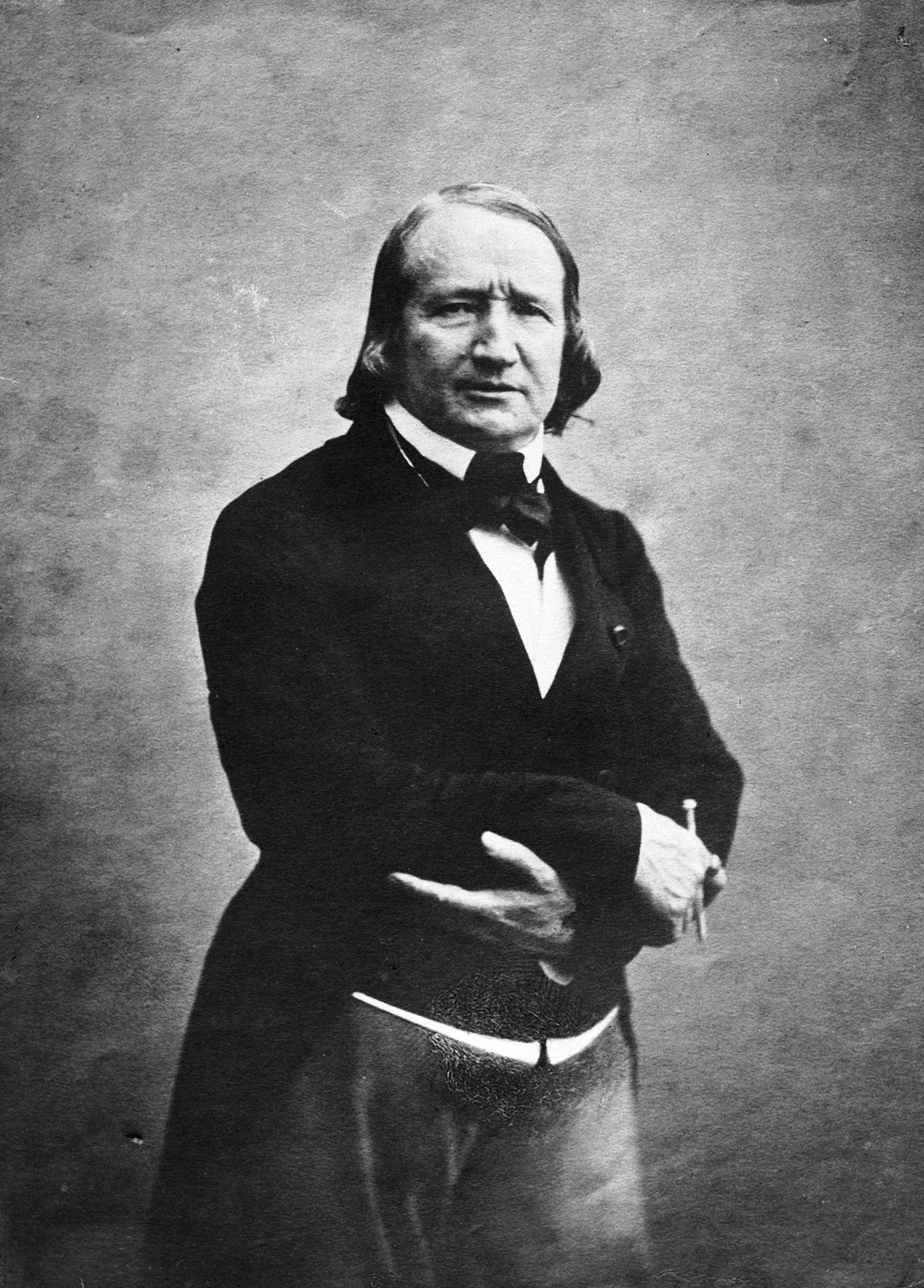
Alfred de Vigny
 (Alfred Victor, Comte de Vigny)
Stoic French Romantic poet, novelist, and playwright whose drama Chatterton, novel Servitude et grandeur militaires, and philosophical poem La Mort du loup exalted stoic solitude.
Ferdinand Victor Eugène Delacroix
(Eugène Delacroix)
Supreme leader of the French Romantic movement in visual art whose vibrant expressive color, tempestuous brushwork, and revolutionary masterpiece Liberty Leading the People inspired the Impressionists and Modernists.
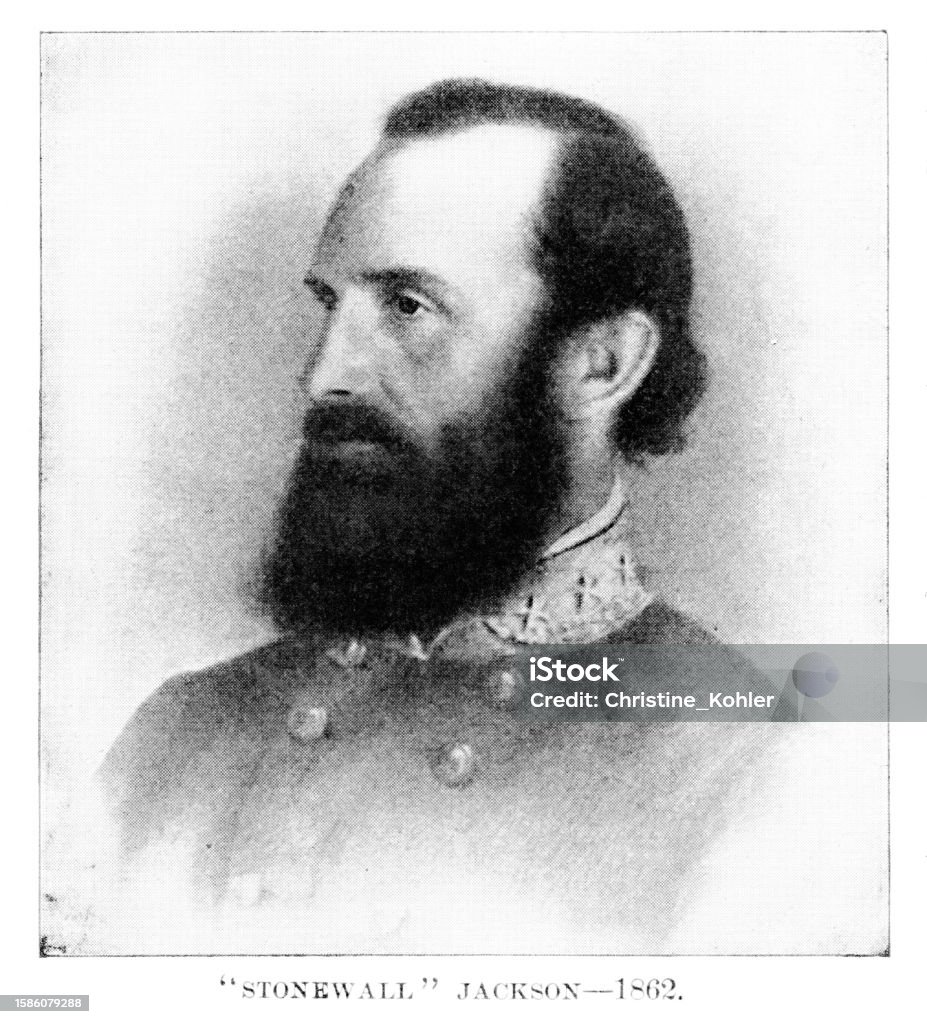
Thomas Jonathan 'Stonewall' Jackson
(Thomas Jonathan Jackson)
Confederate general renowned for operational speed, secrecy, and audacity whose 1862 Shenandoah Valley Campaign remains a classic of operational maneuver.
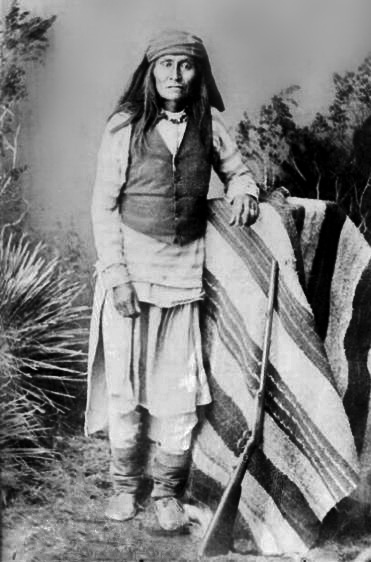
Mangas Coloradas
(Dasoda-hae)
Foremost chief of the Chihenne Chiricahua Apaches whose strategic alliances and military brilliance unified the Apache nations against Mexican and American forces.
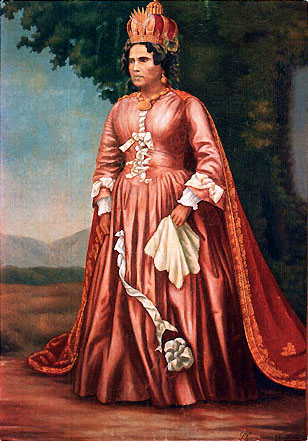
Queen Ranavalona I
 (Ranavalona I (Ramavo))
Sovereign Queen of Madagascar (1828–1861) who fiercely preserved Madagascar's political, cultural, and economic independence for thirty-three years, repelling French and British naval bombardments and establishing indigenous industrial manufacturing.
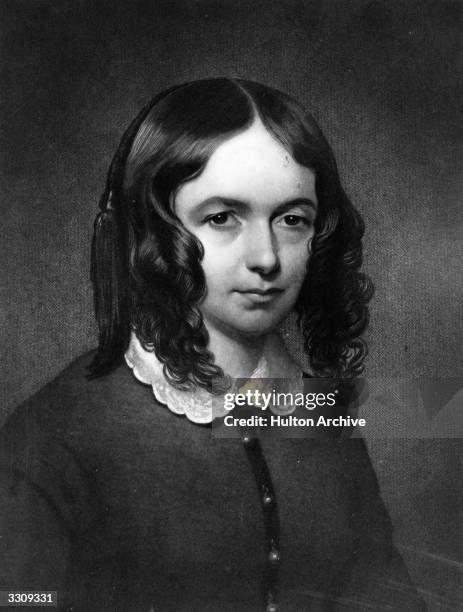
Elizabeth Barrett Browning
(Elizabeth Barrett Moulton-Barrett)
Celebrated Victorian poet whose Sonnets from the Portuguese ('How do I love thee?'), epic verse novel Aurora Leigh, and fierce abolitionist verses earned global reverence.
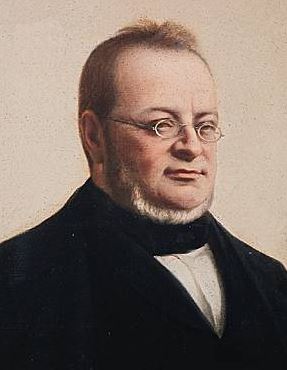
Camillo Benso, Count of Cavour
 (Camillo Paolo Filippo Giulio Benso, conte di Cavour)
Political architect of Italian unification; balanced revolutionary popular passion with sophisticated constitutional diplomacy.
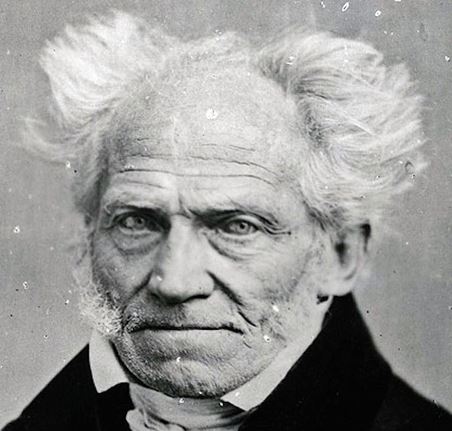
Arthur Schopenhauer
 (Arthur Schopenhauer)
German philosopher whose masterpiece The World as Will and Representation combined Kantian critique with Indian Upanishadic thought, depicting the cosmos driven by an insatiable Will.
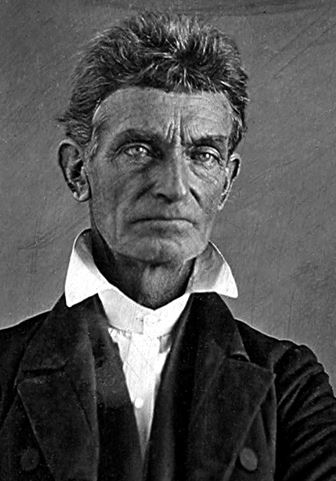
John Brown
(John Brown)
Radical American abolitionist who believed in the imperative of armed insurrection to overthrow the institution of chattel slavery in the United States, leading the fateful raid on Harpers Ferry in 1859.
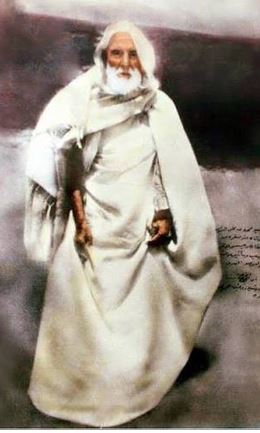
Muhammad ibn Ali al-Sanusi
(محمد بن علي السنوسي (السنوسي الكبير))
Algerian-born Islamic scholar and Sufi reformer known as the 'Grand Senussi', who studied at Al-Qarawiyyin, founded the Senussi order in Mecca, and built an enlightened educational and agricultural network across Libya and the Sahara.
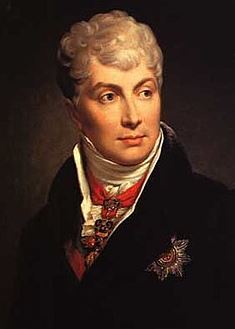
Klemens von Metternich
 (Klemens Wenzel Nepomuk Lothar, Fürst von Metternich-Winneburg zu Beilstein)
Engineered the post-Napoleonic European balance of power, creating the Concert of Europe which prevented widespread European war for nearly a century.
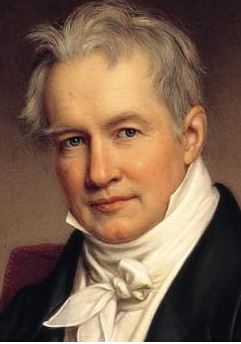
Alexander von Humboldt
(Friedrich Wilhelm Heinrich Alexander von Humboldt)
Prussian naturalist and explorer whose epic expedition to the Americas founded modern biogeography, physical geography, and ecology, pioneering the holistic view of Earth's interconnected nature.
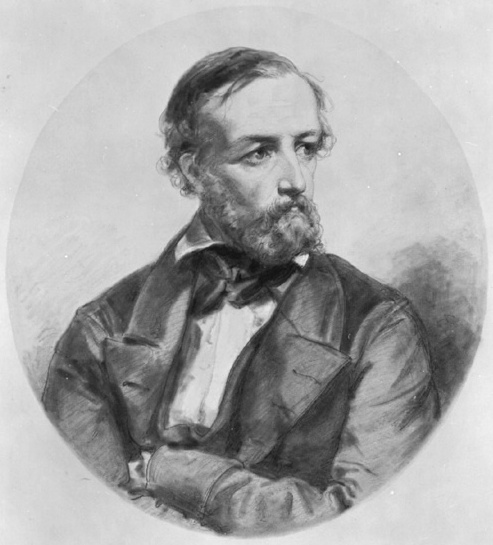
Peter Gustav Lejeune Dirichlet
(Johann Peter Gustav Lejeune Dirichlet)
German mathematician who founded analytic number theory, formulated Dirichlet's theorem on arithmetic progressions, and introduced the modern formal definition of a mathematical function.