Public Figures & Cultural Luminaries
Filterable archive covering centuries of intellectual, artistic, and moral contributions to the human story.
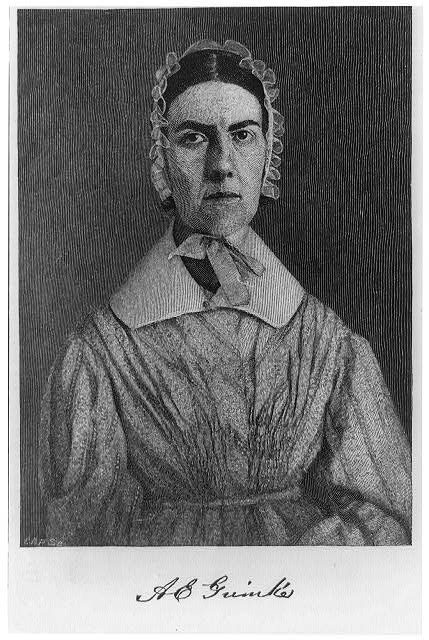
Angelina Grimke
 (Angelina Emily Grimke Weld)
Fiery American abolitionist orator and writer who became the first woman to address an American legislative body, author of the celebrated 1836 'Appeal to the Christian Women of the South'.
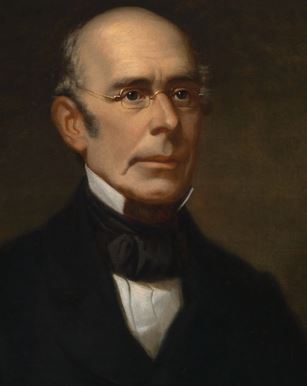
William Lloyd Garrison
(William Lloyd Garrison)
Prominent American abolitionist, journalist, suffragist, and social reformer who founded the radical anti-slavery newspaper The Liberator in 1831 and co-founded the American Anti-Slavery Society.
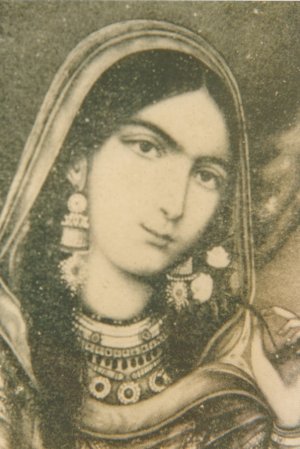
Begum Hazrat Mahal
 (بیگم حضرت محل)
Queen of Awadh who became a foremost leader of the Indian Rebellion of 1857, seizing control of Lucknow and organizing resistance against British rule.
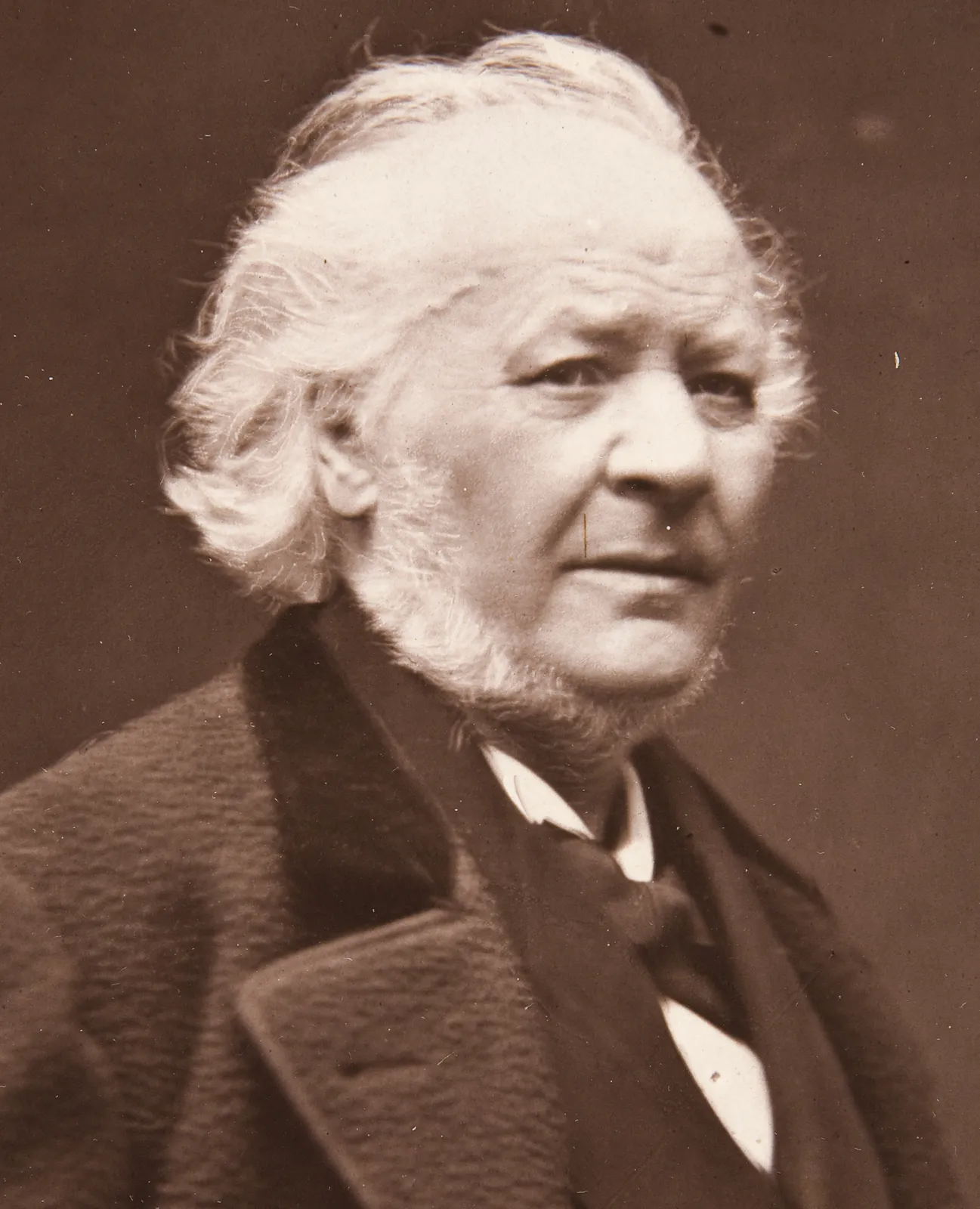
Honoré Daumier
 (Honoré-Victorin Daumier)
Master French caricaturist, painter, and sculptor who fiercely exposed bourgeois hypocrisy and social injustice.
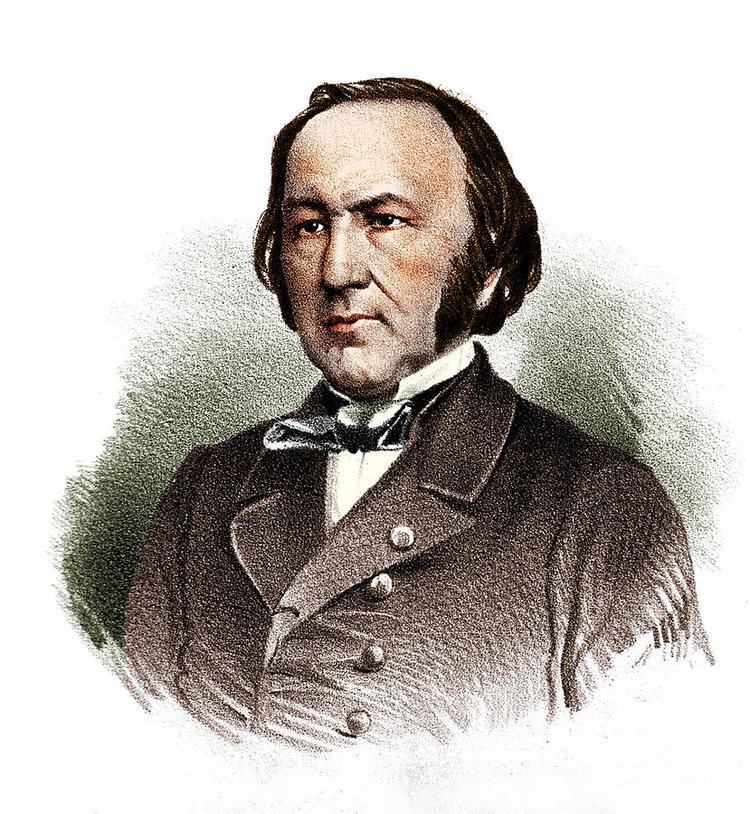
Claude Bernard
(Claude Bernard)
French physiologist regarded as the father of modern experimental physiology who established the concept of homeostasis (milieu intérieur).
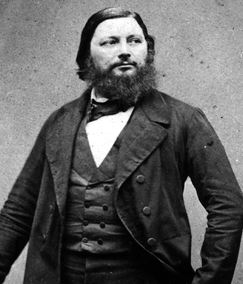
Gustave Courbet
(Jean Désiré Gustave Courbet)
Bold pioneer of 19th-century French Realism who rejected academic idealism to portray real working-class life.
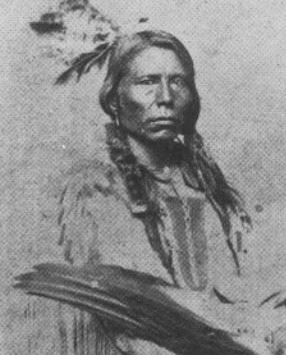
Crazy Horse
(Tȟašúŋke Witkó)
Legendary Oglala Lakota war leader who took up arms against the US federal government to fight against encroachment on Lakota territories and way of life, leading the charge that destroyed Custer's battalion at the Little Bighorn.
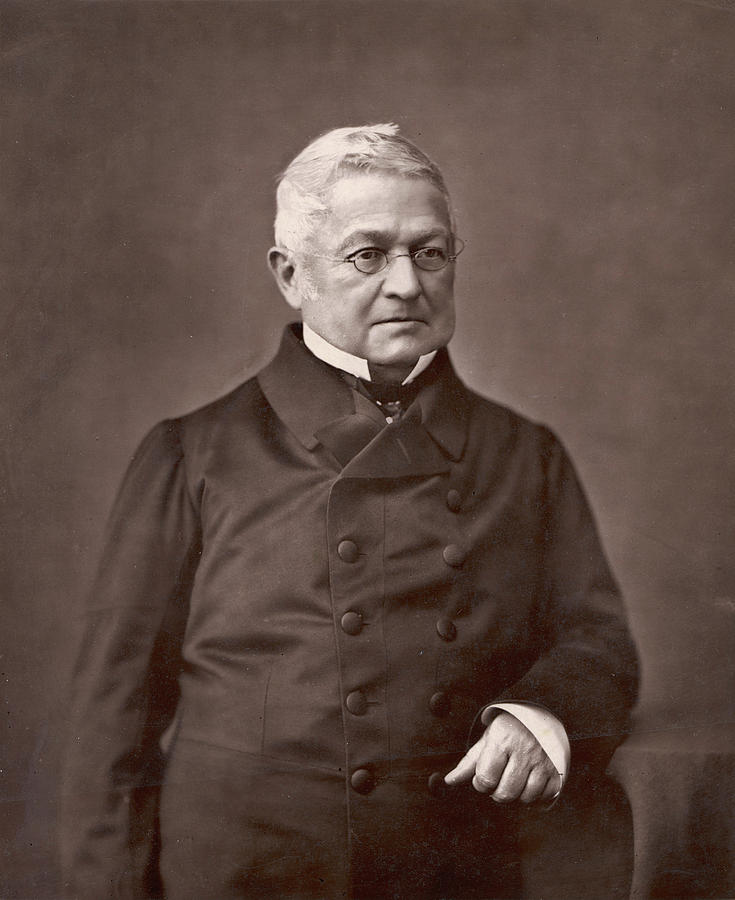
Adolphe Thiers
(Marie Joseph Louis Adolphe Thiers)
French statesman, historian, and first President of the Third Republic, remembered as the 'Liberator of the Territory' for negotiating Prussian withdrawal.
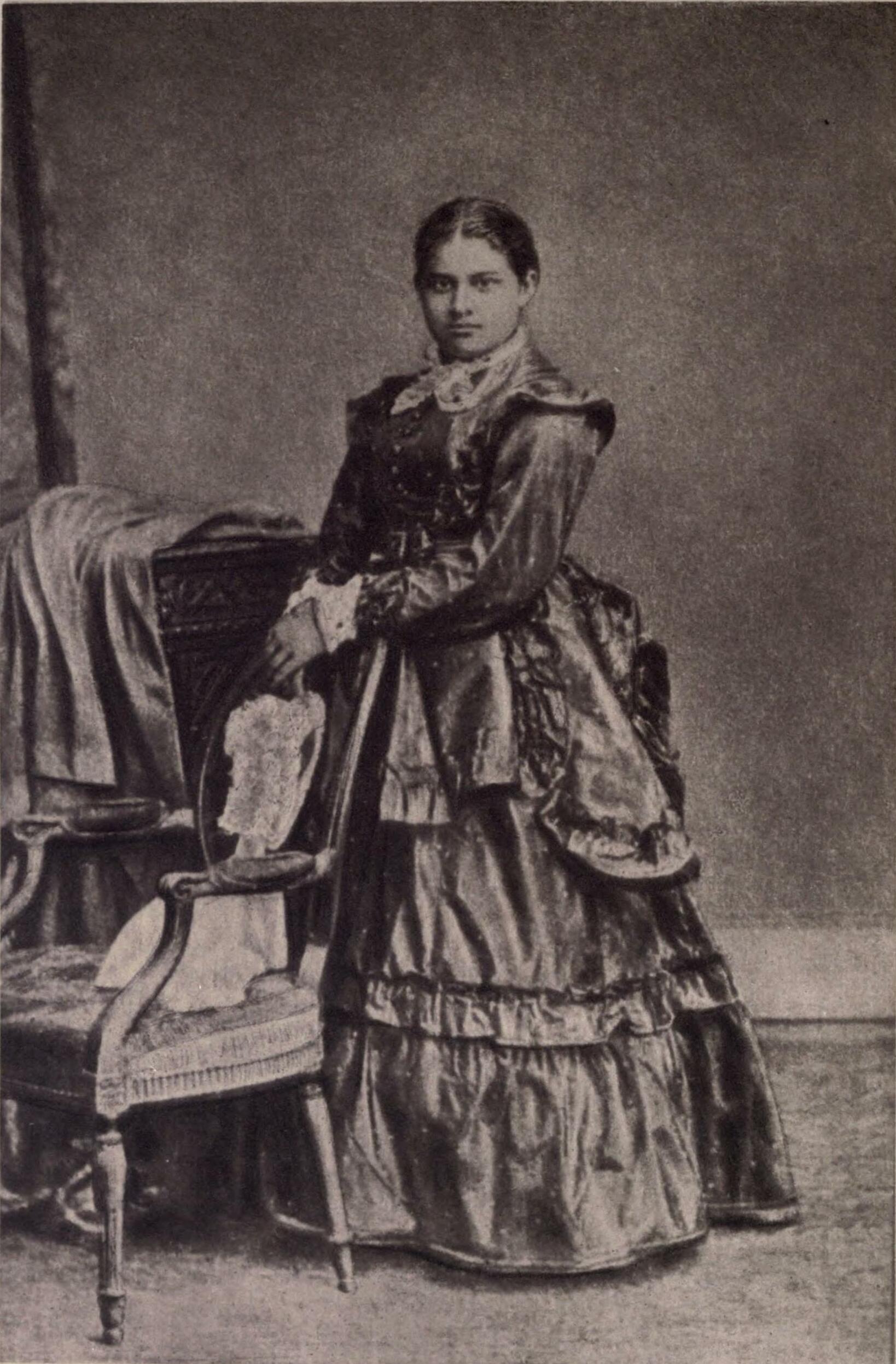
Toru Dutt
(তরু দত্ত)
Bengali poet and translator recognized as the first Indian woman to write poetry in English and French, whose Ancient Ballads and Legends of Hindustan established Indian English lyricism.
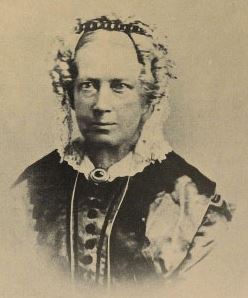
Mary Carpenter
 (Mary Carpenter)
British pioneer of popular education and juvenile justice, creator of the first rehabilitation schools rehabilitating rather than punishing young offenders.
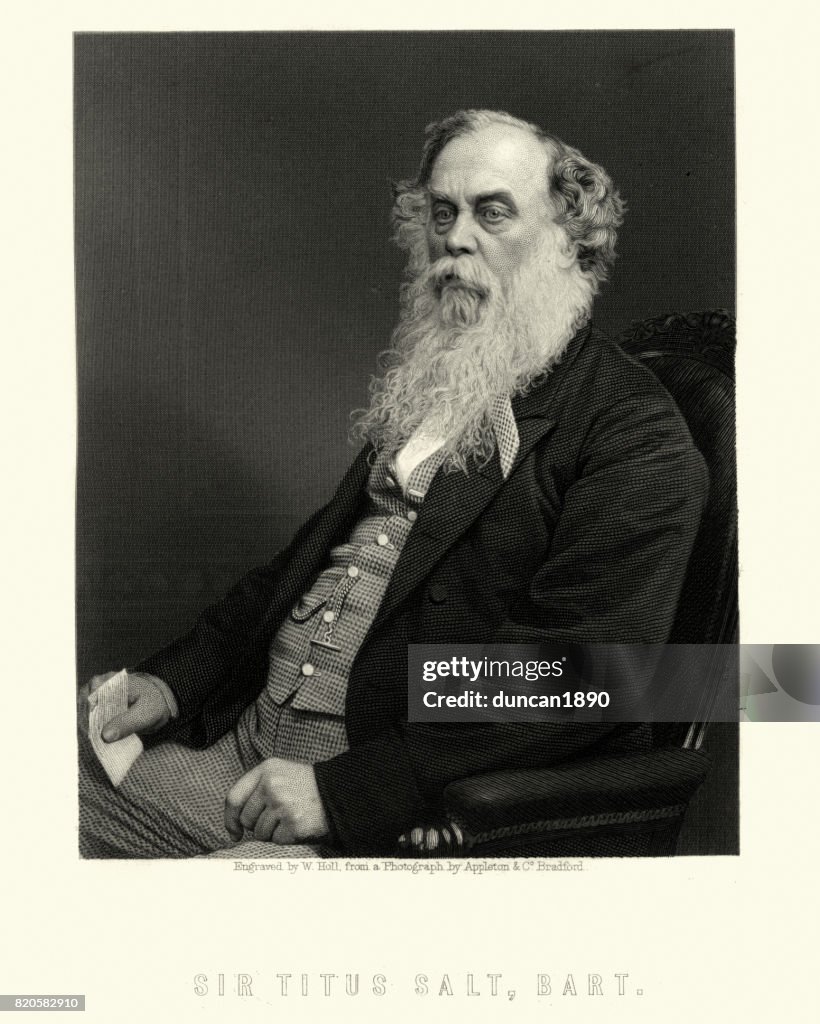
Sir Titus Salt, 1st Baronet
(Titus Salt)
Manufacturier textile et réformateur social britannique, créateur du village ouvrier modèle de Saltaire offrant des logements salubres, un hôpital et des écoles.
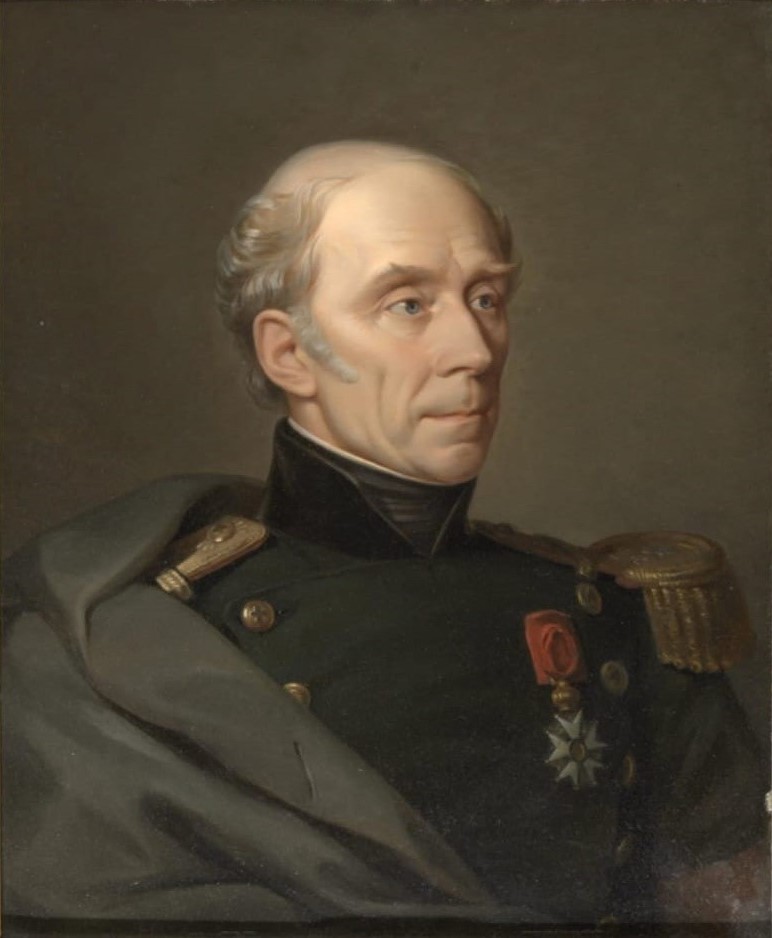
Guillaume-Henri Dufour
 (Guillaume-Henri Dufour)
Général et ingénieur suisse, héros unificateur de la guerre du Sonderbund, premier président du Comité international de la Croix-Rouge (1863-1864).
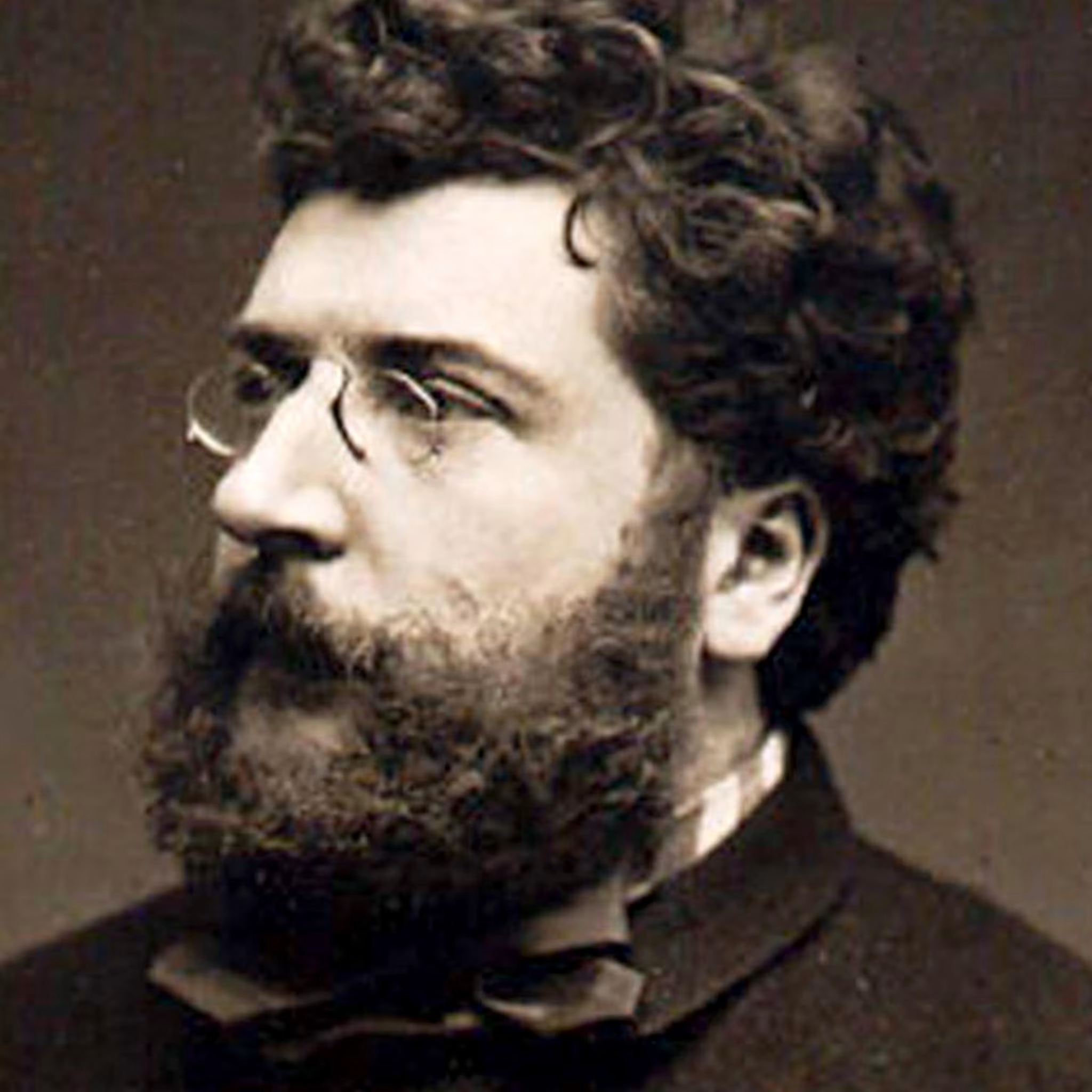
Georges Bizet
(Georges Bizet)
French Romantic composer who created Carmen, one of the most popular and influential operas in the global repertoire.
Cochise
(Cheis)
Legendary Chiricahua Apache war leader who waged a masterclass guerrilla war from the Dragoon Mountains, fiercely protecting his homeland for over a decade.
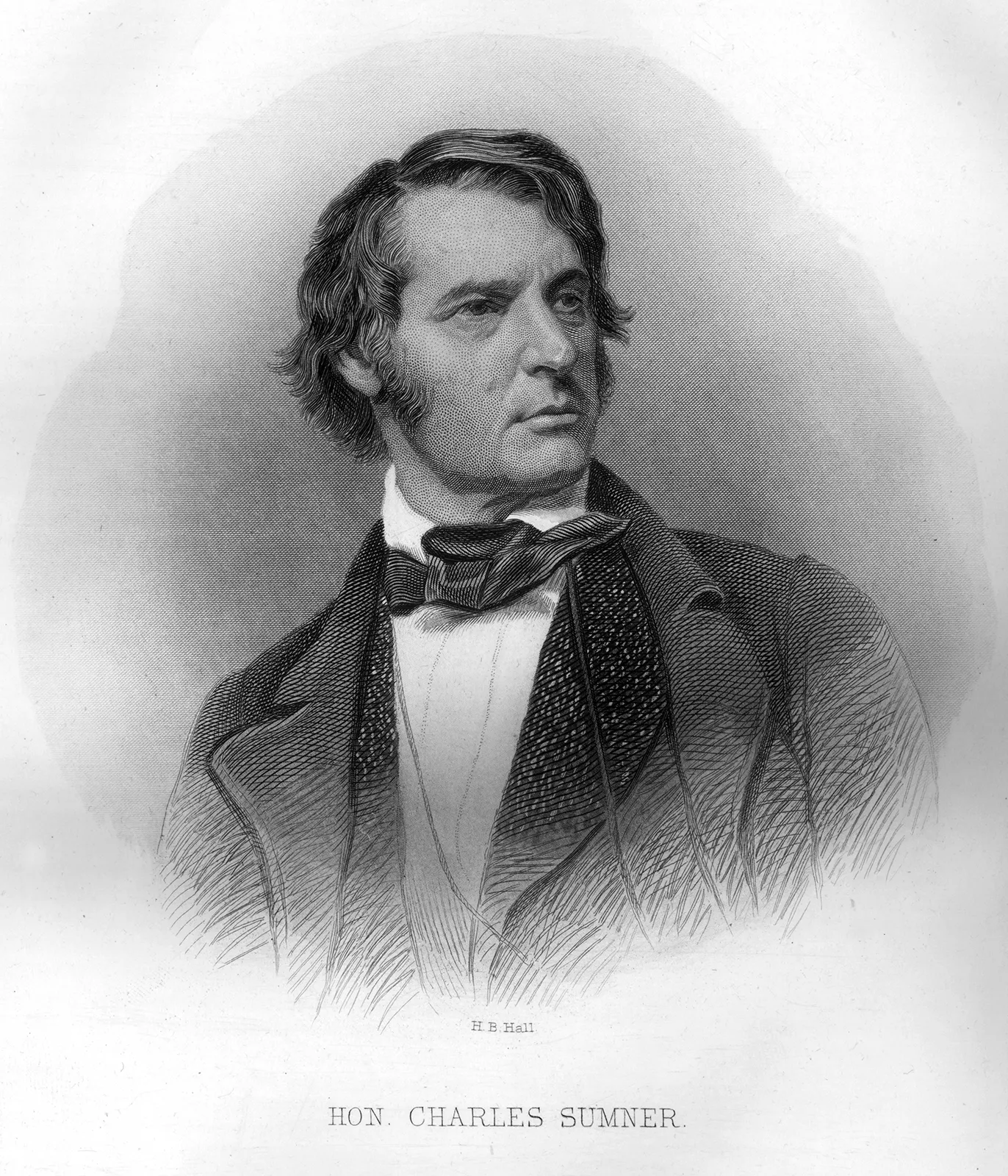
Charles Sumner
(Charles Sumner)
Fierce Radical Republican Senator from Massachusetts who led the abolitionist cause in Congress, survived a brutal caning on the Senate floor, and championed Reconstruction civil rights.
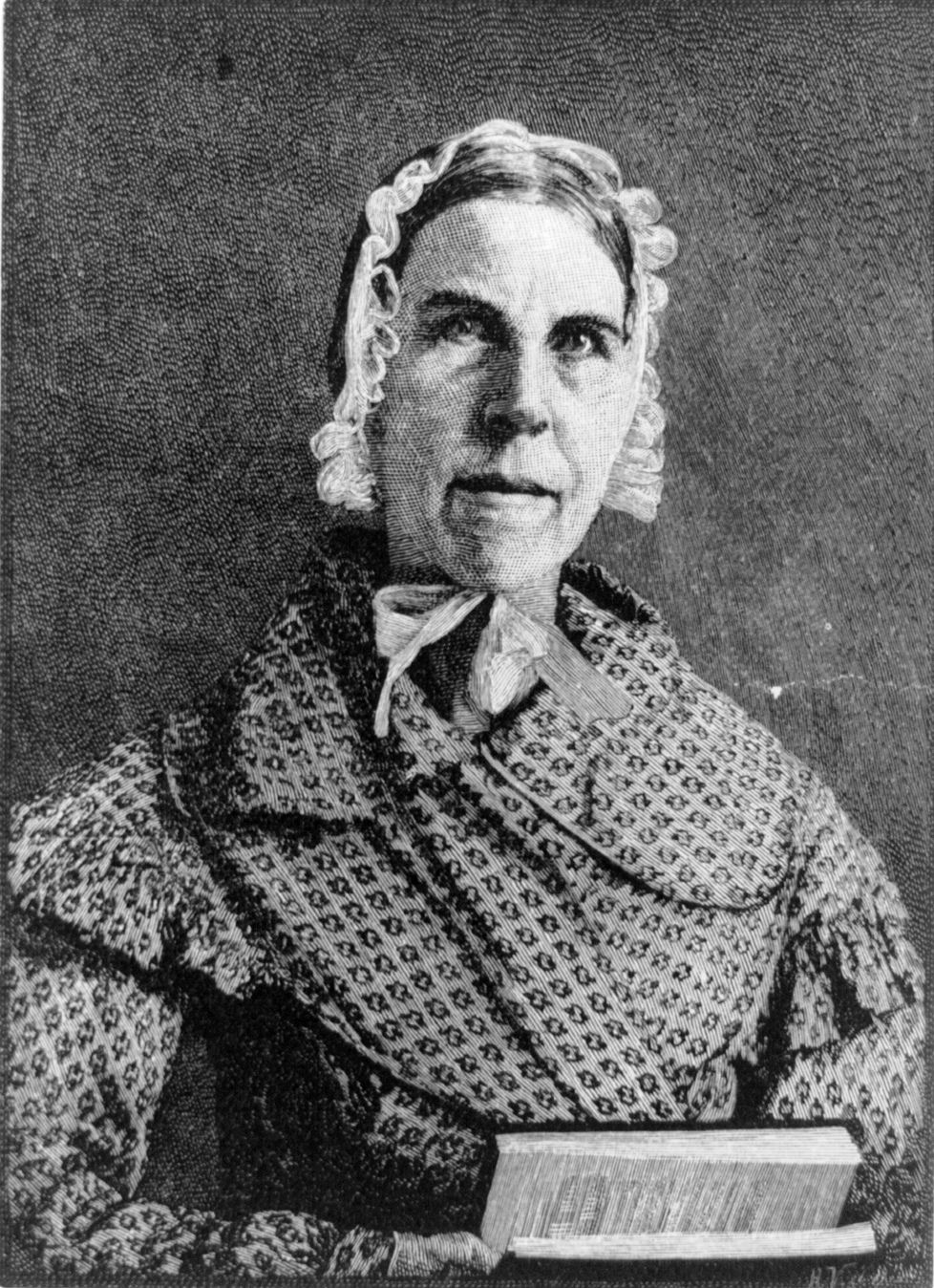
Sarah Grimke
(Sarah Moore Grimke)
Southern-born abolitionist and women's rights pioneer who rejected her slaveholding family's wealth to campaign across the North, author of the groundbreaking 1838 feminist work 'Letters on the Equality of the Sexes'.
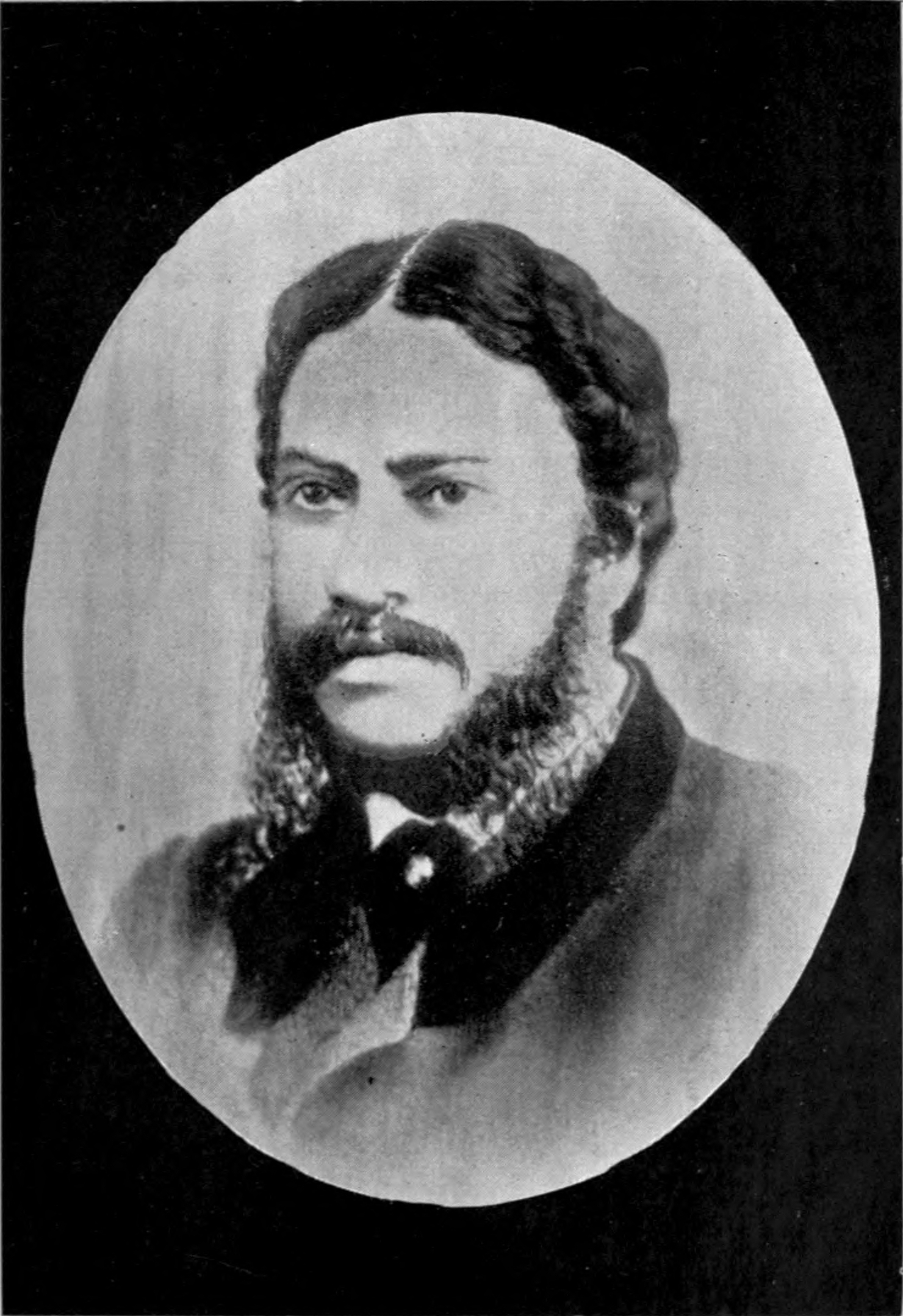
Michael Madhusudan Dutt
 (মাইকেল মধুসূদন দত্ত)
Pioneering 19th-century Bengali poet and dramatist who introduced blank verse (amritrakshar chhanda) and the sonnet into Bengali literature with his tragic epic Meghnad Badh Kavya.
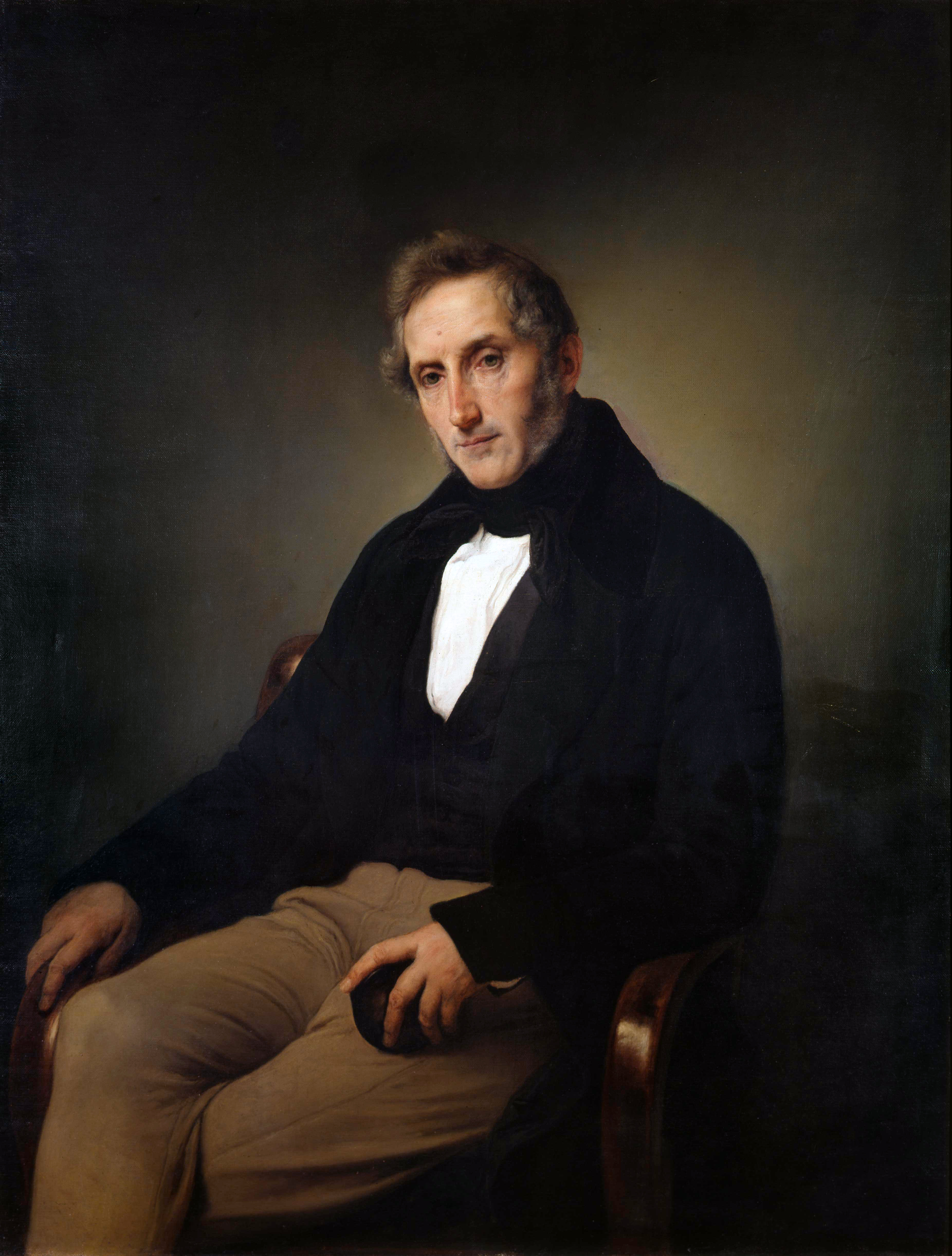
Alessandro Manzoni
 (Alessandro Francesco Tommaso Antonio Manzoni)
Patriarch of modern Italian literature and Risorgimento icon whose historical novel I Promessi Sposi (The Betrothed) forged standard modern Italian prose.