Imam Sahnun
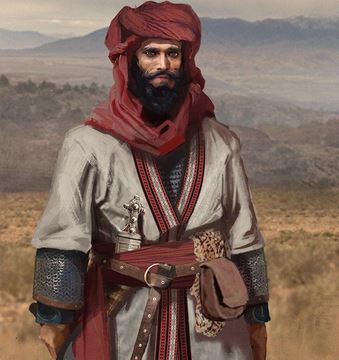
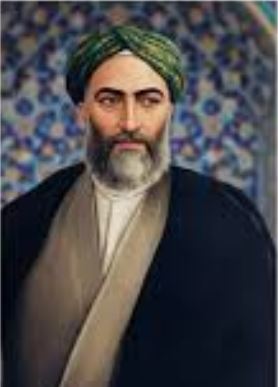
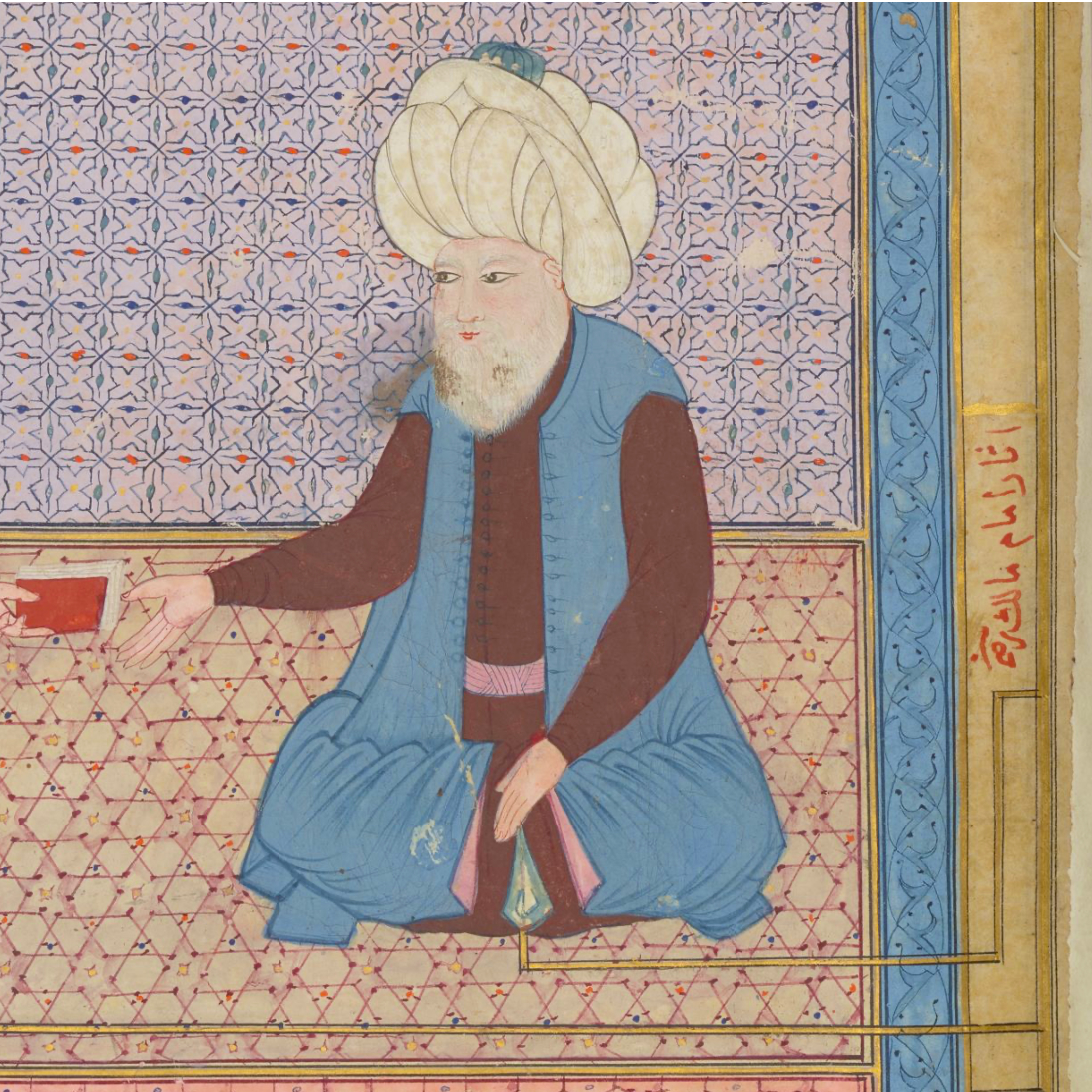
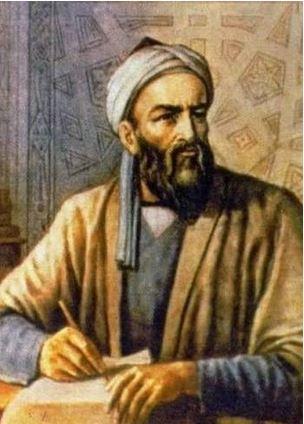
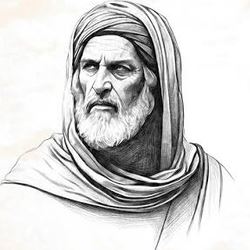
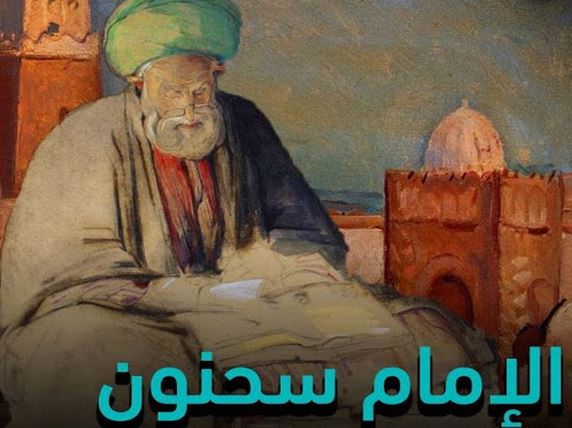
Venerated North African jurist and Qadi of Kairouan who authored 'Al-Mudawwana al-Kubra', the definitive founding compendium of the Maliki school of Islamic jurisprudence in the Maghreb and al-Andalus.
Start typing to search worldwide archives and community tributes
Filterable archive covering centuries of intellectual, artistic, and moral contributions to the human story.
Venerated North African jurist and Qadi of Kairouan who authored 'Al-Mudawwana al-Kubra', the definitive founding compendium of the Maliki school of Islamic jurisprudence in the Maghreb and al-Andalus.
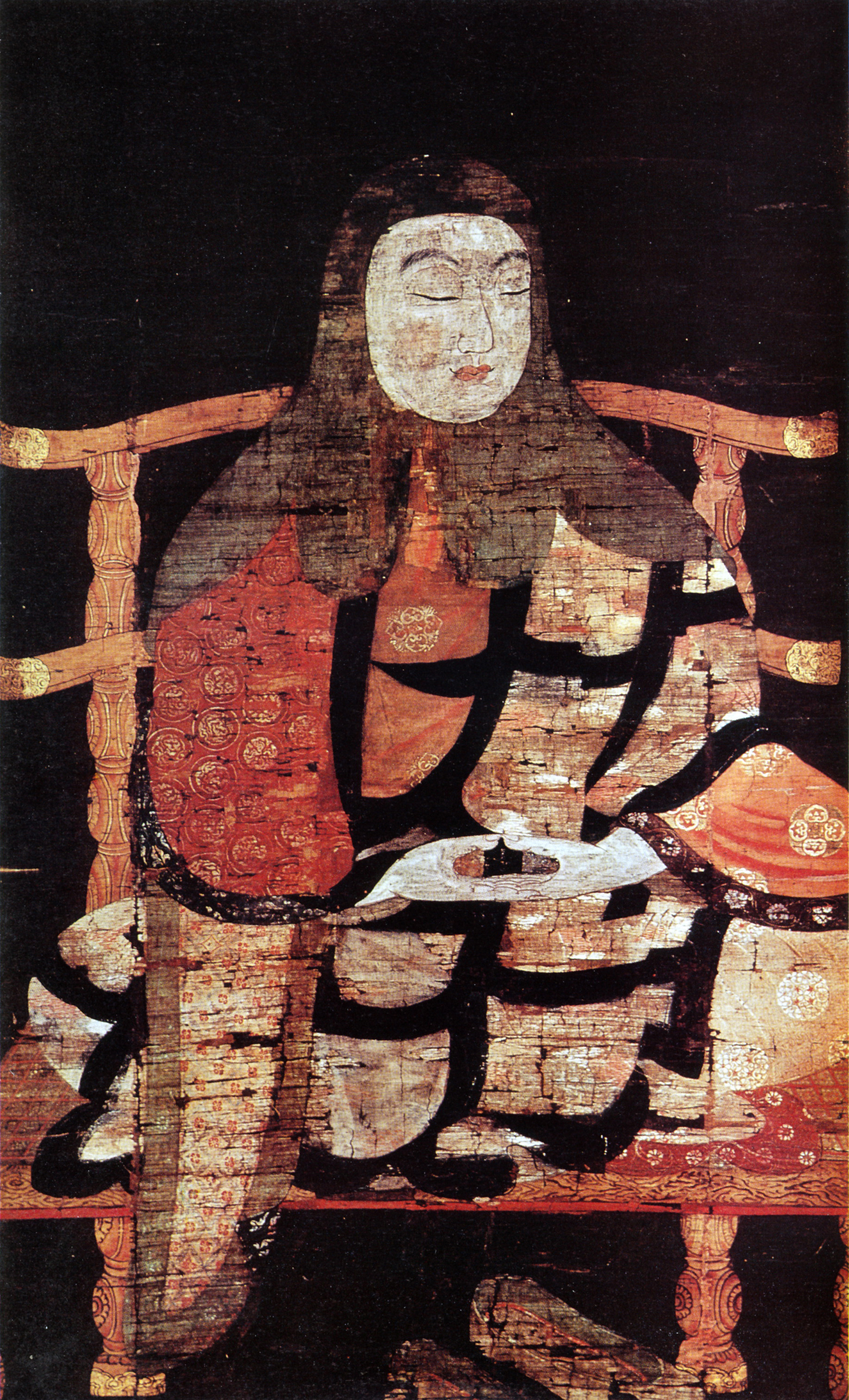
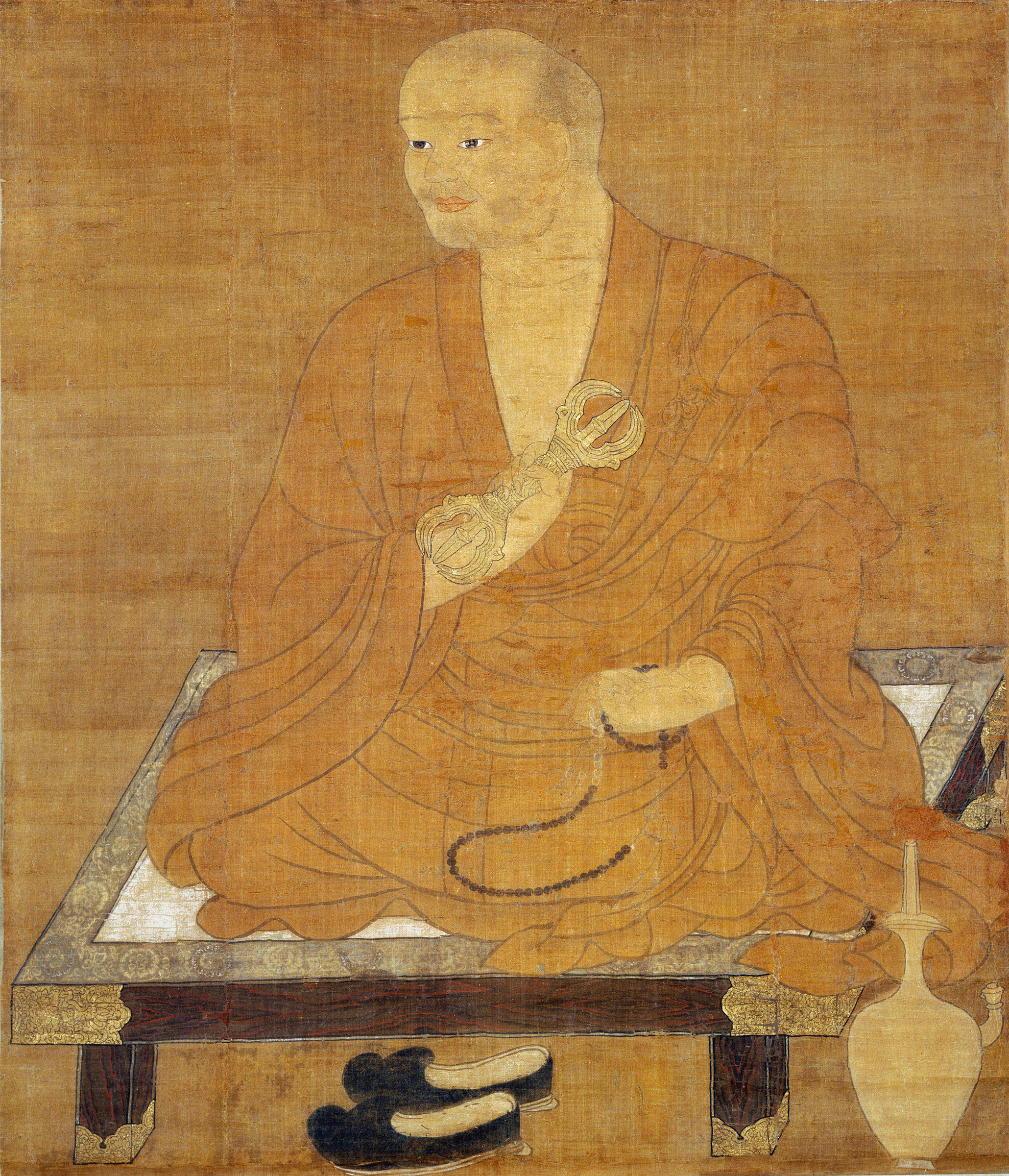
Polymath, calligrapher, engineer, and founder of Shingon Esoteric Buddhism who built Mount Koya and taught 'attaining Buddhahood in this very body' (Sokushin Jobutsu).
Eminent Islamic jurist, scholar of both the Hanafi and Maliki schools, and Grand Qadi of Kairouan who at age sixty-eight commanded the historic naval expedition that began the Muslim conquest of Sicily.
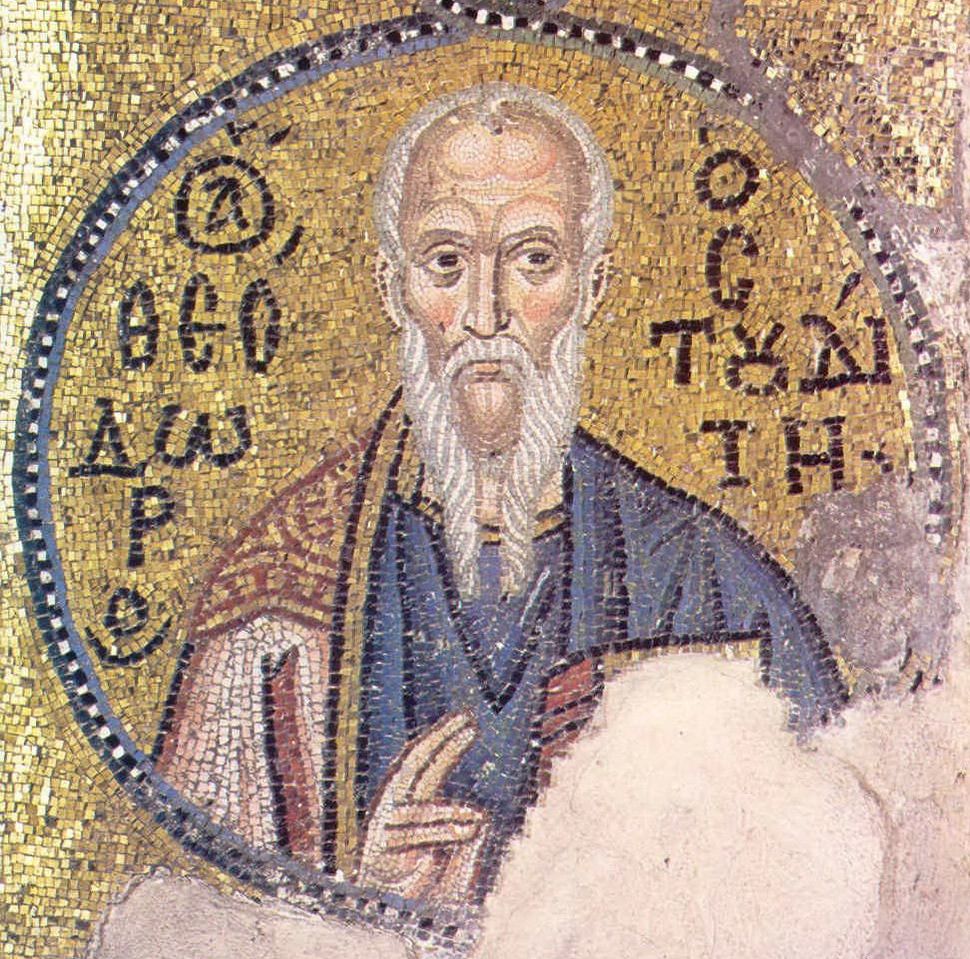
Abbot of the Stoudios Monastery who reformed Eastern Christian monasticism, championing community life, book copying, and intellectual defense of holy icons.
Founder of Tendai Buddhism in Japan who established Enryaku-ji on Mount Hiei, championed universal Buddhahood through the Lotus Sutra, and fought for independent Mahayana ordination.
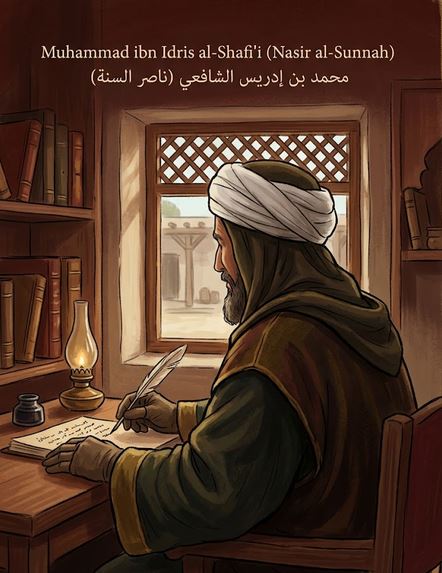
Supreme legal jurist and poet who formulated the science of Islamic legal theory (Usul al-Fiqh). Reconciled the rationalist school of Iraq with the traditionalist school of the Hijaz in his seminal treatise Al-Risala.
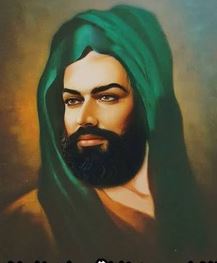
Eighth Shia Imam and revered scholar whose profound interfaith debates in Merv and famous Hadith of the Golden Chain in Nishapur confirmed the sanctuary of divine unity.
Eighth-century mystic of Basra who revolutionized Sufi spirituality by introducing the concept of pure, unselfish Divine Love (Mahabba / Ishq)โworshiping God neither out of fear of Hell nor desire for Paradise, but purely for His beauty.
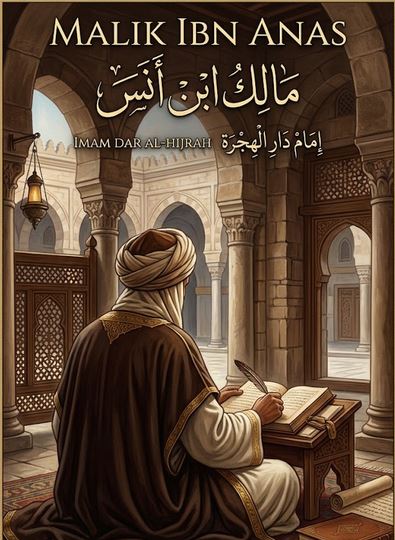
Revered as the 'Imam of Medina' (Imam Dar al-Hijrah), author of the 'Muwatta' (the earliest surviving book of Islamic law) and founder of the Maliki school.
Venerated as the "Imam of the Abode of Emigration" (Medina). Compiled the Muwattaโhumanity's earliest extant Islamic legal and Hadith corpusโand founded the Maliki school based on the living communal practice (Amal) of Medina.
The "Great Imam" whose juridical methodology created the Hanafi schoolโthe most widely followed legal school in Islamic history. Championed juristic preference (Istihsan), human equity, and commercial integrity in Kufa.
Sixth Imam of the Ahl al-Bayt celebrated as "Al-Sadiq" (The Truthful). Formulated Ja'fari jurisprudence and presided over an unprecedented academic circle in Medina that educated foremost jurists and pioneers of chemistry.
Nalanda monk and Bodhisattva whose 'Bodhicaryavatara' (The Way of the Bodhisattva) is the supreme poetic masterpiece on generating Bodhicitta and exchanging self for others.
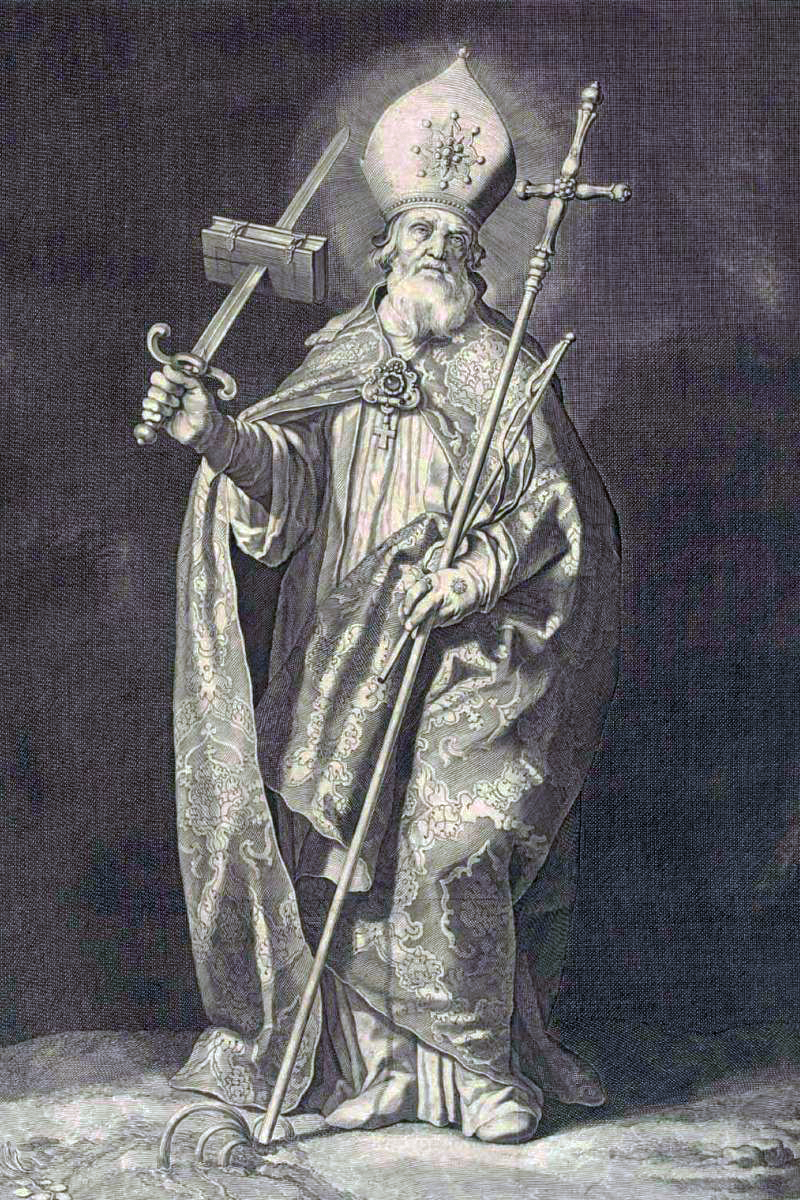
Anglo-Saxon missionary and archbishop who fatedly evangelized the Germanic peoples, reformed the Frankish church, and felled Donar's Oak at Geismar.
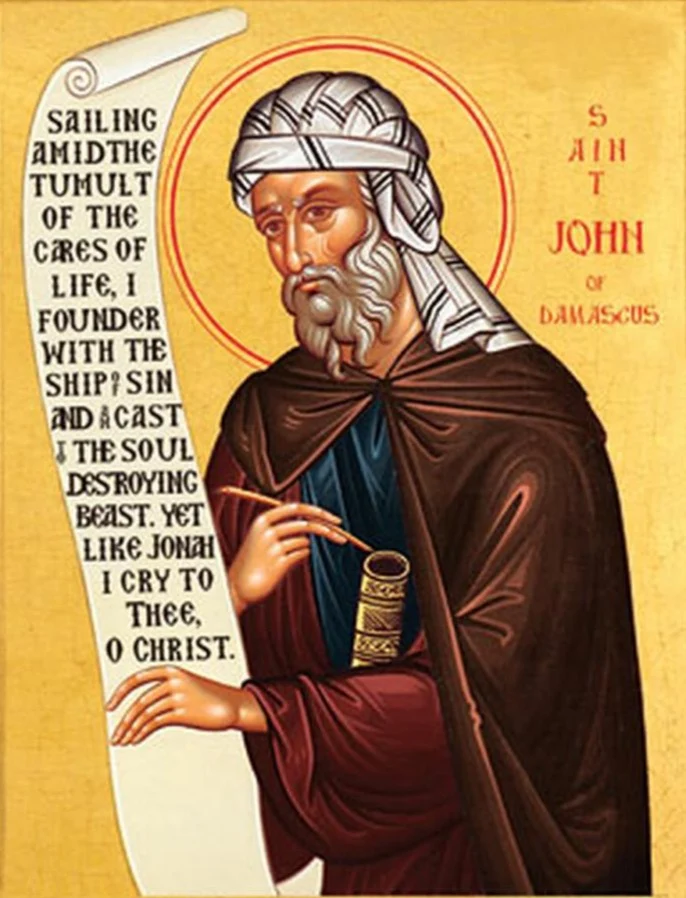
Doctor of the Church and last of the Greek Fathers, whose 'Fount of Knowledge' synthesized patristic dogma and whose three Apologetic Treatises defended holy icons.
Grandson of Husayn, eminent legal scholar, and founder of the Zaydiyya school whose 'Majmu al-Fiqh' is one of the earliest codified legal manuals in Islamic history.
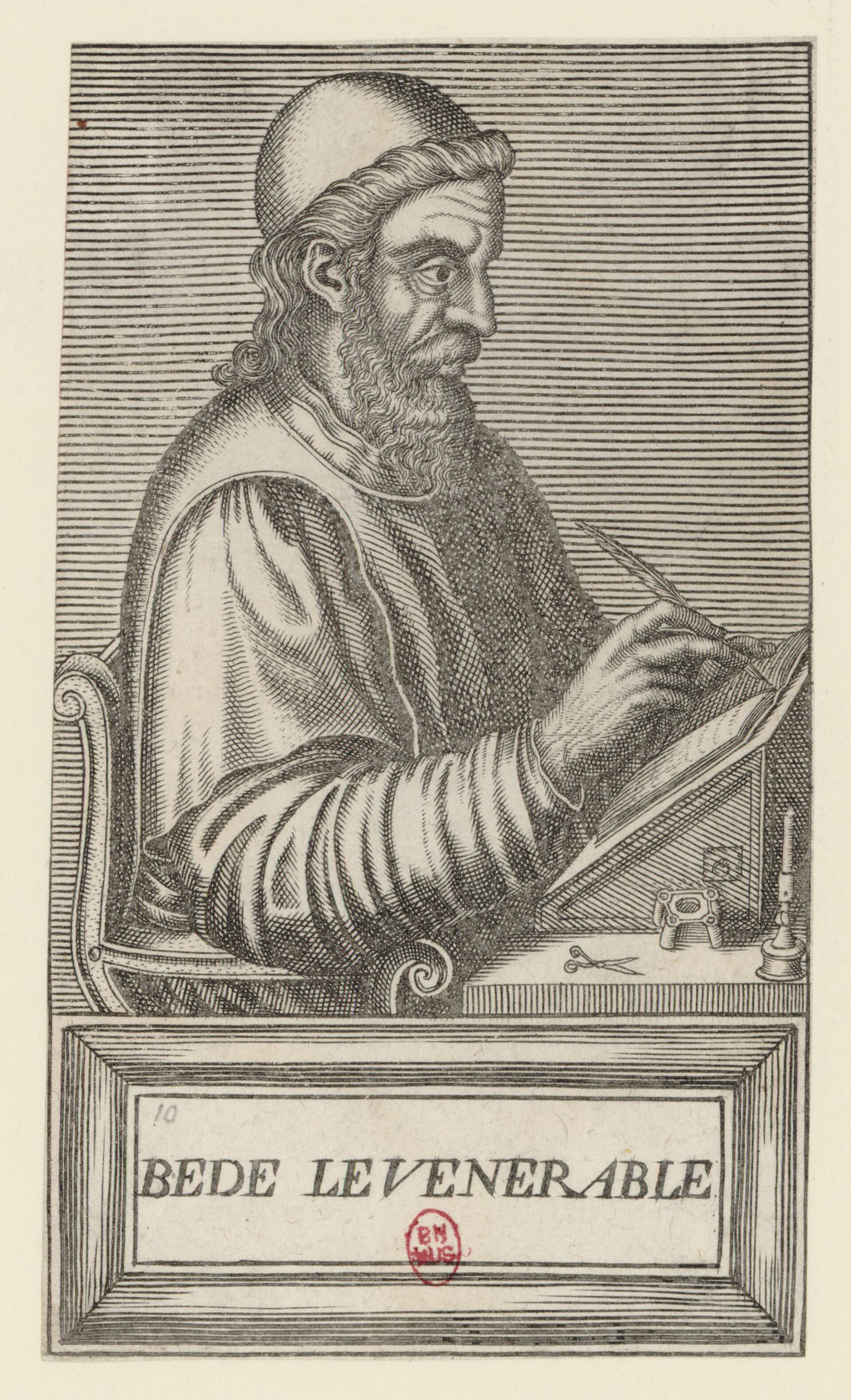
Northumbrian monk, Doctor of the Church, and Father of English History whose 'Ecclesiastical History of the English People' and calendar calculations (AD dating) forged English identity.
Fifth Shia Imam whose title 'Al-Baqir' (The Splitter of Knowledge) reflects his foundational role in laying out the principles of Shia jurisprudence and theology in Medina.