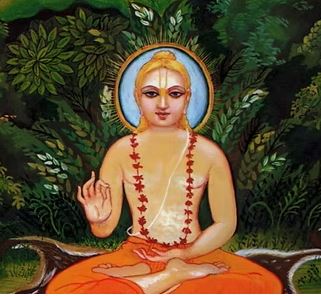
Kapila Muni
Ancient Indian sage and founder of Samkhyaโthe oldest systematic school of Indian philosophyโwhich posited a dualistic cosmos of pure consciousness (Purusha) and material nature (Prakriti).
Start typing to search worldwide archives and community tributes
Filterable archive covering centuries of intellectual, artistic, and moral contributions to the human story.
Ancient Indian sage and founder of Samkhyaโthe oldest systematic school of Indian philosophyโwhich posited a dualistic cosmos of pure consciousness (Purusha) and material nature (Prakriti).
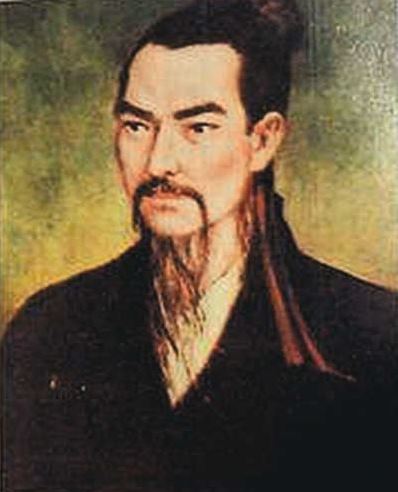
Founder of Mohism who articulated the world's first systematic utilitarian ethics, advocating universal impartial care (jian'ai), anti-militarism, and defensive engineering.
Supreme theoretician of Legalism (Fajia) whose writings synthesized codified law (fa), administrative tact (shu), and strategic authority (shi) to construct the foundations of the unified Chinese empire.
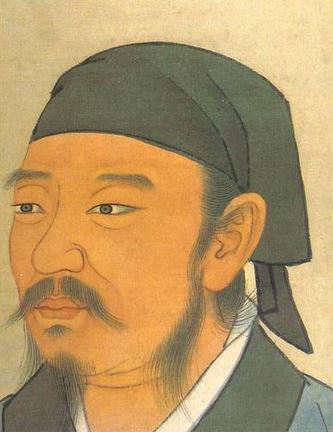
Confucian realist who argued that human nature is fundamentally raw and unruly (xing e), requiring rigorous moral education, ritual discipline (li), and institutional laws to achieve harmony.
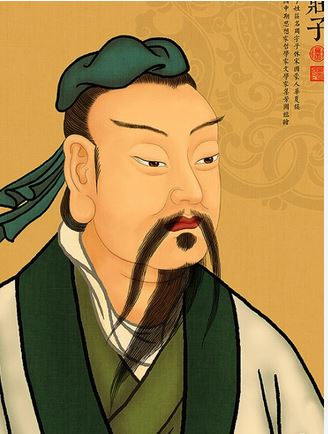
Daoist master whose eponymous work revolutionized Chinese thought through brilliant literary parables, radical freedom, the dream of the butterfly, and spontaneous living (ziran).
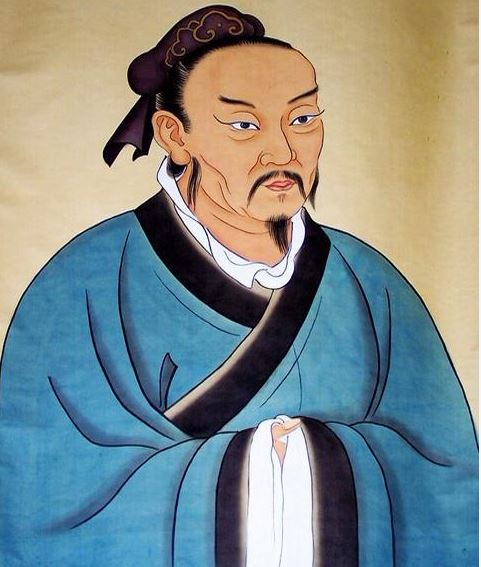
The 'Second Sage' of Confucianism who defended the innate goodness of human nature (xing shan) and championed the right of the people to overthrow tyrannical rulers.
Founder of Neoplatonism whose Enneads integrated Platonic metaphysics into a transcendent emanation system tracing all reality back to the ineffable One (To Hen).
Greek Stoic philosopher born into slavery who established a renowned school in Nicopolis, teaching that inner serenity stems from distinguishing what is within our control from what is not.
Roman poet and philosopher whose didactic epic De Rerum Natura (On the Nature of Things) articulated a sublime materialistic vision of the physical universe, atomism, and human freedom.
Phoenician-Greek philosopher who founded the Stoic school at the Stoa Poikile in Athens, teaching that true virtue lies in living in harmony with universal nature and reason.
Founder of the Epicurean school ('The Garden'), who taught that the highest good is ataraxia (mental tranquility) achieved through modest living, enduring friendship, and liberation from fear.
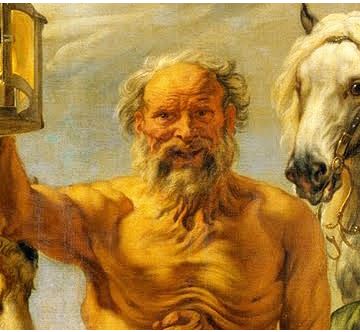
Supreme archetype of Cynic philosophy who discarded all material possessions to live in a ceramic tub, challenging social hypocrisy with lamp in hand and defying Alexander the Great.
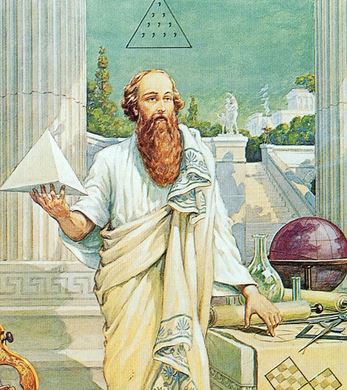
Philosopher and mathematician whose brotherhood taught that number is the key to cosmic reality, discovering mathematical ratios in musical harmony and the immortality of the soul.
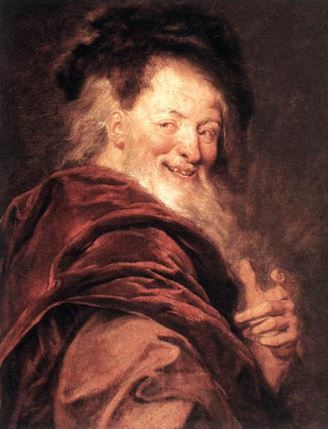
The Laughing Philosopher who formulated the atomic theory of the universe, positing that all physical reality consists of indivisible particles (atomos) colliding in infinite void.
Founder of the Eleatic school and father of Western ontology, whose hexameter poem On Nature distinguished between the timeless realm of Truth (Aletheia) and sensory Opinion (Doxa).
Presocratic philosopher famous for his doctrine of universal cosmic flux (Panta Rhei), identifying living fire as the primordial element and the divine Logos as the rational order uniting opposites.
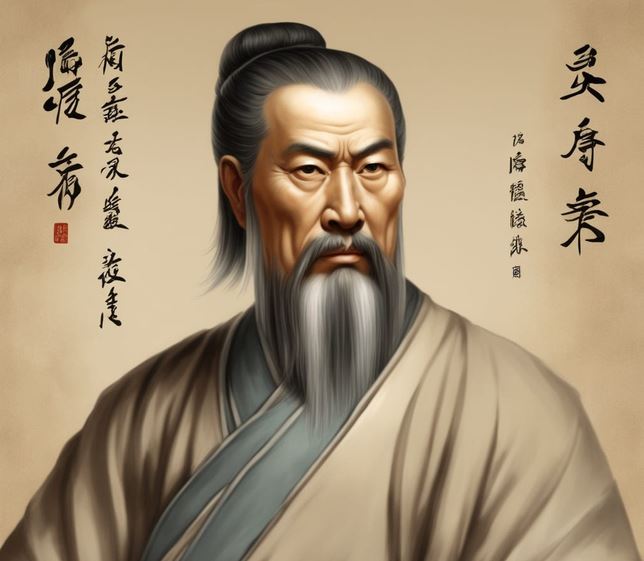
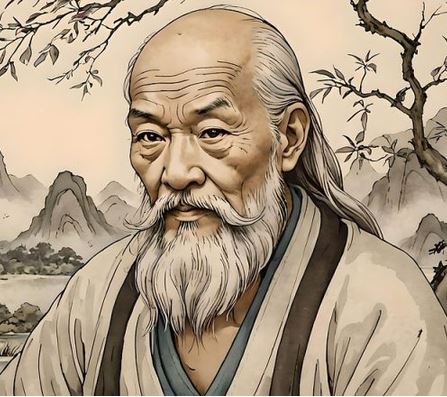
Ancient philosopher and royal archivist of the Zhou court. Father of Daoism and author of the Tao Te Ching (Daodejing), teaching natural simplicity, cosmic harmony, and effortless action (Wu Wei).
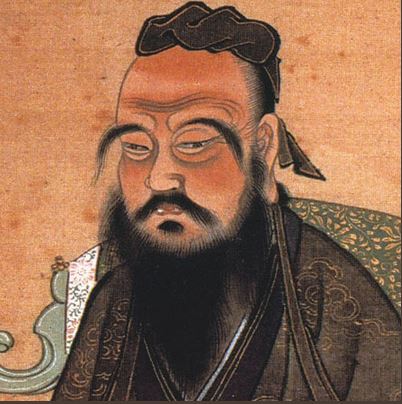
Philosopher and educator whose moral philosophyโrecorded in the Analectsโformed the foundation of East Asian civilization for over two millennia. Championed benevolence (Ren), righteousness (Yi), and harmonious ethical governance.