Public Figures & Cultural Luminaries
Filterable archive covering centuries of intellectual, artistic, and moral contributions to the human story.
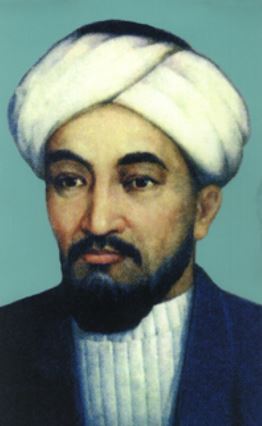
Al-Farabi (Abu Nasr al-Farabi)
 (أبو نصر محمد الفارابي)
Revered across medieval civilizations as 'The Second Teacher' (after Aristotle), who integrated logic, Neoplatonic metaphysics, and political philosophy in The Virtuous City.
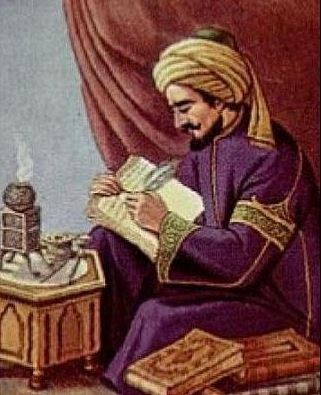
Al-Kindi (Abu Yusuf Ya'qub ibn Ishaq)
 (أبو يوسف يعقوب بن إسحاق الكِندي)
'The Philosopher of the Arabs' who inaugurated the translation and integration of Aristotle and Plato at the House of Wisdom (Bayt al-Hikma) in Abbasid Baghdad.
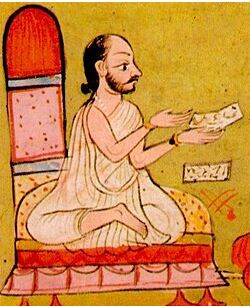
Bhartrihari
 (भर्तृहरि)
Sanskrit philosopher of language whose Vakyapadiya established the metaphysics of Shabda Brahman (the Word as divine ground of reality) and the semantic flash of intuition (Sphota).
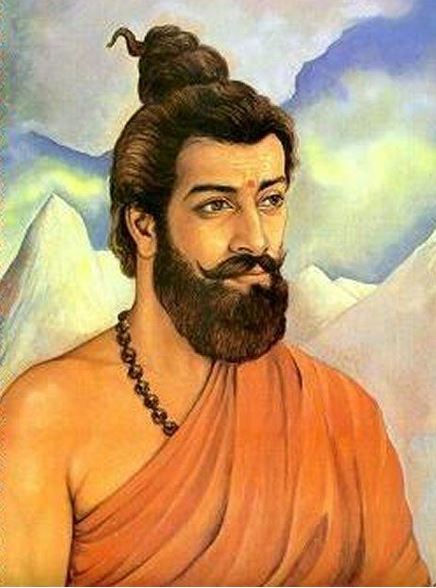
Maharishi Kanada
(कणाद महर्षि)
Ancient Indian sage who founded the Vaisheshika school of natural philosophy, formulating an atomic theory of matter (paramanu) centuries before modern chemistry.
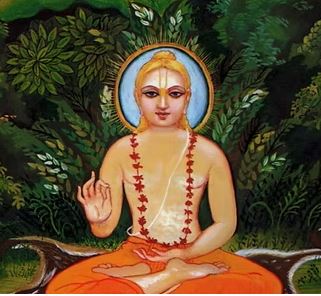
Kapila Muni
(कपिल ऋषि)
Ancient Indian sage and founder of Samkhya—the oldest systematic school of Indian philosophy—which posited a dualistic cosmos of pure consciousness (Purusha) and material nature (Prakriti).
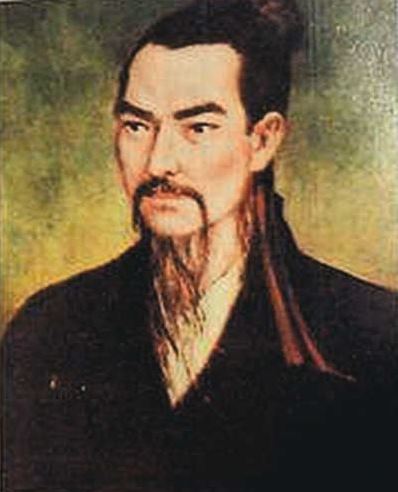
Mozi (Mo Di)
 (墨子 (墨翟))
Founder of Mohism who articulated the world's first systematic utilitarian ethics, advocating universal impartial care (jian'ai), anti-militarism, and defensive engineering.
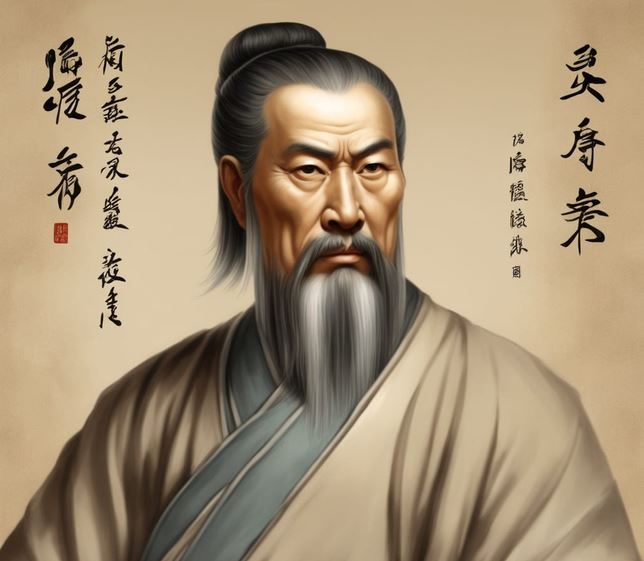
Han Feizi
(韓非子)
Supreme theoretician of Legalism (Fajia) whose writings synthesized codified law (fa), administrative tact (shu), and strategic authority (shi) to construct the foundations of the unified Chinese empire.
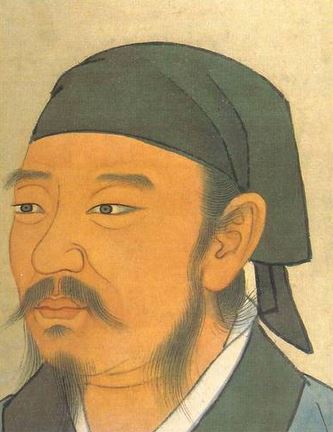
Xunzi (Xun Kuang)
(荀子 (荀況))
Confucian realist who argued that human nature is fundamentally raw and unruly (xing e), requiring rigorous moral education, ritual discipline (li), and institutional laws to achieve harmony.
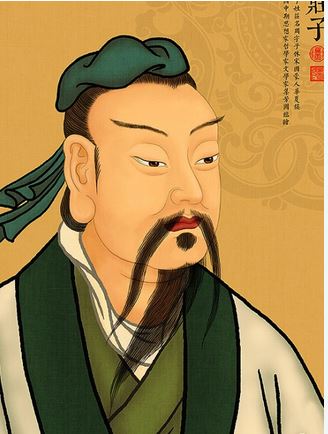
Zhuangzi (Zhuang Zhou)
(莊子 (莊周))
Daoist master whose eponymous work revolutionized Chinese thought through brilliant literary parables, radical freedom, the dream of the butterfly, and spontaneous living (ziran).
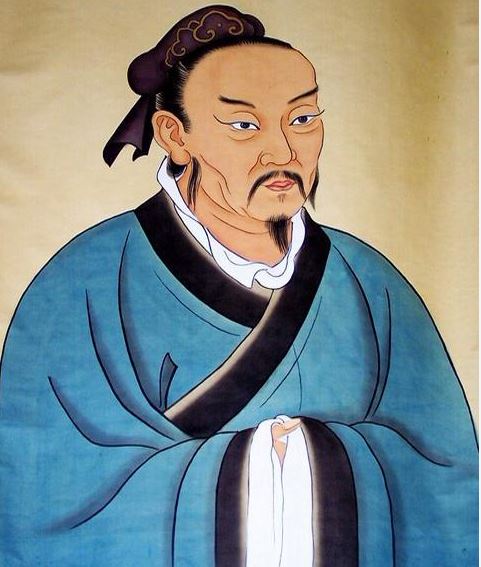
Mencius (Mengzi / Meng Ke)
(孟子 (孟軻))
The 'Second Sage' of Confucianism who defended the innate goodness of human nature (xing shan) and championed the right of the people to overthrow tyrannical rulers.
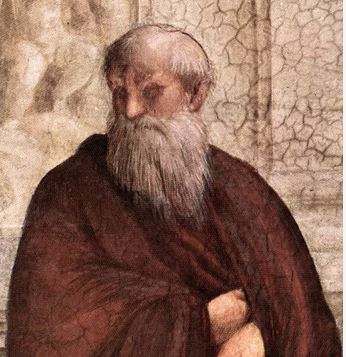
Plotinus
 (Πλωτῖνος)
Founder of Neoplatonism whose Enneads integrated Platonic metaphysics into a transcendent emanation system tracing all reality back to the ineffable One (To Hen).
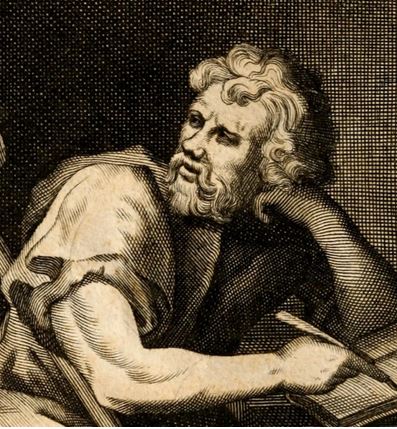
Epictetus
 (Ἐπίκτητος)
Greek Stoic philosopher born into slavery who established a renowned school in Nicopolis, teaching that inner serenity stems from distinguishing what is within our control from what is not.
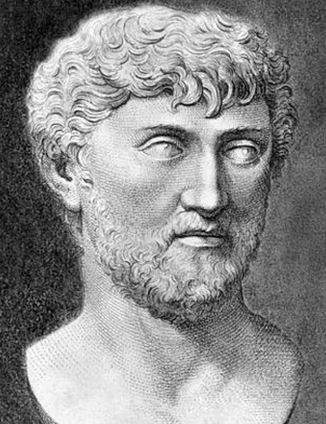
Lucretius (Titus Lucretius Carus)
 (Titus Lucretius Carus)
Roman poet and philosopher whose didactic epic De Rerum Natura (On the Nature of Things) articulated a sublime materialistic vision of the physical universe, atomism, and human freedom.
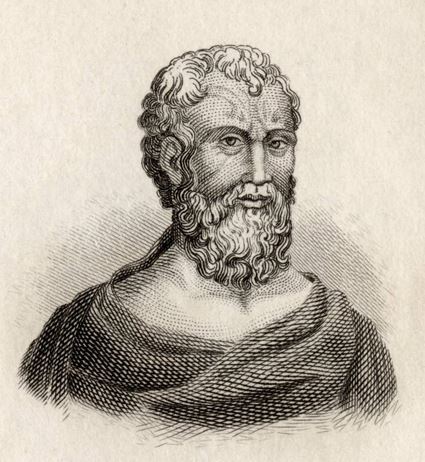
Zeno of Citium
 (Ζήνων ὁ Κιτιεύς)
Phoenician-Greek philosopher who founded the Stoic school at the Stoa Poikile in Athens, teaching that true virtue lies in living in harmony with universal nature and reason.
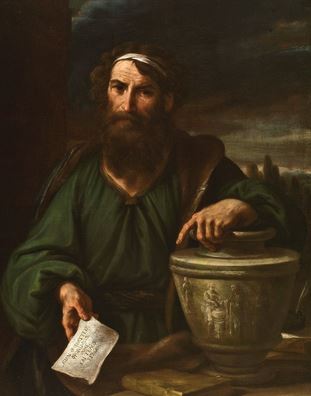
Epicurus of Samos
 (Ἐπίκουρος)
Founder of the Epicurean school ('The Garden'), who taught that the highest good is ataraxia (mental tranquility) achieved through modest living, enduring friendship, and liberation from fear.
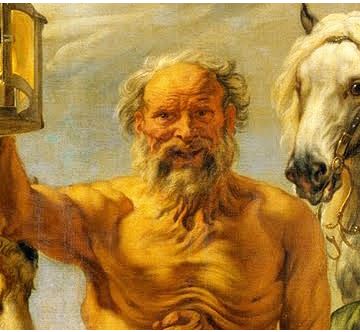
Diogenes of Sinope
(Διογένης ὁ Σινωπεύς)
Supreme archetype of Cynic philosophy who discarded all material possessions to live in a ceramic tub, challenging social hypocrisy with lamp in hand and defying Alexander the Great.
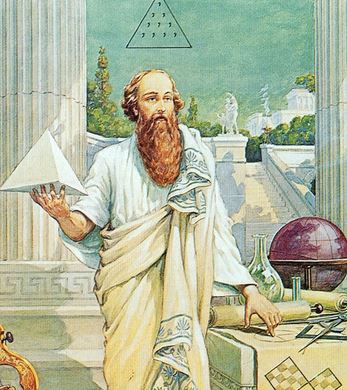
Pythagoras of Samos
(Πυθαγόρας ὁ Σάμιος)
Philosopher and mathematician whose brotherhood taught that number is the key to cosmic reality, discovering mathematical ratios in musical harmony and the immortality of the soul.
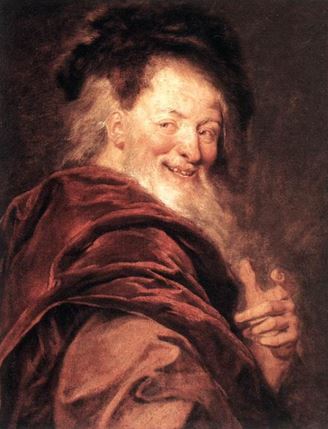
Democritus of Abdera
(Δημόκριτος)
The Laughing Philosopher who formulated the atomic theory of the universe, positing that all physical reality consists of indivisible particles (atomos) colliding in infinite void.