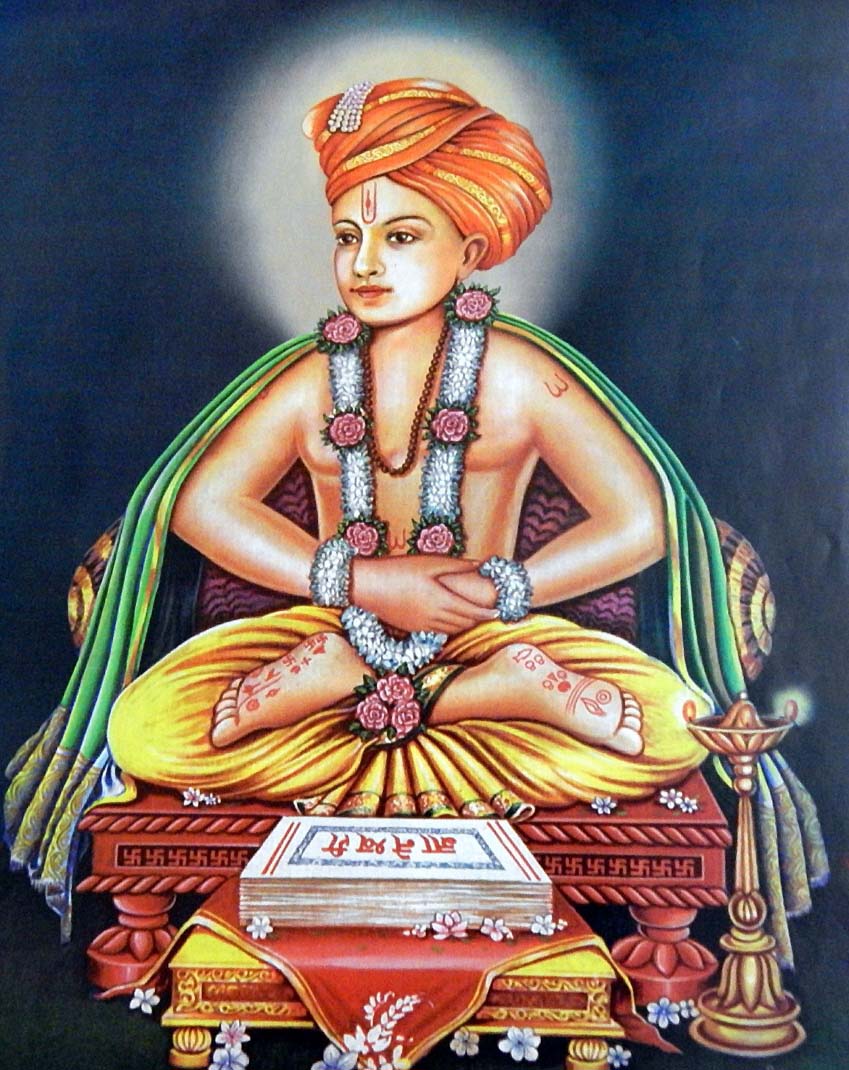
Kabir Das
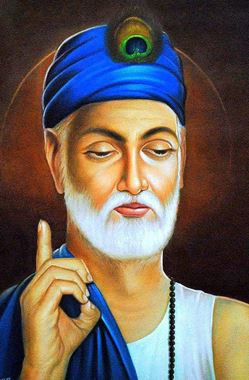
Celebrated 15th-century mystic poet-philosopher and weaver whose biting couplets (Dohas) pierced through the hypocrisies of both Hindu caste orthodoxy and Muslim dogmatism, teaching the formless truth of the divine (Nirguna Ram).
Start typing to search worldwide archives and community tributes
Filterable archive covering centuries of intellectual, artistic, and moral contributions to the human story.
Celebrated 15th-century mystic poet-philosopher and weaver whose biting couplets (Dohas) pierced through the hypocrisies of both Hindu caste orthodoxy and Muslim dogmatism, teaching the formless truth of the divine (Nirguna Ram).
Towering North African Islamic jurist born in the Ouarsenis mountains of Algeria whose monumental twelve-volume encyclopedia 'Al-Mi'yar al-Mughrib' is the supreme legal compendium of Maghrebi jurisprudence.
Prodigious Egyptian scholar, polymath, jurist, and historian whose encyclopedic bibliography of over six hundred books spanned Quranic exegesis, Hadith, Arabic philology, medicine, and history, standing as the supreme intellectual summarizer of classical Islam.
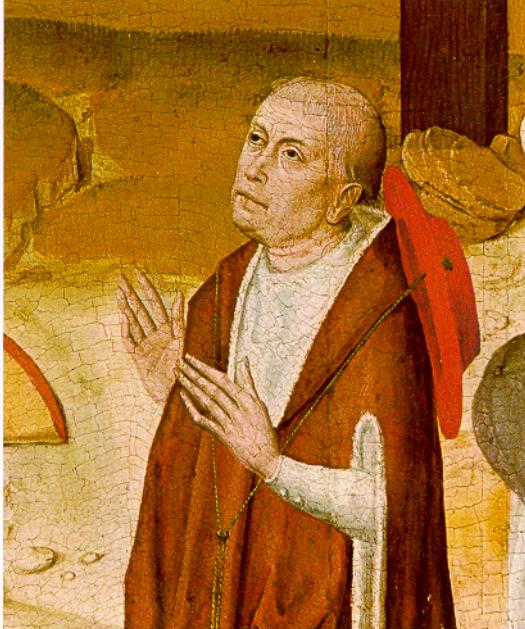
German Renaissance polymath and cardinal who developed the concept of 'learned ignorance' (docta ignorantia) and the 'coincidence of opposites' (coincidentia oppositorum), anticipating an infinite universe without a center.
Greatest playwright and aesthetic philosopher in Japanese history, who transformed Noh theatre into a supreme Zen art form and authored 'Fushikaden' (The Flowering Spirit), articulating the aesthetic concepts of Yugen (subtle grace) and Monomane.
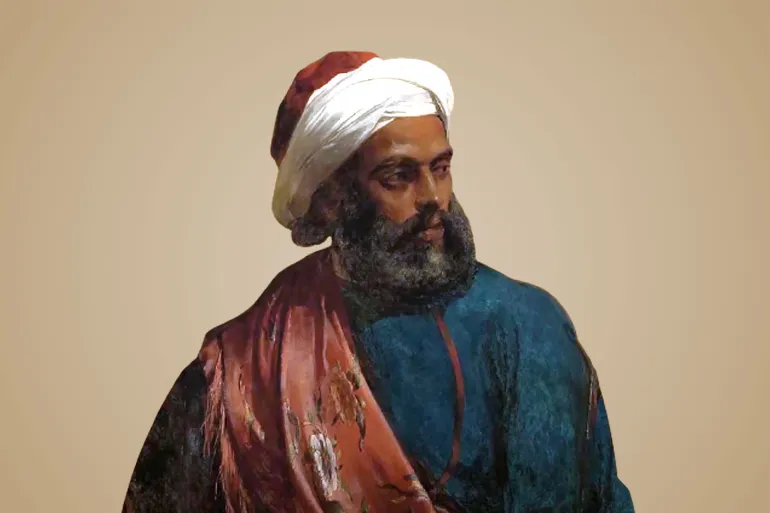
Father of historiography, sociology, and political economy whose Muqaddimah uncovered the laws governing social cohesion (Asabiyyah) and the cyclical rise and fall of civilizations.
Pioneering polymath widely regarded as the foundational father of sociology, historiography, demography, and cultural philosophy. Renowned globally for his seminal work, the Muqaddimah.
Distinguished 14th-century Tlemcen polymath, diplomat, and Maliki jurist who served at the Marinid, Hafsid, and Castilian courts, author of 'Al-Musnad al-Sahih' recording North African history.
Eminent 14th-century Damascene jurist and spiritual psychologist, author of 'Madarij al-Salikin' and 'Zad al-Ma'ad'.
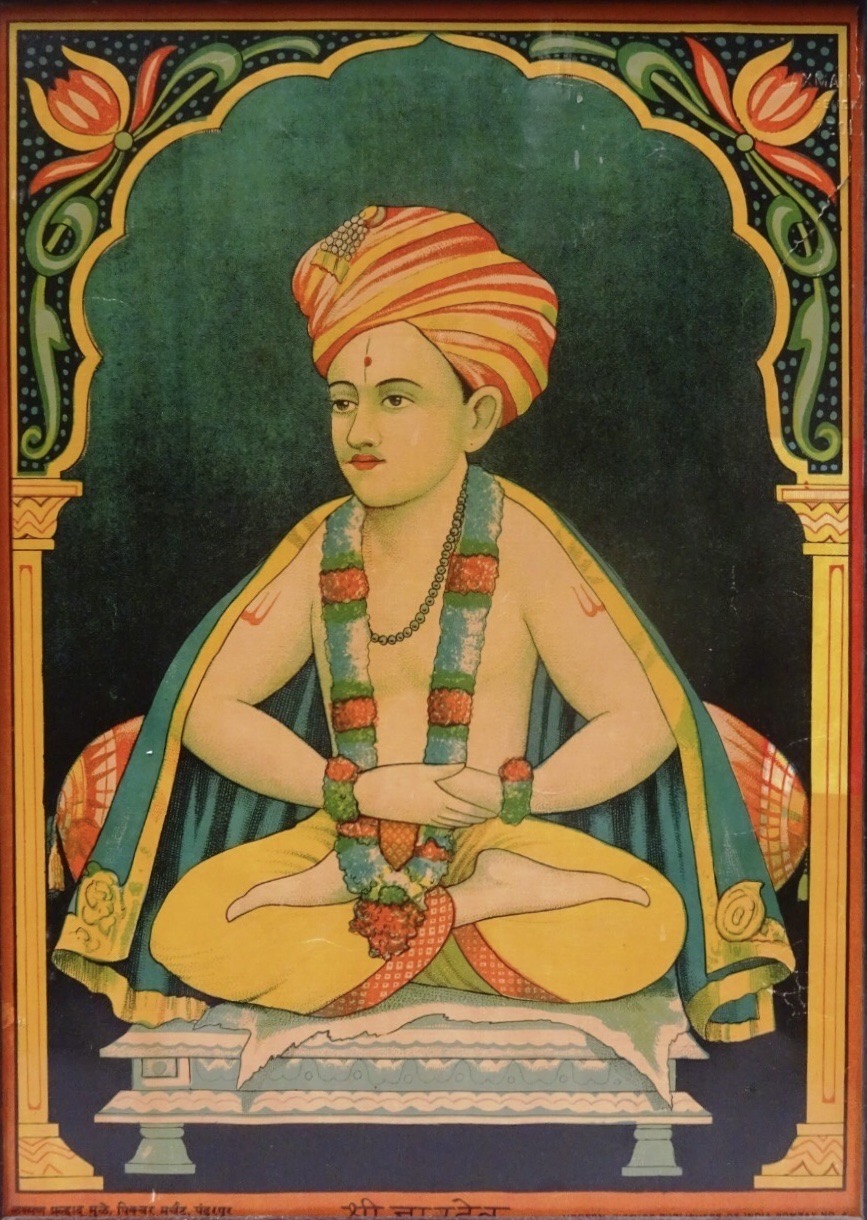
14th-century tailor-saint who pioneered the Varkari tradition of Maharashtra and traveled across Northern India to Punjab, whose sixty-one devotional hymns were enshrined in the Sikh sacred scripture, the Guru Granth Sahib.
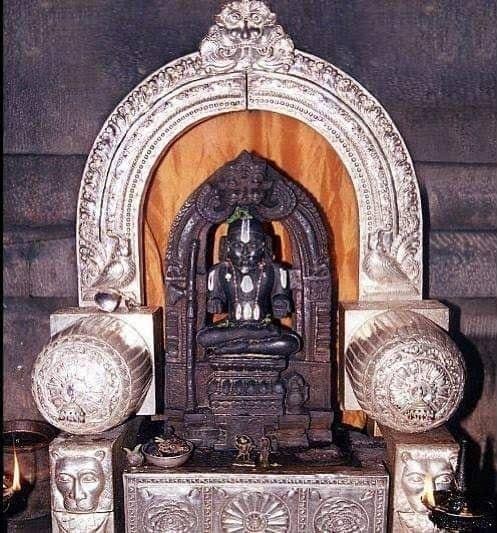
Revolutionary 13th-century philosopher-saint who founded Dvaita (Pure Dualism) Vedanta, establishing the Krishna Temple at Udupi and teaching the 'Pancha-Bheda'โthe five fundamental, eternal distinctions of reality.
Brilliant 13th-century Marathi poet-philosopher and Nath yogi who translated the Bhagavad Gita into vernacular Marathi in the 9,000-verse 'Dnyaneshwari' at age fifteen, founding the egalitarian Varkari Bhakti movement.
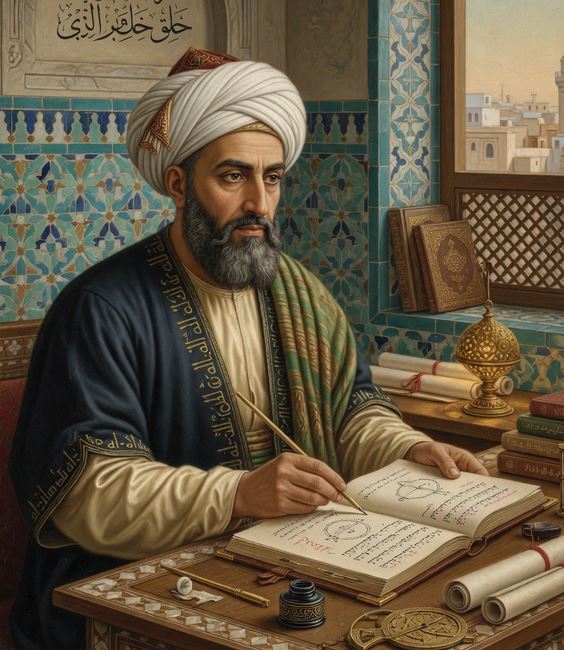
Persian polymath who designed the Maragheh Observatory, invented the Tusi-couple geometric model that inspired Copernicus, and authored the foundational moral treatise Akhlaq-i Nasiri.
Brilliant 13th-century mathematician, logician, and mystic of Marrakesh whose innovative exegesis applied algebraic and geometrical structures to linguistic and philosophical hermeneutics.
Renowned 13th-century North African mathematician and esoteric philosopher whose treatises on magic squares, numerical combinatorics, and celestial talismans achieved legendary fame.
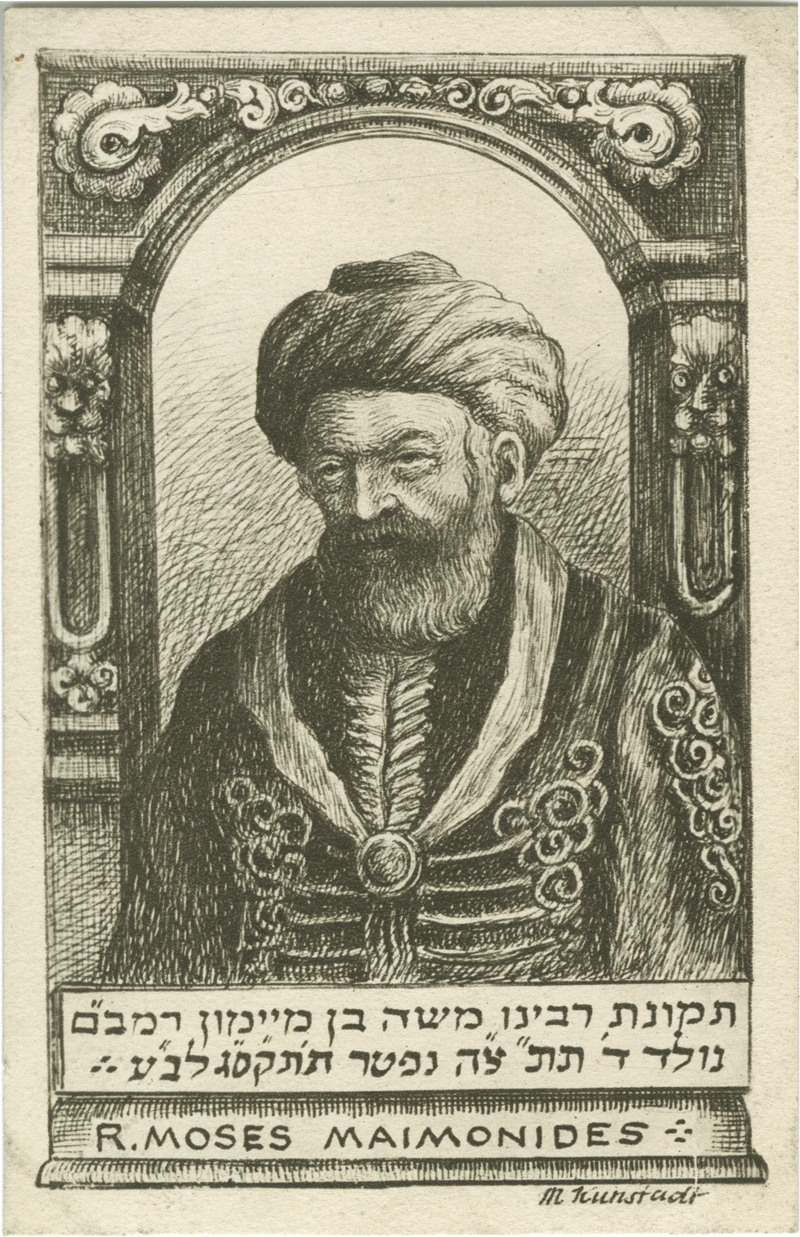
Jewish philosopher, jurist, and physician universally revered as the Rambam, who reconciled Aristotelian philosophy with biblical revelation in The Guide for the Perplexed and codified Jewish law in the Mishneh Torah.
Prolific 12th-century Baghdad scholar, orator, and polymath whose sermons drew tens of thousands and who authored over three hundred works.
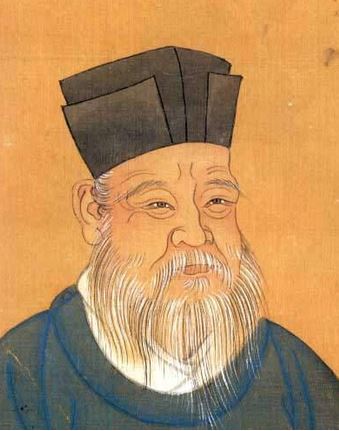
Preeminent thinker of Neo-Confucianism who unified the Four Books into the canonical civil examination curriculum and synthesized cosmology through Principle (Li) and Vital Energy (Qi).