Public Figures & Cultural Luminaries
Filterable archive covering centuries of intellectual, artistic, and moral contributions to the human story.
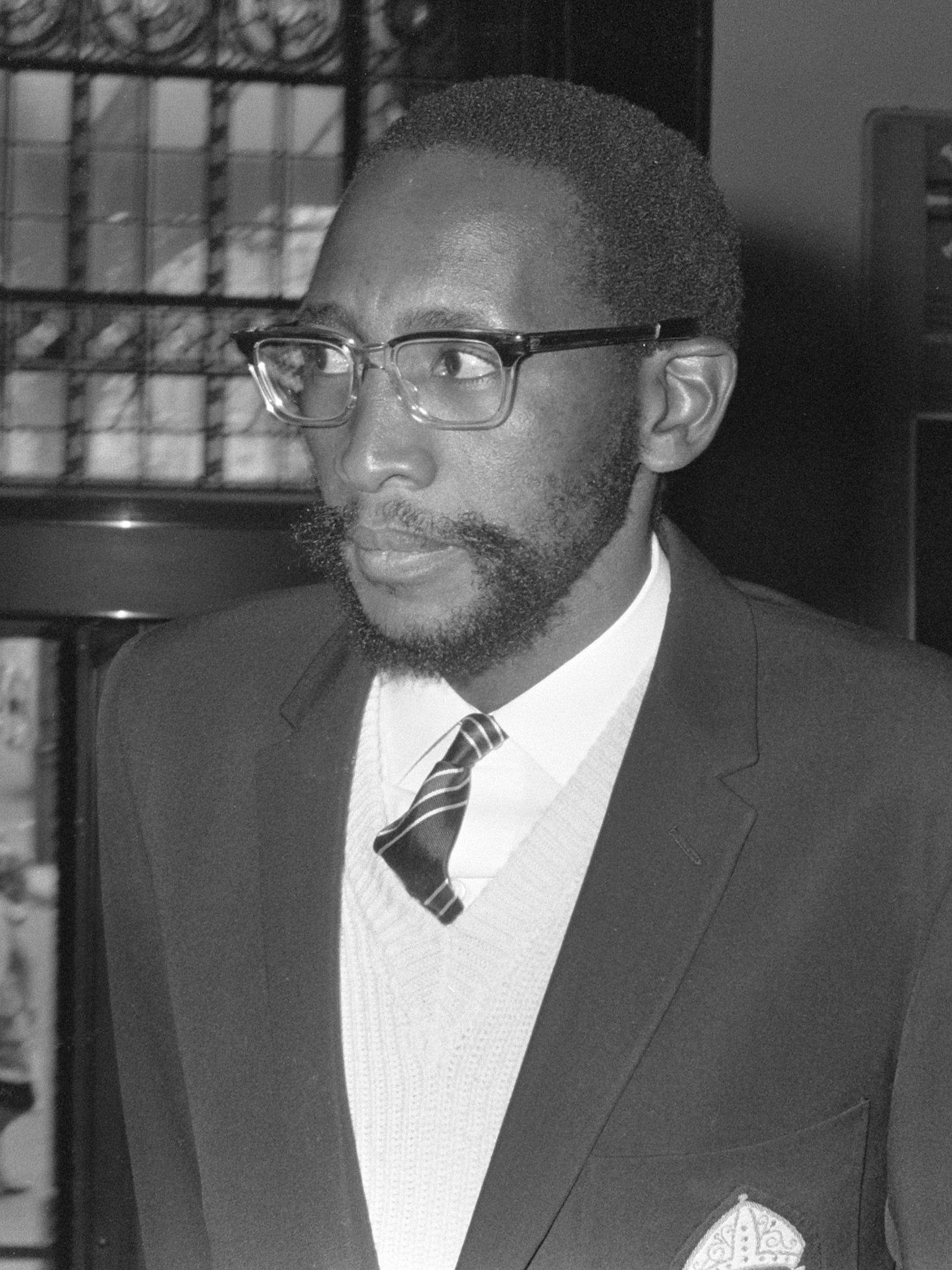
Moshoeshoe II
 (Constantine Bereng Seeiso)
First King of independent Lesotho (reigned 1966–1990 and 1995–1996) who fought courageously for constitutional democracy, human rights, and the preservation of Basotho national dignity against authoritarian regimes and apartheid pressure.
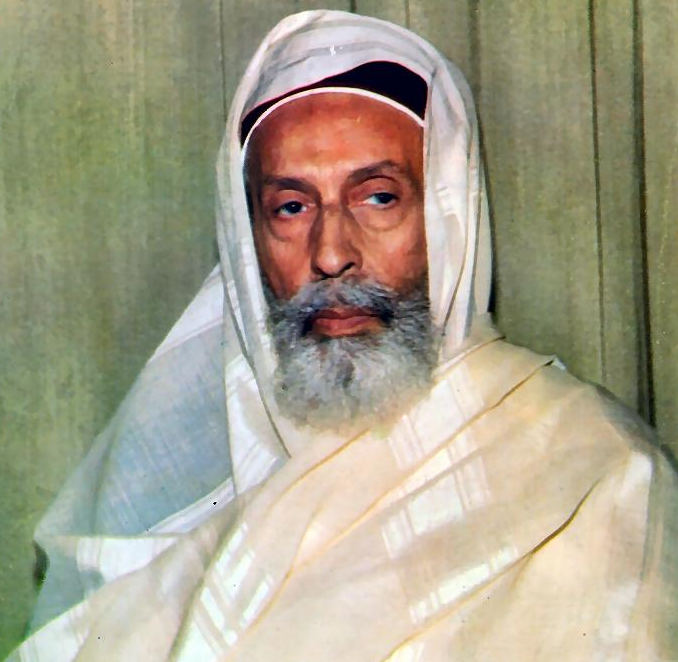
King Idris I of Libya
 (إدريس الأول السنوسي (ملك ليبيا))
First and only King of the United Kingdom of Libya (1951–1969), leader of the Senussi Sufi order, who proclaimed Libyan independence on December 24, 1951, uniting Cyrenaica, Tripolitania, and Fezzan.
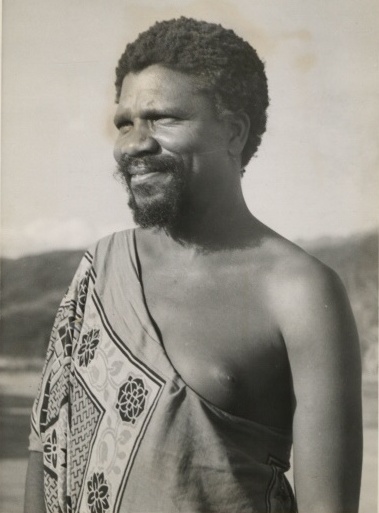
Sobhuza II
 (Nkhotfotjeni (Sobhuza II))
Paramount Chief and King of Swaziland (reigned 1899–1982) whose eighty-two-year reign is the longest verifiably documented in recorded world history, leading his nation to peaceful independence from the British Empire in 1968.
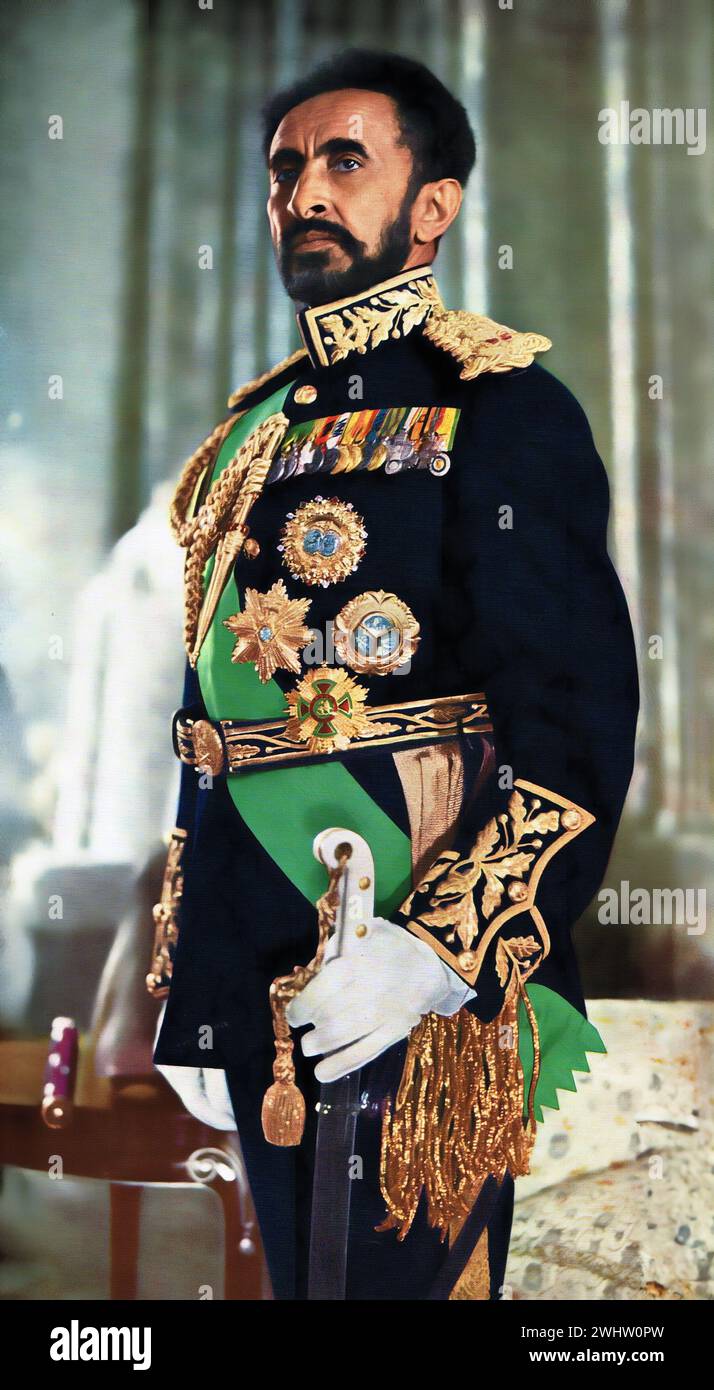
Emperor Haile Selassie I
 (ቀዳማዊ ኃይለ ሥላሴ)
Last reigning Emperor of Ethiopia, founding father of the Organization of African Unity, and symbol of anti-colonial resistance on the global stage.
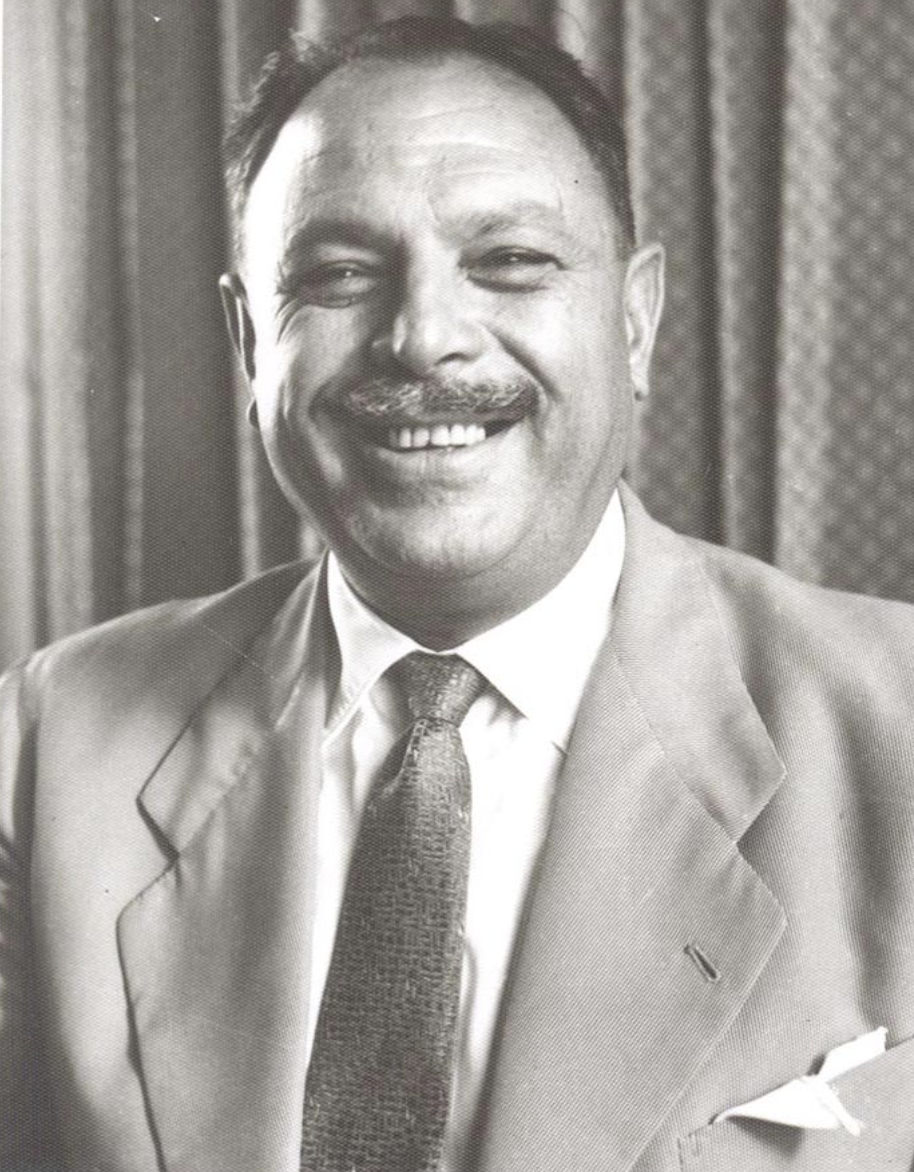
Ayub Khan
 (محمد ایوب خان)
Second President of Pakistan and its first military ruler, who seized power in the 1958 coup, introduced Basic Democracies, industrialized Pakistan's economy, and constructed the capital city of Islamabad.
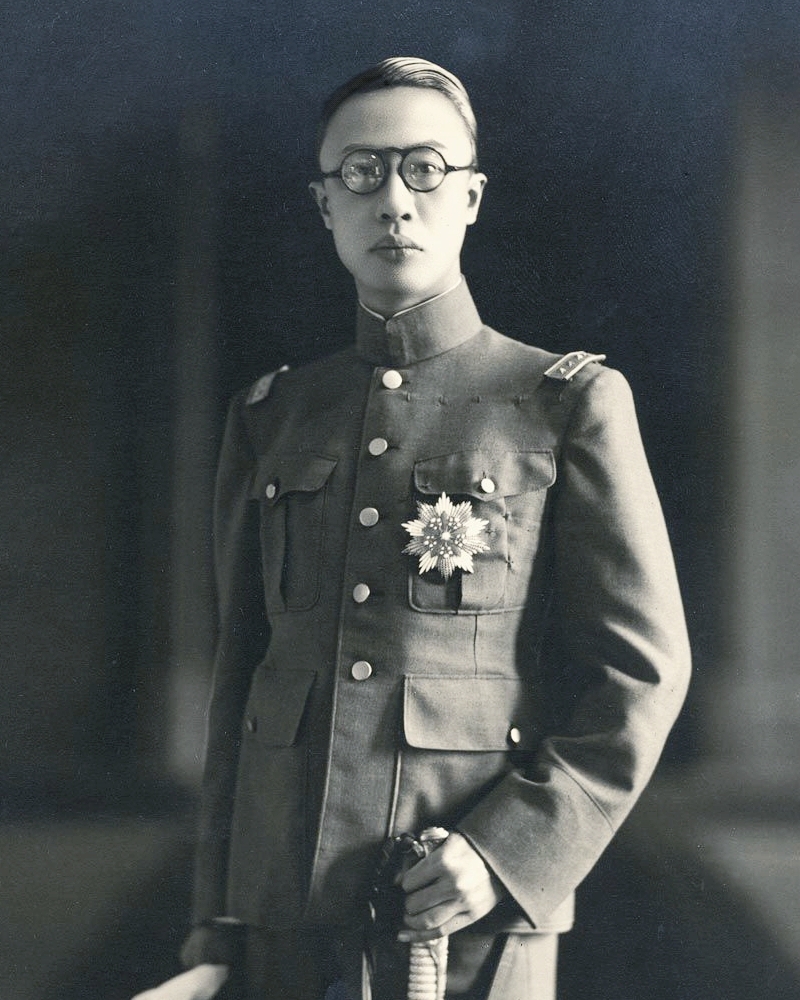
Puyi (Xuantong Emperor)
 (愛新覺羅·溥儀 / 宣統帝)
Twelfth and final monarch of the Qing dynasty and the last emperor of China, whose abdication marked the end of over two millennia of imperial dynastic rule.
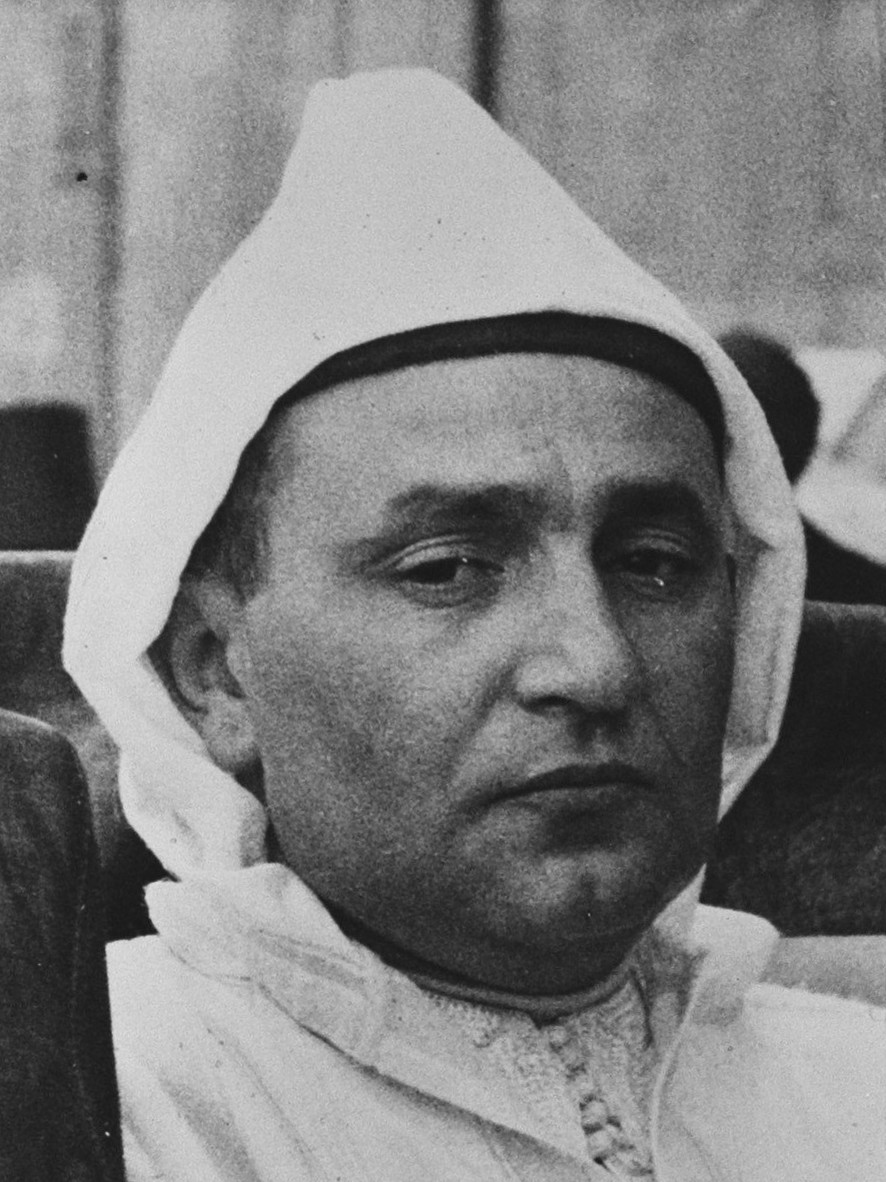
Mohammed V of Morocco
 (محمد الخامس بن يوسف)
Sultan and King of Morocco revered as the 'Father of the Nation', who heroically protected Moroccan Jews from the Vichy Nazi regime, demanded full sovereignty in the 1947 Tangier Speech, and led the Revolution of the King and the People to triumph in 1956.
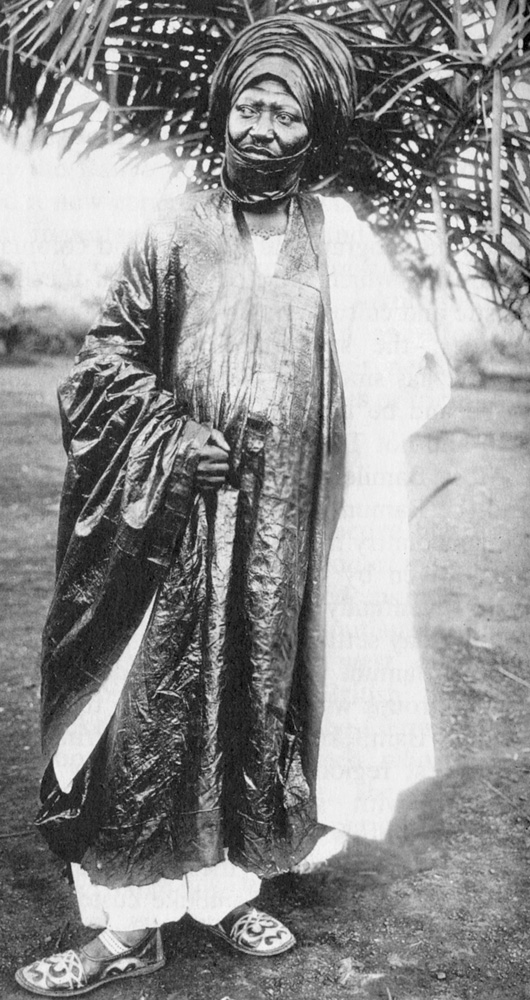
King Njoya of Bamum
 (Ibrahim Njoya (Mfon of Bamum))
Visionary seventeenth Sultan of the Kingdom of Bamum in Cameroon who invented the indigenous Shumom alphabet, constructed a printing press, mapped his kingdom, and built Foumban Royal Palace.
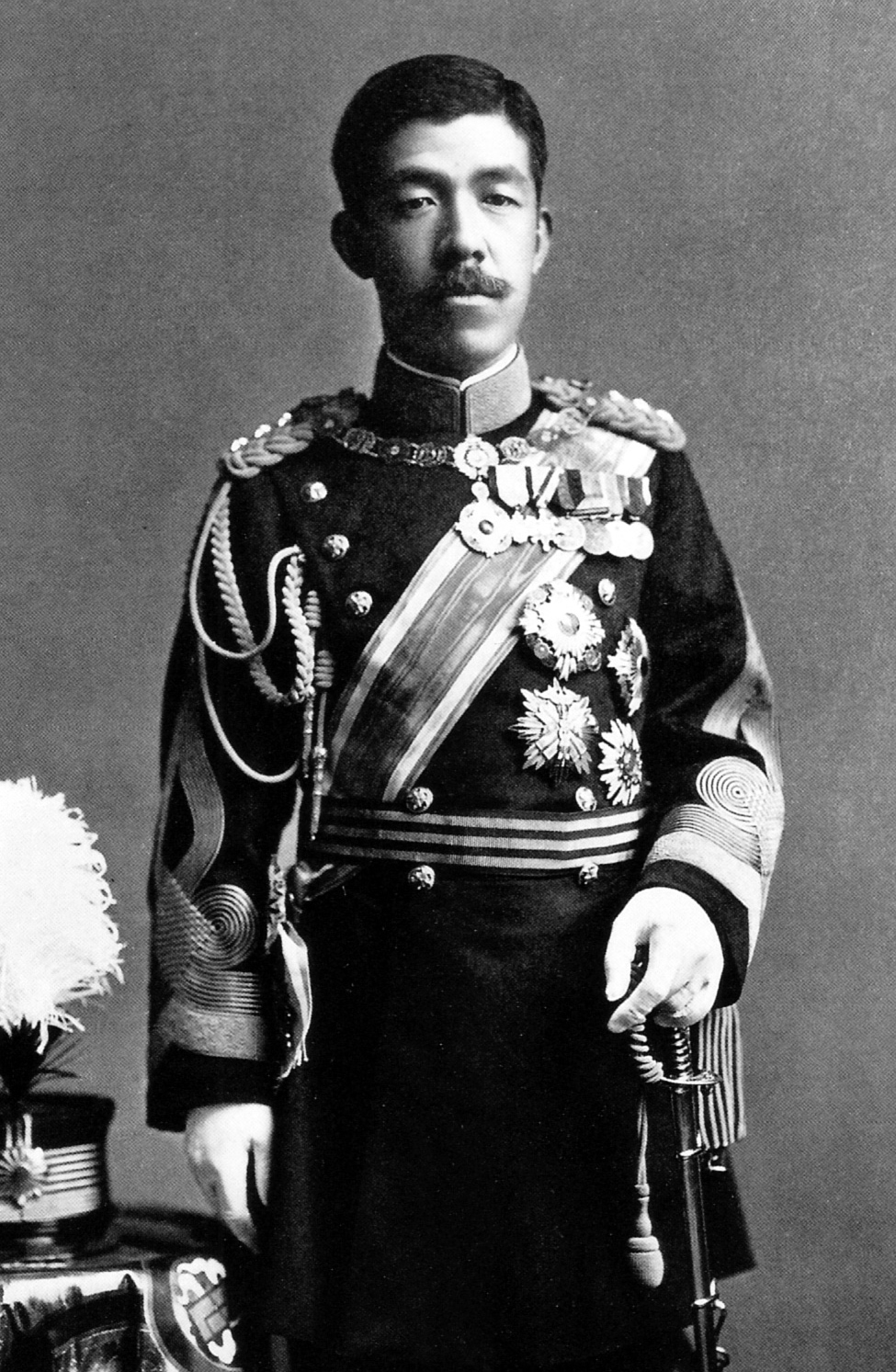
Emperor Taisho
 (大正天皇 (嘉仁))
The 123rd Emperor of Japan (reigned 1912–1926) whose era—known as 'Taisho Democracy'—saw the rise of parliamentary party politics, labor unions, universal male suffrage, and cultural modernism in Japan.
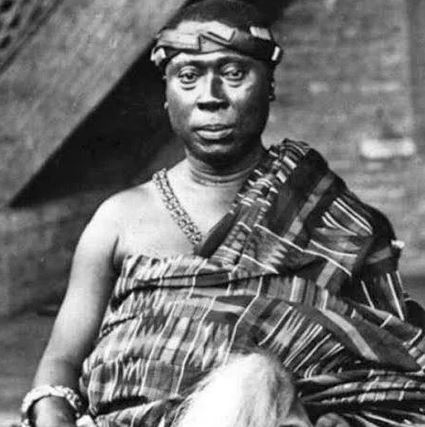
Yaa Asantewaa (Queen Mother of Ejisu / Ashanti Heroine)
 (Yaa Asantewaa)
Legendary Queen Mother of the Ashanti Empire who led the 1900 War of the Golden Stool against British colonial forces. When male chiefs hesitated, she took up firearms, rallied 5,000 warriors, and defended the sacred spiritual throne of the Ashanti nation.
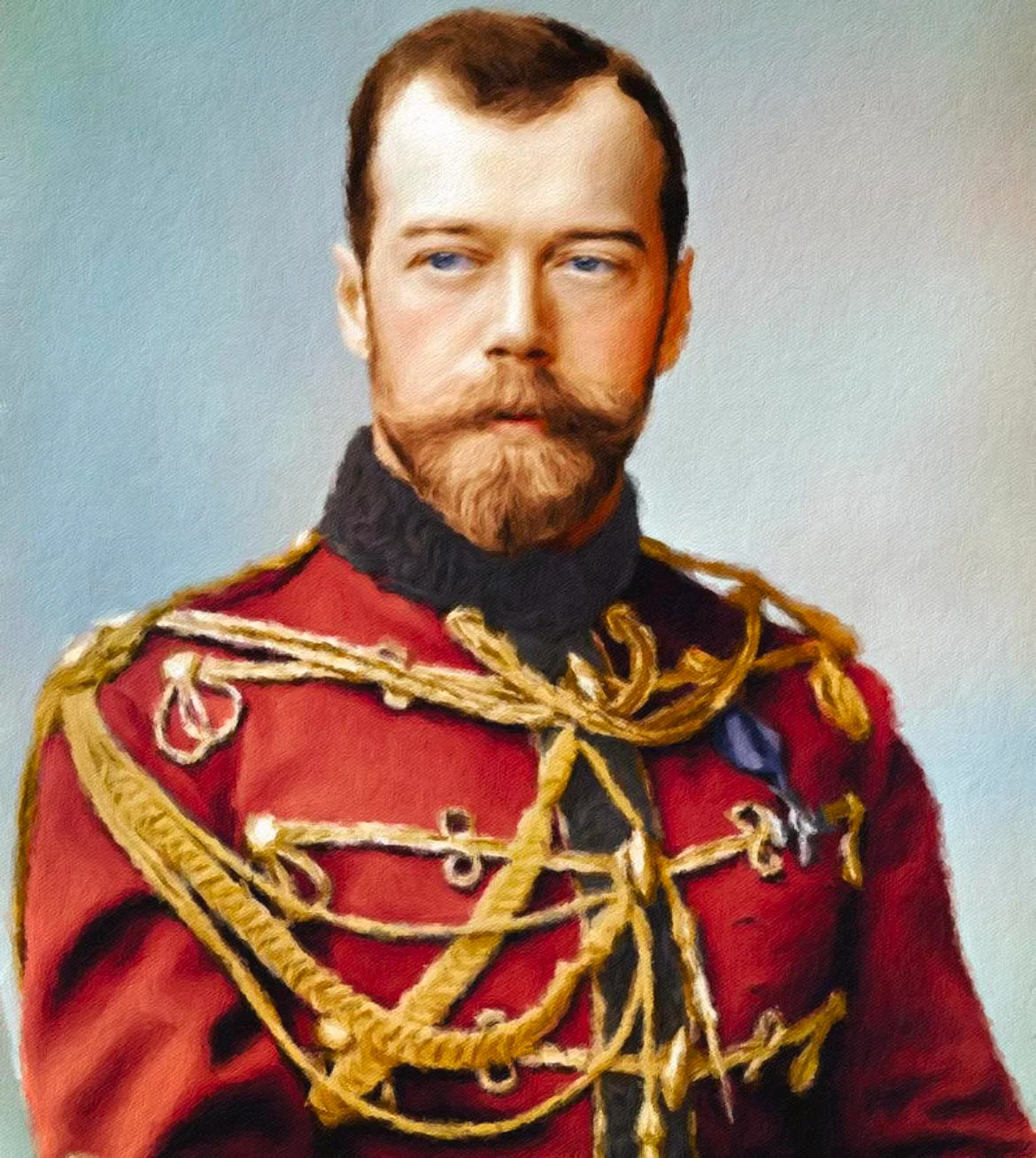
Nicholas II of Russia
 (Николай II Александрович Романов)
Last Emperor of Russia whose abdication in 1917 ended three centuries of Romanov rule; canonized as a Passion-Bearer by the Orthodox Church.
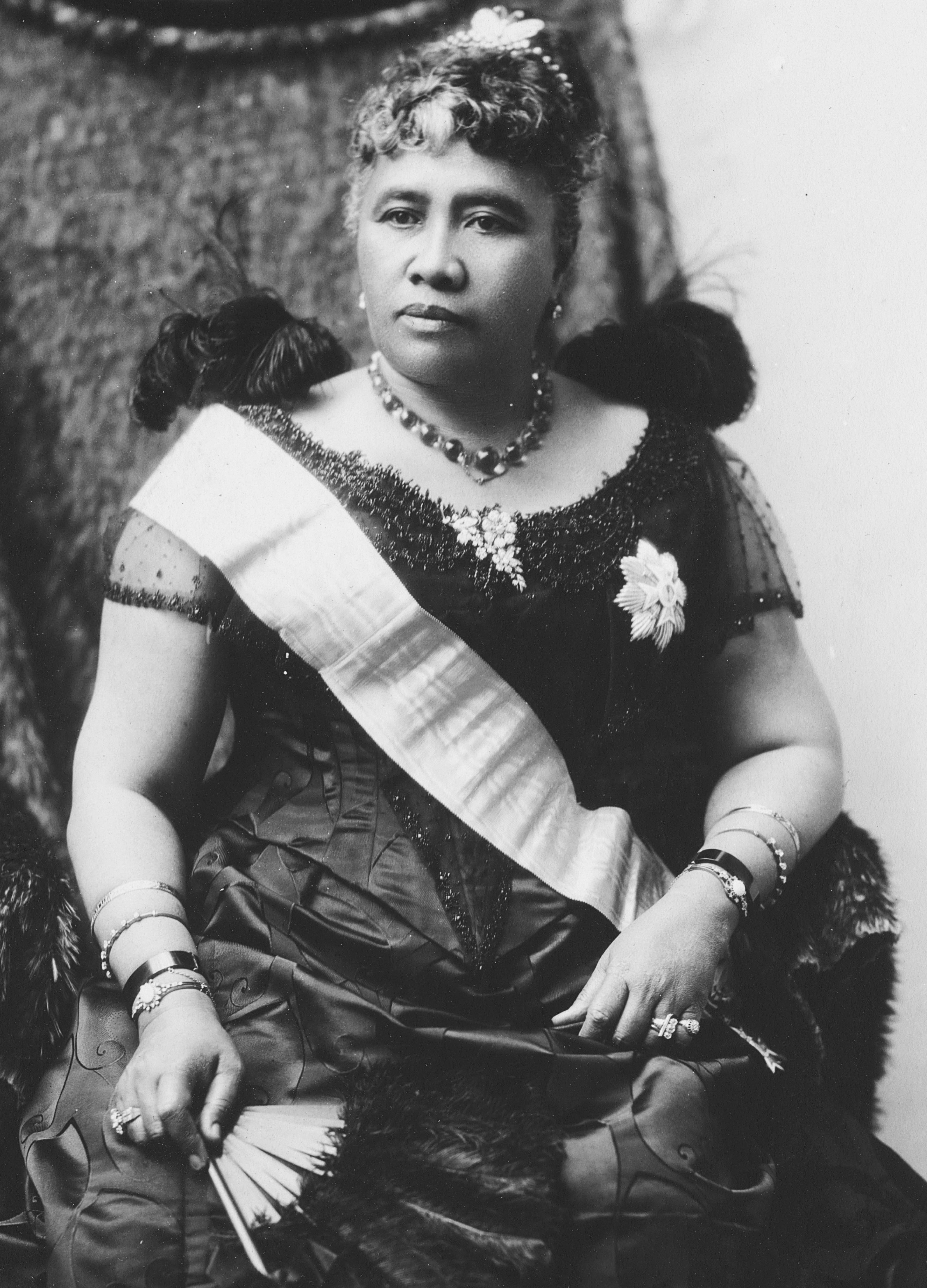
Queen Liliʻuokalani
 (Lydia Liliʻu Loloku Walania Wewehi Kamakaʻeha)
Last sovereign monarch of the Kingdom of Hawaii (1891–1893), brilliant composer of 'Aloha ʻOe', who yielded her executive throne under armed US military threat to prevent bloodshed, fighting peacefully in Washington for her people's civil sovereignty.
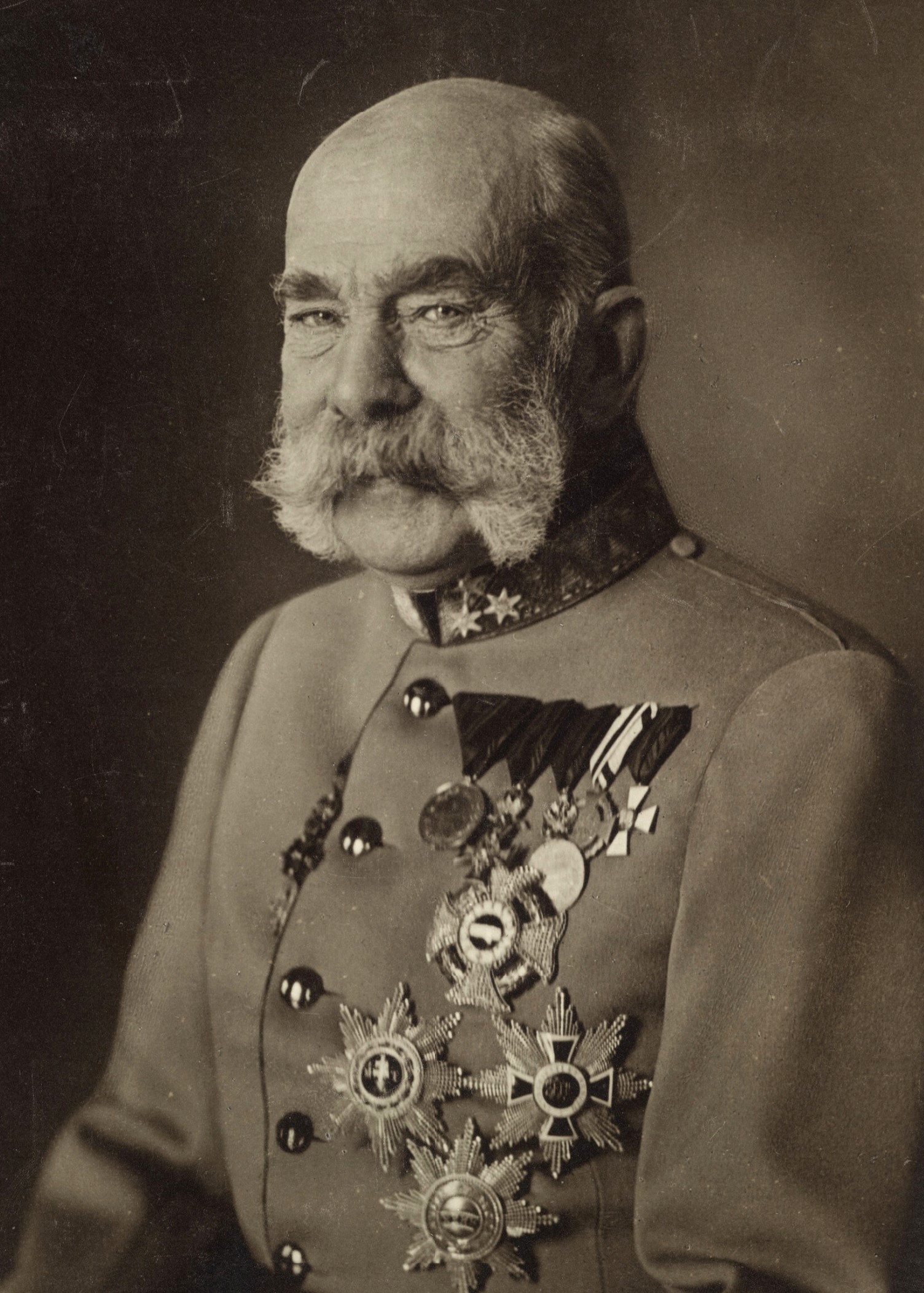
Franz Joseph I of Austria
 (Franz Joseph I (Ferenc József))
Emperor of Austria and King of Hungary whose nearly 68-year reign created the Austro-Hungarian Dual Monarchy and Ringstraße Vienna.
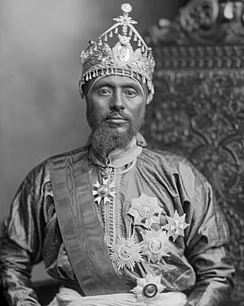
Menelik II (Emperor of Ethiopia / Victor of Adwa)
(ዳግማዊ ምኒልክ (Dagmawi Menelik))
Emperor of Ethiopia who decisively defeated the invading Italian colonial army at the historic Battle of Adwa on March 1, 1896, preserving Ethiopia as the only uncolonized sovereign nation in Africa. Founded the capital Addis Ababa.
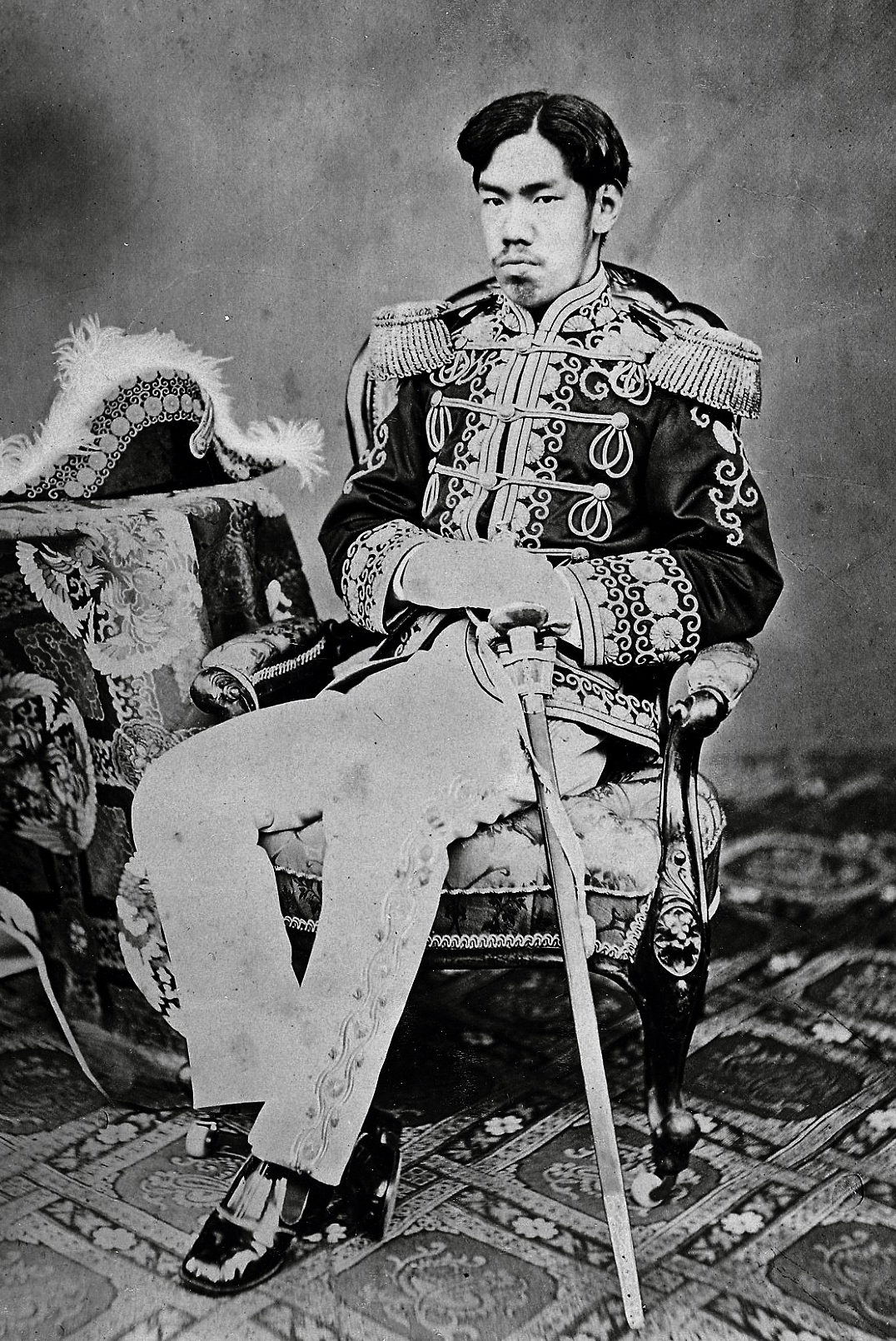
Emperor Meiji (Mutsuhito)
(明治天皇 / 睦仁)
122nd Emperor of Japan whose transformative reign spearheaded the Meiji Restoration, industrializing Japan into a modern global world power.
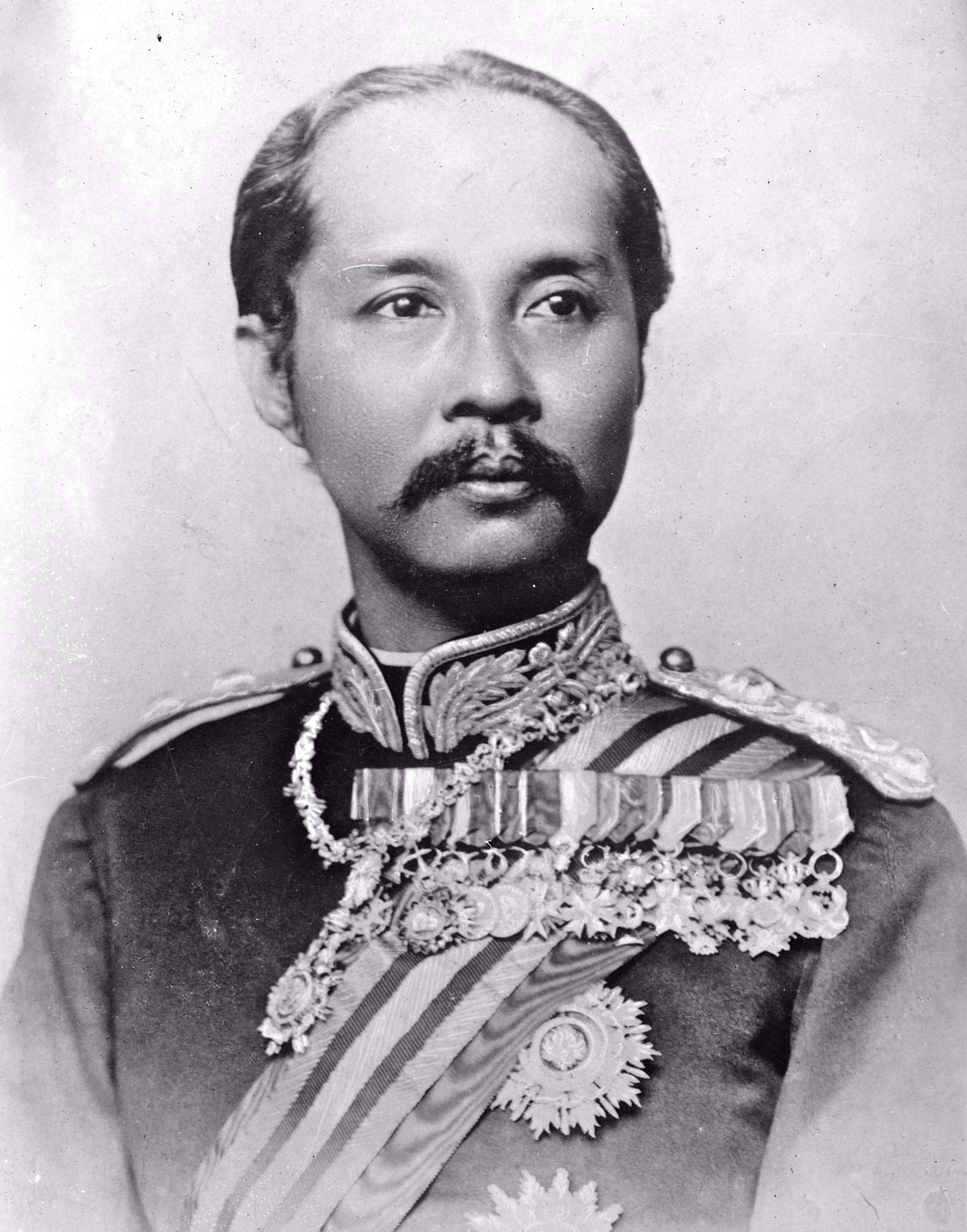
King Chulalongkorn
 (Phra Bat Somdet Phra Poramintharamaha Chulalongkorn (Rama V))
Fifth monarch of Siam (1868–1910) under the Chakri Dynasty, revered as 'The Great Beloved King', who abolished human slavery, modernized government and railways, and preserved Siam's independence as the only uncolonized nation in Southeast Asia.
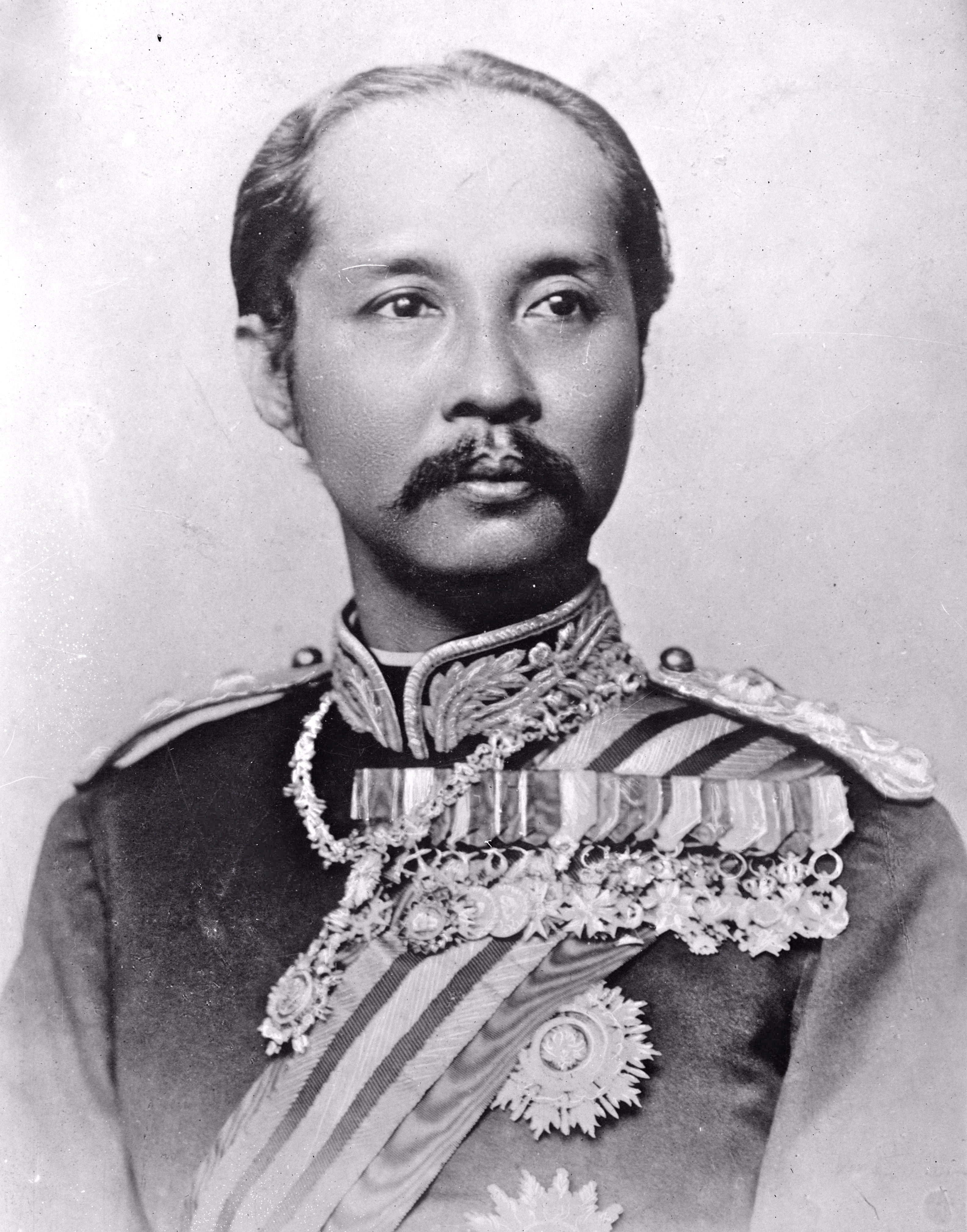
King Chulalongkorn (Rama V)
(พระบาทสมเด็จพระจุลจอมเกล้าเจ้าอยู่หัว / รัชกาลที่ ๕)
Fifth monarch of Siam's Chakri dynasty who modernized Thailand's legal and administrative systems and preserved national independence from European colonization.
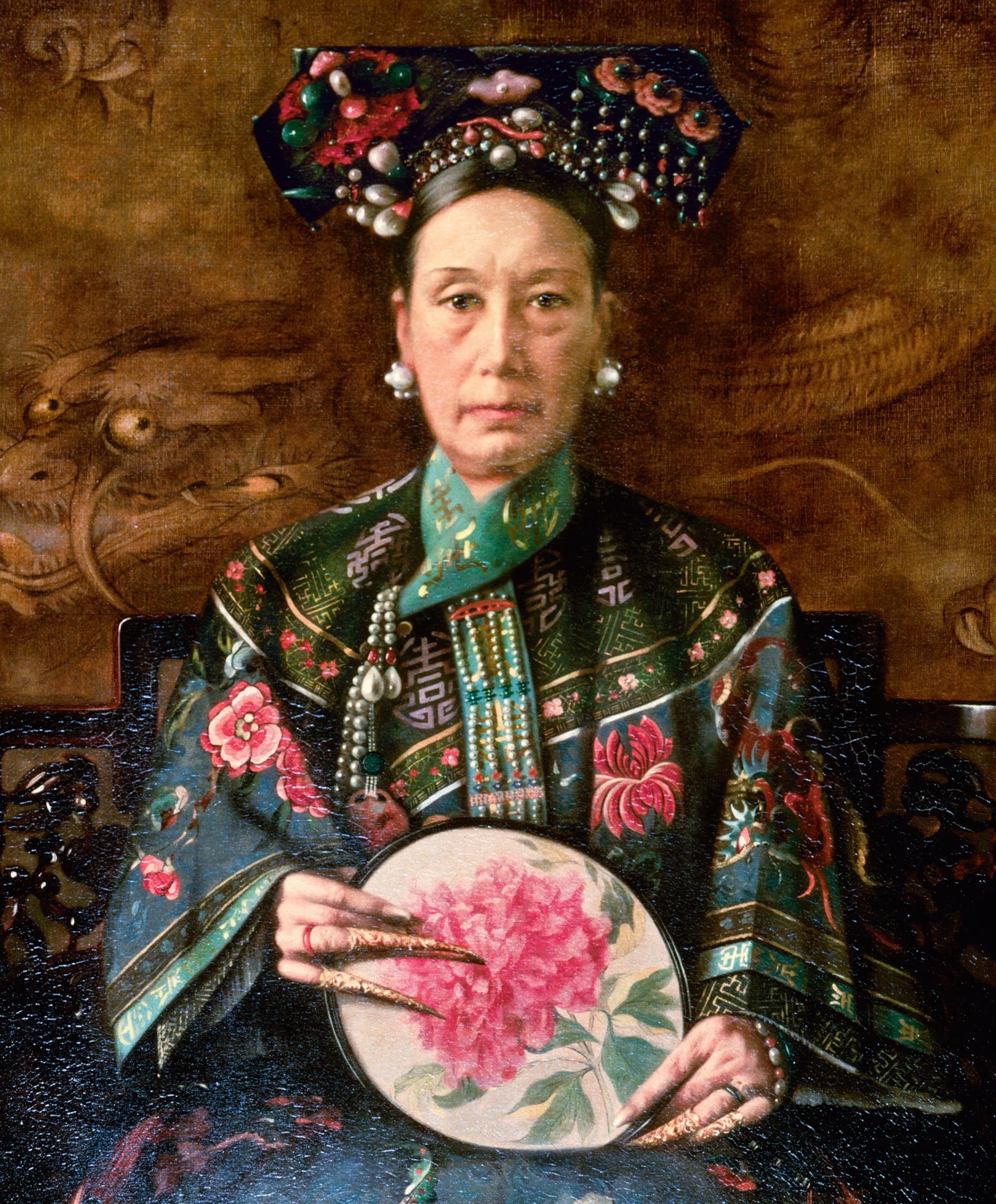
Empress Dowager Cixi
(慈禧太后)
Formidable Manchu noblewoman who effectively controlled the late Qing imperial government for 47 years through court regencies, modernizing reforms, and political crises.