 British India
•
0 views
British India
•
0 views
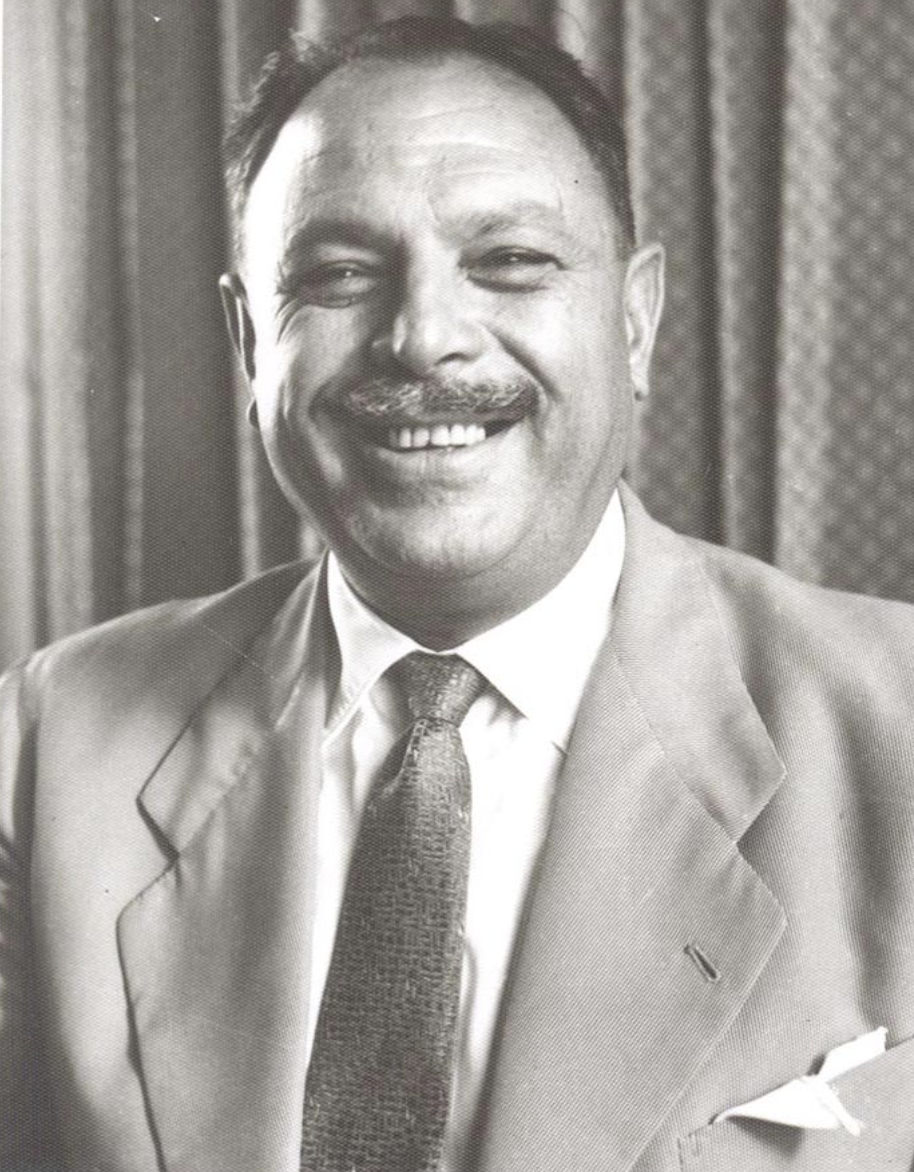
Ayub Khan

Rehana (Haripur, Hazara), British India
Archival Overview
Second President of Pakistan and its first military ruler, who seized power in the 1958 coup, introduced Basic Democracies, industrialized Pakistan's economy, and constructed the capital city of Islamabad.
Biographical Record
Educated at Sandhurst, Muhammad Ayub Khan (1907–1974) served in World War II in Burma and became Pakistan's first native Commander-in-Chief in 1951. In October 1958, amid political instability, he declared martial law, deposed President Iskander Mirza, and assumed the presidency.
Ayub promoted rapid private industrialization, agricultural modernization (the Green Revolution), and signed the 1960 Indus Waters Treaty with India mediated by the World Bank. He relocated the capital from Karachi to Islamabad. After the stalemated 1965 Indo-Pakistani War and mass student protests, he resigned in 1969.
Key Life Milestones
First Military Coup in Pakistan
Seized presidential power, instituting a decade of centralized modernization and Basic Democracies.
Signing of the Indus Waters Treaty
Concluded the historic international water-sharing treaty with Indian Prime Minister Jawaharlal Nehru.
Memorial Guestbook & Tributes
0 messages recordedLeave a Respectful Tribute
Final Resting Place
Perpetual MemorialHaripur (Khyber Pakhtunkhwa), Pakistan