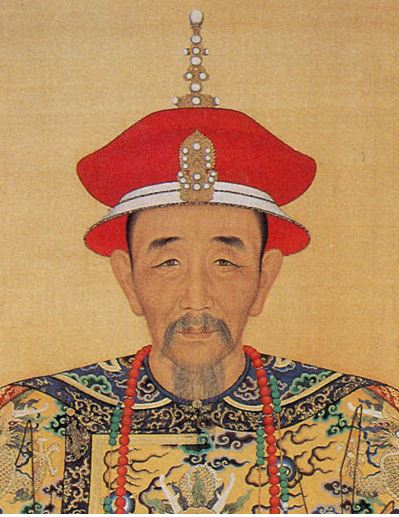
Kangxi Emperor
Fourth emperor of the Qing Dynasty whose 61-year reign is the longest in Chinese history, who consolidated Manchu rule, defeated the Three Feudatories, and commissioned the Kangxi Dictionary.
Start typing to search worldwide archives and community tributes
Filterable archive covering centuries of intellectual, artistic, and moral contributions to the human story.
Fourth emperor of the Qing Dynasty whose 61-year reign is the longest in Chinese history, who consolidated Manchu rule, defeated the Three Feudatories, and commissioned the Kangxi Dictionary.
Longest-reigning Emperor of China (61 years) who consolidated Qing rule over China, Taiwan, and Mongolia. A brilliant polymath who mastered Manchu, Chinese, Latin, and mathematics, commissioning the monumental Kangxi Dictionary.
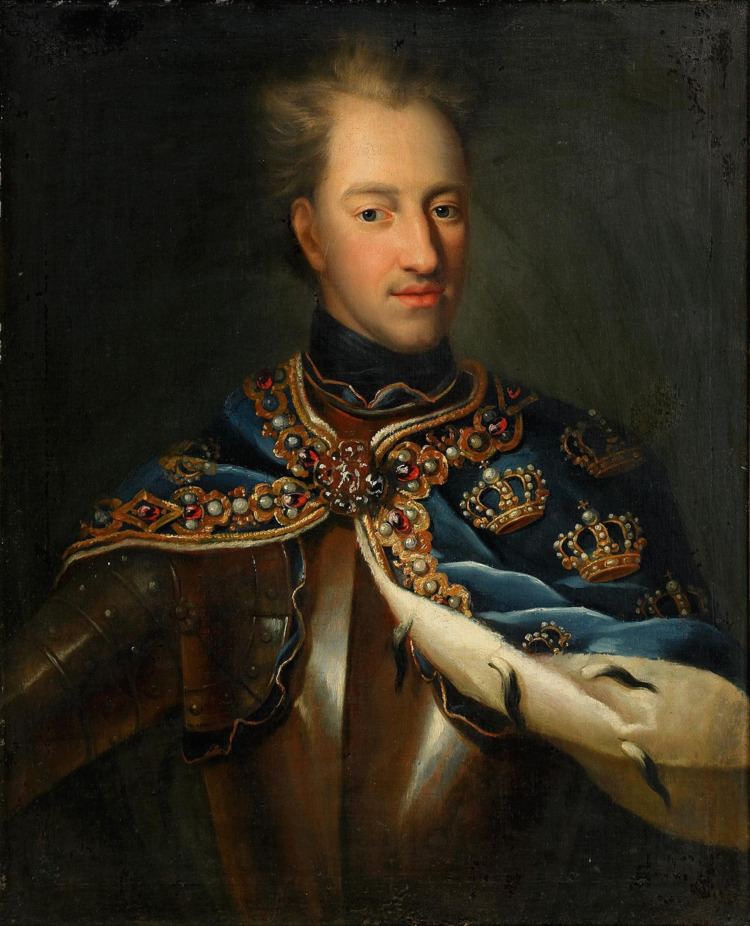
Warrior King of the Swedish Empire (Carolus Rex) whose military genius dominated the Great Northern War before defeat at Poltava.
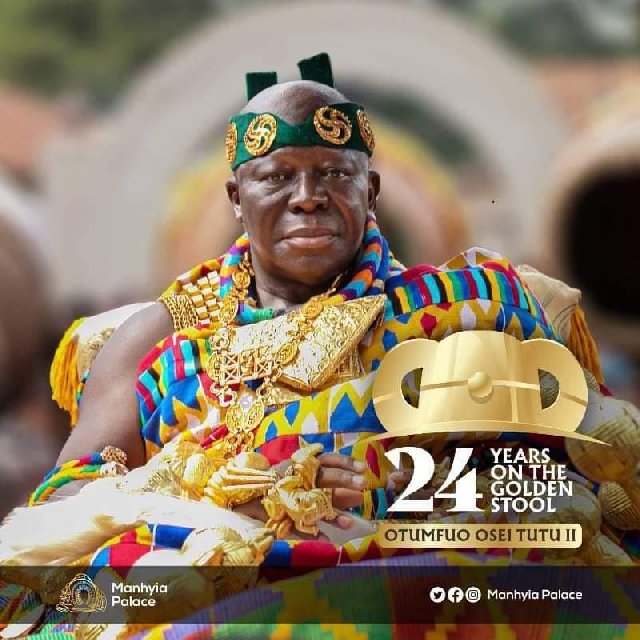
Founder and first Asantehene of the Ashanti Empire who united the Akan clans and established Kumasi around the sacred Golden Stool.
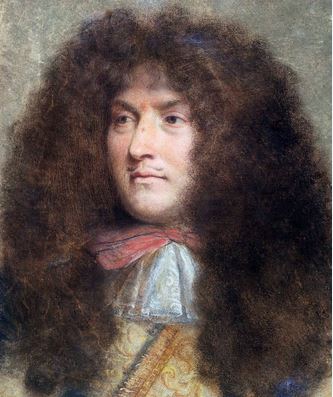
The "Sun King" whose 72-year reign is the longest recorded in European history. Consolidated absolute royal authority, built the magnificent Palace of Versailles, and presided over the Grand Siècle of French cultural, military, and artistic preeminence.
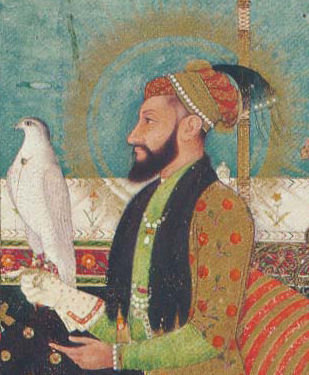
Sixth Mughal Emperor known as Alamgir, whose forty-nine-year reign brought the Mughal Empire to its greatest territorial extent, ruling over 150 million subjects from Kabul to southern India.
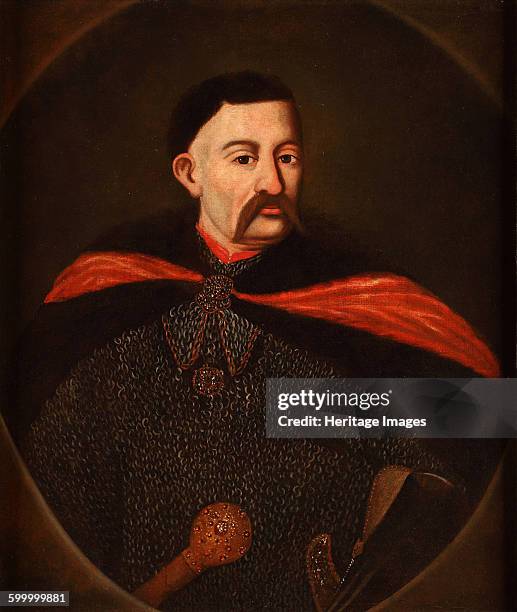
King of Poland and Grand Duke of Lithuania whose legendary Winged Hussar charge saved Vienna from Ottoman conquest in 1683.
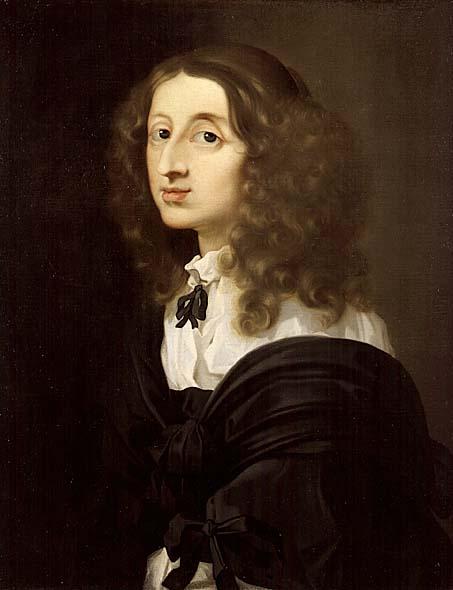
Queen of Sweden, 'Minerva of the North', who ended the Thirty Years' War, shocked Europe by abdicating to convert to Catholicism, and lived as a patron in Rome.
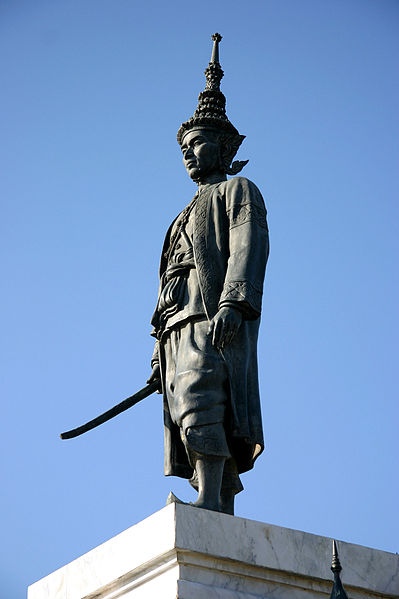
Cosmopolitan King of Ayutthaya whose reign represented the peak of foreign diplomacy, literature, and astronomy, sending historic royal embassies to King Louis XIV at Versailles.
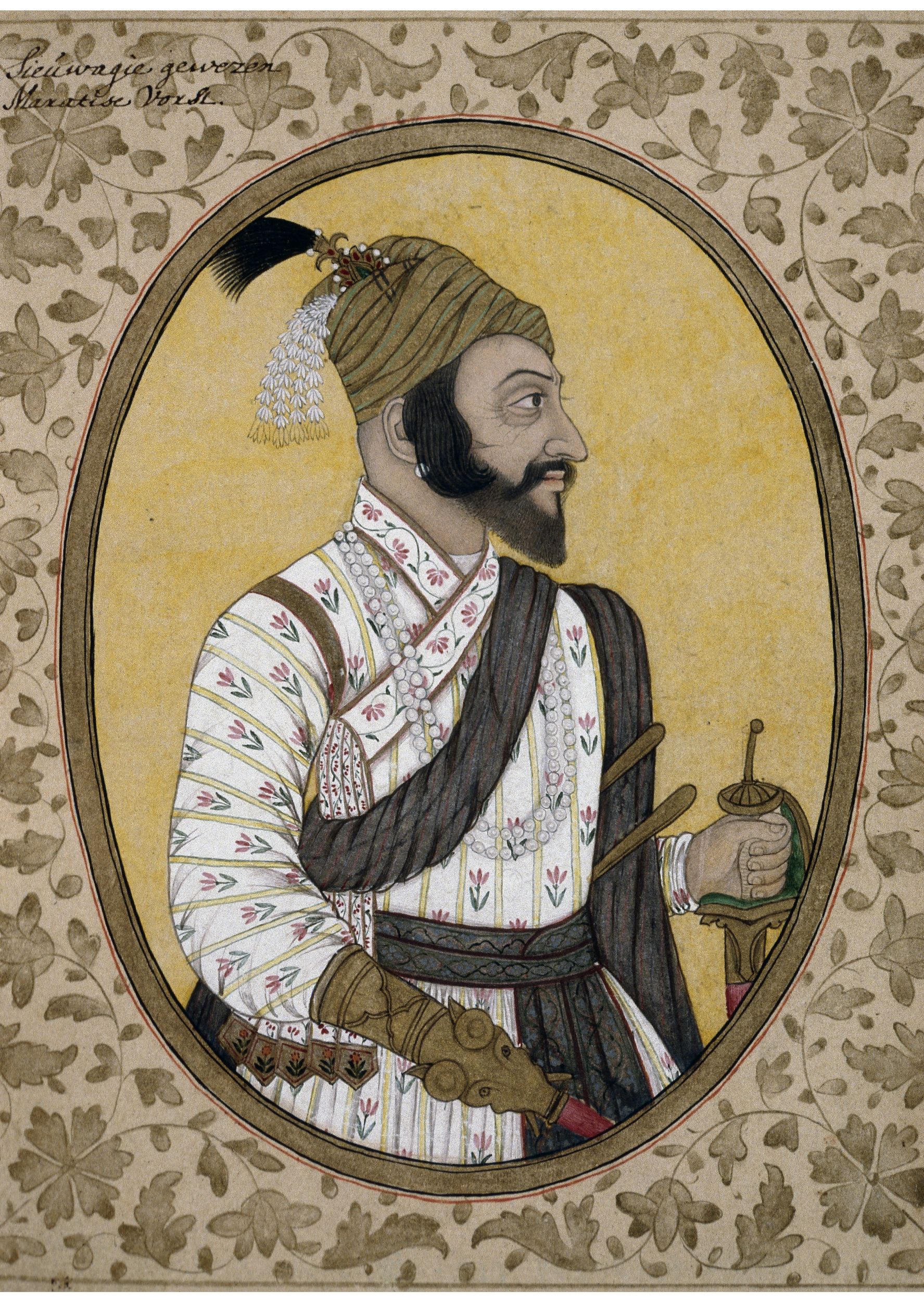
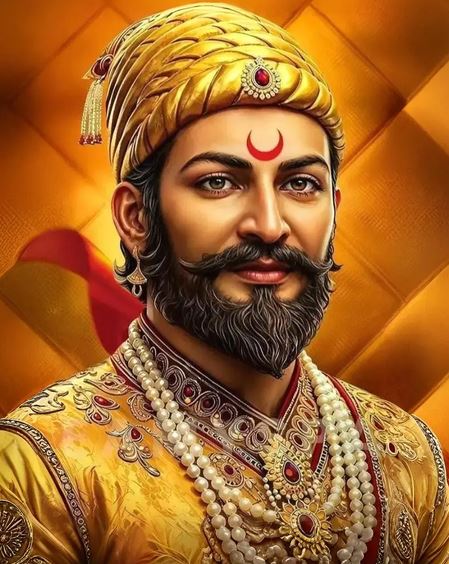
Legendary Indian warrior king who founded the Maratha Empire, pioneered guerrilla warfare (Ganimi Kava), built naval fortresses establishing the Indian Navy, and was crowned Chhatrapati in 1674.
Visionary 17th-century Indian warrior-king and Chhatrapati who carved the Maratha Empire out of the declining Adilshahi Sultanate and Mughal dominance. Championed Hindavi Swarajya (self-rule), religious tolerance, and naval coastal defense.
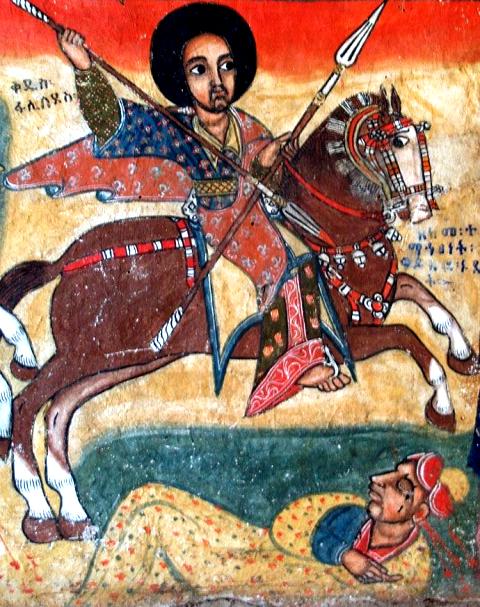
Emperor of Ethiopia (reigned 1632–1667) who restored the traditional Ethiopian Orthodox faith, expelled Jesuit missionaries, and founded the permanent imperial capital of Gondar with its magnificent stone fortress, Fasil Ghebbi.
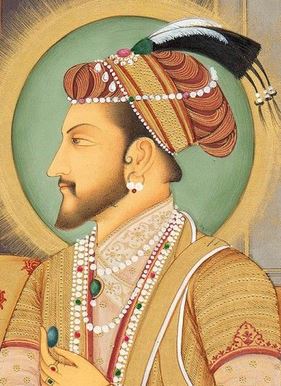
Fifth Mughal Emperor who presided over the golden age of Mughal architectural magnificence. Commissioned the Taj Mahal—the world's most famous monument to eternal love—alongside the Red Fort of Delhi and the Jama Masjid.
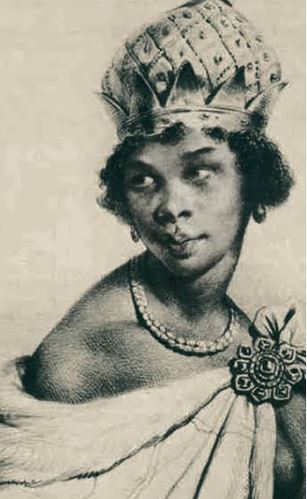
Fearless 17th-century African monarch who fought Portuguese colonial subjugation for over four decades. A master diplomat and battlefield tactician who transformed Ndongo and Matamba into a sanctuary for escaped enslaved people.
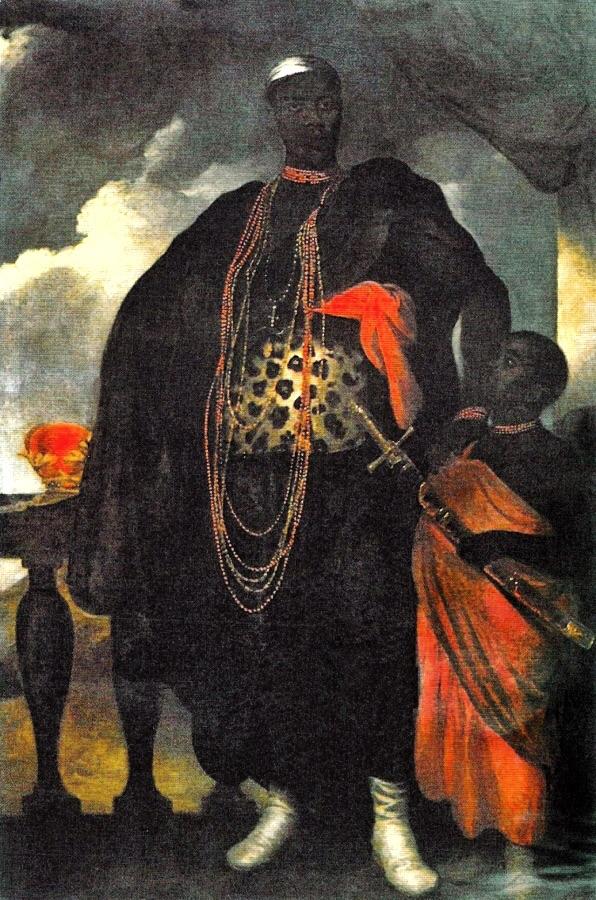
One of the greatest Manikongos (Kings) of Kongo, who formed a strategic military alliance with the Dutch West India Company and Queen Nzinga to resist Portuguese encroachment.
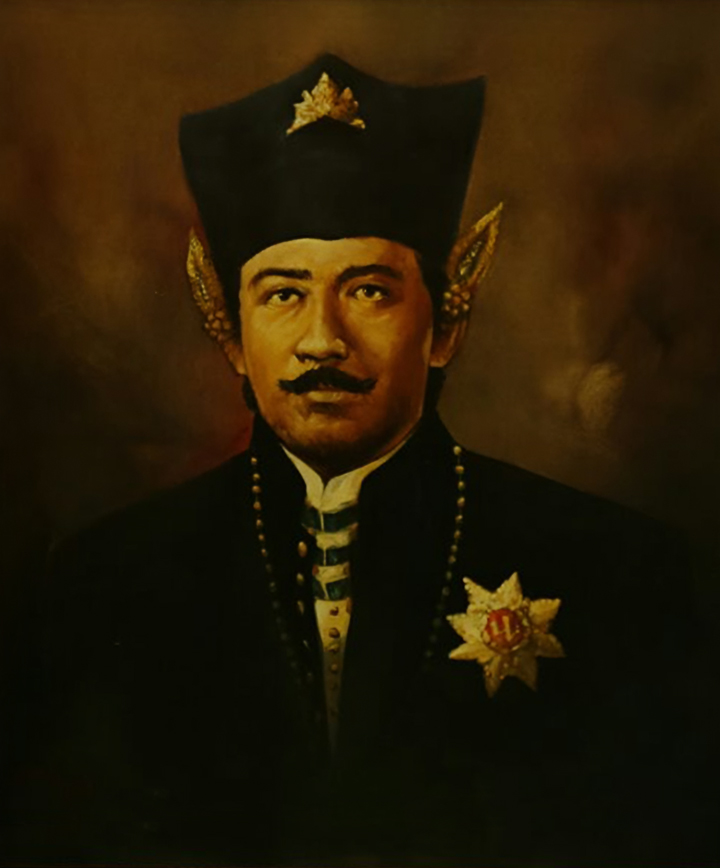
Third Sultan of Mataram who unified central and eastern Java, laid siege to Dutch Batavia twice in 1628 and 1629, created the Javanese calendar, and constructed the royal necropolis of Imogiri.
Fierce Ottoman Sultan who restored absolute imperial authority, banned alcohol and coffee, and personally recaptured Baghdad in 1638.
Fifth Safavid Shah celebrated as the greatest ruler of the dynasty. Transformed Isfahan into "Half the World" (Esfahan Nesf-e Jahan), centralized Persian statehood, and created the immortal royal square of Naqsh-e Jahan.