Public Figures & Cultural Luminaries
Filterable archive covering centuries of intellectual, artistic, and moral contributions to the human story.
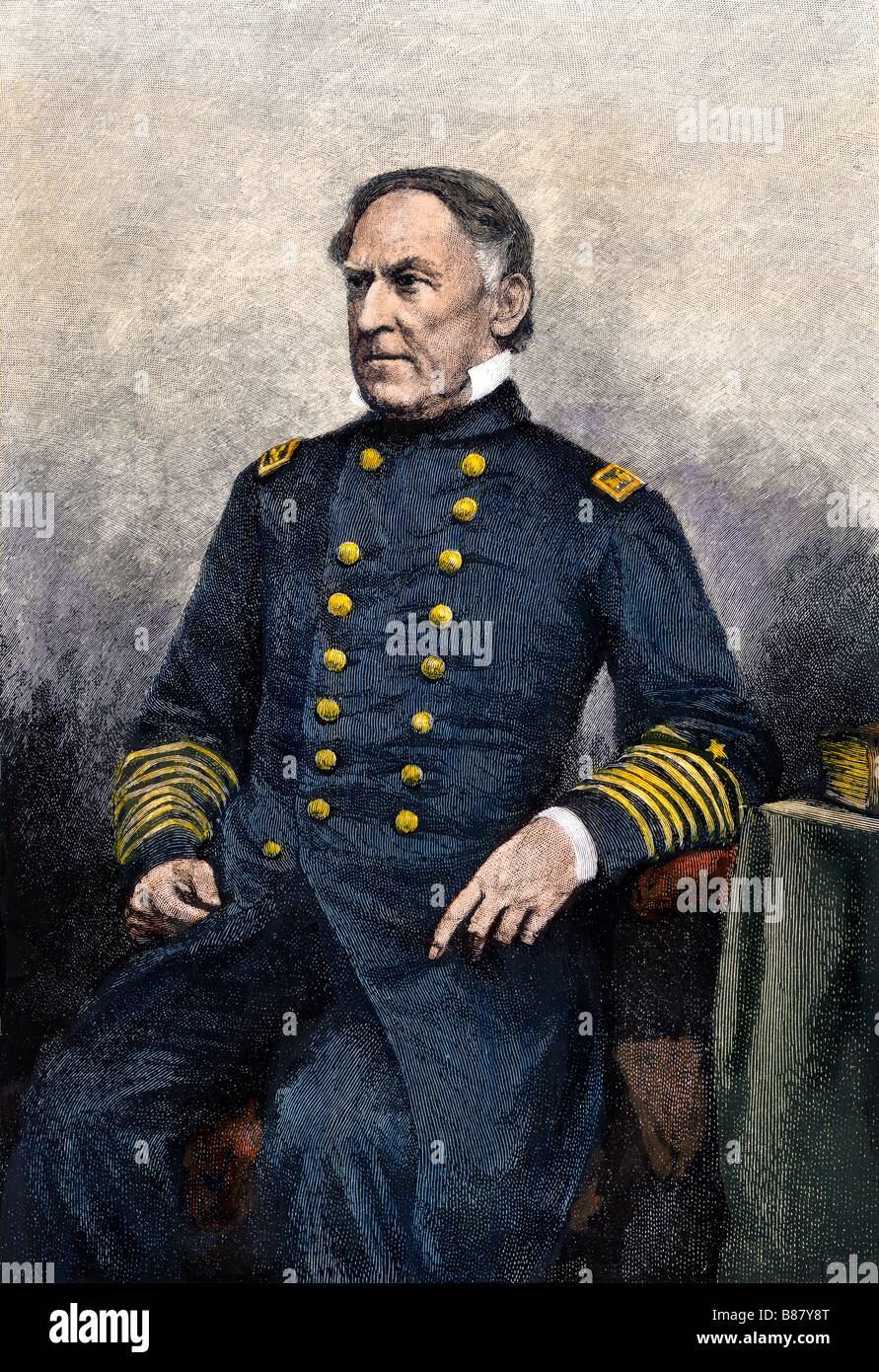
Admiral David Glasgow Farragut
 (David Glasgow Farragut)
First Admiral, Vice Admiral, and Rear Admiral of the United States Navy who captured New Orleans and won the Battle of Mobile Bay ('Damn the torpedoes, full speed ahead!').
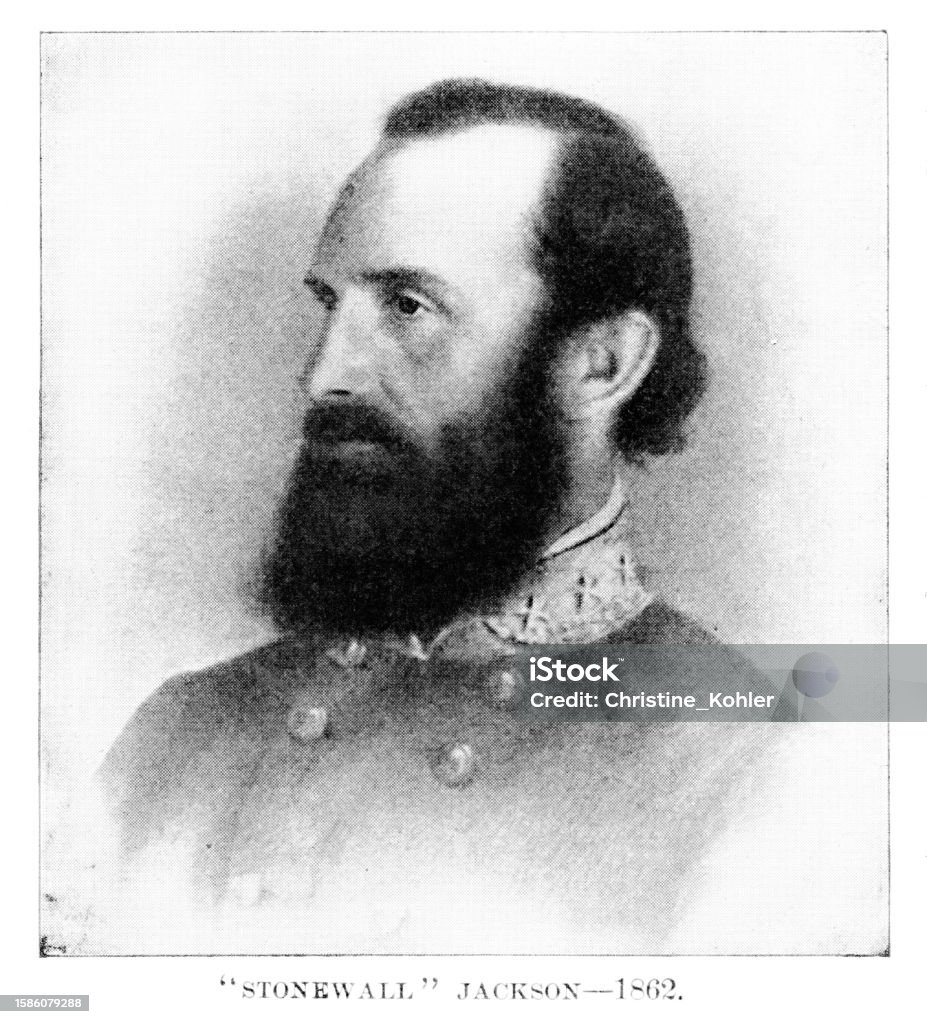
Thomas Jonathan 'Stonewall' Jackson
(Thomas Jonathan Jackson)
Confederate general renowned for operational speed, secrecy, and audacity whose 1862 Shenandoah Valley Campaign remains a classic of operational maneuver.
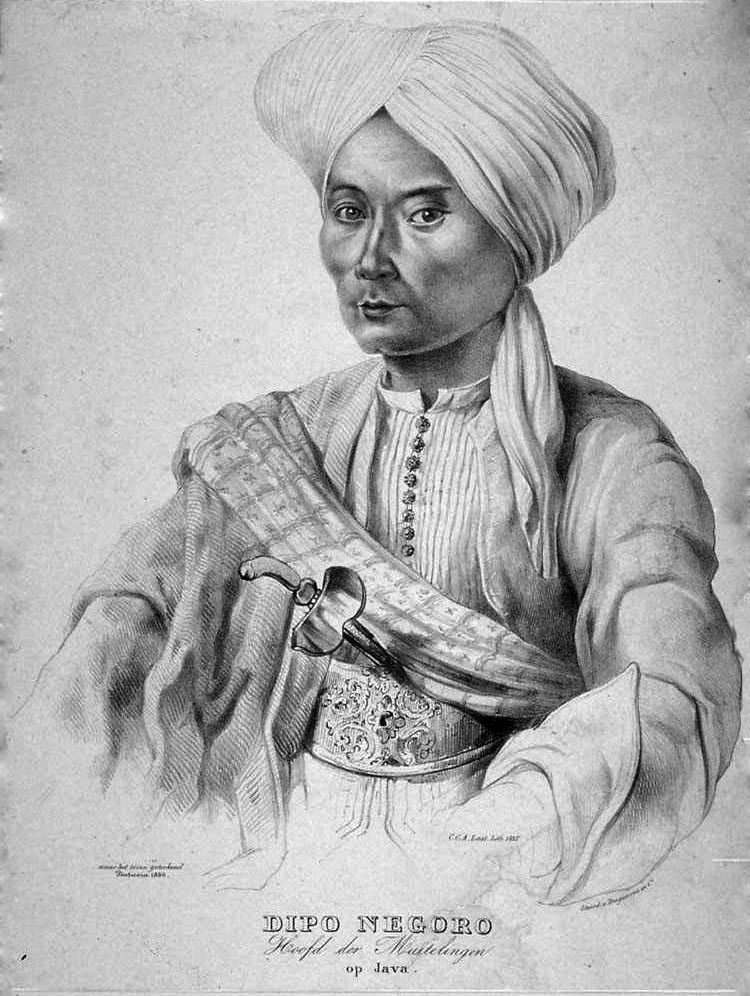
Prince Diponegoro
 (Bendara Pangeran Harya Dipanegara)
Javanese prince and spiritual leader who led the devastating Java War (1825–1830) against Dutch colonial rule, nearly bankrupting the Dutch colonial empire.
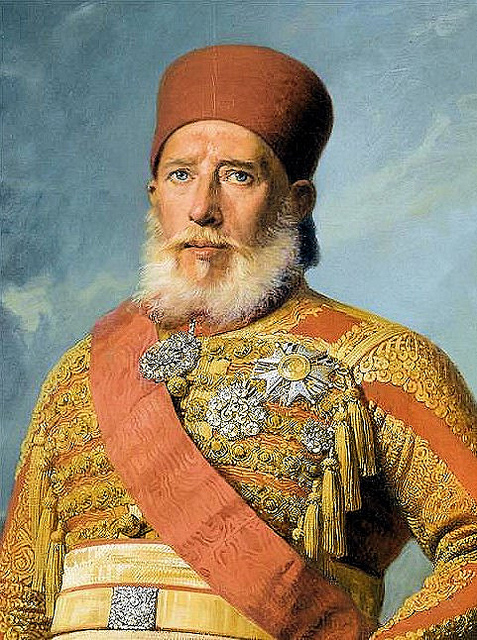
Ibrahim Pasha of Egypt
 (إبراهيم باشا)
Eldest son of Muhammad Ali and Egypt's greatest military commander of the modern era, who created the modern Egyptian conscript army and conquered Syria, marching to the gates of Istanbul.
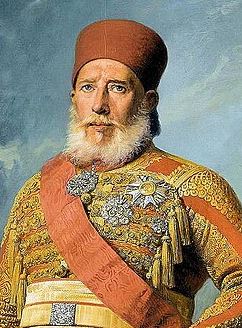
Ibrahim Pasha
(إبراهيم باشا)
Egyptian military genius, eldest son of Muhammad Ali Pasha, who revolutionized the Egyptian army, crushed the Wahhabi rebellion in Arabia, and routed Ottoman imperial armies across Syria and Anatolia to the gates of Istanbul.
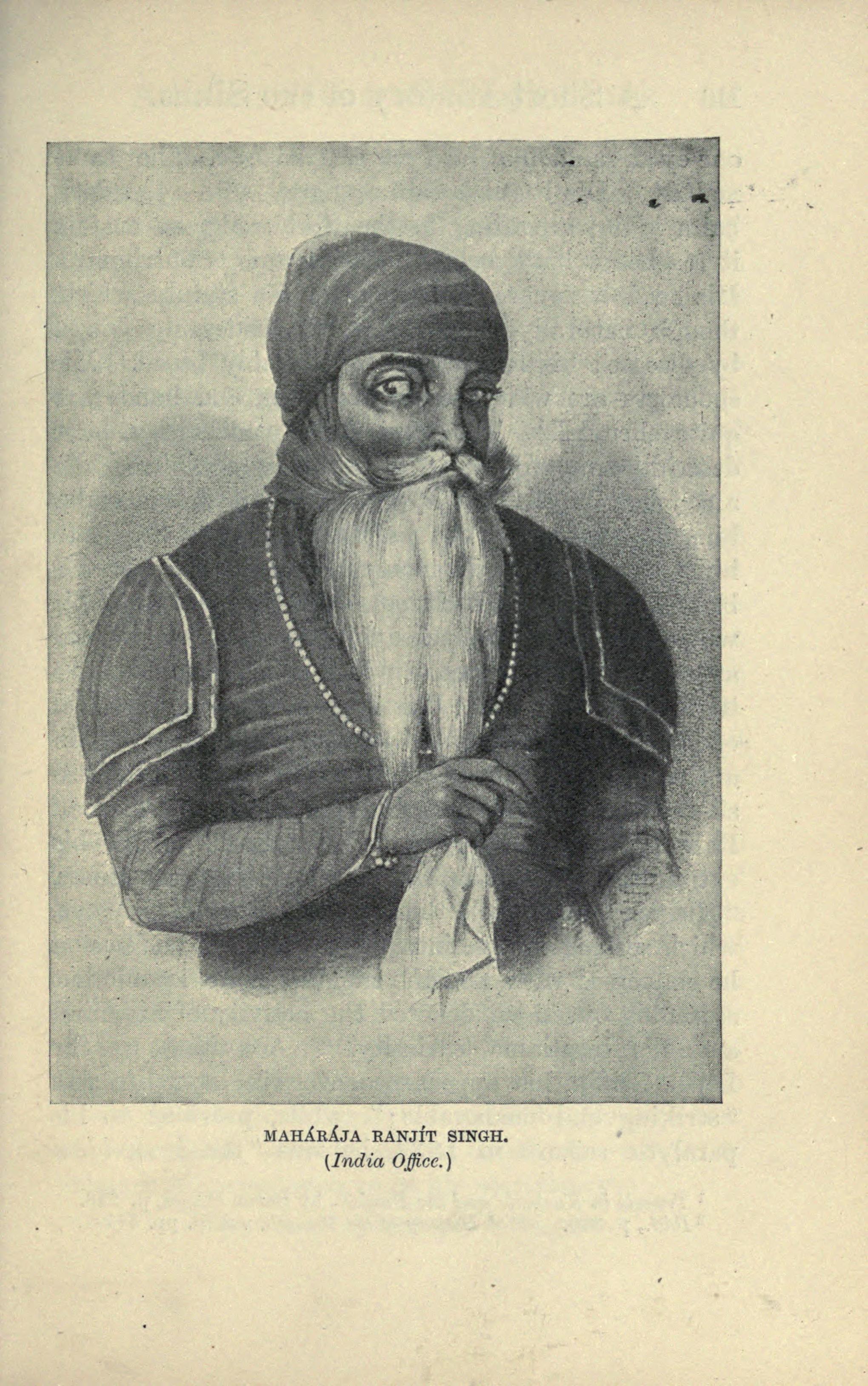
Maharaja Ranjit Singh
 (ਮਹਾਰਾਜਾ ਰਣਜੀਤ ਸਿੰਘ (ਸ਼ੇਰ-ਏ-ਪੰਜਾਬ))
Founder of the Sikh Empire who unified the warring Sikh misls, conquered Lahore and Kashmir, modernized his army with Napoleonic officers, and gilded the Golden Temple (Harmandir Sahib) in Amritsar.
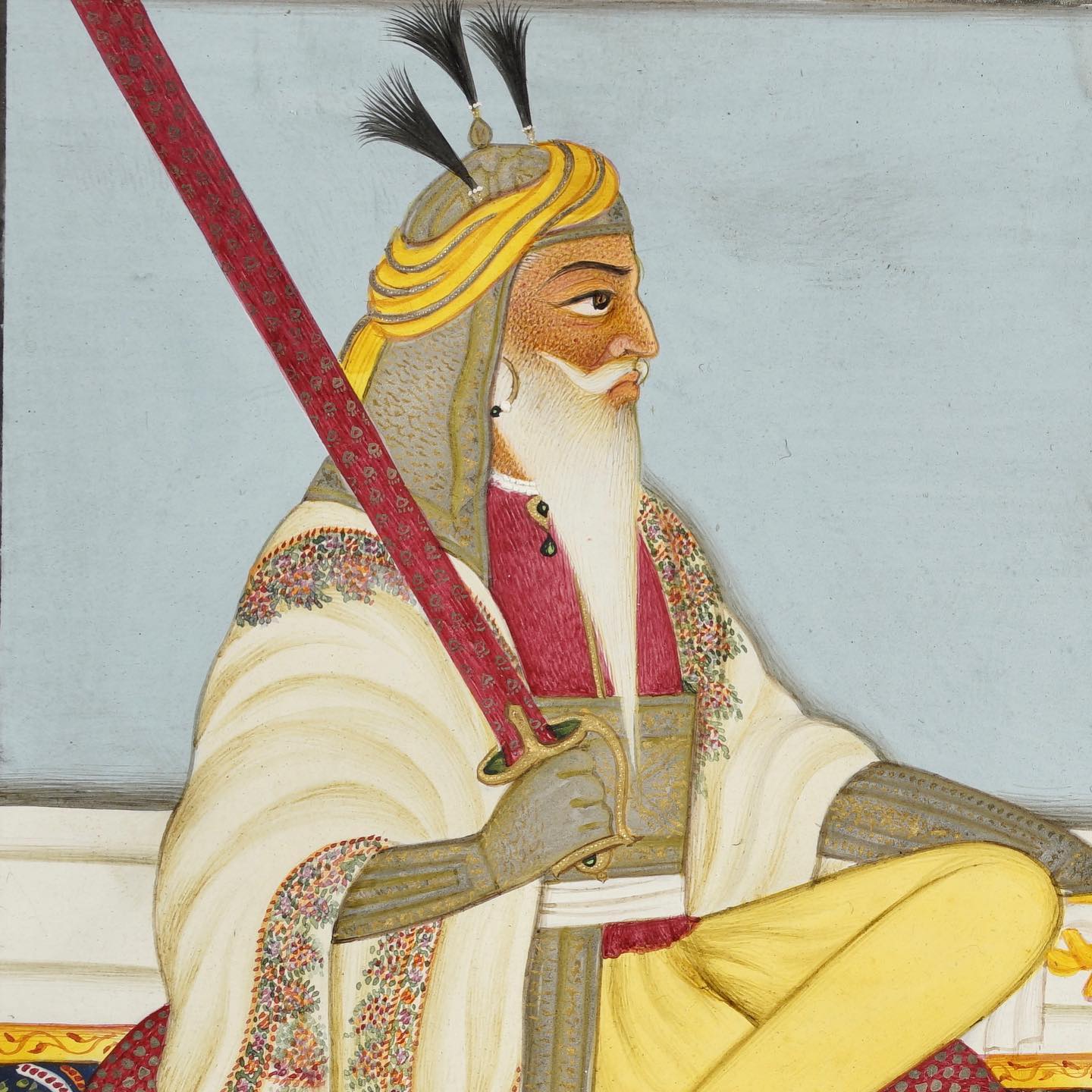
Hari Singh Nalwa
(ਹਰੀ ਸਿੰਘ ਨਲਵਾ)
Fabled Commander-in-Chief of the Sikh Khalsa Army whose military genius halted centuries of foreign invasions through the Khyber Pass, conquering Kasur, Multan, Kashmir, and Peshawar.
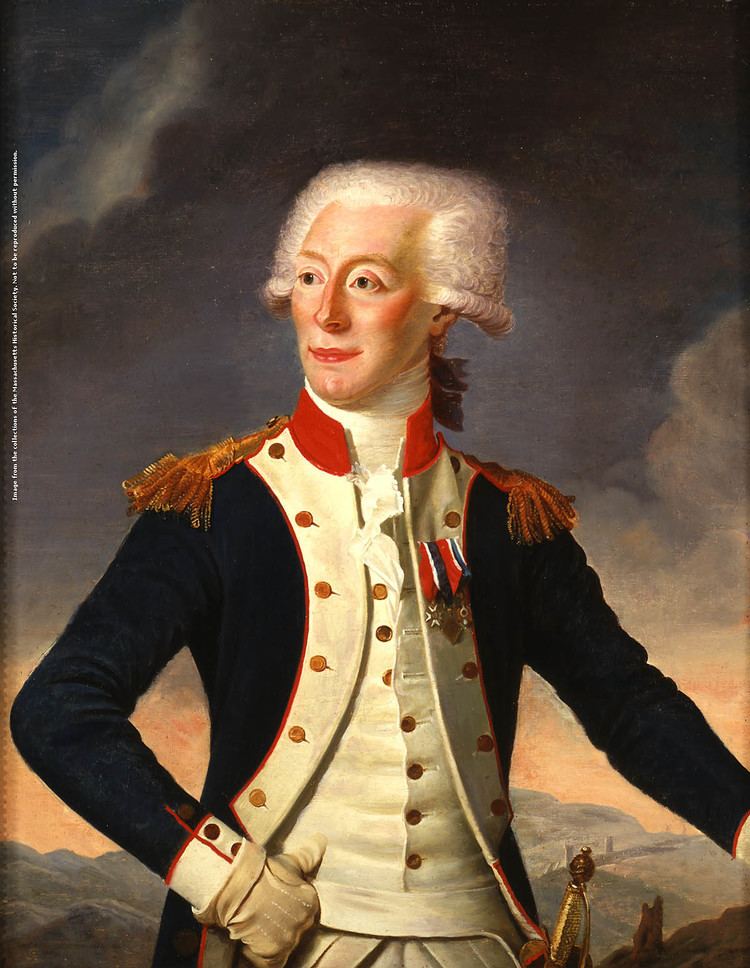
Gilbert du Motier, Marquis de Lafayette
 (Gilbert du Motier, marquis de La Fayette)
French aristocrat and major general in the Continental Army hailed as the 'Hero of Two Worlds', who trapped Lord Cornwallis at Yorktown and drafted the Declaration of the Rights of Man.
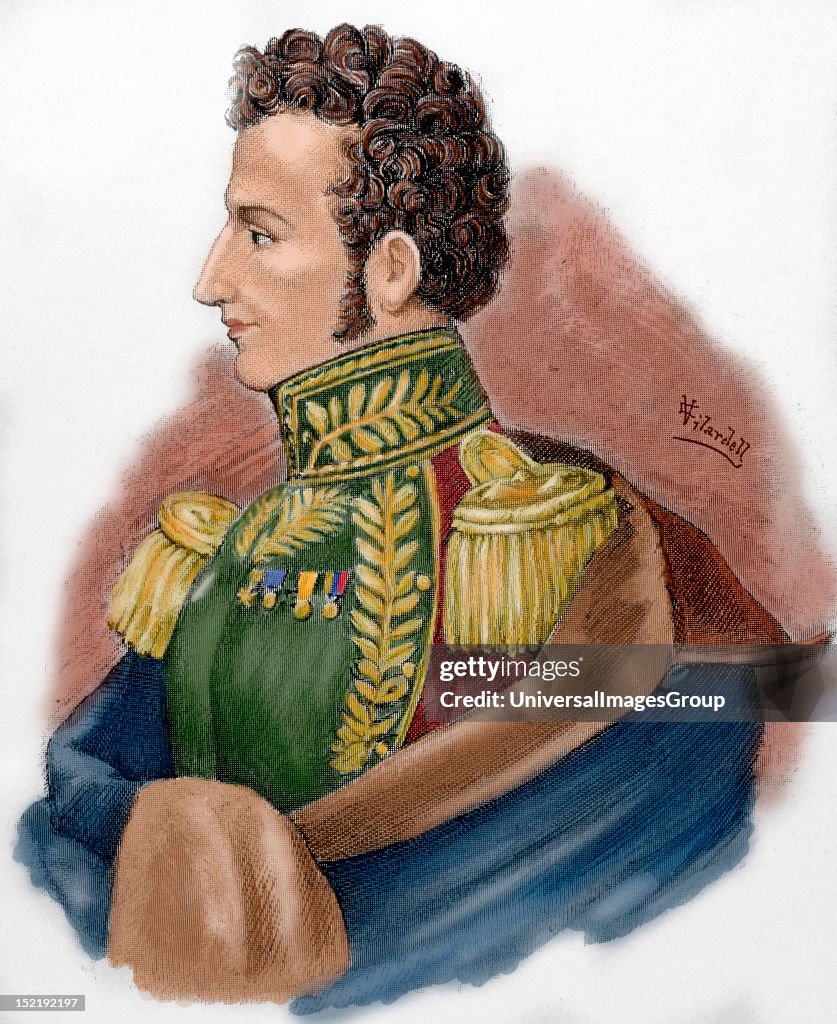
Antonio José de Sucre (Grand Marshal of Ayacucho)
 (Antonio José de Sucre y Alcalá)
Venezuelan independence leader and Grand Marshal of Ayacucho whose victory in 1824 permanently destroyed the Spanish Empire in South America.
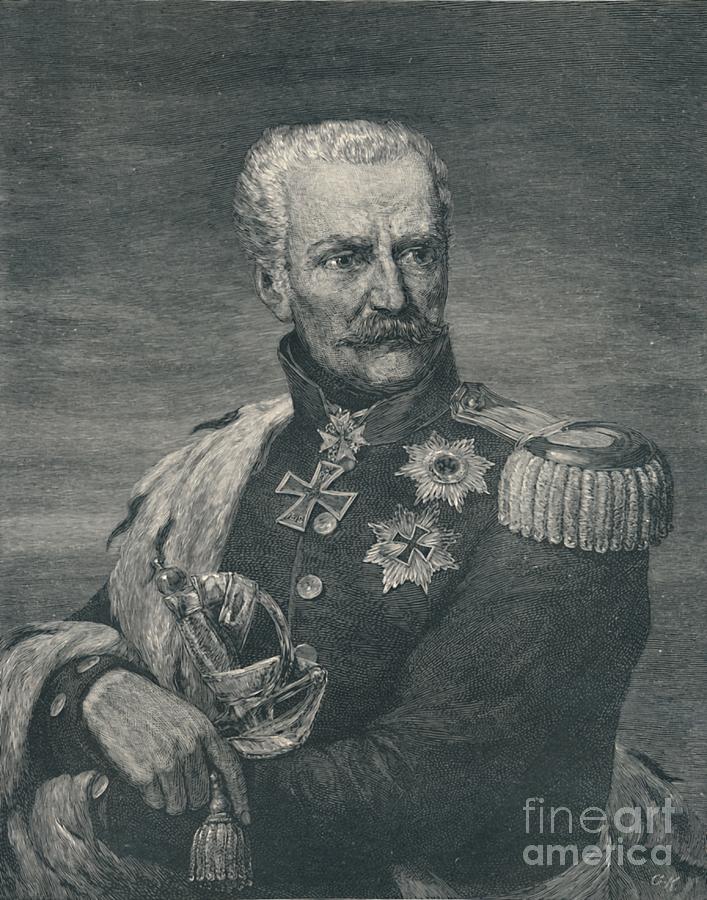
Gebhard Leberecht von Blücher (Marschall Vorwärts)
 (Gebhard Leberecht von Blücher, Fürst von Wahlstatt)
Prussian Field Marshal and Prince of Wahlstatt hailed as 'Marshal Forward' whose aggressive leadership won Leipzig and whose timely arrival won Waterloo.
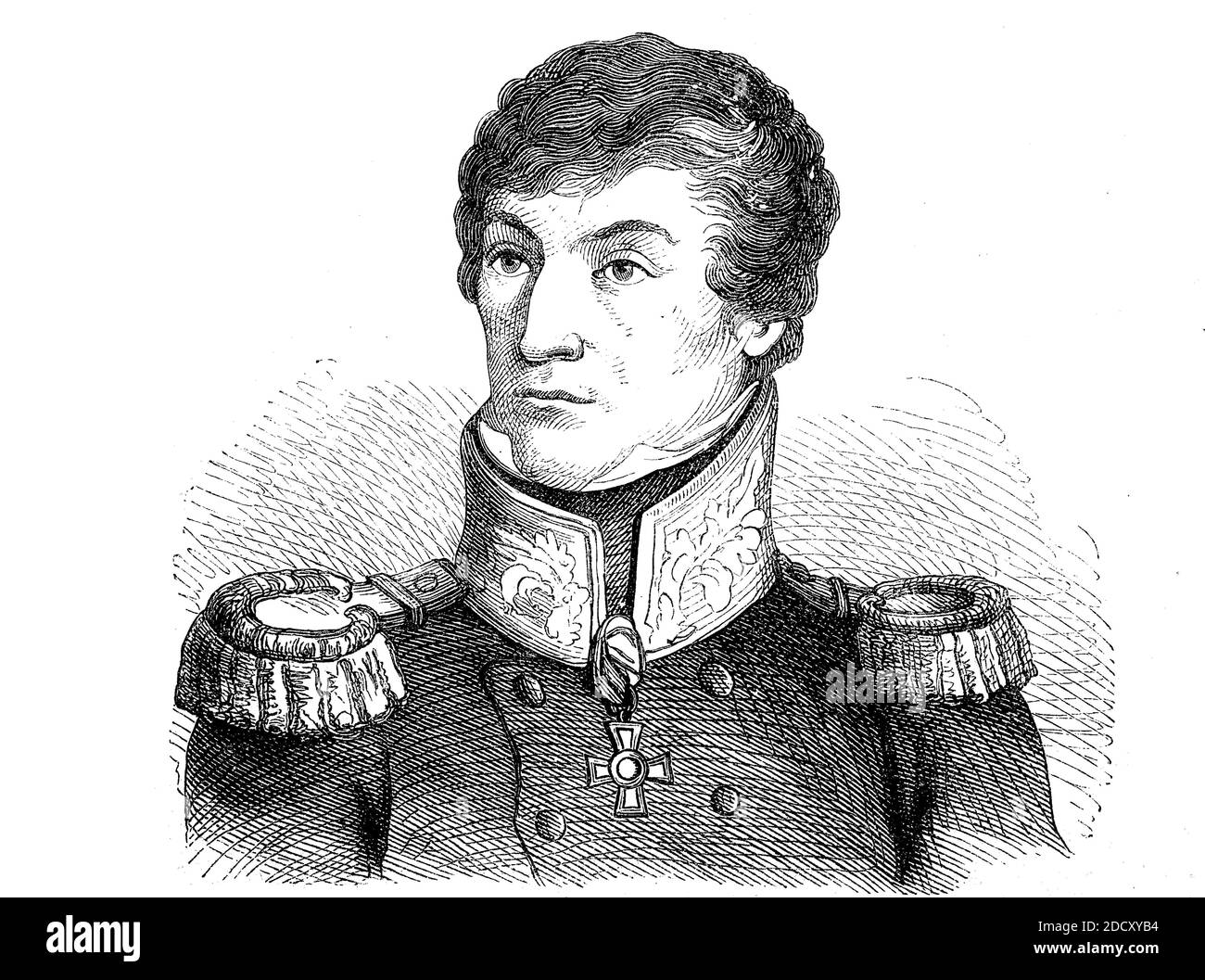
Michael Andreas Barclay de Tolly
 (Михаил Богданович Барклай-де-Толли)
Russian Field Marshal of Scottish-Baltic descent who served as Minister of War, formulated the scorched-earth retreat strategy that ruined Napoleon in 1812, and took Paris.
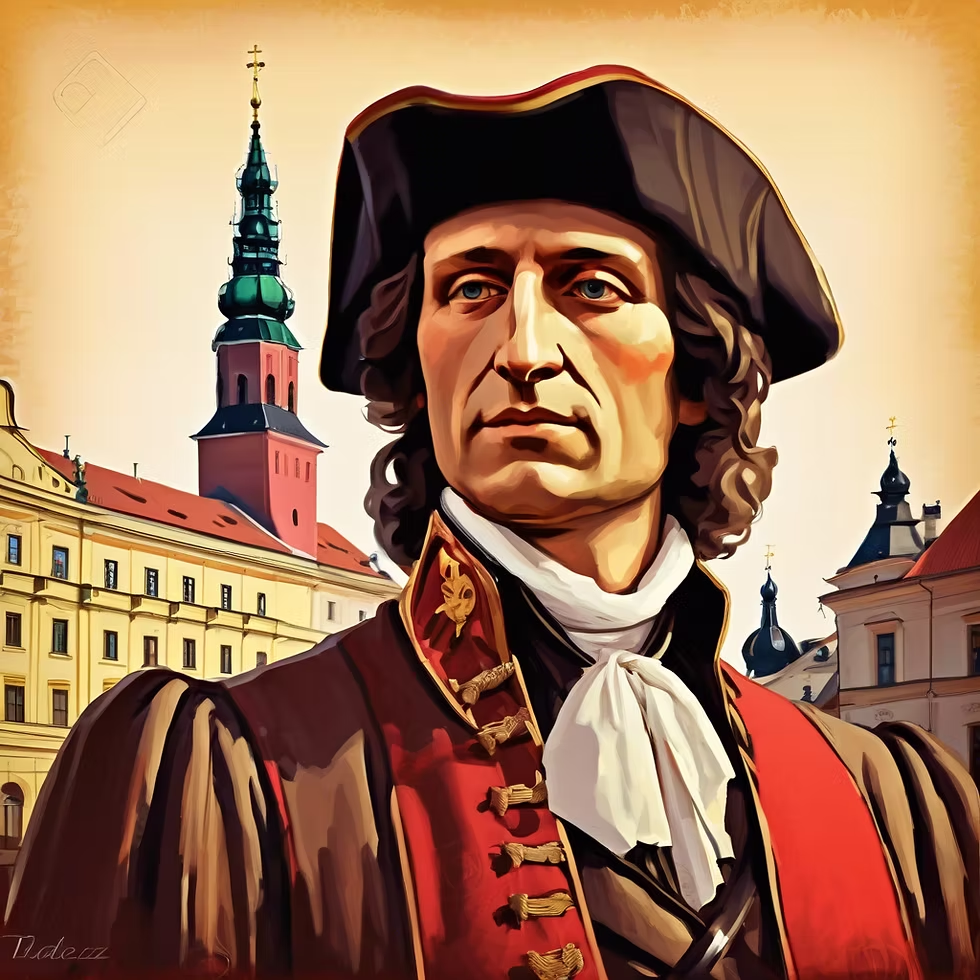
Tadeusz Kościuszko (Hero of Two Worlds)
 (Andrzej Tadeusz Bonawentura Kościuszko)
Polish military engineer and statesman who engineered the impenetrable defenses of Saratoga and West Point and led the Polish Uprising of 1794.
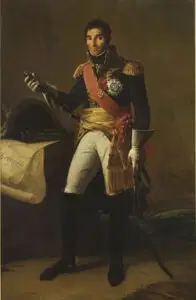
André Masséna (The Dear Child of Victory)
(André Masséna, duc de Rivoli, prince d'Essling)
Marshal of France hailed by Napoleon as 'l'Enfant chéri de la victoire' who saved France at the Second Battle of Zurich and held the epic Siege of Genoa.
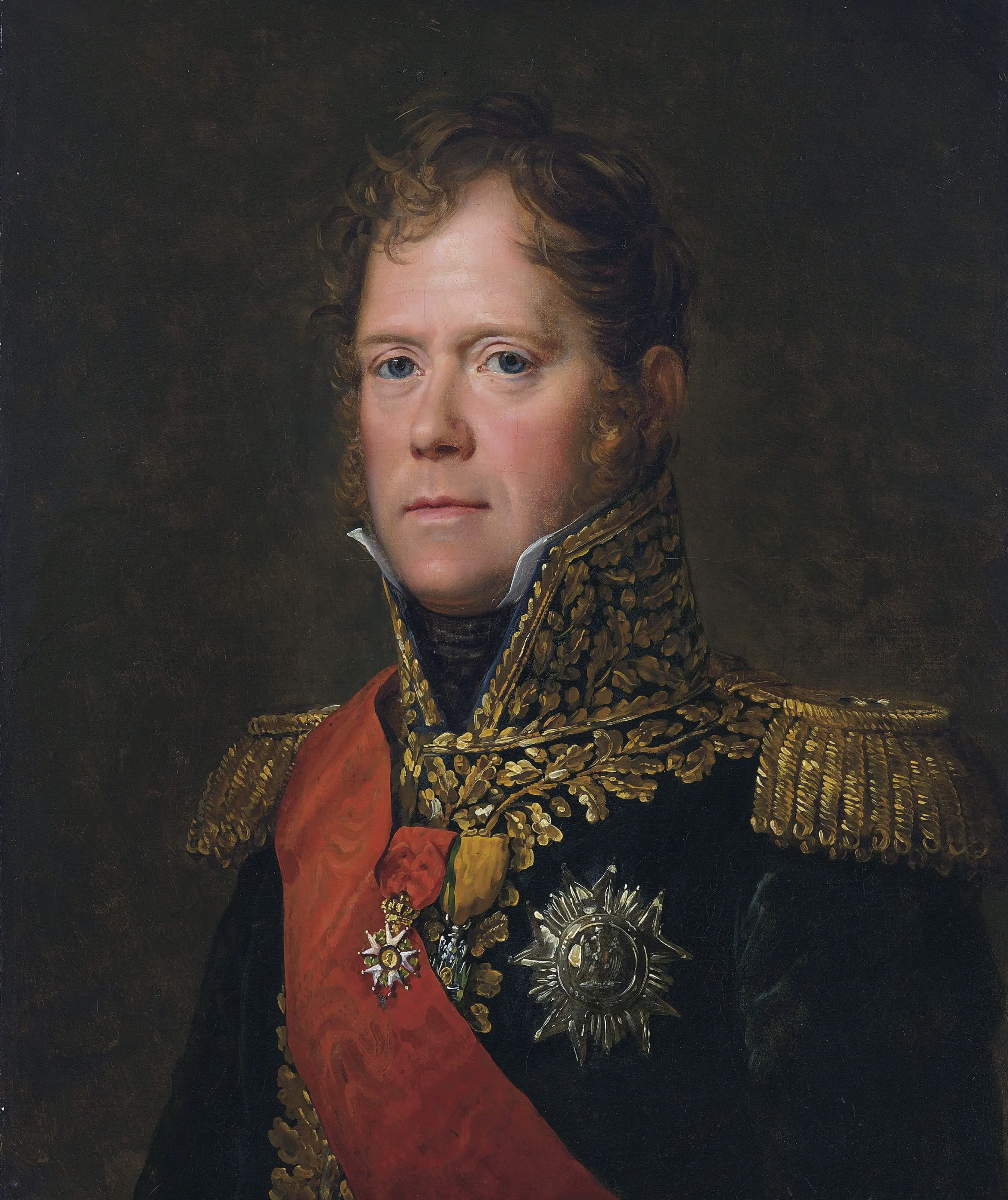
Michel Ney (The Bravest of the Brave)
(Michel Ney, duc d'Elchingen, prince de la Moskowa)
Marshal of France immortalized by Napoleon as 'The Bravest of the Brave' (Le Brave des Braves), who commanded the heroic rear guard during the retreat from Moscow.
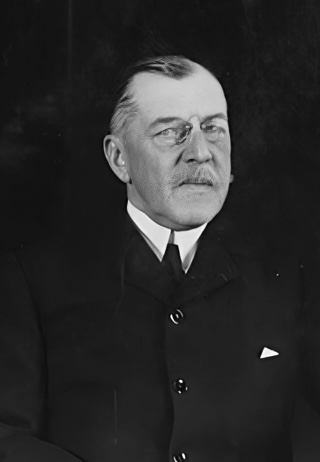
Joachim Murat (King of Naples)
(Joachim Murat, roi de Naples)
Marshal of the Empire, Grand Duke of Berg, and King of Naples celebrated as the greatest cavalry commander in modern history, who led the colossal 10,000-horse charge at Eylau.
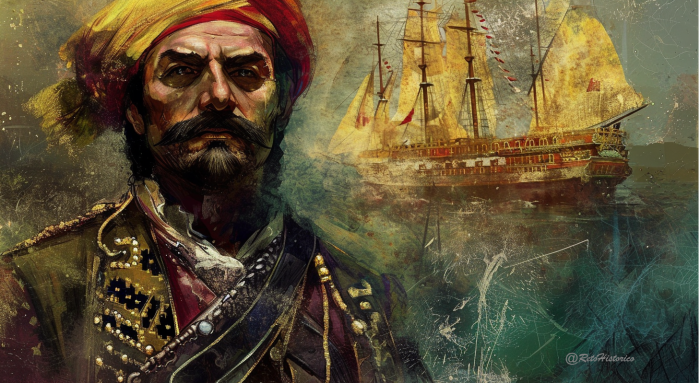
Rais Hamidou
 (الرايس حميدو بن علي)
Legendary Algerian naval commander and Grand Admiral of Algiers who commanded the Mediterranean flagship Mashuda and defended North African waters against European fleets.
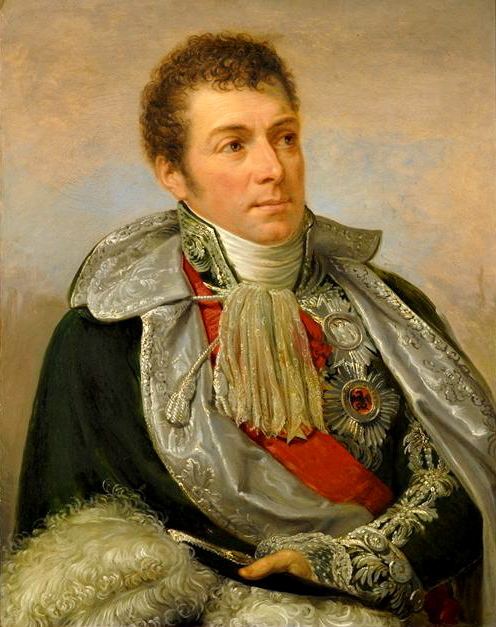
Louis-Alexandre Berthier (Marshal of France)
(Louis-Alexandre Berthier, prince de Neuchâtel)
Marshal of the Empire, Sovereign Prince of Neuchâtel, and Chief of Staff of the Grande Armée whose organizational genius translated Napoleon's operational vision into reality.
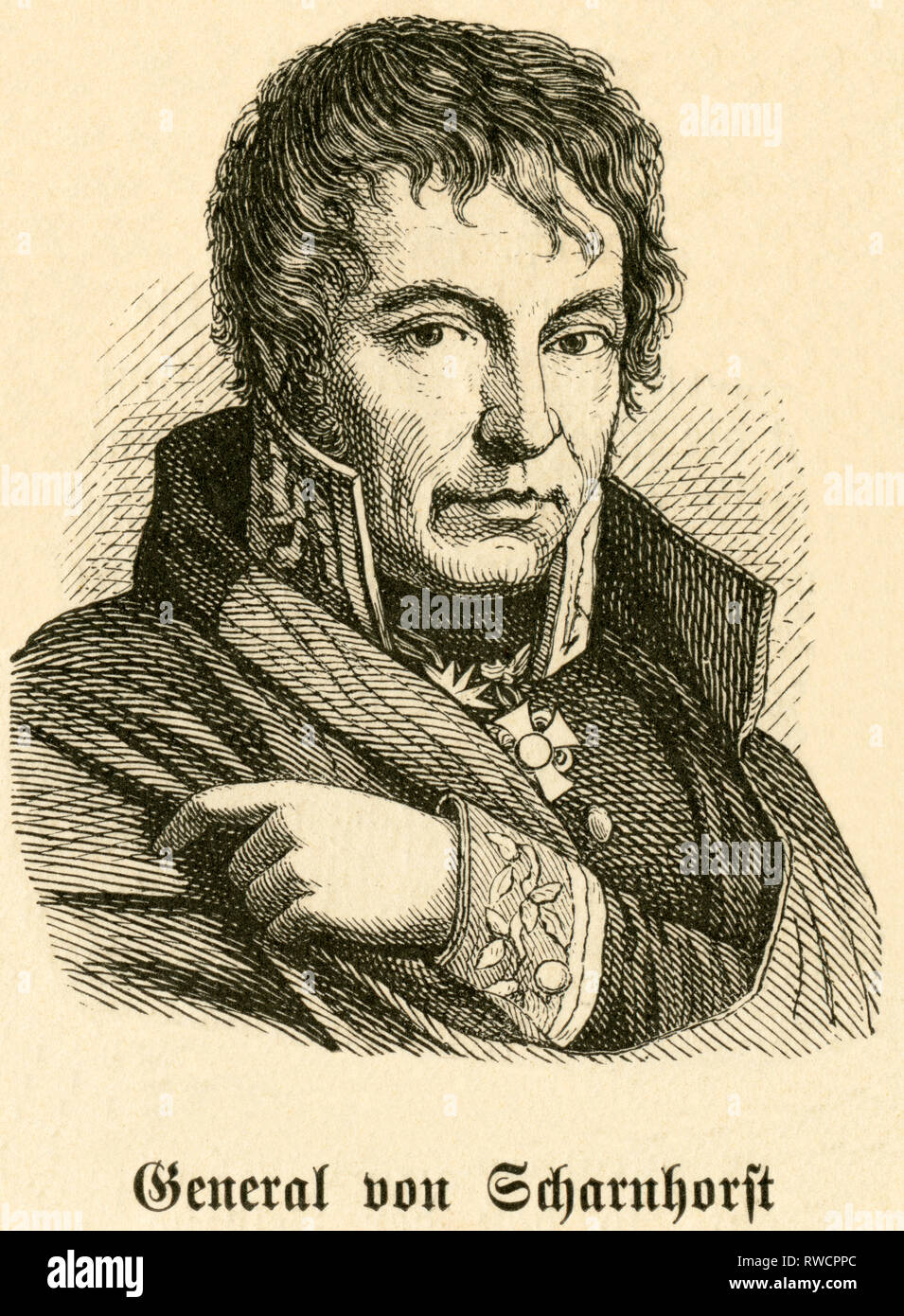
Gerhard von Scharnhorst
(Gerhard Johann David von Scharnhorst)
Prussian general and intellectual reformer who created the Prussian General Staff, abolished noble privilege in the officer corps, and modernized warfare.