Public Figures & Cultural Luminaries
Filterable archive covering centuries of intellectual, artistic, and moral contributions to the human story.
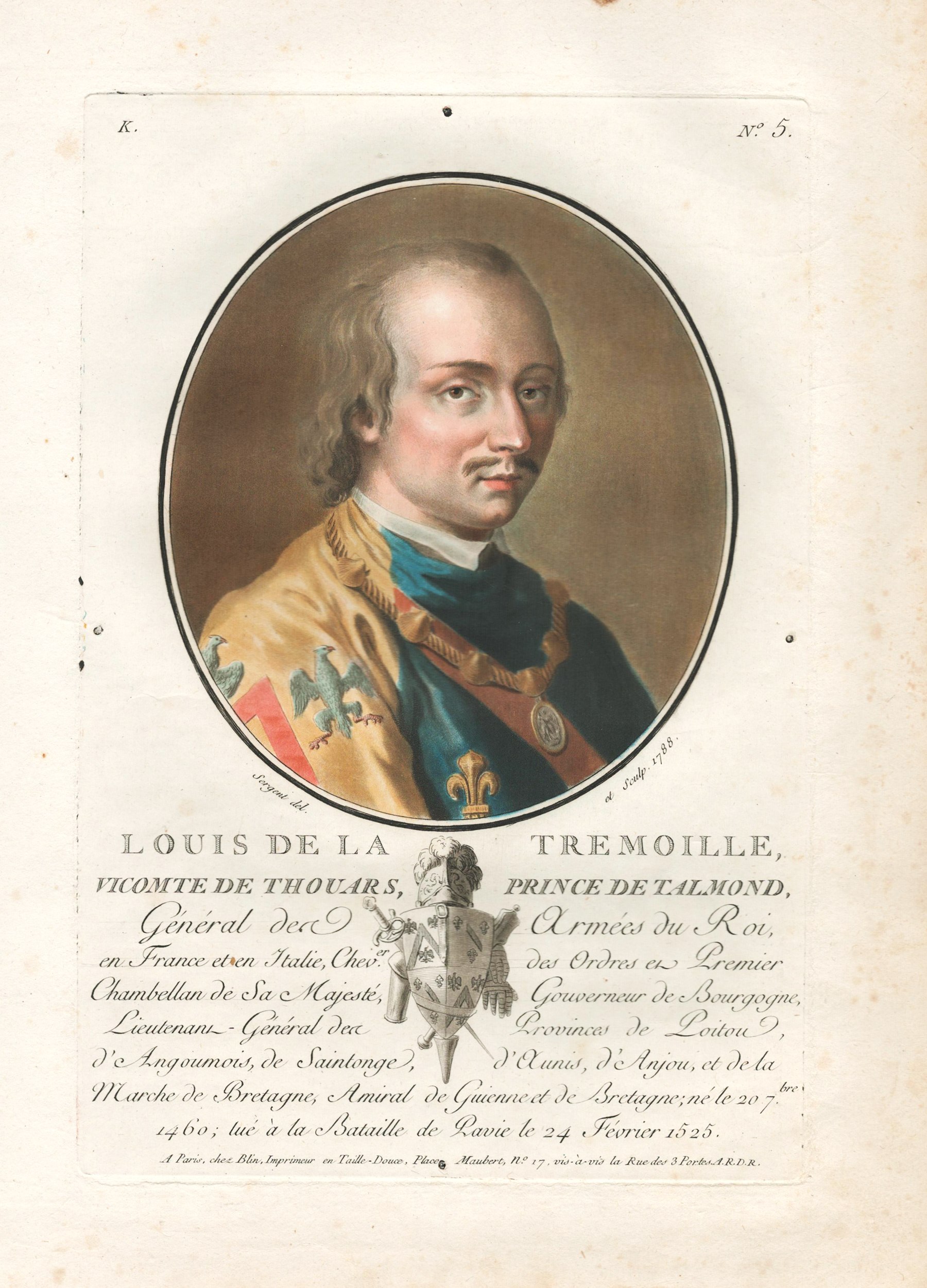
Louis II de La Trémoille (The Knight Without Reproach)
 (Louis II de La Trémoille)
Premier French general of the Italian Wars who won the Battle of Saint-Aubin-du-Cormier, conquered Milan for Louis XII, and fell fighting at Pavia.
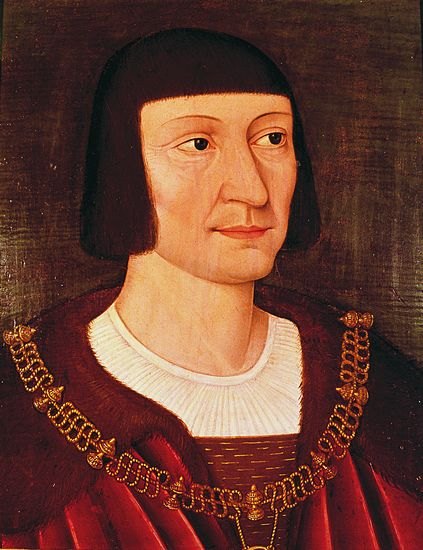
Pierre Terrail, Seigneur de Bayard
(Pierre Terrail, seigneur de Bayard)
French knight and commander immortalized as 'The Knight Without Fear and Beyond Reproach', who held the bridge of Garigliano single-handedly.
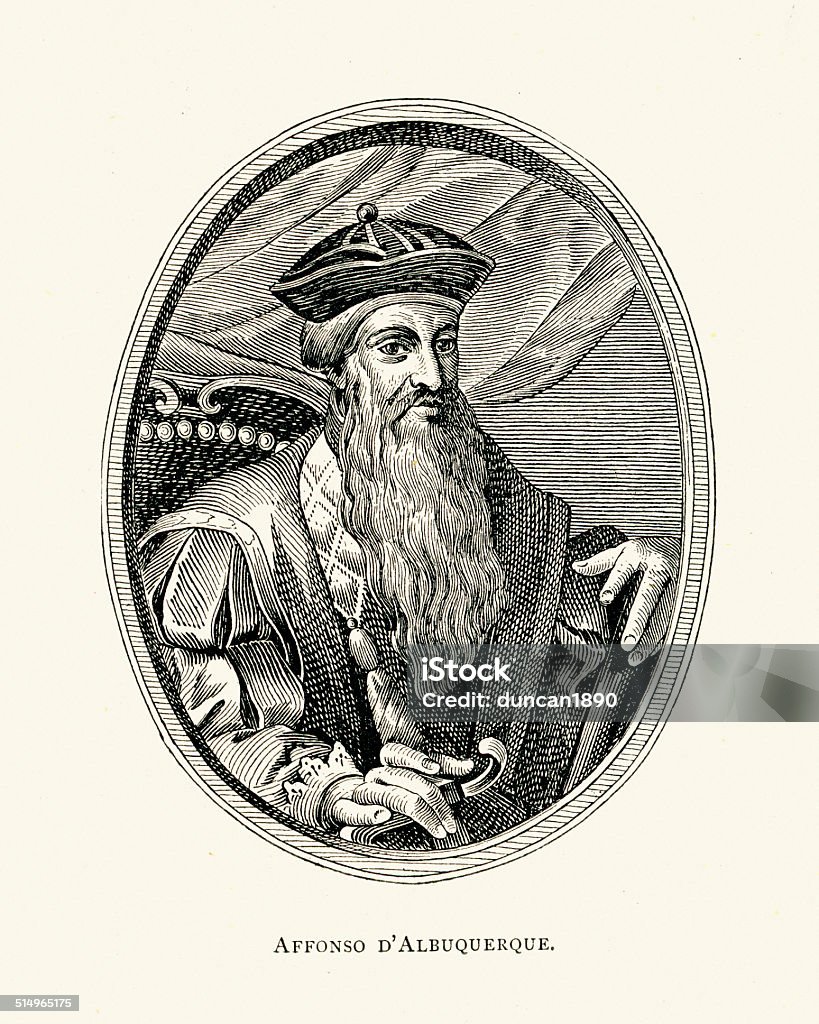
Afonso de Albuquerque (The Caesar of the East)
 (Afonso de Albuquerque)
Portuguese naval admiral, general, and 2nd Governor of India whose audacious naval strategy conquered Goa, Malacca, and Ormuz, securing the spice routes.
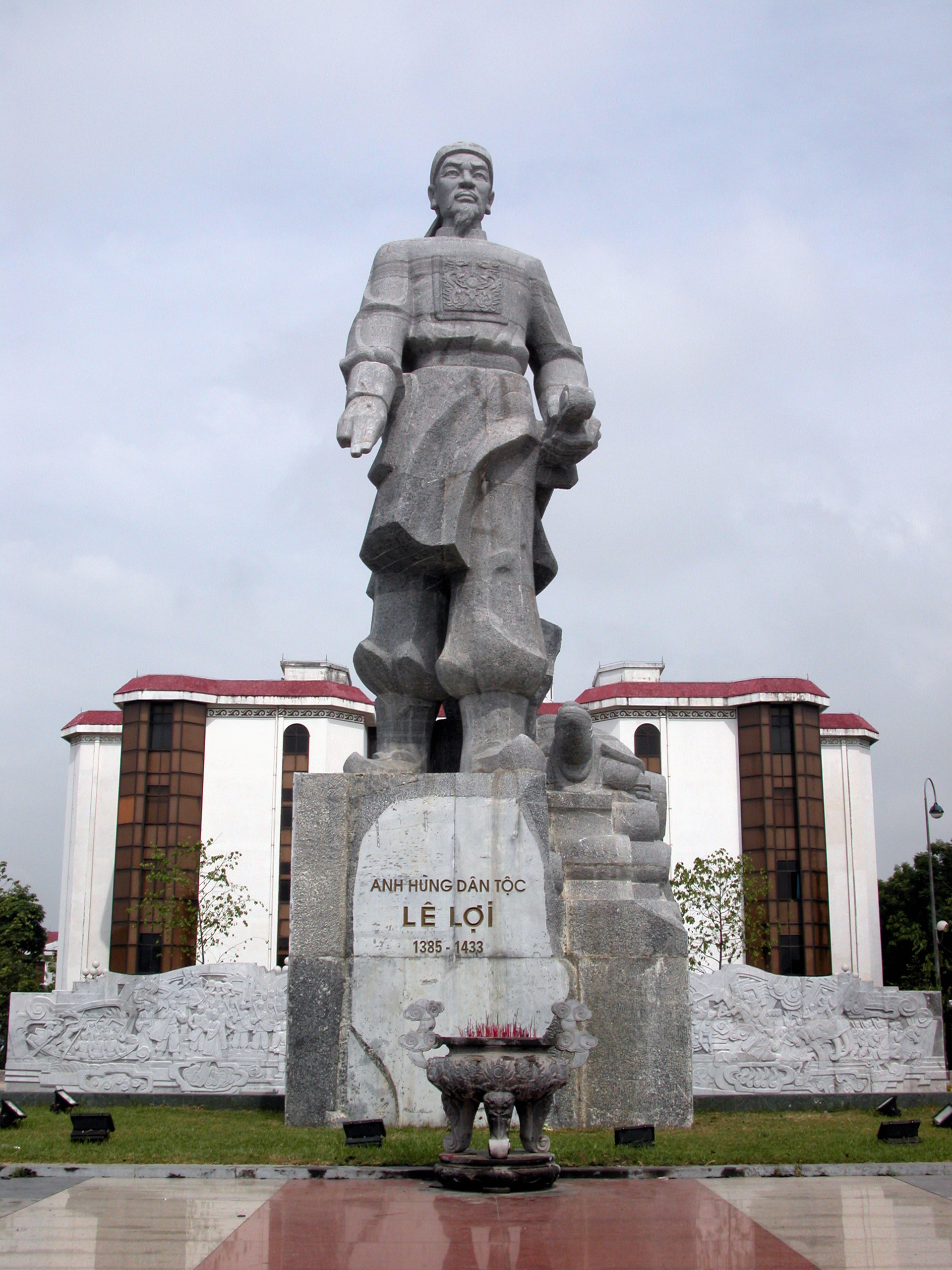
Le Loi
 (Lê Lợi (Lê Thái Tổ))
Vietnamese national hero and founder of the Later Le Dynasty who led the ten-year Lam Son Uprising against Ming Chinese occupation, immortalized by the Legend of the Returned Sword at Hoan Kiem Lake.
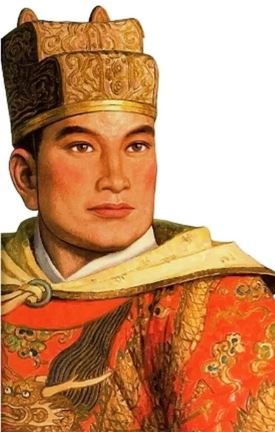
Zheng He (郑和 (三宝太监))
Ming Dynasty grand admiral and diplomat who commanded seven epic treasure fleet voyages across the Indian Ocean from Southeast Asia to Arabia and East Africa, decades before Columbus.
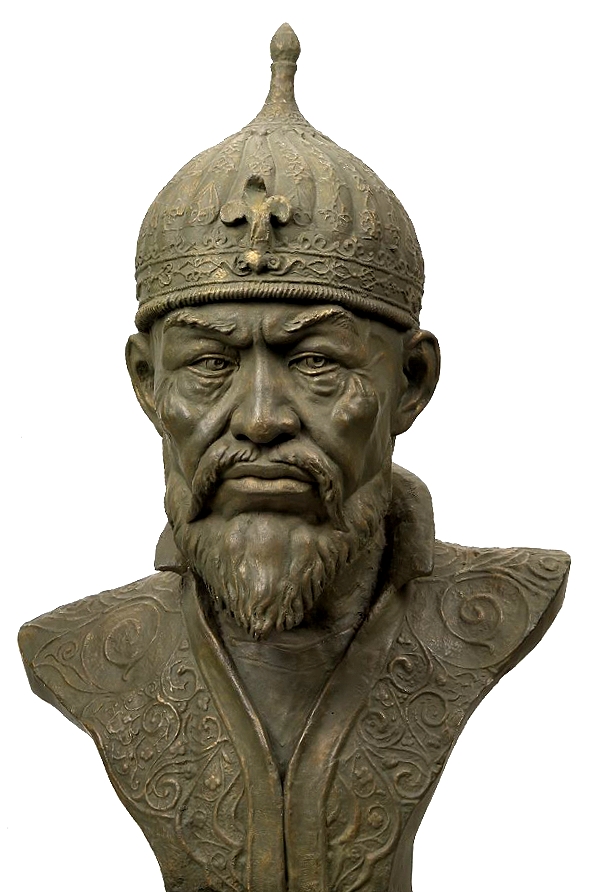
Tamerlane (Timur)
 (تیمور لنگ (Timūr Gurkānī))
Turco-Mongol conqueror and founder of the Timurid Empire who never lost a battle across forty years of campaigns from Delhi to the Mediterranean, transforming Samarkand into a Renaissance jewel.
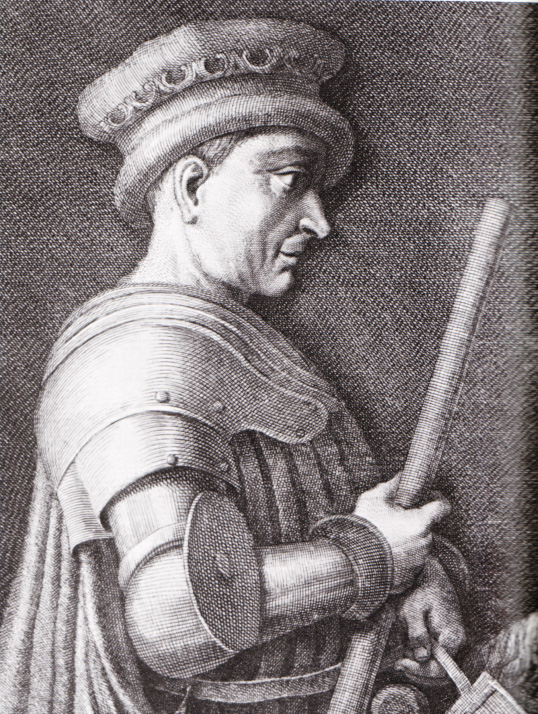
Sir John Hawkwood (Giovanni Acuto)
 (Sir John Hawkwood / Giovanni Acuto)
Legendary English mercenary captain (condottiero) who led the White Company in Italy, renowned for speed, tactical cunning, and professional discipline.
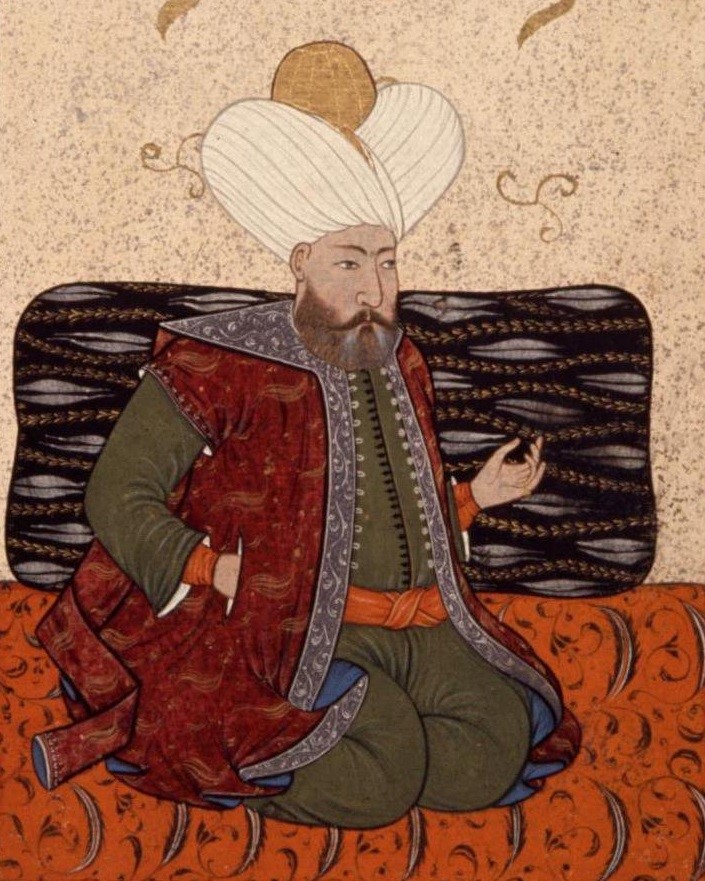
Murad I
 (مراد الأول (Hüdavendigâr))
Third Ottoman Sultan who transformed the Ottoman state into an empire, instituted the Devshirme and Janissary corps, conquered Adrianople (Edirne), and died victorious at the Battle of Kosovo in 1389.
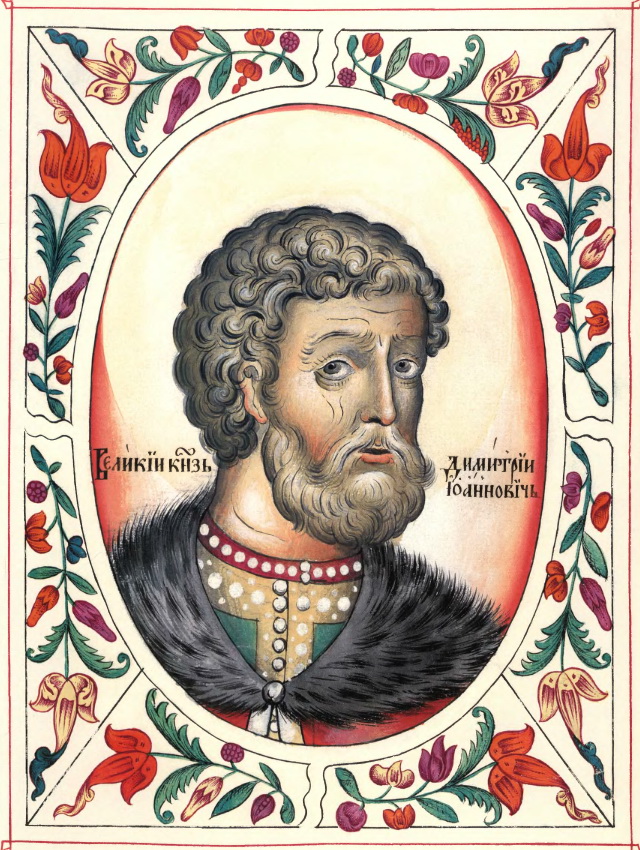
Saint Dmitry Donskoy
 (Дмитрий Иванович Донской)
Grand Prince of Moscow who unified the Russian principalities and won the historic Battle of Kulikovo in 1380, breaking the myth of Tatar-Mongol invincibility.
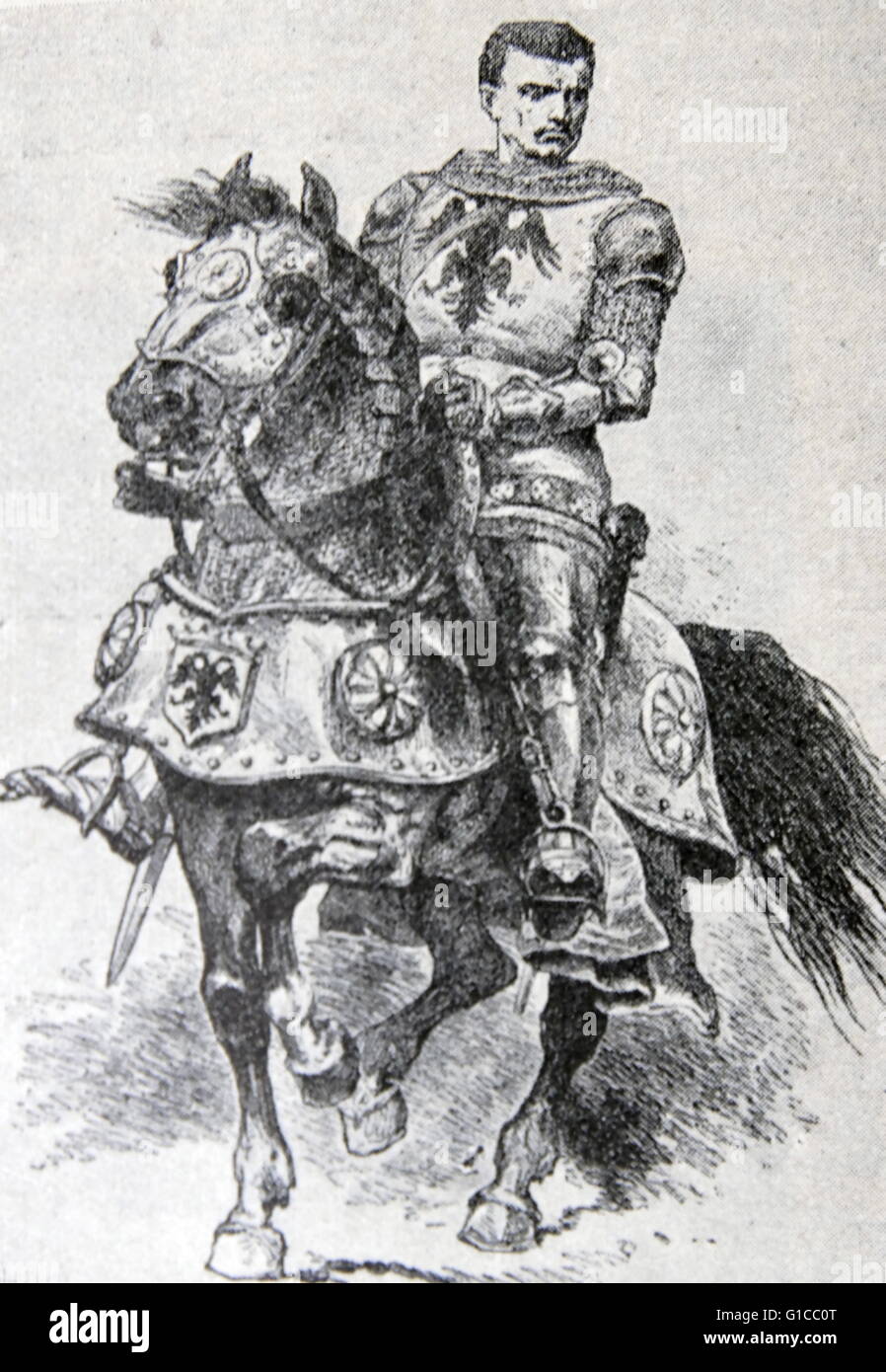
Bertrand du Guesclin (The Eagle of Brittany)
(Bertrand du Guesclin)
Constable of France and master of Fabian guerrilla warfare who recaptured nearly all territories lost to England in the Hundred Years' War.
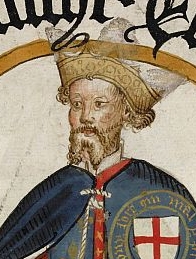
Edward of Woodstock (The Black Prince)
(Edward of Woodstock, Prince of Wales)
Prince of Wales and England's greatest chivalric warrior of the Hundred Years' War who won the Battle of Poitiers and captured King John II of France.
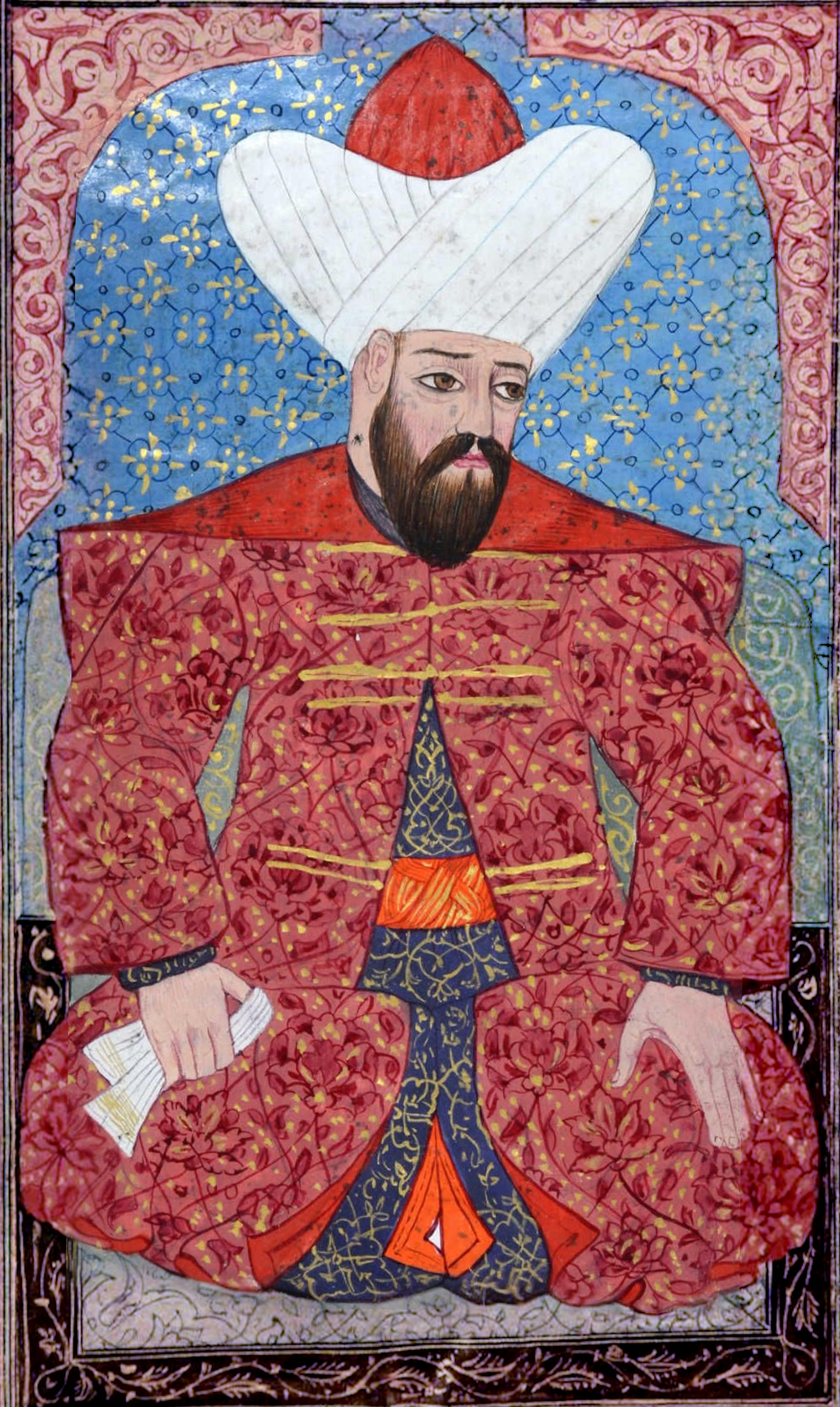
Orhan
(أورخان غازي (Orhan Gazi))
Second ruler of the Ottoman dynasty who captured Bursa, Nicaea, and Nicomedia, established the first Ottoman standing army (Janissaries), and crossed into Europe at Gallipoli in 1354.
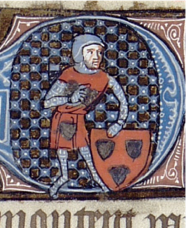
Geoffroi de Charny (Bearer of the Oriflamme)
(Geoffroi de Charny)
French knight, military theorist, and bearer of the sacred royal Oriflamme banner who authored the Book of Chivalry and died shielding King John II at Poitiers.
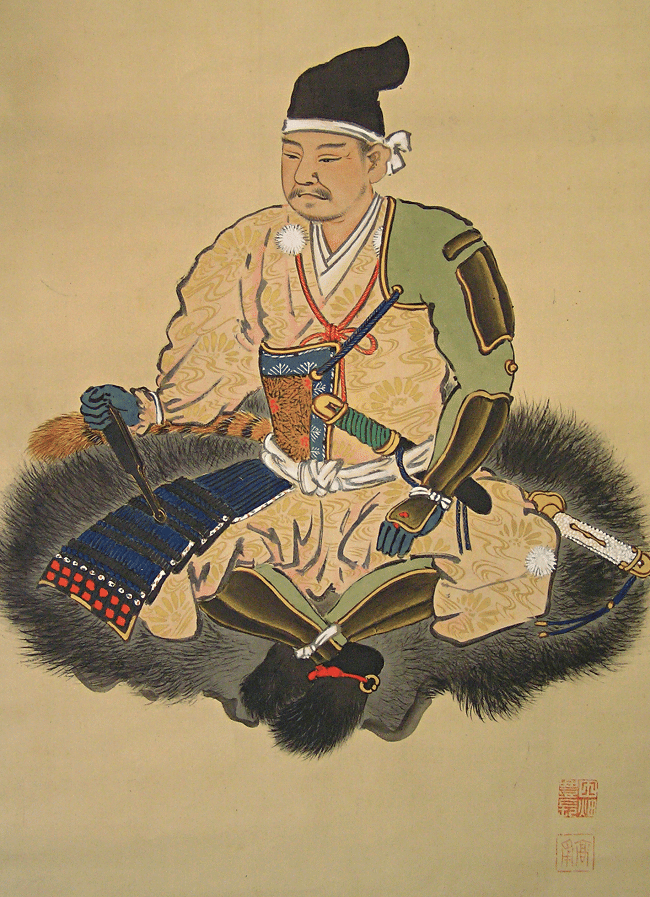
Kusunoki Masashige (The Great Loyalist)
 (楠木正成)
Fourteenth-century samurai general and master of mountain siege defense who defended Emperor Go-Daigo and died heroically at the Battle of Minatogawa.
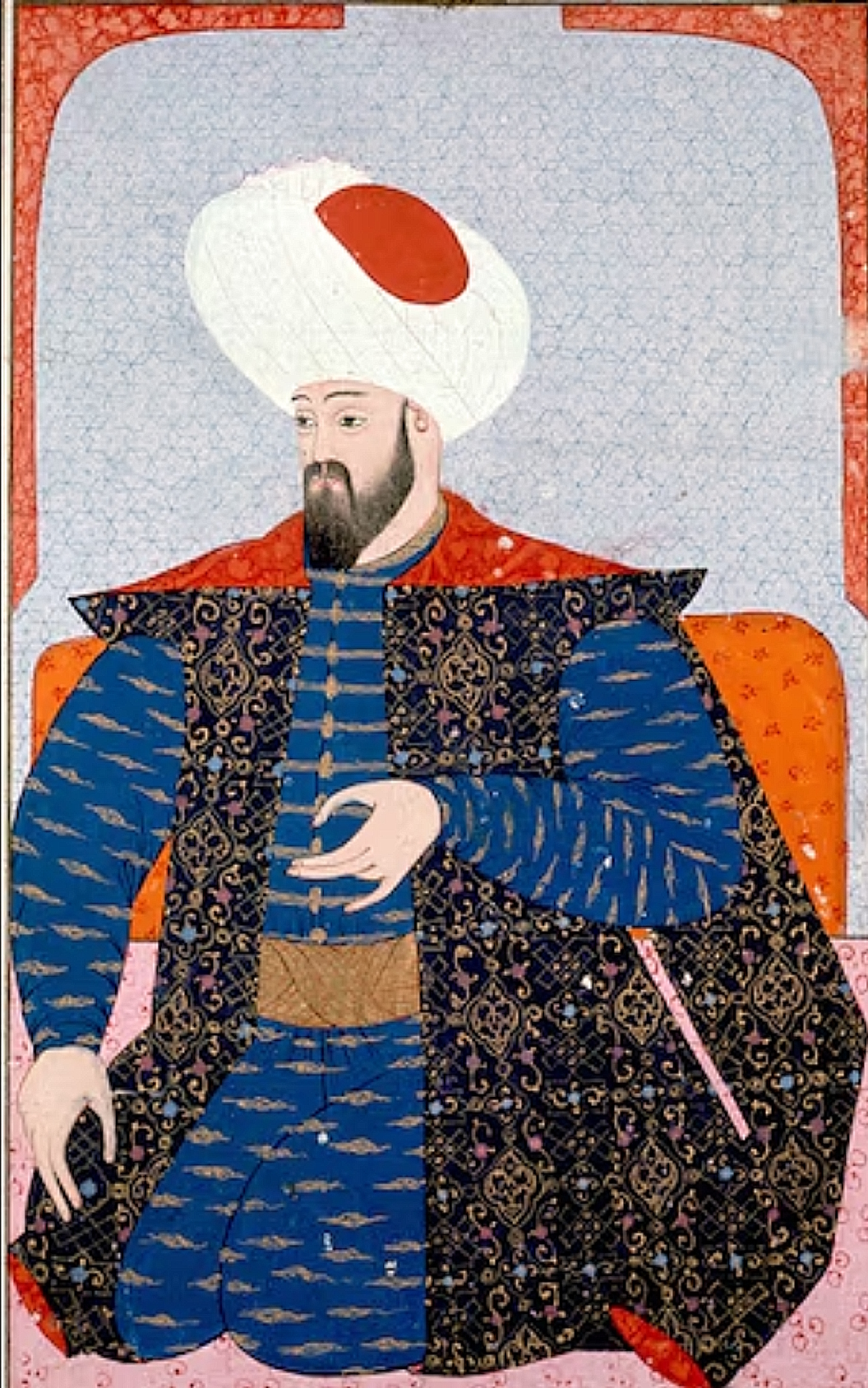
Osman I
(عثمان بن أرطغرل (عثمان غازي))
Founder of the Ottoman Empire and first ruler of the Ottoman dynasty, who expanded his small Turkmen principality in Sogut against the Byzantine Empire and had the prophetic 'Osman's Dream'.
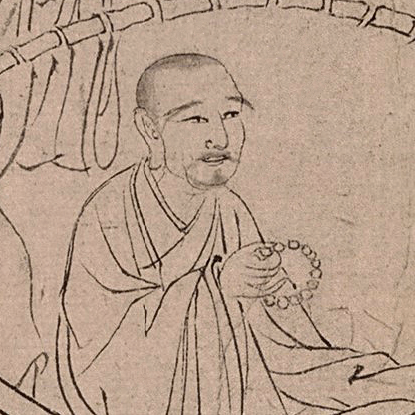
Trần Hưng Đạo (Grand Prince Hưng Đạo)
(Trần Quốc Tuấn / Trần Hưng Đạo)
Supreme Vietnamese military commander who authored the Proclamation to the Officers and thrice defeated the Mongol Yuan Empire's invasions of Đại Việt.
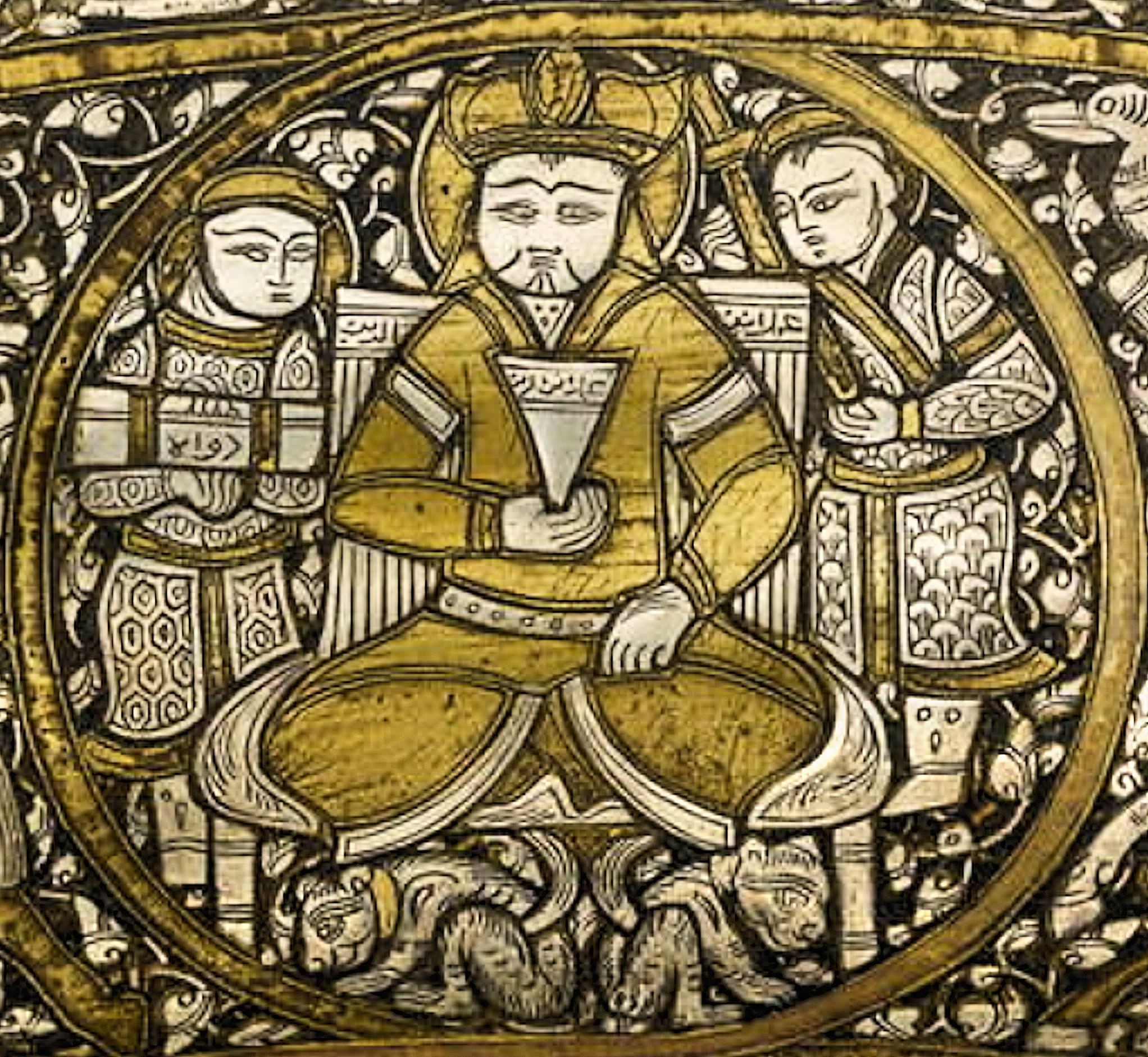
Baibars
 (الملك الظاهر ركن الدين بيبرس البندقداري)
Fourth Mamluk Sultan of Egypt and Syria who crushed King Louis IX at Fariskur, commanded the vanguard that defeated the Mongols at Ain Jalut, and dismantled Crusader castles across the Levant.
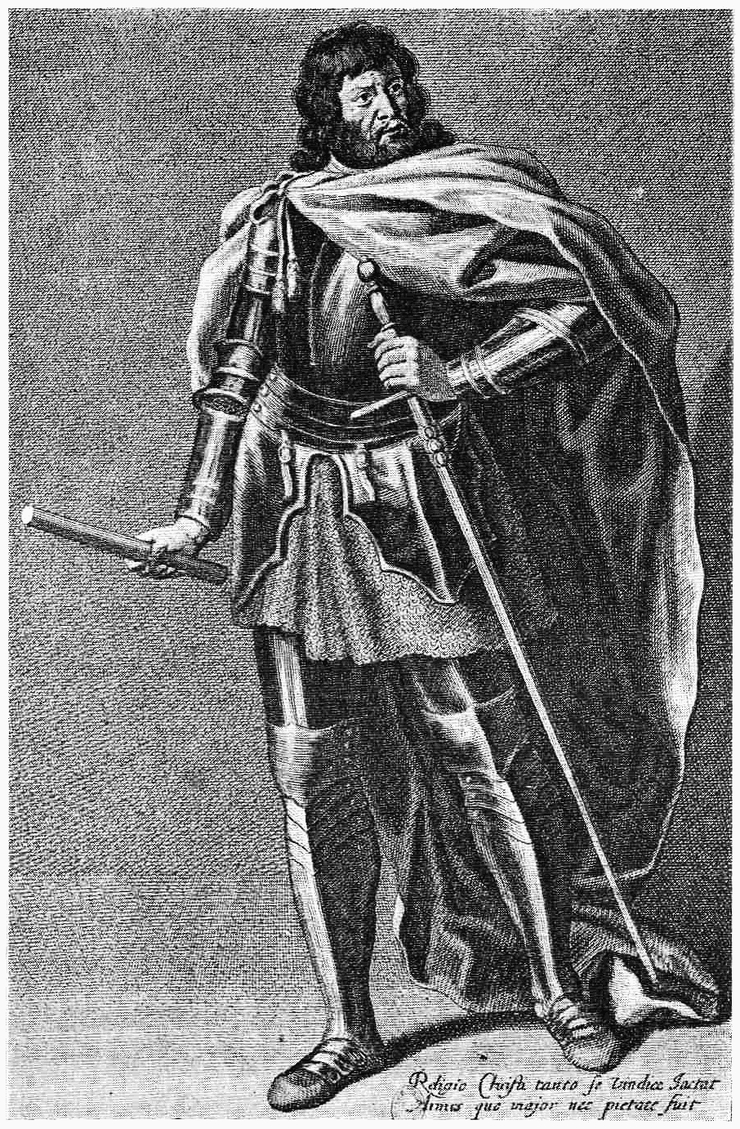
Simon de Montfort (6th Earl of Leicester)
(Simon de Montfort)
French-English nobleman and military leader who defeated King Henry III at the Battle of Lewes and convened England's first representative Parliament.