 Great Britain
•
12 views
Great Britain
•
12 views
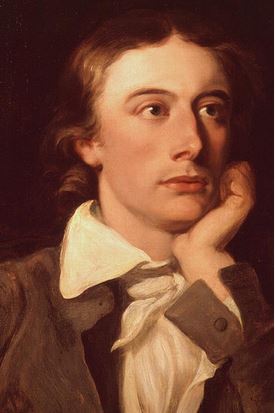
John Keats

Moorgate (London), Great Britain
Archival Overview
One of the supreme lyric poets in the English language who, before succumbing to tuberculosis at age twenty-five in Rome, composed the miraculous 1819 Odes—Ode to a Nightingale, Ode on a Grecian Urn, and To Autumn—proclaiming: 'Beauty is truth, truth beauty.'
Biographical Record
John Keats (1795–1821), son of a London livery stable keeper, trained as an apothecary-surgeon at Guy's Hospital before abandoning medicine entirely to devote his short life to pure poetry. Brutally savaged by contemporary Tory critics in *Blackwood's Magazine* as a member of the 'Cockney School', Keats developed a concept he called *Negative Capability*—the capacity of an artist to exist in uncertainties, mysteries, and doubts without irritable reaching after fact and reason.
Between spring and autumn of 1819, living in Hampstead while desperately in love with his neighbor Fanny Brawne, Keats achieved one of the most astonishing creative flowerings in world literature, composing his six monumental Great Odes in a span of months: Ode to a Nightingale, Ode on a Grecian Urn, Ode on Melancholy, Ode to Psyche, Ode on Indolence, and To Autumn. Diagnosed with tuberculosis, he sailed to Rome where he died in a small room beside the Spanish Steps at twenty-five, asking that his tombstone bear no name, only: 'Here lies One Whose Name was writ in Water.'
Key Life Milestones
The Miraculous Year of the Great Odes at Hampstead
Composed his transcendent six Great Odes, representing the absolute summit of English Romantic lyric poetry.
Tragic Passing in Rome at Age 25
Passed away in his room beside the Spanish Steps, leaving his famous epitaph 'Here lies One Whose Name was writ in Water'.
Memorial Guestbook & Tributes
0 messages recordedLeave a Respectful Tribute
Final Resting Place
Perpetual MemorialRome, Italy