Public Figures & Cultural Luminaries
Filterable archive covering centuries of intellectual, artistic, and moral contributions to the human story.
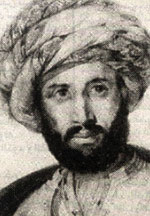
Rifa'a al-Tahtawi
 (رفاعة رافع الطهطاوي)
Epoch-making Egyptian writer, educator, and intellectual who led the 19th-century Arab renaissance (Nahda), authored 'Takhlis al-Ibriz', founded the School of Languages (Al-Alsun), and pioneered women's education.
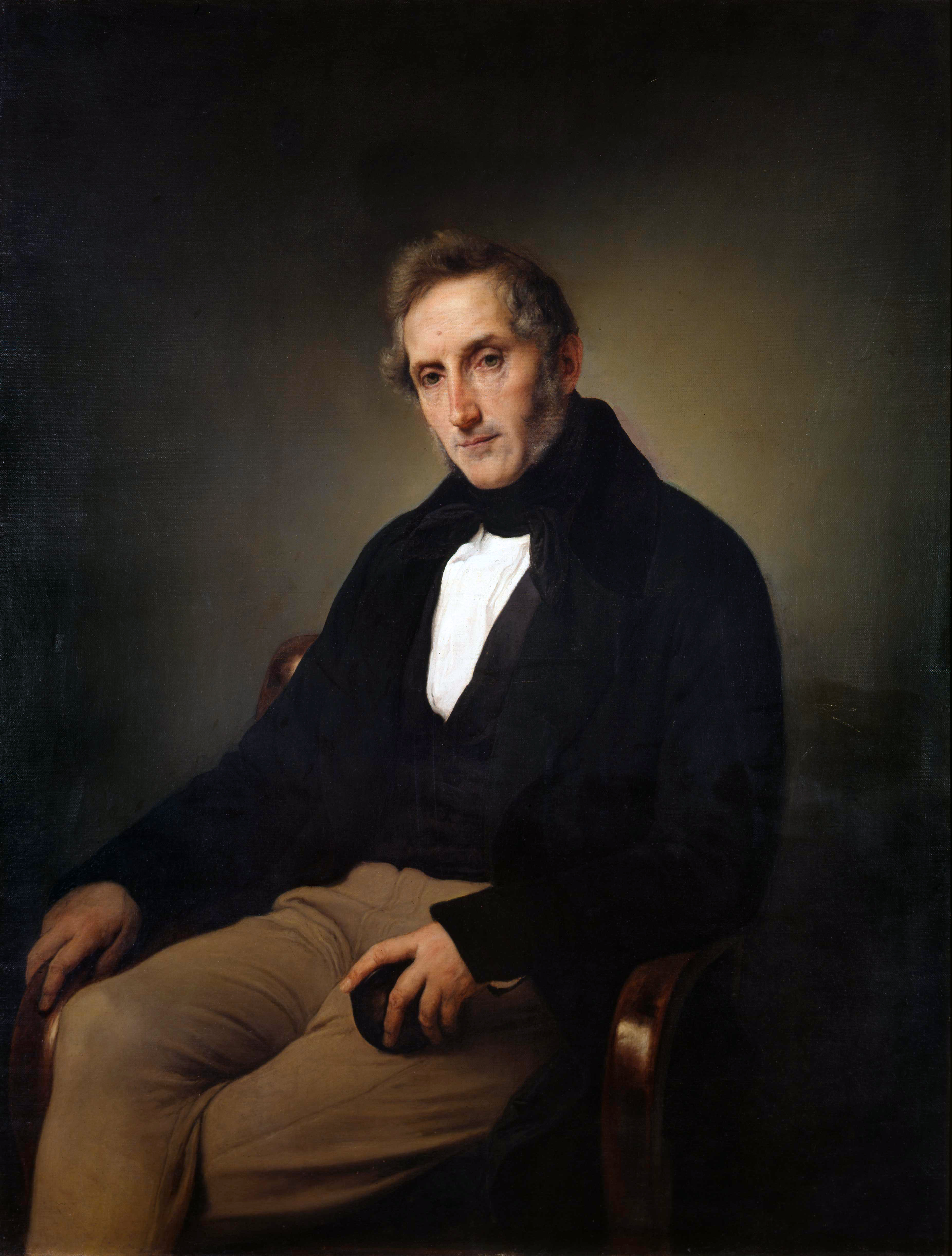
Alessandro Manzoni
 (Alessandro Francesco Tommaso Antonio Manzoni)
Patriarch of modern Italian literature and Risorgimento icon whose historical novel I Promessi Sposi (The Betrothed) forged standard modern Italian prose.
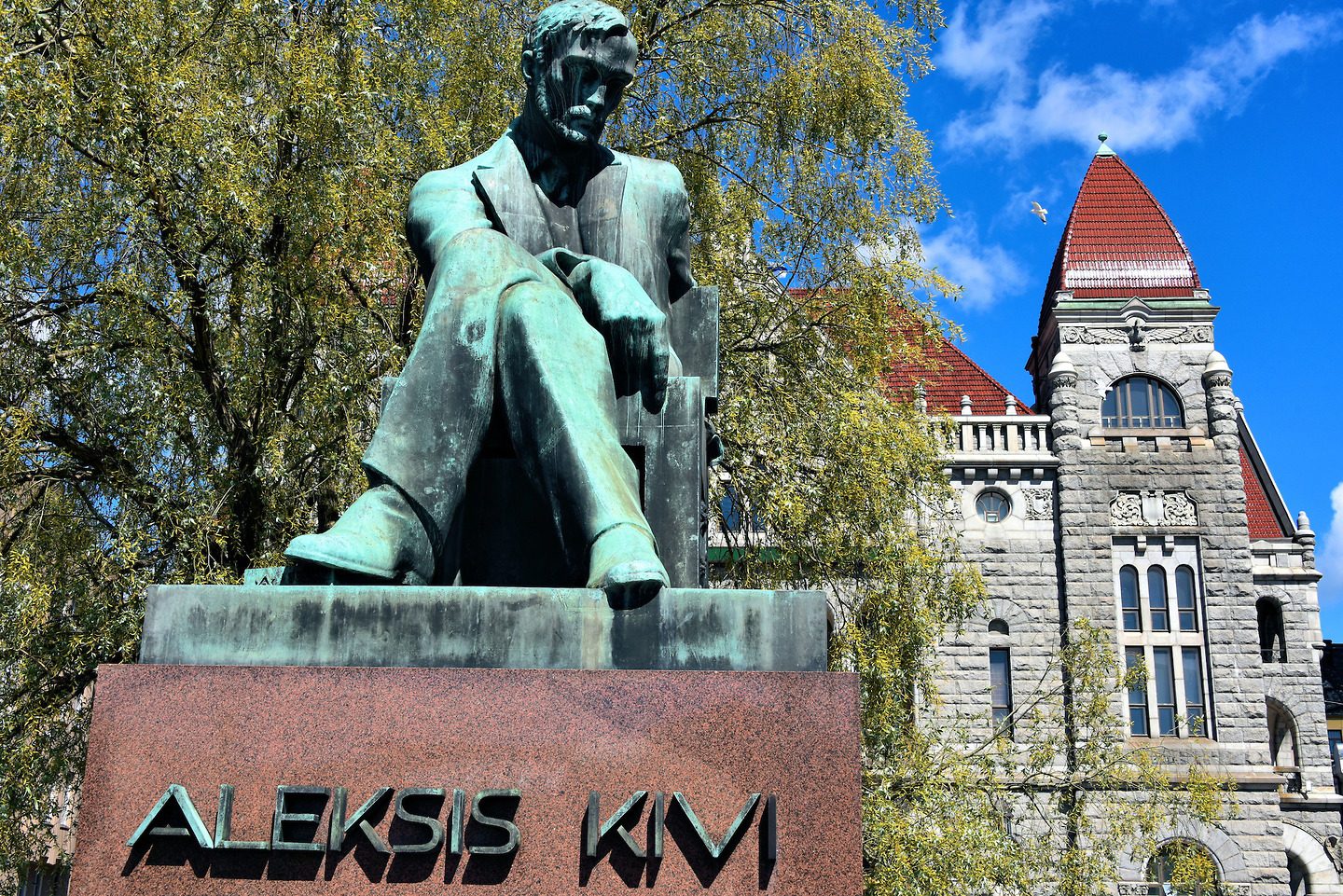
Aleksis Kivi
 (Alexis Stenvall)
National author of Finland and creator of modern Finnish prose who wrote the first major novel in the Finnish language, Seitsemän veljestä (Seven Brothers), and the comedy Nummisuutarit.
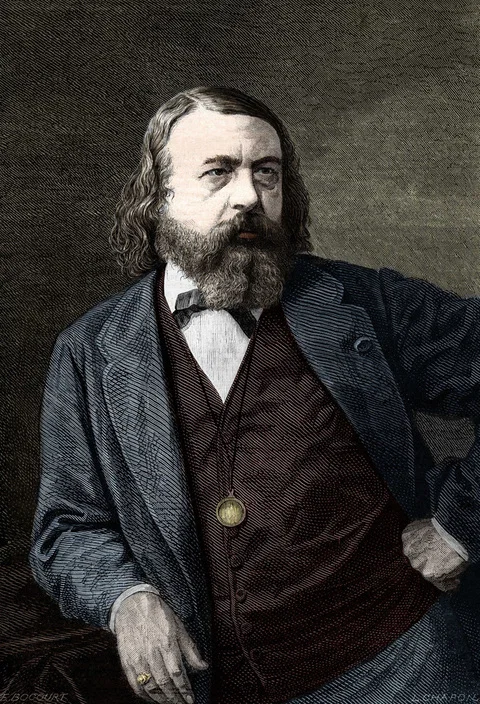
Théophile Gautier
 (Pierre Jules Théophile Gautier)
Pioneering French poet, critic, and novelist who formulated the aesthetic doctrine of 'Art for Art's sake' (l'art pour l'art) in Mademoiselle de Maupin and Émaux et Camées.
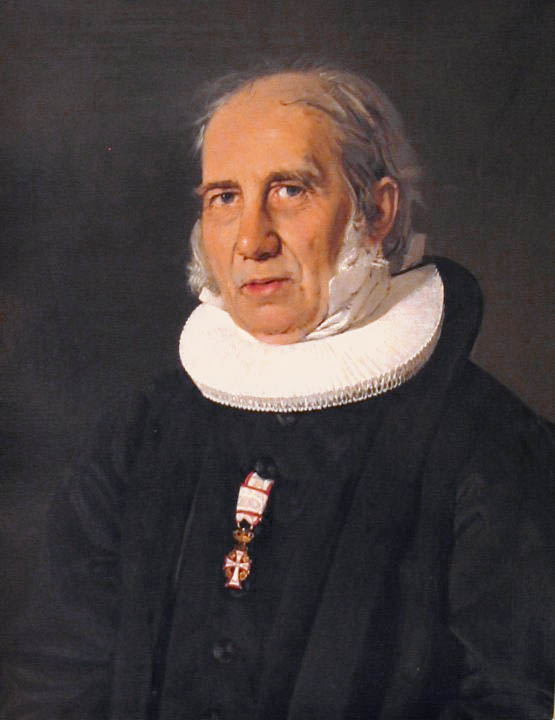
N.F.S. Grundtvig
 (Nikolaj Frederik Severin Grundtvig)
Colossal Danish philosopher, bishop, and educational reformer who created the Folk High School movement, wrote over 1,500 hymns, and shaped modern democratic Danish identity.
Nasif al-Yaziji
 (ناصيف اليازجي)
Founding master of the modern Arabic language revival who authored 'Majma al-Bahrayn' and revitalized classical rhetoric.
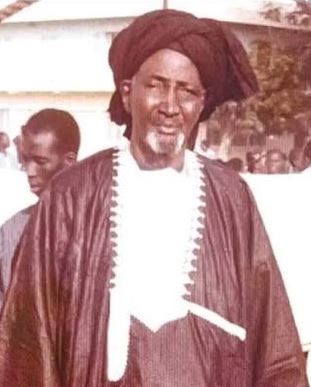
Mahmoud Kabadou
 (محمود قبادو)
Pioneering Tunisian scholar, poet, and professor at the Bardo Military Academy who argued that mastering modern sciences and technology was a religious duty for the renewal of Islamic civilization.
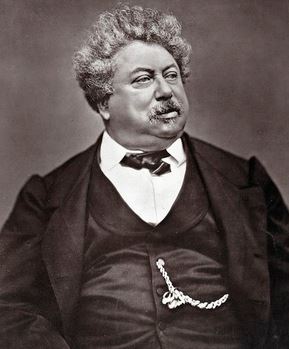
Alexandre Dumas (Dumas père)
(Alexandre Dumas)
Supreme master of swashbuckling historical adventure fiction whose timeless serial epics—The Three Musketeers (All for one, one for all!) and The Count of Monte Cristo—rank among the most widely translated novels in human history.
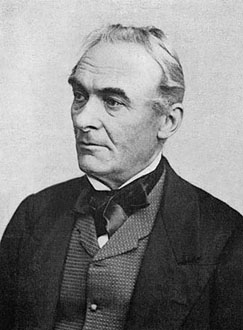
Prosper Mérimée
(Prosper Mérimée)
Master French novella writer, archaeologist, and Inspector General of Historical Monuments who wrote Carmen and preserved France's architectural heritage.
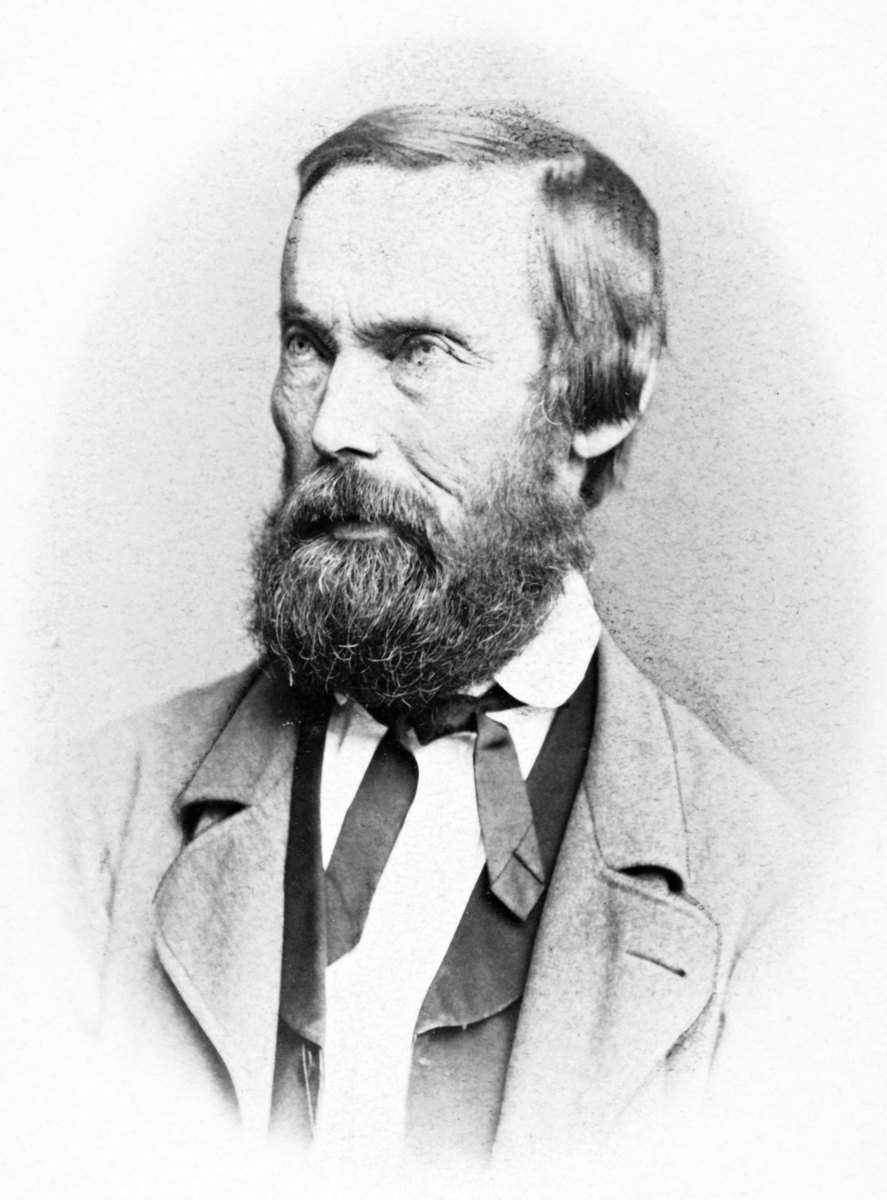
Aasmund Olavsson Vinje
 (Aasmund Olavsson Vinje)
Brilliant Norwegian lyric poet, essayist, and pioneer of Landsmål journalism who founded the weekly Dølen and wrote Ferdaminni and beloved lyrics set to music by Edvard Grieg.
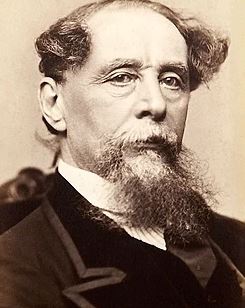
Charles John Huffam Dickens (Boz)
 (Charles Dickens)
Undisputed giant of the Victorian novel and crusader against social cruelty whose unforgettable characters and serialized masterworks—A Christmas Carol, David Copperfield, Oliver Twist, and Great Expectations—championed the poor and reshaped global Christmas culture.
Alphonse de Lamartine
(Alphonse Marie Louis de Prat de Lamartine)
Lyric poet of French Romanticism whose 1820 collection Méditations poétiques launched the Romantic movement with 'Le Lac', and who served as head of the Provisional Government proclaiming the Second French Republic in 1848.
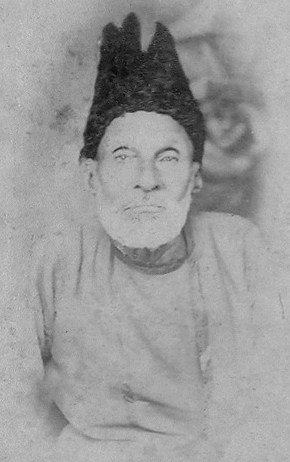
Mirza Ghalib
 (مرزا اسد اللہ خاں غالب)
Preeminent classical Urdu and Persian poet (1797–1869) whose profound ghazals captured love, philosophical skepticism, and the tragic twilight of the Mughal Empire in Delhi.
George Copway
 (Kah-ge-ga-gah-bowh (He Who Stands Firm))
Renowned Mississauga Ojibwe writer and orator whose 1847 memoir made him the first Canadian Indigenous author to achieve international literary best-seller status, lecturing across Britain, Europe, and North America.
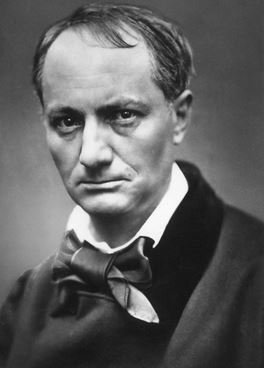
Charles Pierre Baudelaire
(Charles Baudelaire)
Revolutionary French poet whose 1857 masterpiece Les Fleurs du Mal (The Flowers of Evil) extracted incandescent beauty from urban decay, melancholy (spleen), and vice, founding modern European Symbolism and decadent aesthetics.
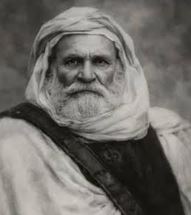
Mostefa Ben Brahim
 (مصطفى بن براهيم)
Celebrated as the 'Troubadour of the Beni Amer', the greatest 19th-century epic poet of western Algeria whose verse preserved national identity and popular resistance.
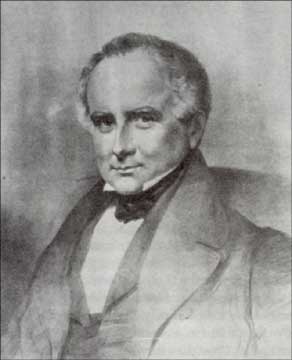
Thomas Chandler Haliburton
(Sam Slick)
Nova Scotia judge and internationally famous satirist whose Sam Slick stories popularized phrases like "barking up the wrong tree" and "quick as a wink."
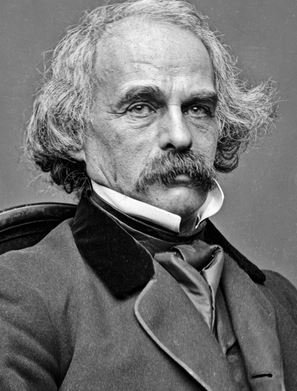
Nathaniel Hawthorne (born Hathorne)
 (Nathaniel Hawthorne)
Preeminent figure of American Dark Romanticism haunted by his Puritan ancestors' role in the 1692 Salem Witch Trials, who explored guilt, sin, and moral hypocrisy in The Scarlet Letter (Hester Prynne) and The House of the Seven Gables.