 Russia
•
8 views
Russia
•
8 views
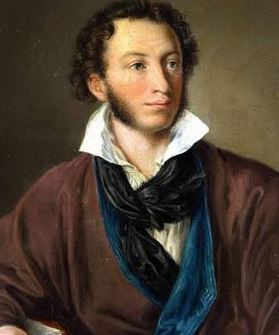
Alexander Sergeyevich Pushkin

Moscow, Russia
Archival Overview
Revered as 'The Sun of Russian Poetry' and the foundational father of modern Russian literature, whose novel in verse Eugene Onegin, drama Boris Godunov, and The Bronze Horseman forged the modern Russian literary language.
Biographical Record
Alexander Sergeyevich Pushkin (1799–1837), proud of his noble Russian lineage and his African maternal great-grandfather Abram Gannibal (a general under Peter the Great), was educated at the Imperial Lyceum in Tsarskoye Selo. Banished into southern exile for his defiant liberal verses supporting the Decembrist revolutionaries, Pushkin was placed under personal censorship by Tsar Nicholas I.
Pushkin transformed the Russian language from French court imitation into an instrument of dazzling, effortless poetic genius. In his verse novel Eugene Onegin (written in the unique 14-line 'Onegin stanza'), the tragic drama Boris Godunov, and the haunting equestrian poem The Bronze Horseman, Pushkin laid the foundation for all subsequent Russian literature (Gogol, Tolstoy, Dostoevsky). At age thirty-seven, defending the honour of his wife Natalya Goncharova, Pushkin was mortally wounded in a pistol duel in the snowy woods of Saint Petersburg by Georges d'Anthès.
Key Life Milestones
Completion of Eugene Onegin (The Boldino Autumn)
Finished his novel in verse during the quarantine of Boldino Autumn, creating the masterpiece of Russian poetry.
Fatal Duel at the Black River in Saint Petersburg
Died defending his wife's honour, mourned by tens of thousands as the 'Sun of Russian Poetry'.
Memorial Guestbook & Tributes
0 messages recordedLeave a Respectful Tribute
Final Resting Place
Perpetual MemorialSaint Petersburg, Russia