Public Figures & Cultural Luminaries
Filterable archive covering centuries of intellectual, artistic, and moral contributions to the human story.
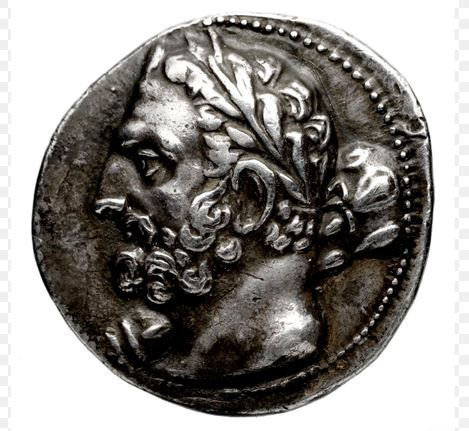
Micipsa
 (ميكيبسا)
Eldest son of Masinissa who ruled unified Numidia for thirty years (148–118 BCE), patronized Greek philosophers, constructed monumental palaces, and maintained prosperous peace.
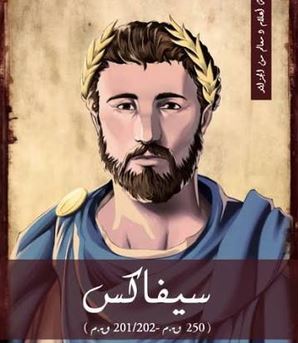
Syphax
(سيفاقس)
Powerful King of the Masaesyli Numidians of western Algeria, who established Siga as his capital, commanded 50,000 warriors, and was courted by both Rome and Carthage in the Second Punic War.
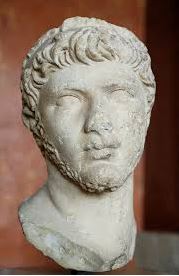
Tacfarinas
(تاكفاريناس)
Numidian military leader and former Roman auxiliary officer who led a ten-year armed Berber guerrilla war (17–24 CE) across Algeria, Tunisia, and Libya, defying the Roman Empire under Emperor Tiberius.
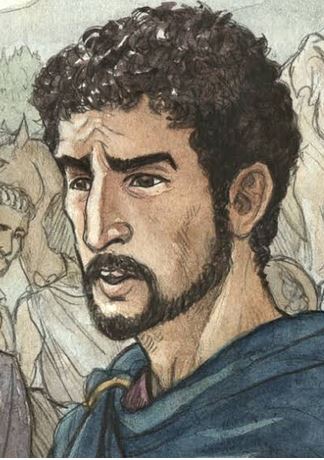
Maharbal
 (مهربعل)
Supreme commander of Hannibal's elite Numidian and Iberian cavalry, whose tactical genius at Lake Trasimene and Cannae crushed Roman legions, famous for urging an immediate march on Rome.
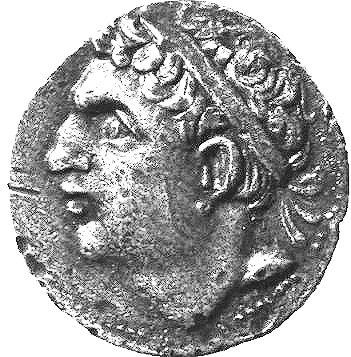
Hasdrubal Barca
(صدر بعل برقة)
Carthaginian general who defended Barcid Hispania against the Scipio brothers for a decade and made an epic winter crossing of the Alps to reinforce Hannibal, dying heroically at the Metaurus.
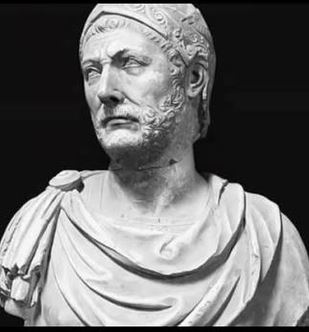
Hamilcar Barca
(حملقار برقة)
Legendary Carthaginian statesman and general who commanded forces in Sicily during the First Punic War, crushed the brutal Mercenary War, and conquered southern Hispania to build the Barcid empire.
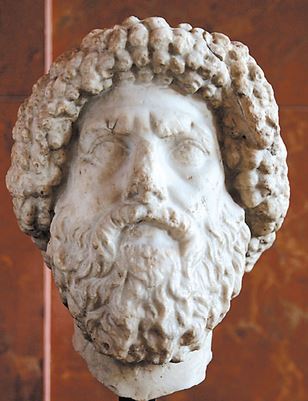
Juba I of Numidia
(يوبا الأول)
Fierce Numidian king who allied with Pompey against Julius Caesar in the Roman Civil War, annihilated Caesar's general Curio at the Bagradas River, and chose death over capture after the Battle of Thapsus.
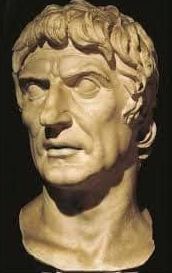
Jugurtha
(يوغرطة)
Numidian king and military strategist who waged the protracted Jugurthine War against the Roman Republic, exposing Roman political corruption and famous for declaring 'A city for sale and doomed to perish if it finds a buyer!'
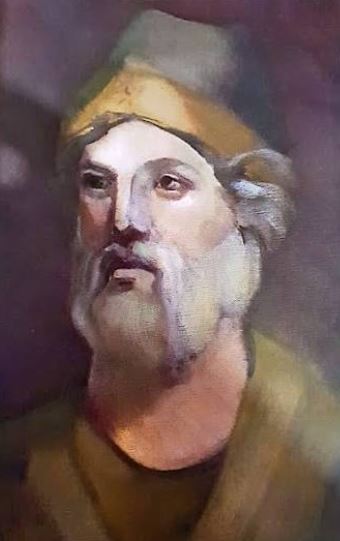
Masinissa
(ماسينيسا)
Foundational Numidian king and peerless cavalry commander who united the Berber tribes into a powerful North African kingdom, secured victory for Scipio Africanus at the Battle of Zama, and coined the doctrine 'Africa belongs to the Africans'.
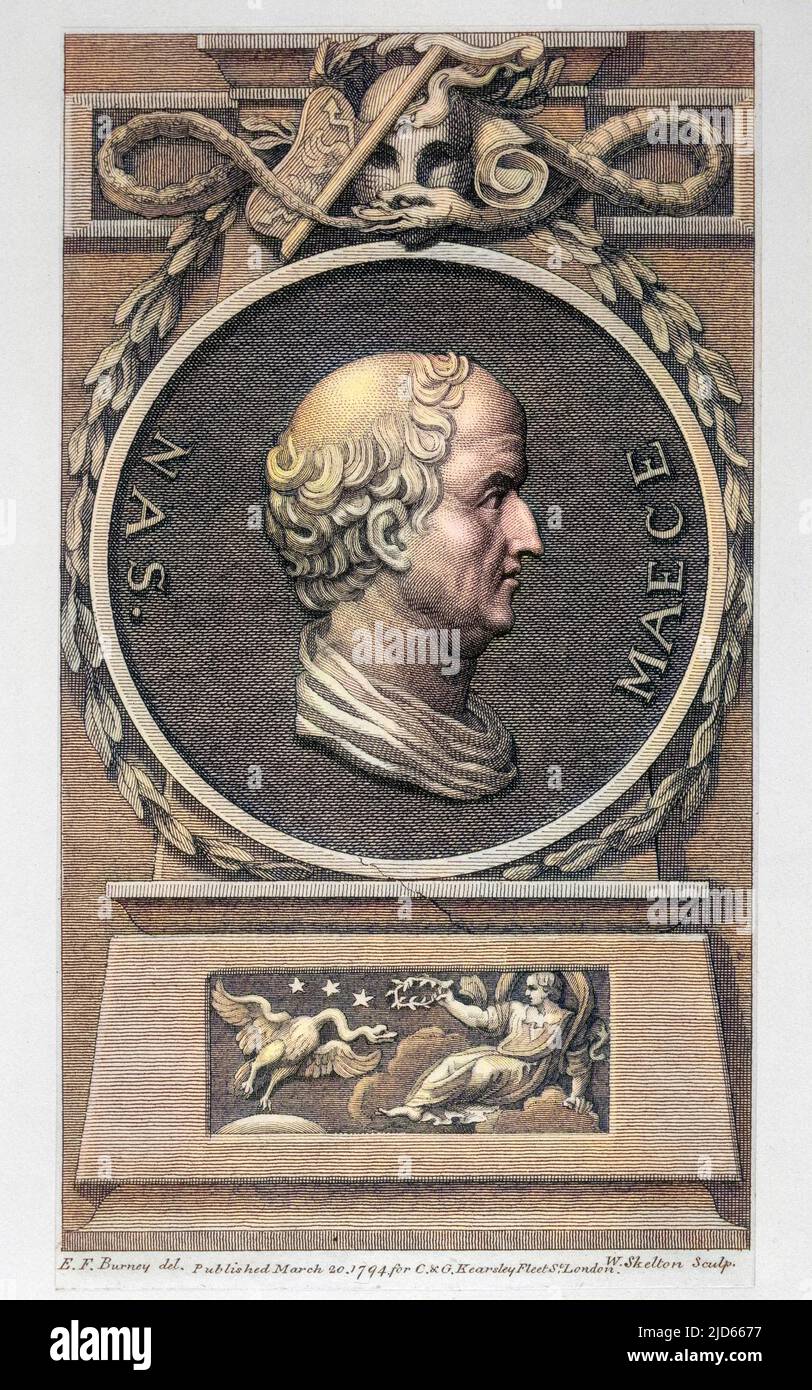
Gaius Cilnius Maecenas
 (Gaius Cilnius Maecenas)
Trusted political advisor and diplomat to Emperor Augustus whose enlightened cultural patronage of Virgil and Horace permanently made his name synonymous with artistic patronage.
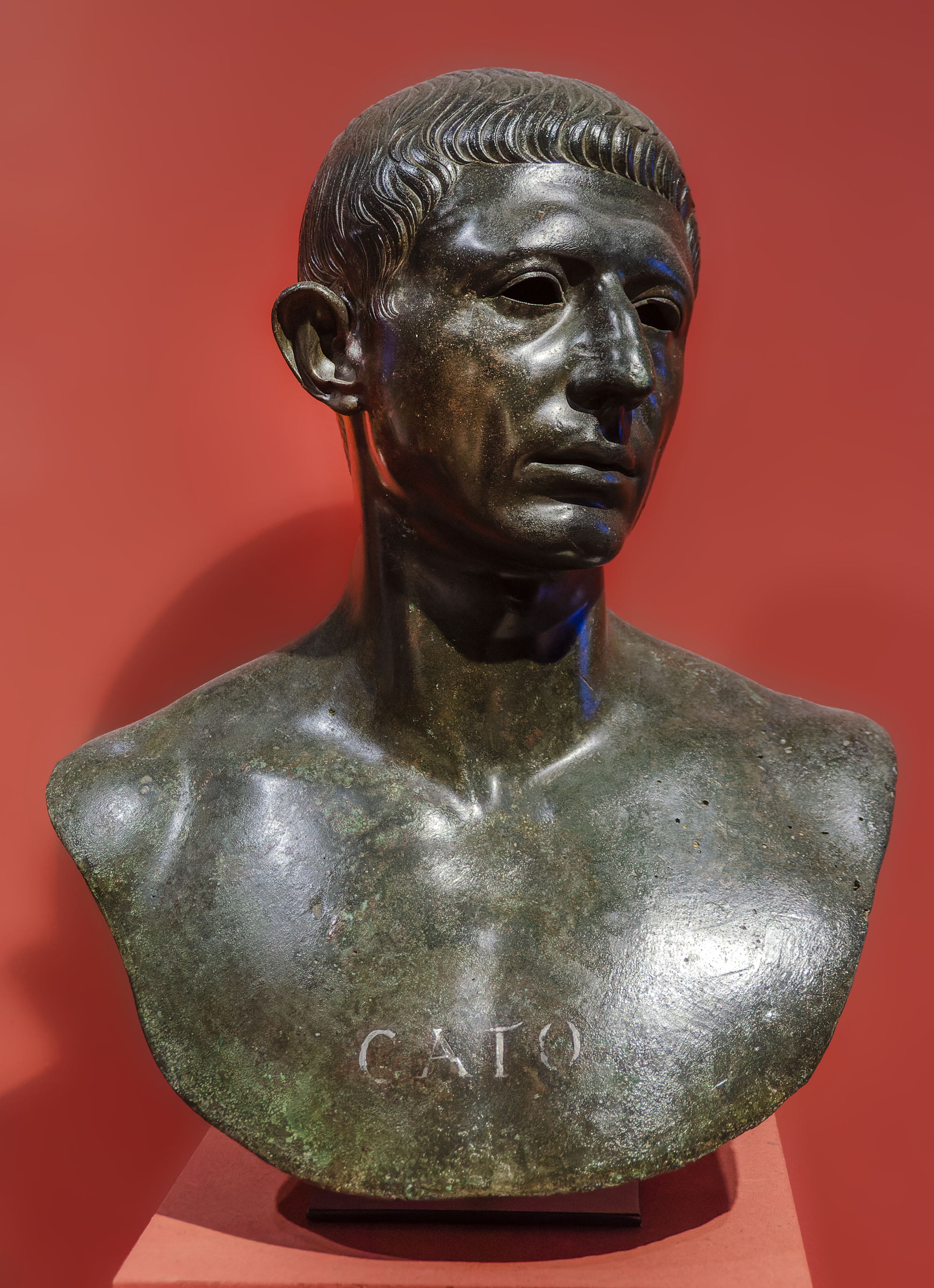
Marcus Porcius Cato Uticensis
(Marcus Porcius Cato Uticensis)
Incorruptible Roman Stoic statesman and senator who led the constitutional defense of the Republic against Julius Caesar, choosing suicide at Utica over servitude.
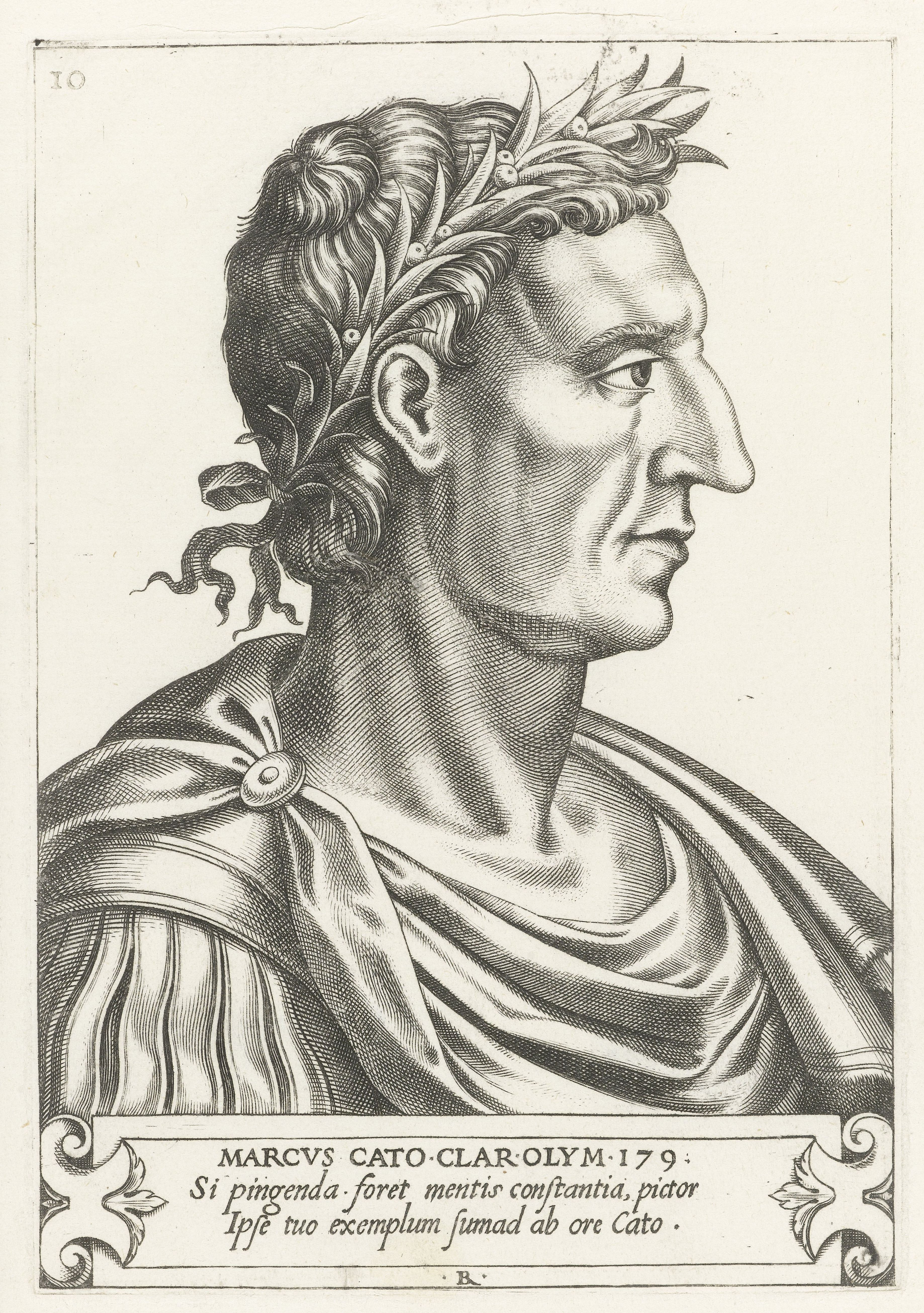
Marcus Porcius Cato
(Marcus Porcius Cato)
Roman statesman, orator, and Censor (Cato Censorius) who embodied austere republican virtue, resisted Hellenistic luxury, and ended every Senate speech with 'Carthago delenda est'.
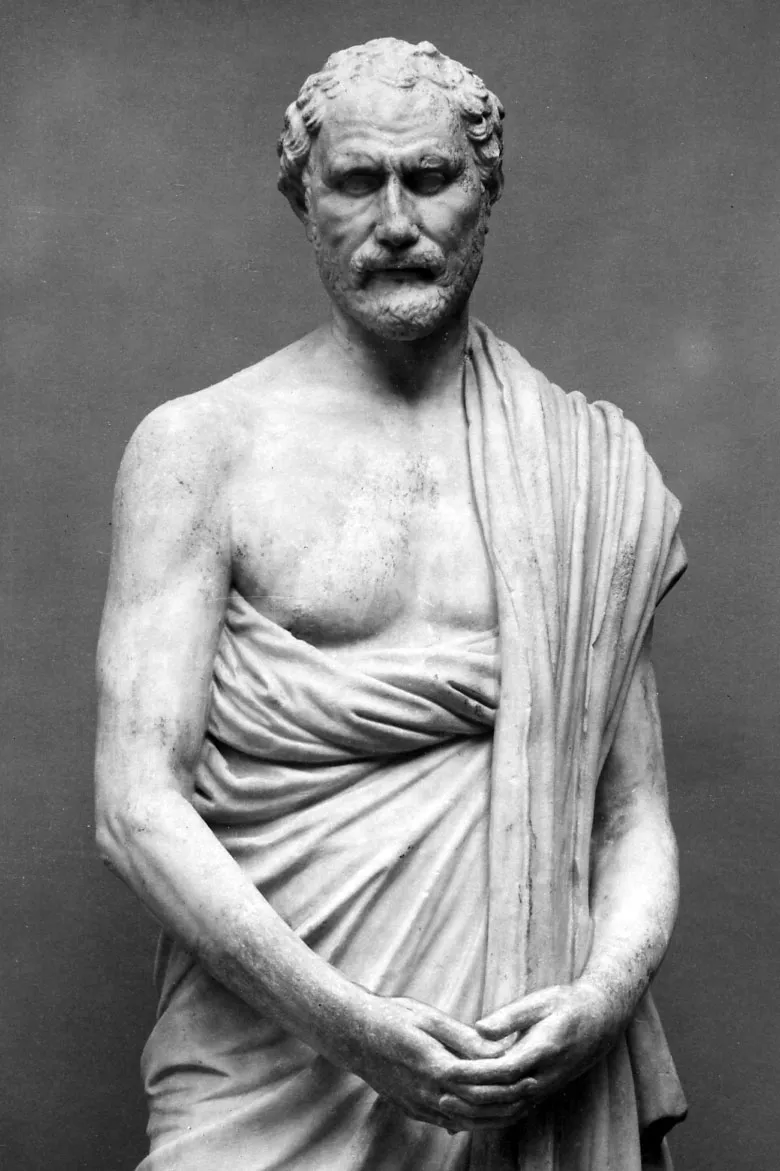
Demosthenes
 (Δημοσθένης)
Greatest orator and statesman of classical Greece whose fiery Philippics galvanized Athens to resist Macedonian hegemony under Philip II and Alexander the Great.
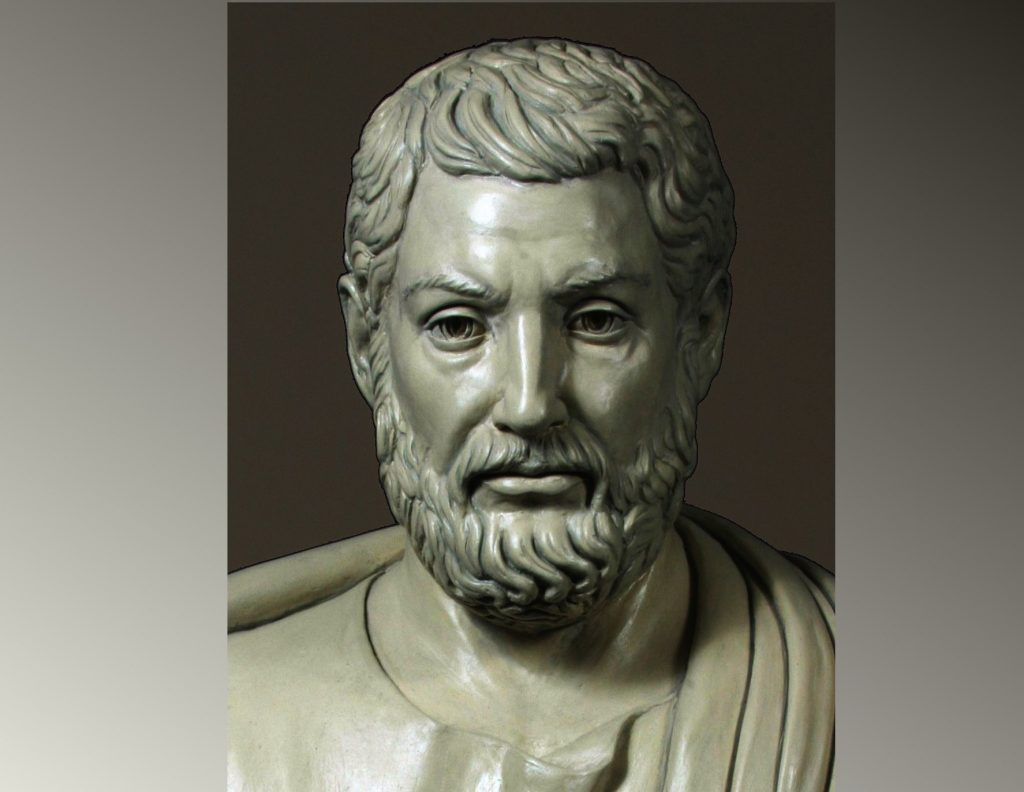
Cleisthenes
(Κλεισθένης)
Athenian noble of the Alcmaeonid clan revered as the 'Father of Athenian Democracy' for breaking aristocratic tribal power and establishing isonomia (equality before the law).
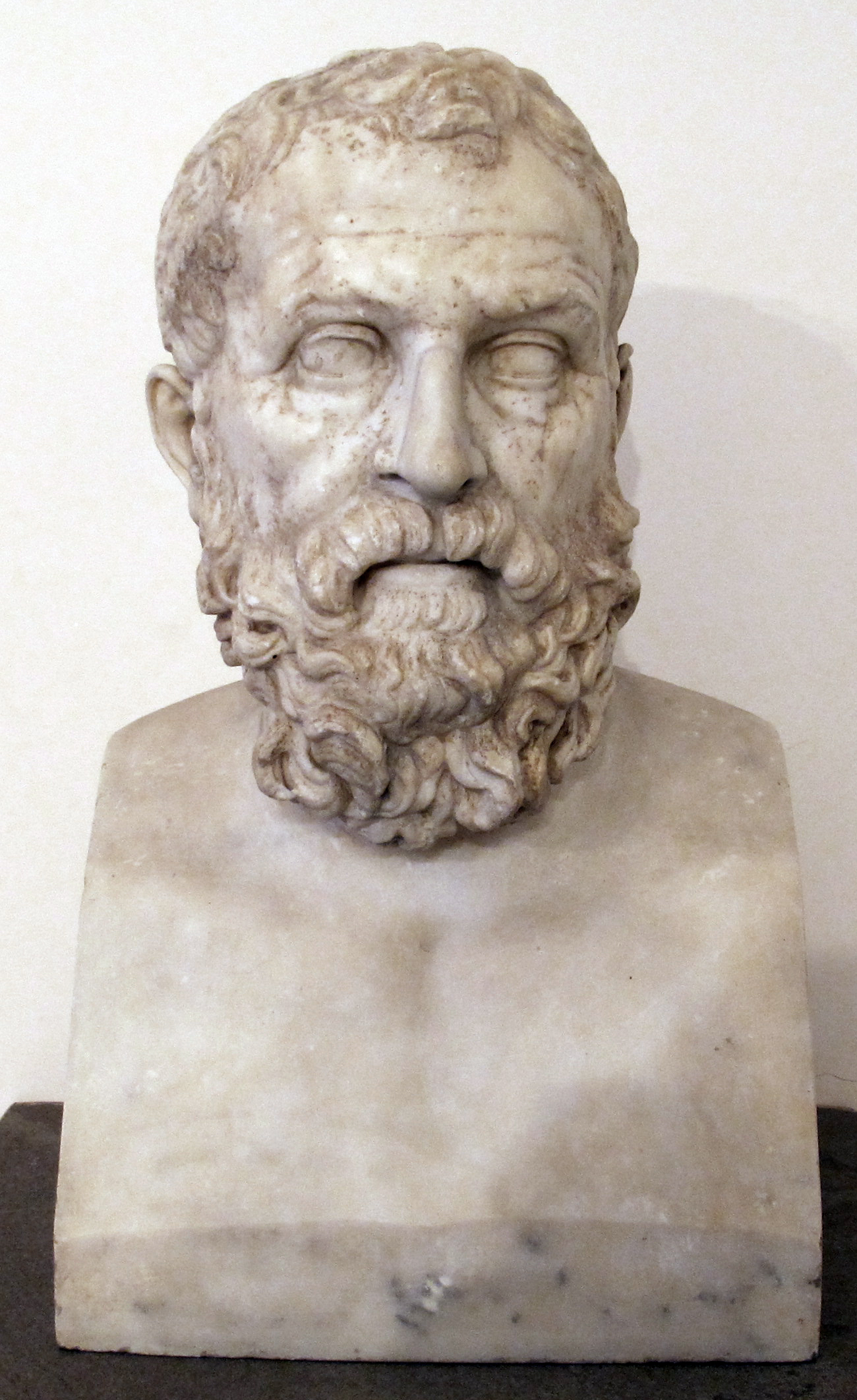
Solon
(Σόλων)
Archaic Athenian lawmaker, poet, and one of the Seven Sages of Greece who abolished debt slavery (Seisachtheia) and laid the legal foundation for Athenian democracy.
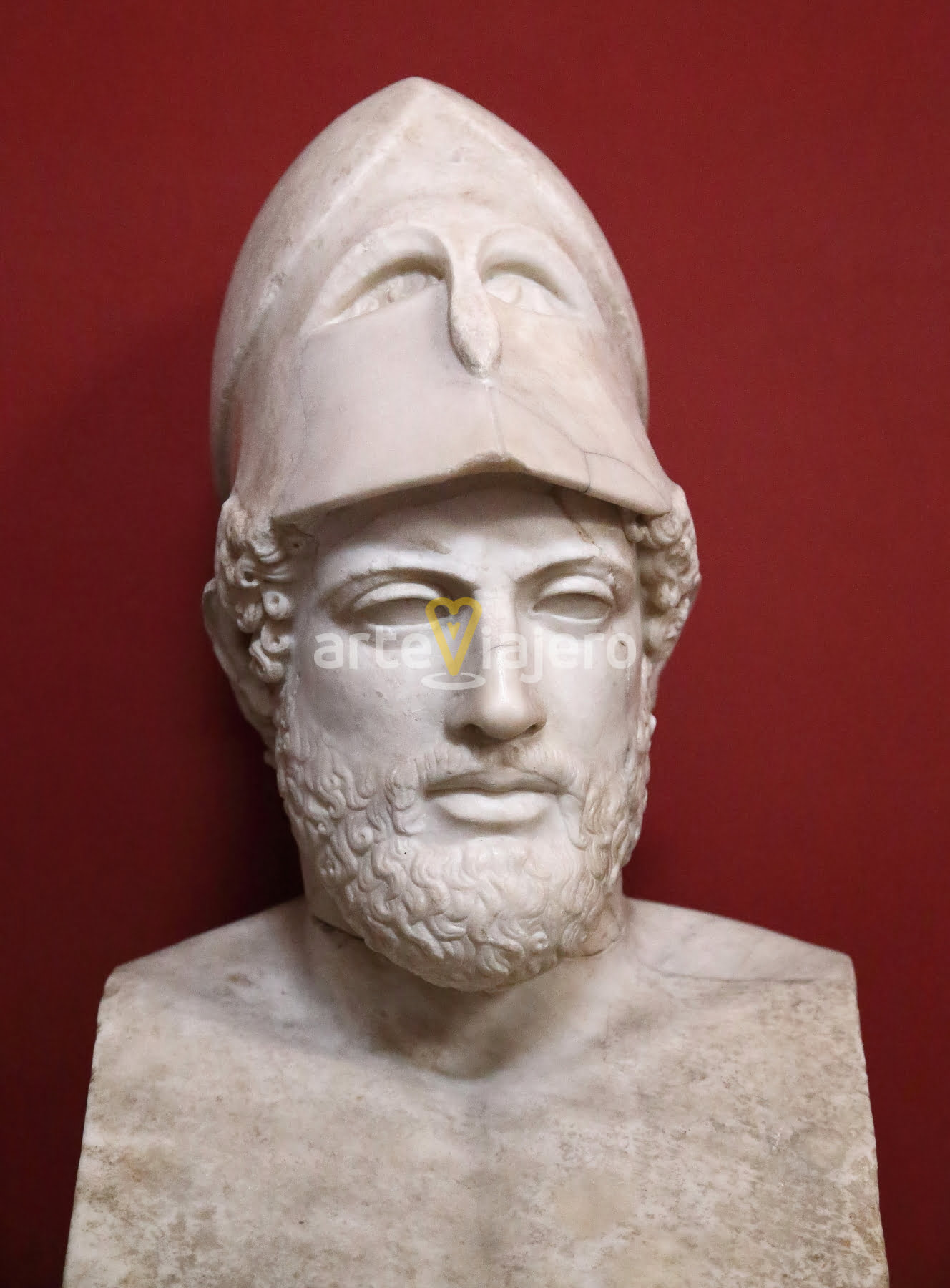
Pericles
(Περικλῆς)
Foremost Athenian statesman, orator, and general who led Athens during its Golden Age, promoted radical democracy, and commissioned the Parthenon on the Acropolis.
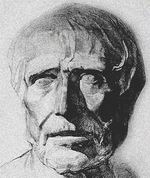
Titus Lucretius Carus
(Titus Lucretius Carus)
Roman poet and philosopher whose epic didactic poem De Rerum Natura (On the Nature of Things) expounded Epicurean atomism and liberated humans from superstitious dread.
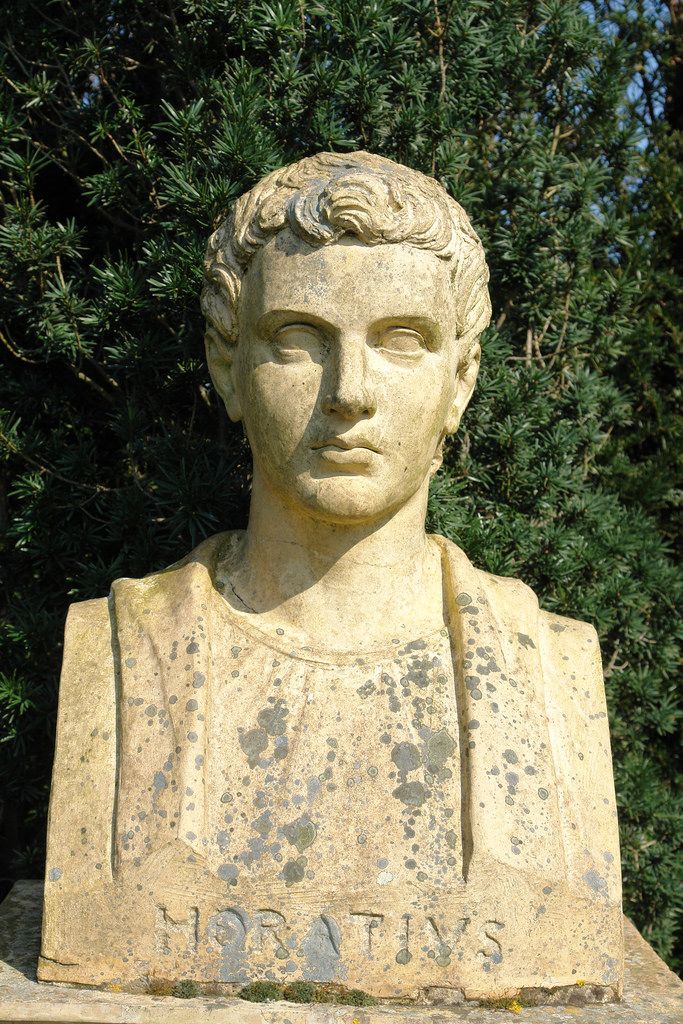
Quintus Horatius Flaccus
(Quintus Horatius Flaccus)
Supreme Augustan lyric poet and satirist who coined 'carpe diem' and 'dulce et decorum est pro patria mori' across his Odes, Satires, and Ars Poetica.