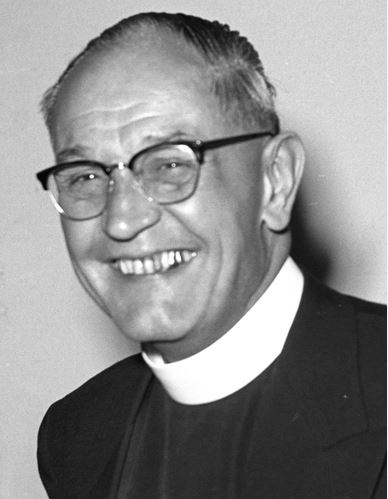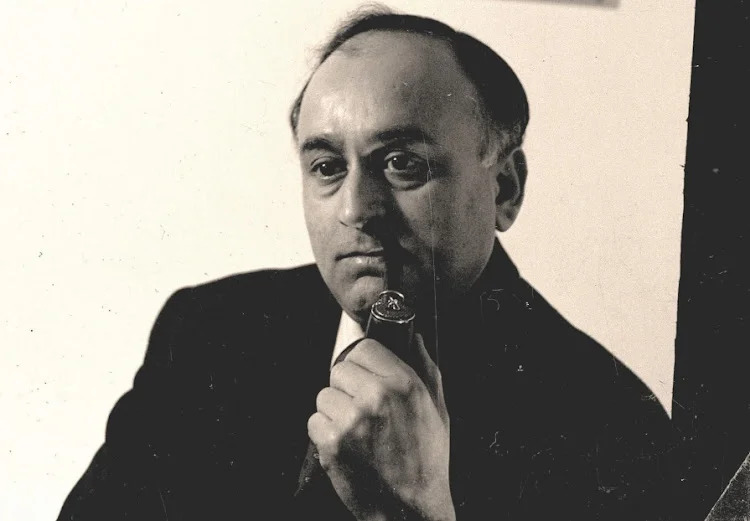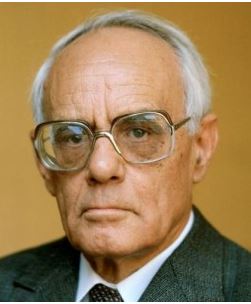
Karl Rahner
German Jesuit priest, Doctor of the Church, and principal theological architect of the Second Vatican Council whose transcendental Thomism formulated the 'Anonymous Christian'.
Start typing to search worldwide archives and community tributes
Filterable archive covering centuries of intellectual, artistic, and moral contributions to the human story.
German Jesuit priest, Doctor of the Church, and principal theological architect of the Second Vatican Council whose transcendental Thomism formulated the 'Anonymous Christian'.
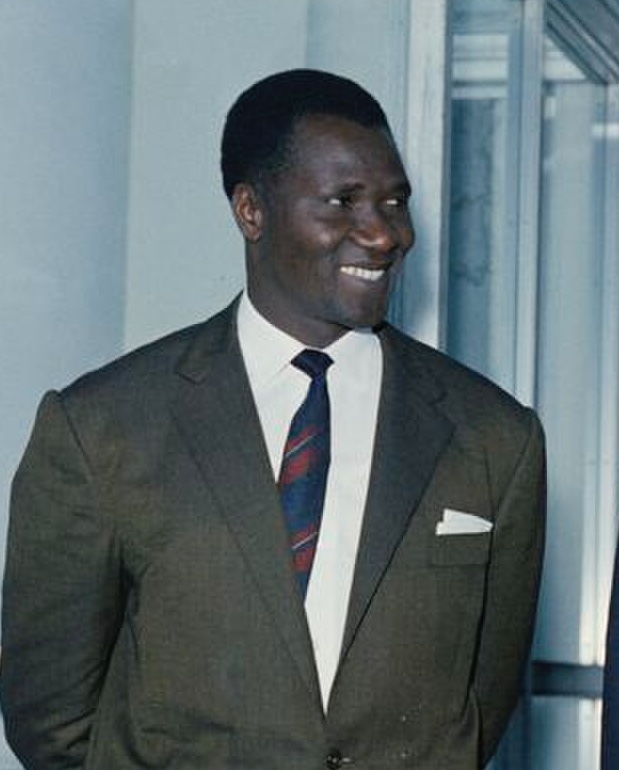
First President of independent Guinea (1958โ1984) who famously made history on August 25, 1958, by looking General Charles de Gaulle in the eye and declaring 'No' to the French Community: 'We prefer poverty in liberty to riches in slavery.'
German theologian and Lutheran pastor who founded the anti-Nazi Confessing Church, was held as Hitler's 'personal prisoner' in Sachsenhausen and Dachau concentration camps for eight years, and authored the immortal poem 'First they came...'.
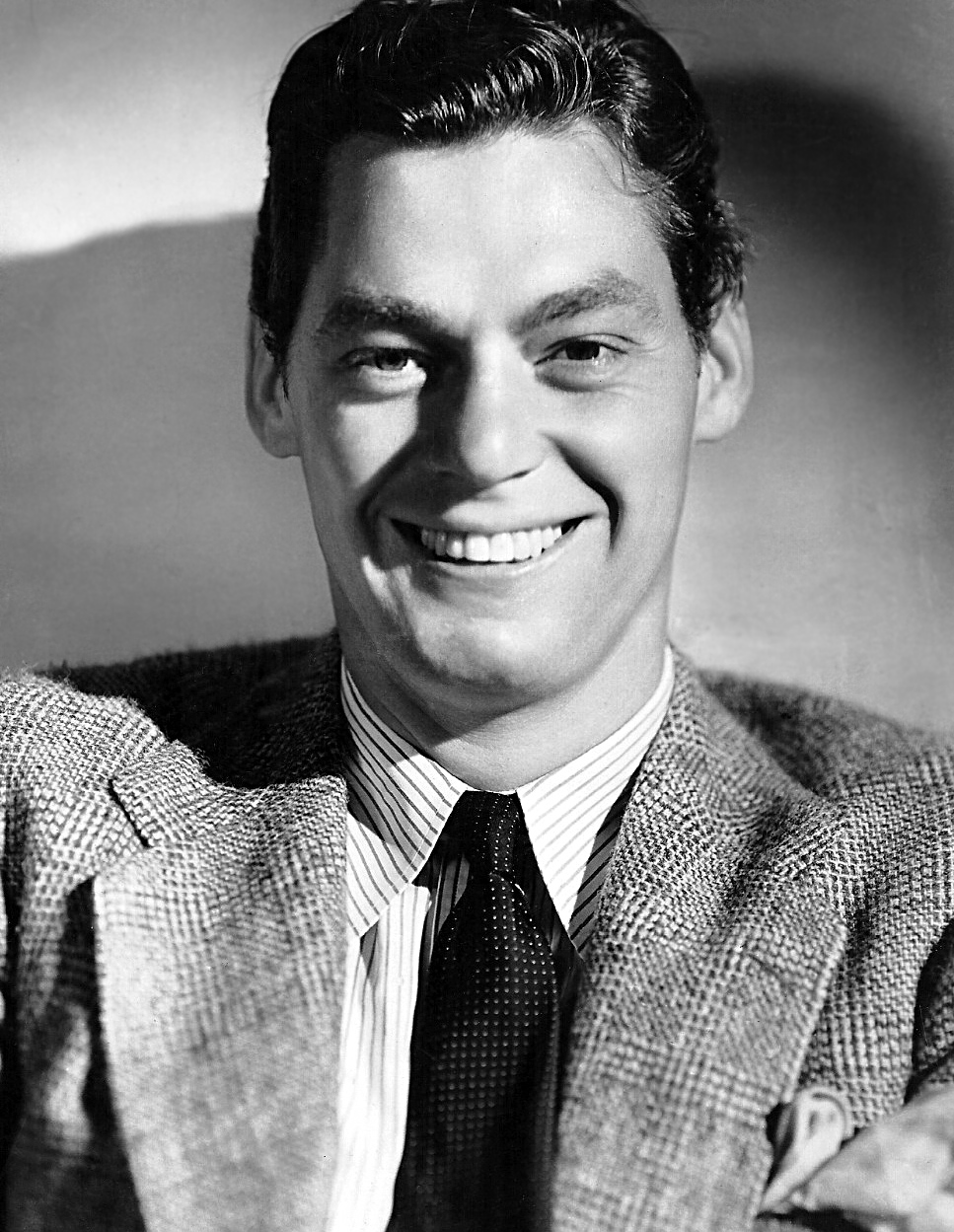
Austro-Hungarian-born American swimmer who won five Olympic gold medals, never lost an individual freestyle race, and starred as Hollywood's Tarzan.
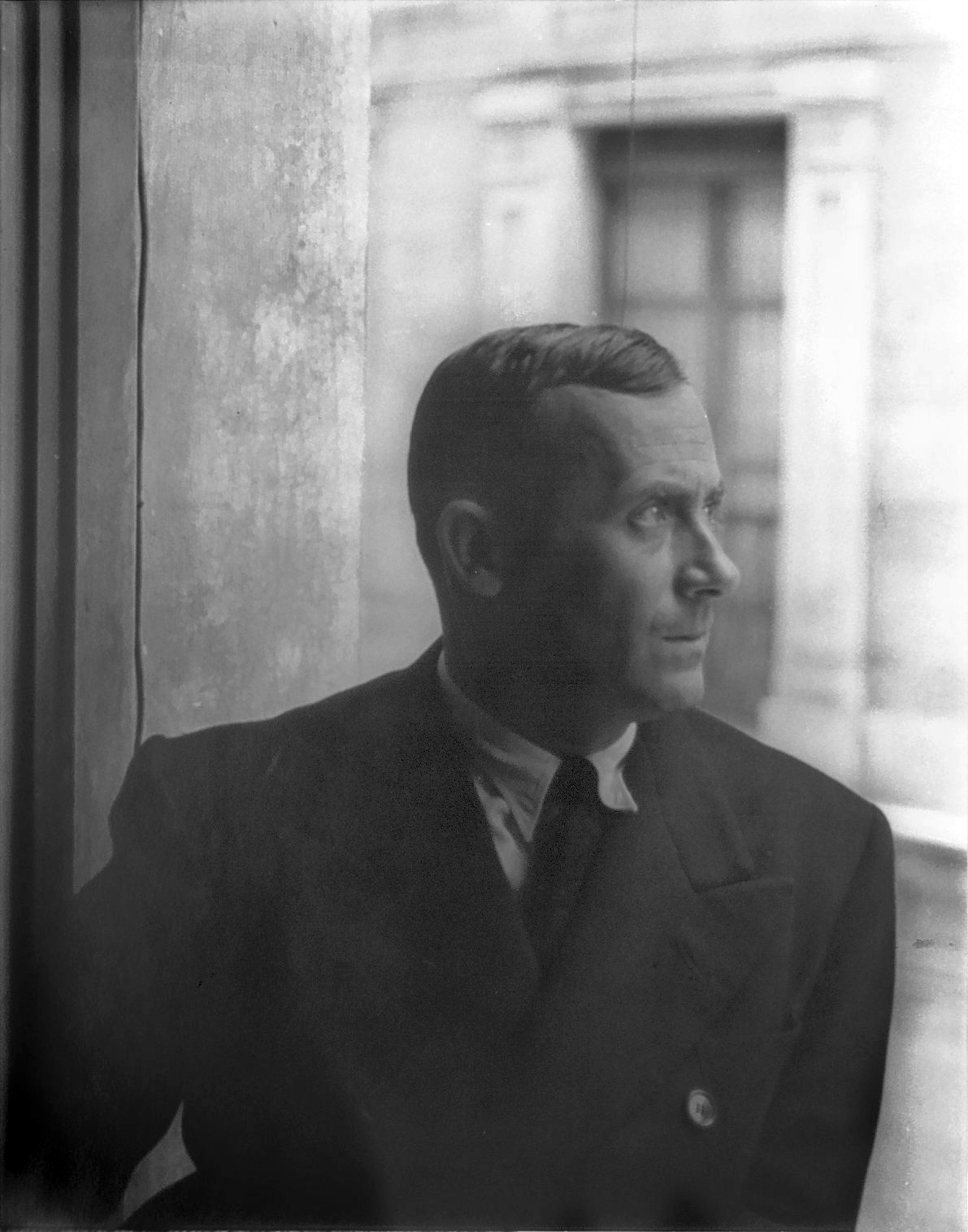
Catalan painter, sculptor, and ceramicist whose whimsical Surrealist dreamscapes and biomorphic forms redefined modern art.
Pioneering Tunisian novelist and educator acclaimed as the 'Father of the Modern Tunisian Novel', who daringly introduced spoken vernacular dialogue into literature in his masterwork 'Degla fi Arajiniha' (Dates on their Bunches).
Physician and leader of the South African Indian Congress who signed the 1947 'Three Doctors' Pact' forging the historic alliance between Black and Indian freedom fighters.
Anglican priest and civil rights champion who served as the official petitioner for the Herero people at the United Nations, bringing Namibian independence to the world stage.
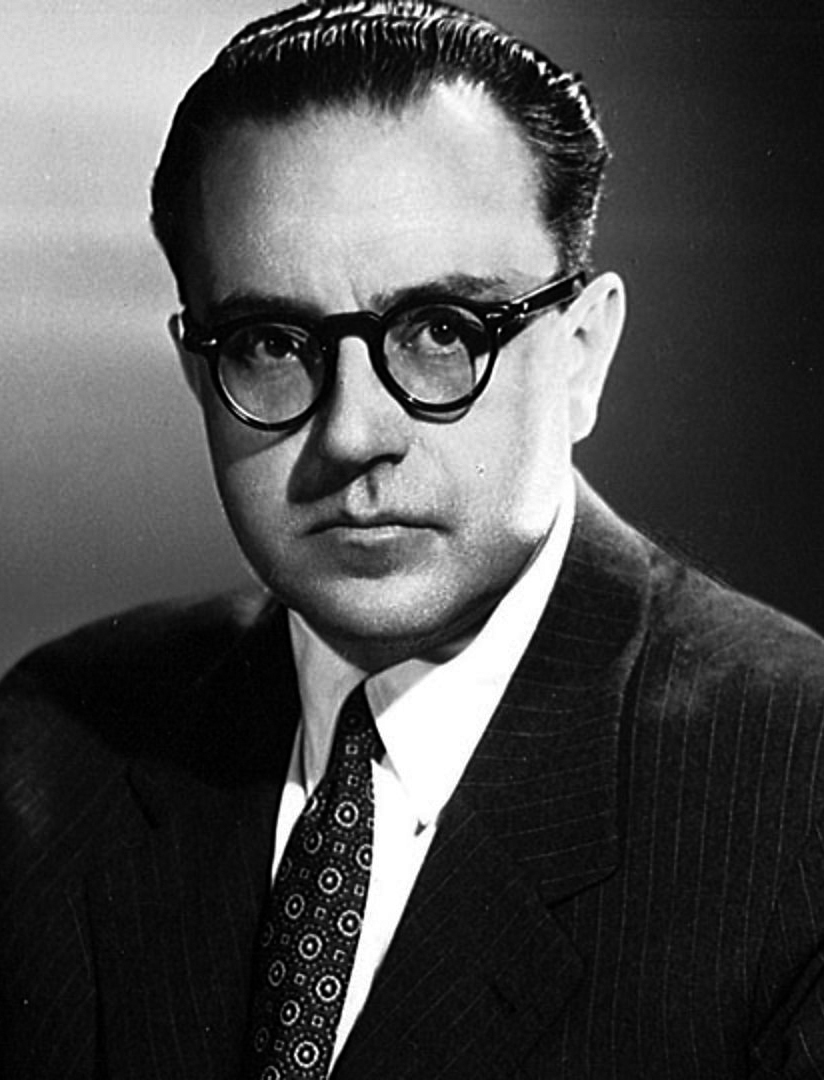
Argentine classical composer acclaimed as the greatest South American composer of the twentieth century, celebrated for Danzas Argentinas, the ballet Estancia, and innovative neo-expressionist operas.
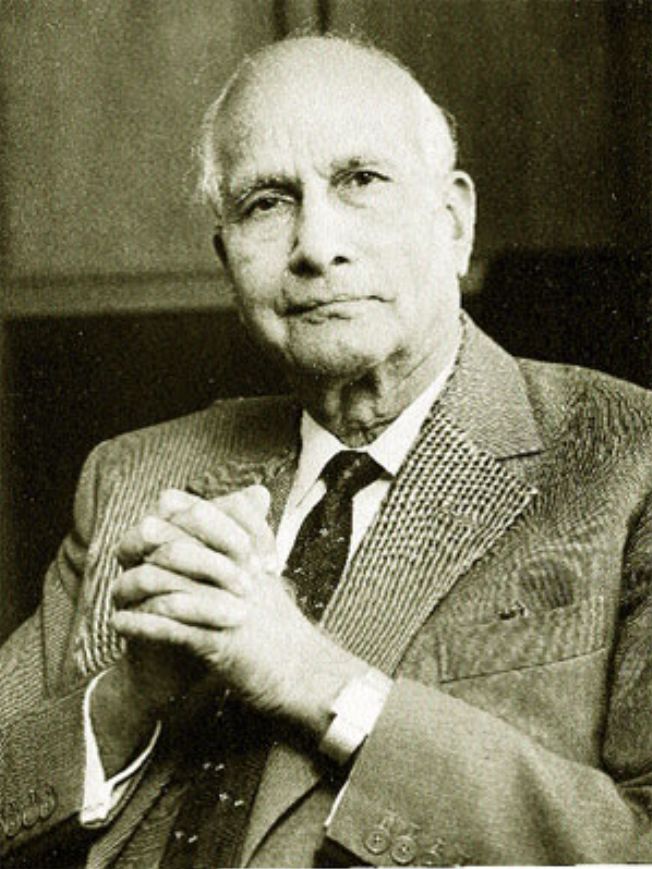
Magnat de l'industrie et philanthrope indien, mรฉcรจne principal du Mahatma Gandhi et du mouvement pour l'indรฉpendance, bรขtisseur du BITS Pilani.
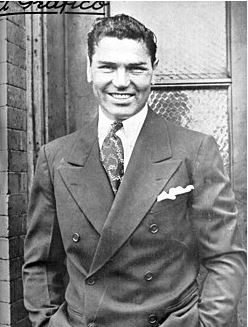
William Harrison 'Jack' Dempsey, 'The Manassa Mauler', was an explosive American heavyweight boxing champion who became one of the greatest cultural icons of the Roaring Twenties. Renowned for his ferocious aggression, bobbing-and-weaving 'Dempsey Roll', and devastating punching power, he drew boxing's first million-dollar gates and reigned as world champion from 1919 to 1926.
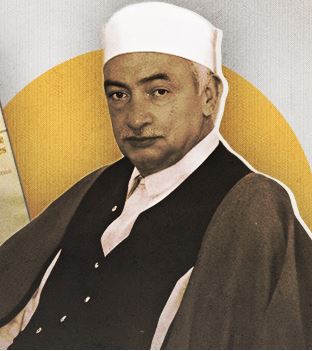
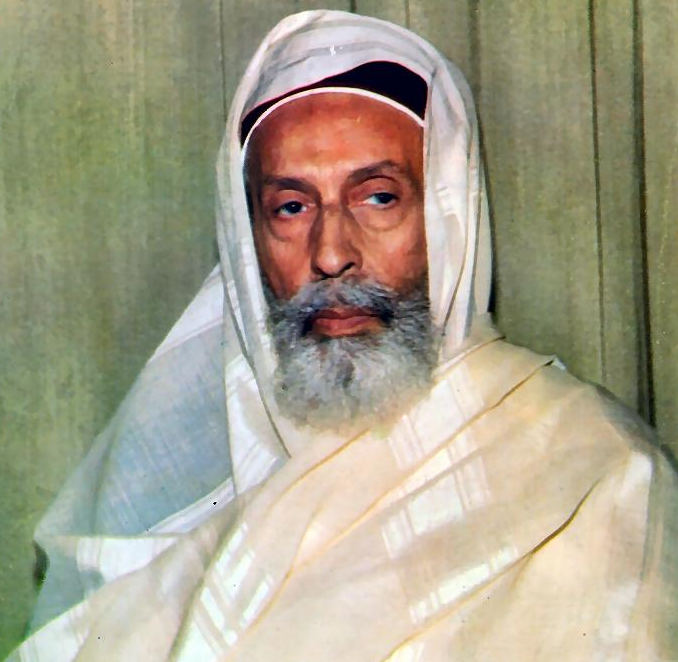
First and only King of the United Kingdom of Libya (1951โ1969), leader of the Senussi Sufi order, who proclaimed Libyan independence on December 24, 1951, uniting Cyrenaica, Tripolitania, and Fezzan.
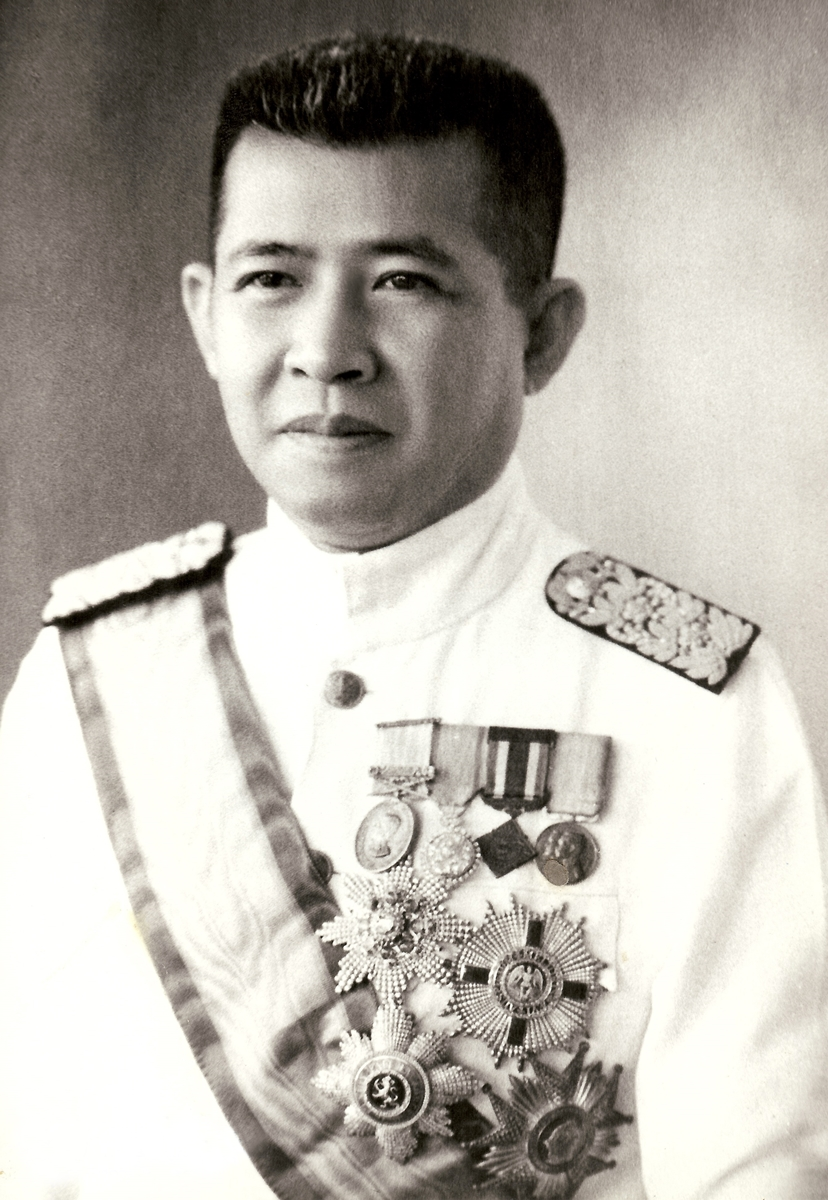
Father of Thai democracy who led the Siamese Revolution of 1932 ending absolute monarchy, founded Thammasat University, and led the anti-Japanese Free Thai Movement.
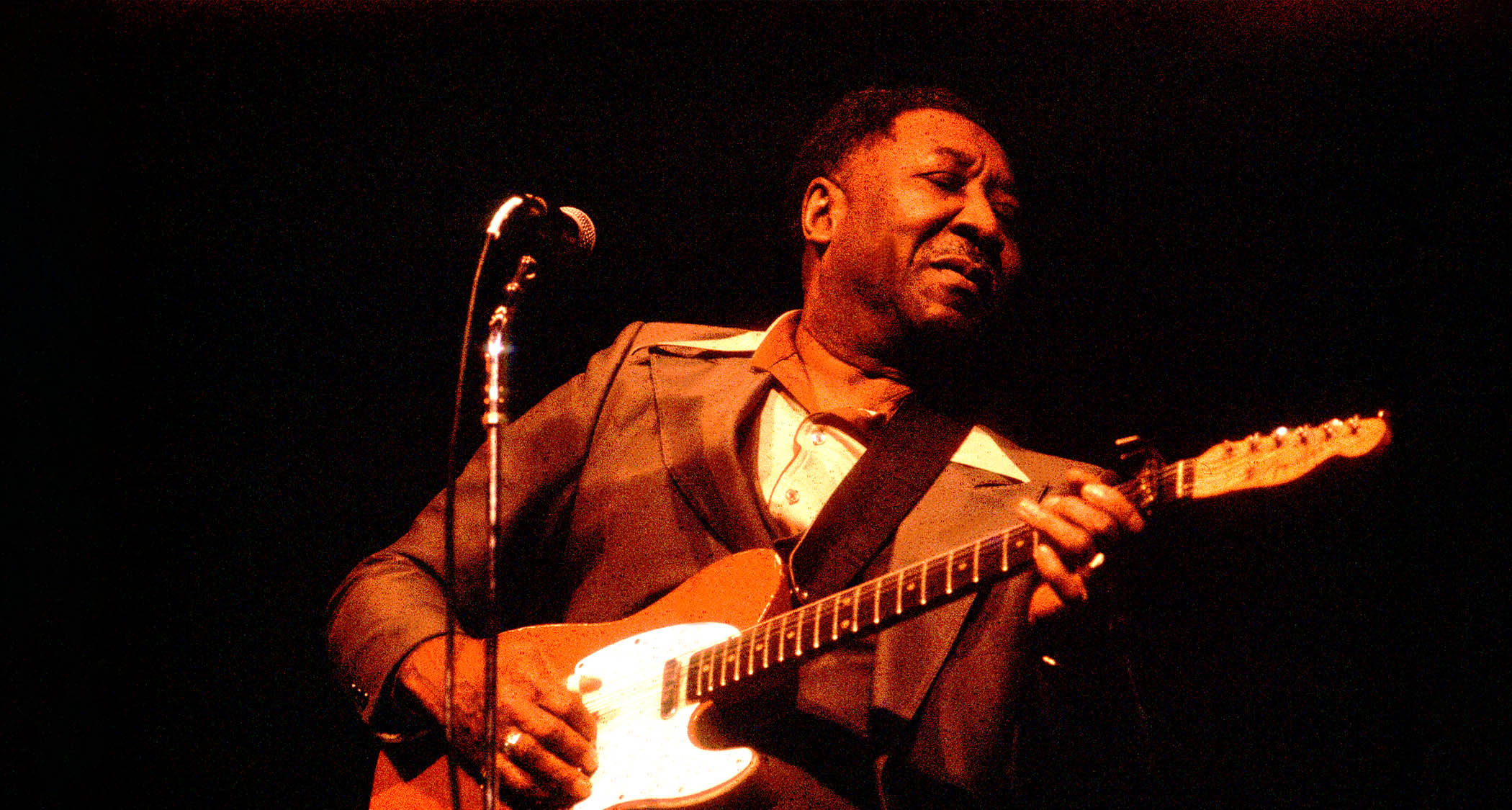
'Father of Modern Chicago Blues' whose amplified electric sound laid the foundation for modern rock and roll.
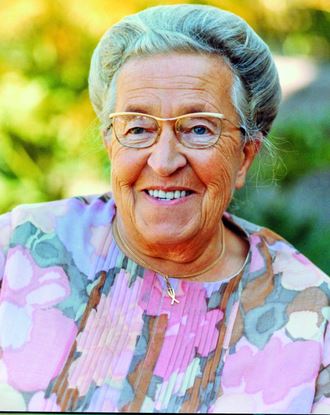
Dutch watchmaker who, along with her family, harbored hundreds of Jews and resistance fighters in a secret room inside their Haarlem house during the Nazi occupation, surviving Ravensbrรผck concentration camp.
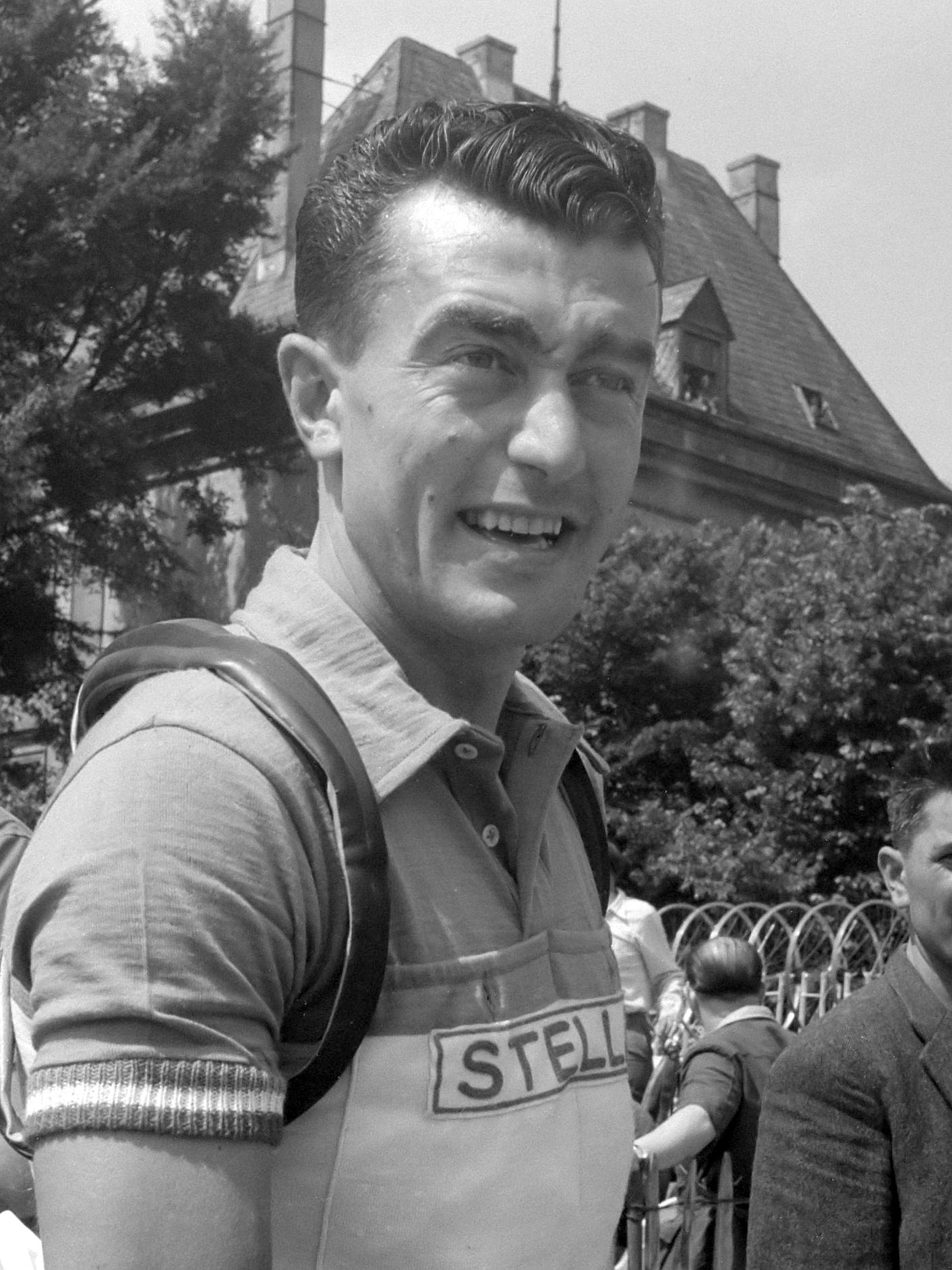
French professional road cyclist who was the first rider to win the Tour de France in three consecutive years (1953, 1954, 1955).
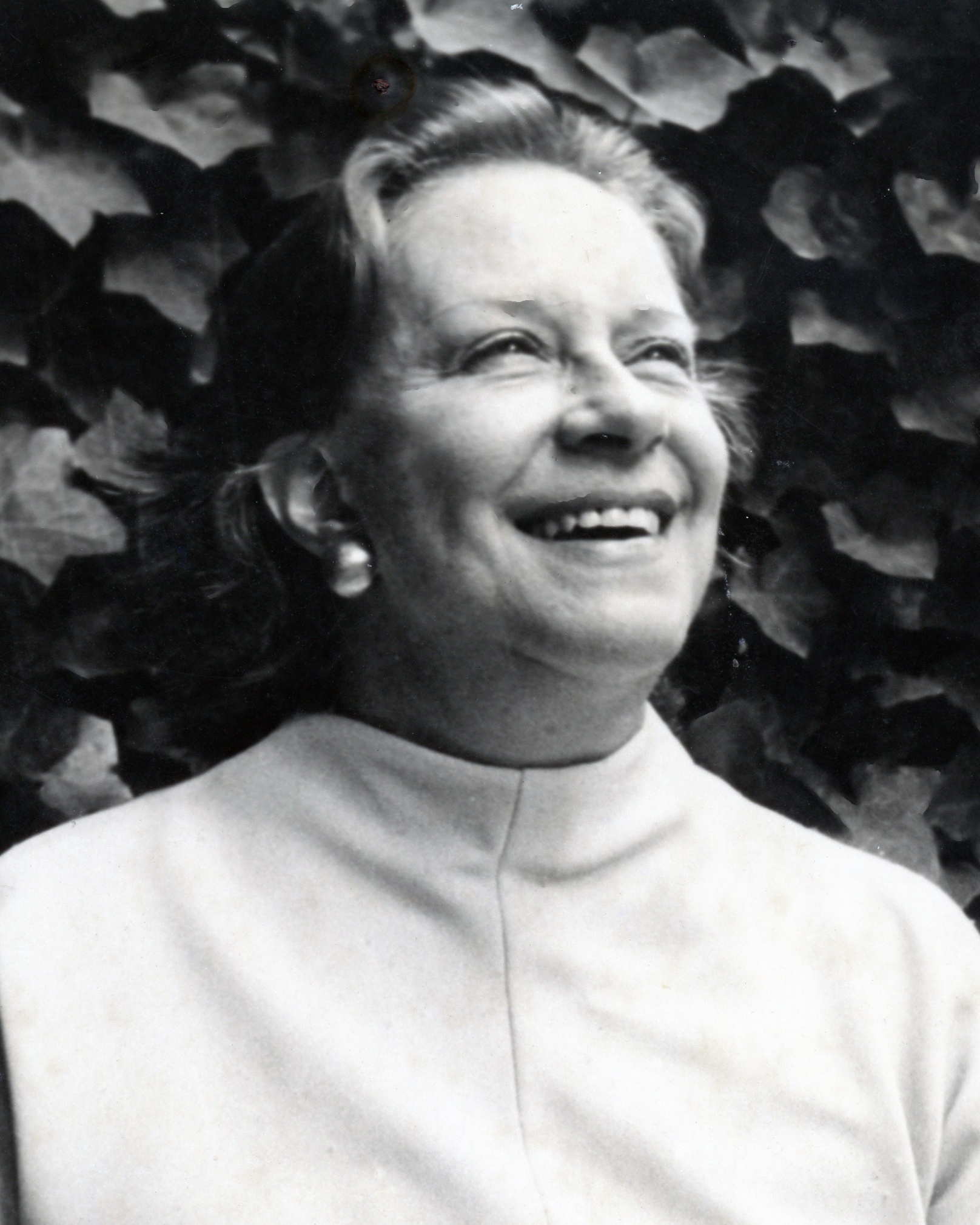
Peruvian singer-songwriter and poet universally revered as the queen of musica criolla, world-famous for the iconic waltz La flor de la canela.
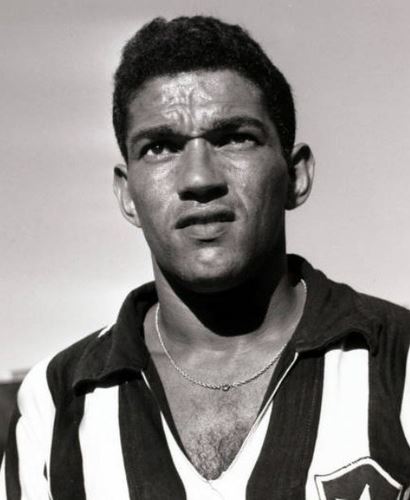
Manuel Francisco dos Santos, beloved worldwide as Garrincha ('the Little Bird'), was an Argentine and Brazilian football folk hero renowned as the most mesmerizing dribbler in the history of the sport. Born with physical deformities including a deformed spine and crooked legs, he triumphed over all physical limitations to win the 1958 and 1962 World Cups, single-handedly carrying Brazil to the 1962 trophy after Pelรฉ's injury.