Public Figures & Cultural Luminaries
Filterable archive covering centuries of intellectual, artistic, and moral contributions to the human story.
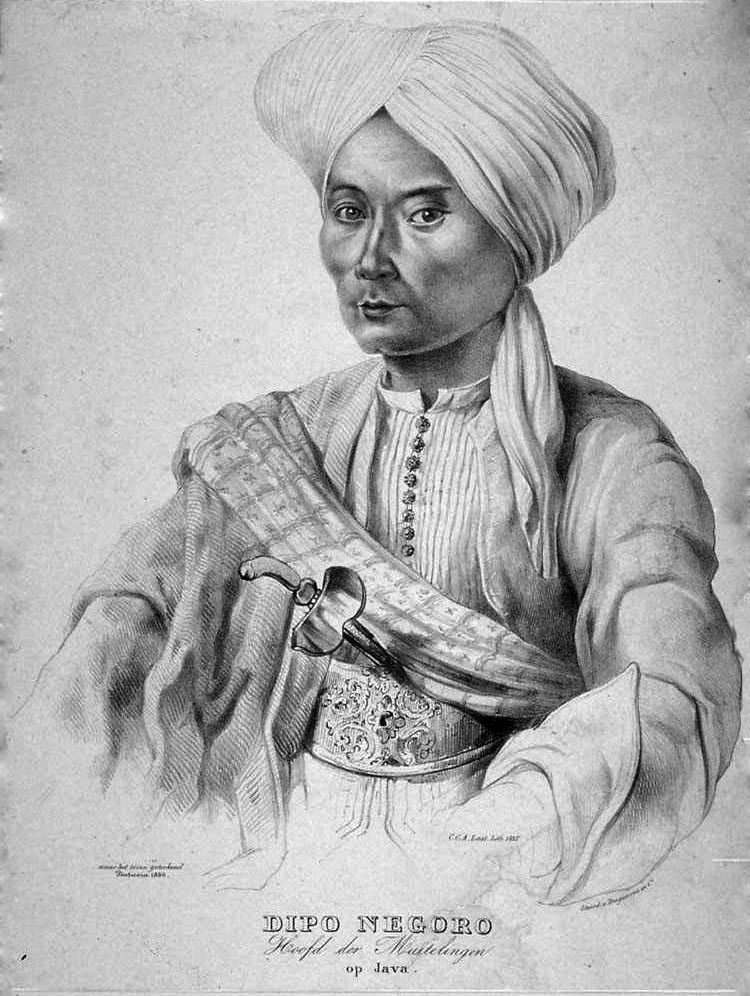
Prince Diponegoro
 (Bendara Pangeran Harya Dipanegara)
Javanese prince and spiritual leader who led the devastating Java War (1825–1830) against Dutch colonial rule, nearly bankrupting the Dutch colonial empire.
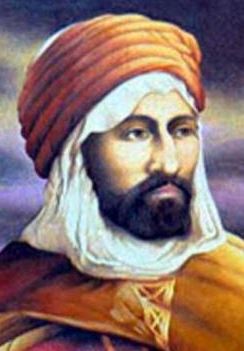
Cheikh Ahmed Taieb Ben Salem
 (أحمد بن سالم الدلسي)
Emir Abdelkader's chief lieutenant and Khalifa of Sebaou and Kabylia, who mobilized thousands of fighters to inflict severe defeats on French colonial armies in the 1840s.

Sidi Amor Abada
 (سيدي عمر عبادة)
Visionary 19th-century Sufi saint, prophet-craftsman, and master blacksmith of Kairouan who constructed the spectacular Mosque of the Sabres with its colossal iron swords and six fluted domes.
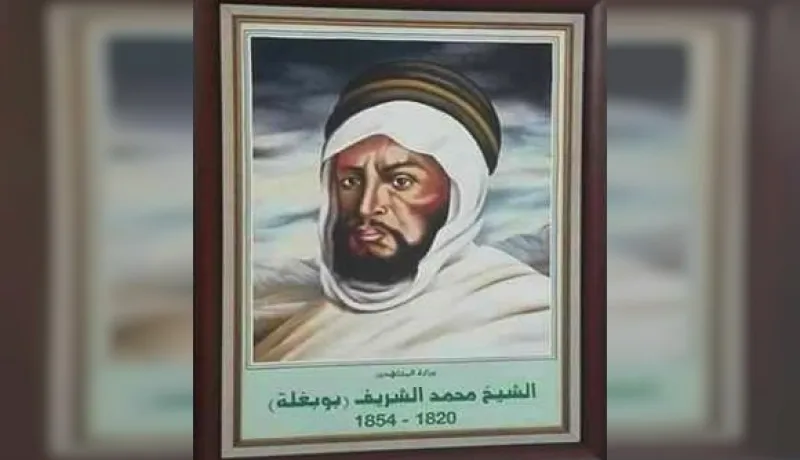
Chérif Boubaghla
(الشريف بوبغلة (محمد بن عبد الله))
Legendary Algerian resistance hero who rallied the tribes of Kabylie and the Djurdjura in a relentless four-year guerrilla war against French colonial conquest from 1851 to 1854.
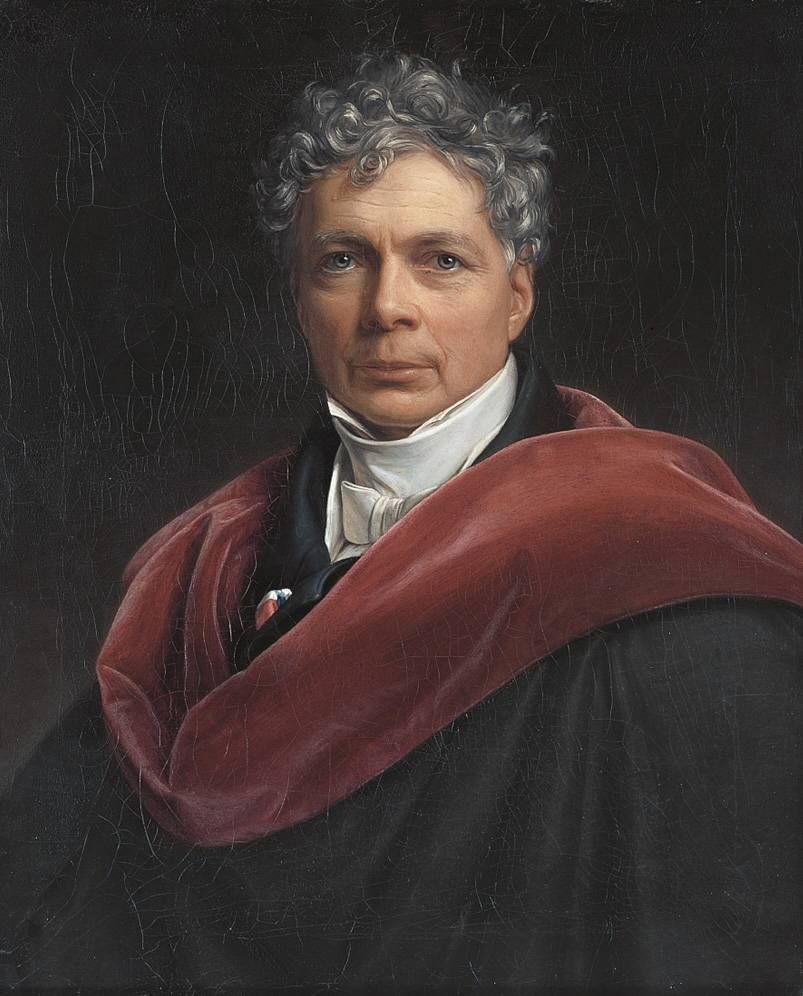
Friedrich Schelling
 (Friedrich Wilhelm Joseph Schelling)
German idealist philosopher who developed Naturphilosophie (Philosophy of Nature) and Identity Philosophy, reconciling spirit and matter as two poles of a single living Absolute.
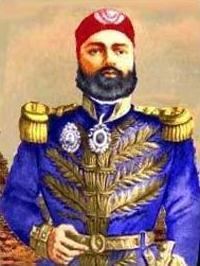
Abbas I of Egypt
 (عباس حلمي الأول)
Grandson of Muhammad Ali who ruled Egypt from 1848 to 1854, commissioning Egypt's first modern railway between Alexandria and Cairo and rolling back excessive Western commercial concessions.
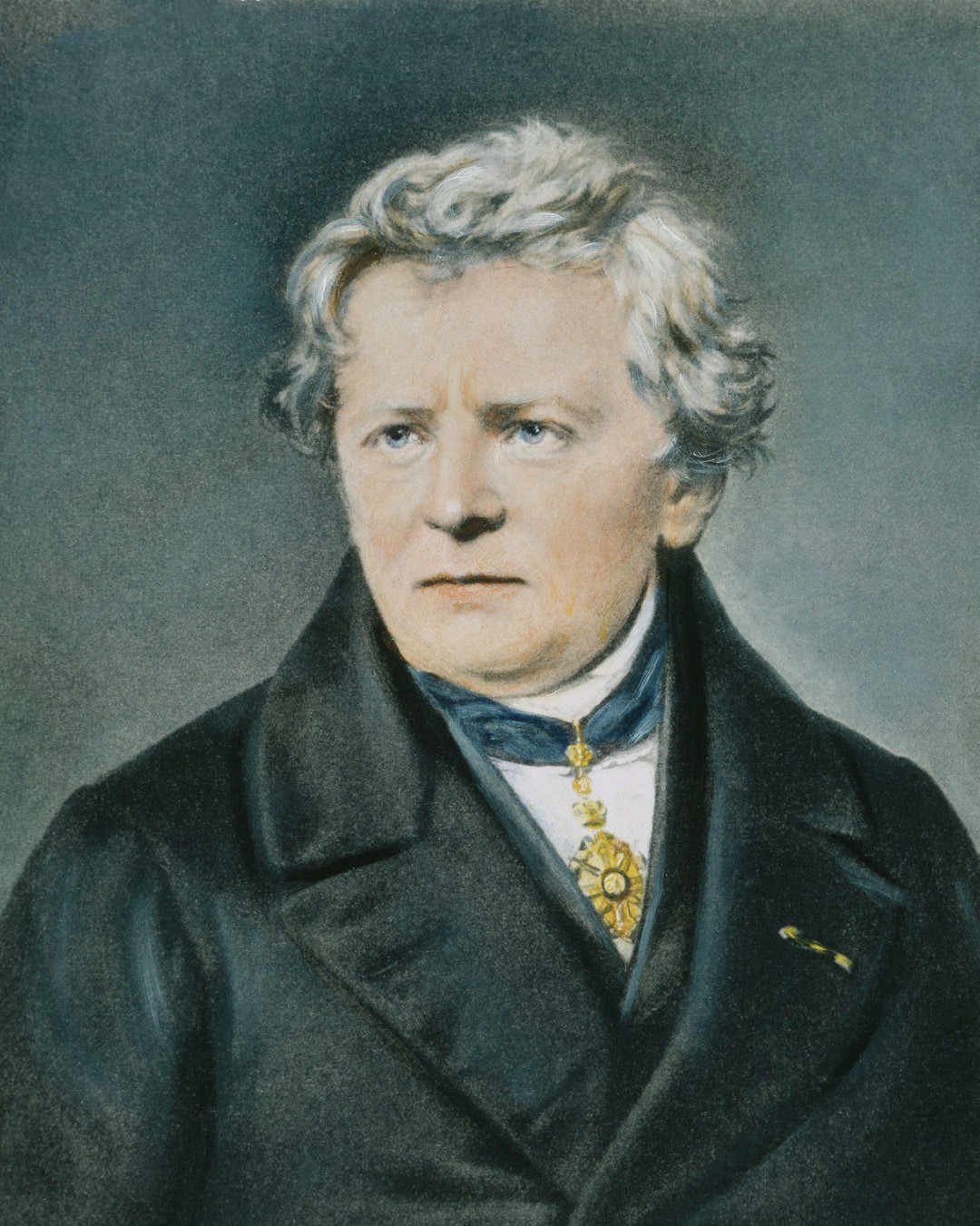
Georg Ohm
(Georg Simon Ohm)
German physicist and mathematician who formulated Ohm's law, defining the fundamental relationship between voltage, current, and resistance.
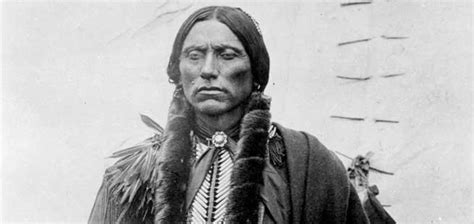
Chief Shingwauk
 (Little Pine)
Visionary Ojibwe chief and War of 1812 veteran who led the 1849 Mica Bay dispute, negotiated the Robinson-Huron Treaty, and championed bicultural education for his people.
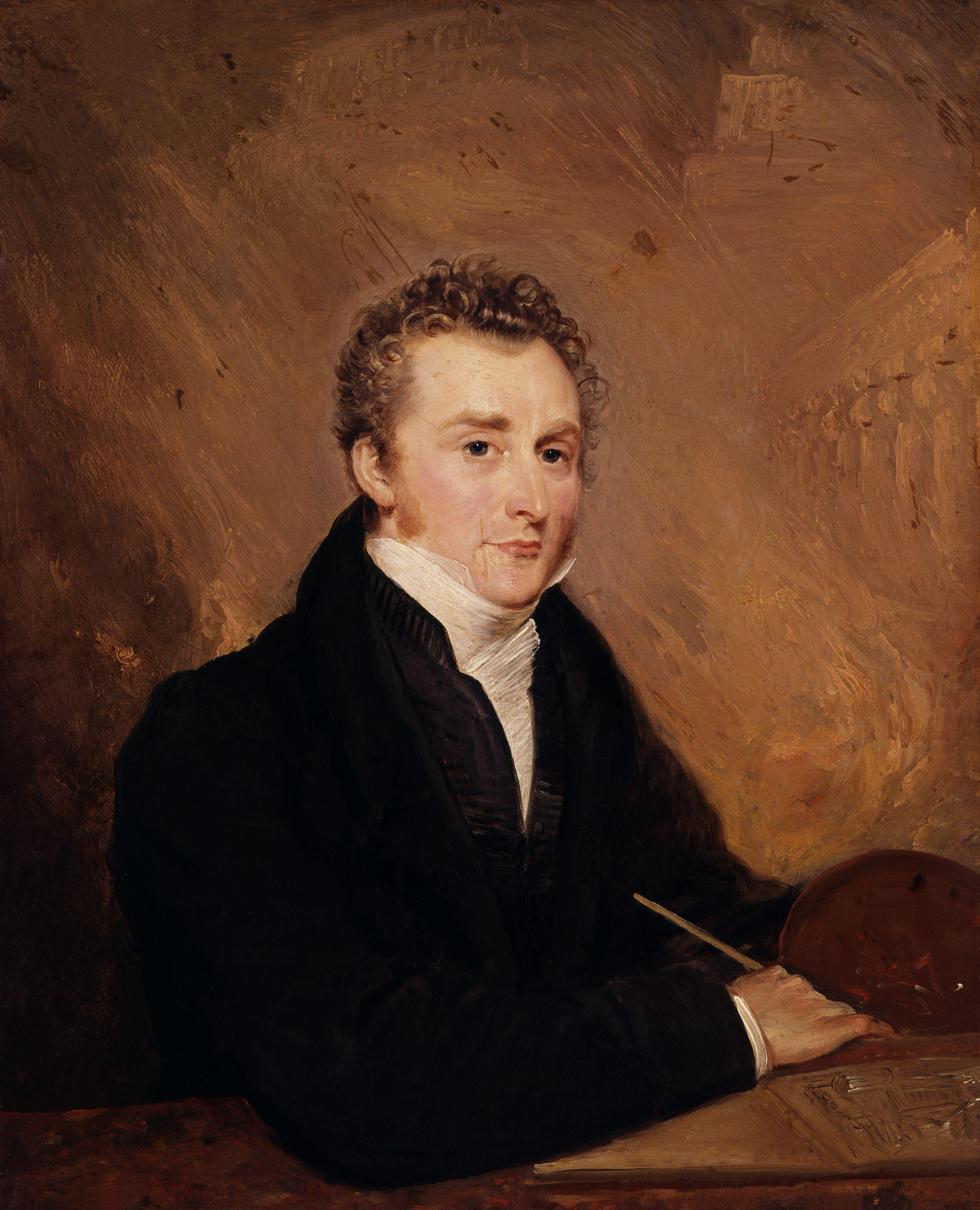
John Martin
 (John Martin)
English Romantic painter and engraver celebrated for his apocalyptic biblical visions of cosmic catastrophe and colossal architecture, including 'The Great Day of His Wrath'.
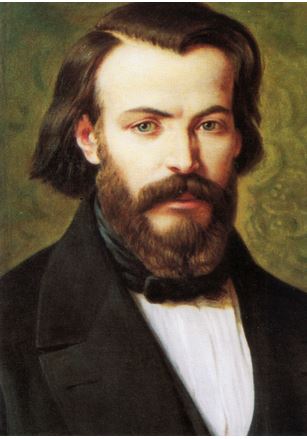
Bienheureux Antoine Frédéric Ozanam
 (Frédéric Ozanam)
Professeur d'histoire à la Sorbonne et intellectuel visionnaire, fondateur à 20 ans de la Société de Saint-Vincent-de-Paul présente dans 150 pays.
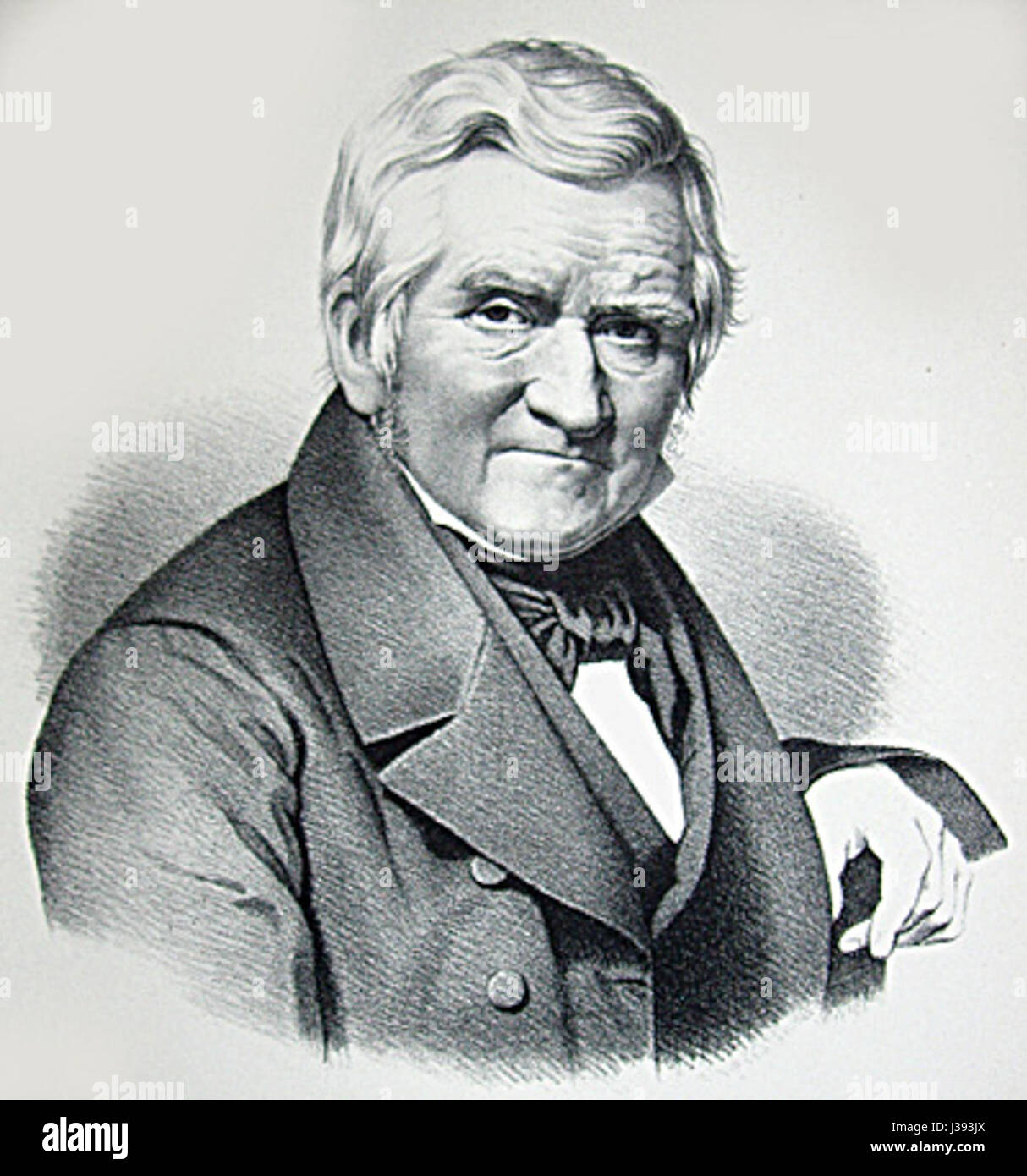
Christoffer Wilhelm Eckersberg
 (Christoffer Wilhelm Eckersberg)
Revered as 'the Father of Danish Painting' who studied under Jacques-Louis David in Paris and taught an entire generation of Golden Age artists to paint directly from nature with optical precision.
Hilary Teague
 (Hilary Richard Wright Teague)
Eloquent orator, editor, and statesman who drafted the Liberian Declaration of Independence in 1847 and composed Liberia's national hymn 'All Hail, Liberia, Hail!'.
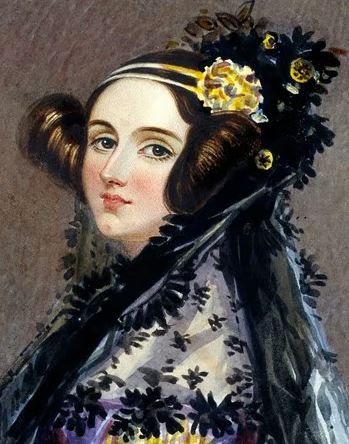
Augusta Ada King, Countess of Lovelace
(Augusta Ada Byron)
English mathematician recognized as the world's first computer programmer, whose visionary annotations on the Analytical Engine foresaw universal symbolic computing beyond numerical calculation.
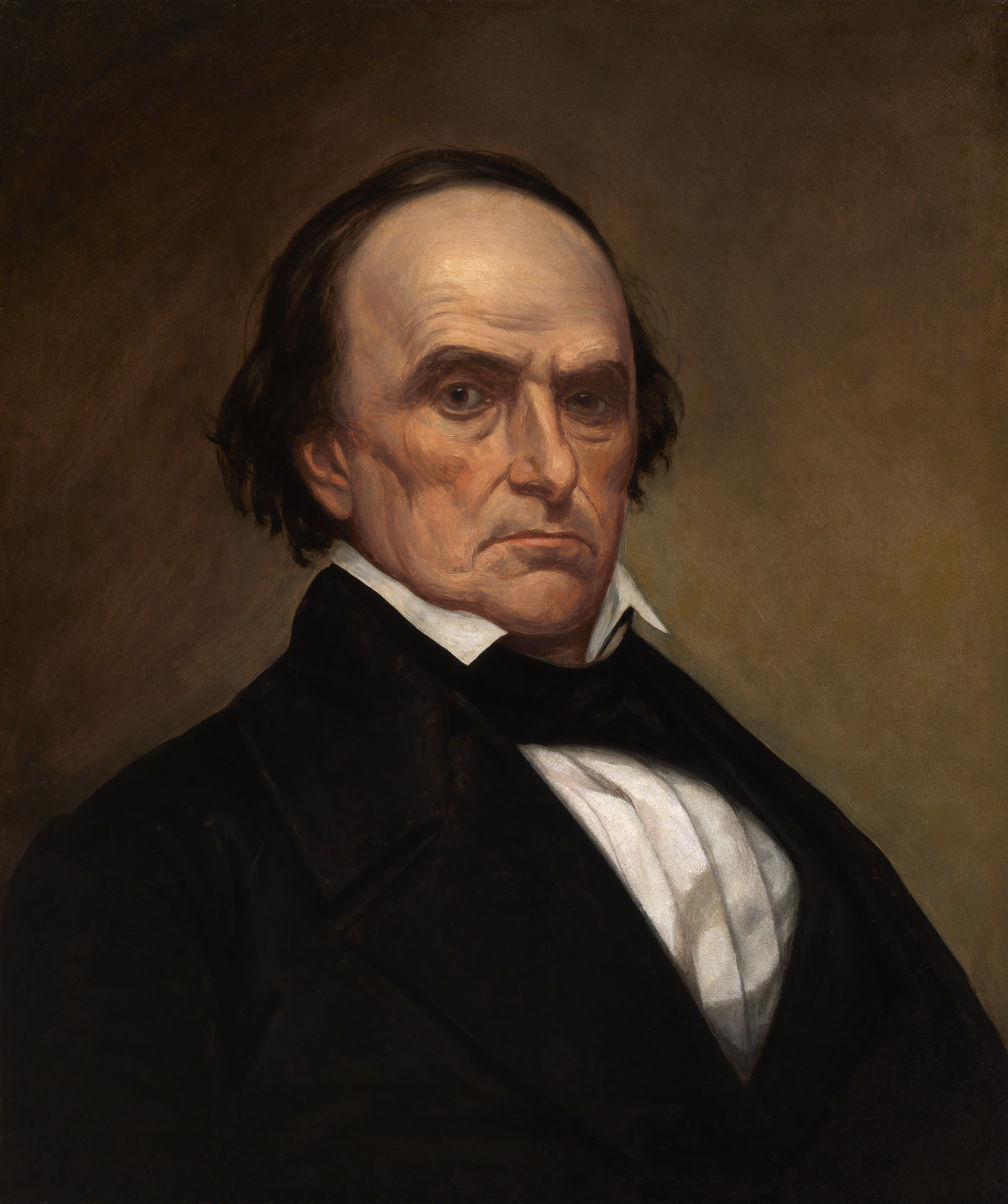
Daniel Webster
(Daniel Webster)
Foremost American constitutional orator and Whig statesman who served twice as Secretary of State and proclaimed 'Liberty and Union, now and forever, one and inseparable!'.
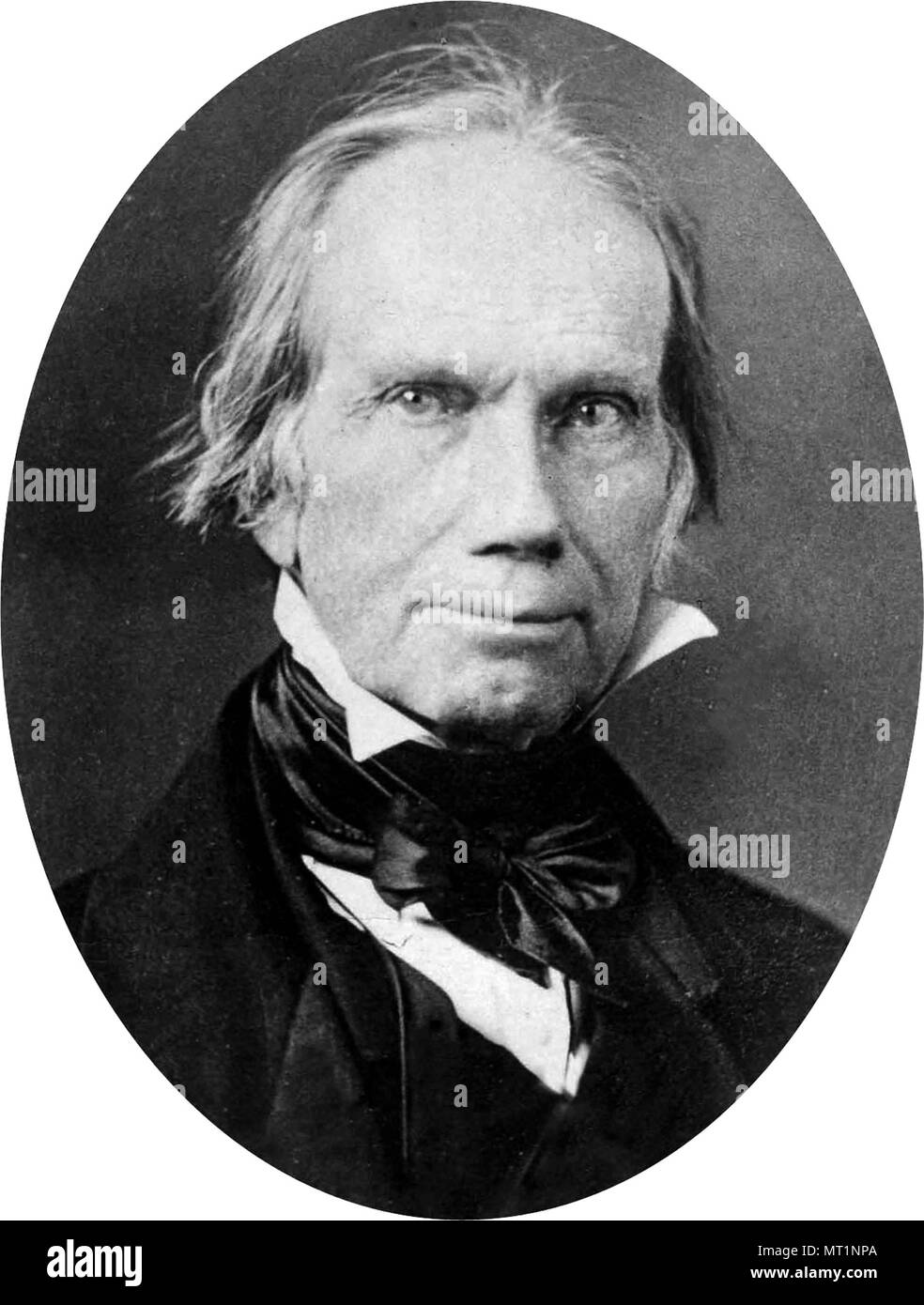
Henry Clay Sr.
(Henry Clay Sr.)
Revered as 'The Great Compromiser', Speaker of the House, Secretary of State, and Kentucky Senator who preserved the Union through the Missouri Compromise and the Compromise of 1850.
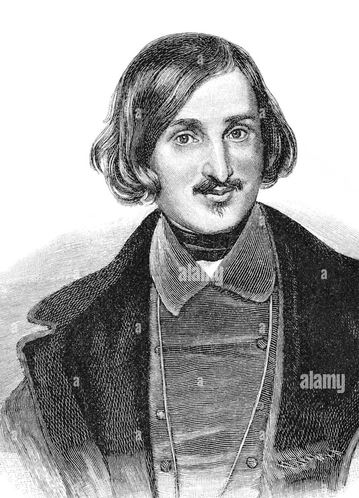
Nikolai Vasilievich Gogol
 (Николай Васильевич Гоголь)
Genius of grotesque satire and surreal humor whose comedy The Government Inspector, story The Overcoat ('We all came out of Gogol's Overcoat'), and epic novel Dead Souls laid the cornerstone of modern Russian prose.
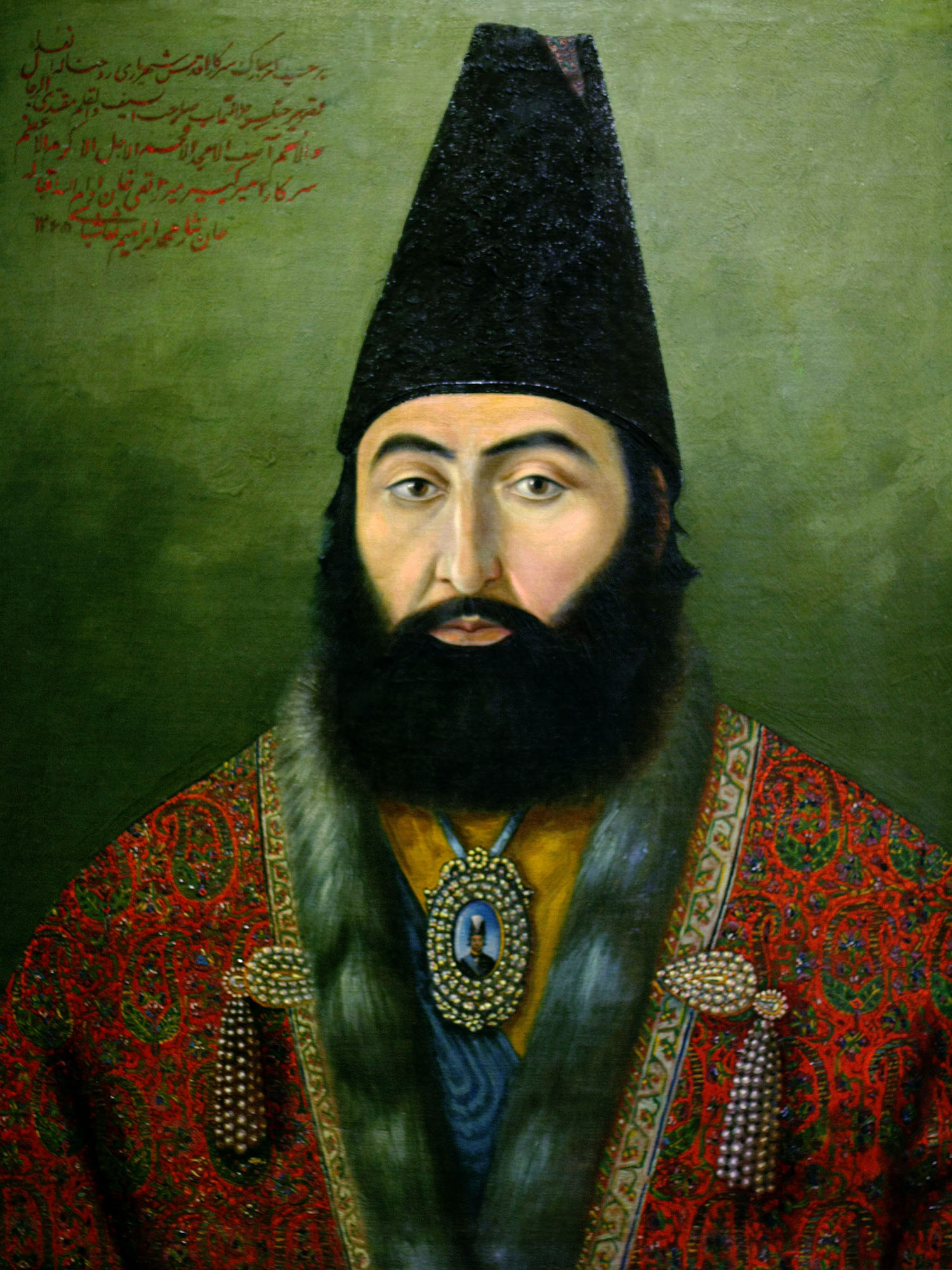
Mirza Taghi Khan Amir Kabir
 (میرزا تقیخان امیرکبیر)
Visionary Chief Minister (Sadr-e Azam) of Qajar Iran who founded Dar al-Funun (Iran's first modern university), modernized industry, and was murdered in Fin Garden.
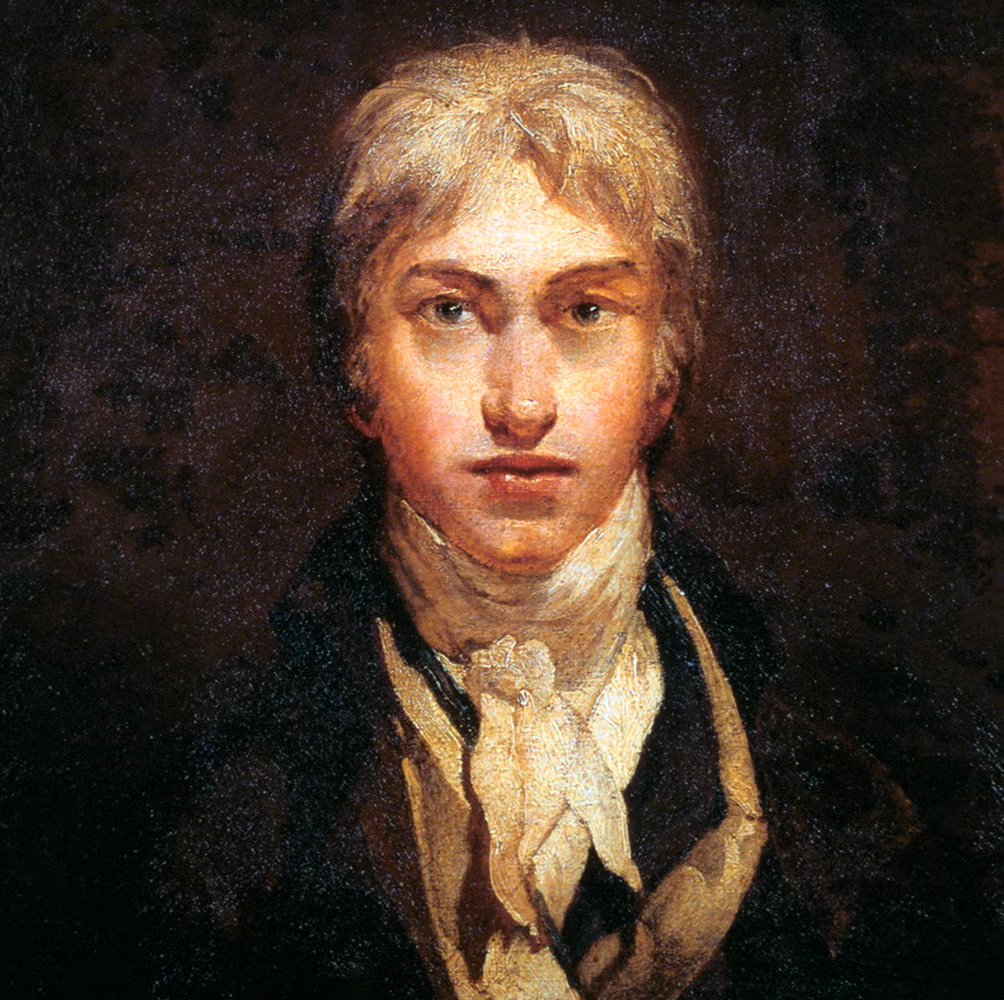
J. M. W. Turner
(Joseph Mallord William Turner)
England's supreme 'Painter of Light' whose luminous, swirling seascapes and steam locomotives heralded Modernism.