 France
•
9 views
France
•
9 views
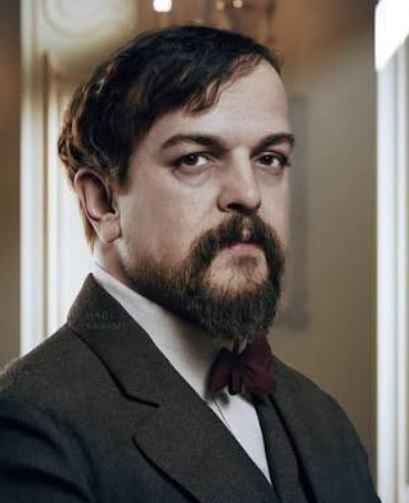
Achille-Claude Debussy

Saint-Germain-en-Laye, France
Archival Overview
French musical pioneer whose shimmering orchestral colors, non-functional harmony, and evocative sensuality in Clair de Lune, La Mer, and Prélude à l'après-midi d'un faune dissolved 19th-century tonality and opened modern music.
Biographical Record
Achille-Claude Debussy (1862–1918) shattered the Germanic Wagnerian harmonic stranglehold on Western music. Winning the prestigious Prix de Rome at twenty-two, Debussy rejected academic dogmas, proclaiming that 'pleasure is the law' in musical aesthetics.
His revolutionary 1894 orchestral work Prélude à l'après-midi d'un faune, inspired by Stéphane Mallarmé's symbolist poem and opening with a languid solo flute tritone, was hailed by Pierre Boulez as 'the flute of the faun brought new breath to the art of music.' Through whole-tone scales, parallel ninth chords, and pentatonic colors in La Mer, Clair de Lune, and his sole opera Pelléas et Mélisande, Debussy created a shimmering, evanescent sonic impressionism.
Key Life Milestones
Premiere of Prélude à l'après-midi d'un faune
Premiered the revolutionary orchestral prelude in Paris, inaugurating 20th-century modern music.
Publication and Premiere of La Mer
Completed his three symphonic sketches La Mer, capturing the elemental mystery and shifting light of the ocean.
Memorial Guestbook & Tributes
0 messages recordedLeave a Respectful Tribute
Final Resting Place
Perpetual MemorialParis, French Third Republic