 Russian Empire (Russia)
•
6 views
Russian Empire (Russia)
•
6 views
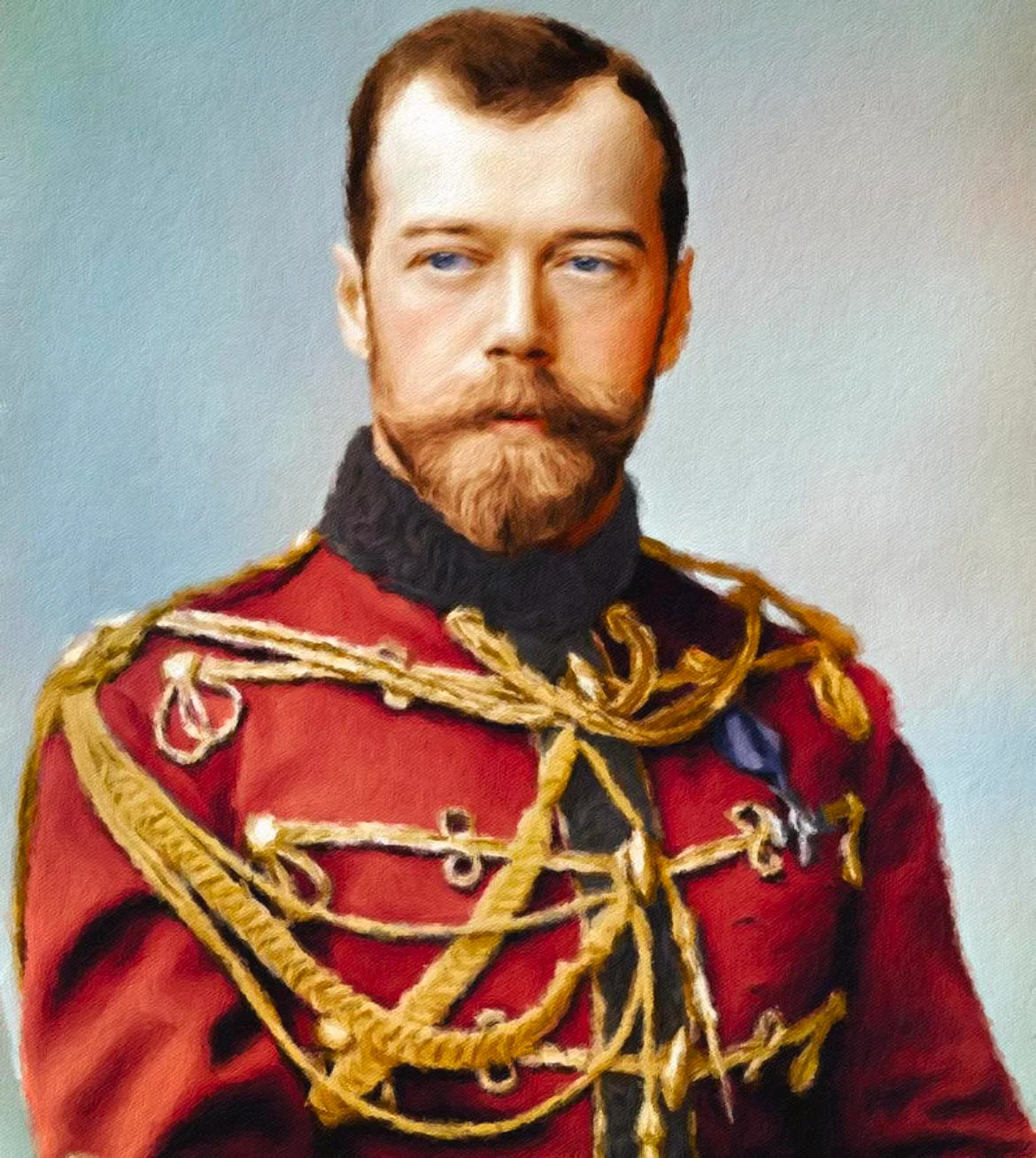
Nicholas II of Russia

Alexander Palace, Tsarskoye Selo, Russian Empire (Russia)
Archival Overview
Last Emperor of Russia whose abdication in 1917 ended three centuries of Romanov rule; canonized as a Passion-Bearer by the Orthodox Church.
Biographical Record
Nicholas II Alexandrovich Romanov was the last Emperor of All Russia, King of Poland, and Grand Duke of Finland, whose tragic reign (1894–1917) culminated in the collapse of the Russian Empire and the dawn of Soviet communism. Devoted to his wife Empress Alexandra Feodorovna and his five children—including his hemophiliac heir Tsarevich Alexei, whose illness led the imperial couple to rely on the Siberian mystic Grigori Rasputin—Nicholas was an affectionate family man ill-equipped for autocracy.
Nicholas initiated the 1899 Hague Peace Conference, leading to the creation of the Permanent Court of Arbitration. However, his reign was rocked by defeat in the Russo-Japanese War (1904–1905) and the 1905 Revolution ('Bloody Sunday'), forcing him to issue the October Manifesto establishing Russia's first parliament (State Duma). When World War I began in 1914, Nicholas took personal command of the army at Stavka. Devastating wartime shortages triggered the February Revolution of 1917, forcing his abdication. Held prisoner by Bolshevik revolutionaries in Yekaterinburg, Nicholas, his wife, four daughters, son, and four loyal retainers were murdered in the cellar of the Ipatiev House on July 17, 1918.
Key Life Milestones
Initiation of the First Hague Peace Conference
Abdication of the Russian Imperial Throne
Memorial Guestbook & Tributes
0 messages recordedLeave a Respectful Tribute
Final Resting Place
Perpetual MemorialSaint Petersburg, Russia