 Ireland
•
14 views
Ireland
•
14 views
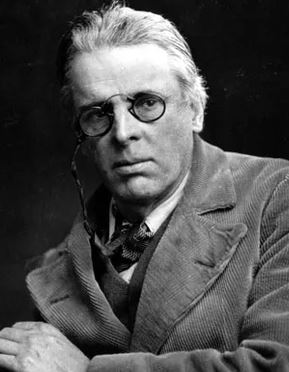
William Butler Yeats

Sandymount (Dublin), Ireland
Archival Overview
Supreme Irish lyric poet and 1923 Nobel laureate who spearheaded the Irish Literary Revival, co-founded the Abbey Theatre with Lady Gregory, and chronicled the turbulent birth of modern Ireland in Easter, 1916 and The Second Coming.
Biographical Record
William Butler Yeats (1865–1939), son of portrait painter John Butler Yeats, was captivated from youth by Celtic mythology, esoteric mysticism, and unrequited love for Irish revolutionary Maud Gonne. Together with Lady Gregory and Edward Martyn, Yeats founded Dublin's Abbey Theatre in 1904, serving as the cultural engine of Irish independence.
Unlike many poets whose inspiration fades with age, Yeats's poetic powers deepened steadily into his fifties and sixties. In Easter, 1916, he commemorated the executed leaders of the Dublin uprising ('All changed, changed utterly: / A terrible beauty is born'). In The Second Coming (1919), he foresaw the catastrophic violence of the 20th century ('Things fall apart; the centre cannot hold; / Mere anarchy is loosed upon the world'). Awarded the Nobel Prize in Literature in 1923 and serving as a Senator of the Irish Free State, Yeats was buried beneath Ben Bulben in Drumcliffe.
Key Life Milestones
Opening of the Abbey Theatre in Dublin
Co-founded Ireland's National Theatre, staging national drama that inspired the Irish revolutionary generation.
Award of the Nobel Prize in Literature
Awarded the Nobel Prize as a tribute to the newly independent Irish nation and his inspired poetic art.
Memorial Guestbook & Tributes
0 messages recordedLeave a Respectful Tribute
Final Resting Place
Perpetual MemorialMenton (French Riviera), France