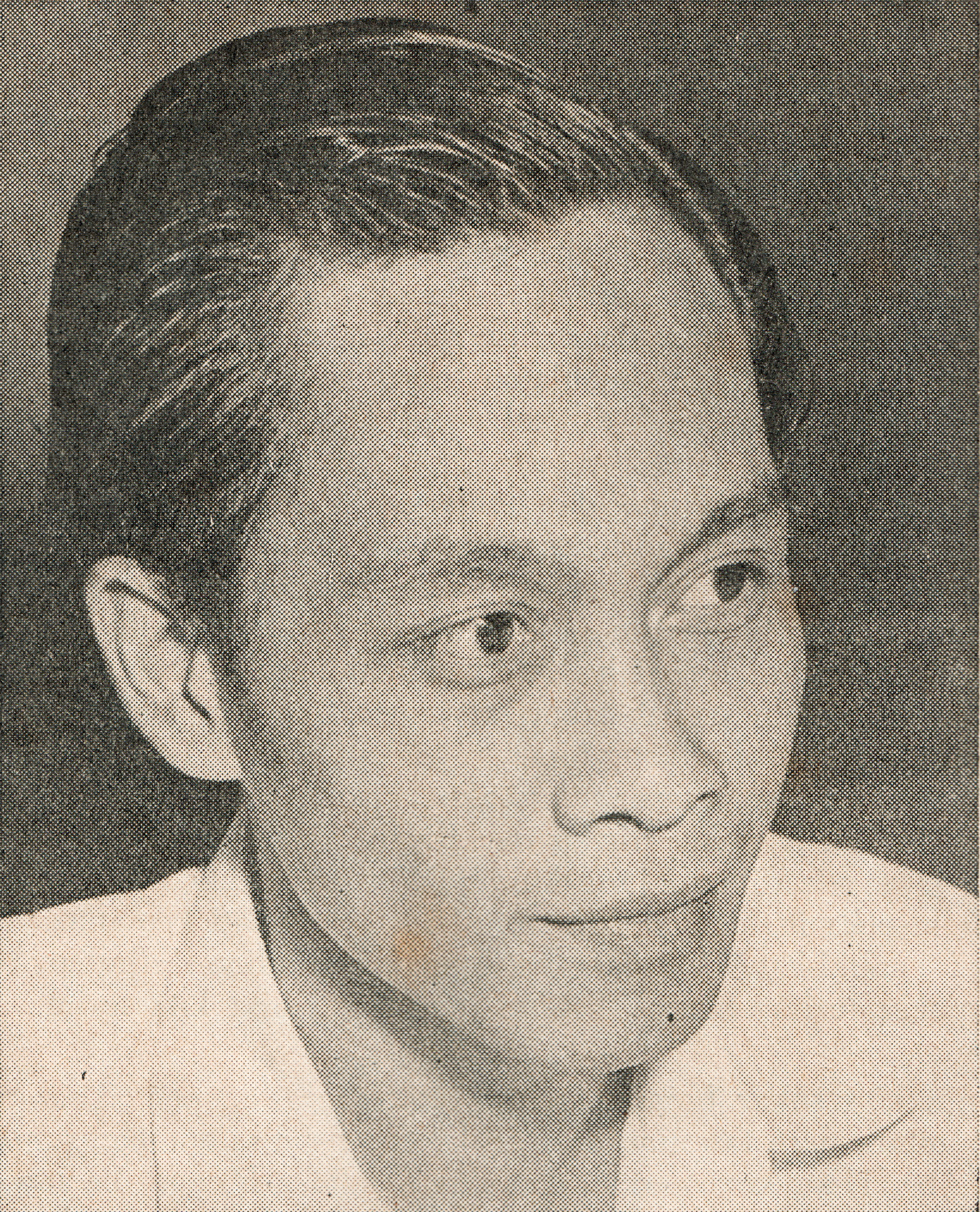
Pramoedya Ananta Toer
Indonesian novelist and dissident whose monumental Buru Quartet, composed while imprisoned without trial on the remote penal island of Buru, stands as Southeast Asia's greatest literary epic.
Start typing to search worldwide archives and community tributes
Filterable archive covering centuries of intellectual, artistic, and moral contributions to the human story.
Indonesian novelist and dissident whose monumental Buru Quartet, composed while imprisoned without trial on the remote penal island of Buru, stands as Southeast Asia's greatest literary epic.
Pasteur presbytรฉrien et aumรดnier de Yale, figure de proue de la dรฉsobรฉissance civile contre la guerre du Vietnam et prรฉsident de SANE/Freeze pour le dรฉsarmement nuclรฉaire.
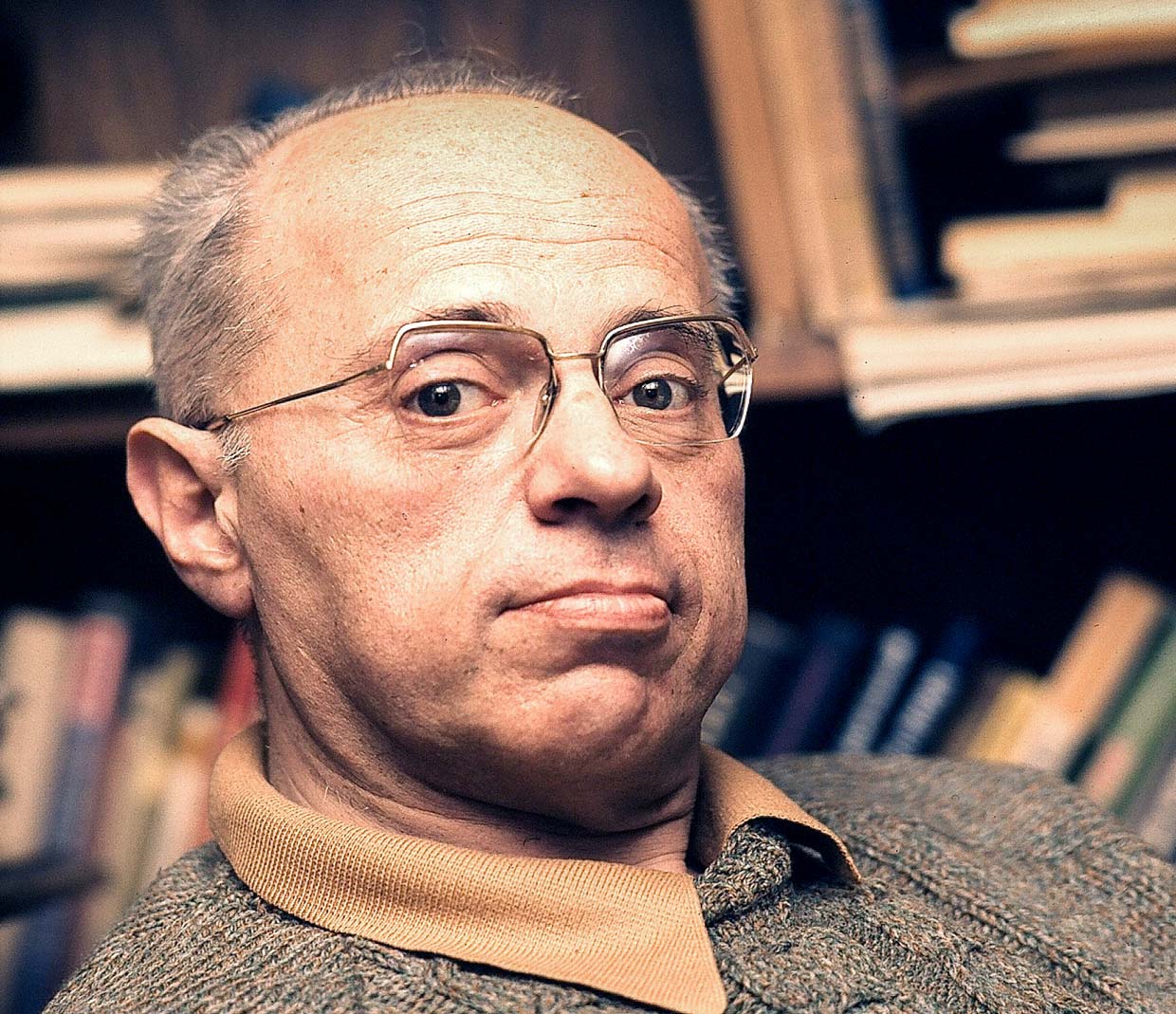
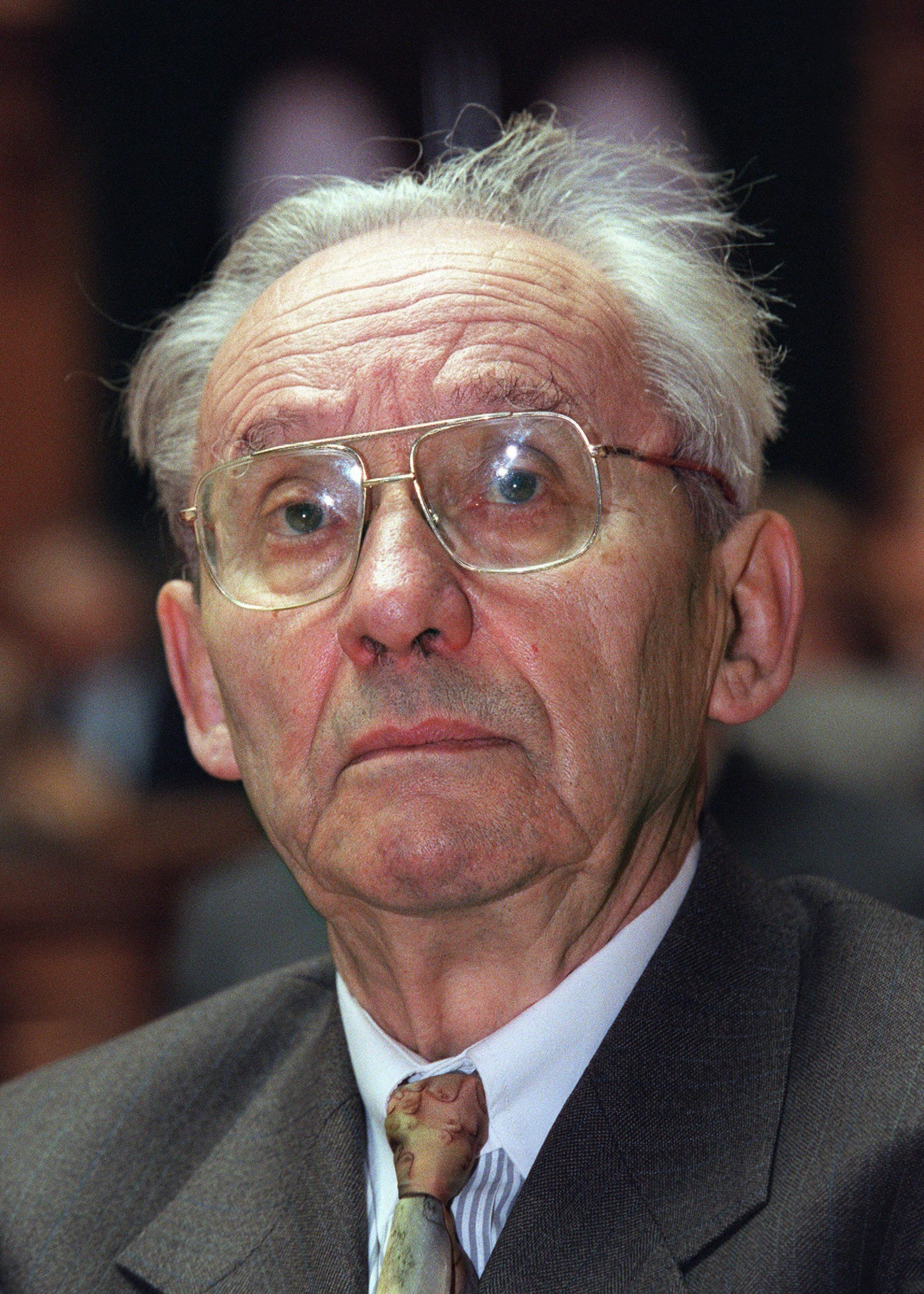
Foremost Polish science fiction author and philosopher of technology whose Solaris, The Cyberiad, and Summa Technologiae explored the limits of human intelligence.
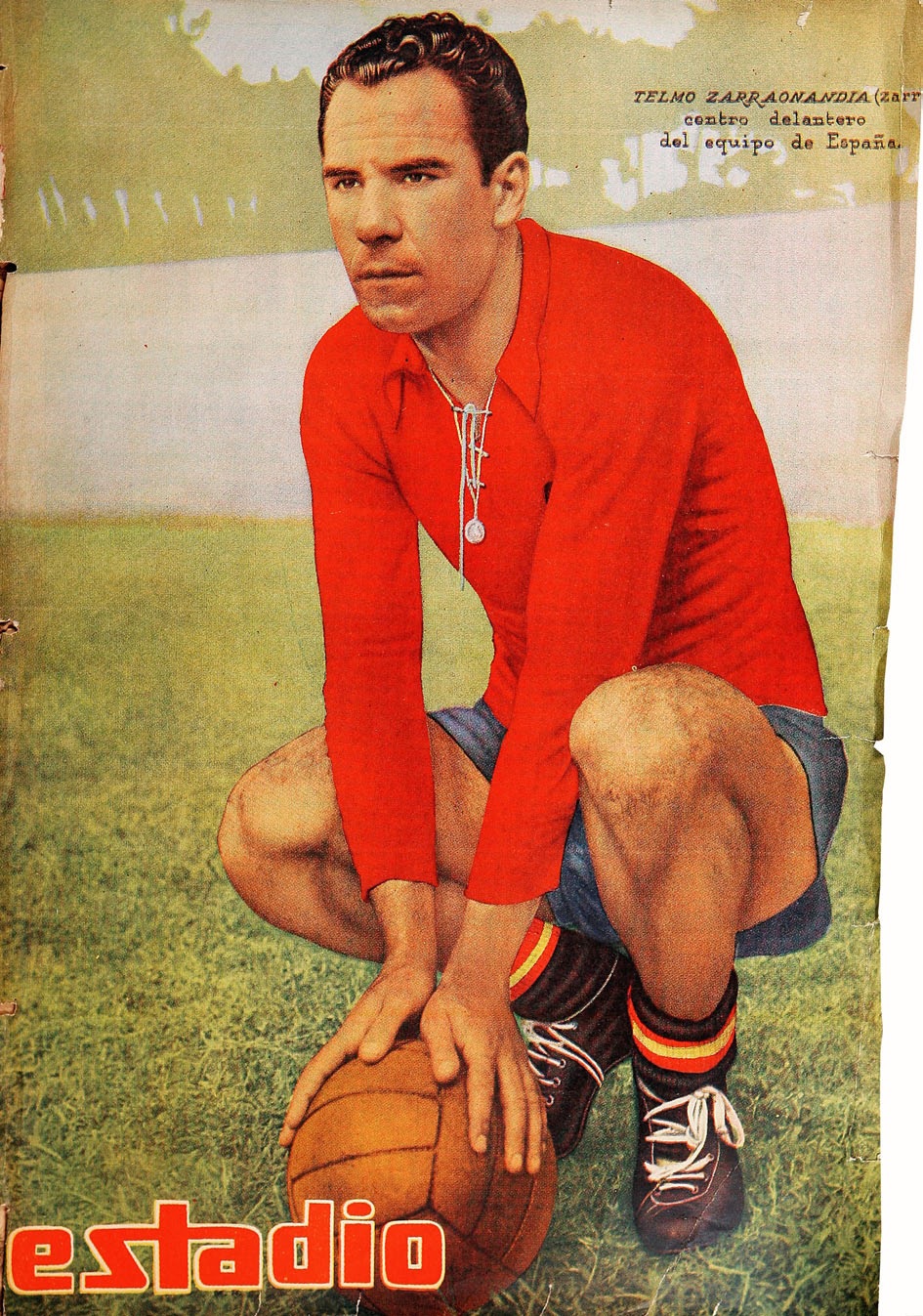
Prolific Athletic Bilbao striker whose record of six Pichichi trophies stood for six decades, and whose goal against England in 1950 gave Spain fourth at the World Cup.
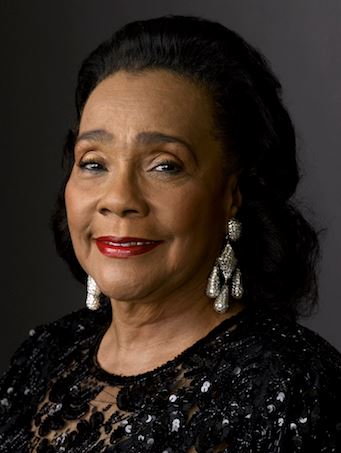
American civil rights author, activist, and leader who stood alongside Martin Luther King Jr., founded the King Center, campaigned successfully to establish MLK Day as a federal holiday, and championed international anti-apartheid and LGBTQ+ rights.
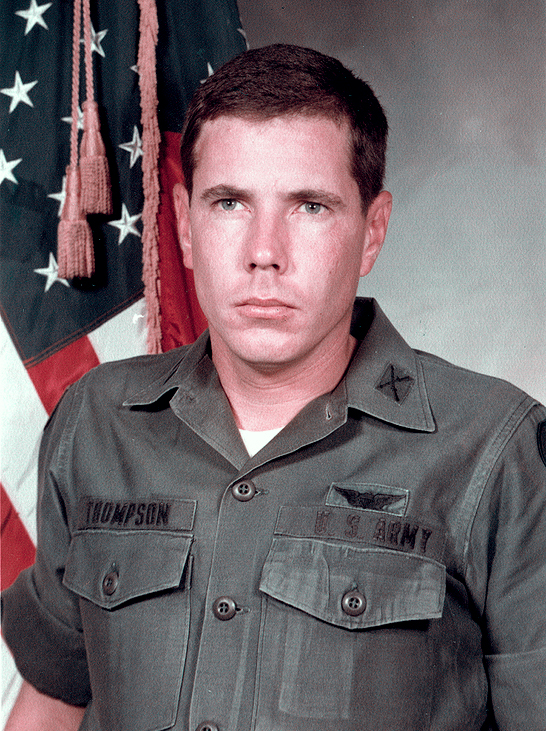
United States Army helicopter pilot who landed his aircraft between American soldiers and Vietnamese civilians during the My Lai Massacre, halting the slaughter.
Luxembourgish professional cyclist known as 'The Angel of the Mountains', renowned for his supernatural climbing abilities in freezing, apocalyptic weather.
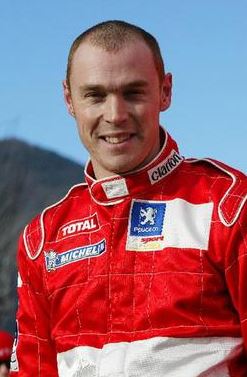
British rally driver who won the 2001 World Rally Championship for Subaru following an epic season-long battle, celebrated for his calm analytical precision and ten WRC victories before his tragic death at age thirty-four.
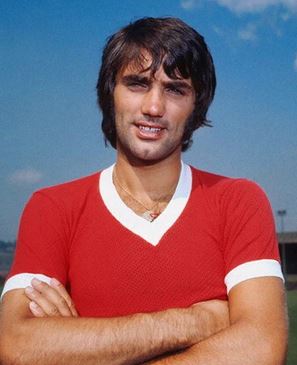
George Best was a Northern Irish footballing genius whose breathtaking dribbling, balance, and bohemian rock-and-roll lifestyle made him the world's first celebrity footballer. Known as 'El Beatle', he scored 179 goals in 470 appearances for Manchester United, inspired them to the 1968 European Cup, and won the Ballon d'Or at age twenty-two.
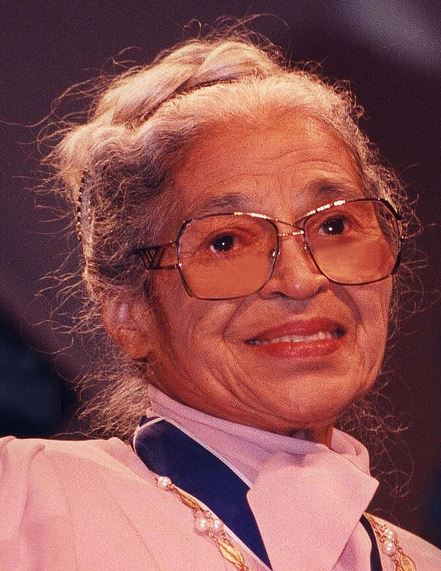
American civil rights activist whose refusal to surrender her seat on a segregated Montgomery bus in 1955 ignited the Montgomery bus boycott and catalyzed the modern Civil Rights Movement.
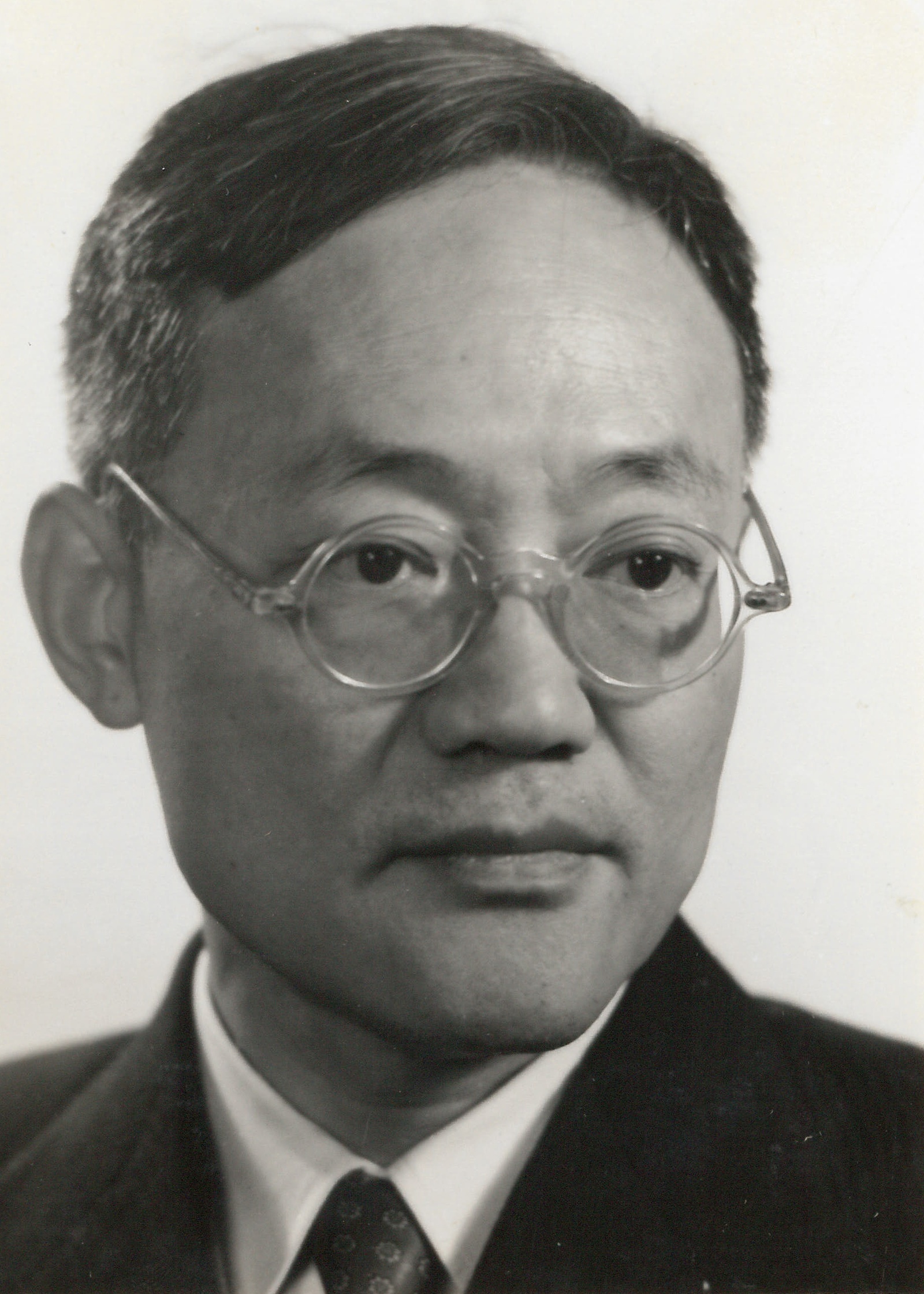
Chinese novelist and essayist whose Torrents Trilogy, especially the classic novel Family, inspired millions of youth to rebel against oppressive feudal patriarchal traditions.
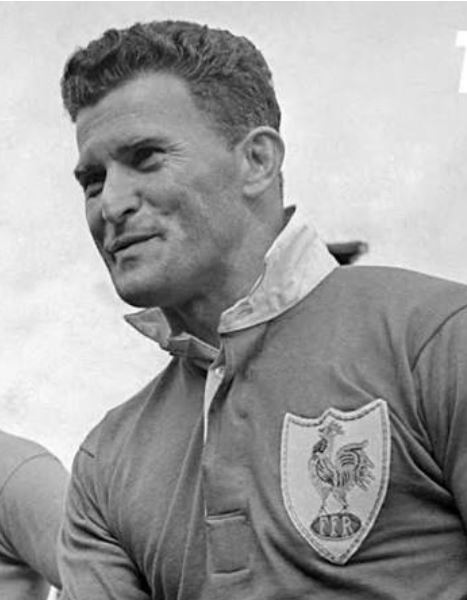
French rugby union flanker for FC Lourdes and the French national team, christened 'Monsieur Rugby' by the British press, captained France to historic firsts.
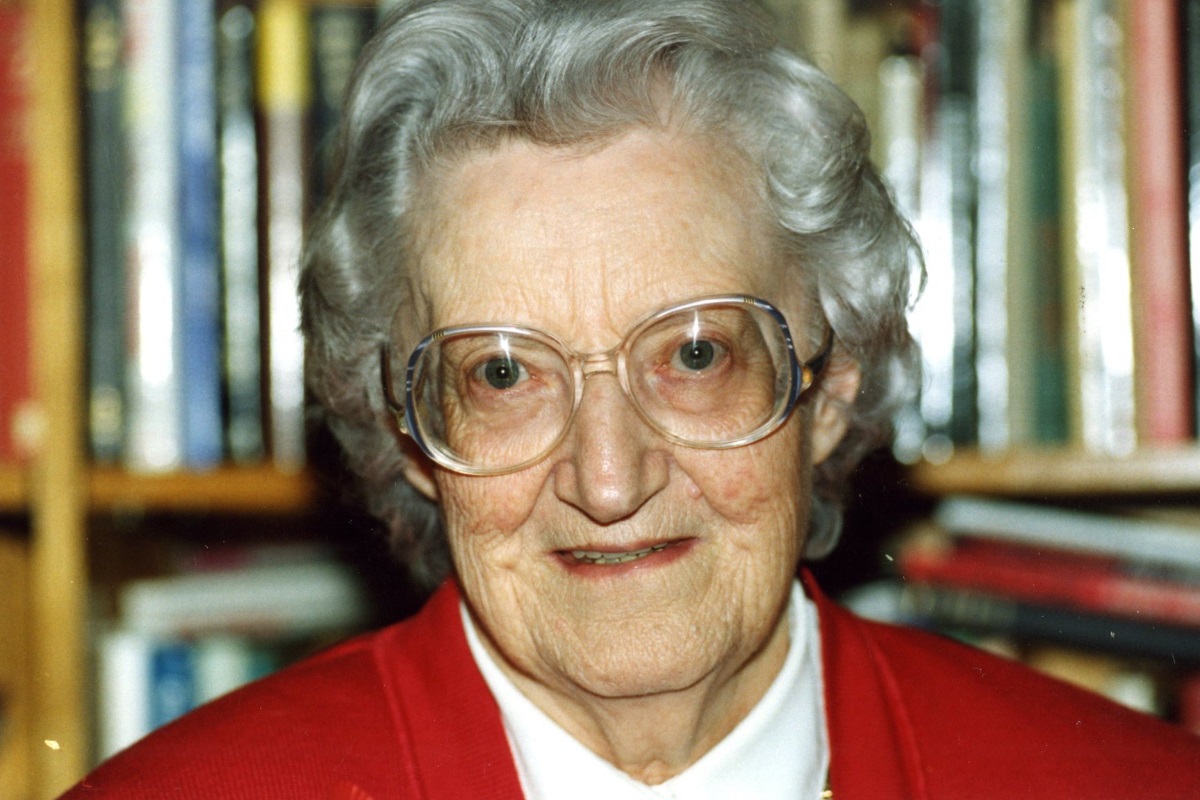
Infirmiรจre, assistante sociale et mรฉdecin britannique, fondatrice du mouvement moderne des soins palliatifs et de l'Hospice St Christopher ร Londres.
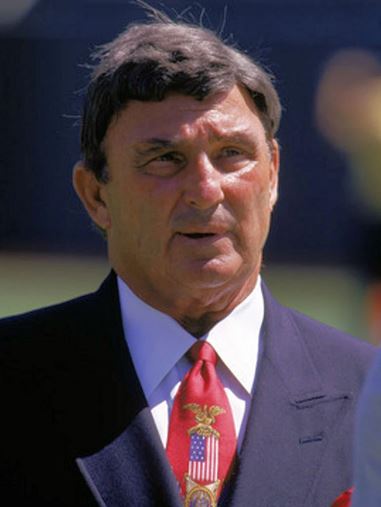
Henry Louis 'Hank' Stram was an innovative American football coach who led the Kansas City Chiefs to victory in Super Bowl IV, winning more games and championships (three) than any other coach in the history of the American Football League (AFL). The pioneer of the moving pocket, tight end routes, and the stacked defense, he became an immortal television figure when wired for sound in Super Bowl IV.
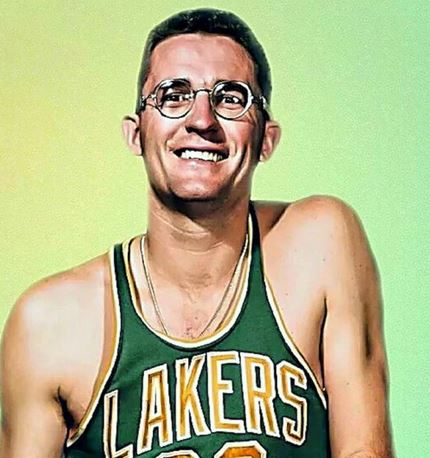
George Lawrence Mikan Jr., known as 'Mr. Basketball', was professional basketball's first dominant superstar big man, whose hook shots, rebounding, and defensive presence with the Minneapolis Lakers delivered five championships in six years (1949โ1954). His dominance forced the introduction of the goaltending rule, widening of the foul lane ('The Mikan Rule'), and the creation of the fundamental 'Mikan Drill'.
French philosopher who bridged French phenomenology and German hermeneutics, celebrated for his monumental studies on metaphor, narrative time (Time and Narrative), and personal identity (Oneself as Another).
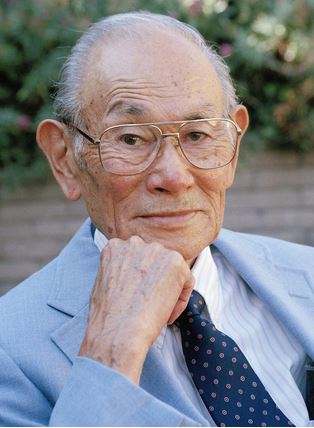
Fred Korematsu was an American civil rights activist who courageously refused to comply with President Franklin D. Roosevelt's Executive Order 9066, which forcibly interned over 120,000 Japanese Americans during World War II. Challenging his conviction all the way to the US Supreme Court in Korematsu v. United States (1944), he persevered for four decades until his conviction was formally overturned in 1983.
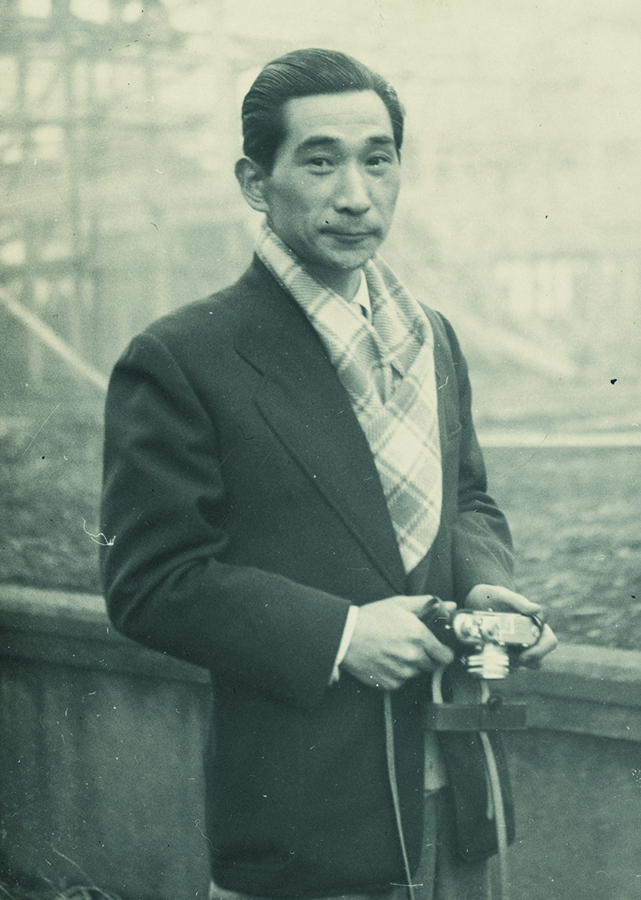
Titan of 20th-century architecture who rebuilt Hiroshima with the Peace Memorial Park, designed the iconic sweeping suspension roofs of the Yoyogi National Gymnasium, and won the 1987 Pritzker Prize.