 Spain
•
19 views
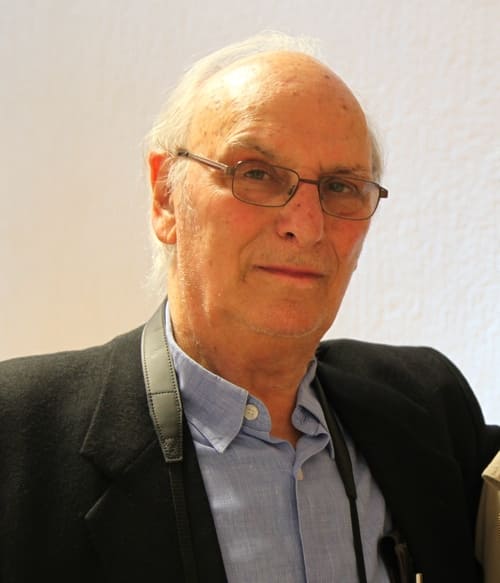
Carlos Saura Atarés

Huesca, Spain
Archival Overview
Visionary Spanish auteur director who defied Francoist censorship with psychological dramas like Cría cuervos and celebrated Spanish cultural identity through landmark musical trilogies (Bodas de Sangre, Carmen).
Biographical Record
Carlos Saura (1932–2023) was one of the central figures of twentieth-century European cinema. Mentored by Luis Buñuel, Saura spent the 1960s and 1970s crafting subtle, allegorical cinematic critiques of the Franco dictatorship, collaborating with producer Elías Querejeta and his partner and muse Geraldine Chaplin.
His 1976 masterpiece Cría cuervos (Raise Ravens) captured the claustrophobic dread and imaginative escape of childhood during Franco's deathbed era, winning the Grand Prix Spécial du Jury at the Cannes Film Festival. In the 1980s, Saura pioneered a dynamic cinematic language for dance with his celebrated flamenco trilogy alongside choreographer Antonio Gades: Blood Wedding (1981), Carmen (1983), and El Amor Brujo (1986).
Across more than fifty films, Saura earned three Academy Award nominations for Best Foreign Language Film and the Goya Award of Honor, remaining an inventive visual poet until his passing at age 91.
Key Life Milestones
Cannes Grand Prix for Cría cuervos
Won the Special Grand Prix of the Jury at Cannes for his poetic, haunting portrait of childhood and post-Franco Spain.
International Triumph with Carmen
Directed Carmen, winning the BAFTA for Best Foreign Film and securing Academy Award and Golden Globe nominations.
Memorial Guestbook & Tributes
0 messages recordedLeave a Respectful Tribute
Final Resting Place
Perpetual MemorialMadrid, Spain