 Japan
•
23 views
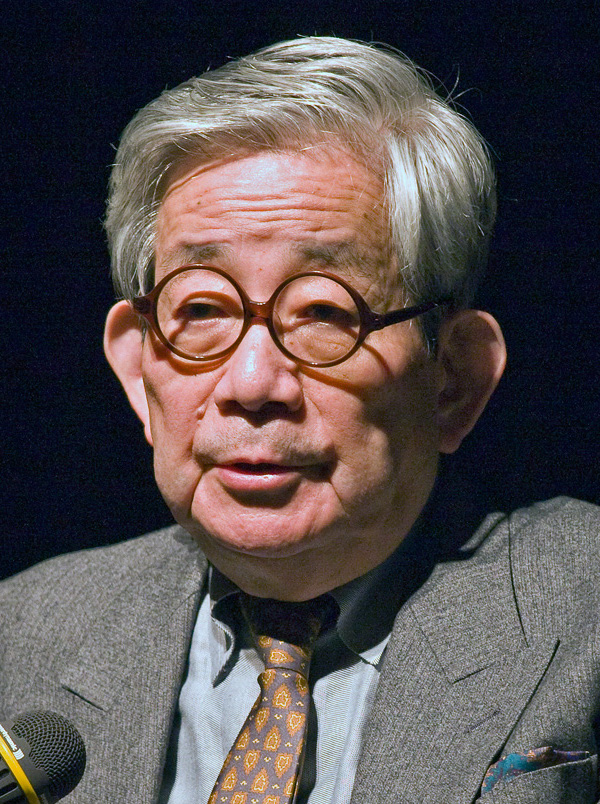
Kenzaburō Ōe

Uchiko, Japan
Archival Overview
Nobel Prize-winning Japanese author whose visionary works, including A Personal Matter and Hiroshima Notes, explored family, disability, nuclear disarmament, and post-war Japanese moral identity.
Biographical Record
Kenzaburō Ōe (1935–2023) was one of modern Japan's most courageous and ethically unyielding literary voices. Born in a remote forest village on the island of Shikoku, his literature was profoundly shaped by the trauma of Japan's wartime defeat and the birth of his intellectually disabled son, Hikari, in 1963.
His semi-autobiographical masterwork, A Personal Matter (1964), movingly chronicled a father's painful journey toward accepting his newborn disabled child, while The Silent Cry (1967) confronted generational disillusionment and identity. Concurrently, Ōe was an outspoken pacifist, producing searing political reportage in Hiroshima Notes and Okinawa Notes.
Awarded the Nobel Prize in Literature in 1994, Ōe famously used his Nobel lecture, "Japan, the Ambiguous, and Myself", to advocate for humanitarian internationalism and nuclear abolition.
Key Life Milestones
Publication of A Personal Matter
Achieved critical renown for his deeply vulnerable novel exploring parental duty, disability, and moral redemption.
Nobel Prize in Literature
Became Japan's second Nobel literature laureate, honored for creating an imagined world where poetic force condenses the human predicament.
Memorial Guestbook & Tributes
0 messages recordedLeave a Respectful Tribute
Final Resting Place
Perpetual MemorialFuchu, Tokyo, Japan