Public Figures & Cultural Luminaries
Filterable archive covering centuries of intellectual, artistic, and moral contributions to the human story.
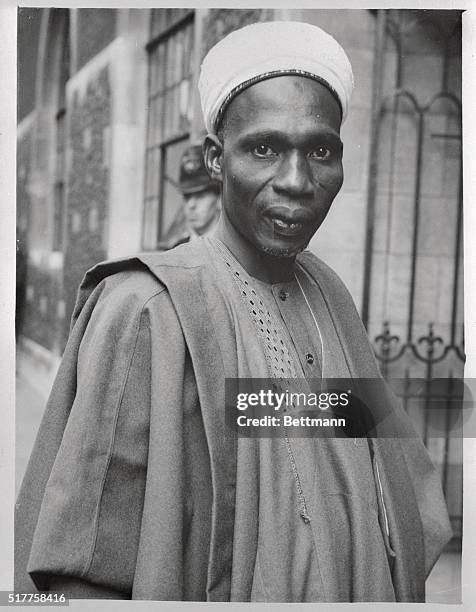
Abubakar Tafawa Balewa
 (Abubakar Tafawa Balewa)
The first Prime Minister of independent Nigeria, renowned international orator known as the Golden Voice of Africa, and key founding figure of the Organization of African Unity.
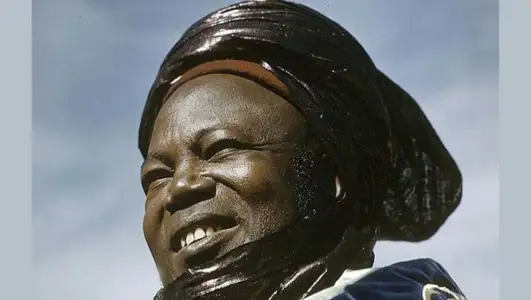
Ahmadu Bello
(Ahmadu Ibrahim Bello)
First and only Premier of Northern Nigeria, key founding father of modern Nigeria, and transformative administrator who founded Ahmadu Bello University.
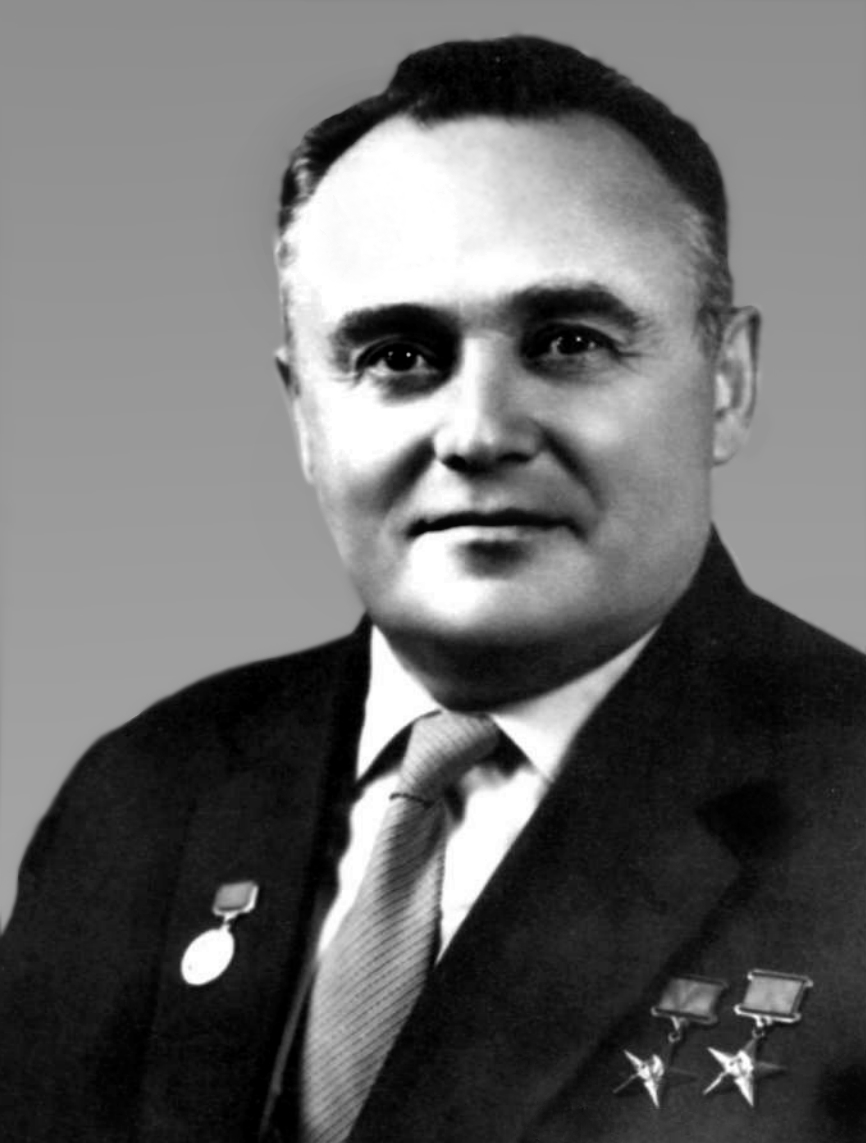
Sergei Korolev
 (Сергей Павлович Королёв)
Legendary Soviet 'Chief Designer' who orchestrated the launches of Sputnik 1, the first dog Laika, and Yuri Gagarin.
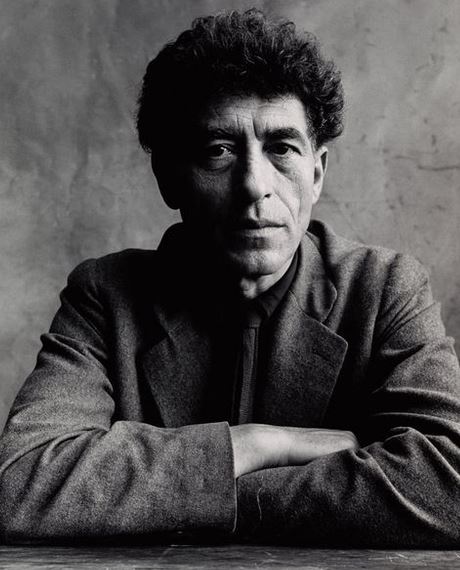
Alberto Giacometti
 (Alberto Giacometti)
Swiss sculptor and painter renowned for his elongated, thread-like bronze figures evoking human vulnerability and existential isolation.
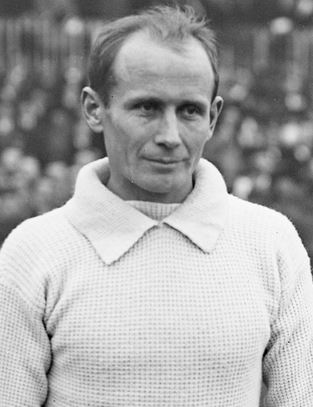
Hannes Kolehmainen
 (Juho Pietari Kolehmainen)
Juho Pietari 'Hannes' Kolehmainen was the founding father of Finland's distance running dynasty and the very first 'Flying Finn'. At the 1912 Stockholm Olympic Games, he captured three gold medals (5,000m, 10,000m, cross-country), famously 'running Finland onto the map of the world'. Eight years later at Antwerp 1920, he won gold in the Olympic marathon in a world record time.
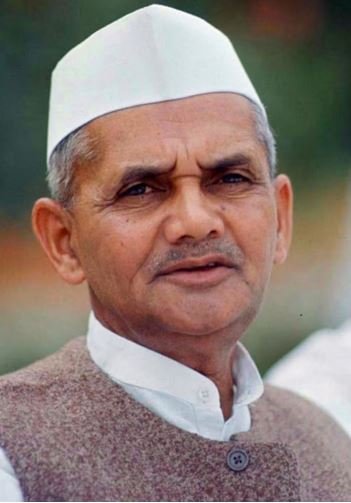
Lal Bahadur Shastri
 (लाल बहादुर शास्त्री)
Icon of ethical governance, modesty, and agrarian development; laid the groundwork for India's food security and dairy self-sufficiency (Amul).
Anna Gréki
 (آنا غريكي (كوليت دوراند))
Passionate Algerian poet and revolutionary militant born in the Aurès who was imprisoned by French paratroopers and authored the immortal collection 'Algérie, Capitale Alger'.

Khelifa Stambouli
(خليفة اسطمبولي)
Eminent 20th-century Algerian classical tenor and oud master who guarded and transmitted the centuries-old Andalusian Gharnati and Hawzi musical repertoire of Tlemcen.
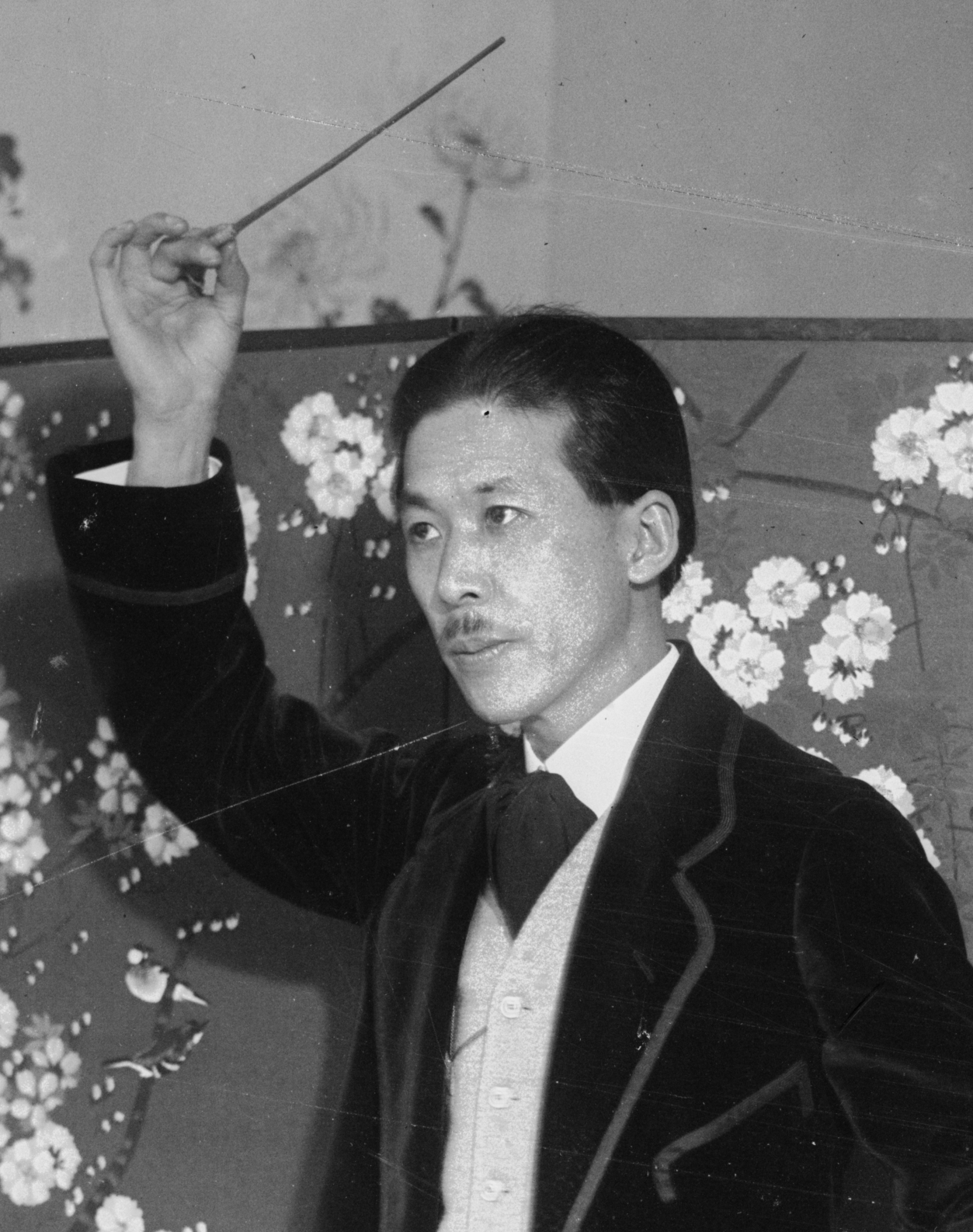
Kosaku Yamada
 (山田 耕筰)
Japanese composer and conductor who composed Japan's first symphony and first western-style opera, Kurofune (The Black Ships), and founded the Japan Philharmonic.
Claude Champagne
 (Claude Champagne)
Foundational Canadian classical composer whose Paris-honed impressionism blended with French-Canadian folk traditions in masterpieces like Suite canadienne (1927) and Symphonie gaspésienne.
Queen Elisabeth of Bavaria
 (Elisabeth von Wittelsbach)
Revered Queen of the Belgians, Duchess in Bavaria, who tended wounded soldiers on the Yser front lines in World War I, sheltered Jewish children in World War II, and founded the prestigious Queen Elisabeth Music Competition.
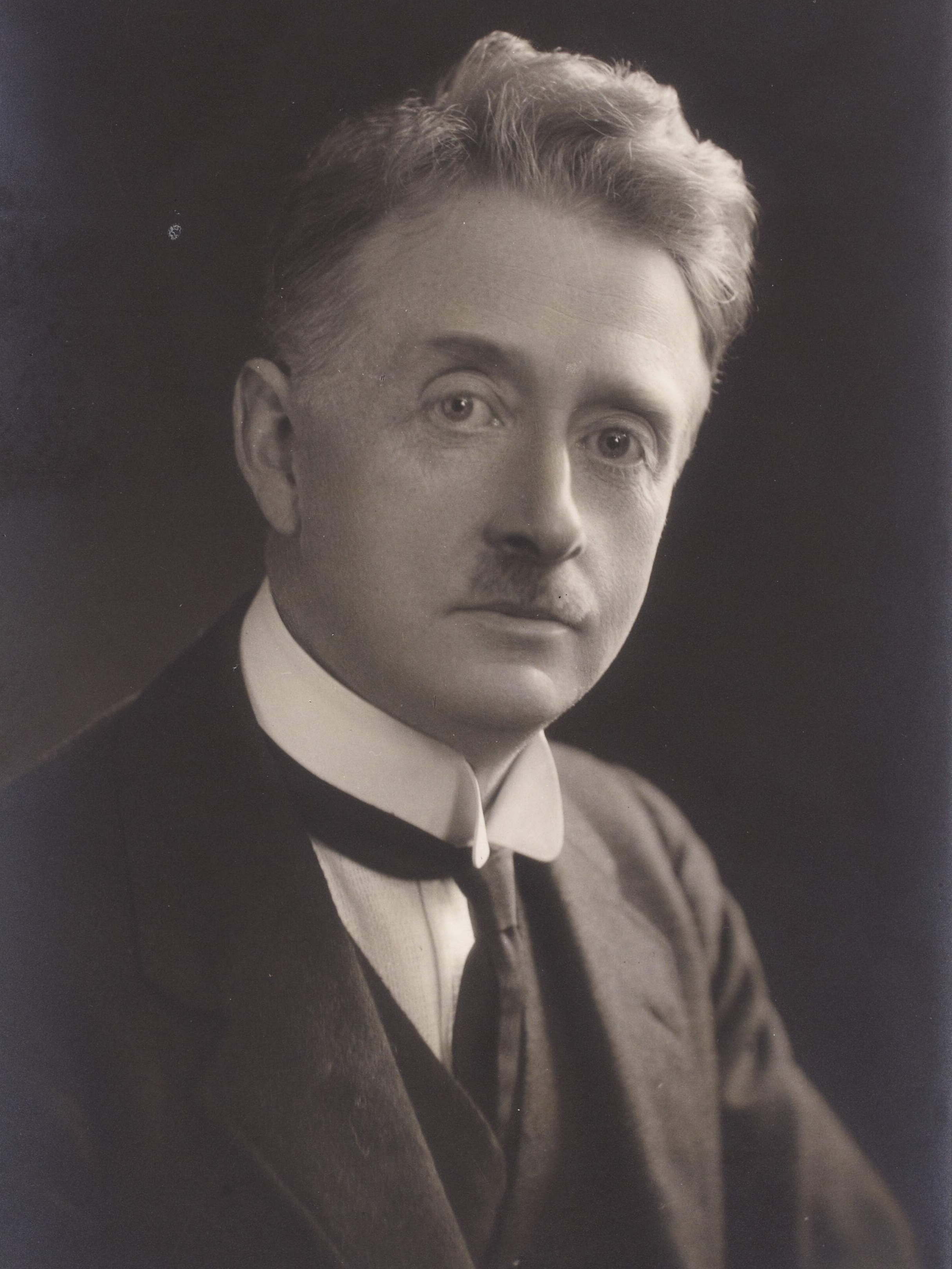
W. T. Cosgrave
 (William Thomas Cosgrave (Liam Mac Cosgair))
Founding statesman and first President of the Executive Council of the Irish Free State (1922–1932) who established stable constitutional democracy following the Irish Civil War, founded the Shannon Hydroelectric Scheme, and peacefully handed over power to his civil war opponents.
Ruhollah Khaleqi
 (روحالله خالقی)
Master composer and musicologist who founded the National Music Society in 1949 and composed Iran's beloved patriotic anthem 'Ey Iran'.
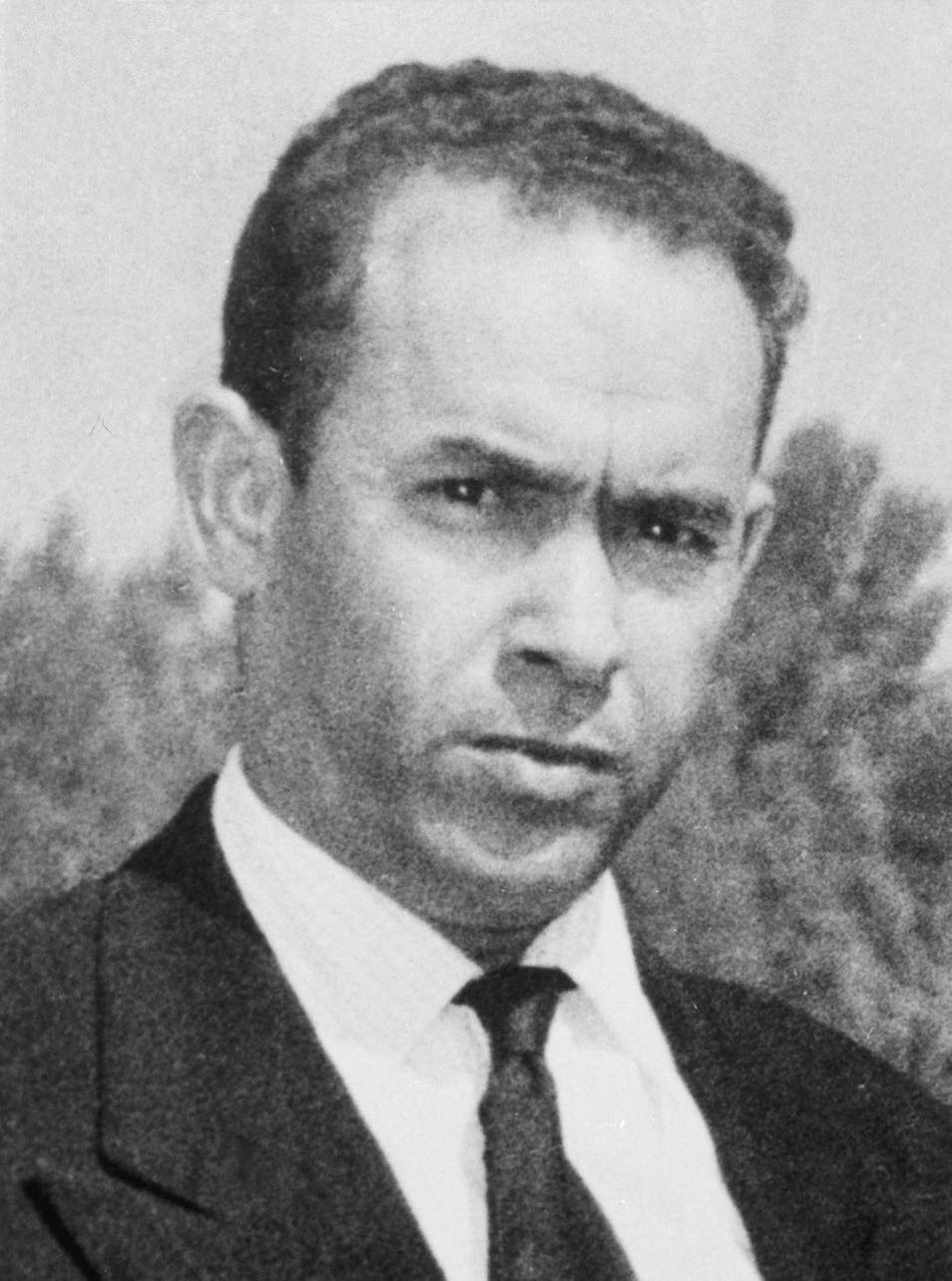
Mehdi Ben Barka
 (المهدي بن بركة)
Dynamic Moroccan socialist statesman and anti-imperialist leader who headed the National Union of Popular Forces (UNFP) and served as leader of the Tricontinental Conference, championing global liberation before his mysterious assassination in Paris.
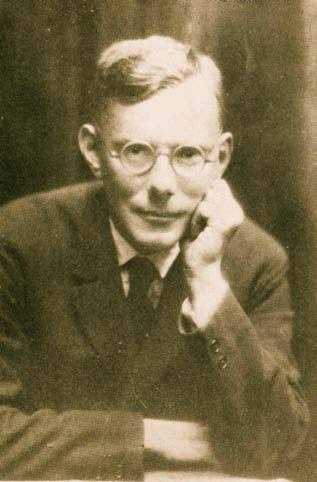
Paul Johannes Tillich
(Paul Tillich)
German-American Christian existentialist philosopher and theologian whose 'The Courage to Be' and 'Systematic Theology' defined faith as the state of being grasped by an 'ultimate concern'.
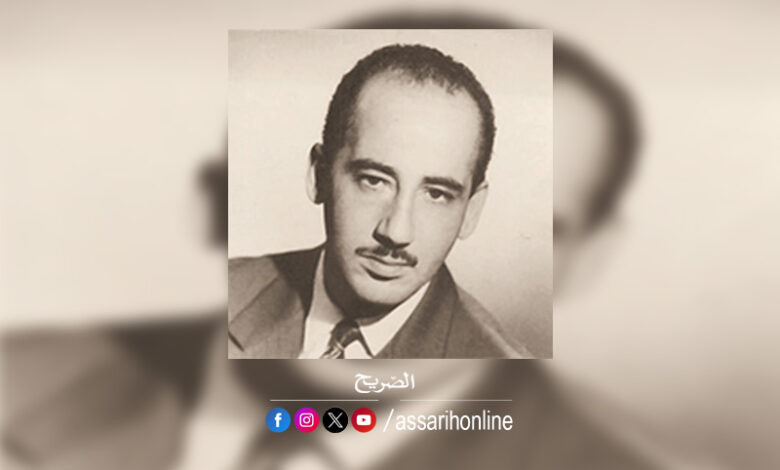
Taieb Mehiri
 (الطيب المهيري)
Instrumental Tunisian revolutionary leader and the republic's first Minister of the Interior, who organized the underground resistance and built modern Tunisia's internal security and administrative infrastructure.
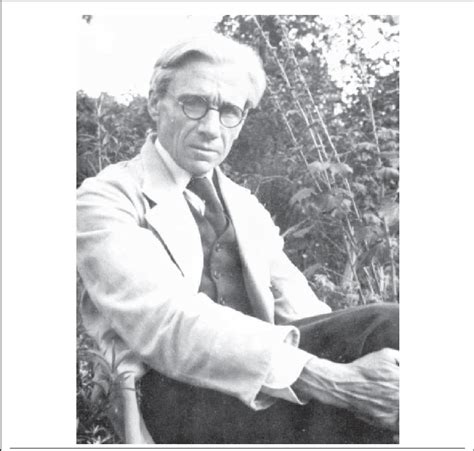
Lucien Hauman
 (Lucien Alberto Hauman)
Distinguished Belgian botanist and phytogeographer who founded the Institute of Botany at the University of Buenos Aires, mapped the flora of the Andes and Patagonia, and pioneered Congolese botany.
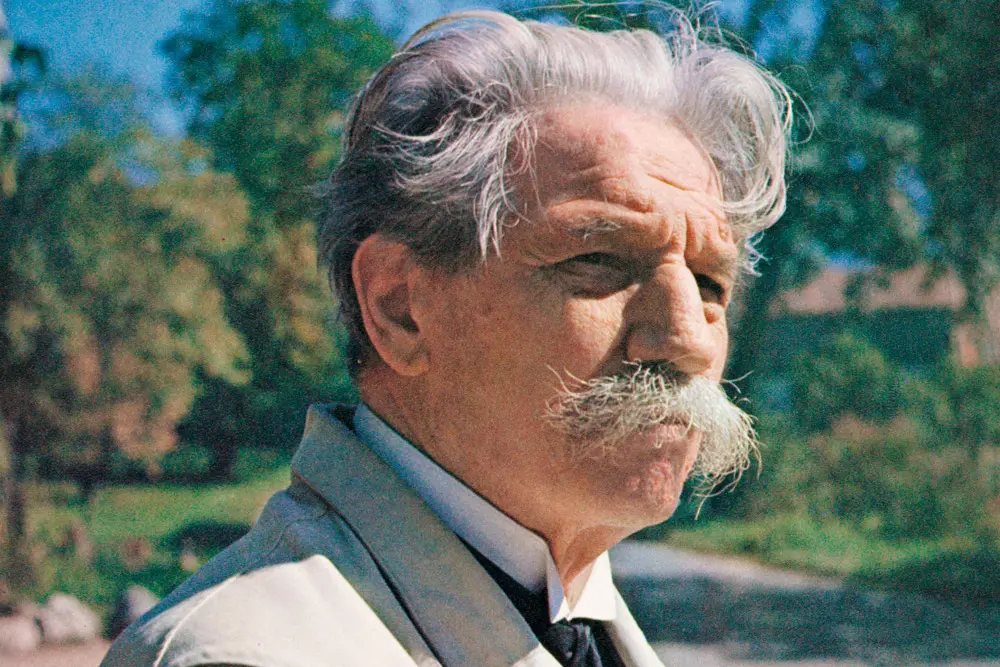
Albert Schweitzer
 (Albert Schweitzer)
Albert Schweitzer was an Alsatian polymath, Lutheran theologian, virtuoso organist, and medical missionary who established the Lambaréné Hospital in equatorial Africa. Renowned for his moral philosophy of 'Reverence for Life' (Ehrfurcht vor dem Leben), he was awarded the 1952 Nobel Peace Prize and devoted his Nobel funds to constructing a leper colony.