Public Figures & Cultural Luminaries
Filterable archive covering centuries of intellectual, artistic, and moral contributions to the human story.
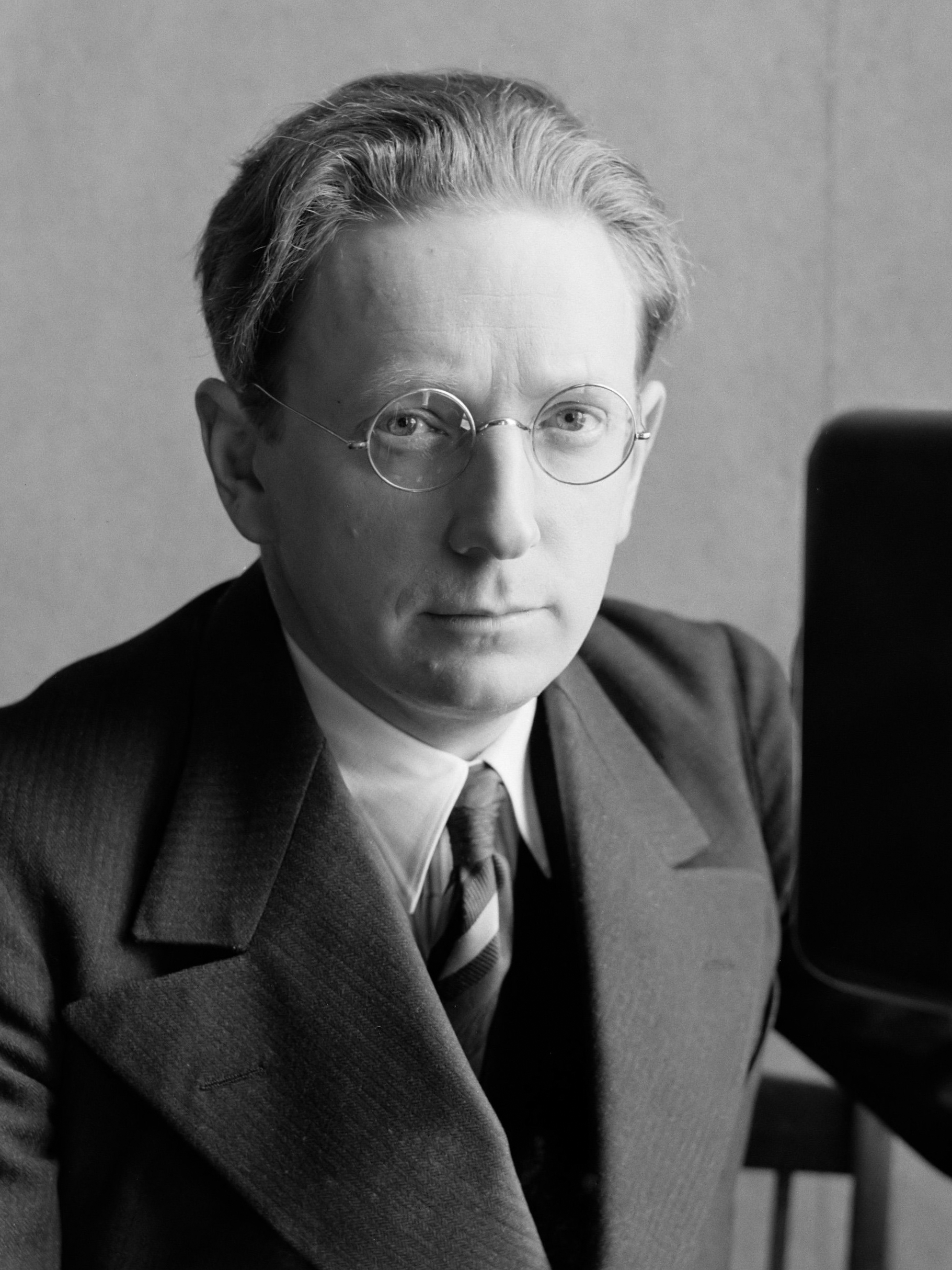
Jón Leifs
 (Jón Leifs)
Pioneering Icelandic modernist composer who forged an uncompromising, thunderous musical idiom depicting volcanic eruptions, geysers, and avalanches in works like Hekla and the Saga Symphony.
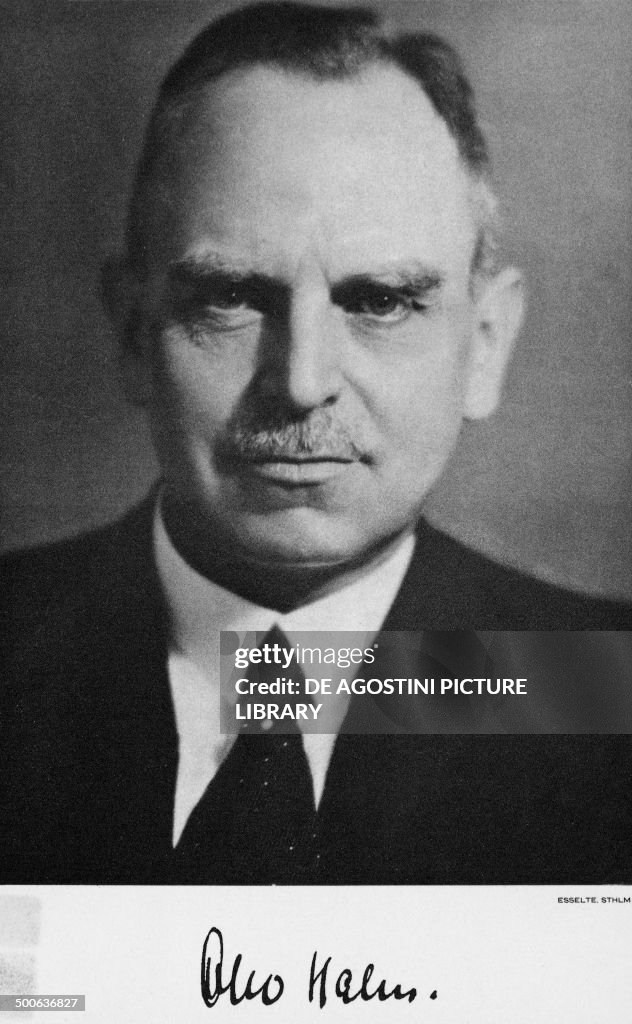
Otto Hahn
 (Otto Hahn)
German chemist regarded as the 'father of nuclear chemistry' who discovered nuclear fission with Fritz Strassmann in 1938.
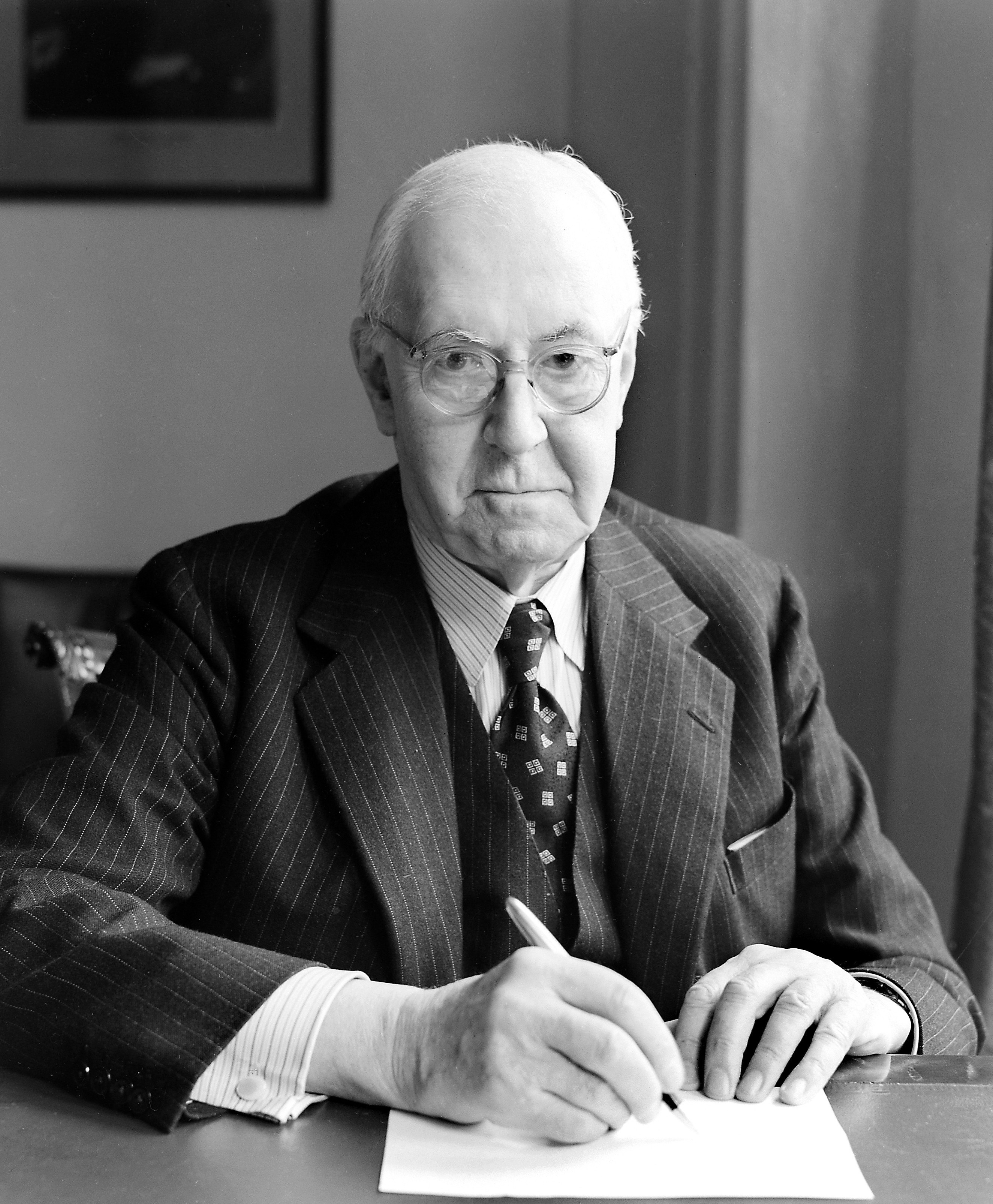
Henry Dale
 (Sir Henry Hallett Dale)
English pharmacologist who won the 1932 Nobel Prize in Medicine for identifying acetylcholine as the neurotransmitter of the parasympathetic and voluntary nervous systems, and formulated 'Dale's Principle' of neuronal transmission.
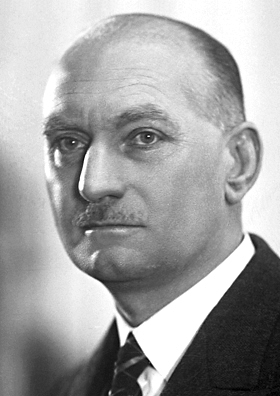
Corneille Heymans
 (Corneille Jean François Heymans)
Belgian physiologist and pharmacologist who won the 1938 Nobel Prize in Physiology or Medicine for discovering the respiratory chemoreceptors in the carotid sinus and aortic body that regulate human breathing.
Zaki al-Arsuzi
 (زكي الأرسوزي)
Syrian philosopher and linguistic theorist who formulated the philosophical and philological foundations of Arab national identity.
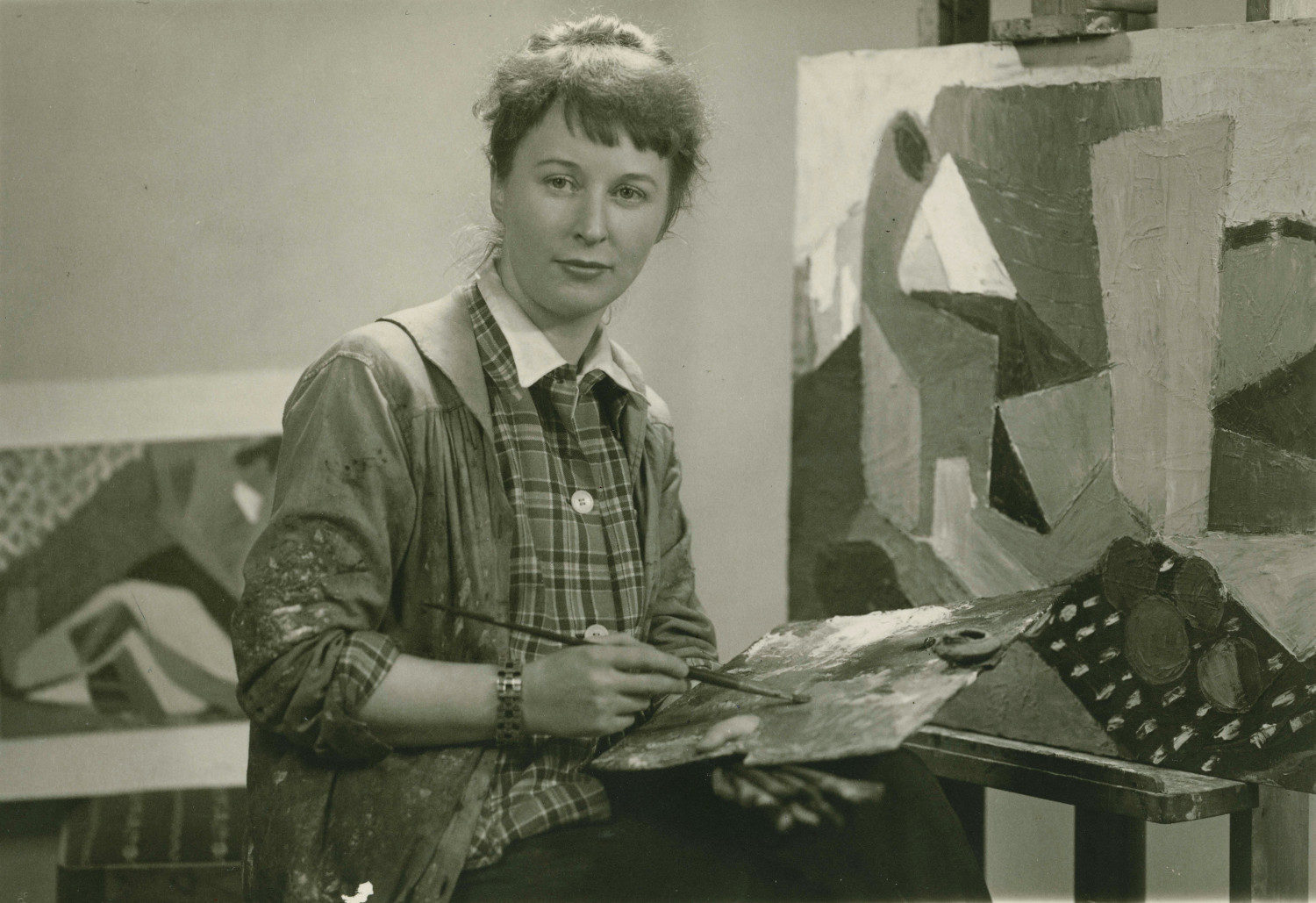
Nína Tryggvadóttir
(Jónína Tryggvadóttir)
Foremost Icelandic female modernist painter and stained glass artist who achieved international renown within the New York School of Abstract Expressionism and European tachisme.
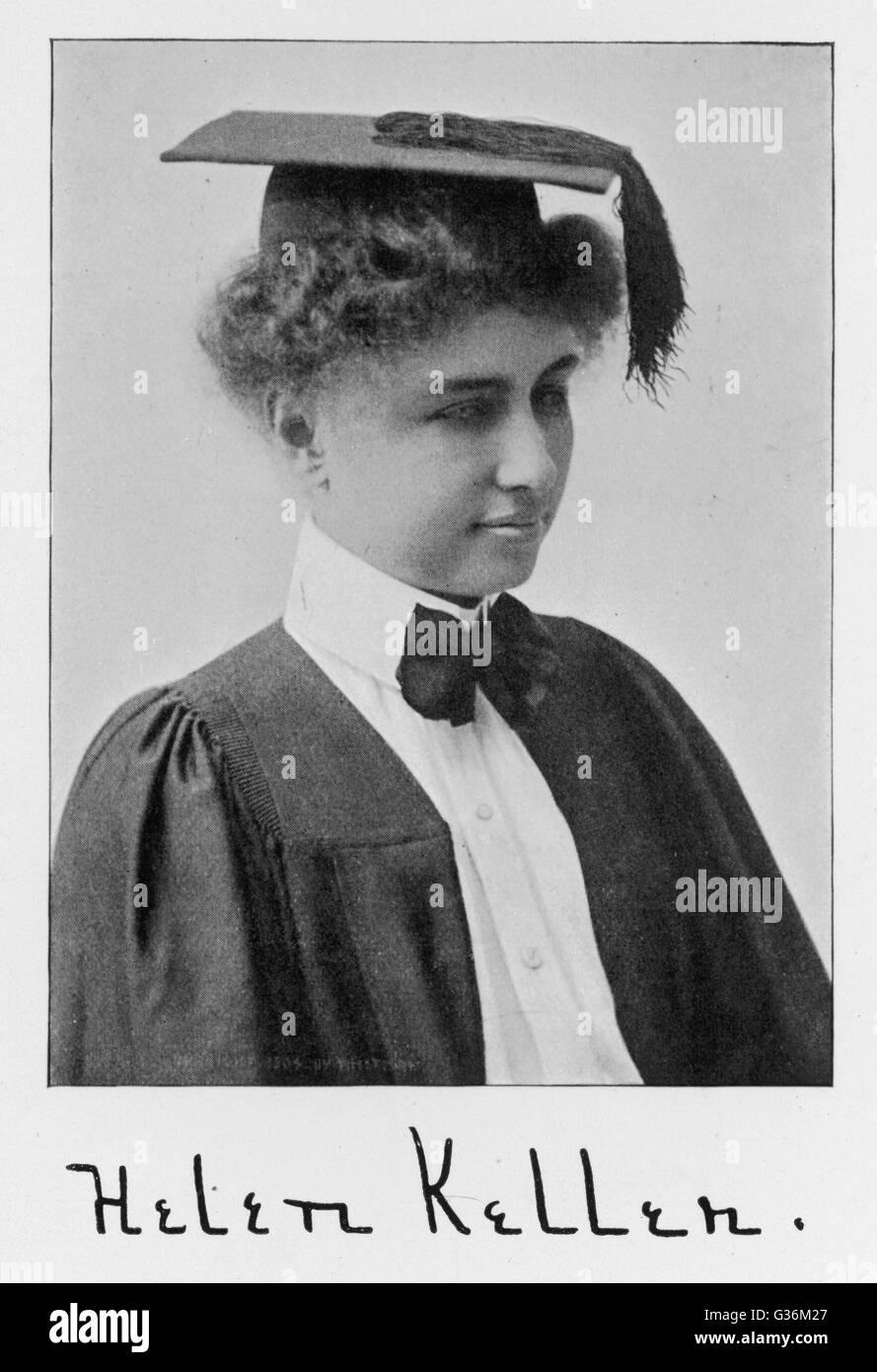
Helen Adams Keller
 (Helen Keller)
Auteure et militante américaine sourde et aveugle, symbole universel du dépassement du handicap, défenseure acharnée des aveugles, du droit des femmes et de la paix.
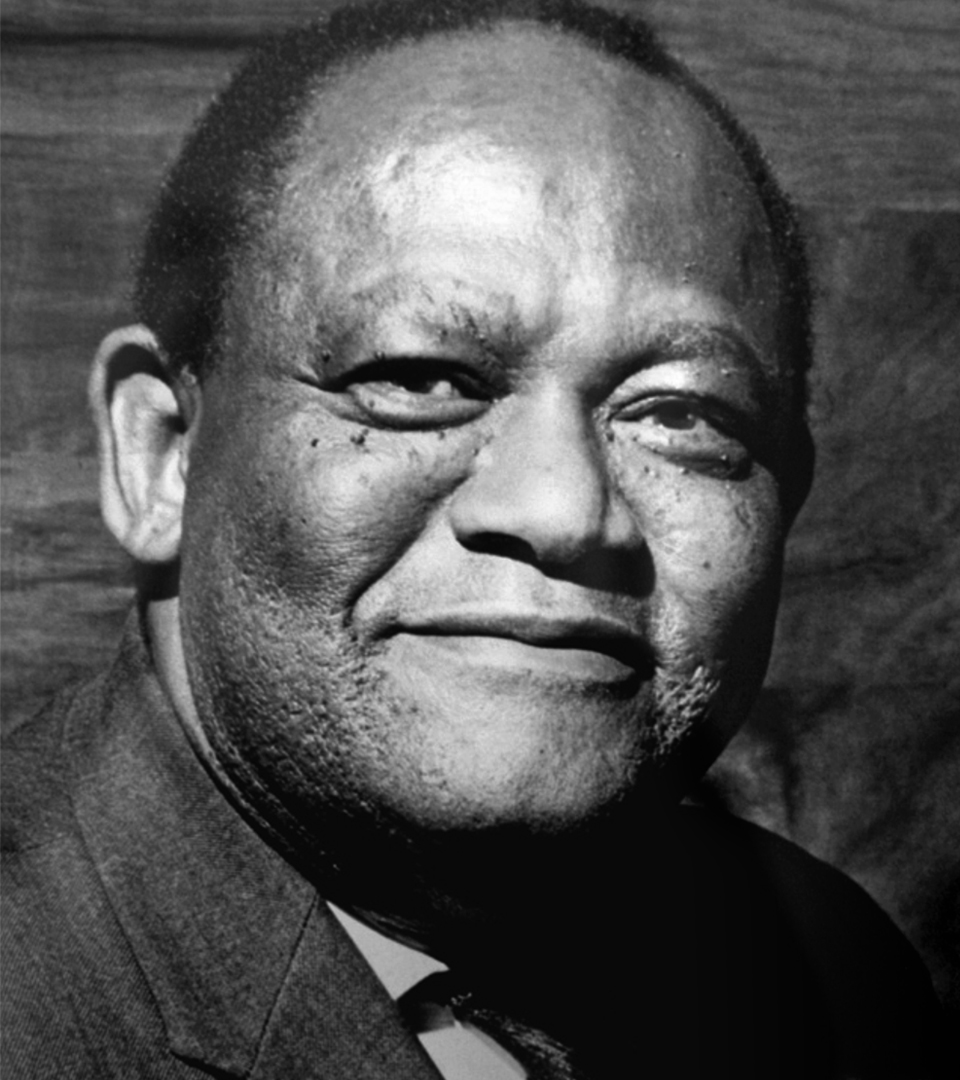
Z. K. Matthews
 (Zachariah Keodirelang Matthews)
Towering scholar and ANC Cape leader who in 1953 first conceived the idea of the Congress of the People and the historic 'Freedom Charter', later serving as Botswana's Ambassador to the UN.
Soraya Tarzi
(ملکه ثریا طرزی)
Iconic Queen Consort of Afghanistan who championed female emancipation, founded Afghanistan's first girls' school (Masturat) and women's hospital, and famously unveiled herself in public in 1928.
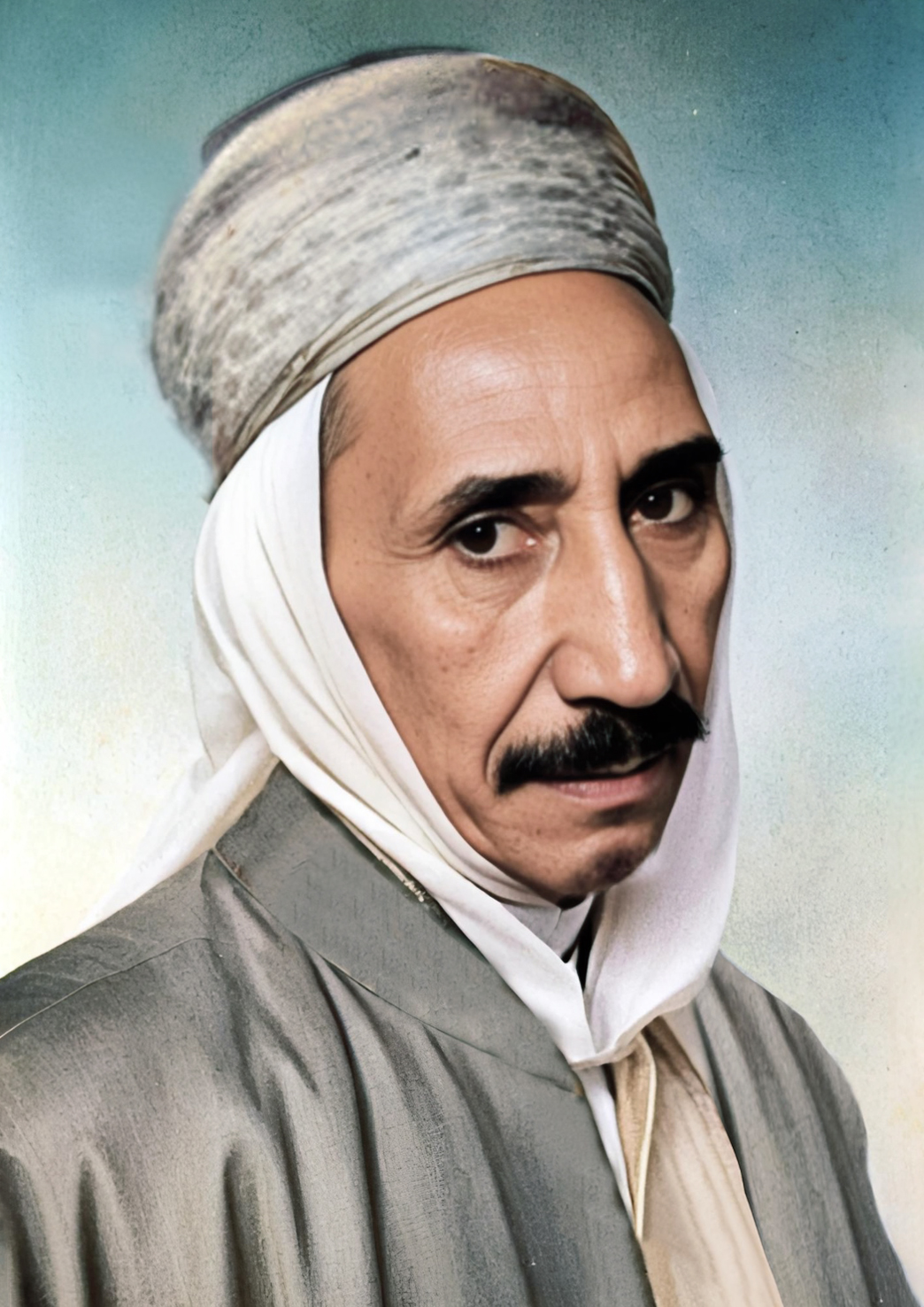
Cheikh Hamada
 (الشيخ حمادة)
The supreme patriarch of traditional Bedouin music and Gasba reed-flute poetry from the Dahra mountains, who profoundly influenced modern Algerian music from Chaabi to Raï.
Amelia Peláez
 (Amelia Peláez del Casal)
Vanguard Cuban modernist painter whose distinctive still lifes with heavy black outlines, colonial architectural arabesques, and luminous stained-glass palettes redefined 20th-century Latin American art.
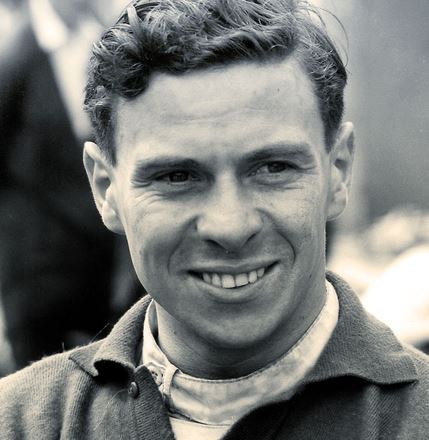
James Clark Jr.
(James Clark Jr.)
Scottish racing driver who won two Formula One World Championships and the 1965 Indianapolis 500, famed for his sublime natural driving elegance.
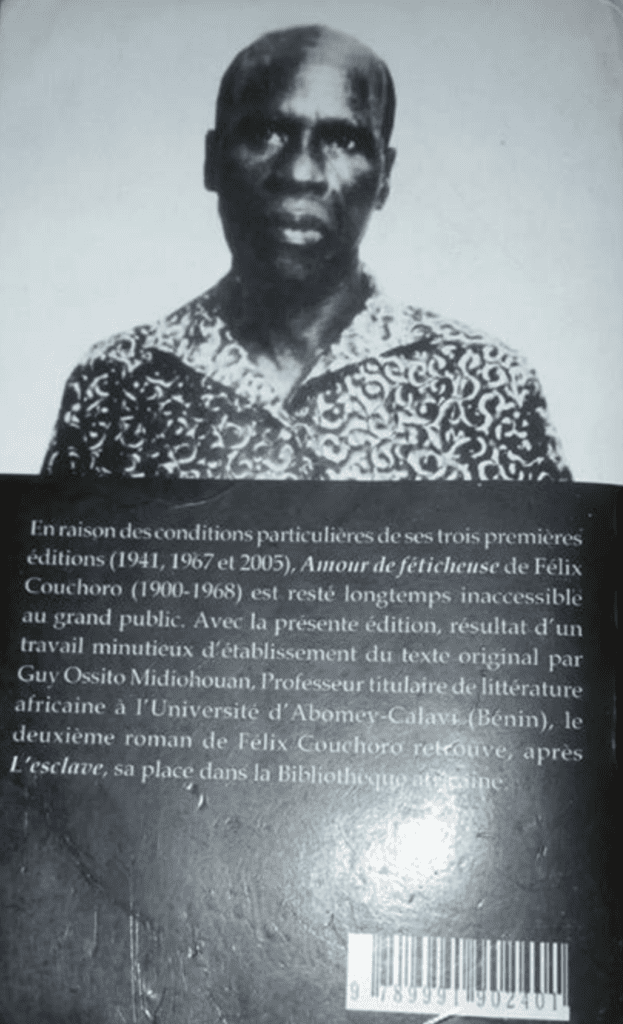
Felix Couchoro
 (Felix Couchoro)
Pioneering West African novelist whose 1929 novel 'L'Esclave' was the second published novel in French by a Black African, celebrated for chronicling popular social realities.
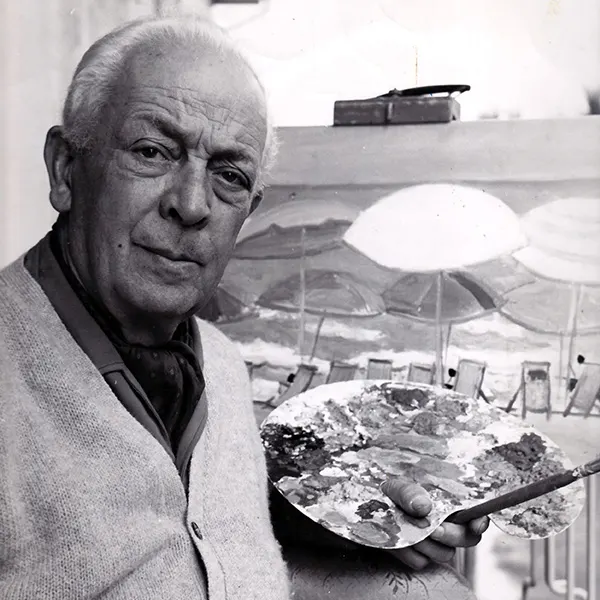
Moses Levy
 (موشي ليفي)
Master colorist and engraver born to a British father and Tunisian Jewish mother, whose radiant portrayals of Tunisian beaches, souks, and street life placed him at the summit of Mediterranean expressionism.
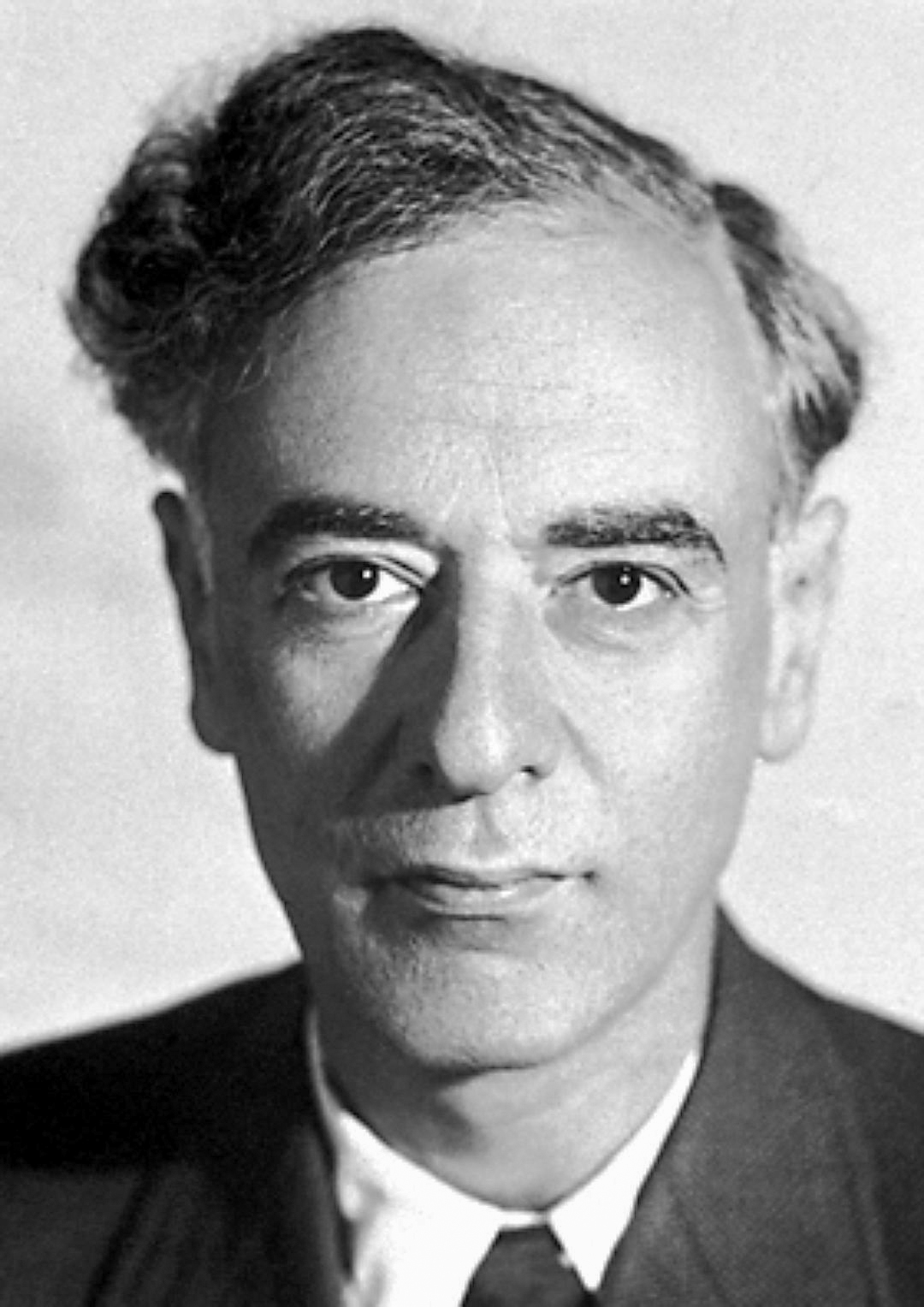
Lev Landau (Лев Давидович Ландау)
Legendary Soviet theoretical physicist whose genius spanned superfluidity, superconductivity, Fermi liquid theory, and plasma physics, authoring the monumental Course of Theoretical Physics.
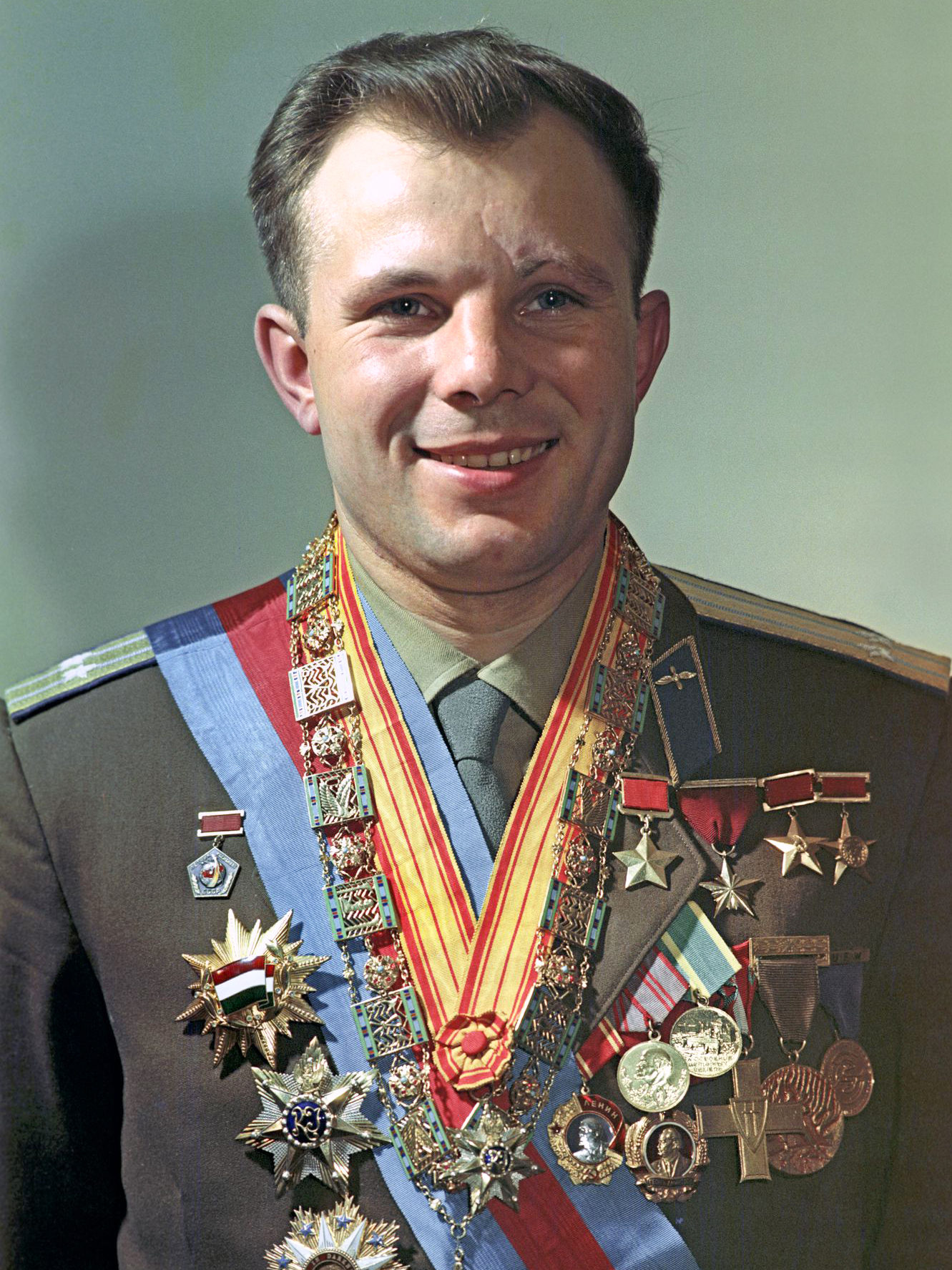
Yuri Gagarin
 (Юрий Алексеевич Гагарин)
Soviet cosmonaut who became the first human to journey into outer space and orbit the Earth aboard Vostok 1 in 1961.
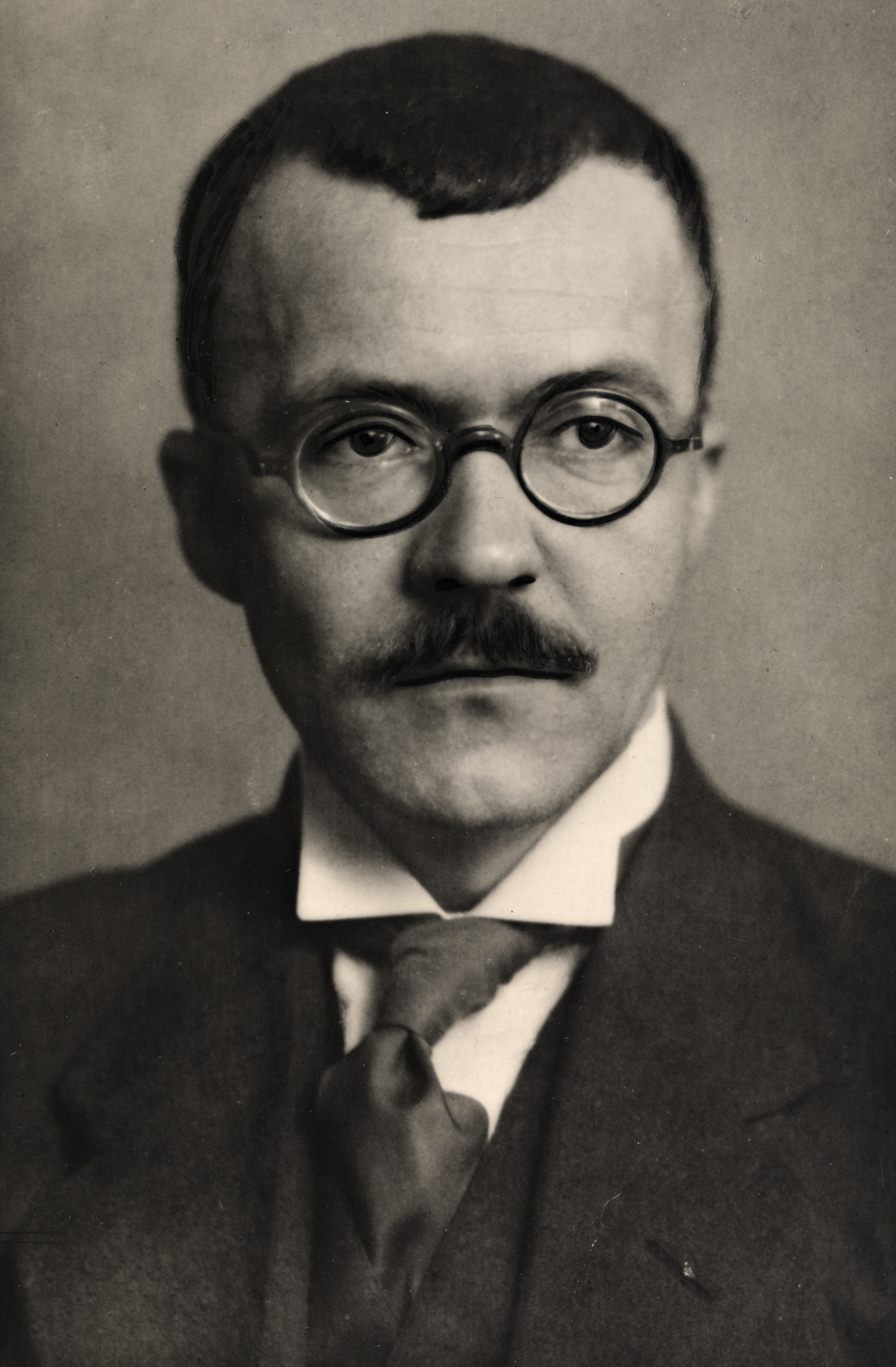
Arnulf Øverland
 (Ole Peter Arnulf Øverland)
Prominent Norwegian poet and moral conscience who penned the anti-fascist warning 'Du må ikke sove' in 1937, survived Grini and Sachsenhausen concentration camps, and lived in Grotten.
Alice Guy-Blaché
 (Alice Ida Antoinette Guy)
Visionary French cinema pioneer recognized as the world's very first female film director and one of the first filmmakers in history to direct a narrative fiction film with La Fée aux Choux (The Cabbage Fairy, 1896).