Hypatia of Alexandria
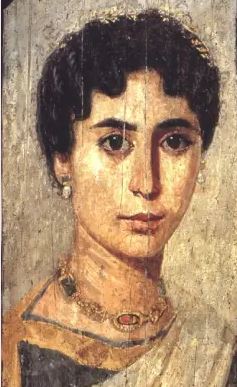
Head of the Neoplatonic school in Alexandria and one of antiquity's greatest women of science. Commentator on Diophantus and Apollonius, whose brutal murder by zealots made her an eternal symbol of intellectual courage.
Start typing to search worldwide archives and community tributes
Filterable archive covering centuries of intellectual, artistic, and moral contributions to the human story.
Head of the Neoplatonic school in Alexandria and one of antiquity's greatest women of science. Commentator on Diophantus and Apollonius, whose brutal murder by zealots made her an eternal symbol of intellectual courage.
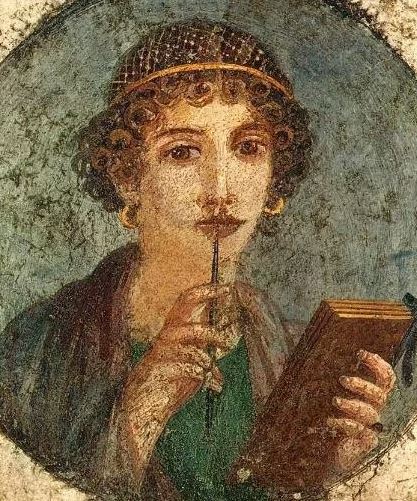
Hailed across antiquity by Plato as "The Tenth Muse", Sappho's lyrical poems captured personal passion, vulnerability, and the sacred beauty of nature. Her Sapphic stanza established immortal standards for lyric verse.
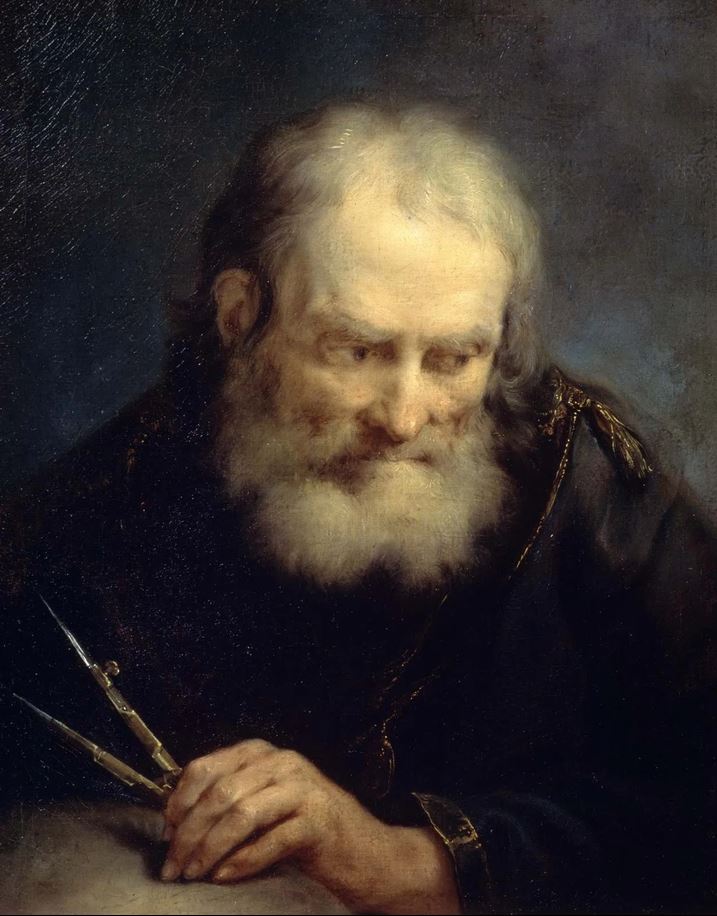
The preeminent mathematician and physical scientist of antiquity. Formulated hydrostatic buoyancy, the lever, the screw pump, calculated accurate bounds for pi, and designed ingenious war machines to defend Syracuse.
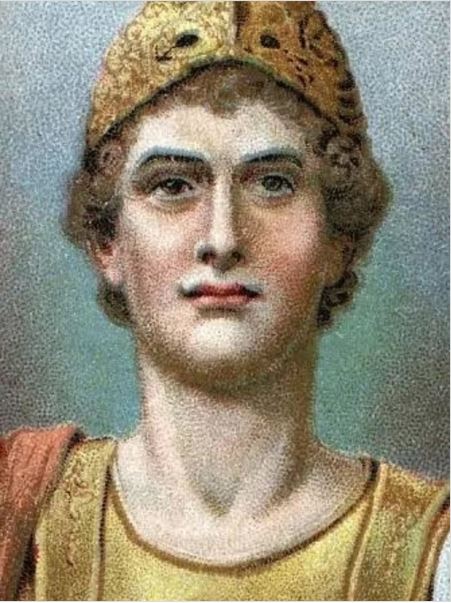
Undefeated military commander who forged an empire stretching from Greece and Egypt to the Indus Valley by age thirty. Initiated the Hellenistic era, synthesizing Mediterranean, Egyptian, Persian, and Indian civilizations.
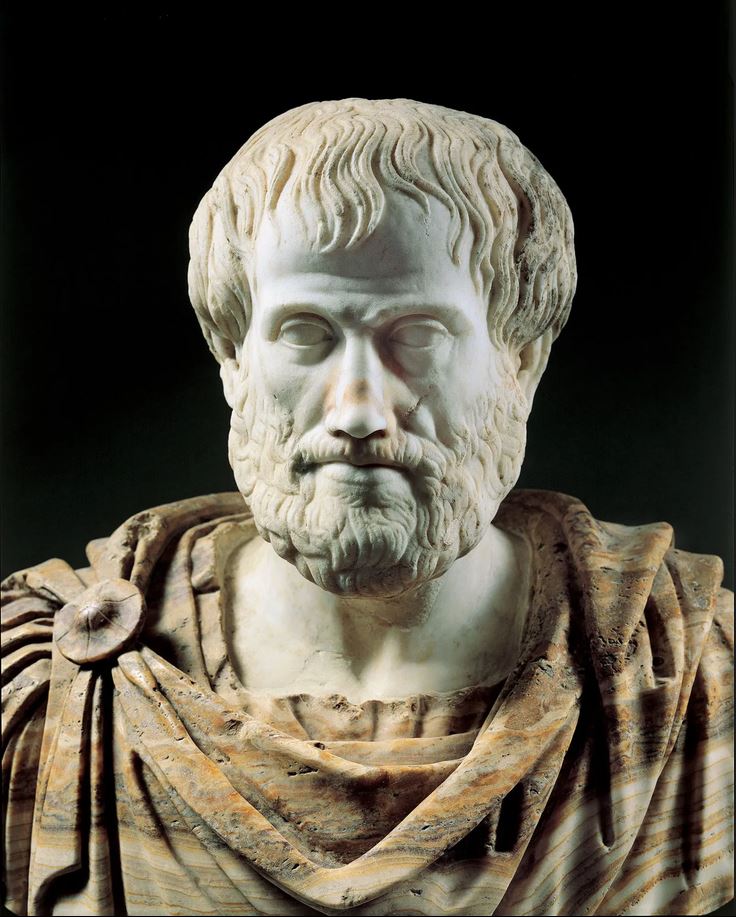
Universal polymath whose treatises founded formal logic, biology, physics, ethics, politics, and poetics. Revered in Islamic scholarship as "The First Teacher" and in the European scholastic tradition as "The Philosopher".
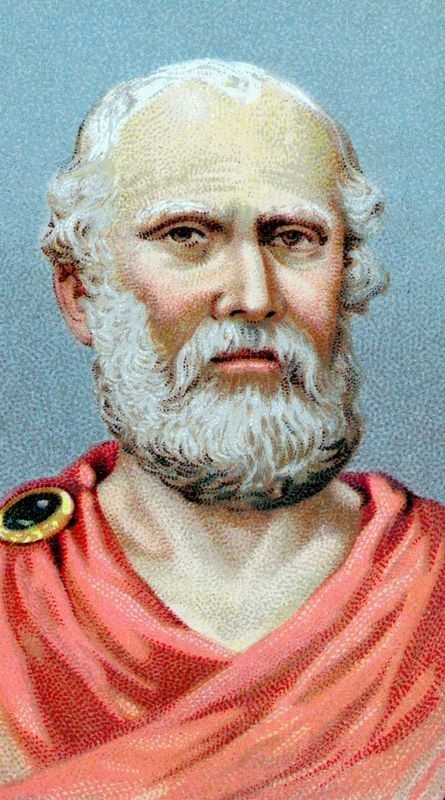
Disciple of Socrates and teacher of Aristotle, Plato founded the Academy in Athensโthe Western world's first institution of higher learning. Author of immortal dialogues on justice, metaphysics, love, and ideal governance.
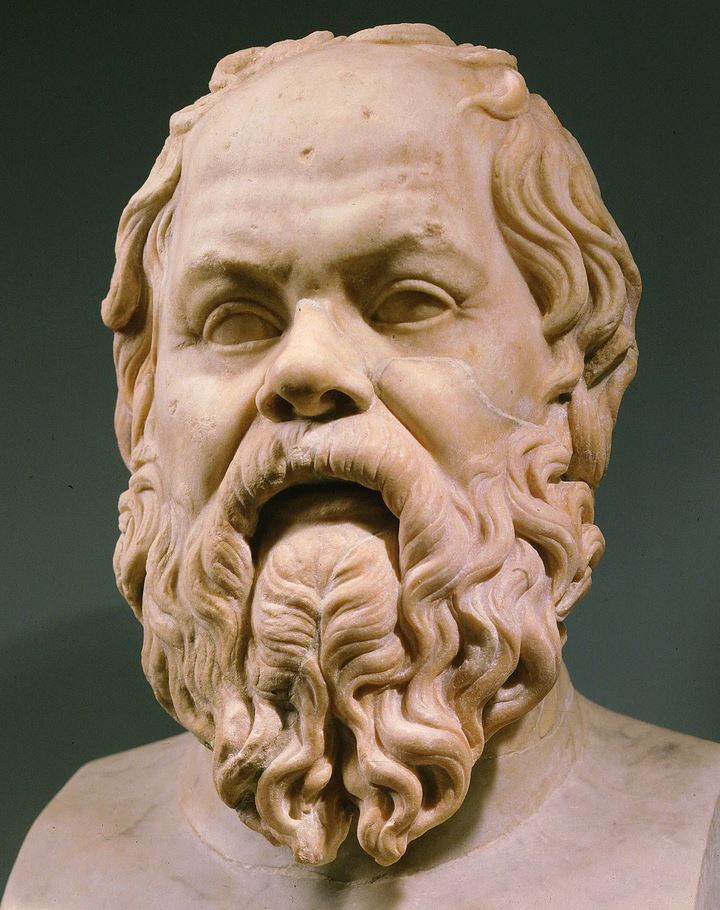
Foundational pillar of Western moral philosophy whose method of critical questioning (the Socratic method) revolutionized rational dialogue. Accepted death by hemlock with steadfast moral composure.
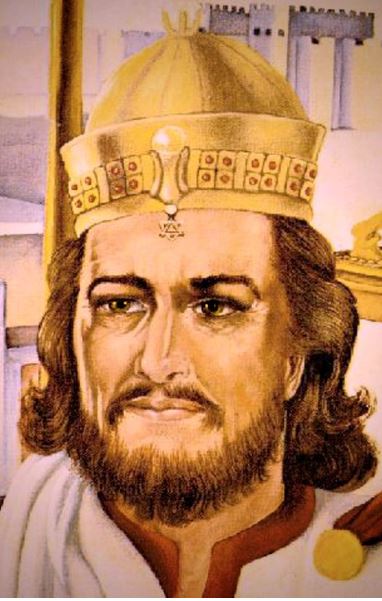
Sovereign of the Phoenician island-city of Tyre who forged the Mediterranean's foremost maritime trade empire. Supplied cedar wood, naval fleets, and master craftsmen for the construction of the Temple in Jerusalem.
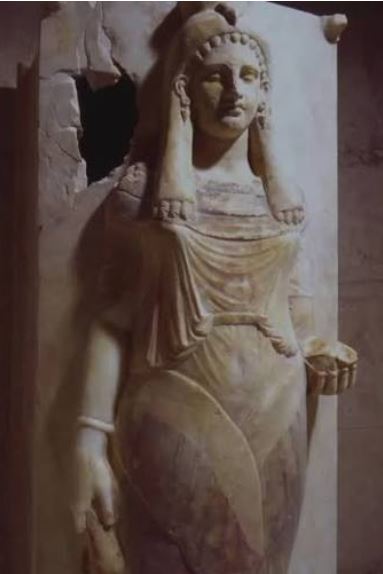
Daughter of Sargon of Akkad and High Priestess of Nanna at Ur. The earliest named author in recorded human history, whose temple hymns and devotionals to Inanna established poetic and theological traditions.
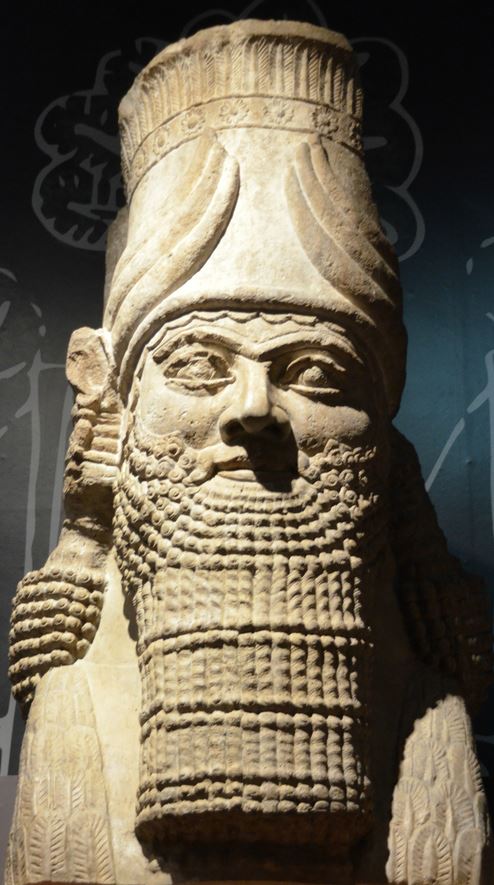
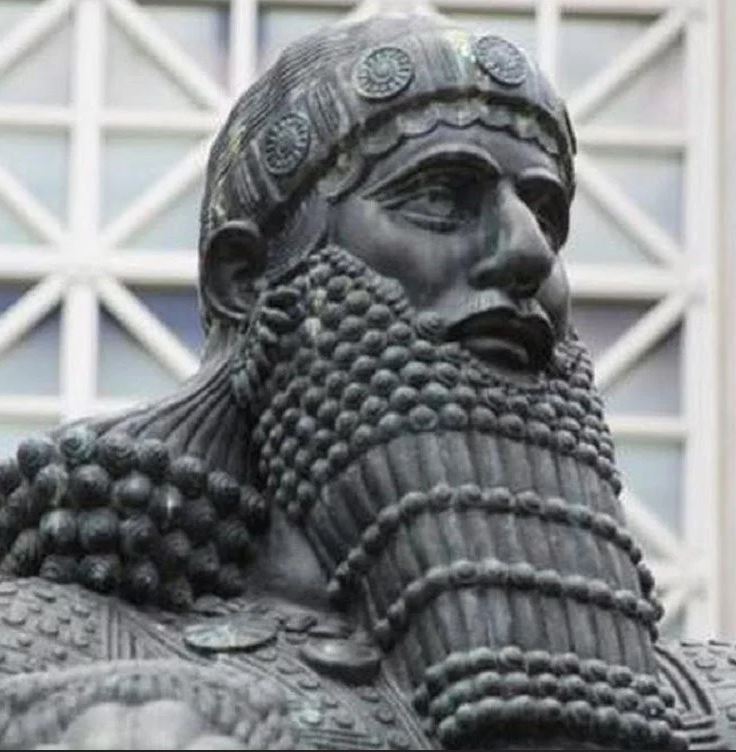
The last great sovereign of the Neo-Assyrian Empire. A formidable intellectual who assembled over 30,000 cuneiform tablets in the Royal Library of Nineveh, preserving the Epic of Gilgamesh for modern humanity.
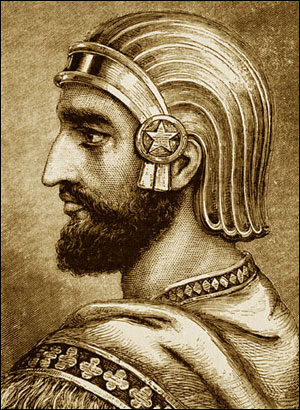
Founder of the Achaemenid Persian Empire. Renowned across civilizations for his chivalry, governance through cultural and religious tolerance, liberation of the Jews from Babylon, and the historic Cyrus Cylinder.
Sixth king of the First Babylonian Dynasty who unified Mesopotamia. Globally celebrated for the Code of Hammurabi, one of humanity's earliest comprehensive legal codes establishing the written rule of law and judicial protection.
Formidable Kandake (Queen Regnant) of the Kingdom of Kush. Leading her armies in person despite losing an eye in battle, she fought the Roman Empire's legions to a standstill, securing an honorable peace treaty with Emperor Augustus.
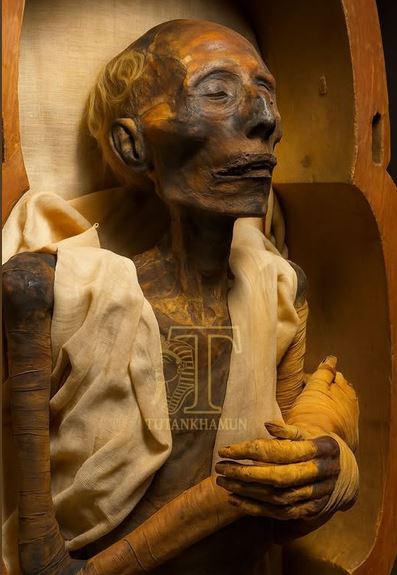
The quintessential Pharaoh of the Egyptian New Kingdom. Reigned for 66 years, led military campaigns across the Levant, concluded the world's first recorded international peace treaty, and erected Abu Simbel and the Ramesseum.
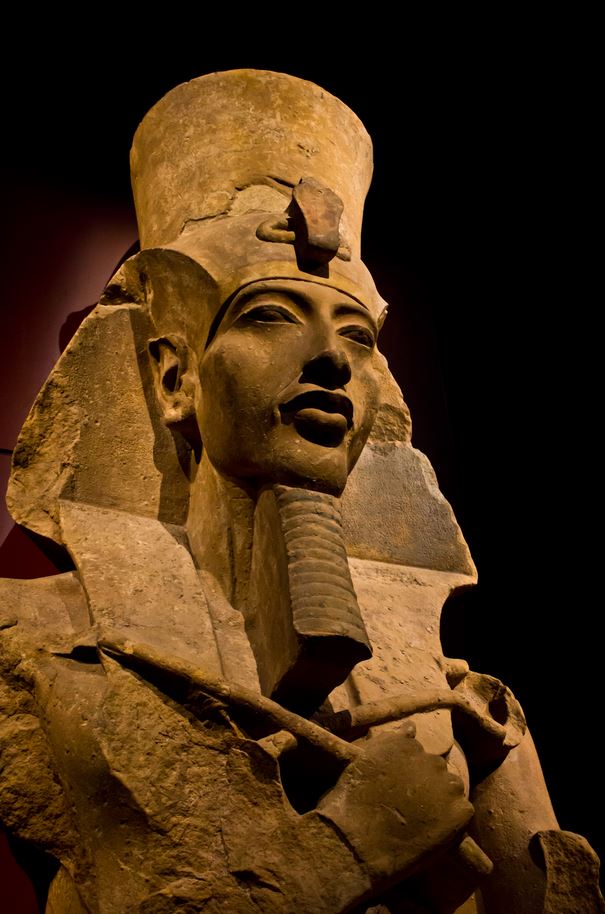
Revolutionary Pharaoh who instituted one of the world's earliest recorded systems of solar monotheism centered on the Aten, establishing the purpose-built capital of Akhetaten (Amarna) and inspiring a radically naturalistic art style.
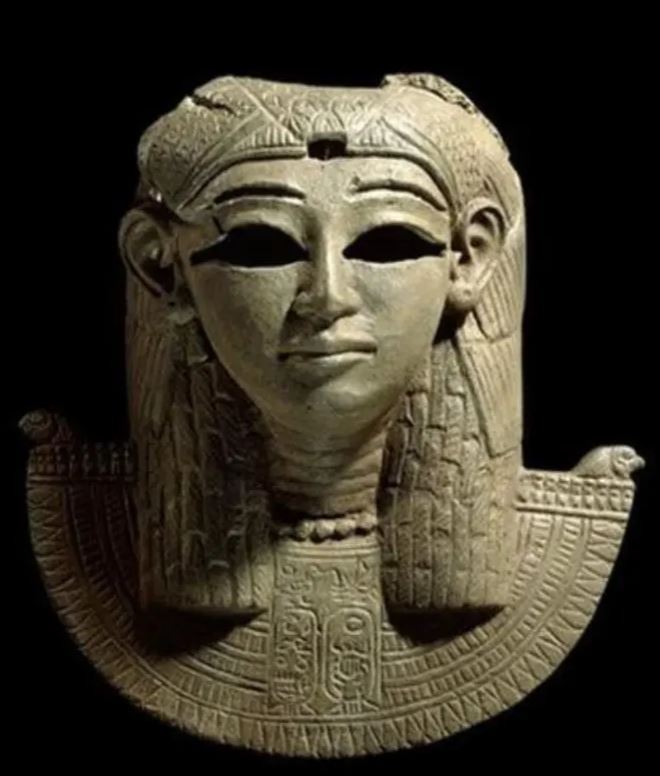
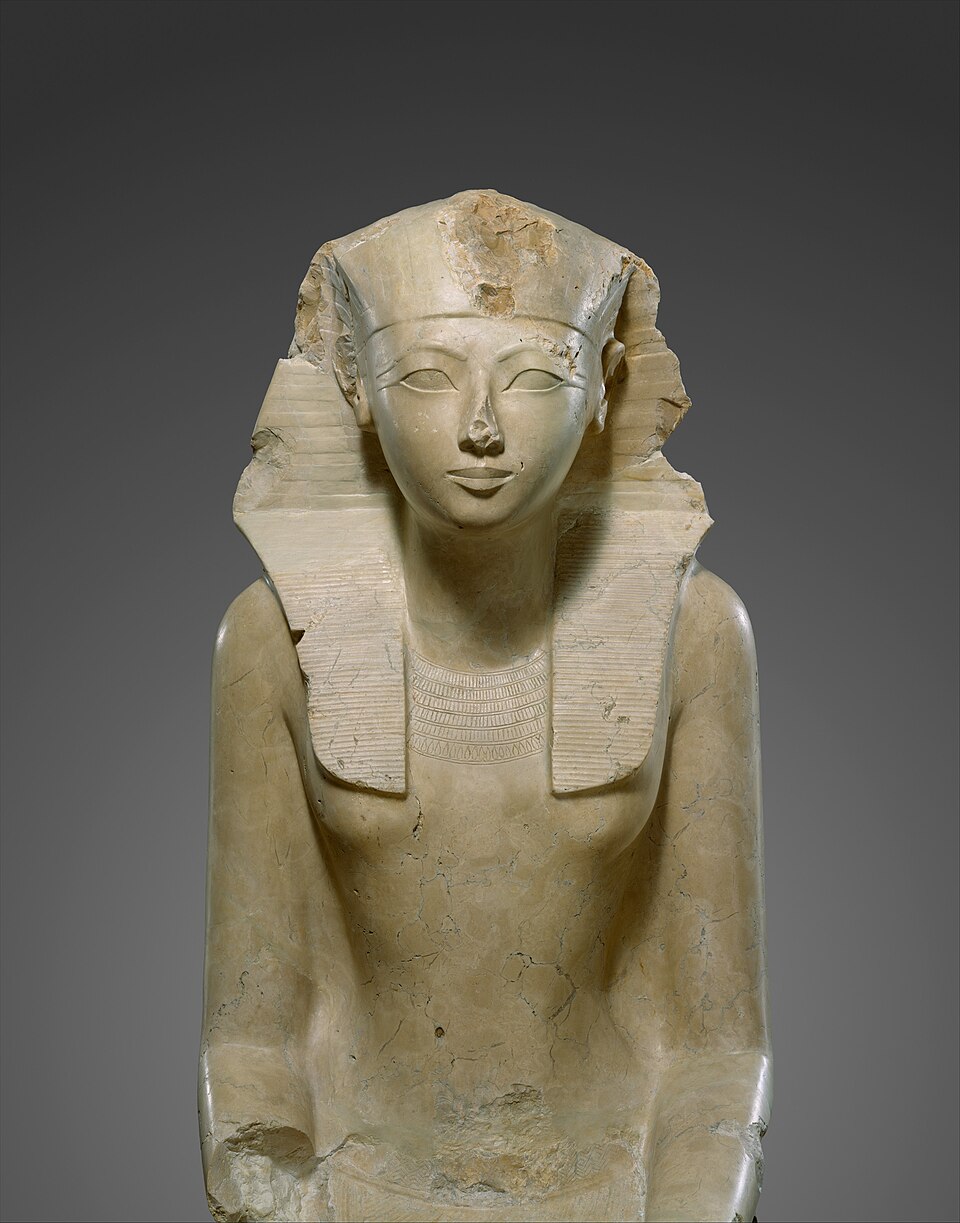
The fifth Pharaoh of the Eighteenth Dynasty and one of ancient Egypt's most visionary female sovereigns. Inaugurated an unprecedented era of peace, artistic brilliance, monumental temples, and the legendary expedition to Punt.
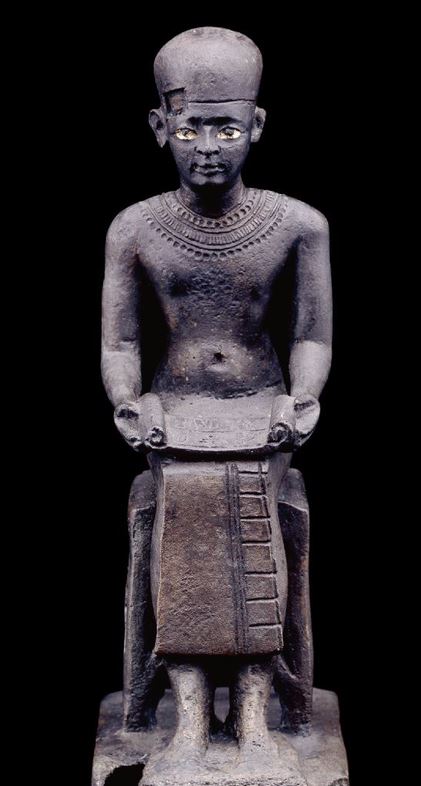
Chancellor to Pharaoh Djoser and architect of the revolutionary Step Pyramid at Saqqaraโthe world's earliest monumental stone structure. Revered as the foundational progenitor of medicine and architecture, later deified as the god of healing.