Public Figures & Cultural Luminaries
Filterable archive covering centuries of intellectual, artistic, and moral contributions to the human story.
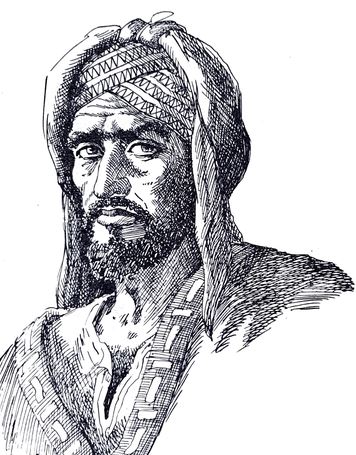
Imru' al-Qais Junduh ibn Hujr al-Kindi
 (امرؤ القيس (الملك الضليل))
Preeminent poet of the pre-Islamic Arabian golden era (Jahiliyyah) and author of the most famous Mu'allaqah, revered as the foundational inventor of the classical Arabic ode (qasida) and mourning over desert ruins (Atlal).
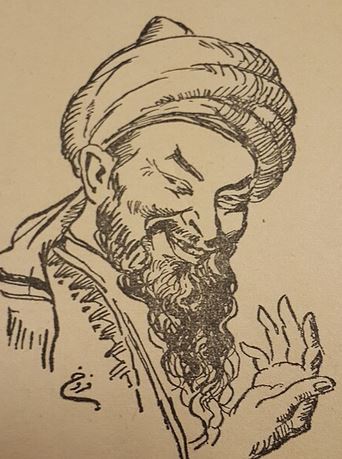
Al-Hasan ibn Hani' al-Hakami (Abu Nuwas)
 (أبو نواس (الحسن بن هانئ الحكمي))
One of the greatest classical Arab poets of the Abbasid Golden Age, famed for his dazzling wit, rebellious humor, and revolutionary mastery of khamriyyat (wine songs) at the court of Harun al-Rashid.
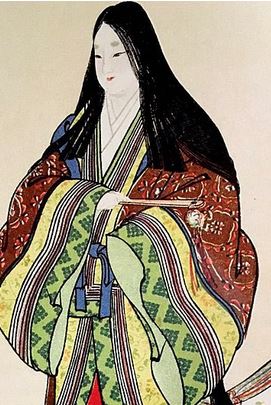
Murasaki Shikibu (Lady Murasaki)
 (紫式部)
(紫式部)
Japanese noblewoman and lady-in-waiting at the imperial court who composed The Tale of Genji around 1008 CE, universally acclaimed as humanity's very first psychological novel and the supreme summit of classical Japanese literature.
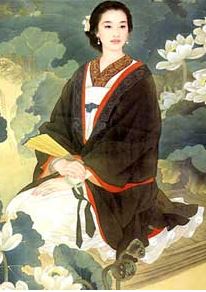
Li Qingzhao (Yi'an Jushi)
 (李清照)
(李清照)
Widely venerated as the greatest female poet in Chinese history, whose delicate, emotionally incandescent ci lyrics captured early marital joy and subsequent devastating grief, war, and displacement during the fall of the Northern Song.
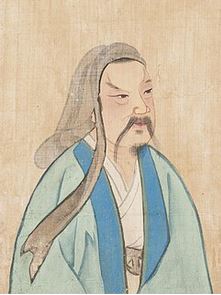
Tao Yuanming (Tao Qian)
(陶淵明 (陶潛))
Revered Chinese poet who renounced imperial bureaucracy to live as a humble recluse, pioneering 'fields and gardens' pastoral poetry and creating the immortal utopian allegory The Peach Blossom Spring.
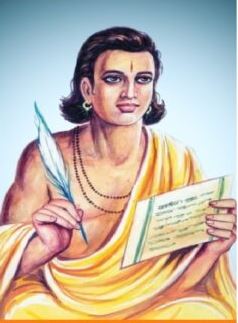
Kalidasa
 (कालिदास)
Peerless classical Sanskrit dramatist and lyric poet of the Gupta Golden Age whose drama Abhijnanasakuntalam and lyric poem Meghaduta (The Cloud Messenger) captivated world literature and inspired Goethe.
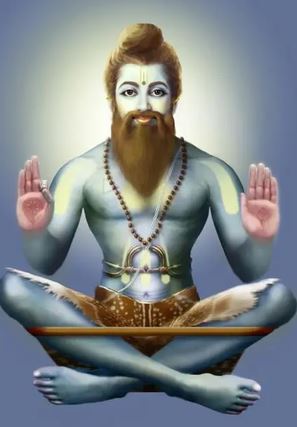
Krishna Dvaipayana Vyasa (Veda Vyasa)
(वेदव्यास)
Immortal sage and epic poet who classified the four Vedas and composed the 100,000-verse Mahabharata—the longest epic poem in world history—housing within it humanity's supreme philosophical discourse, the Bhagavad Gita.
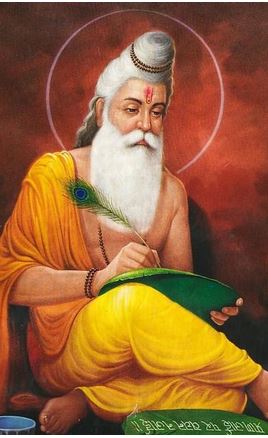
Maharishi Valmiki
(वाल्मीकि)
Revered in Hindu tradition as the Adi Kavi ('First Poet') who invented the Sanskrit sloka verse meter and composed the monumental epic Ramayana, establishing the foundational ethical and poetic archetype of Lord Rama.
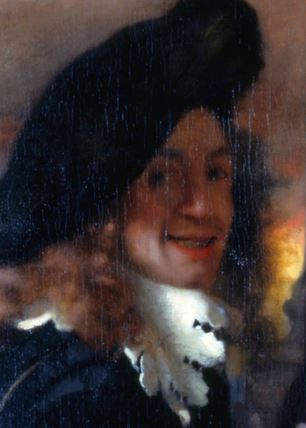
Johannes Vermeer
 (Johannes Vermeer)
Dutch Golden Age painter of Delft celebrated for his luminous quietude, optical precision with the camera obscura, and intimate domestic scenes—including Girl with a Pearl Earring and The Milkmaid.
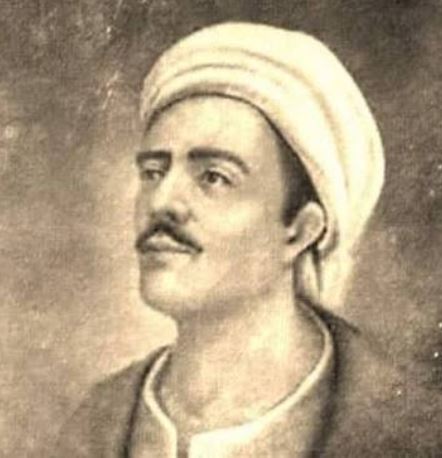
Yunus Emre
 (Yunus Emre)
Legendary 13th-century Anatolian Sufi poet whose heartfelt, accessible Old Anatolian Turkish verses championed universal human brotherhood, divine love, and humility, shaping Turkish national culture.
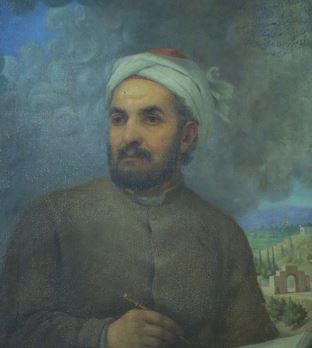
Khwaja Shams al-Din Muhammad Hafez Shirazi
(خواجه شمسالدین محمد حافظ شیرازی)
The undisputed supreme master of the Persian ghazal, whose Divan weaves mystical ecstasy, spiritual yearning, critique of hypocrisy, and sensual beauty into the most beloved poetry in the Persian-speaking world.
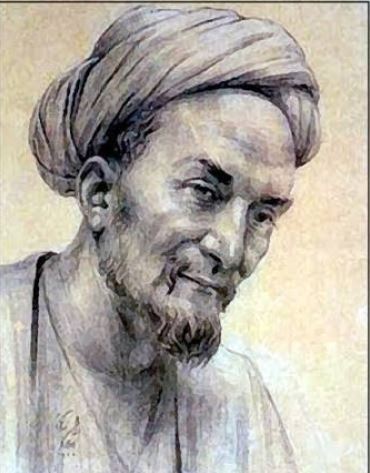
Abu Muhammad Muslih al-Din bin Abdallah Shirazi (Saadi)
(ابومحمد مصلحالدین بن عبدالله شیرازی (سعدی))
Supreme master of classical Persian eloquence and ethical humanism, whose masterpieces the Gulistan (The Rose Garden) and Bustan (The Orchard) celebrate universal compassion, with his famous poem 'Bani Adam' adorning the United Nations.
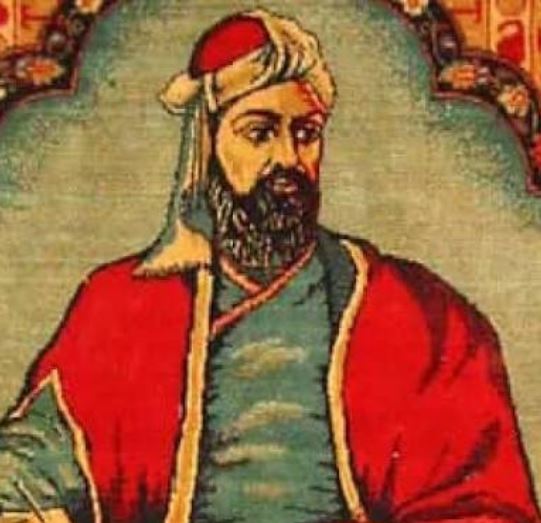
Jamal al-Din Abu Muhammad Ilyas ibn Yusuf (Nizami Ganjavi) (نظامی گنجوی)
Great 12th-century Persian romantic poet whose monumental quintet of epics, the Khamsa (including Layla and Majnun, Khosrow and Shirin, and Haft Paykar), established the highest standard for narrative romance in Eastern literature.
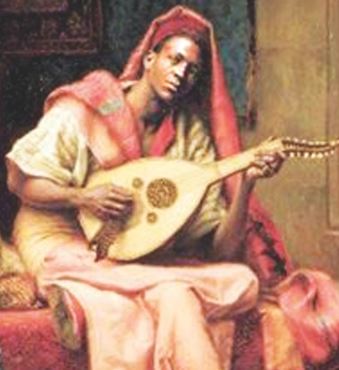
Abu al-Hasan 'Ali ibn Nafi' (Ziryab)
 (أبو الحسن علي بن نافع (زرياب))
Legendary 9th-century musician and polymath who introduced the fifth string to the oud, founded the world's first music conservatory in Córdoba, created the Andalusian musical tradition (Nawbah), and transformed European courtly culture.
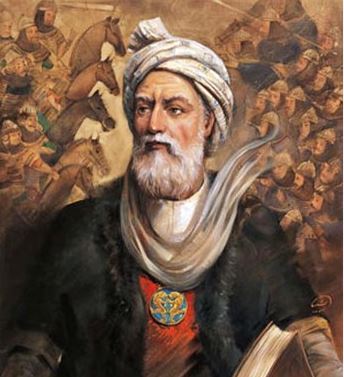
Hakim Abu al-Qasim Ferdowsi Tusi
(ابوالقاسم فردوسی طوسی)
Magnificent Persian epic poet who dedicated thirty-three years to writing the Shahnameh (Book of Kings)—humanity's longest epic poem by a single author—rescuing the Persian language and mythological heritage from extinction.
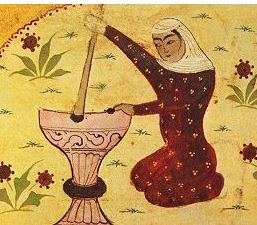
Rabi'a al-'Adawiyya al-Qaysiyya
(رابعة العدوية)
8th-century Muslim mystic and poetess of Basra who pioneered the doctrine of pure, disinterested Divine Love (*Mahabbah*), loving God neither from fear of Hell nor desire for Paradise, but purely for His Divine Beauty.
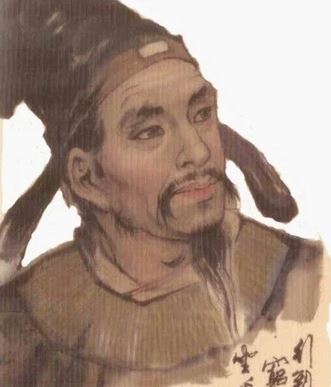
Wang Wei
(王維)
Great Tang polymath celebrated as the 'Poet-Buddha' whose serene Chan (Zen) Buddhist landscape poetry and pioneering monochrome ink-wash paintings caused Su Shi to declare: 'There is painting in his poetry, and poetry in his painting.'
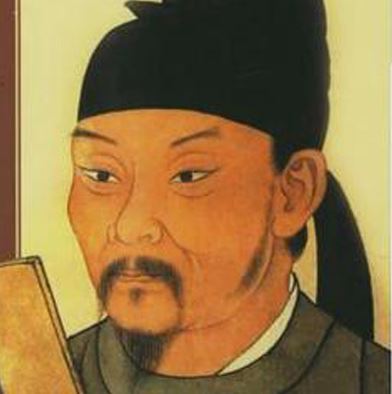
Du Fu (Tu Fu)
(杜甫)
Revered alongside Li Bai as one of China's twin poetic summits, celebrated as the 'Poet-Sage' whose profound social realism, compassionate humanitarianism, and formal mastery chronicled the devastation of the An Lushan Rebellion.