Oba Ozolua
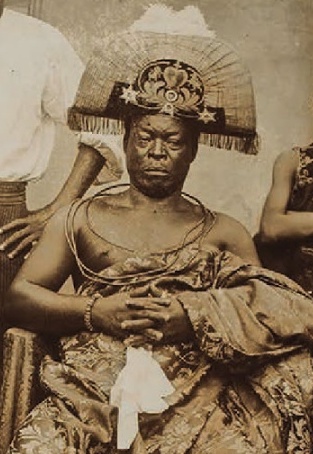
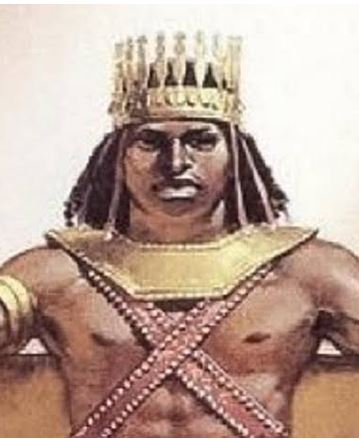
Fearsome warrior Oba of the Kingdom of Benin (reigned c. 1481โ1504), known as 'Ozolua the Conqueror', who fought over two hundred campaigns, expanded Benin's borders, and initiated early diplomatic contact with Portuguese explorers.
Start typing to search worldwide archives and community tributes
Filterable archive covering centuries of intellectual, artistic, and moral contributions to the human story.
Fearsome warrior Oba of the Kingdom of Benin (reigned c. 1481โ1504), known as 'Ozolua the Conqueror', who fought over two hundred campaigns, expanded Benin's borders, and initiated early diplomatic contact with Portuguese explorers.
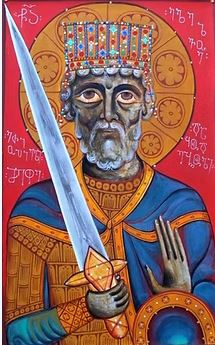
Emperor of Aksum (reigned c. 514โ542 CE), venerated as Saint Elesbaan, who launched a massive naval expedition across the Red Sea in 525 CE to liberate Himyarite Christians in Yemen, before voluntarily abdicating his throne to live as a hermit monk.
Fourth-century Emperor of the Kingdom of Aksum who adopted Christianity as the official state religion, minted the first coins in Africa bearing the Christian cross, and expanded Aksumite authority across the Horn of Africa and southern Arabia.
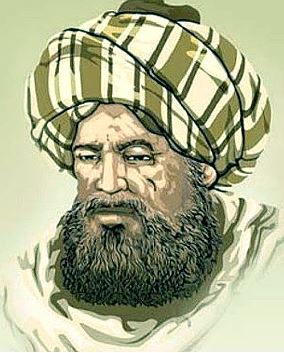
Three brilliant Persian brothers (Jafar Muhammad, Ahmad, and Al-Hasan) of the House of Wisdom in Baghdad who authored the 850 CE 'Book of Ingenious Devices', inventing over one hundred automated hydraulic machines, feedback valves, and programmable instruments.
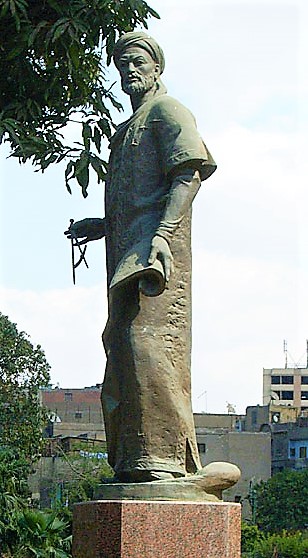
Abbasid astronomer known as Alfraganus, author of 'Elements of Astronomy', whose measurements of the Earth's circumference influenced Christopher Columbus, and who engineered the iconic Nilometer on Roda Island in Cairo.
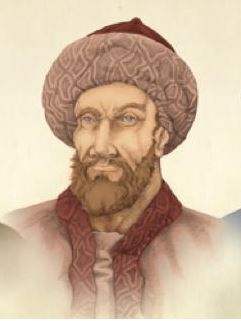
Astronomer and mathematician known in the West as Albatenius, whose astronomical tables 'Kitab al-Zij' accurately calculated the solar year to 365 days, 5 hours, 46 minutes, and 24 seconds, and introduced fundamental trigonometric functions.
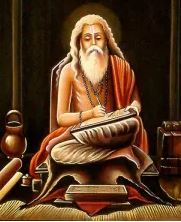
Revered ancient Indian sage who authored the foundational 'Brahma Sutras' (Vedanta Sutras), synthesizing the mystical teachings of the Upanishads into the bedrock of all Vedanta philosophy.
Ancient Indian sage and logician who authored the 'Nyaya Sutras', establishing the foundational system of Indian formal logic, epistemology, and the four valid means of knowledge (Pramanas).
Ancient Indian sage and natural philosopher who founded the Vaisheshika philosophical school and formulated the earliest known atomic theory of matter, defining the indestructible atom (Parmanu) and laws of motion.
Ancient Indian philosopher and Vedic sage revered as the founder of Samkhya, India's oldest classical dualistic philosophical system, analyzing the cosmic relationship between pure consciousness (Purusha) and primordial matter (Prakriti).
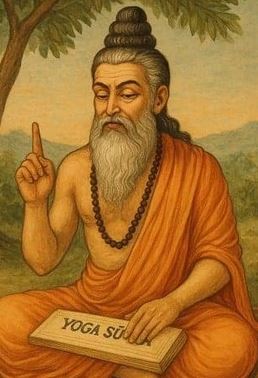
Ancient Indian sage and philosopher who compiled the foundational 'Yoga Sutras', codifying classical Raja Yoga into the Eight Limbs (Ashtanga) to achieve mastery of the mind and spiritual liberation.
Illiterate firewood seller who became the historic Sixth Patriarch of Chan (Zen) Buddhism, founder of the Southern School of Sudden Enlightenment, whose teachings are preserved in the sacred 'Platform Sutra'.
Han dynasty philosopher and imperial chancellor who persuaded Emperor Wu of Han to make Confucianism the sole official state ideology of the Chinese empire, formulating the doctrine of 'Mutual Resonance between Heaven and Man'.
North African diplomat, traveler, and geographer born in Granada and raised in Fez, whose masterwork 'Descrittione dell'Africa' (1526) served as Europe's primary geographical authority on the Maghreb and Sub-Saharan Africa for centuries.
Visionary Arab Muslim woman known as 'Umm al-Banin' who migrated from Kairouan to Fez and used her entire inherited fortune to found the University of al-Qarawiyyin in 859 CE, recognized by UNESCO as the oldest continuously operating university in the world.
Pioneering Alexandrian philosopher who reconciled the philosophies of Plato and Aristotle and taught Plotinus, Origen, and Longinus, serving as the foundational catalyst of Neoplatonism.
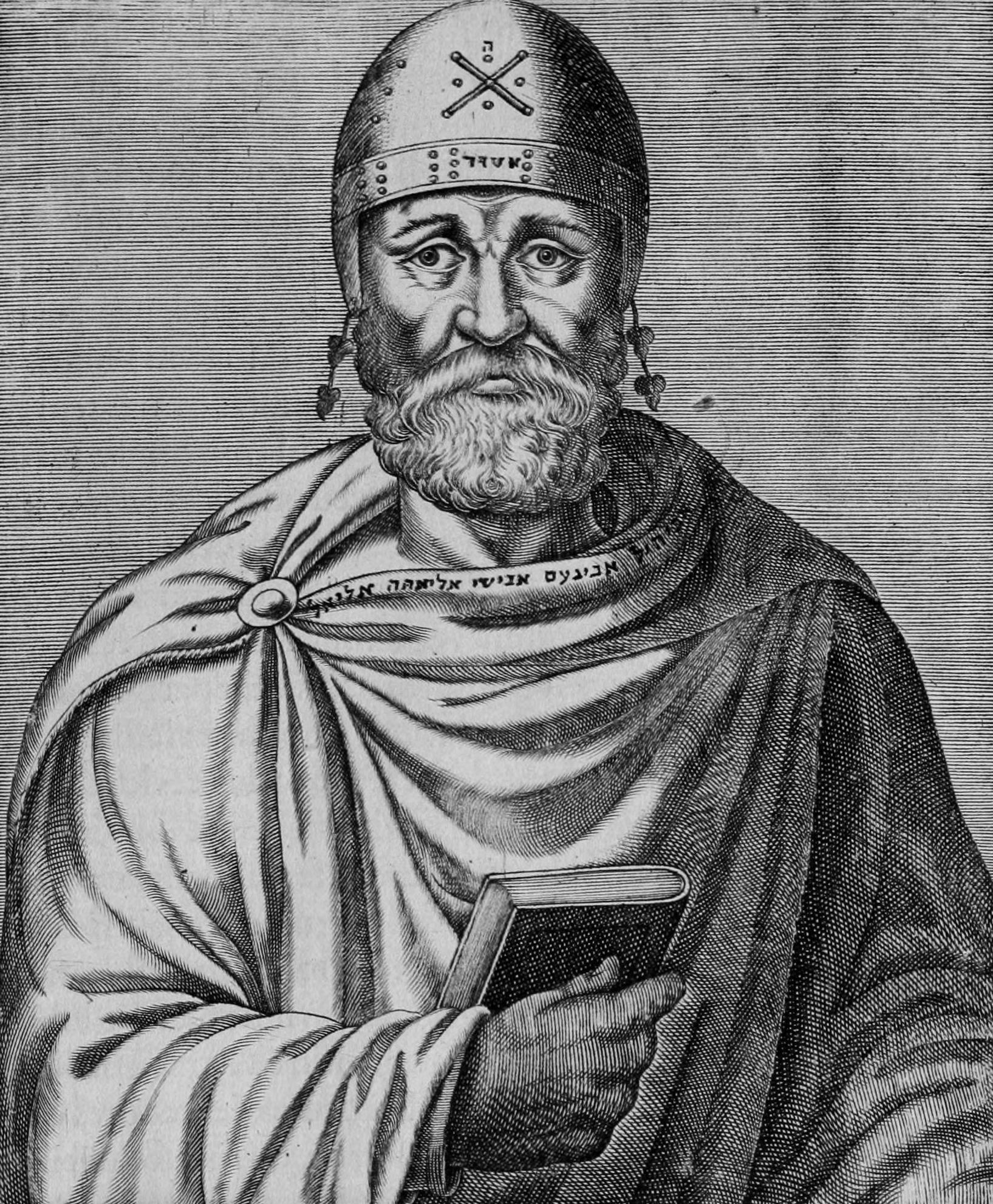
Hellenistic Jewish philosopher of Alexandria who pioneered the allegorical interpretation of the Hebrew Scriptures, synthesized the Torah with Platonic and Stoic philosophy, and developed the theology of the divine 'Logos'.
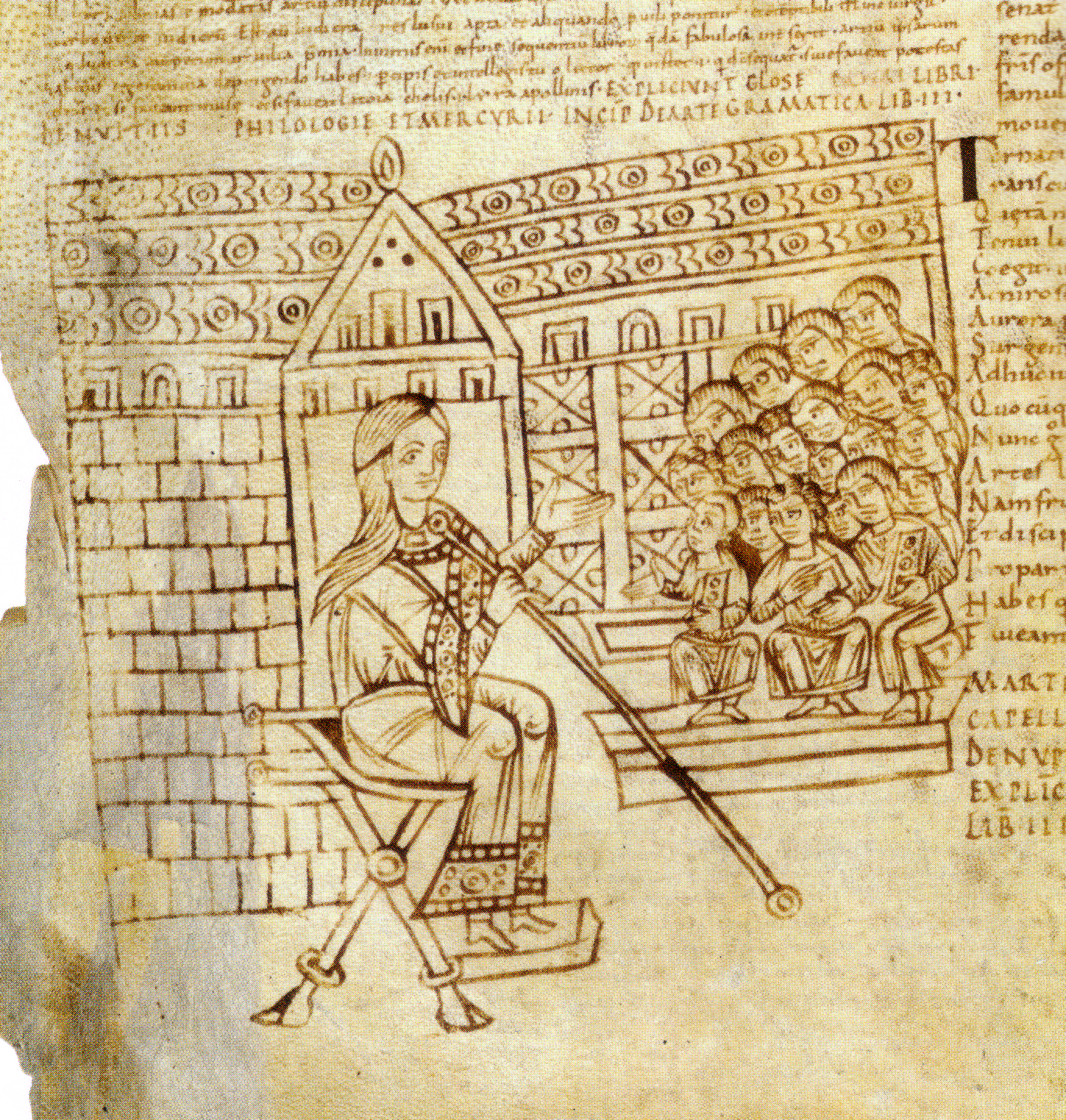
Late antique Latin writer and lawyer from Numidia whose allegorical encyclopedia 'The Marriage of Philology and Mercury' defined the medieval curriculum of the Seven Liberal Arts (Trivium and Quadrivium).