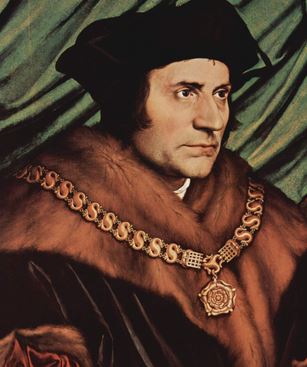
Thomas More
Universal exemplar of intellectual integrity and moral conscience standing firm against autocratic state tyranny; coined the term 'Utopia'.
Start typing to search worldwide archives and community tributes
Filterable archive covering centuries of intellectual, artistic, and moral contributions to the human story.
Universal exemplar of intellectual integrity and moral conscience standing firm against autocratic state tyranny; coined the term 'Utopia'.
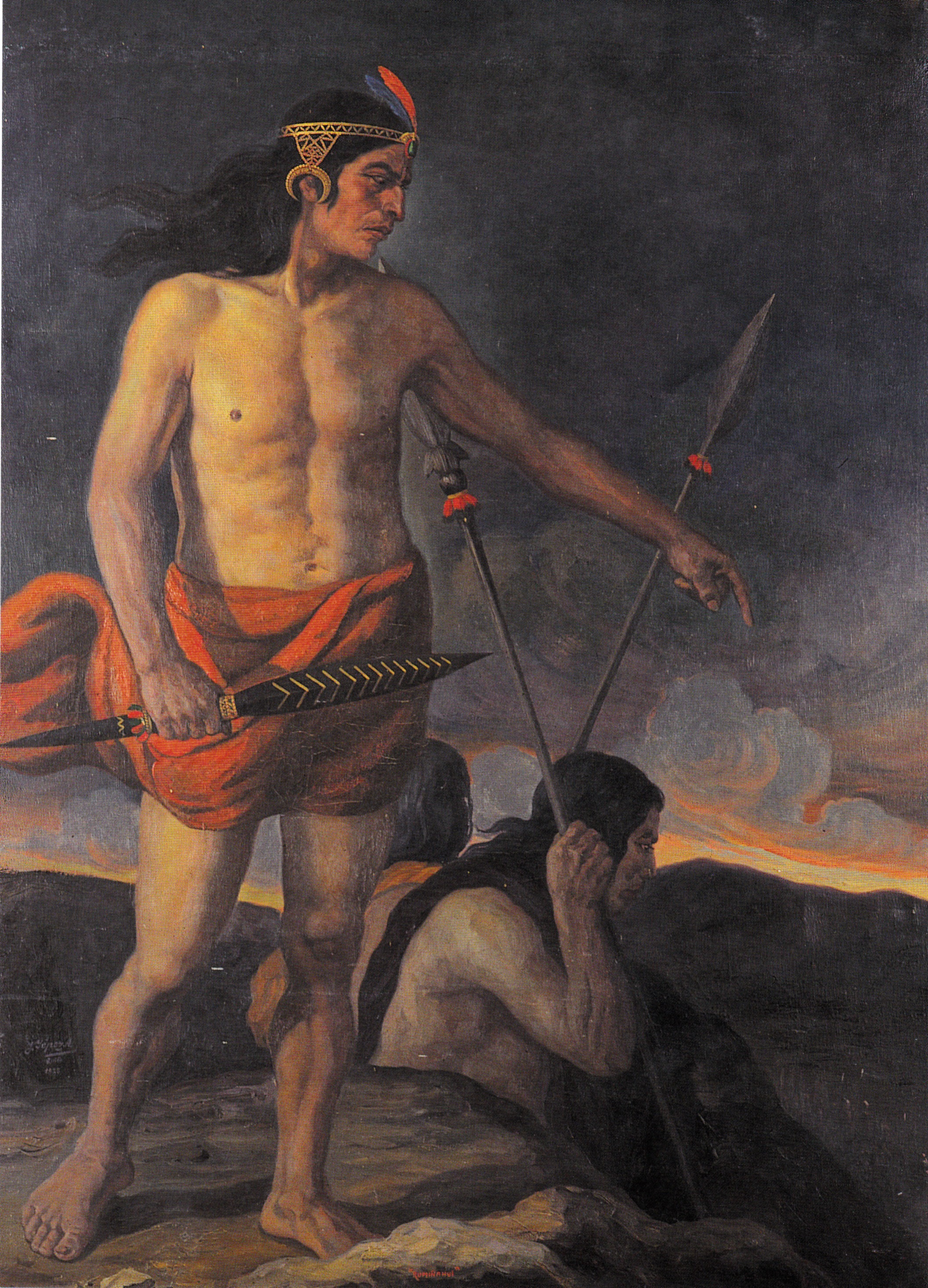
Heroic Inca general and brother of Emperor Atahualpa who led the northern defense of the Inca Empire against Spanish conquistadors, evacuated and torched Quito, and hid the legendary golden Treasure of the Llanganatis in the volcanic Andes.
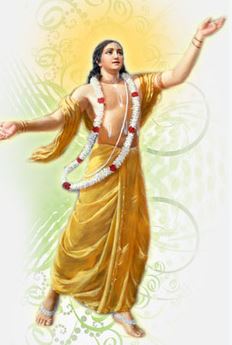
Fifteenth-century saint, mystic, and divine messenger who initiated the congregational chanting of the holy names (Sankirtana) throughout India, democratizing spiritual practice across all castes and creeds.
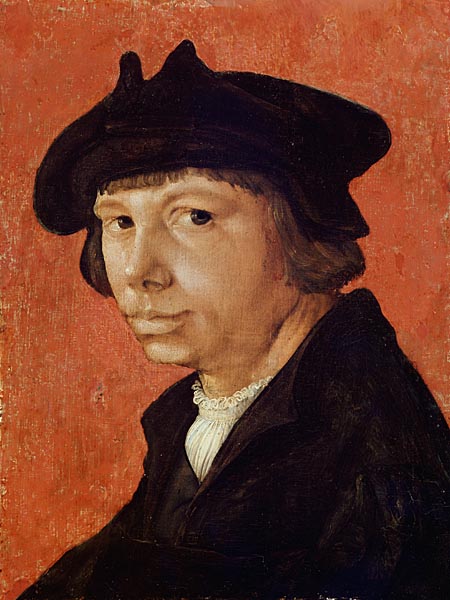
Dutch Renaissance engraver and painter whose prodigious printmaking rivaled Albrecht Dürer and whose monumental 'The Last Judgment' hangs in Leiden's Museum De Lakenhal.
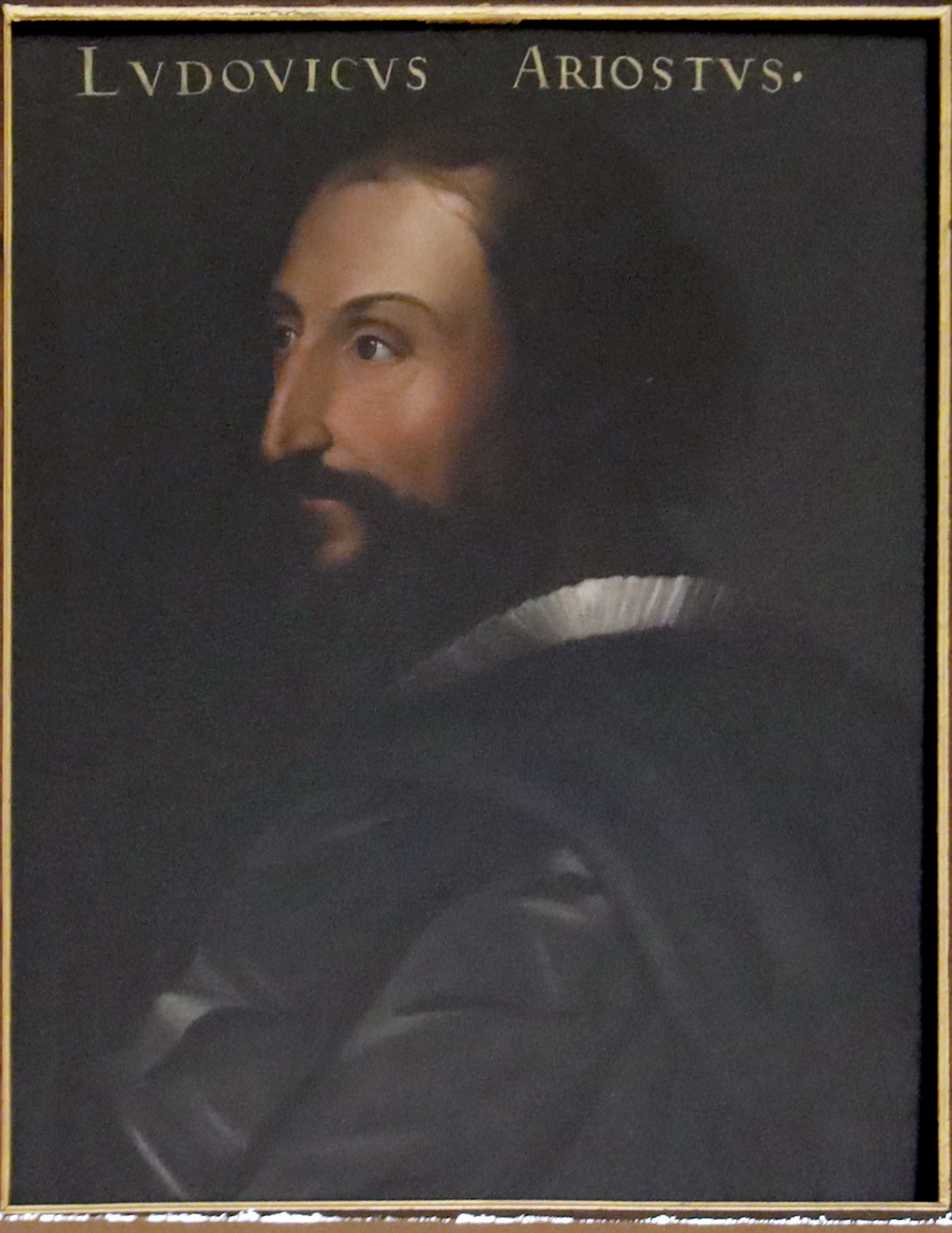
Italian Renaissance epic poet whose romantic epic Orlando Furioso wove chivalry, irony, and ottava rima into one of the most influential masterworks of world literature.
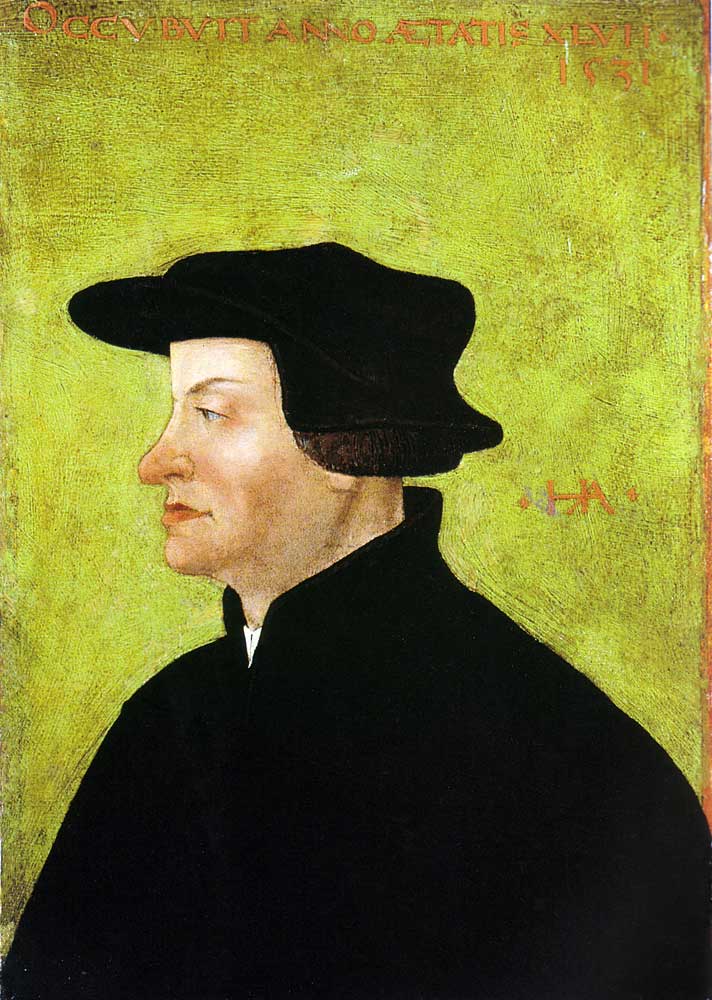
Leader of the Reformation in Switzerland and pastor of the Grossmünster in Zurich who championed scripture as sole authority and viewed the Lord's Supper as a memorial.
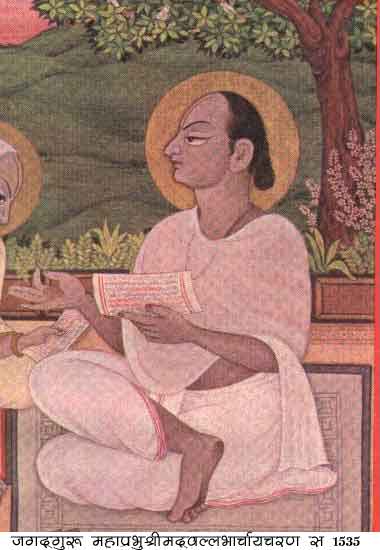
Indian devotional philosopher who founded the Shuddhadvaita (Pure Non-dualism) school of Vedanta and the Pushtimarg path of unconditional divine grace (Pushti).
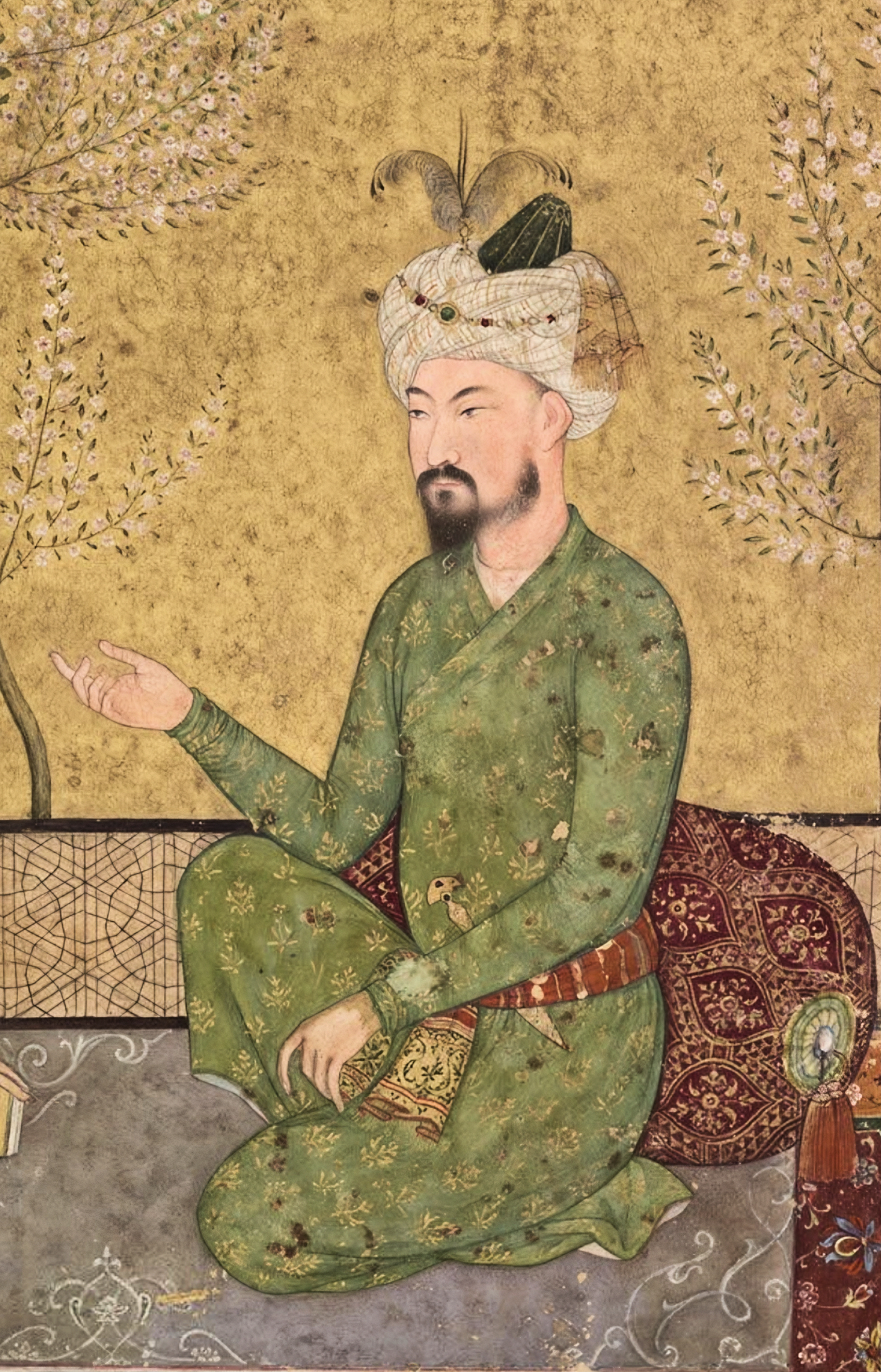
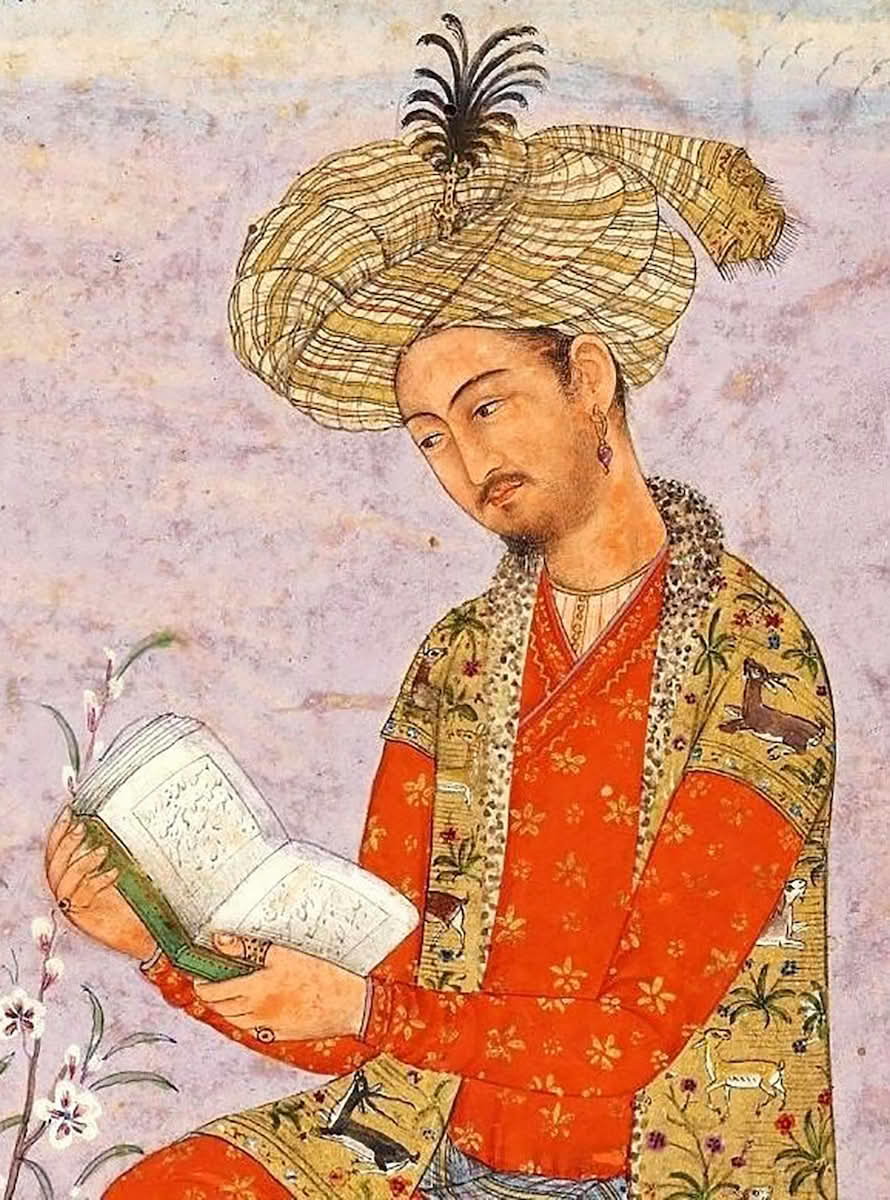
Central Asian conqueror, poet, and founder of the Mughal Empire in India, celebrated for defeating the Delhi Sultanate at the Battle of Panipat and authoring his candid autobiography Baburnama.
Founder of the Mughal Empire in India and author of the Baburnama, descended from Timur and Genghis Khan, who revolutionized warfare with artillery.
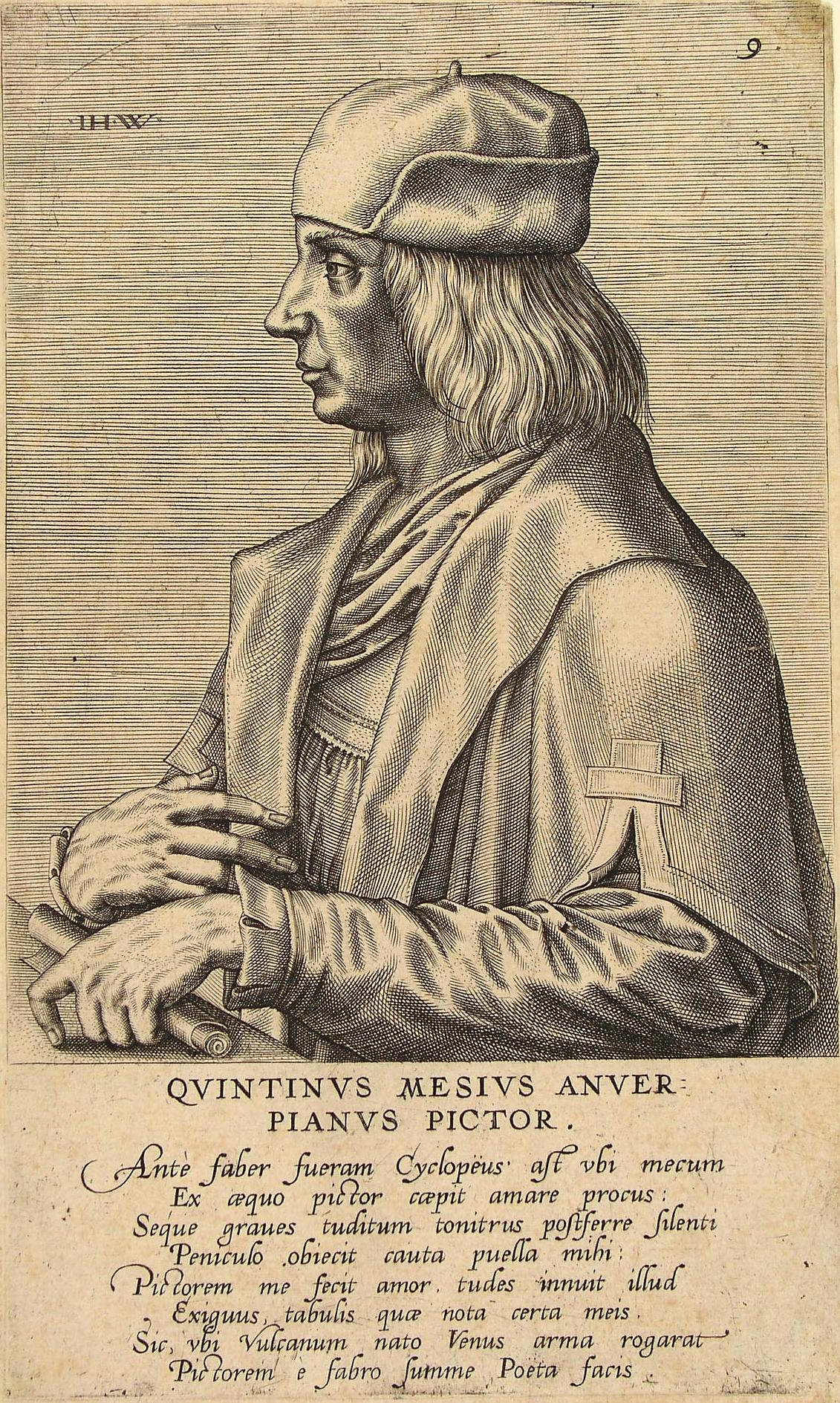
Founder of the Antwerp school of painting whose masterwork 'The Moneylender and His Wife' established satirical secular genre painting and northern humanist portraiture.
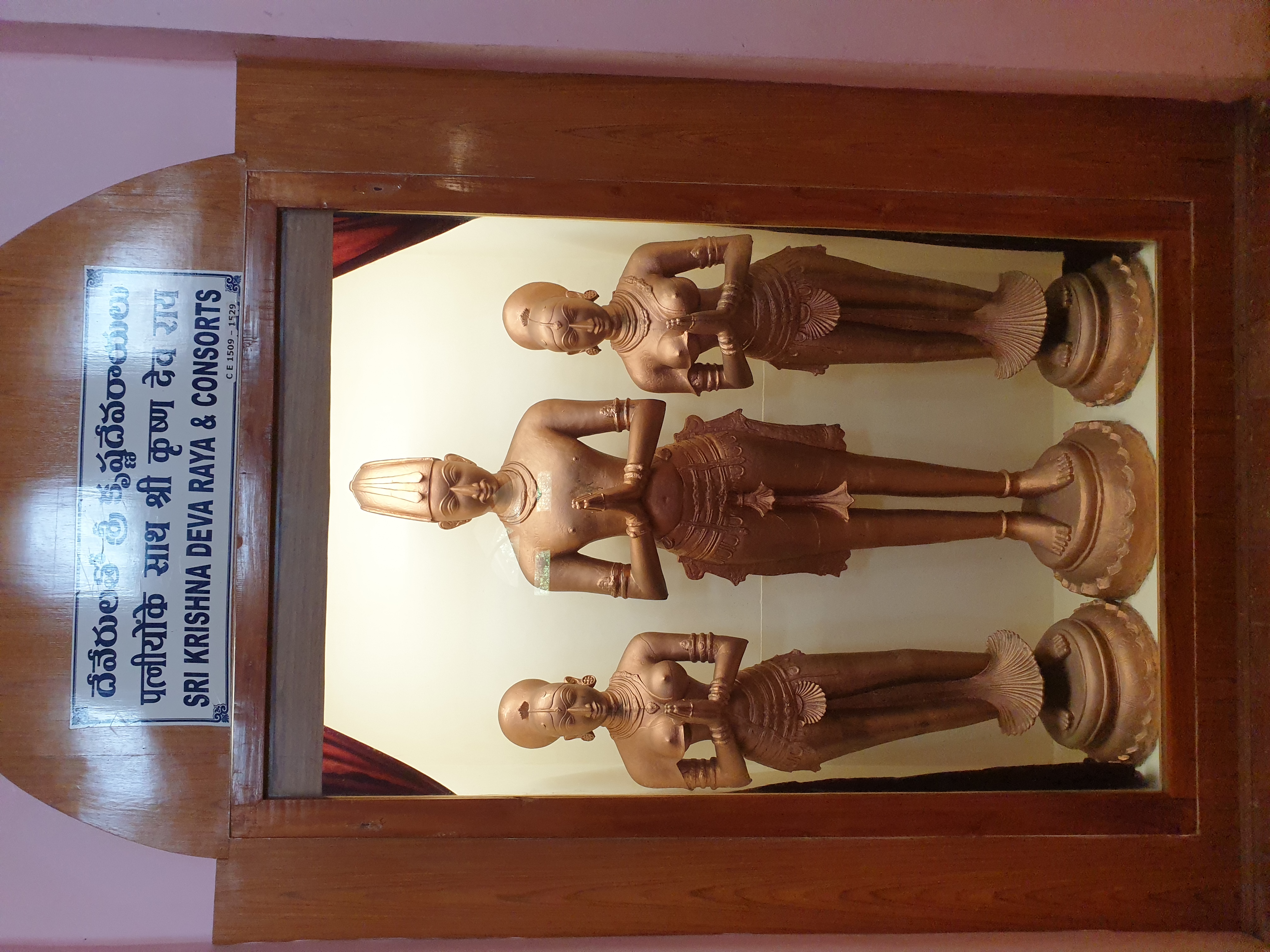
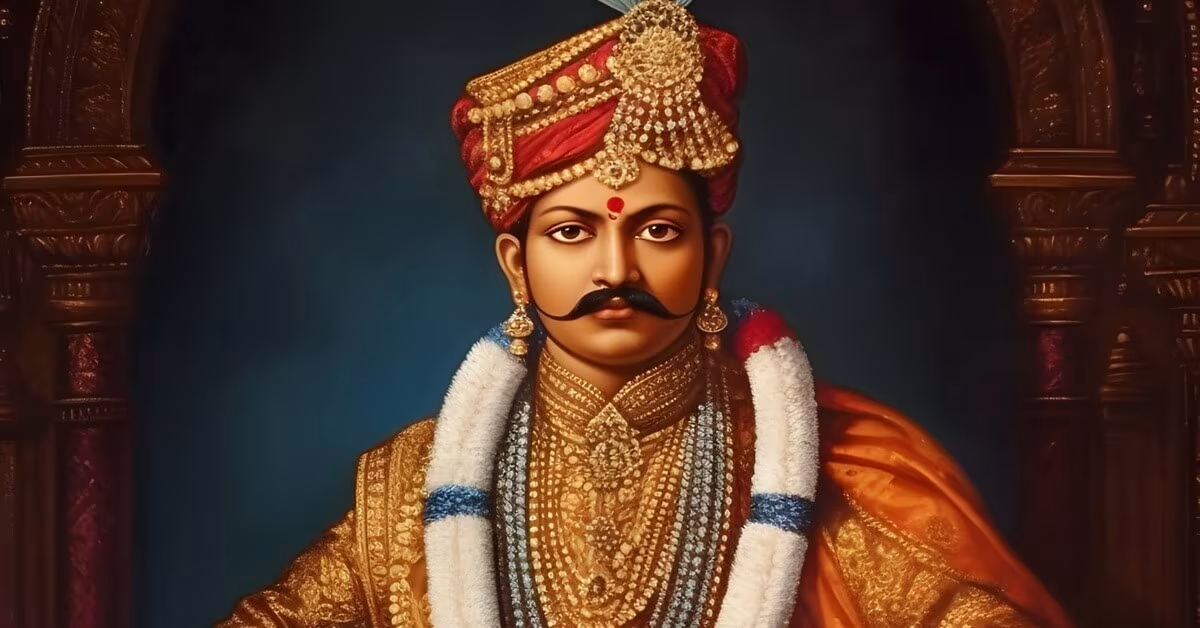
Greatest emperor of the Vijayanagara Empire (1509–1529) who presided over the golden age of South Indian architecture and literature, built the breathtaking temple monuments of Hampi, and authored the Telugu epic 'Amuktamalyada'.
Foremost emperor of the Vijayanagara Empire whose military prowess and cultural patronage initiated a golden age in southern Indian history.
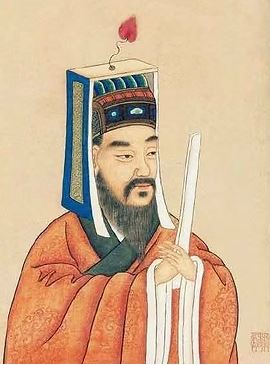
Ming general and philosopher who founded the School of Mind (Xinxue), proclaiming the unity of knowledge and action (zhixing heyi) and the innate moral conscience of every person.
One of the Seven Saints of Marrakech, known as 'Moul El Ksour' (Master of the Palaces), who succeeded Sidi Abd al-Aziz al-Tebba' as leader of the Jazuliyya order and predicted the rise of the Saadian dynasty.
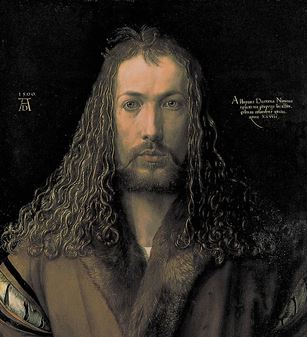
Foremost genius of the Northern Renaissance who revolutionized woodcut and copper engraving into autonomous fine art forms, unified German gothic detail with Italian classical perspective, and pioneered artistic self-portraiture.
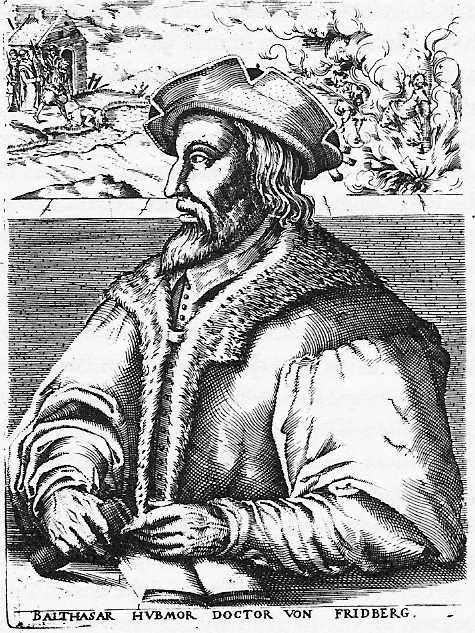
Pivotal Anabaptist theologian and former Catholic university rector who established believer's baptism in Waldshut and Nikolsburg and defended religious freedom in 'Heretics and Those Who Burn Them'.
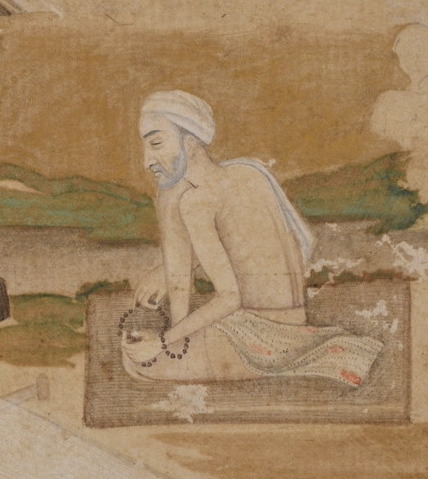
15th-century mystic poet-saint, leatherworker, and social egalitarian whose vision of 'Begampura'—a sorrowless city free from caste, taxation, and oppression—became the foundational manifesto of Dalit liberation and human equality.
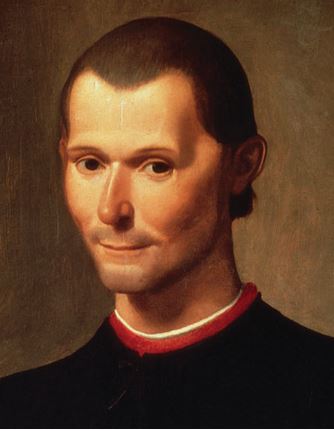
Renaissance Florentine diplomat considered the father of modern political science, whose works The Prince and Discourses on Livy exposed the realistic mechanics of state power and republican liberty.