Public Figures & Cultural Luminaries
Filterable archive covering centuries of intellectual, artistic, and moral contributions to the human story.
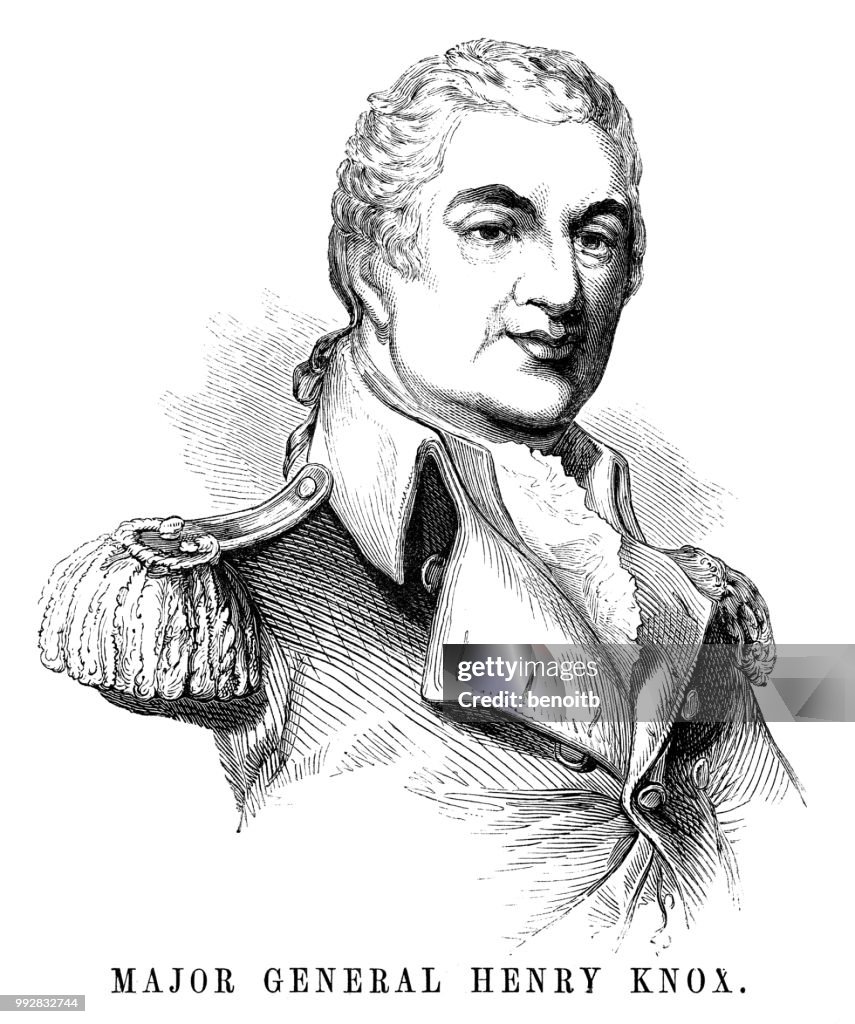
Major General Henry Knox
 (Henry Knox)
Boston bookseller turned Chief Artillery Officer of the Continental Army who transported 60 tons of cannon from Fort Ticonderoga and served as the 1st Secretary of War.
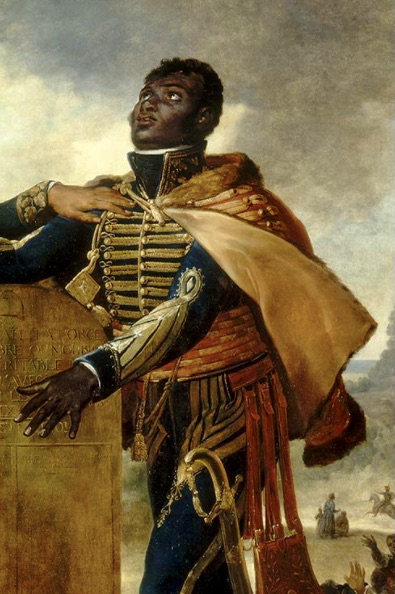
Jean-Jacques Dessalines
 (Jean-Jacques Dessalines)
Founding Father and supreme liberator of Haiti who defeated Napoleon's veteran armada at the decisive Battle of Vertieres in 1803 and proclaimed the independent Republic of Haiti on January 1, 1804, establishing the world's first free Black republic.
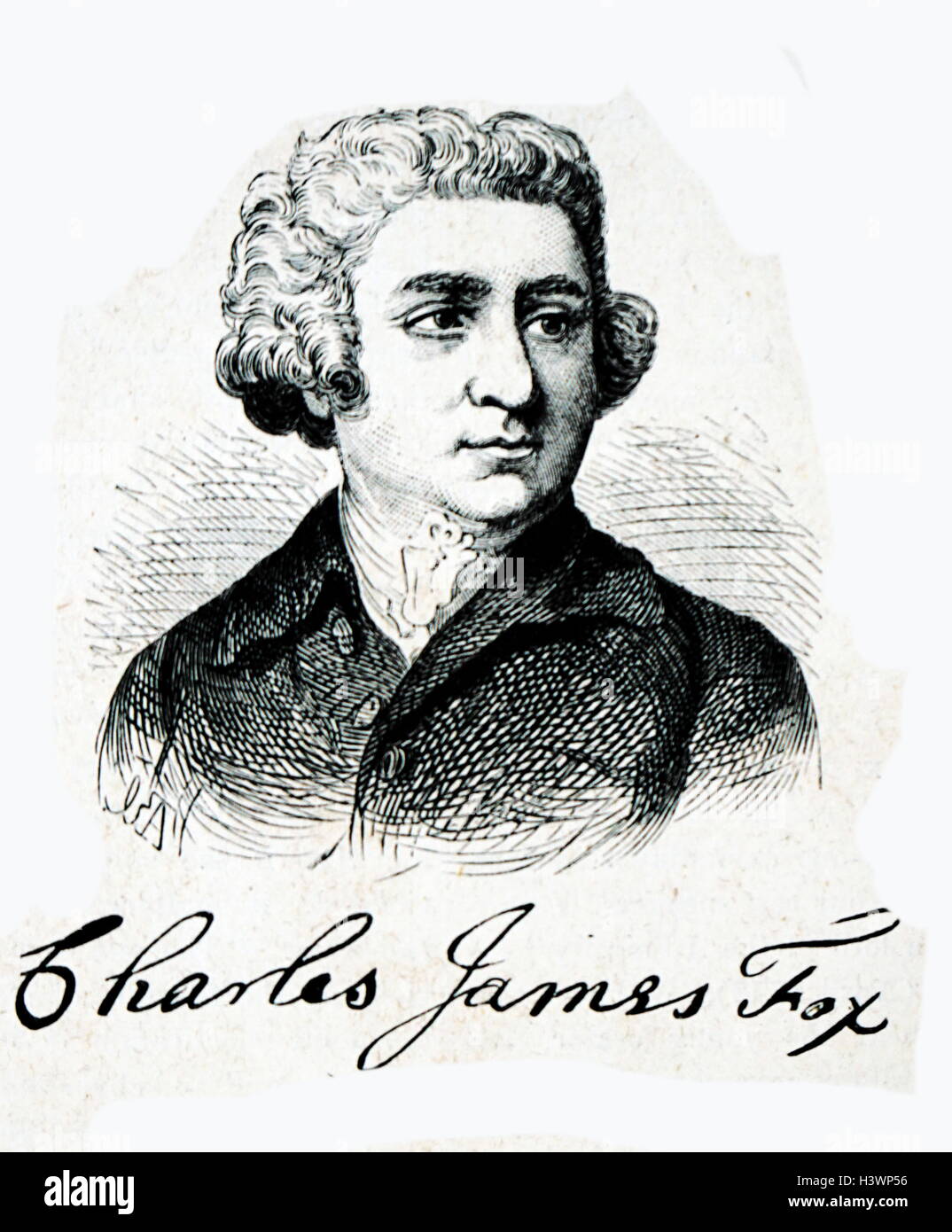
Charles James Fox
 (Charles James Fox)
Formidable British Whig parliamentary orator and champion of civil liberty who supported American independence, opposed royal tyranny, and secured the abolition of the slave trade.
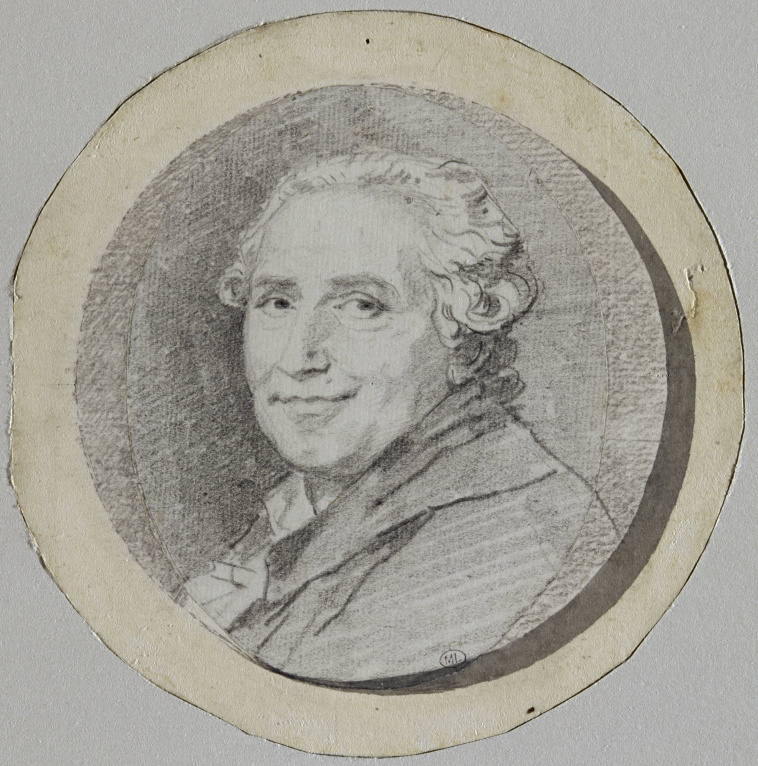
Jean-Honoré Fragonard
 (Jean-Honoré Fragonard)
French Rococo master painter whose exuberant, fluid brushwork and playful romantic masterworks like 'The Swing' (L'Escarpolette) captured the joie de vivre of the Ancien Régime.
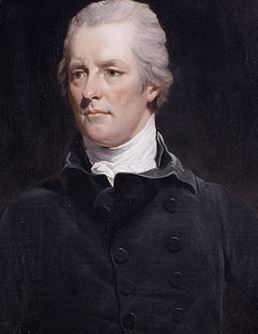
William Pitt the Younger
(William Pitt)
Established the institutional independence of the British Prime Minister and sustained national resilience against Napoleonic Europe.
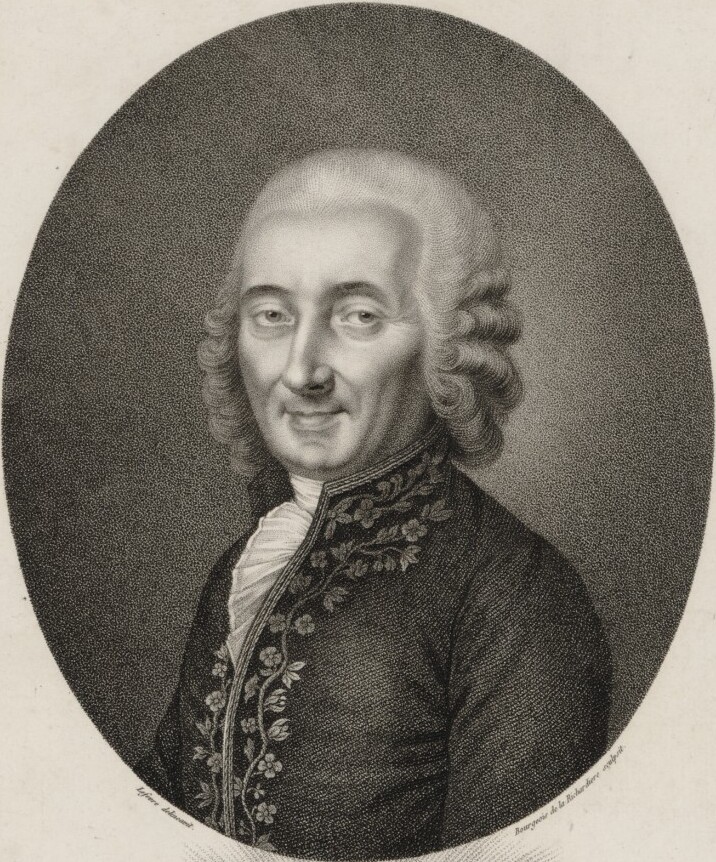
Luigi Boccherini
 (Ridolfo Luigi Boccherini)
Italian Classical composer and cello virtuoso celebrated for his courtly galant chamber music, pioneering string quintets, and the immortal 'Minuet' from String Quintet Op. 11, No. 5.
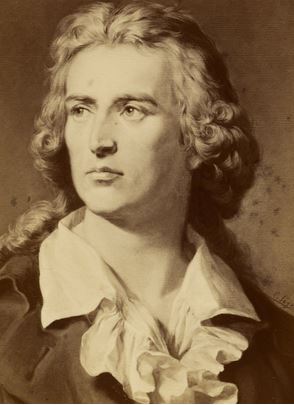
Johann Christoph Friedrich von Schiller
 (Friedrich Schiller)
German dramatist and philosopher of freedom whose immortal hymn An die Freude (Ode to Joy) became Beethoven's Ninth Symphony, and whose dramas—The Robbers, Mary Stuart, and William Tell—championed the liberation of the human spirit.
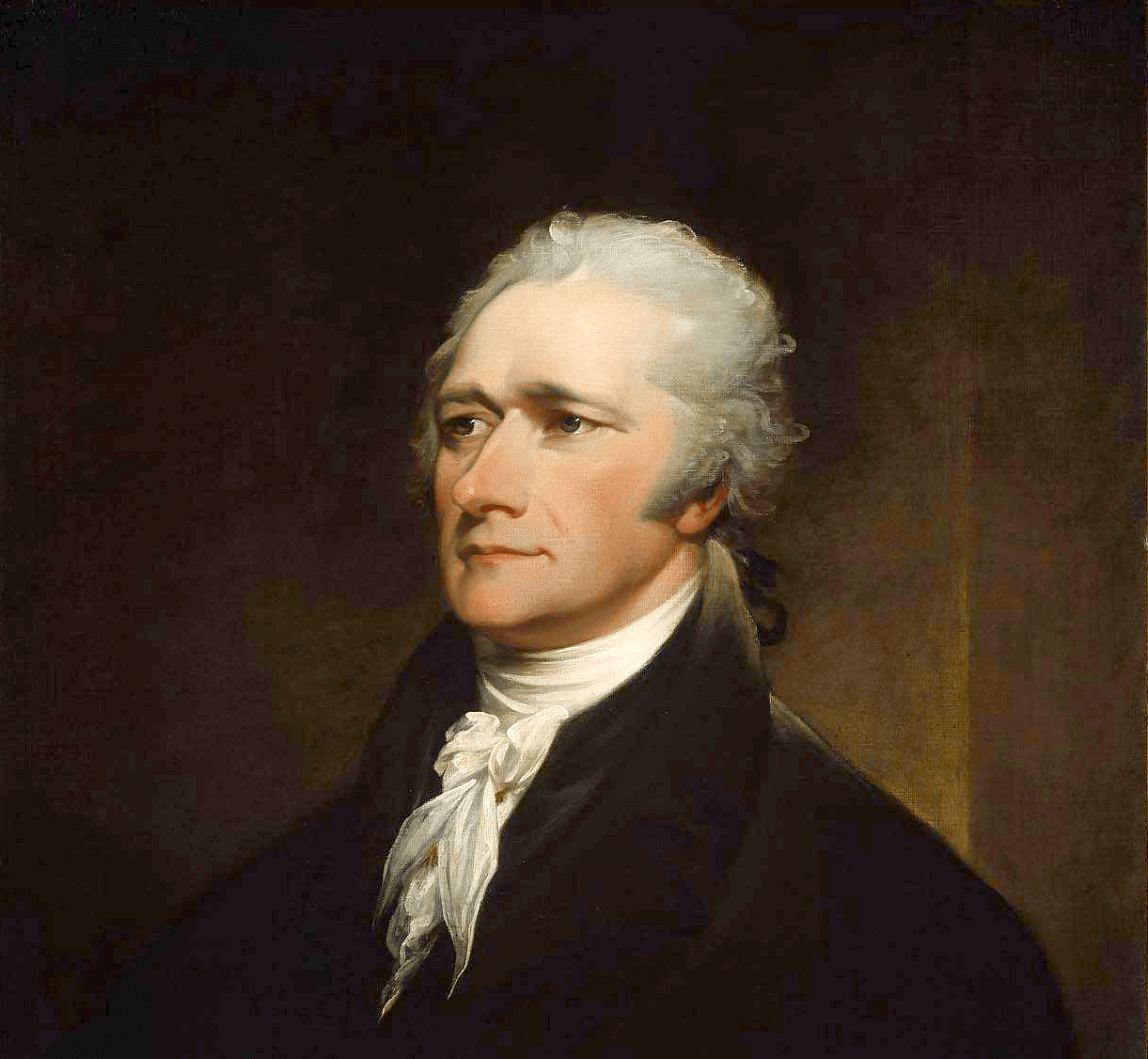
Alexander Hamilton
 (Alexander Hamilton)
Laid the institutional and financial foundations of the American economic powerhouse through federal credit, banking, and manufacturing policies.
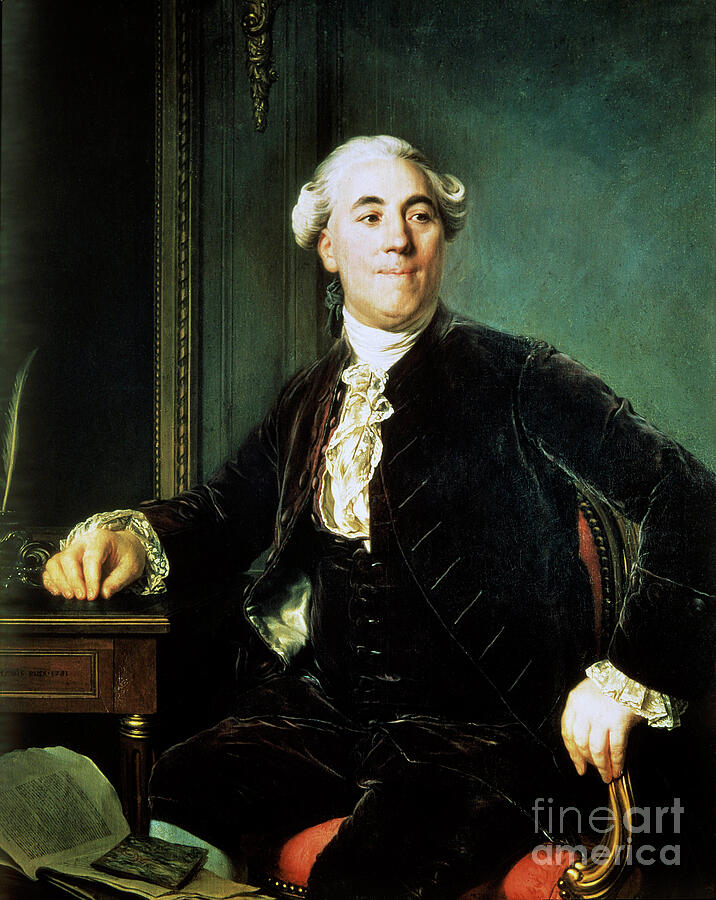
Jacques Necker
 (Jacques Necker)
Genevan banker and French Finance Minister under Louis XVI whose Compte rendu au roi revealed royal finances and whose dismissal sparked the Storming of the Bastille.
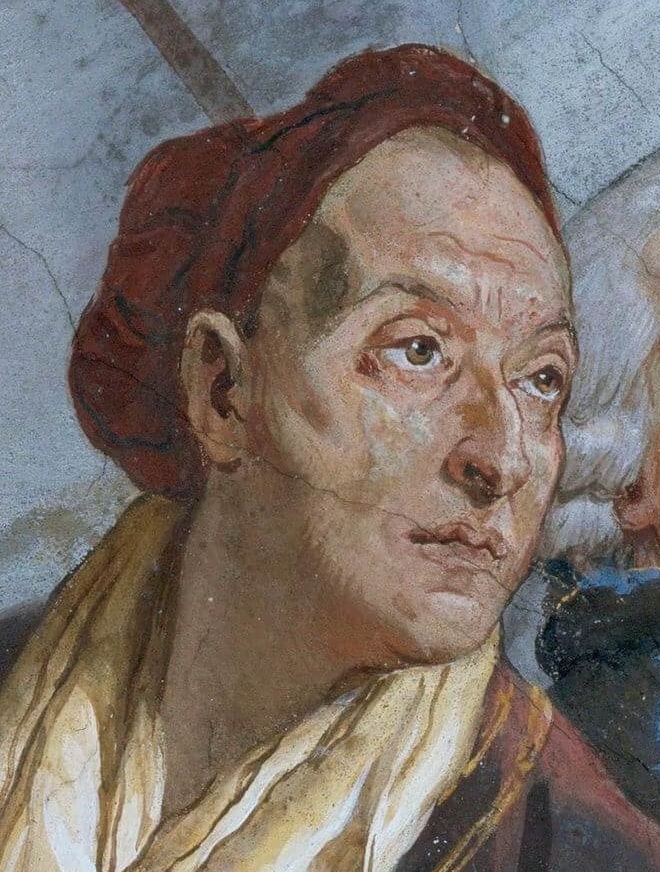
Giovanni Domenico Tiepolo
(Giandomenico Tiepolo)
Venetian master painter and son of Giambattista Tiepolo whose witty, theatrical frescoes of Pulcinella and Carnival scenes captured the whimsical collapse of the Venetian Republic.
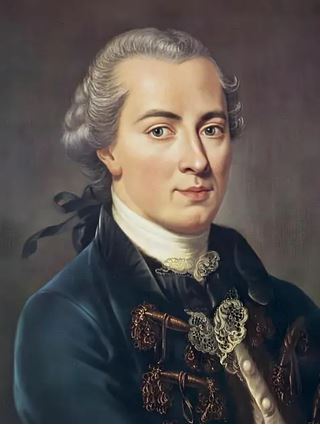
Immanuel Kant
(Immanuel Kant)
Colossus of modern thought whose Critique of Pure Reason synthesized rationalism and empiricism through transcendental idealism, establishing the Categorical Imperative of moral duty.
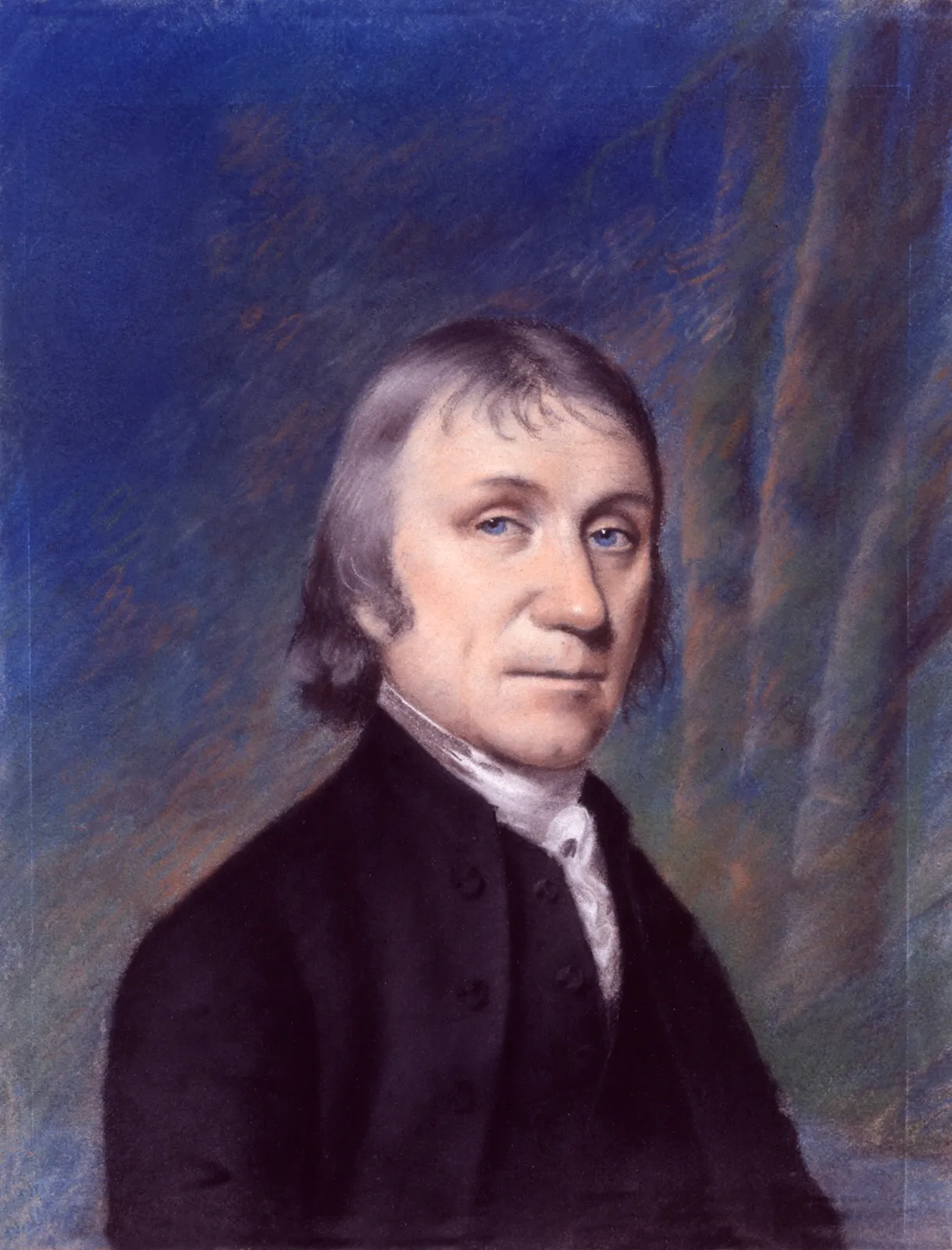
Joseph Priestley
(Joseph Priestley)
English polymath, philosopher, and chemist who discovered oxygen, carbon monoxide, and invented carbonated soda water.
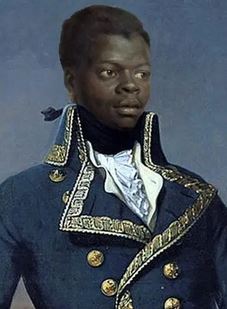
Toussaint Louverture
(François-Dominique Toussaint Louverture)
Father of Haiti; led the only successful slave revolt in world history that created a sovereign nation founded on universal human emancipation.
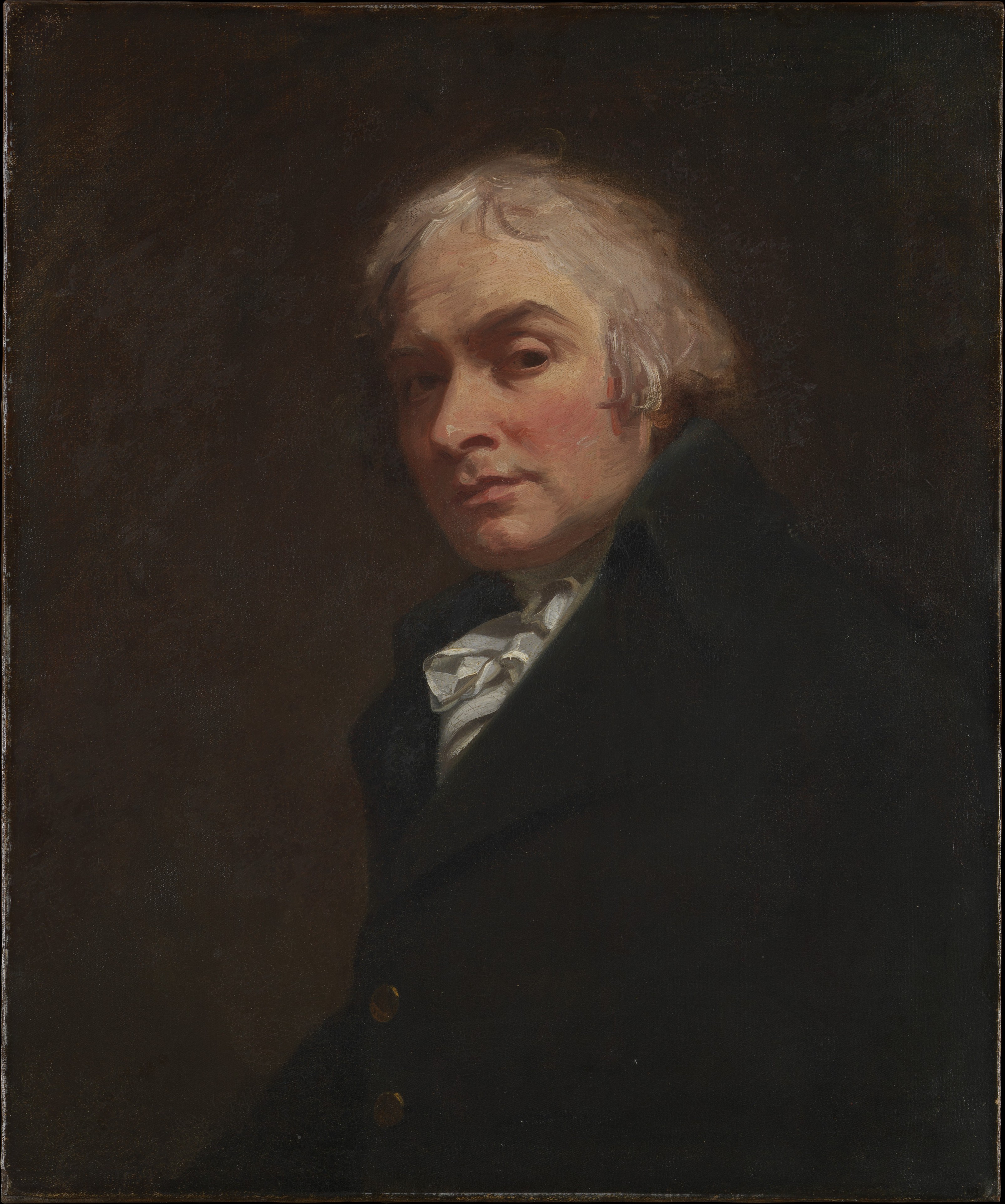
George Romney
(George Romney)
Prominent English society portrait painter of the Georgian era celebrated for his fashionable society sitters and dozens of luminous, idealized portraits of Emma Hamilton.
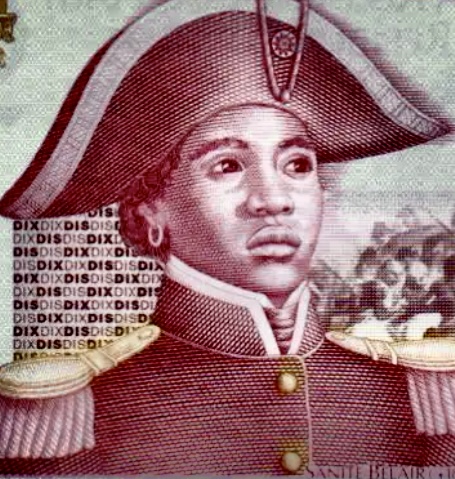
Sanite Belair
(Suzanne Belair)
Fearless Haitian revolutionary lieutenant 'The Tigress' who fought alongside her husband Charles Belair against Napoleon's Leclerc expedition, commanding infantry charges and refusing to be blindfolded before the French firing squad.
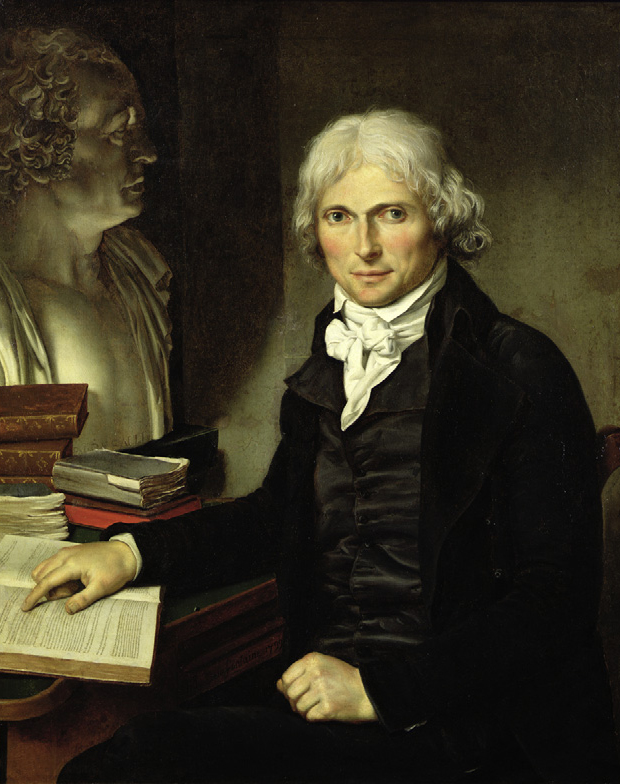
Xavier Bichat
(Marie Francois Xavier Bichat)
Brilliant French anatomist who founded modern histology and tissue pathology without using a microscope, dissecting 600 human cadavers in a single winter to identify twenty-one elementary human tissue types.
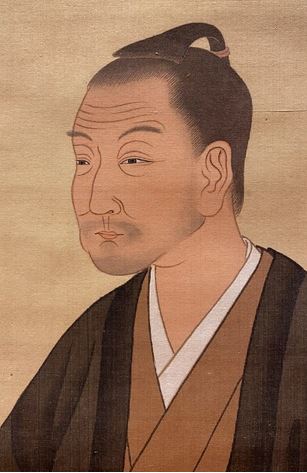
Motoori Norinaga
 (本居 宣長)
Foremost scholar of Kokugaku (National Learning) in Edo Japan who spent thirty-five years deciphering the archaic 8th-century 'Kojiki' and articulated the supreme Japanese aesthetic philosophy of 'Mono no aware' (the pathos of things).
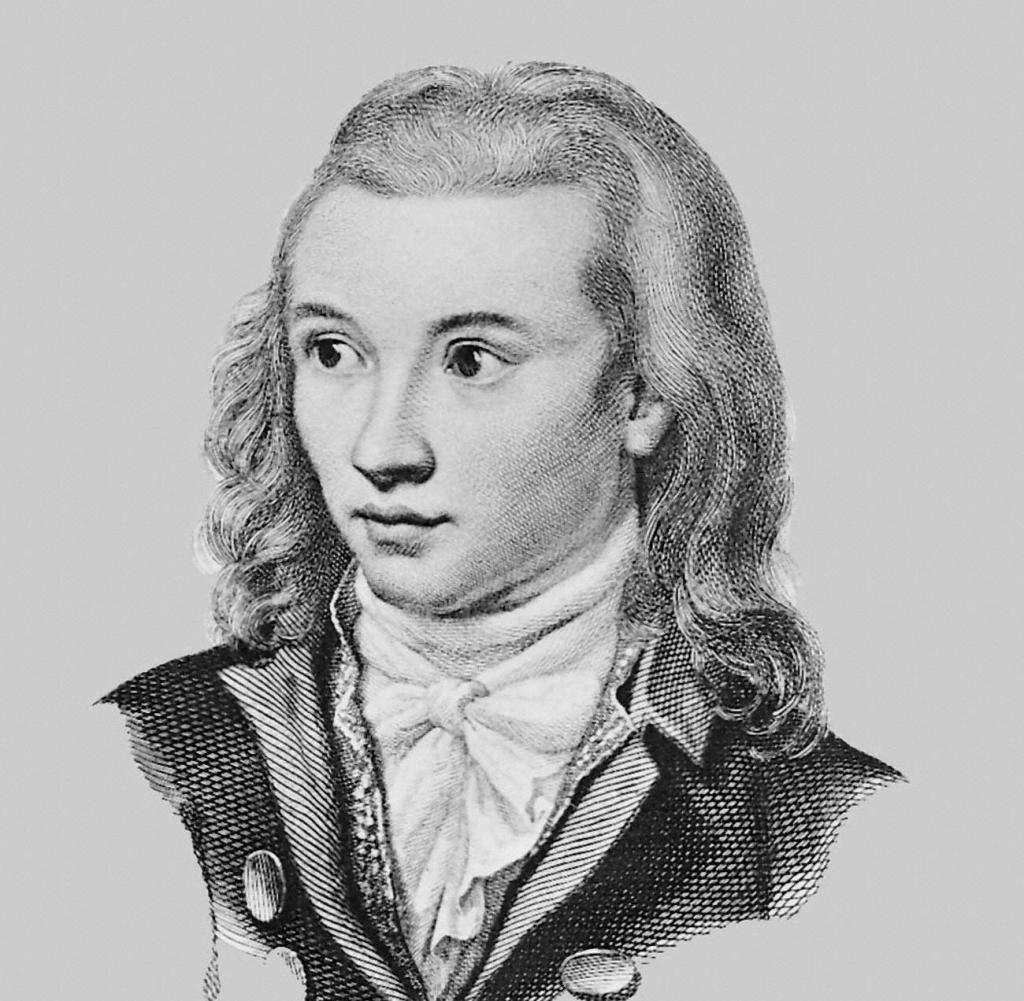
Novalis
(Georg Philipp Friedrich von Hardenberg)
German early Romantic poet, philosopher, and mining engineer whose Hymns to the Night and Heinrich von Ofterdingen created the 'blue flower' symbol of Romantic yearning.