Public Figures & Cultural Luminaries
Filterable archive covering centuries of intellectual, artistic, and moral contributions to the human story.
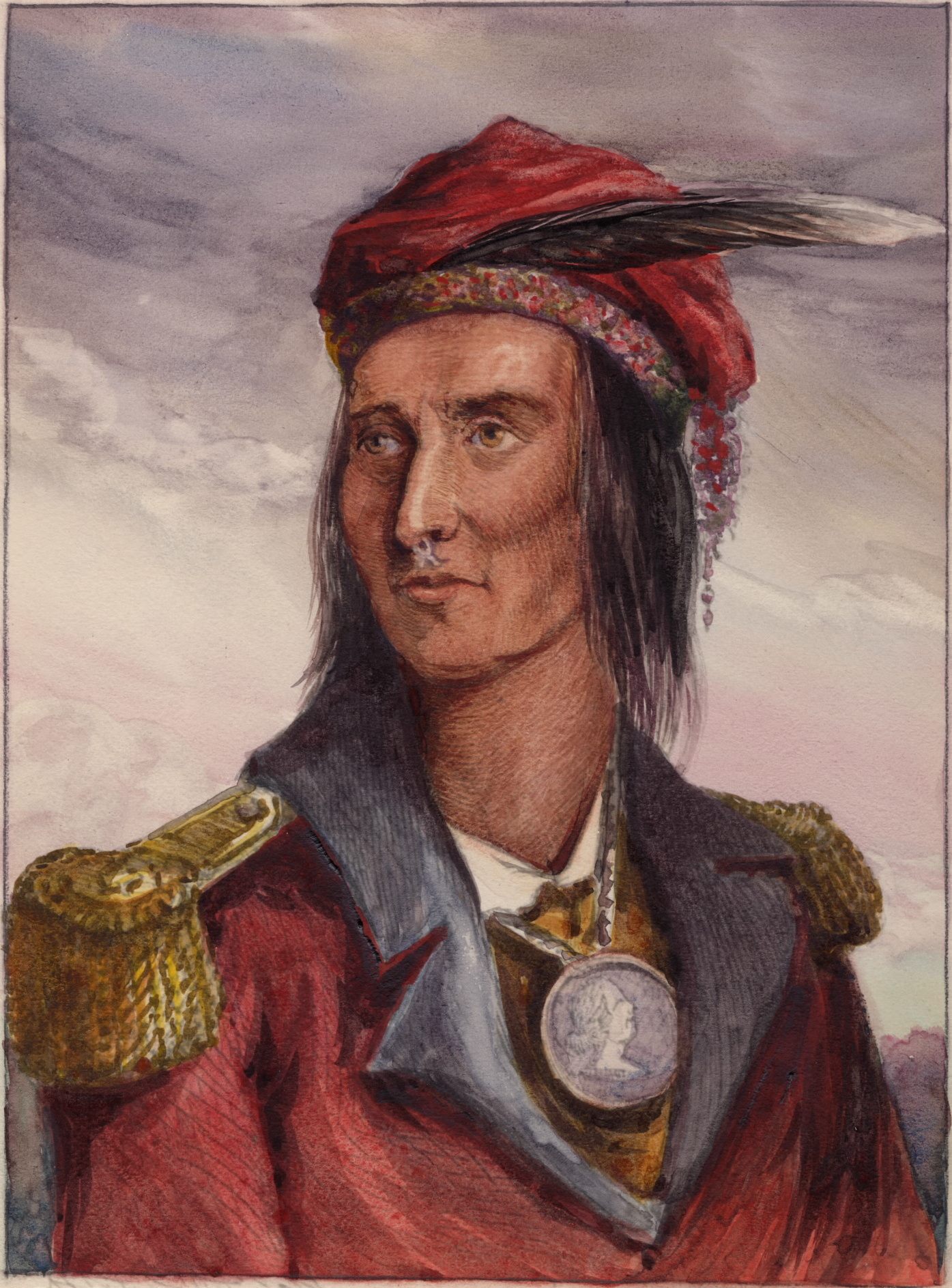
Tecumseh
 (Tecumtha)
Visionary Shawnee leader who forged a vast pan-Indian confederacy across the Great Lakes and American frontier to resist United States territorial expansion.
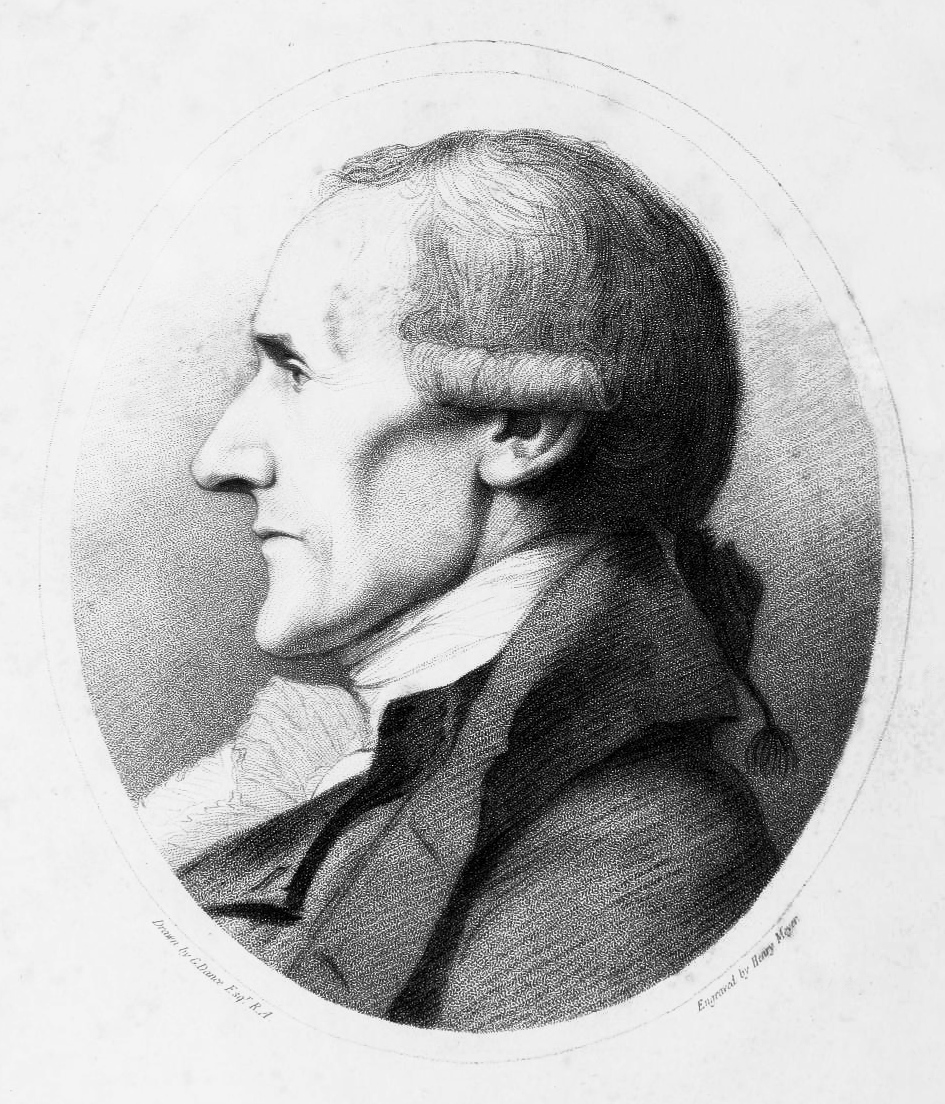
Granville Sharp
 (Granville Sharp)
Pioneering British abolitionist civil servant who financed and litigated the landmark 1772 Somerset v Stewart case ruling slavery illegal on English soil, co-founding the Society for Effecting the Abolition of the Slave Trade.
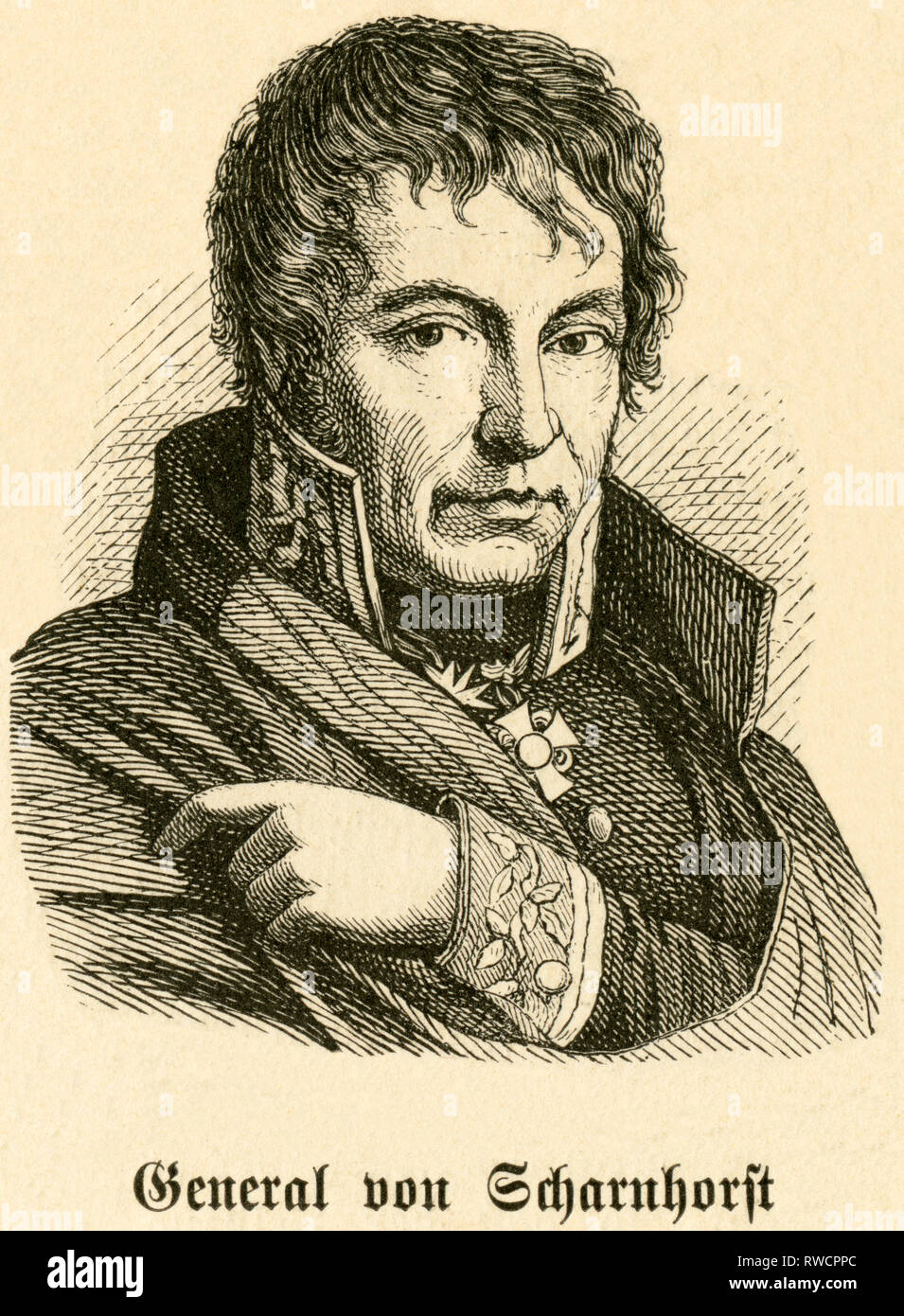
Gerhard von Scharnhorst
 (Gerhard Johann David von Scharnhorst)
Prussian general and intellectual reformer who created the Prussian General Staff, abolished noble privilege in the officer corps, and modernized warfare.
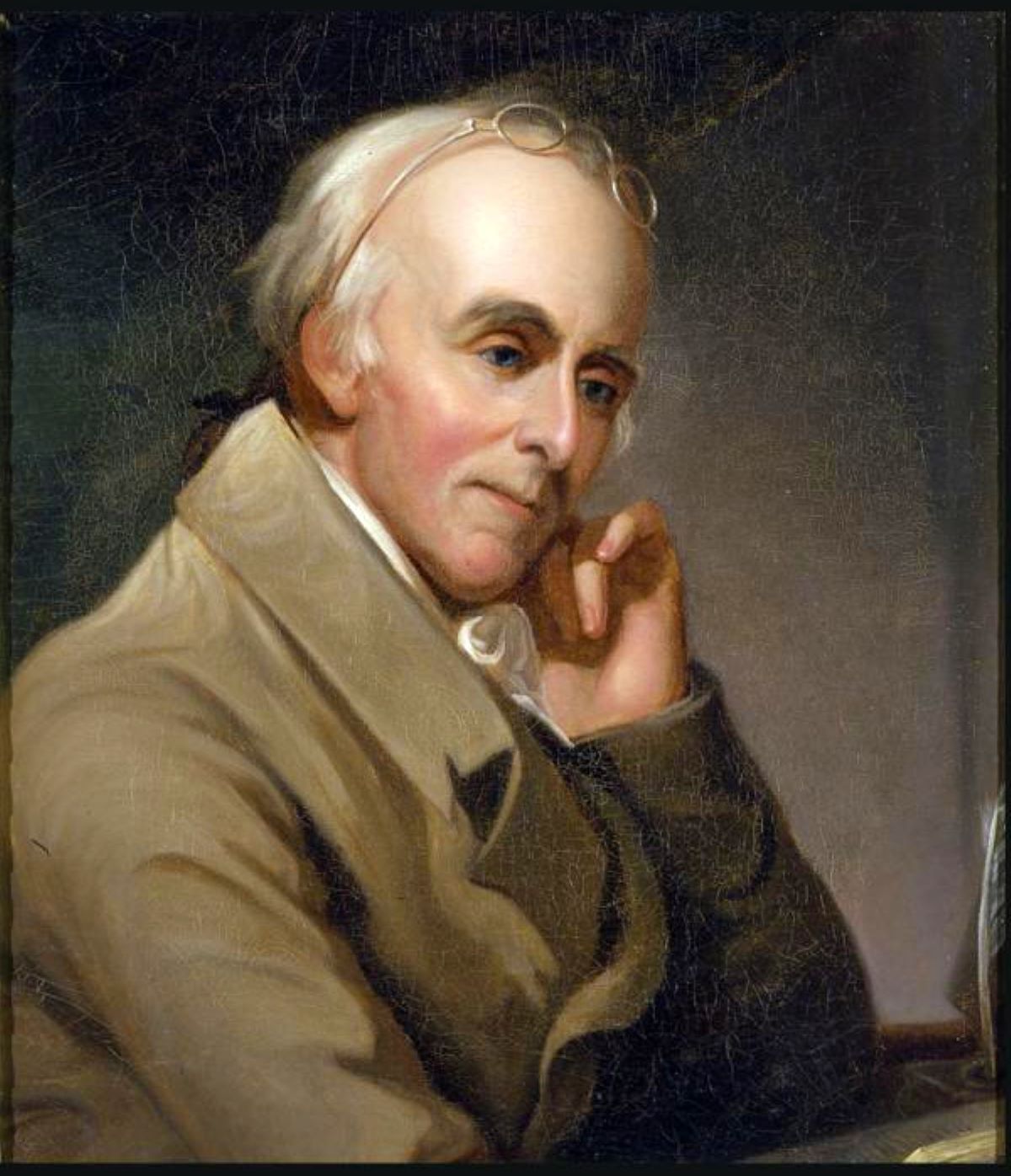
Benjamin Rush
(Benjamin Rush)
Père fondateur des États-Unis, signataire de la Déclaration d'indépendance, médecin héroïque de l'épidémie de 1793 et père de la psychiatrie américaine.
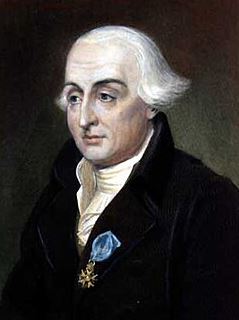
Joseph-Louis Lagrange
 (Giuseppe Lodovico Lagrangia / Joseph-Louis Lagrange)
Italo-French mathematical colossus whose Mécanique analytique transformed mechanics into pure analysis without diagrams, invented the calculus of variations, and discovered Lagrange points.
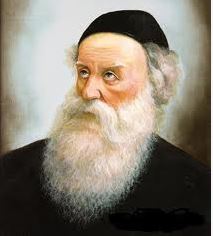
Shneur Zalman of Liadi (שניאור זלמן מלאדי)
Founder of Chabad-Lubavitch Hasidism whose masterwork 'Tanya' synthesized intellectual kabbalistic contemplation with deep emotional devotion and prayer.
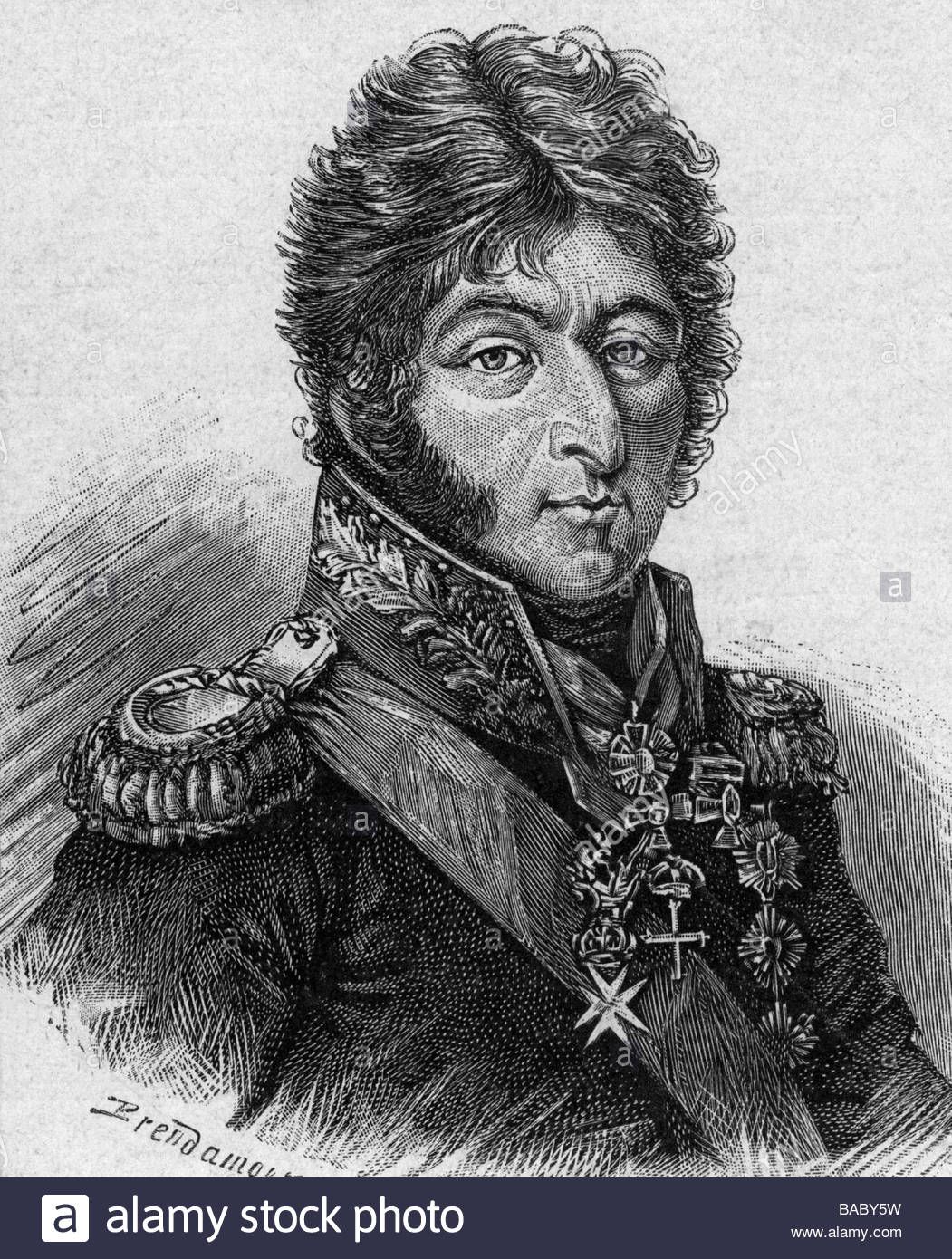
Prince Pyotr Ivanovich Bagration
 (Пётр Иванович Багратион / პეტრე ივანეს ძე ბაგრატიონი)
Heroic Russian general of Georgian royal descent and favorite disciple of Suvorov who defended the flèches at Borodino, inspiring Tolstoy's War and Peace.
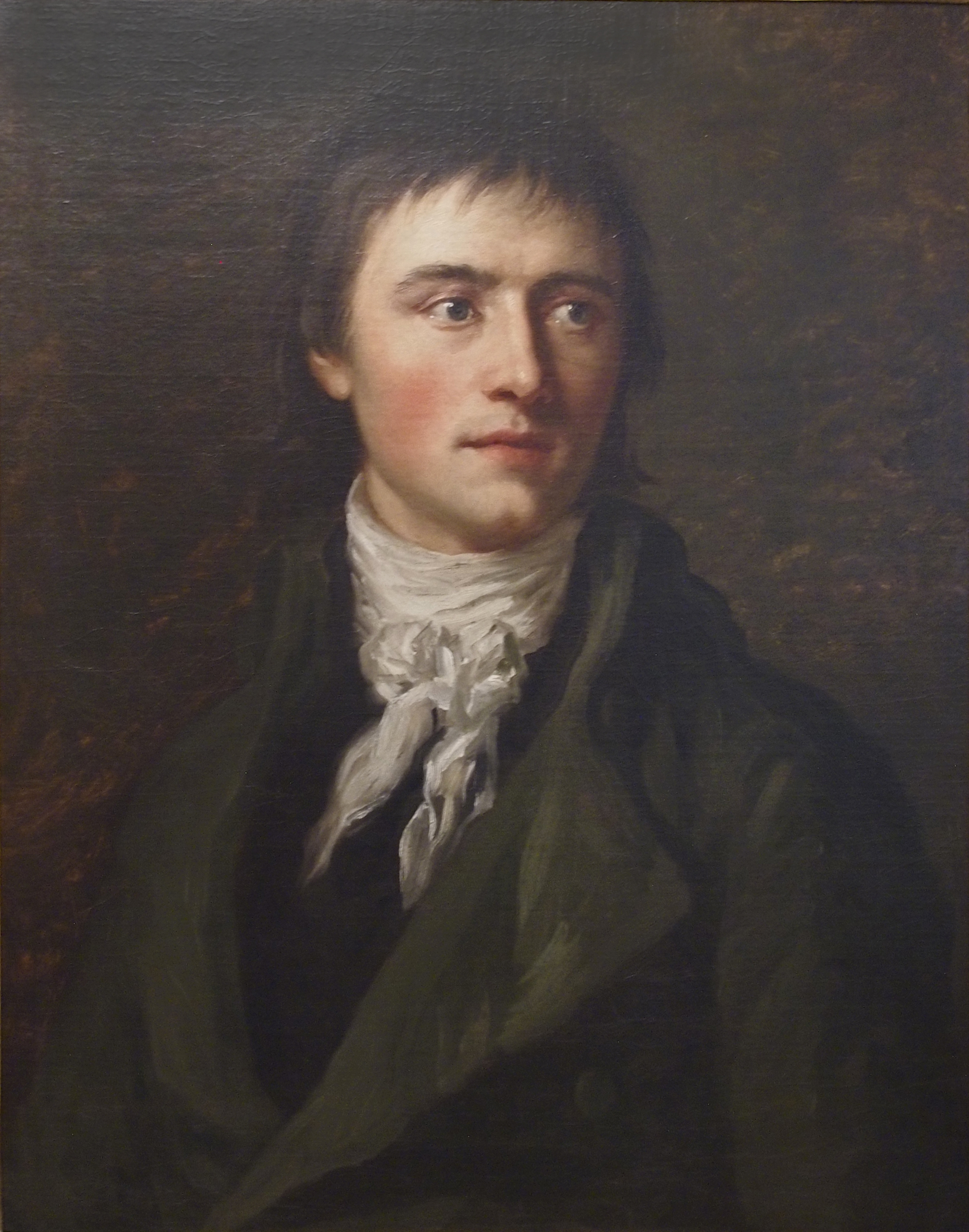
Heinrich von Kleist
(Bernd Heinrich Wilhelm von Kleist)
Pioneering German dramatist, short story master, and essayist whose Michael Kohlhaas, Penthesilea, and The Broken Jug explored absolute justice and human fallibility.
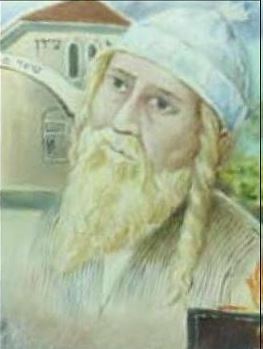
Nachman of Breslov (נחמן מברסלב)
Visionary great-grandson of the Baal Shem Tov, founder of Breslov Hasidism, and author of Likkutei Moharan and mystical folk tales who taught never to despair.
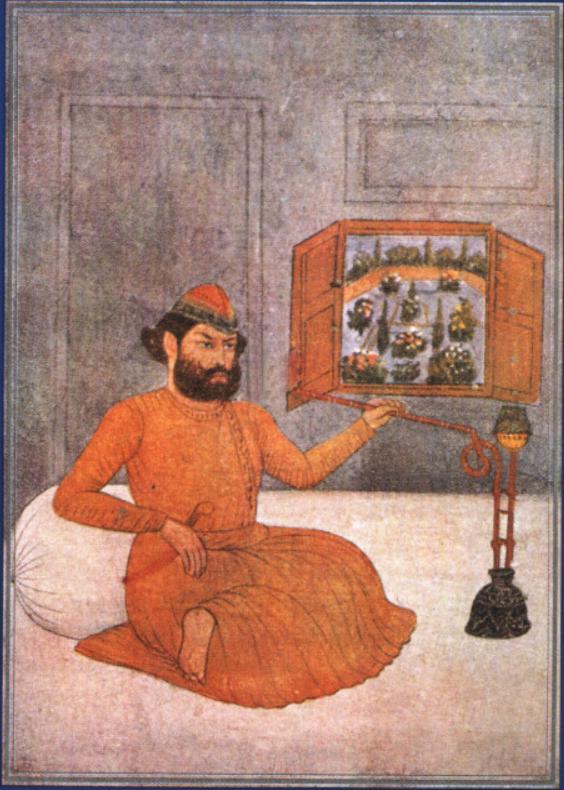
Mir Taqi Mir
 (میر تقی میر (Khuda-e-Sukhan))
Foundational classical poet of the Urdu language (1723–1810), universally venerated as 'Khuda-e-Sukhan' (The God of Poetry) for his emotionally poignant ghazals expressing personal sorrow and Delhi's destruction.
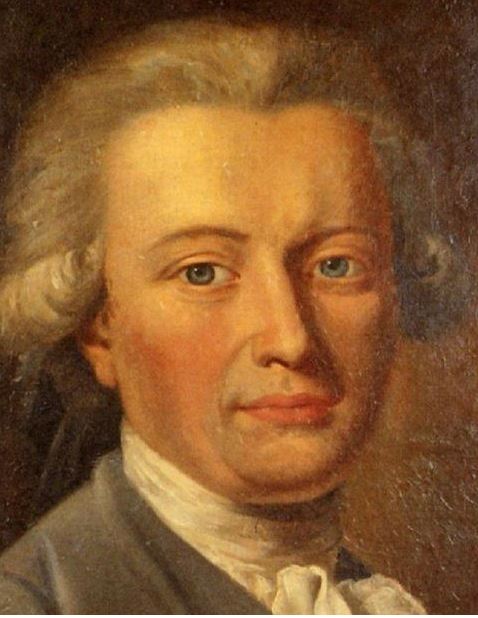
Henry Cavendish
 (Henry Cavendish)
Eccentric English natural philosopher who discovered hydrogen ('inflammable air'), proved water is a compound of hydrogen and oxygen, and measured the mass and density of the Earth in 1798.
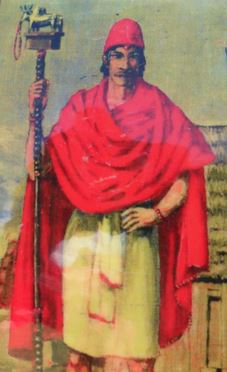
Andrianampoinimerina (Andrianampoinimerina)
Revered King of Imerina who ended centuries of civil war between highland Merina clans, unified the central plateau of Madagascar, and established the sacred royal capital at Ambohimanga.
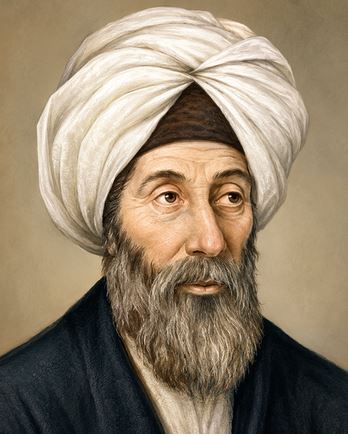
Ahmad ibn Ajiba
 (أحمد بن عجيبة الحسني)
Moroccan scholar and Darqawi Sufi master who authored over forty books, including the celebrated mystical Quranic commentary 'Al-Bahr al-Madid' (The Oceanic Exegesis) and his candid spiritual autobiography 'Fahrasa'.
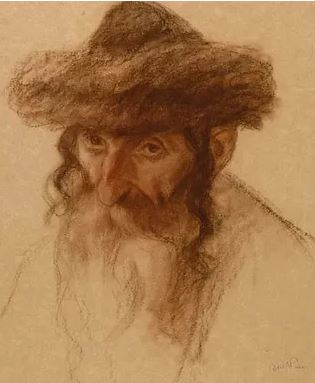
Levi Yitzchok of Berditchev
 (לוי יצחק מברדיצ'ב)
Beloved Hasidic master and author of 'Kedushat Levi' renowned as the supreme advocate for the Jewish people who boldly argued with the Almighty in prayer on their behalf.
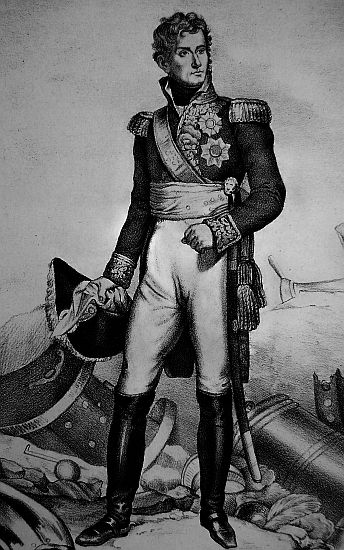
Jean Lannes (The Roland of the Grande Armée)
(Jean Lannes, duc de Montebello)
Marshal of the Empire, 1st Duke of Montebello, and Napoleon's closest friend who captured the bridge at Arcole, took Montebello, and died heroically at Aspern-Essling.
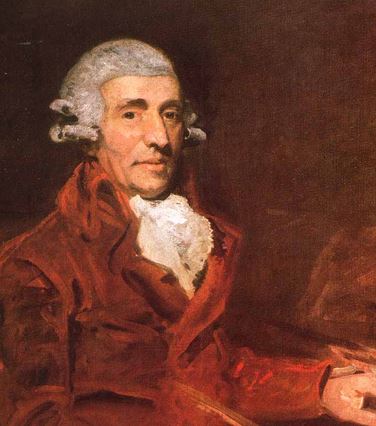
Franz Joseph Haydn
 (Franz Joseph Haydn)
Foundational giant of the Viennese Classical period whose 106 symphonies and 68 string quartets established the classical sonata form, mentoring Mozart and Beethoven and creating the sublime oratorio The Creation.
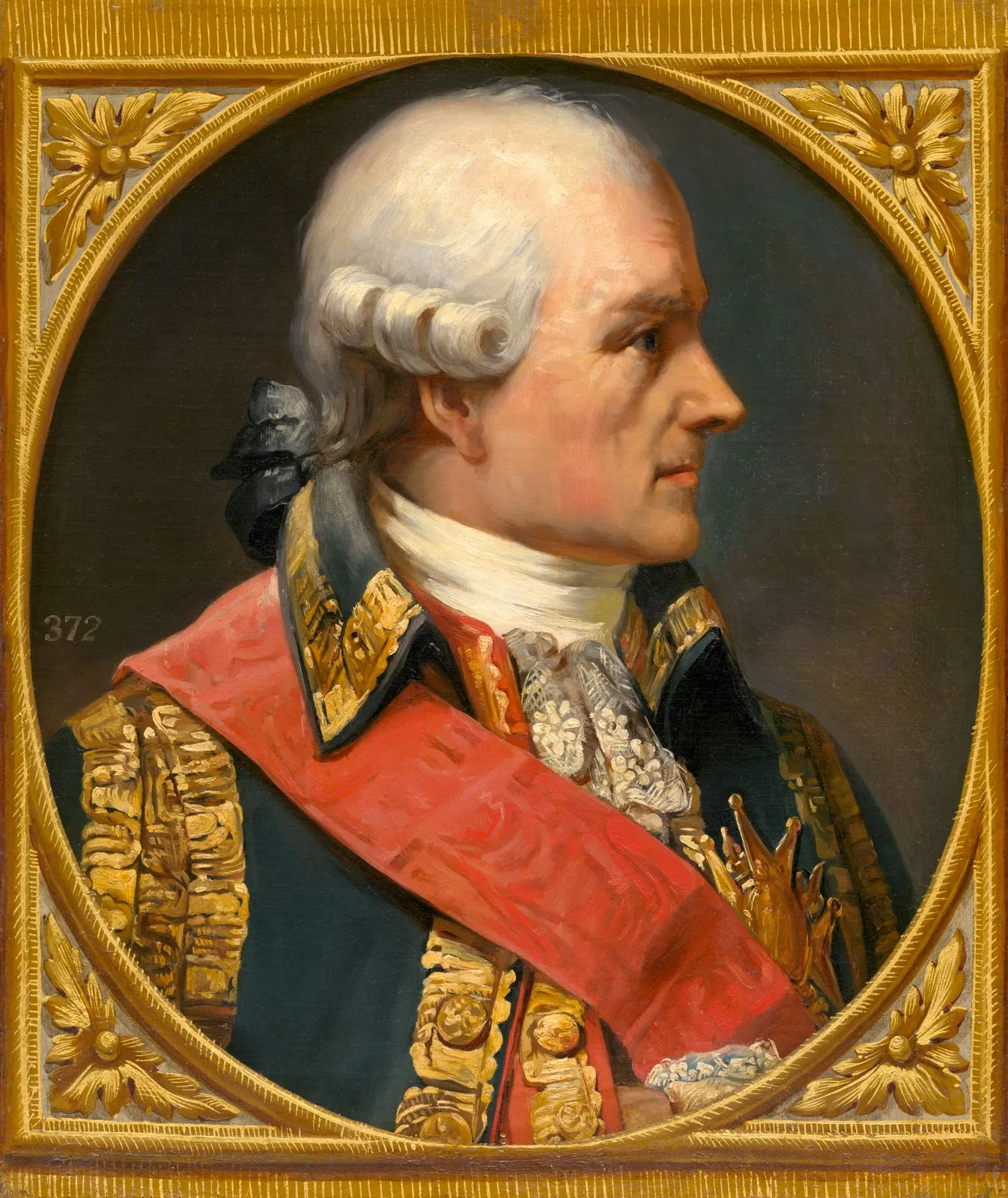
Jean-Baptiste Donatien de Vimeur, Comte de Rochambeau
(Jean-Baptiste Donatien de Vimeur, comte de Rochambeau)
Marshal of France who commanded the French expeditionary army (Expédition Particulière) sent to support George Washington, co-directing the decisive Siege of Yorktown.
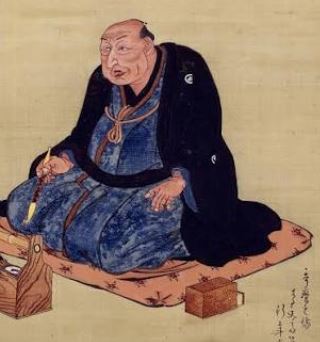
Kitagawa Utamaro
 (喜多川 歌麿)
Supreme master of ukiyo-e woodblock printing renowned worldwide for his intimate 'okubi-e' (large-head close-up portraits) of women, capturing subtle feminine psychological states.