Public Figures & Cultural Luminaries
Filterable archive covering centuries of intellectual, artistic, and moral contributions to the human story.
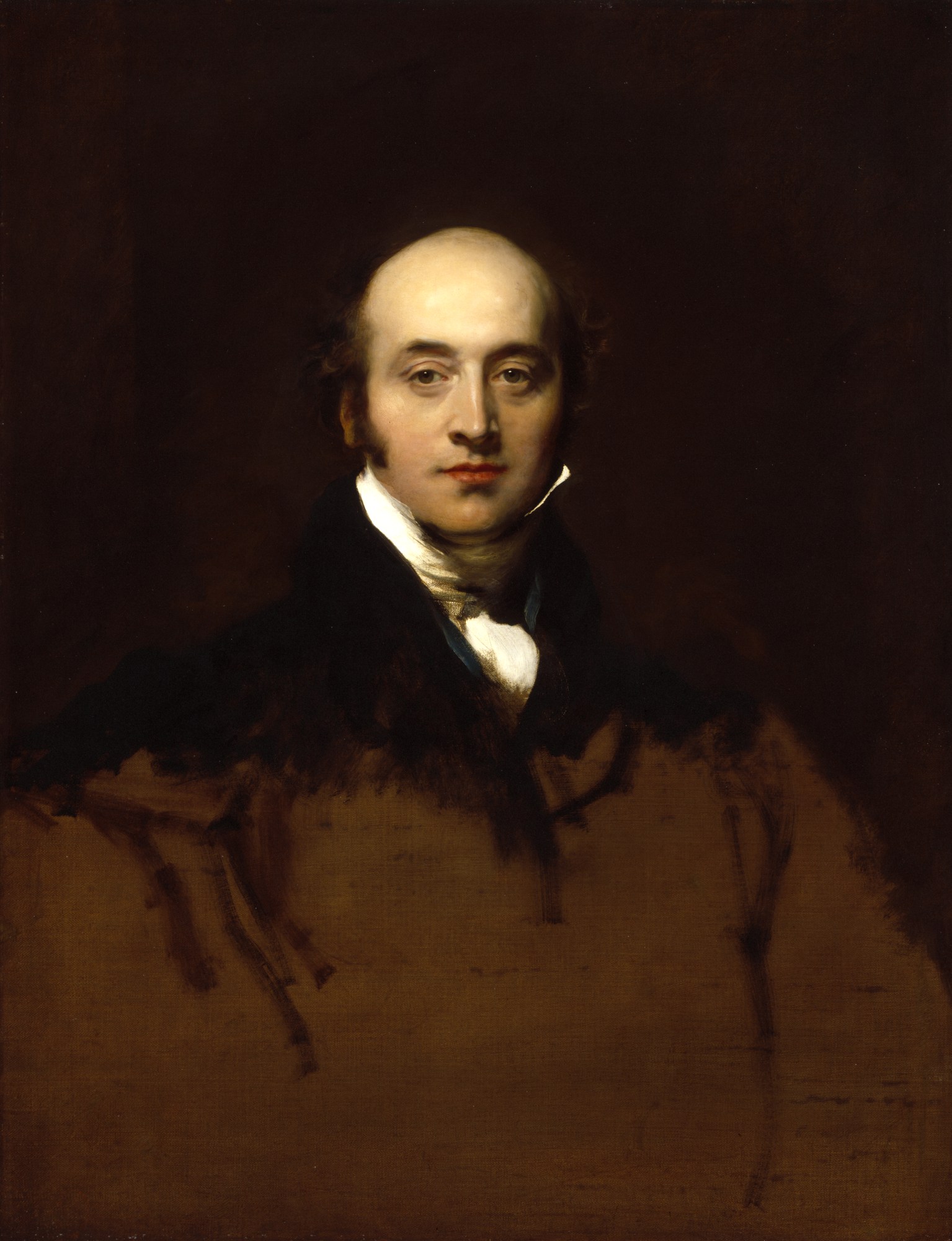
Sir Thomas Lawrence
 (Thomas Lawrence)
Child prodigy and President of the Royal Academy who became the pre-eminent British portraitist of the Regency era, immortalized by his Waterloo Chamber royal portraits.
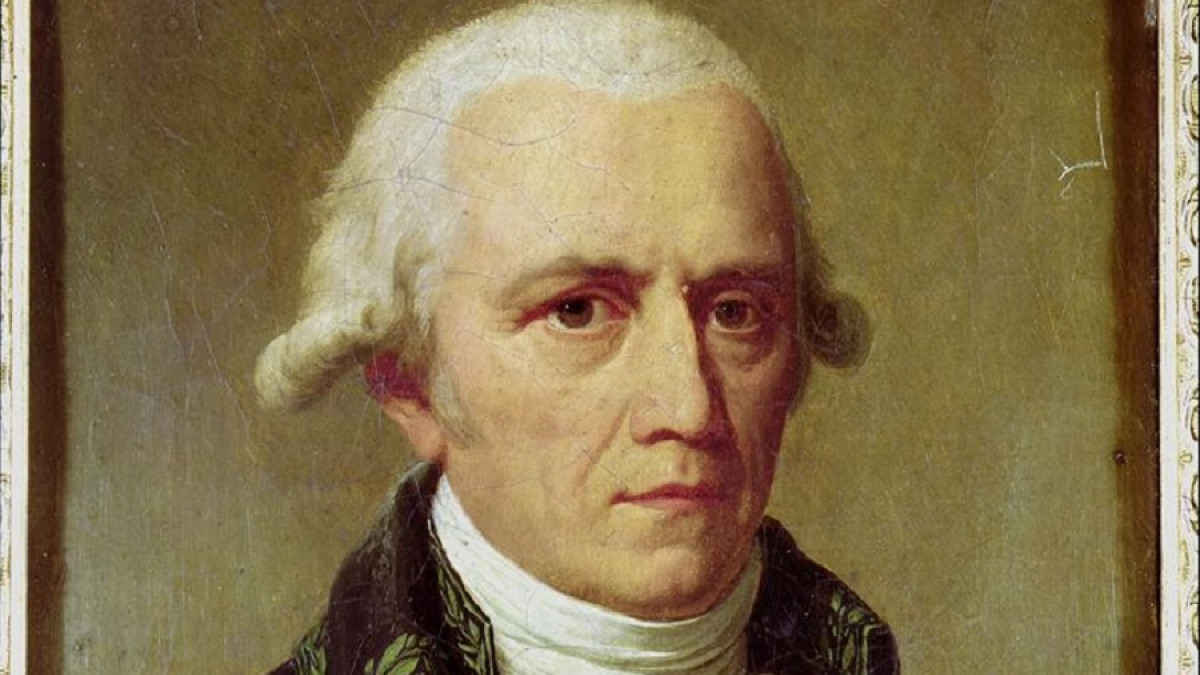
Jean-Baptiste Lamarck
 (Jean-Baptiste Pierre Antoine de Monet, Chevalier de Lamarck)
Pioneering French naturalist who proposed the first coherent theory of biological evolution and coined the term 'biology'.
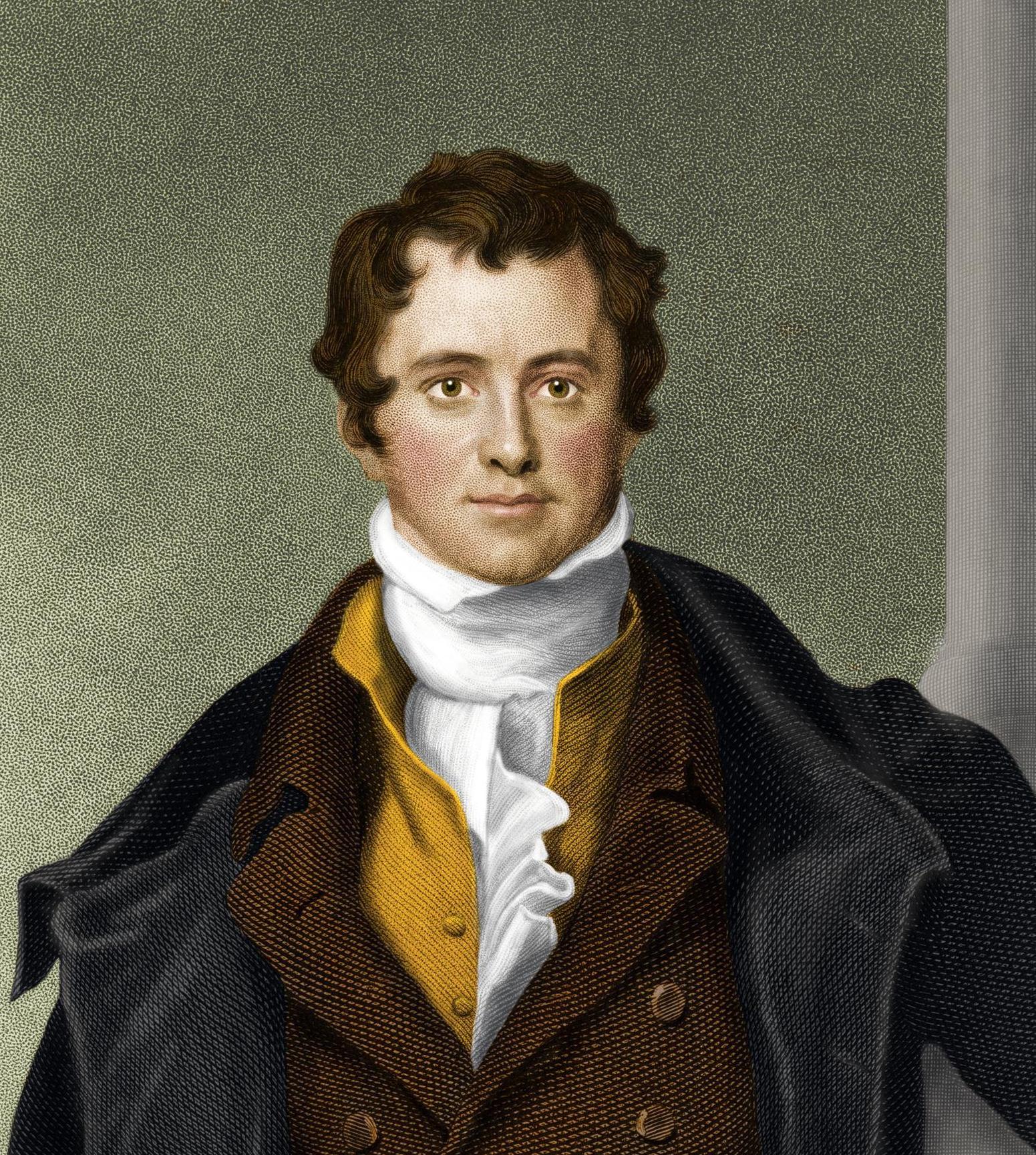
Humphry Davy
(Sir Humphry Davy, 1st Baronet)
Brilliant British chemist and inventor who isolated sodium, potassium, and calcium via electrolysis, and invented the miner's safety lamp.
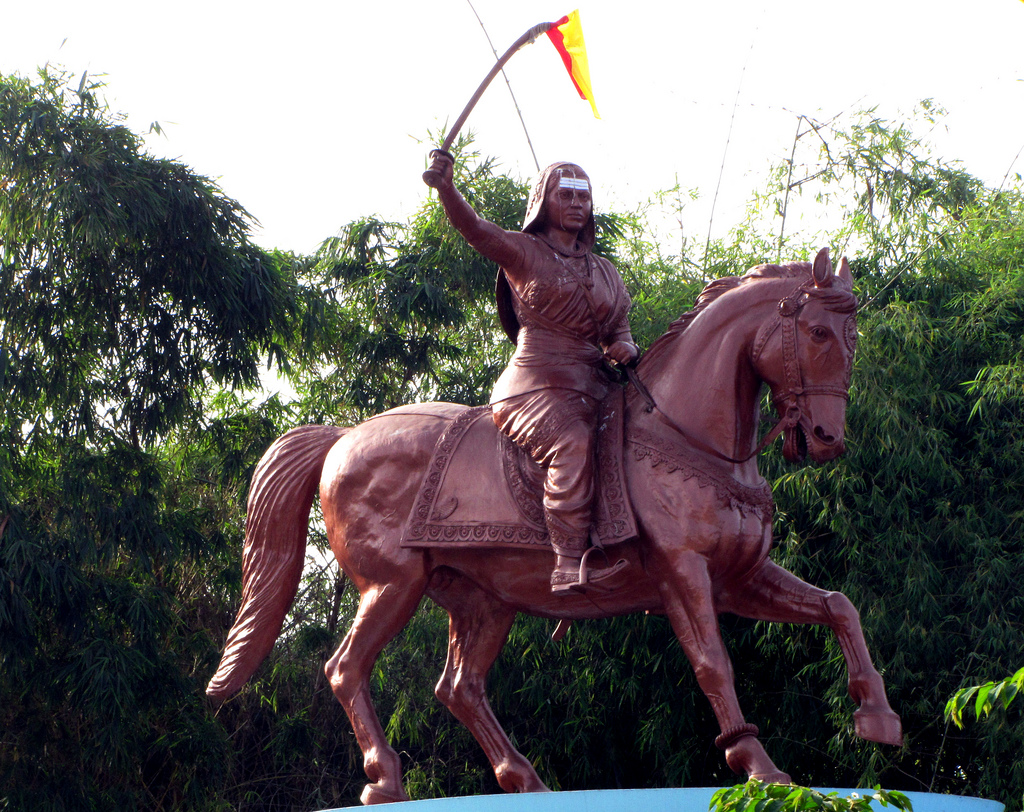
Kittur Chennamma
 (ಕಿತ್ತೂರು ಚೆನ್ನಮ್ಮ)
Queen of Kittur who led one of the earliest armed rebellions against the British East India Company in 1824, defying the aggressive Doctrine of Lapse.
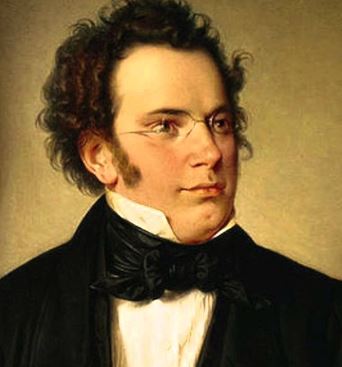
Franz Peter Schubert
 (Franz Peter Schubert)
Austrian Early Romantic composer of heartbreaking melodic beauty who elevated the German Lied to an immortal fine art form with over 600 art songs (Erlkönig, Winterreise) and composed the Unfinished Symphony.
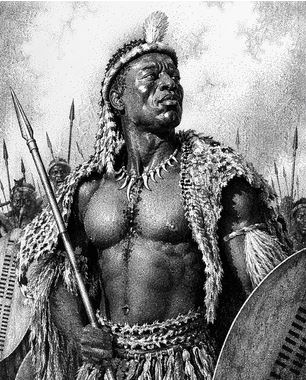
Shaka kaSenzangakhona (King Shaka Zulu)
 (uShaka kaSenzangakhona)
Visionary military strategist and founding King of the Zulu Kingdom. Revolutionized African warfare by introducing the short stabbing spear (Iklwa), large cowhide shields, barefoot speed, and the famous "Bull Horns" encirclement formation.
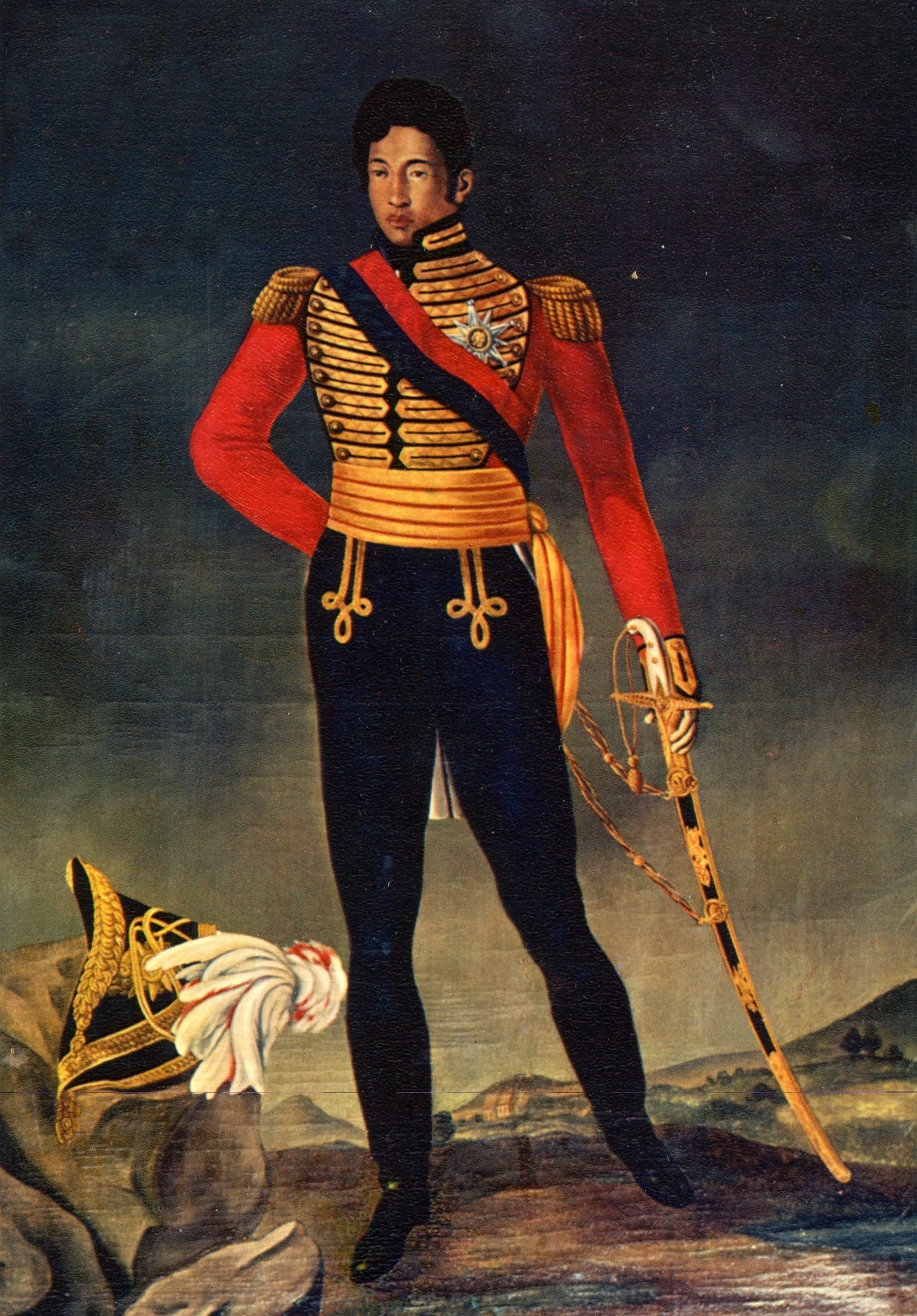
Radama I
 (Radama I (Radama the Great))
First monarch of the unified Kingdom of Madagascar (1810–1828) acclaimed as 'Radama the Great', who modernized the Malagasy army with European firearms, outlawed the transatlantic slave trade, and established the Latin alphabet for the Malagasy language.
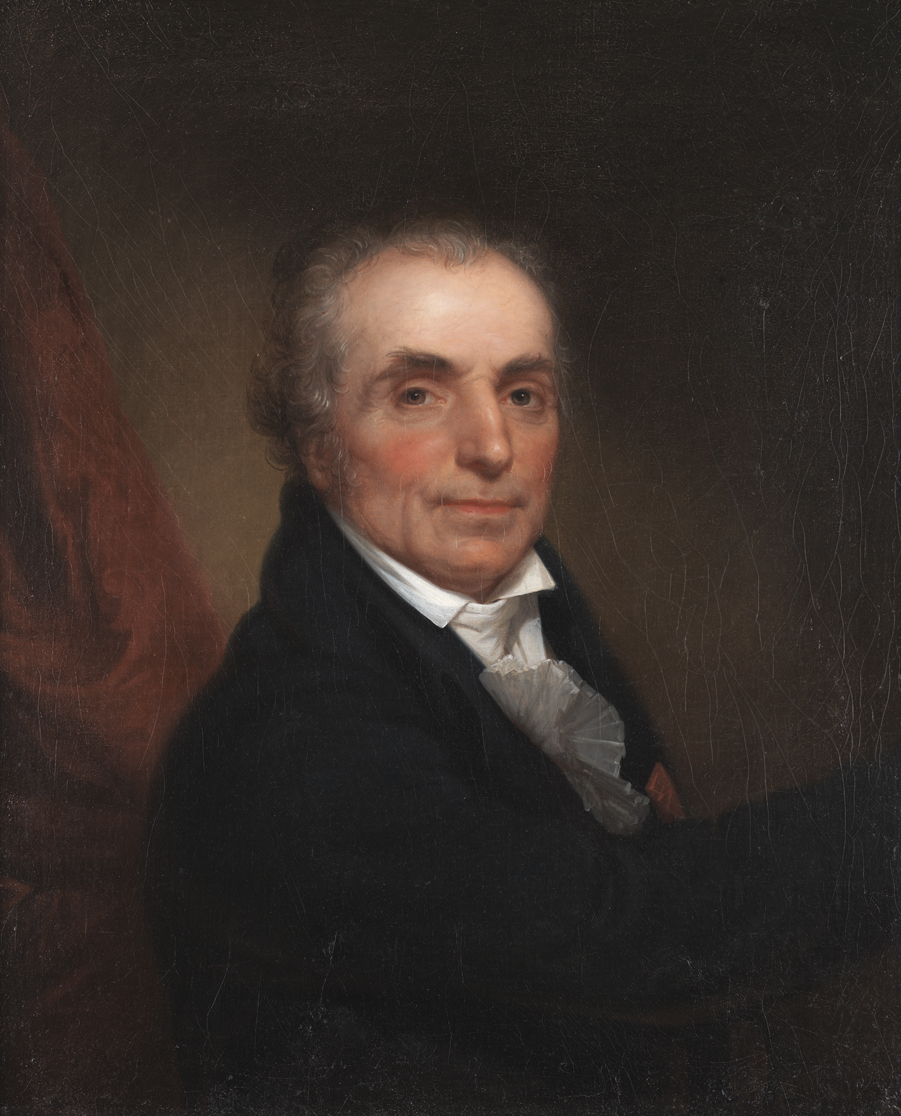
Jean-Antoine Houdon
(Jean-Antoine Houdon)
Supreme French portrait sculptor of the Enlightenment whose vivid marble busts captured Voltaire, Diderot, Benjamin Franklin, and George Washington with intense psychological realism.
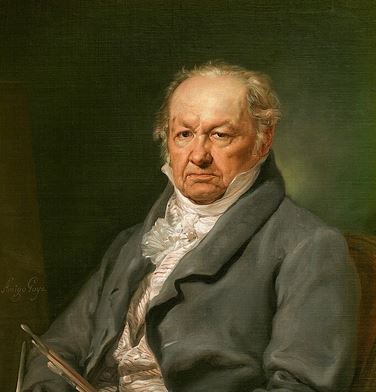
Francisco José de Goya y Lucientes
 (Francisco de Goya)
Visionary Spanish master whose fearless art chronicled royal vanity (Charles IV), the brutal horrors of war (The Third of May 1808), and the terrifying dark phantoms of the human subconscious in his Black Paintings.
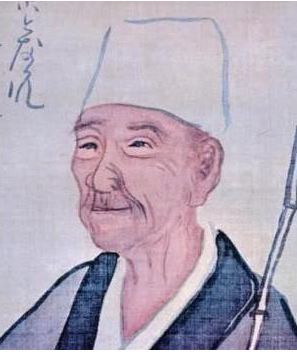
Kobayashi Issa (小林一茶 (Kobayashi Nobuyuki))
Beloved Edo-period Japanese haiku master (1763–1828) whose compassionate, humorous, and deeply personal verses celebrated humble creatures, children, and spiritual resilience in the face of immense personal grief.
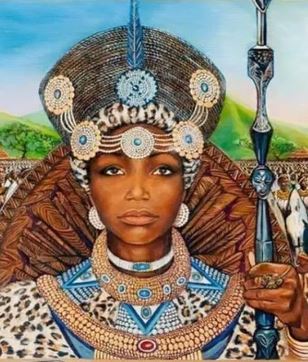
Queen Nandi (Nandi kaBhebhe eLangeni)
Revered Queen Mother (Ndlovukati) of the Zulu Kingdom and mother of Shaka Zulu, whose resilience against hardship and wise counsel guided the founding and consolidation of the Zulu Empire.
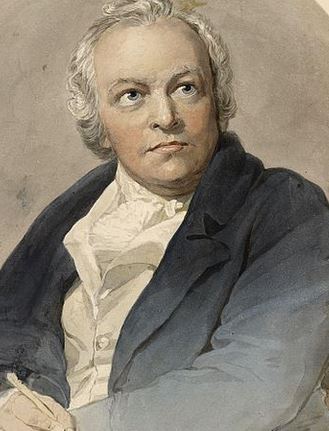
William Blake
(William Blake)
Visionary English Romantic poet, printmaker, and mystic who saw angels in London trees, creating illuminated books of singular poetic genius—Songs of Innocence and of Experience, The Marriage of Heaven and Hell, and 'The Tyger'.
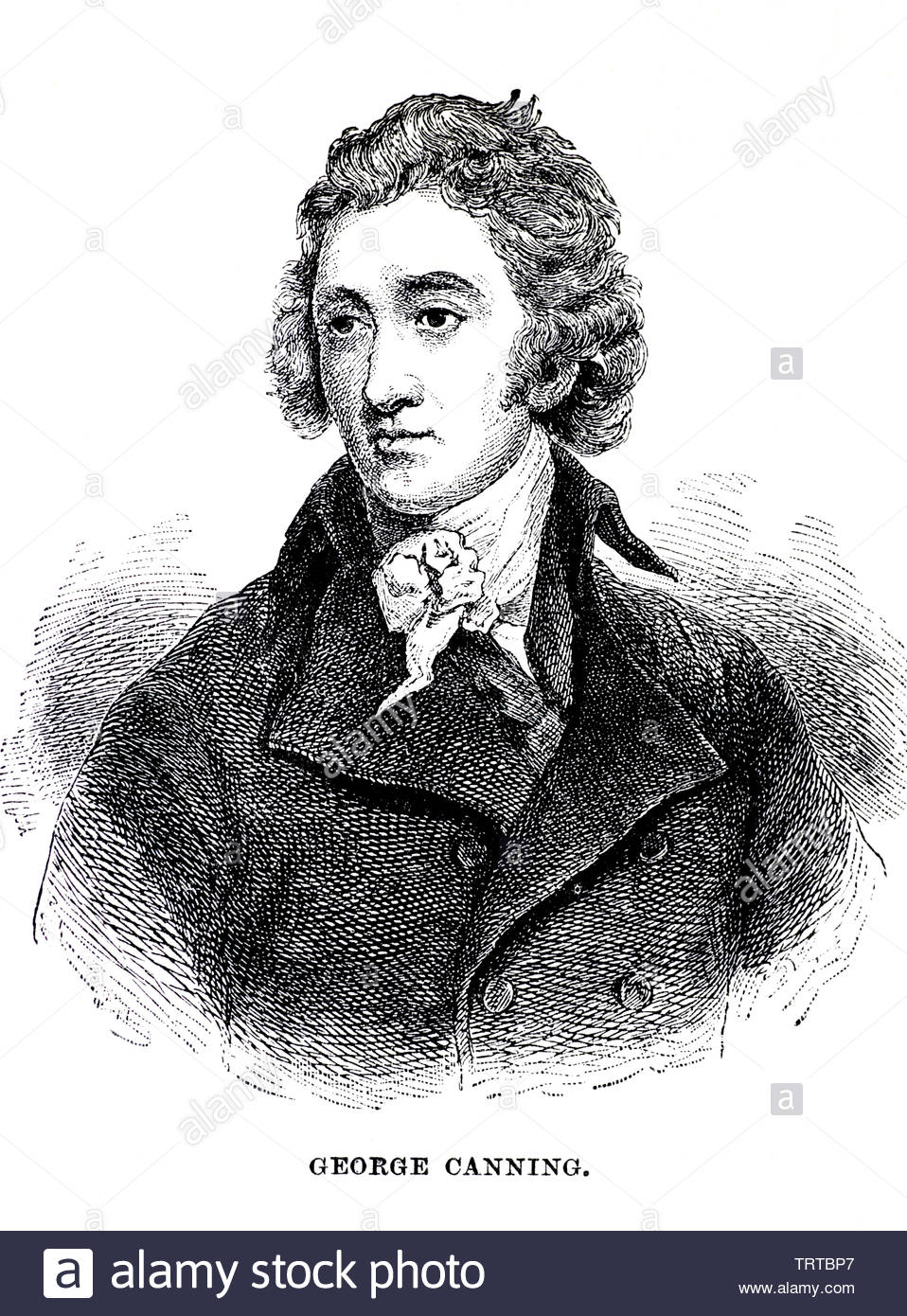
George Canning
(George Canning)
Visionary British Foreign Secretary and Prime Minister who recognized the independence of Latin American republics, famously declaring: 'I called the New World into existence to redress the balance of the Old'.
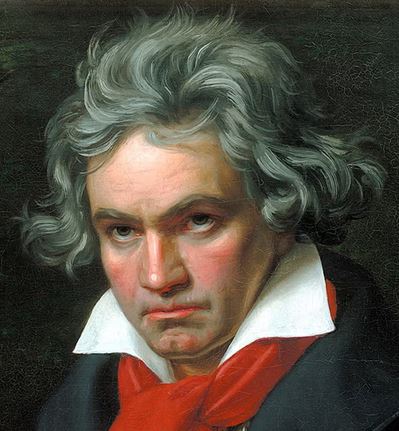
Ludwig van Beethoven
 (Ludwig van Beethoven)
Colossus of Western music who triumphed over total deafness to propel music into the Romantic era with volcanic emotional power, heroism, and cosmic brotherhood in his 9 Symphonies, 32 Piano Sonatas, and late String Quartets.
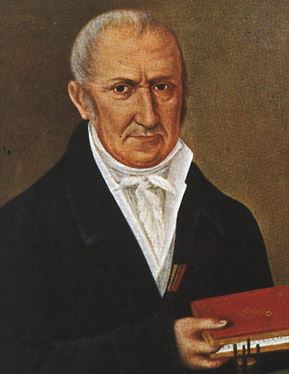
Alessandro Volta
 (Alessandro Giuseppe Antonio Anastasio Volta)
Italian physicist who invented the voltaic pile (the first continuous electrochemical battery) in 1799, discovered methane gas, and had the electrical unit of potential—the 'Volt'—named in his honor.
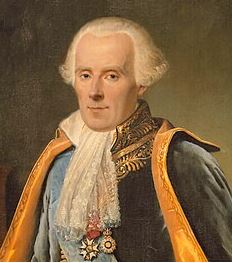
Pierre-Simon Laplace
(Pierre-Simon, marquis de Laplace)
'The French Newton' whose Traité de mécanique céleste proved the gravitational stability of the solar system, proposed the nebular hypothesis of planetary origin, and defined determinism (Laplace's Demon).
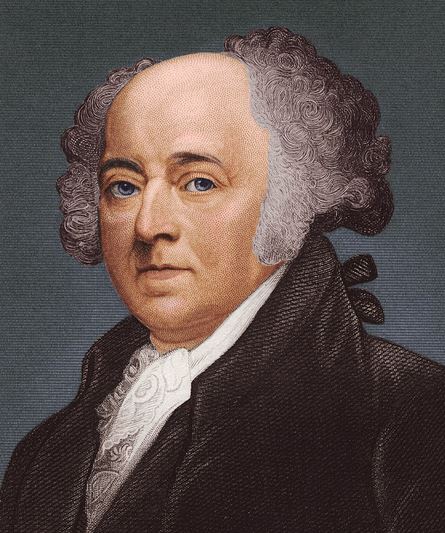
John Adams
 (John Adams)
Primary architect of constitutional government and republicanism; author of the Massachusetts Constitution (1780), the world's oldest continuously operating written constitution.
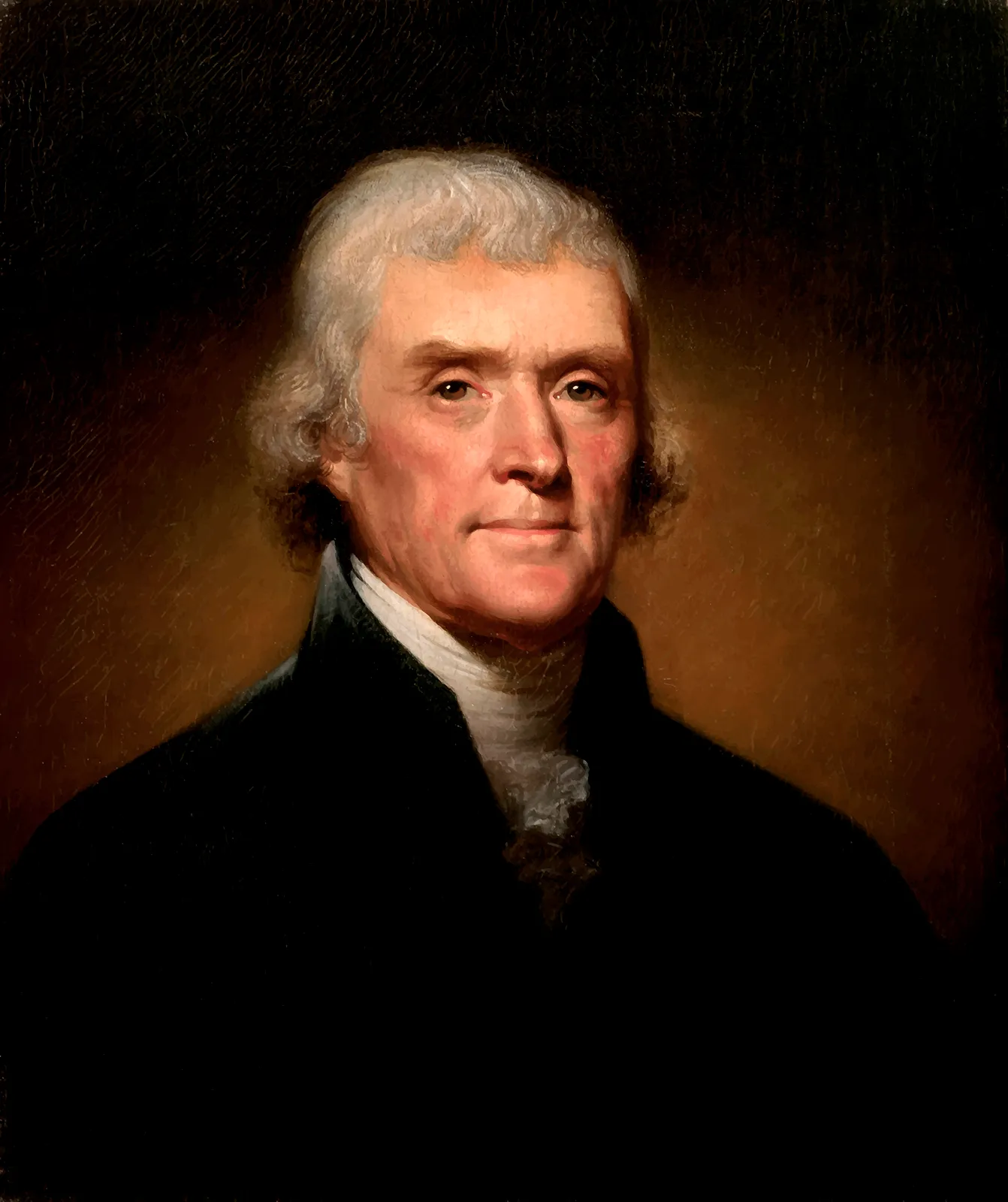
Thomas Jefferson
(Thomas Jefferson)
Articulated foundational concepts of individual liberty, republicanism, and religious freedom in seminal founding documents.