Public Figures & Cultural Luminaries
Filterable archive covering centuries of intellectual, artistic, and moral contributions to the human story.
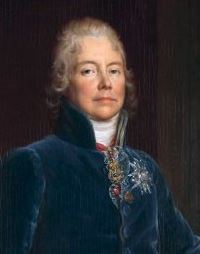
Charles-Maurice de Talleyrand
 (Charles-Maurice de Talleyrand-Périgord)
Regarded as one of the most brilliant diplomats in world history, ensuring European equilibrium and France's place among great powers after Napoleon's fall.
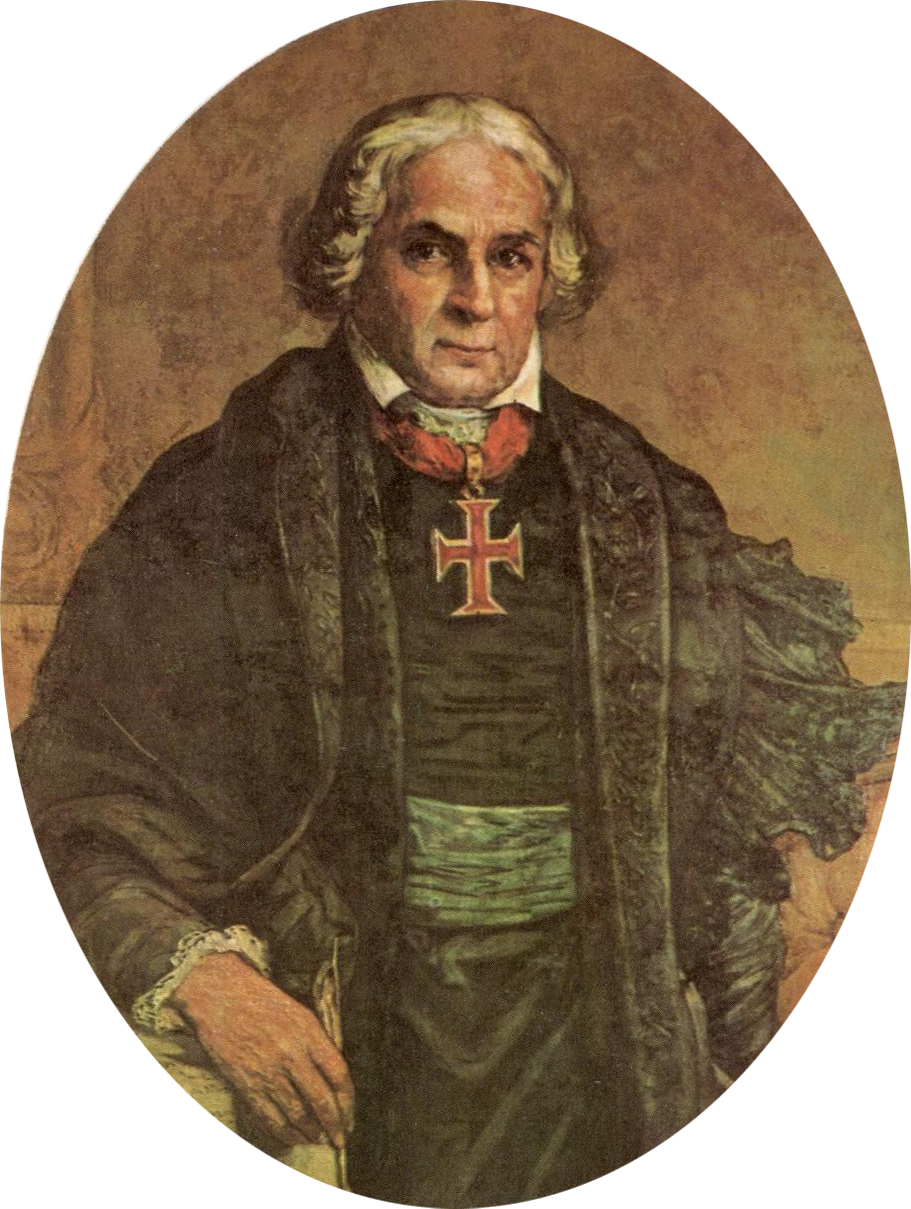
Jose Bonifacio
 (Jose Bonifacio de Andrada e Silva)
Renowned mineralogist who discovered four new minerals (including petalite, which led to the discovery of lithium), and statesman revered as the 'Patriarch of Brazilian Independence' who guided Prince Pedro to declare independence from Portugal in 1822.
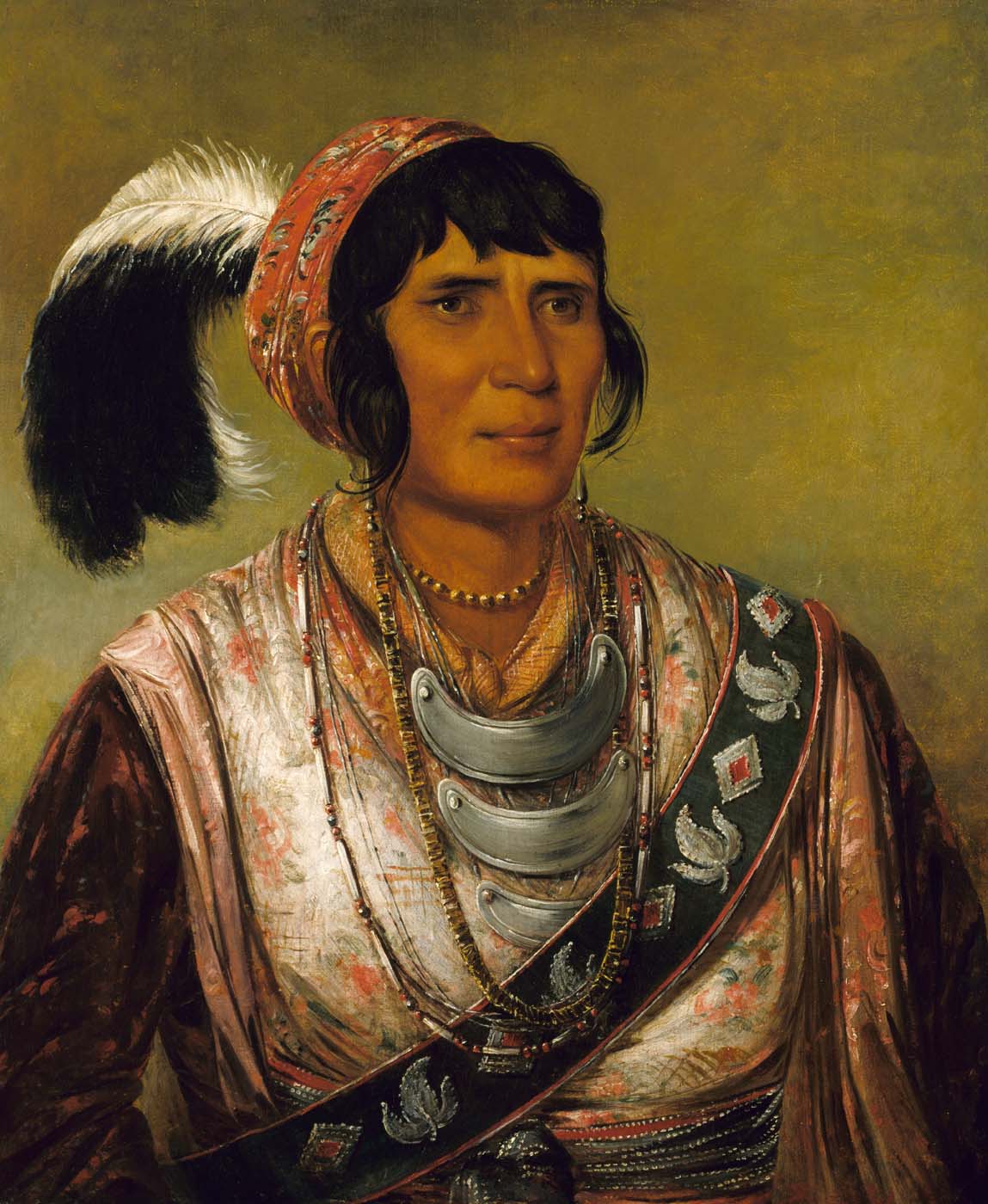
Osceola
 (Asi-yahola)
Influential Seminole war leader who led fierce resistance against United States forced removal during the Second Seminole War in Florida.
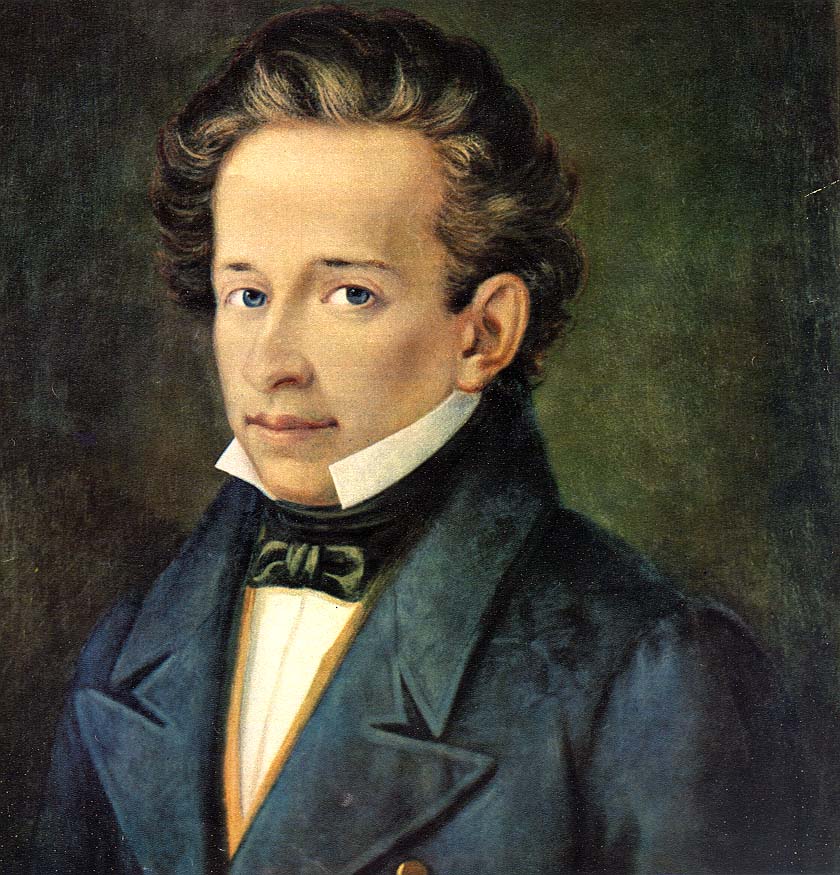
Giacomo Leopardi
 (Giacomo Taldegardo Francesco di Sales Saverio Pietro Leopardi)
Foremost modern Italian lyric poet and philosopher of cosmic pessimism whose Canti and Operette morali achieved peerless stylistic purity and intellectual depth.
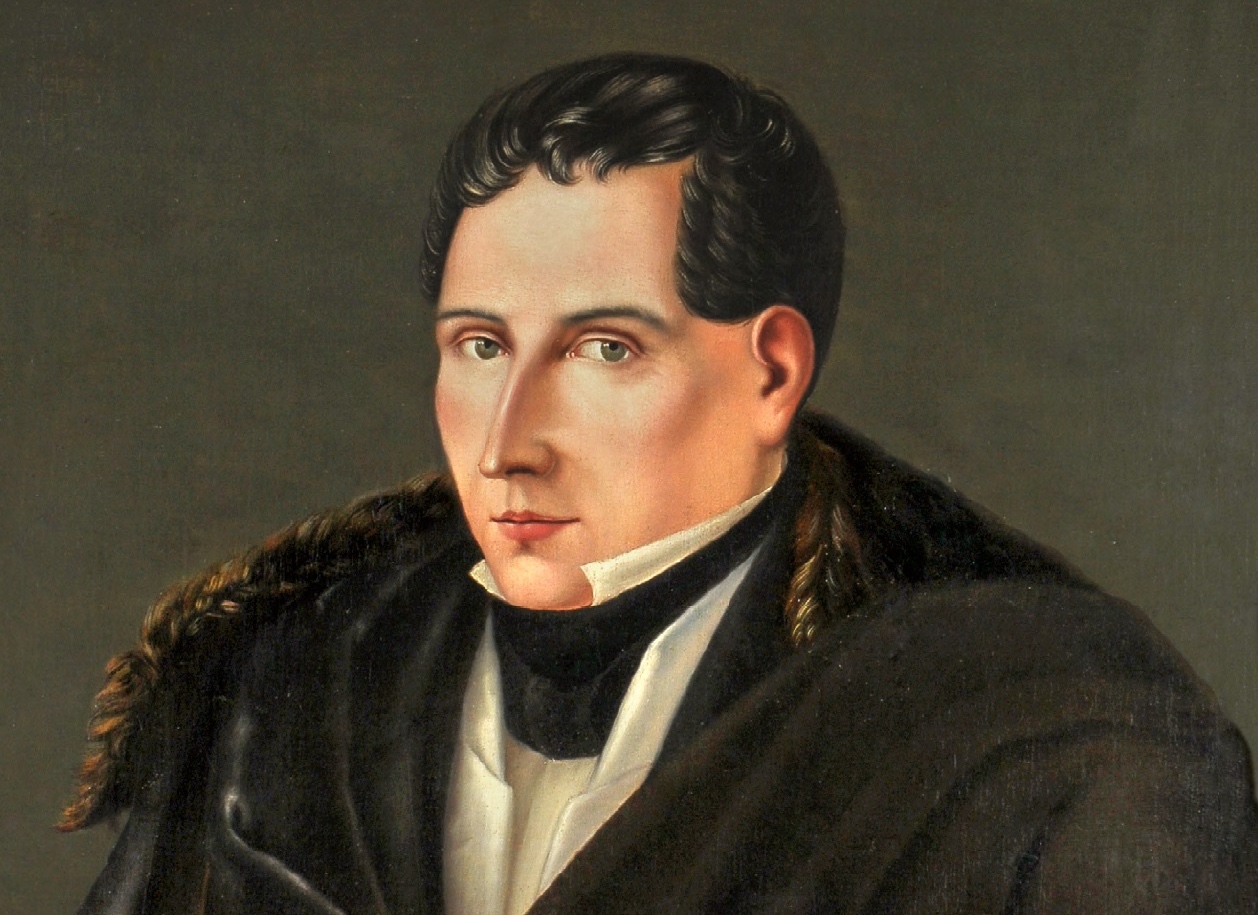
Diego Portales
 (Diego José Pedro Víctor Portales y Palazuelos)
Dominant Chilean statesman and businessman who established the stable constitutional framework of the Chilean Republic under the 1833 Constitution.
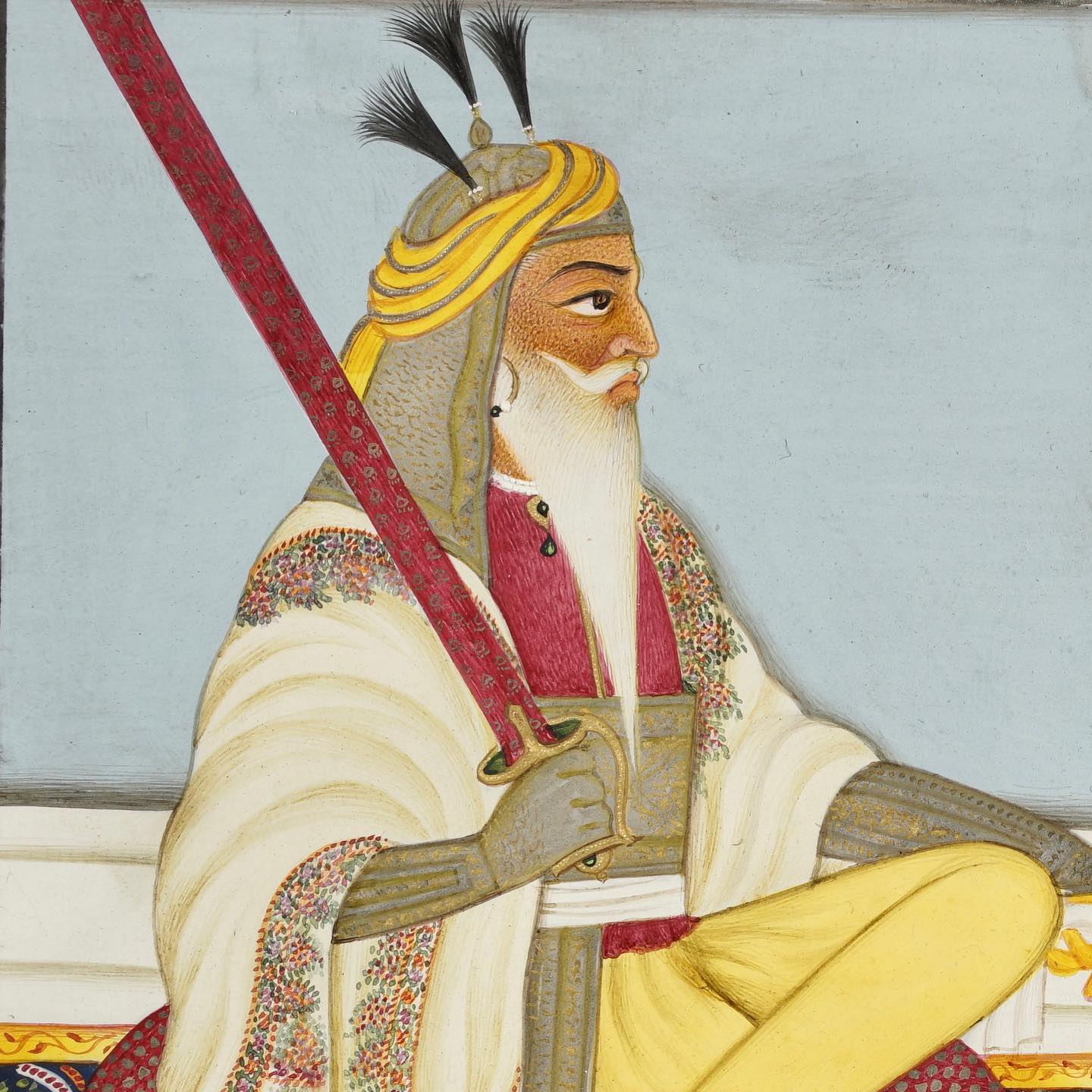
Hari Singh Nalwa
 (ਹਰੀ ਸਿੰਘ ਨਲਵਾ)
Fabled Commander-in-Chief of the Sikh Khalsa Army whose military genius halted centuries of foreign invasions through the Khyber Pass, conquering Kasur, Multan, Kashmir, and Peshawar.
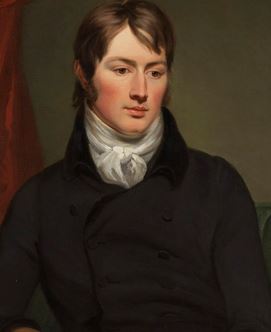
John Constable
 (John Constable)
English Romantic landscape master celebrated for his loving, luminous paintings of Dedham Vale and The Hay Wain.
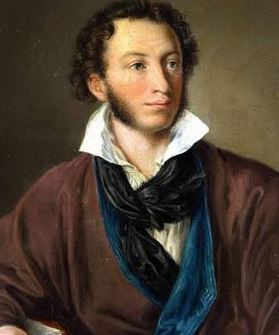
Alexander Sergeyevich Pushkin
 (Александр Сергеевич Пушкин)
Revered as 'The Sun of Russian Poetry' and the foundational father of modern Russian literature, whose novel in verse Eugene Onegin, drama Boris Godunov, and The Bronze Horseman forged the modern Russian literary language.
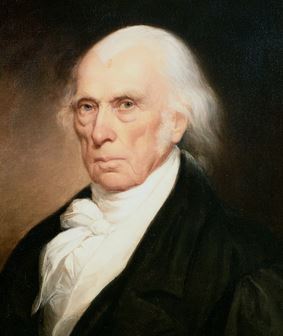
James Madison
(James Madison)
Designed the core institutional framework of American democracy, institutional checks and balances, and guaranteed constitutional civil liberties.
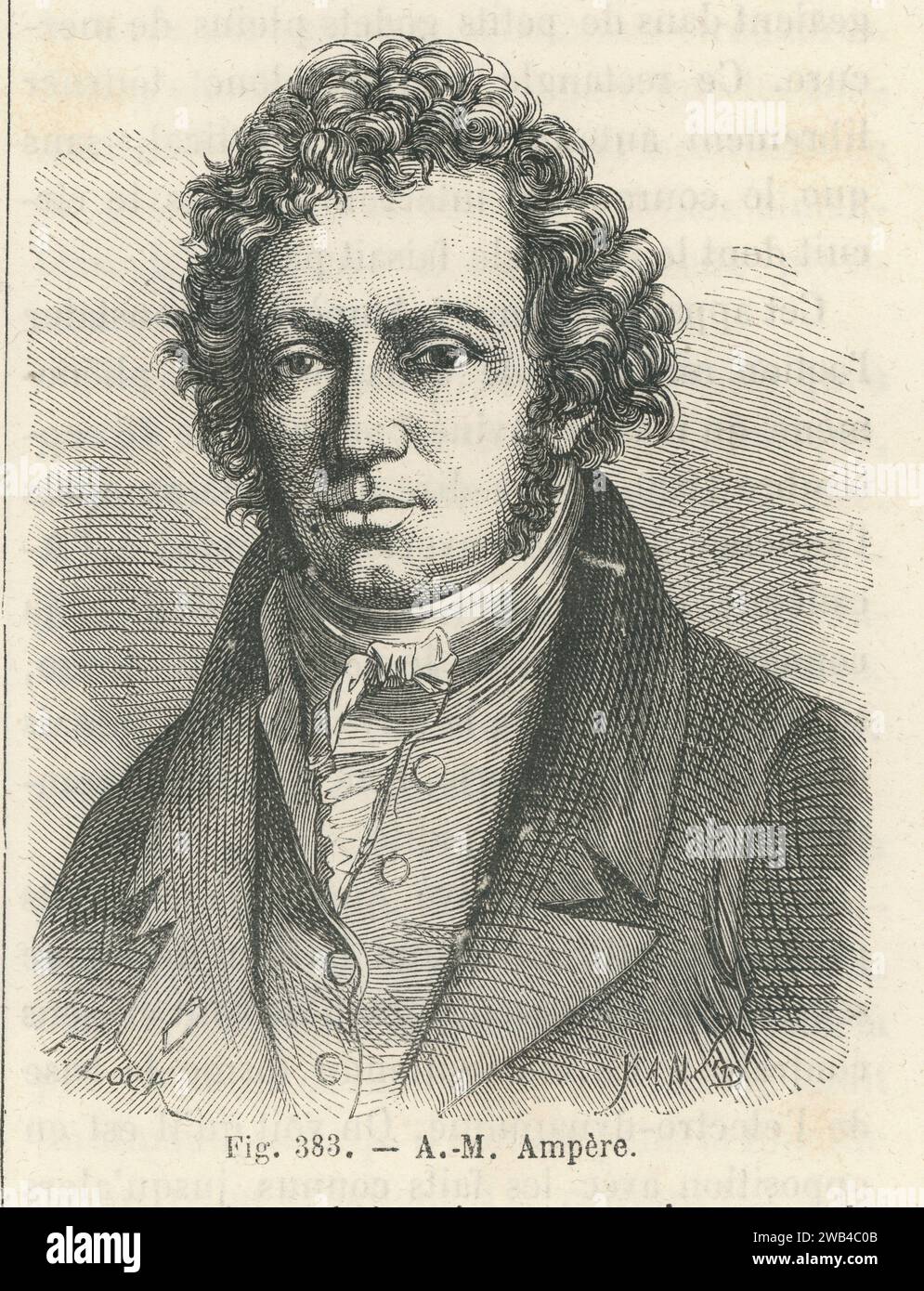
André-Marie Ampère
(André-Marie Ampère)
French physicist and mathematician who founded electrodynamics and formulated Ampère's circuital law.
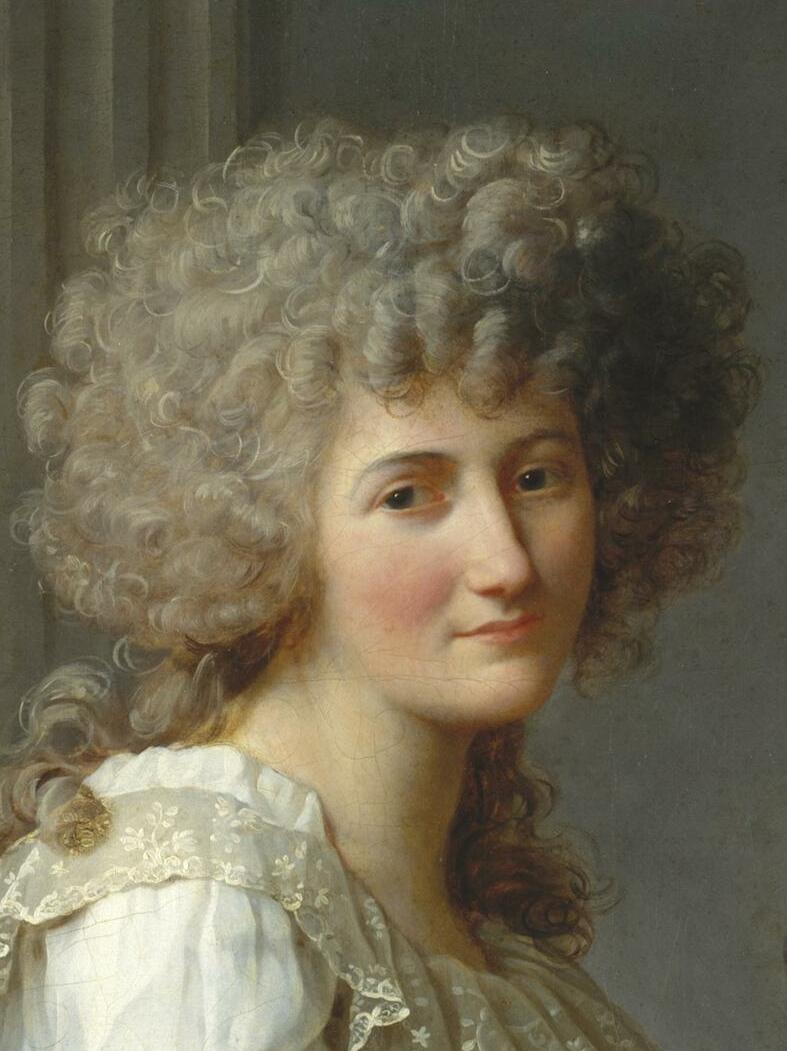
Marie-Anne Paulze Lavoisier
(Marie-Anne Pierrette Paulze)
French chemist, scientific translator, and artist revered as the 'mother of modern chemistry' alongside Antoine Lavoisier.
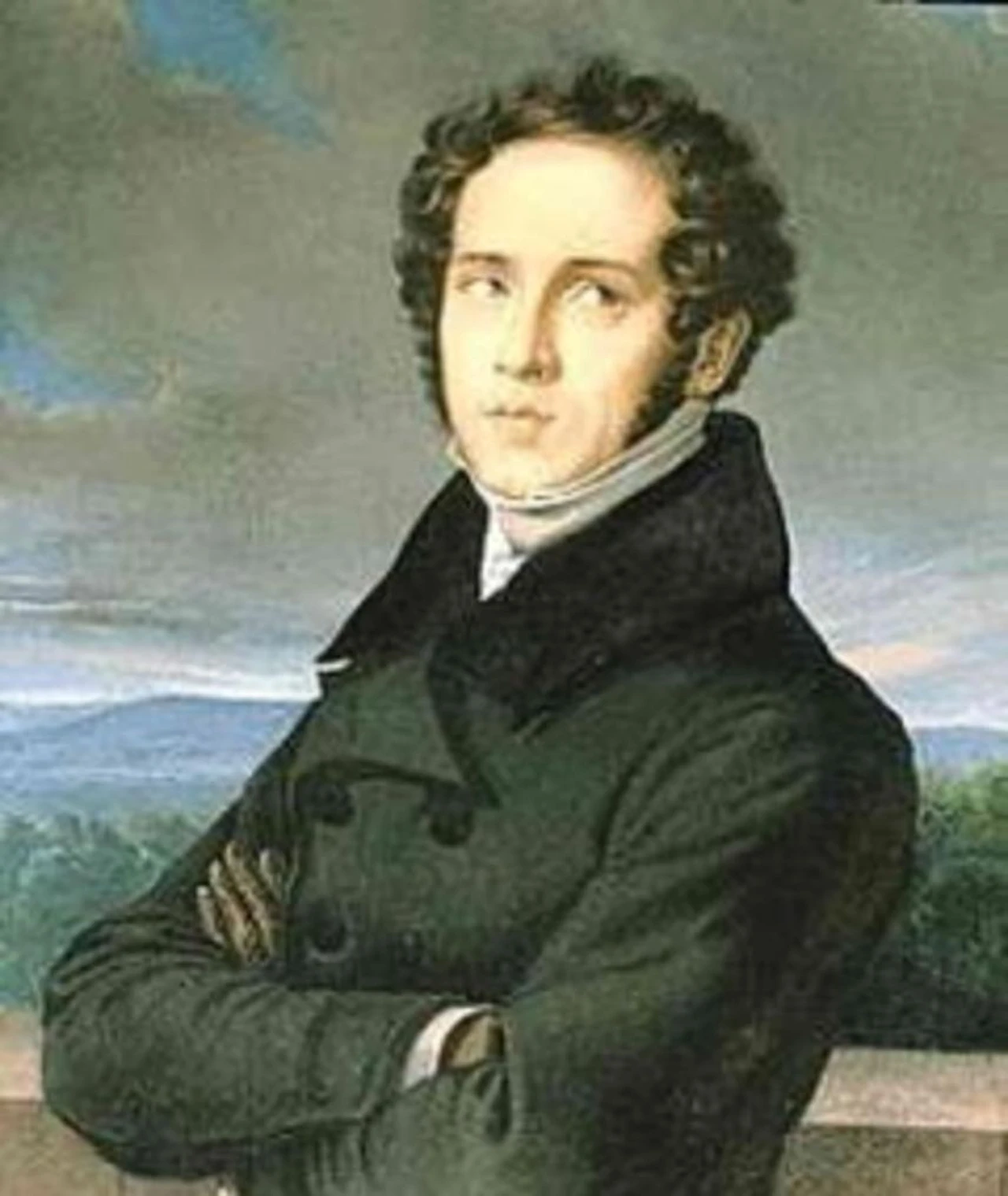
Vincenzo Bellini
(Vincenzo Salvatore Carmelo Francesco Bellini)
Quintessential Italian bel canto composer celebrated for his long, flowing, melancholy melodies in Norma and I puritani.
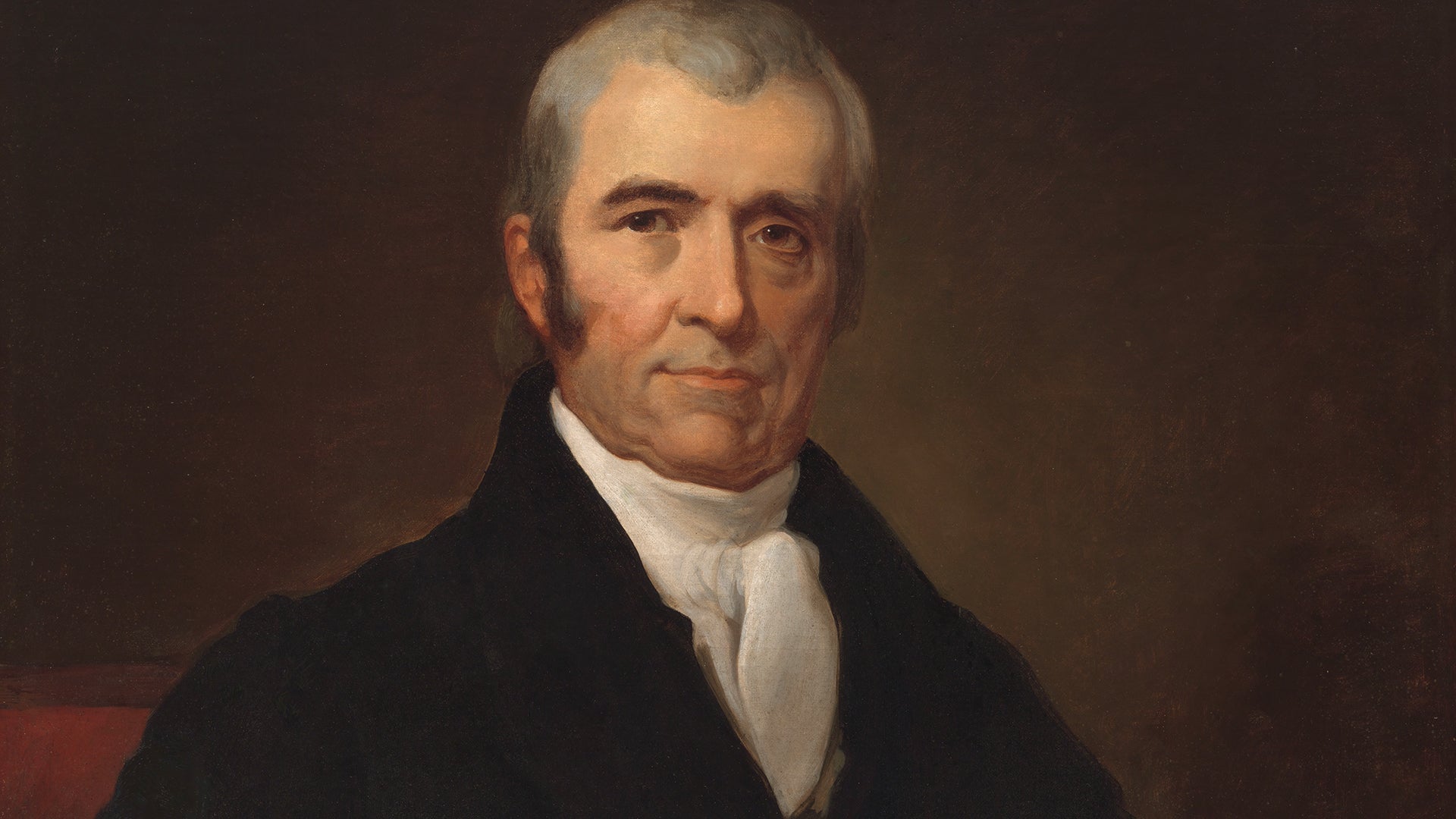
John Marshall
(John Marshall)
Fourth Chief Justice of the United States who served for thirty-four years, established the principle of judicial review in Marbury v. Madison, and made the Supreme Court a co-equal branch.
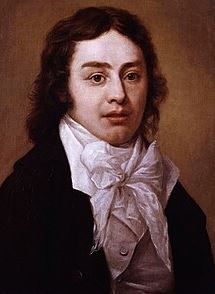
Samuel Taylor Coleridge
(Samuel Taylor Coleridge)
Visionary English Romantic poet, philosopher, and critic who co-founded the Romantic movement with Wordsworth, creating hallucinated supernatural masterworks—The Rime of the Ancient Mariner, Kubla Khan, and Christabel.
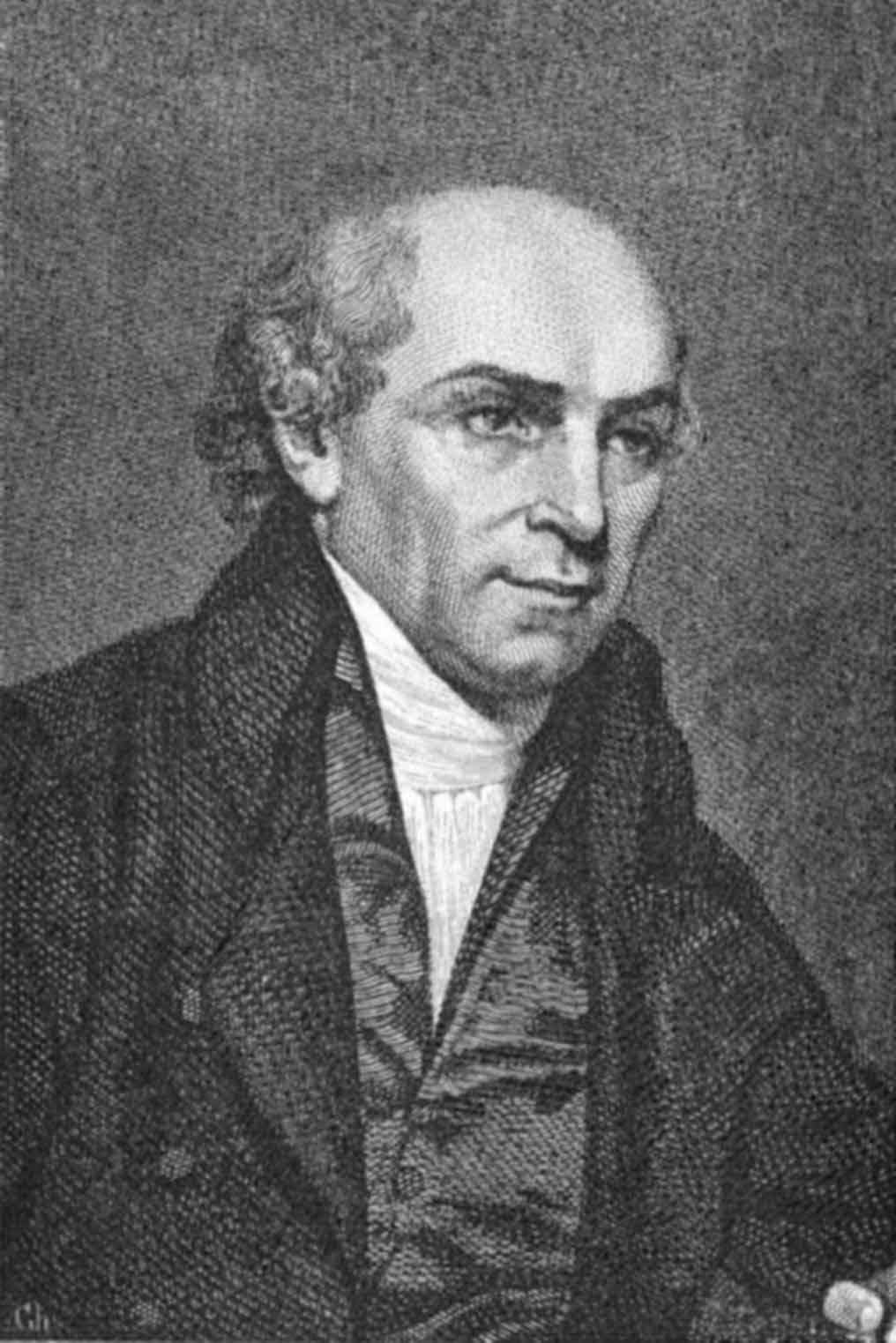
William Carey
(William Carey)
English Baptist missionary, botanist, and translator who sailed to India in 1793, translated the Bible into forty-four Asian languages, and successfully campaigned to abolish Sati.
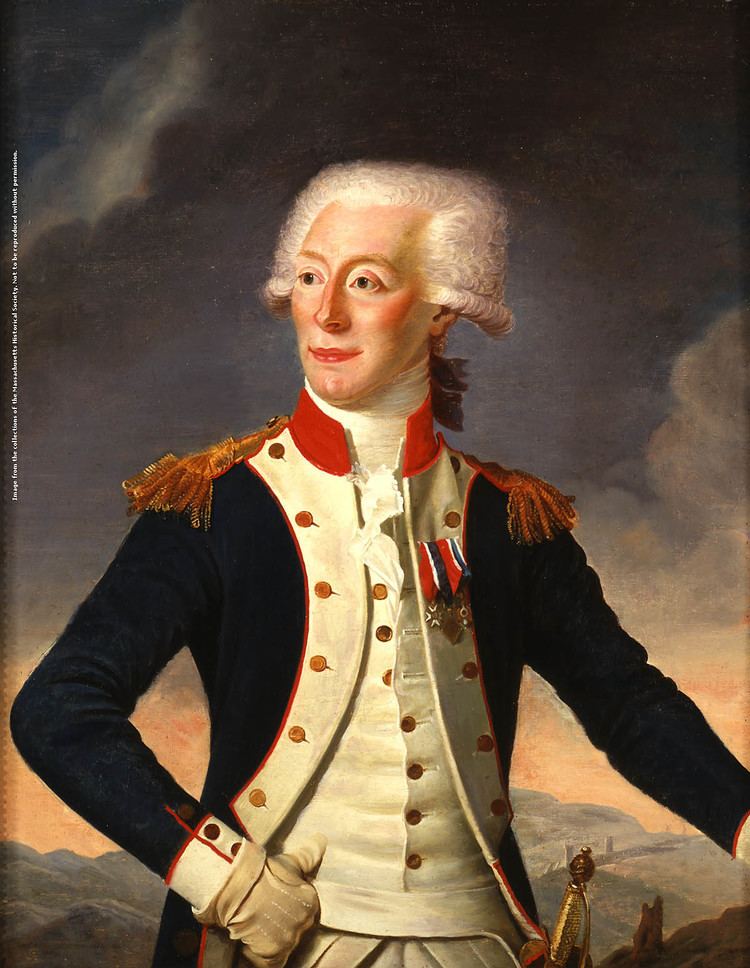
Gilbert du Motier, Marquis de Lafayette
(Gilbert du Motier, marquis de La Fayette)
French aristocrat and major general in the Continental Army hailed as the 'Hero of Two Worlds', who trapped Lord Cornwallis at Yorktown and drafted the Declaration of the Rights of Man.
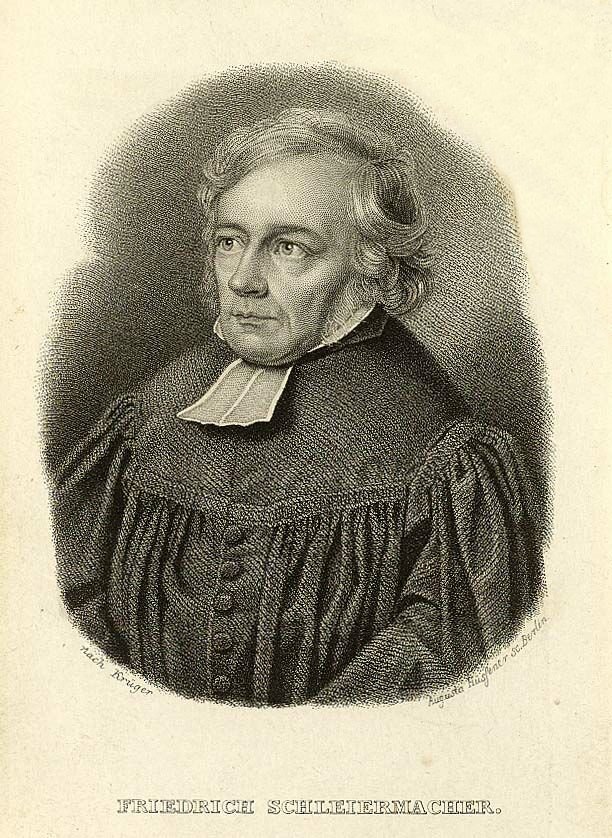
Friedrich Daniel Ernst Schleiermacher
 (Friedrich Schleiermacher)
German Reformed theologian and philosopher whose 'On Religion: Speeches to Its Cultured Despisers' and 'The Christian Faith' grounded religion in the intuitive feeling of absolute dependence.
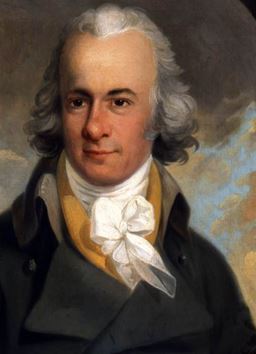
William Wilberforce
(William Wilberforce)
British politician and philanthropist who headed the twenty-year parliamentary campaign against the British slave trade until the passage of the Slave Trade Act of 1807 and the Slavery Abolition Act of 1833.