Public Figures & Cultural Luminaries
Filterable archive covering centuries of intellectual, artistic, and moral contributions to the human story.
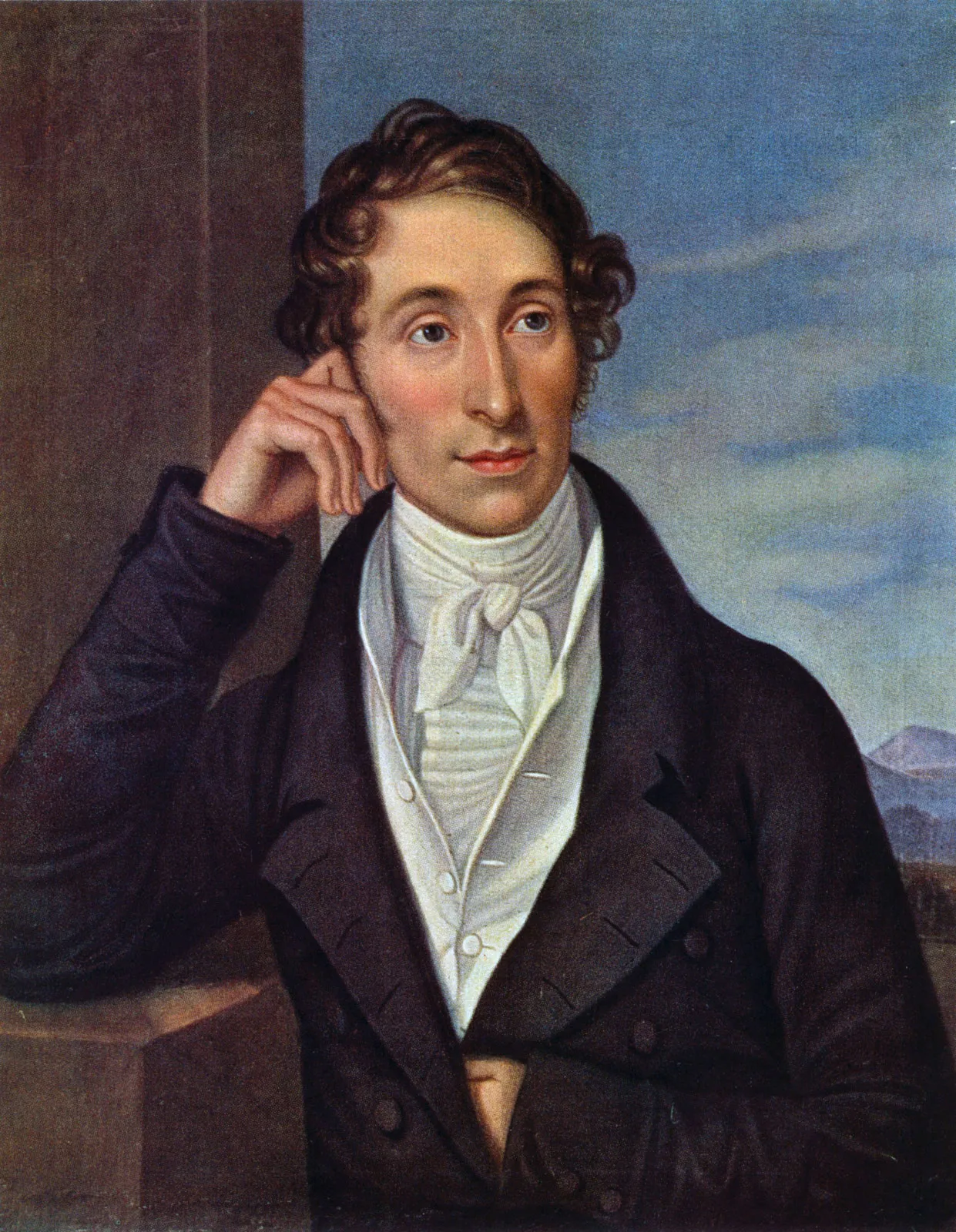
Carl Maria von Weber
 (Carl Maria Friedrich Ernst von Weber)
German composer, conductor, and critic acclaimed as the father of German Romantic opera, immortalized by 'Der Freischütz', 'Euryanthe', and his brilliant clarinet concertos.
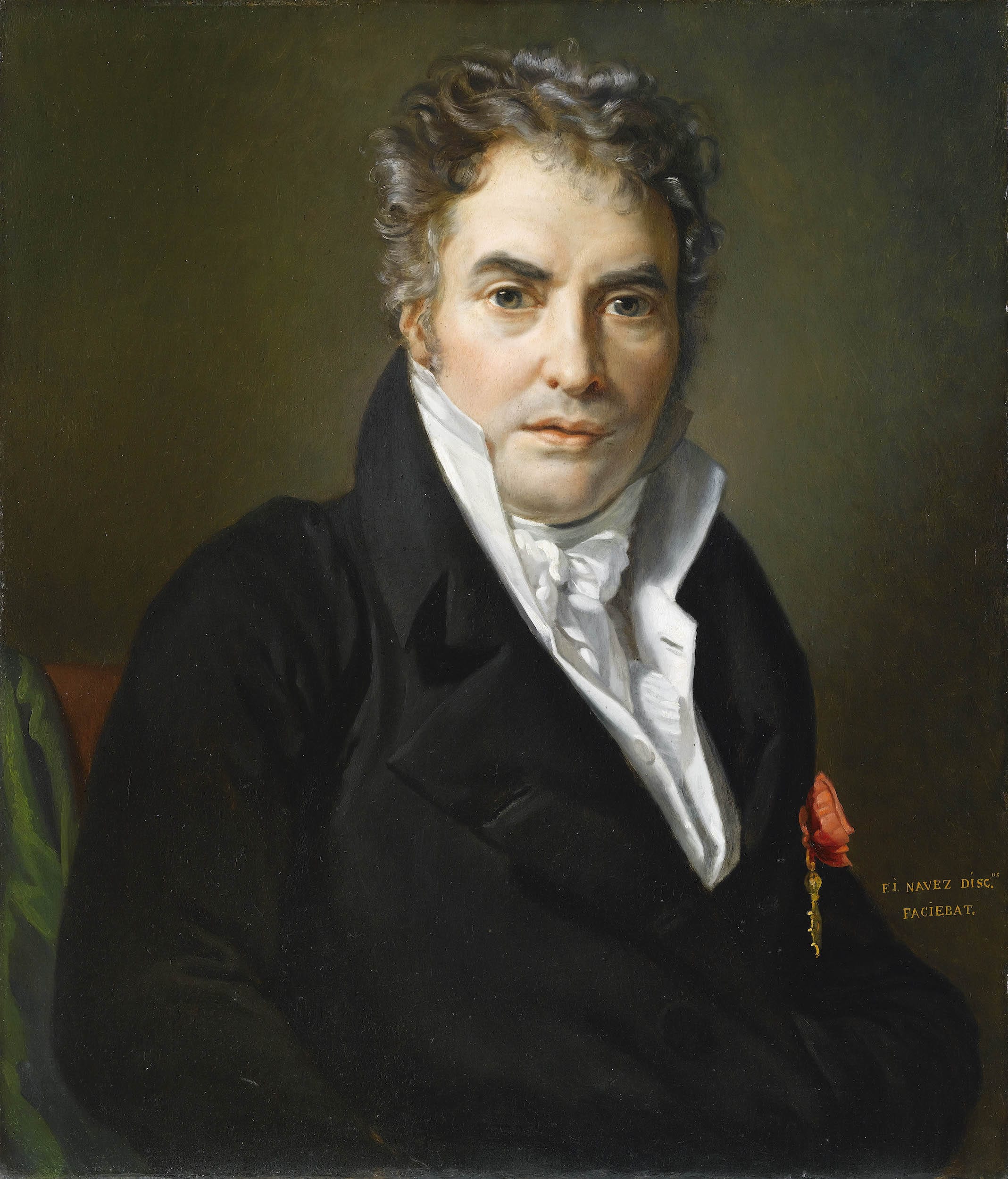
Jacques-Louis David
 (Jacques-Louis David)
Preeminent painter of the Neoclassical era and official artist of the French Revolution and Napoleon Bonaparte.
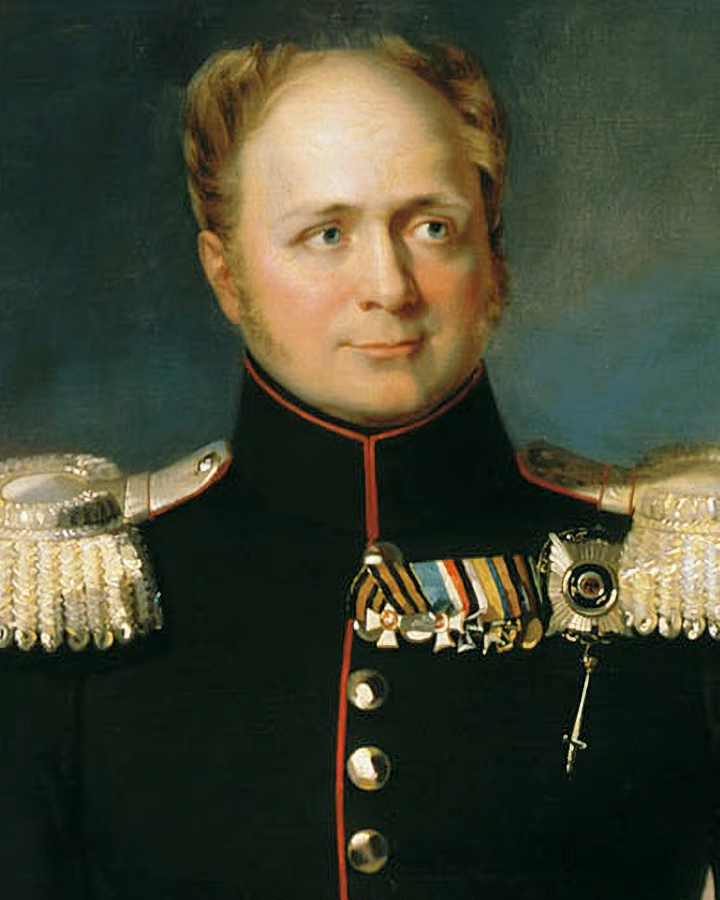
Alexander I of Russia
 (Александр I Павлович (Благословенный))
Emperor of Russia who defeated Napoleon's 1812 invasion, marched victoriously into Paris, and redrew post-Napoleonic Europe at the Congress of Vienna.
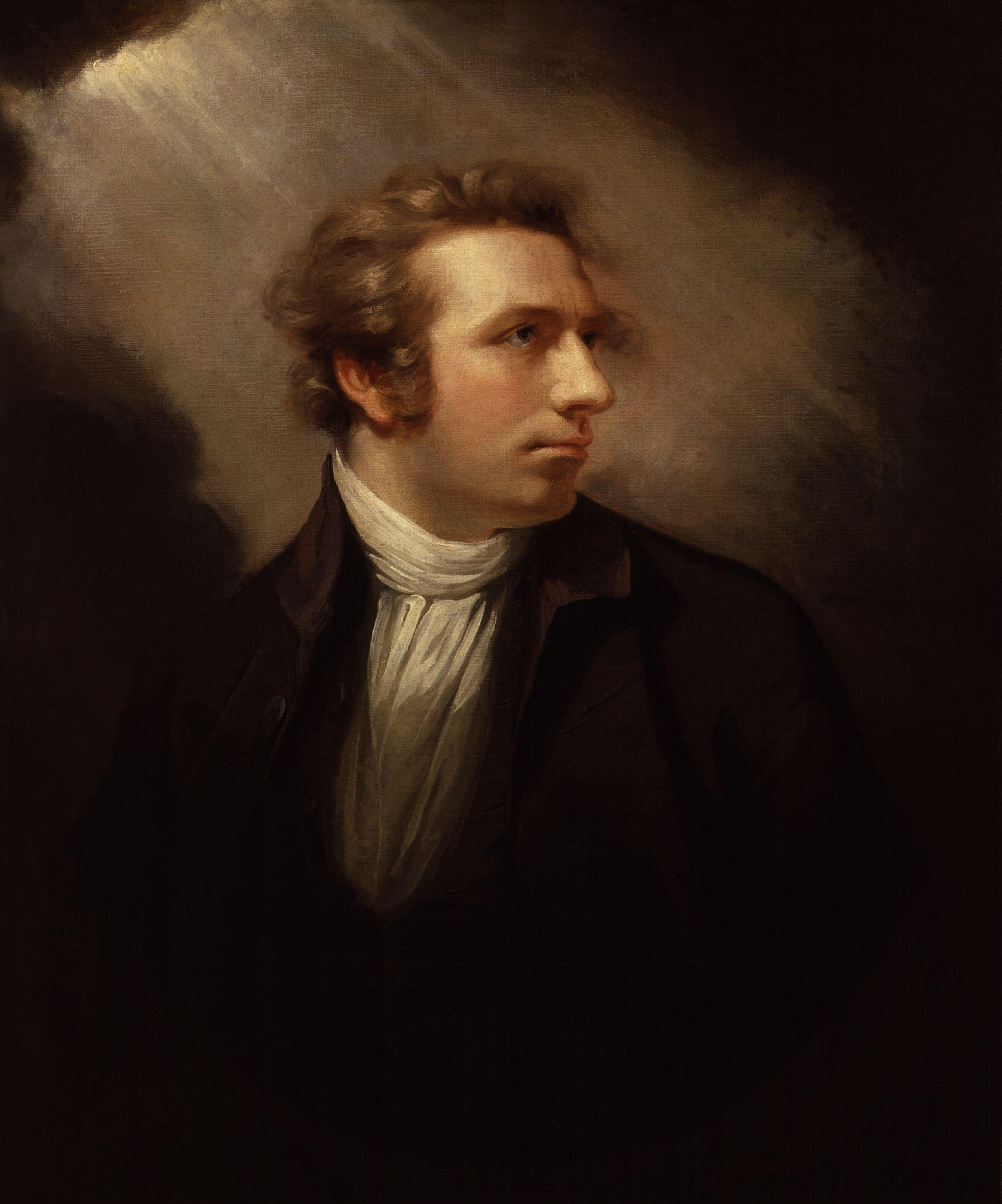
Johann Heinrich Füssli
 (Johann Heinrich Füssli)
Swiss-born British Romantic painter and professor whose chilling masterpiece 'The Nightmare' (1781) introduced gothic terror, eroticism, and the irrational subconscious into Western art.
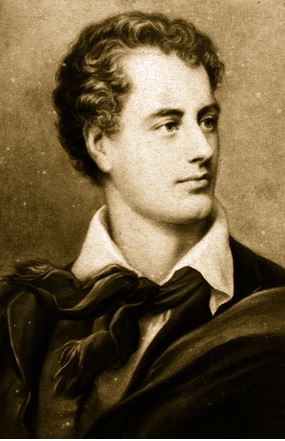
George Gordon Byron, 6th Baron Byron
 (George Gordon Byron)
Flamboyant English Romantic poet who created the brooding, rebellious 'Byronic hero' in Childe Harold's Pilgrimage and Don Juan, dying a hero of the Greek War of Independence at Missolonghi.
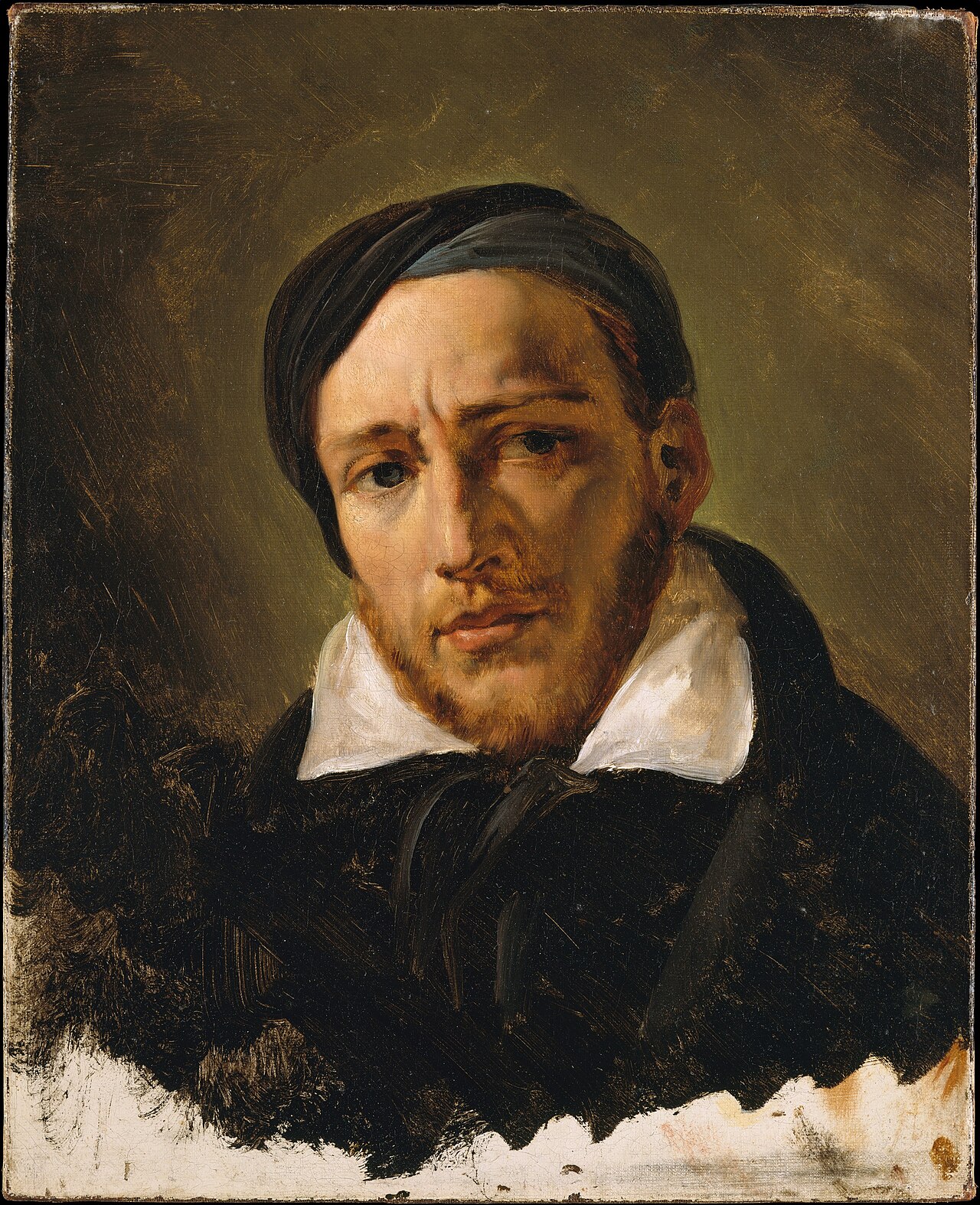
Théodore Géricault
(Jean-Louis André Théodore Géricault)
Pioneering French Romantic painter whose dramatic tour de force The Raft of the Medusa launched the Romantic movement.
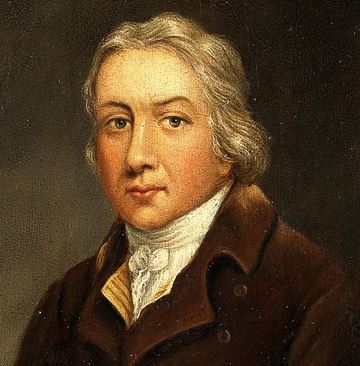
Edward Jenner
(Edward Jenner)
'Father of Immunology' who developed the world's first successful vaccine in 1796 using cowpox matter to confer immunity against lethal smallpox, saving hundreds of millions of lives.
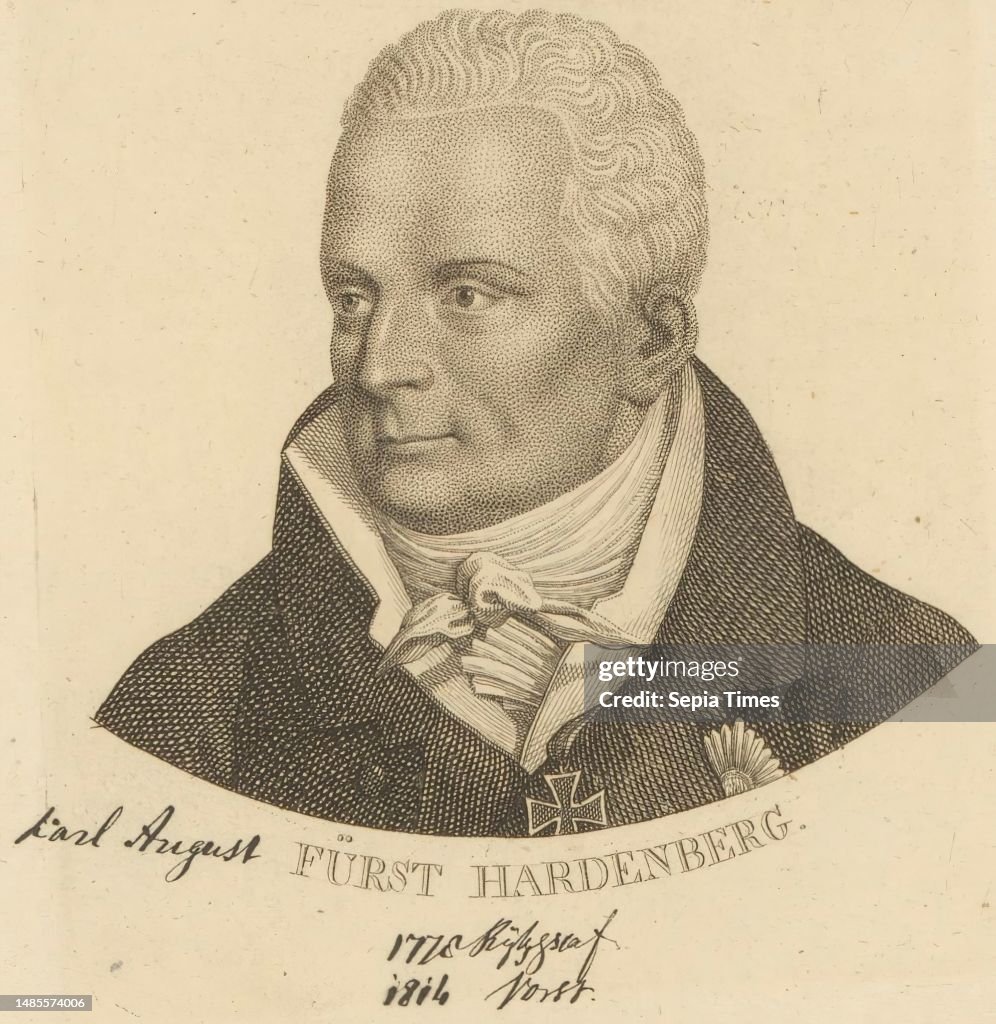
Karl August von Hardenberg
(Karl August Fürst von Hardenberg)
Prussian Chancellor who modernized the Prussian state through the Stein-Hardenberg Reforms, emancipated Jewish citizens, and represented Prussia at the Congress of Vienna.
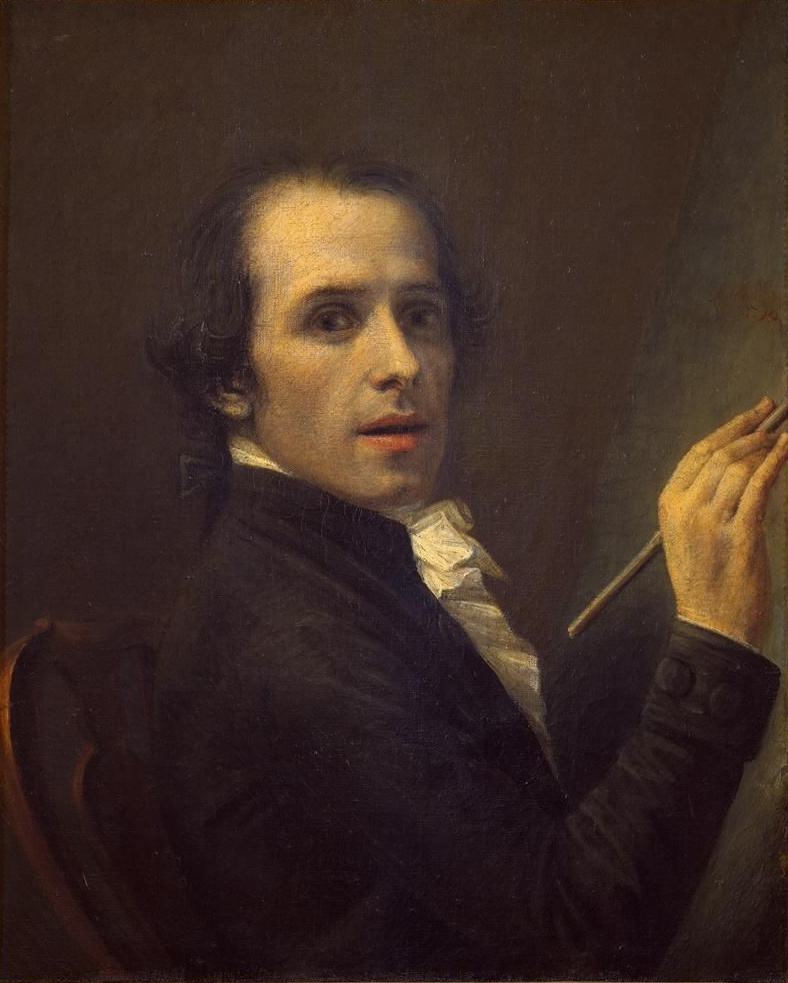
Antonio Canova
 (Antonio Canova)
Foremost Neoclassical sculptor in Europe whose breathtaking marble masterpieces—including 'Psyche Revived by Cupid's Kiss'—brought Greek marble elegance back to the modern world.
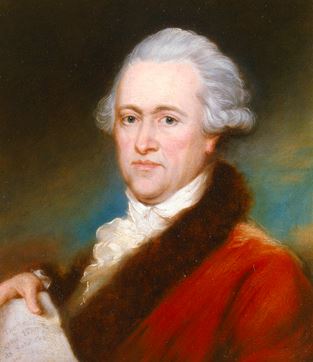
William Herschel (Sir Frederick William Herschel)
(Friedrich Wilhelm Herschel)
Astronomer and telescope builder who discovered planet Uranus in 1781 (the first planet found with a telescope), discovered infrared radiation, and mapped the Milky Way galaxy.
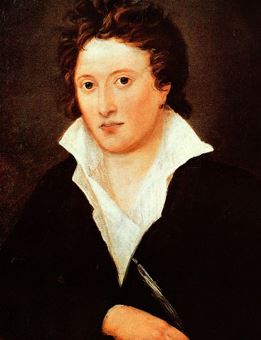
Percy Bysshe Shelley
(Percy Bysshe Shelley)
Radical English Romantic lyric poet and visionary whose impassioned defenses of nonviolent revolution and political justice in The Masque of Anarchy, Ode to the West Wind, and Ozymandias proclaimed poets as 'the unacknowledged legislators of the world'.
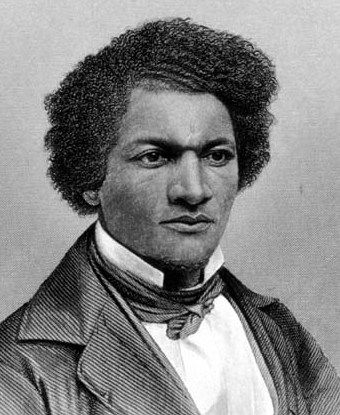
Denmark Vesey

African American carpenter and civil rights organizer who purchased his freedom and organized a massive, sophisticated conspiracy for slave liberation in Charleston.
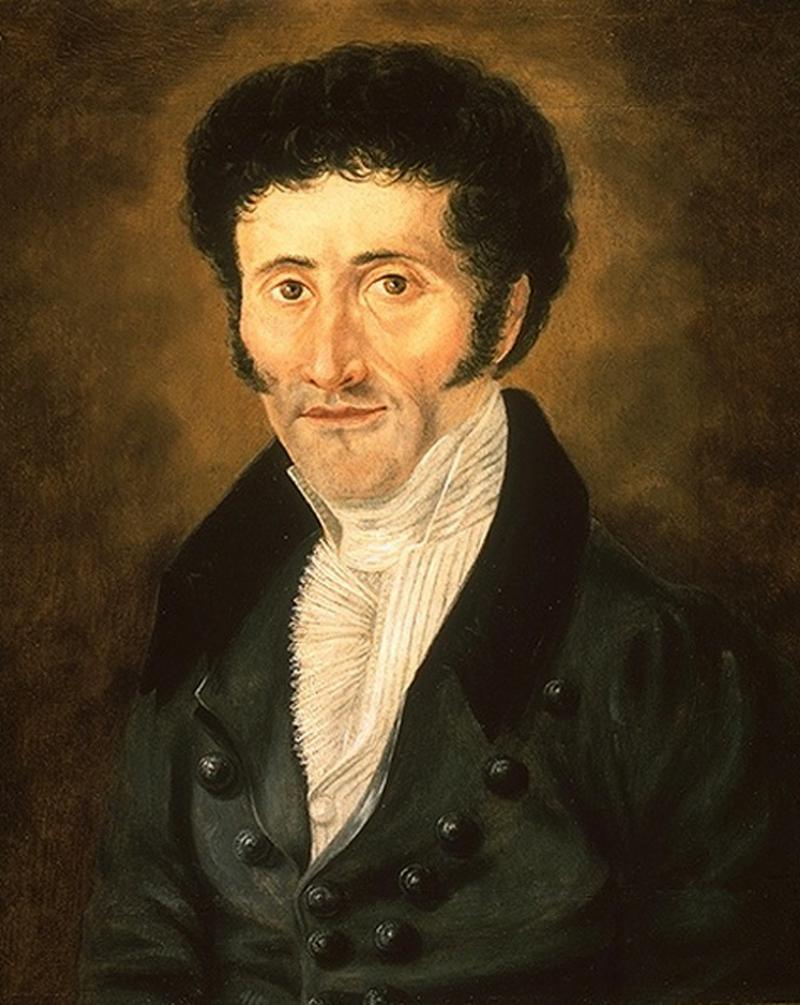
E.T.A. Hoffmann
(Ernst Theodor Amadeus Hoffmann)
German Romantic polymath, composer, and master of the uncanny whose gothic tales inspired The Nutcracker, Coppélia, and Offenbach's The Tales of Hoffmann.
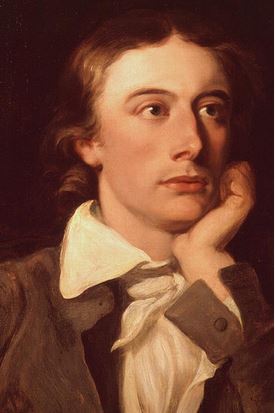
John Keats
(John Keats)
One of the supreme lyric poets in the English language who, before succumbing to tuberculosis at age twenty-five in Rome, composed the miraculous 1819 Odes—Ode to a Nightingale, Ode on a Grecian Urn, and To Autumn—proclaiming: 'Beauty is truth, truth beauty.'
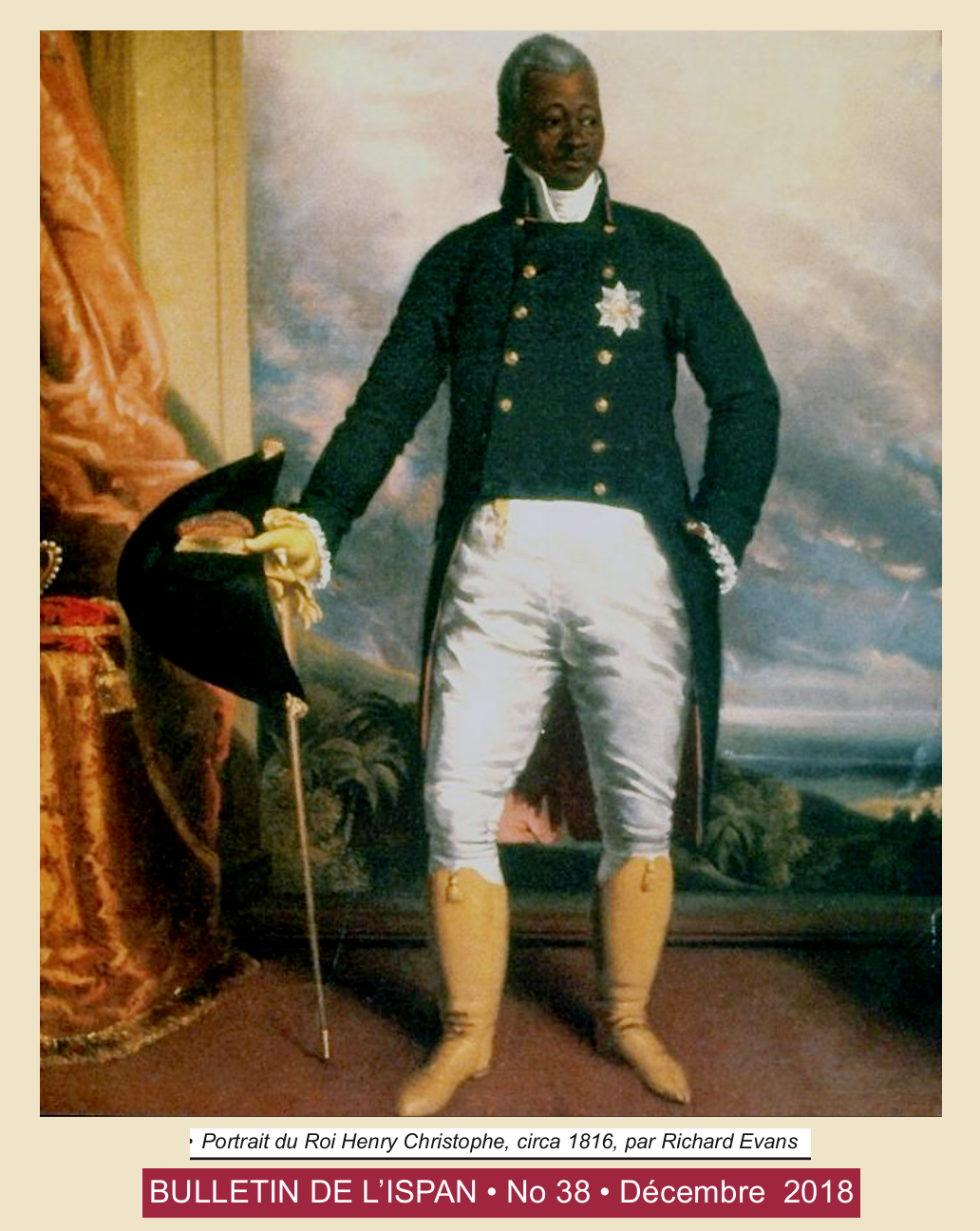
Henri Christophe
 (Henri Christophe)
Haitian revolutionary general, key aide to Louverture and Dessalines, and King of Northern Haiti (1811–1820) who constructed the colossal mountain fortress of the Citadelle Laferriere to protect the newborn Black republic against European re-invasion.
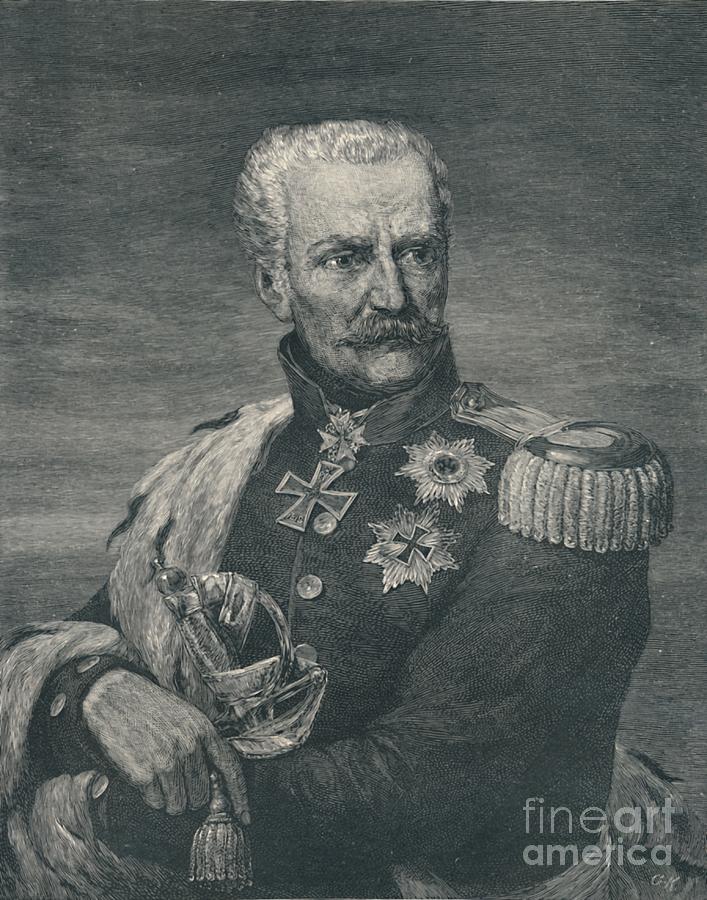
Gebhard Leberecht von Blücher (Marschall Vorwärts)
(Gebhard Leberecht von Blücher, Fürst von Wahlstatt)
Prussian Field Marshal and Prince of Wahlstatt hailed as 'Marshal Forward' whose aggressive leadership won Leipzig and whose timely arrival won Waterloo.
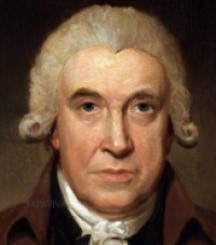
James Watt
(James Watt)
Scottish mechanical engineer whose invention of the separate condenser transformed the steam engine from an inefficient pump into the universal rotary prime mover of the Industrial Revolution.
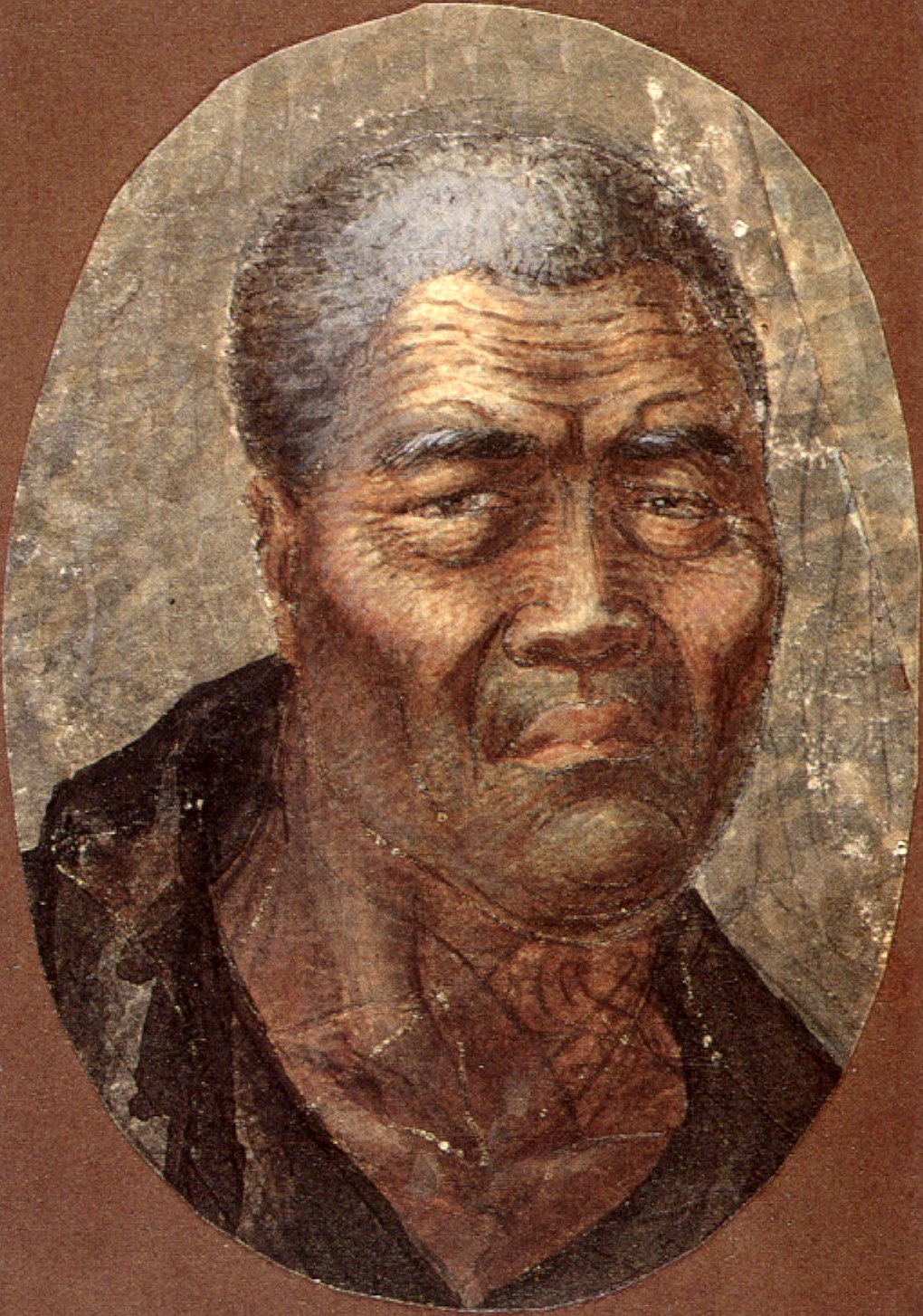
Kamehameha I
 (Kamehameha Paiʻea (Kamehameha the Great))
First monarch of the unified Kingdom of Hawaii (1810–1819) who combined supreme martial prowess with modern diplomacy to unite all the Hawaiian Islands, preserved Hawaiian independence against European empires, and established the humanitarian Law of the Splintered Paddle.