Public Figures & Cultural Luminaries
Filterable archive covering centuries of intellectual, artistic, and moral contributions to the human story.
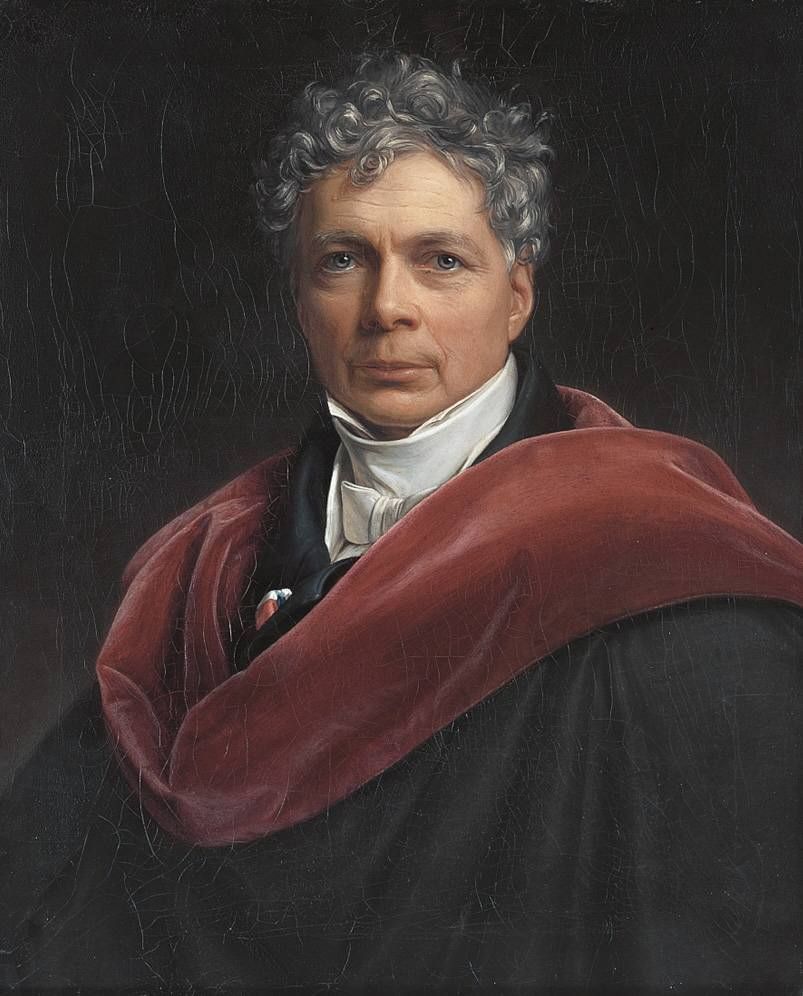
Friedrich Schelling
 (Friedrich Wilhelm Joseph Schelling)
German idealist philosopher who developed Naturphilosophie (Philosophy of Nature) and Identity Philosophy, reconciling spirit and matter as two poles of a single living Absolute.
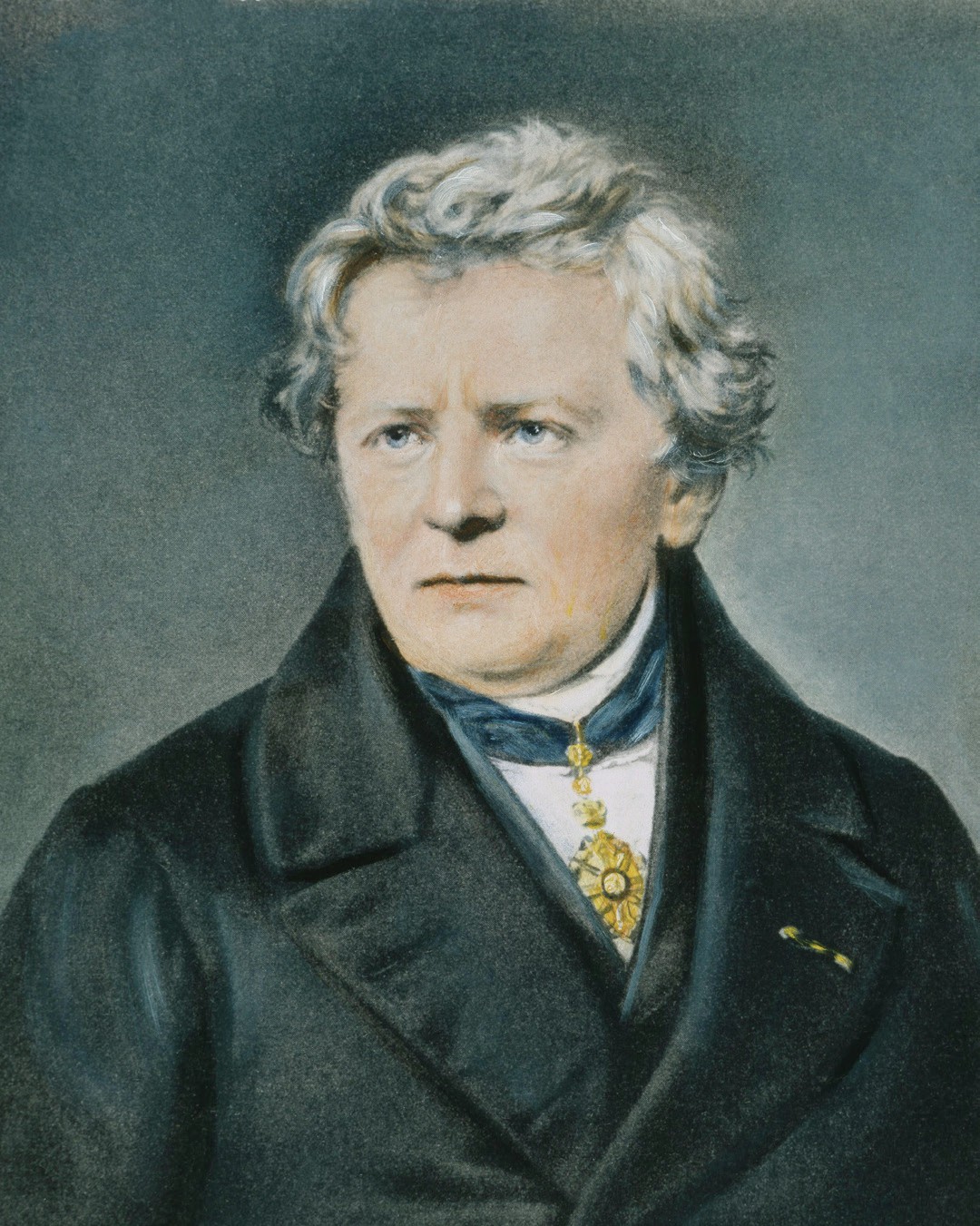
Georg Ohm
(Georg Simon Ohm)
German physicist and mathematician who formulated Ohm's law, defining the fundamental relationship between voltage, current, and resistance.
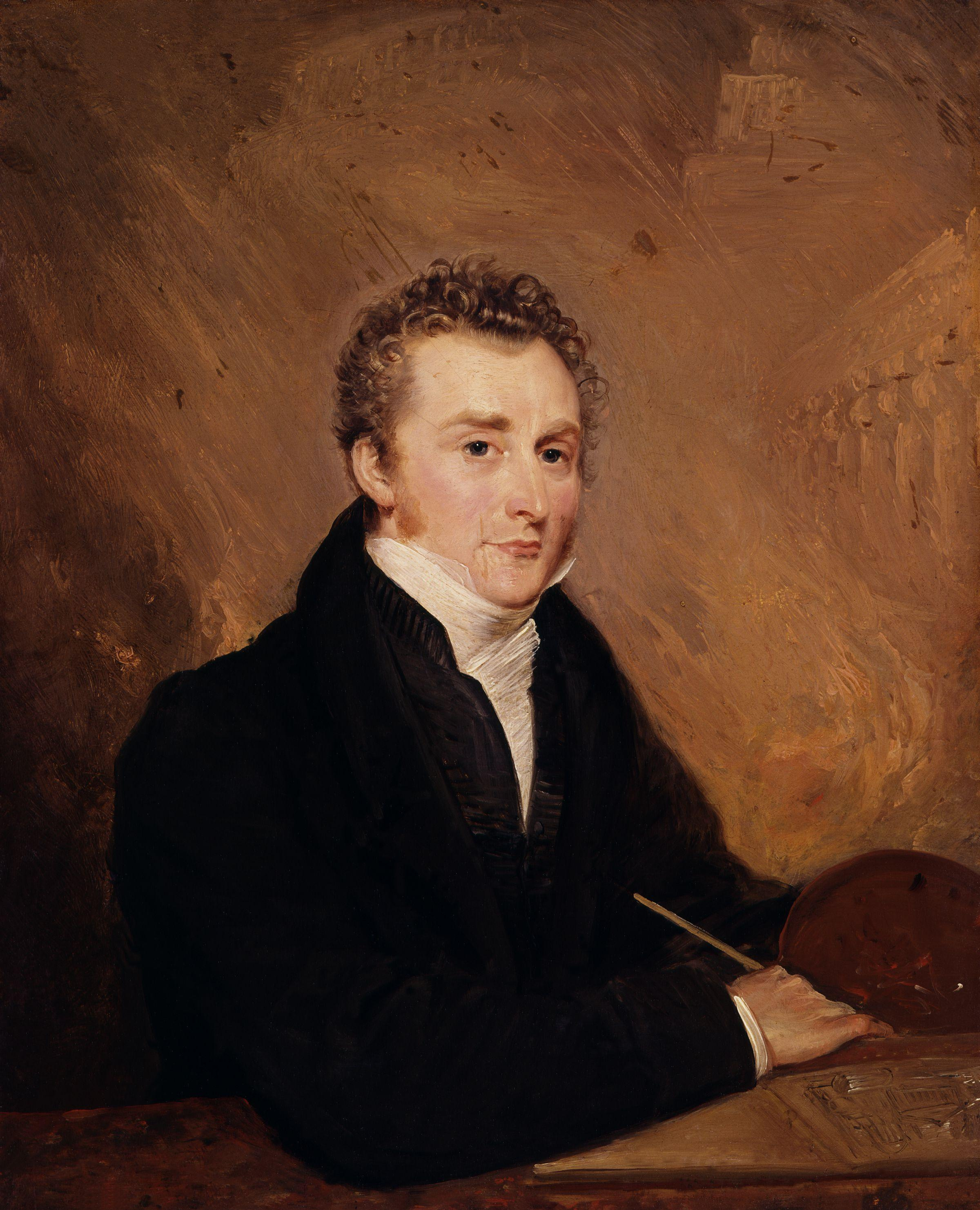
John Martin
 (John Martin)
English Romantic painter and engraver celebrated for his apocalyptic biblical visions of cosmic catastrophe and colossal architecture, including 'The Great Day of His Wrath'.
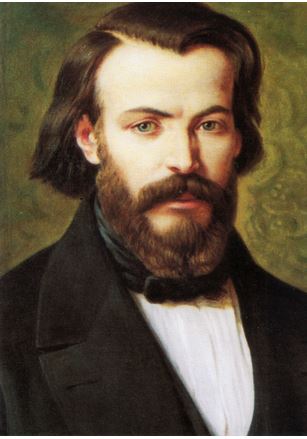
Bienheureux Antoine Frédéric Ozanam
 (Frédéric Ozanam)
Professeur d'histoire à la Sorbonne et intellectuel visionnaire, fondateur à 20 ans de la Société de Saint-Vincent-de-Paul présente dans 150 pays.
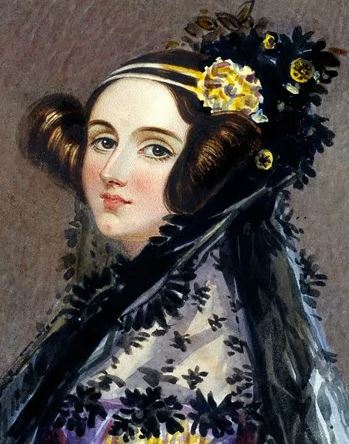
Augusta Ada King, Countess of Lovelace
(Augusta Ada Byron)
English mathematician recognized as the world's first computer programmer, whose visionary annotations on the Analytical Engine foresaw universal symbolic computing beyond numerical calculation.
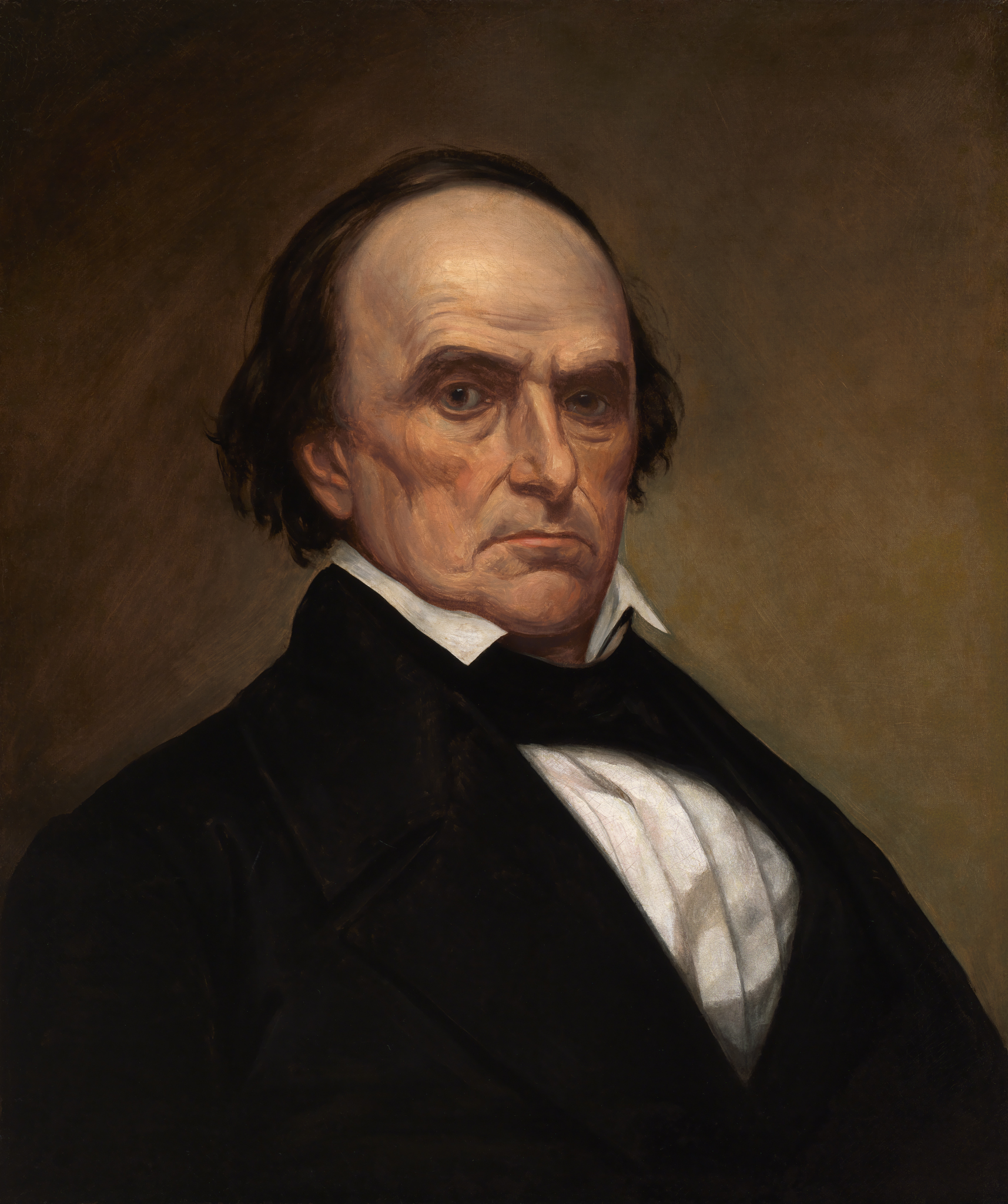
Daniel Webster
 (Daniel Webster)
Foremost American constitutional orator and Whig statesman who served twice as Secretary of State and proclaimed 'Liberty and Union, now and forever, one and inseparable!'.
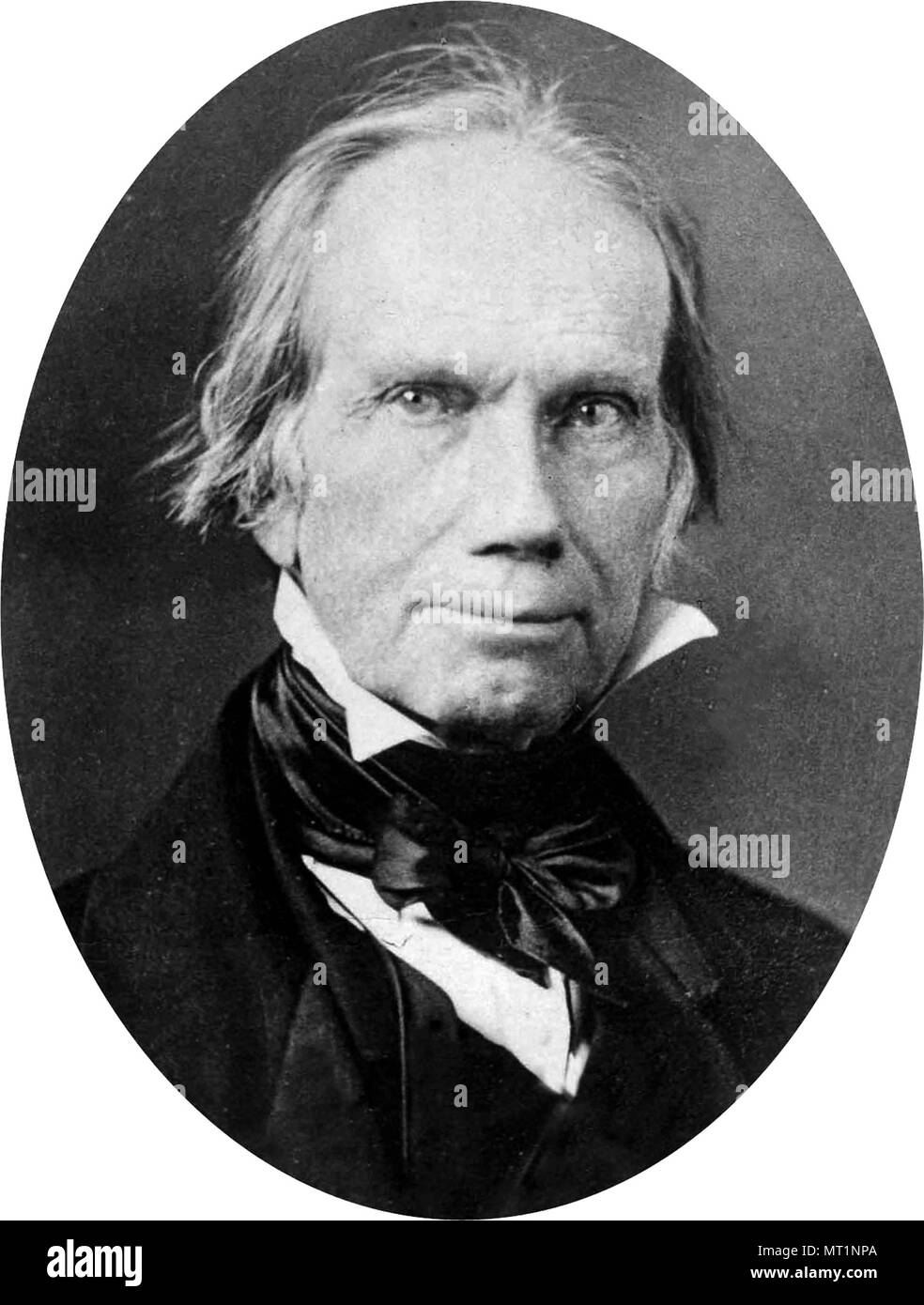
Henry Clay Sr.
(Henry Clay Sr.)
Revered as 'The Great Compromiser', Speaker of the House, Secretary of State, and Kentucky Senator who preserved the Union through the Missouri Compromise and the Compromise of 1850.
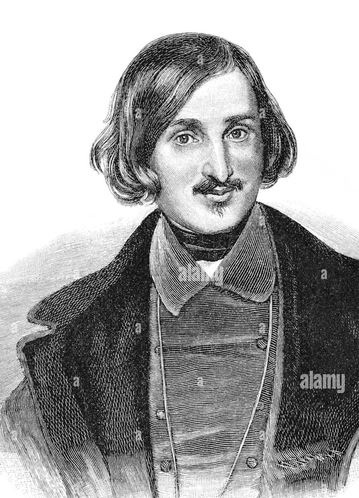
Nikolai Vasilievich Gogol
 (Николай Васильевич Гоголь)
Genius of grotesque satire and surreal humor whose comedy The Government Inspector, story The Overcoat ('We all came out of Gogol's Overcoat'), and epic novel Dead Souls laid the cornerstone of modern Russian prose.
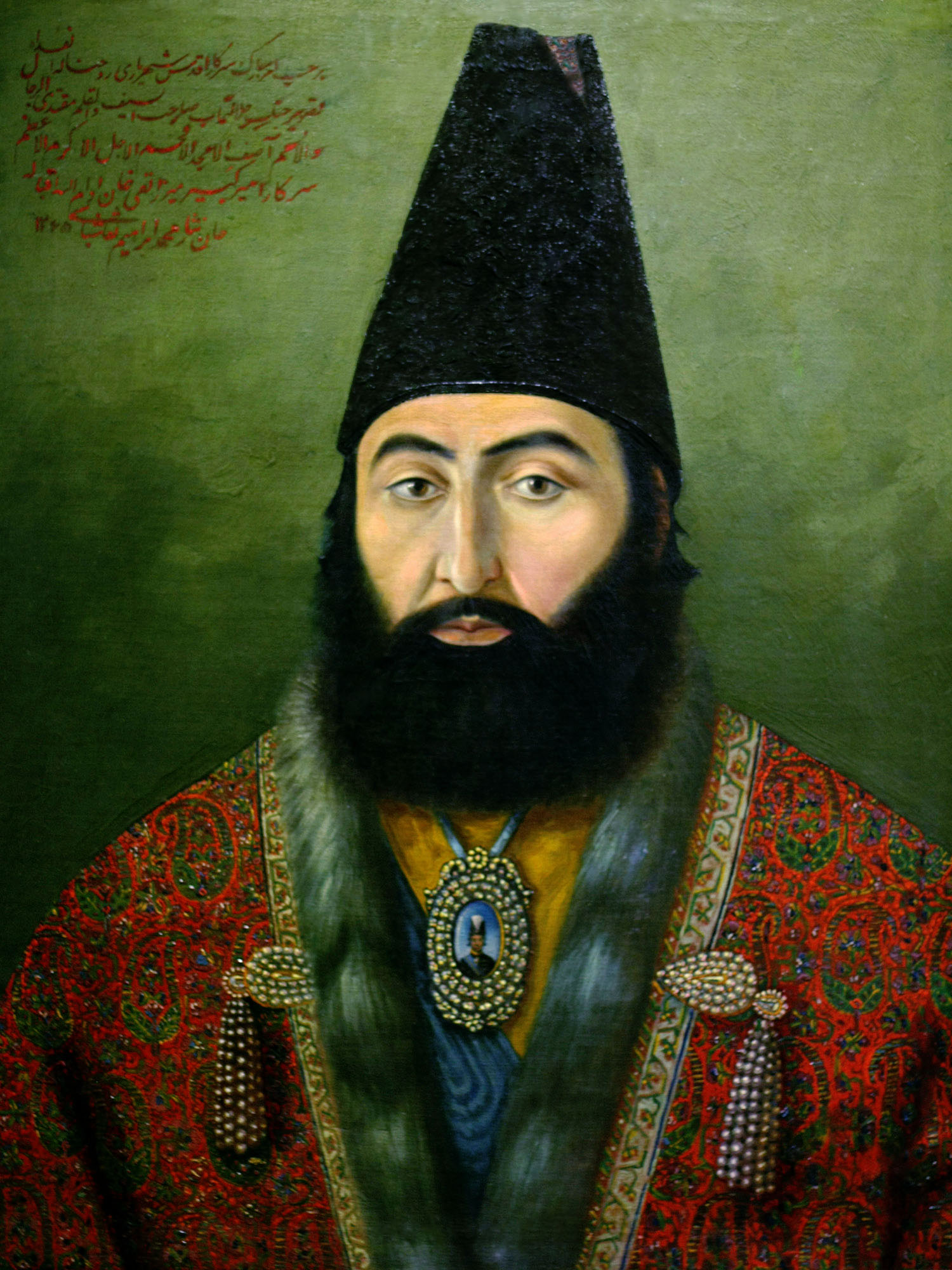
Mirza Taghi Khan Amir Kabir
 (میرزا تقیخان امیرکبیر)
Visionary Chief Minister (Sadr-e Azam) of Qajar Iran who founded Dar al-Funun (Iran's first modern university), modernized industry, and was murdered in Fin Garden.
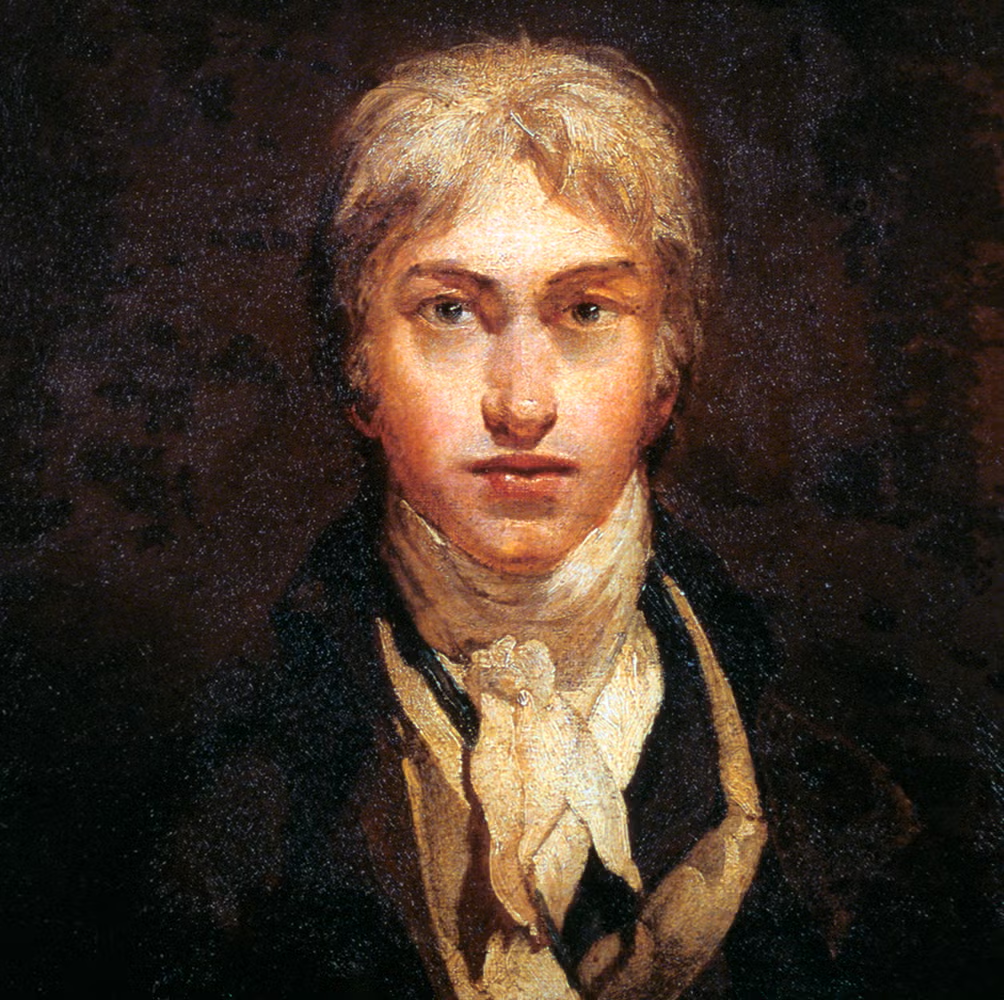
J. M. W. Turner
(Joseph Mallord William Turner)
England's supreme 'Painter of Light' whose luminous, swirling seascapes and steam locomotives heralded Modernism.
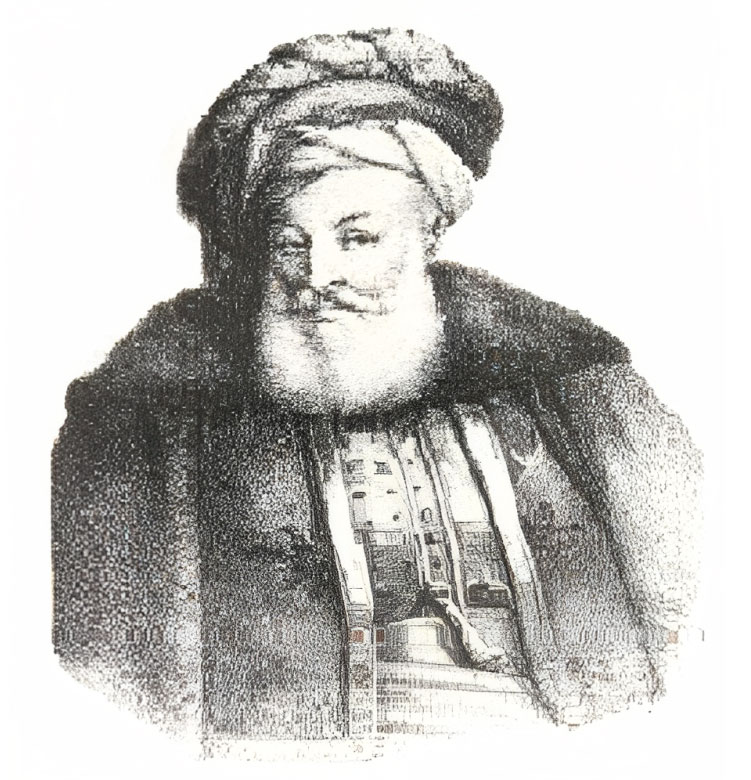
Ahmed Bey of Constantine
 (أحمد باي بن محمد الشريف)
Last Ottoman Bey of Constantine who repelled the French assault in the historic First Siege of Constantine in 1836 and waged ten years of relentless mountain resistance after the city's fall.
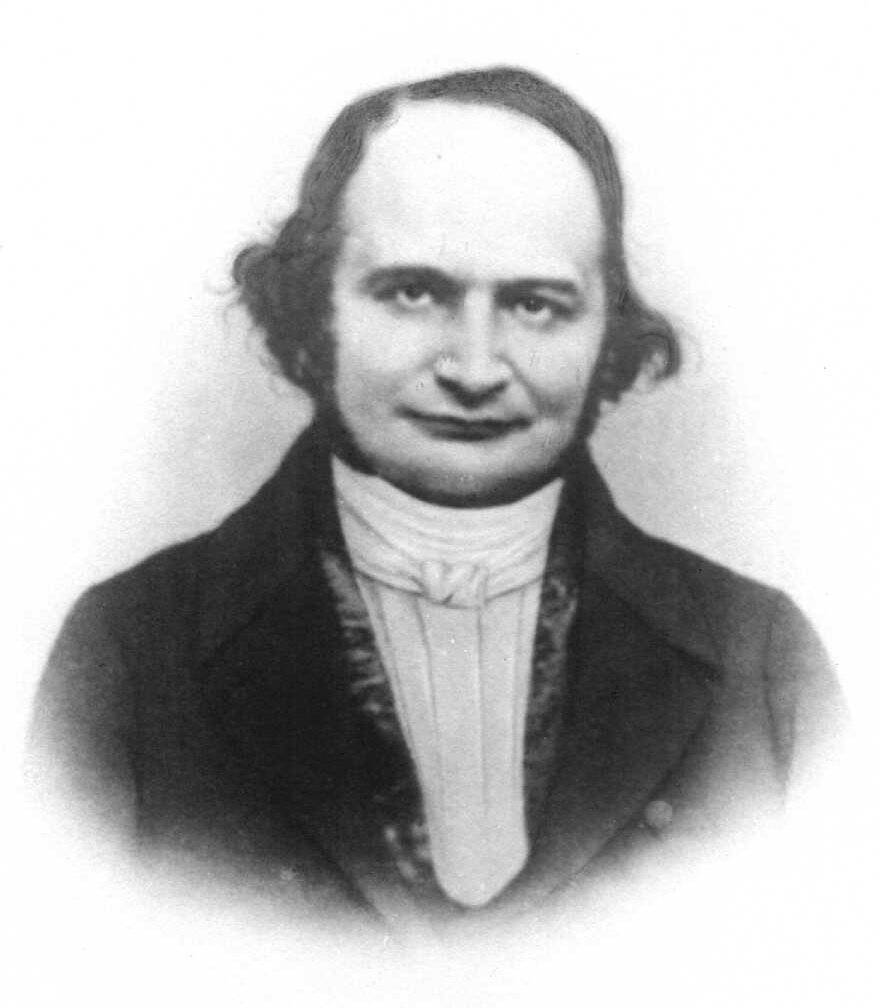
Carl Jacobi
(Carl Gustav Jacob Jacobi)
German mathematician who co-founded the theory of elliptic functions, formulated Jacobian determinants, and co-developed the Hamilton-Jacobi theory of classical mechanics.
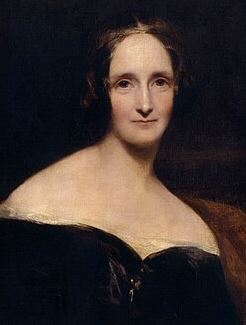
Mary Wollstonecraft Shelley (née Godwin)
(Mary Shelley)
Visionary English novelist who, at just eighteen years old, wrote Frankenstein; or, The Modern Prometheus (1818), inventing modern science fiction and creating humanity's defining myth of scientific hubris and creaturely alienation.
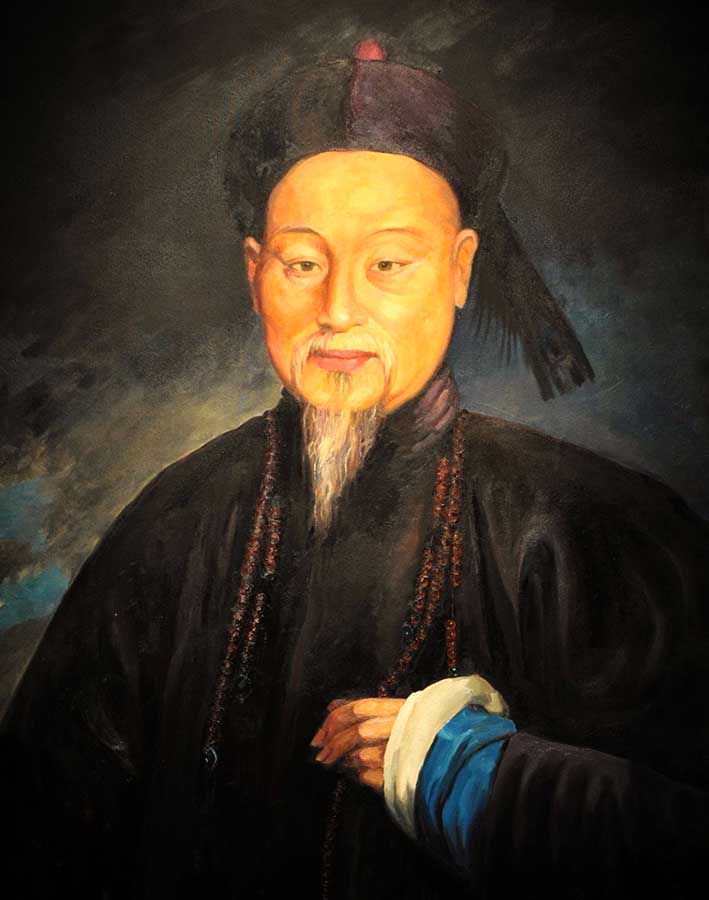
Lin Zexu
 (林則徐)
(林則徐)
Imperial Commissioner of the Qing dynasty whose destruction of 20,000 chests of British opium at Humen ignited the First Opium War and inaugurated modern Chinese resistance to imperialism.
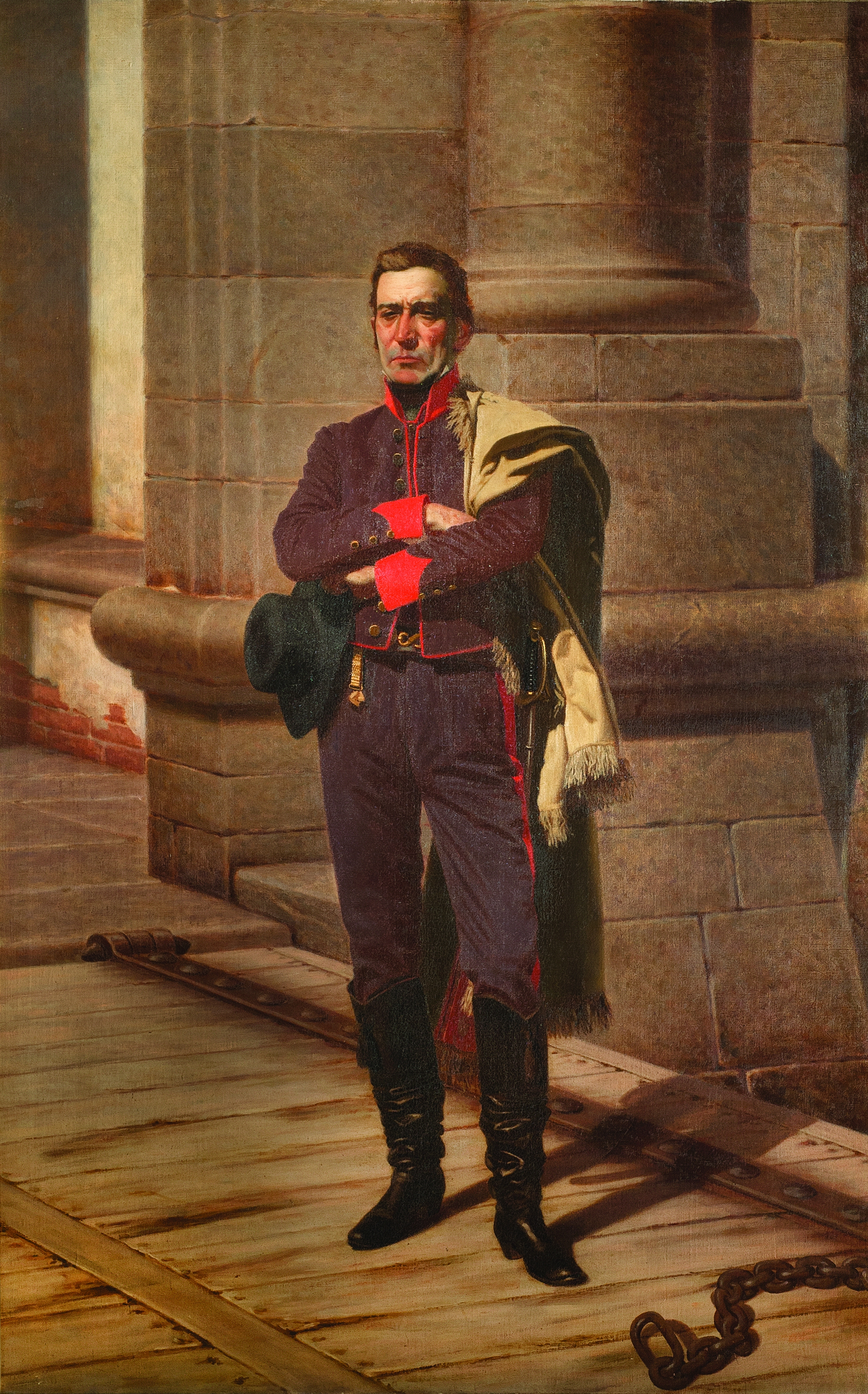
Jose Gervasio Artigas
 (Jose Gervasio Artigas)
National Hero and Founding Father of Uruguay, celebrated as the 'Protector of the Free Peoples' (Protector de los Pueblos Libres), who led the 1811 Oriental Exodus and formulated the revolutionary 1815 Agrarian Regulation favoring the dispossessed.
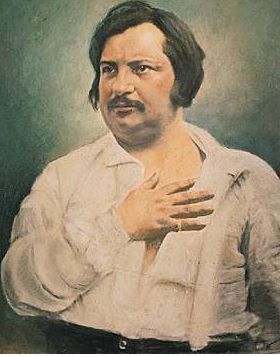
Honoré de Balzac
 (Honoré de Balzac)
Visionary founder of European literary realism who worked up to eighteen hours a night fueled by black coffee to construct La Comédie Humaine—an epic panorama of over ninety novels depicting every stratum of French society.
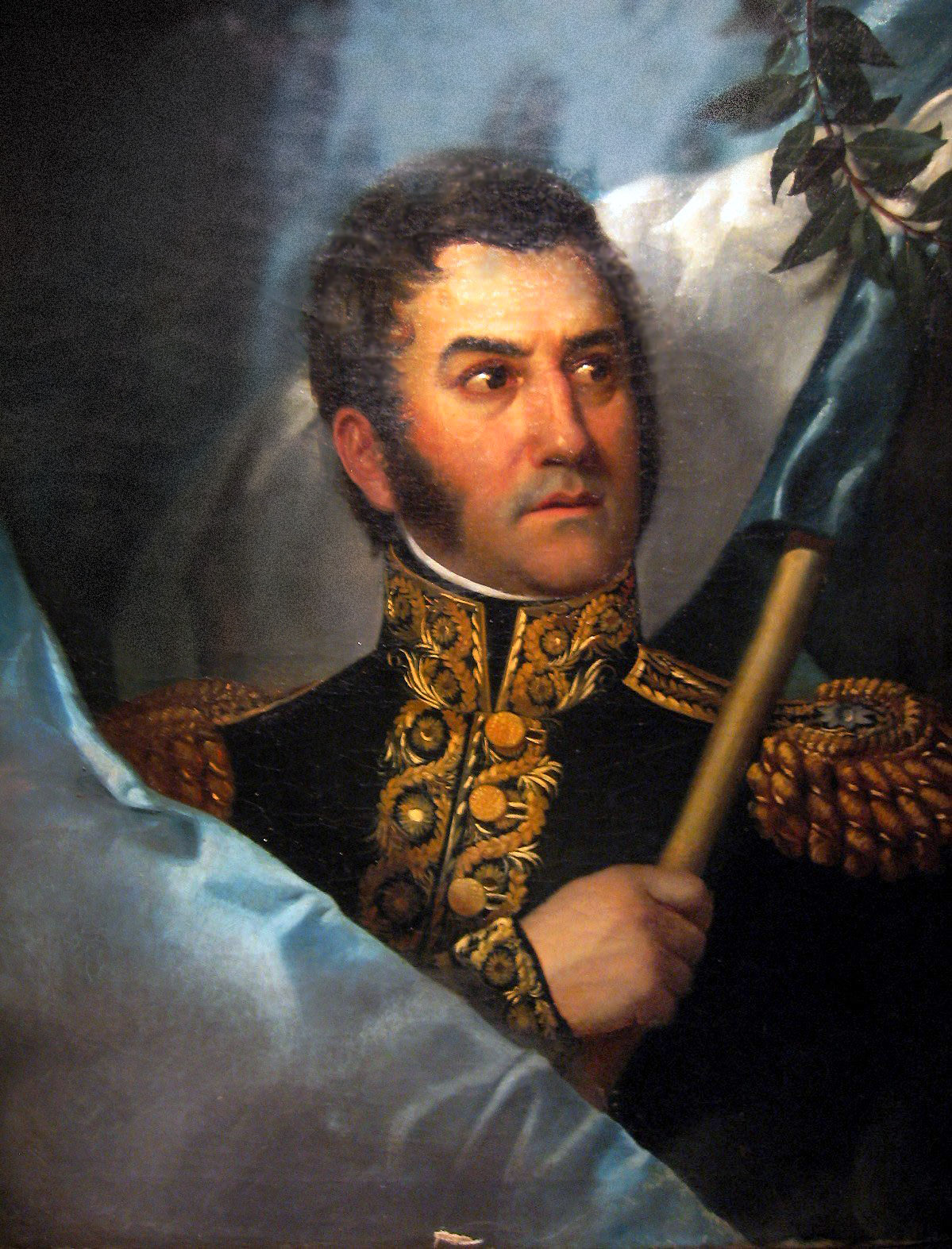
Jose de San Martin
 (Jose Francisco de San Martin y Matorras)
Argentine general and prime liberator of southern South America who executed the legendary 1817 Crossing of the Andes, liberated Chile at Chacabuco and Maipu, and proclaimed the sovereign independence of Peru as its Protector.
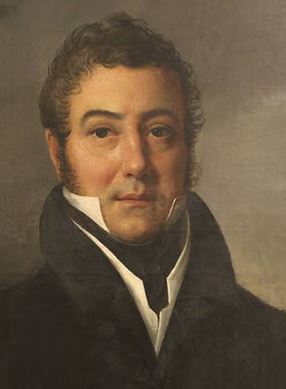
José de San Martín
(José Francisco de San Martín y Matorras)
Liberated three South American nations and chose voluntary self-exile after the Guayaquil Conference to avoid fratricidal civil war among the liberators.