Public Figures & Cultural Luminaries
Filterable archive covering centuries of intellectual, artistic, and moral contributions to the human story.
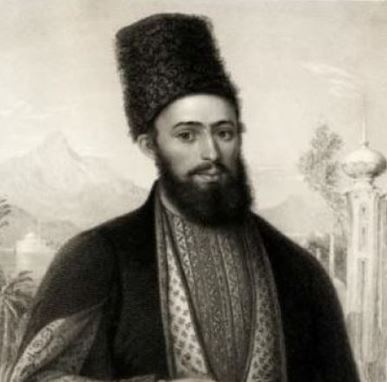
The Báb (Sayyid Ali Muhammad Shirazi)
 (سید علیمحمد شیرازی (The Gate))
Young merchant of Shiraz who in 1844 proclaimed himself the Gate (Al-Báb) to the promised divine messenger. Authored the Persian Bayan, launched sweeping spiritual reforms, and was martyred by a 750-man firing squad in Tabriz.
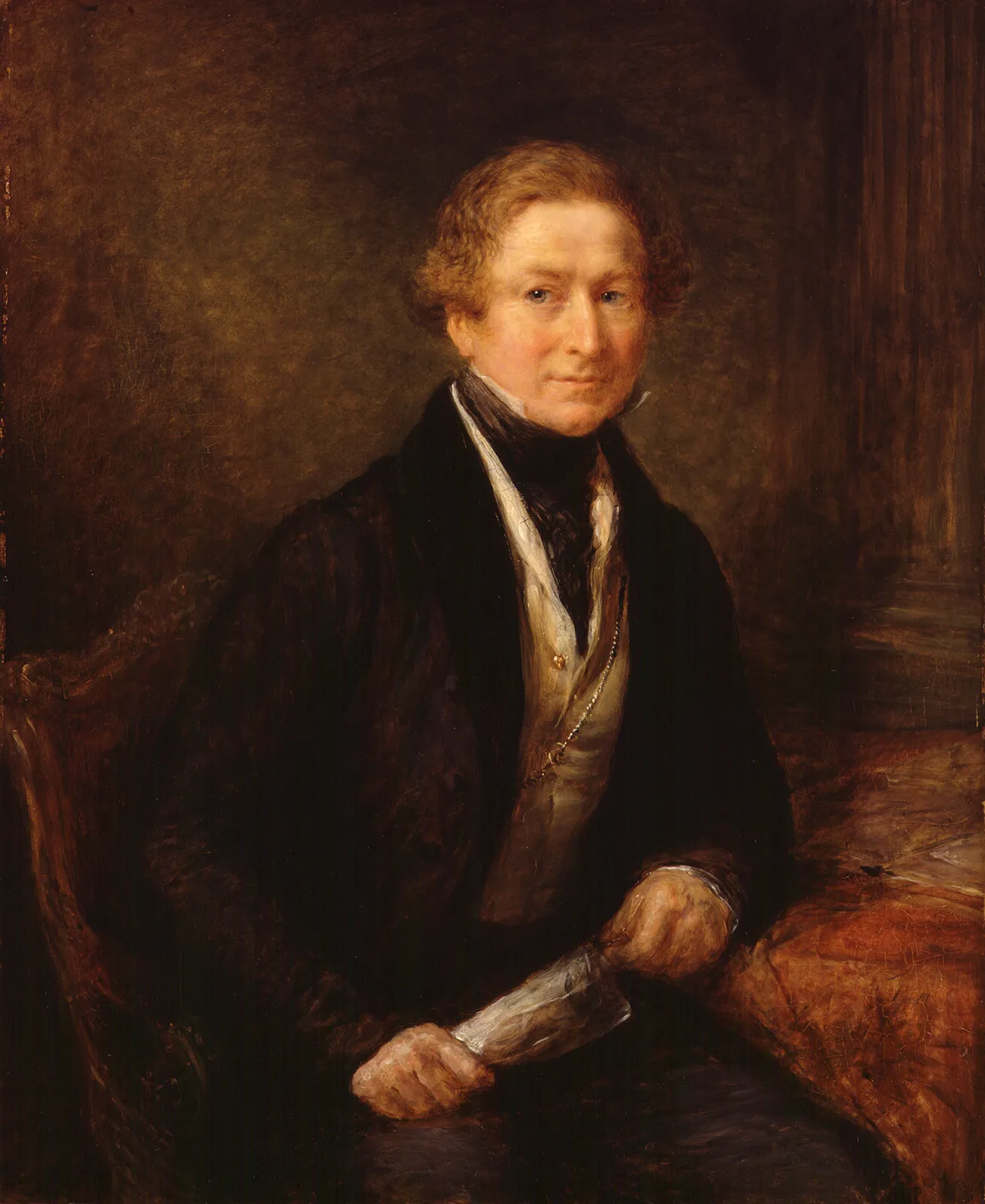
Sir Robert Peel, 2nd Baronet
 (Sir Robert Peel, 2nd Baronet)
Father of modern British policing who created the Metropolitan Police ('Bobbies'), founded the modern Conservative Party, and repealed the Corn Laws in 1846.
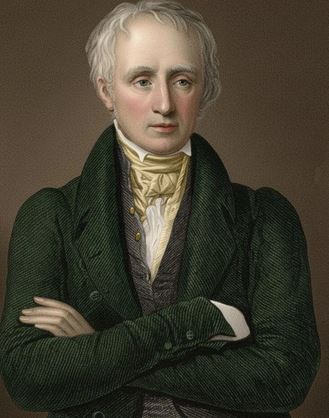
William Wordsworth
(William Wordsworth)
Founding father of English Romanticism and Poet Laureate whose 1798 Lyrical Ballads (with Coleridge) and autobiographical epic The Prelude redefined poetry as 'the spontaneous overflow of powerful feelings recollected in tranquility'.
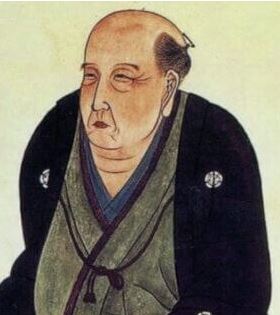
Kurozumi Munetada (Founder of Kurozumikyo & Shinto Solar Mystic)
 (黒住宗忠)
A humble Shinto priest from Bizen Province who cured himself of terminal tuberculosis through mystical solar contemplation (Yohai), Kurozumi Munetada founded Kurozumikyo, teaching that each human heart is a direct droplet of the divine Solar Parent.
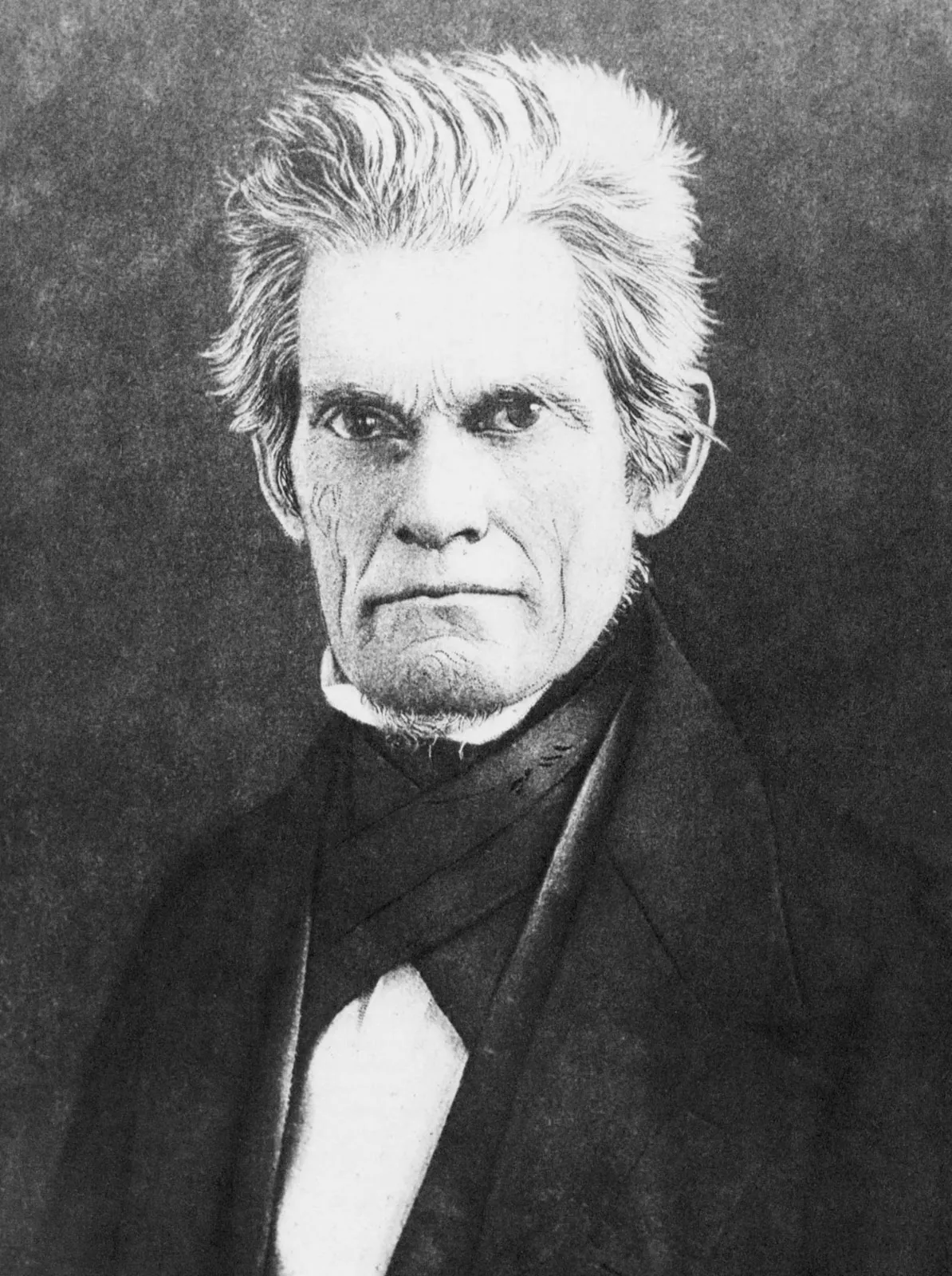
John C. Calhoun
 (John Caldwell Calhoun)
Seventh US Vice President, Secretary of War, and South Carolina Senator who formulated the political doctrines of Nullification and the Concurrent Majority.
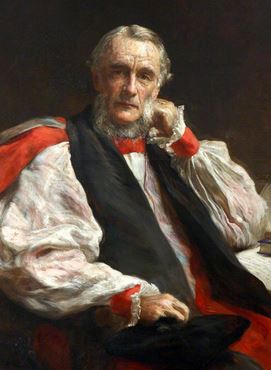
Edward Bickersteth
(Edward Bickersteth)
Pasteur et militant humanitaire britannique, secrétaire de la Church Mission Society, promoteur de l'émancipation des esclaves en Sierra Leone et de l'Alliance évangélique.
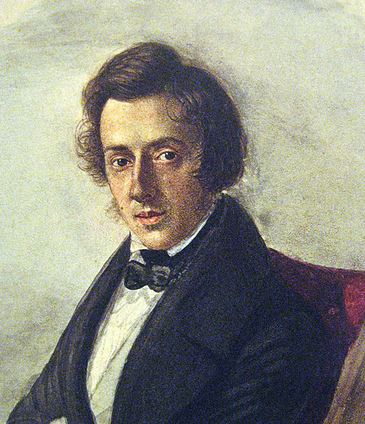
Frédéric François Chopin (Fryderyk Franciszek Chopin)
 (Fryderyk Chopin)
Polish musical genius and 'Poet of the Piano' whose nocturnes, ballades, polonaises, and études revolutionized piano technique and embodied the heroic yearning (*żal*) of Polish national identity.
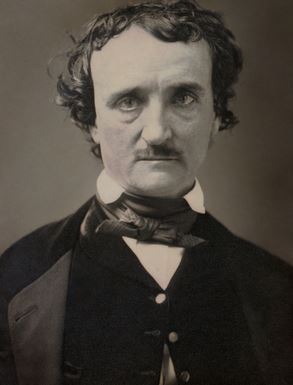
Edgar Allan Poe
(Edgar Allan Poe)
American literary icon who invented the modern detective fiction genre with C. Auguste Dupin, revolutionized the psychological horror story in The Tell-Tale Heart and The Fall of the House of Usher, and enchanted world poetry with The Raven ('Nevermore').
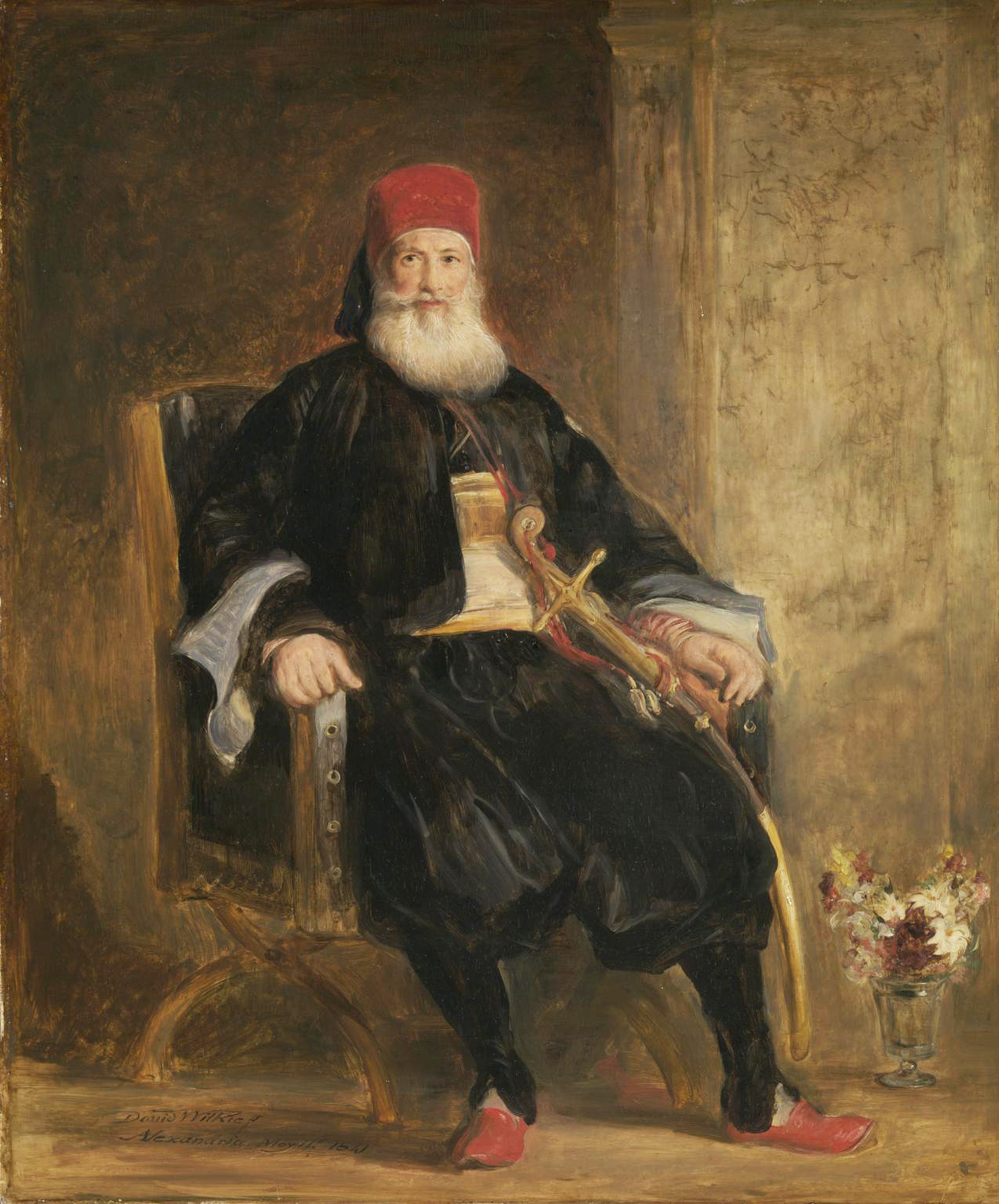
Muhammad Ali of Egypt
 (محمد علي باشا)
Visionary Ottoman commander acclaimed as the 'Founder of Modern Egypt', who eliminated Mamluk hegemony, introduced long-staple cotton, built state industries, and founded the dynasty that governed Egypt until 1952.
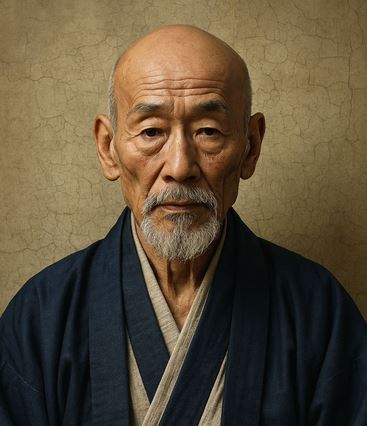
Katsushika Hokusai
(葛飾 北斎)
Supreme master of Japanese ukiyo-e woodblock printing whose iconic series Thirty-Six Views of Mount Fuji—above all The Great Wave off Kanagawa—captivated the world and inspired European Impressionism and Japonisme.
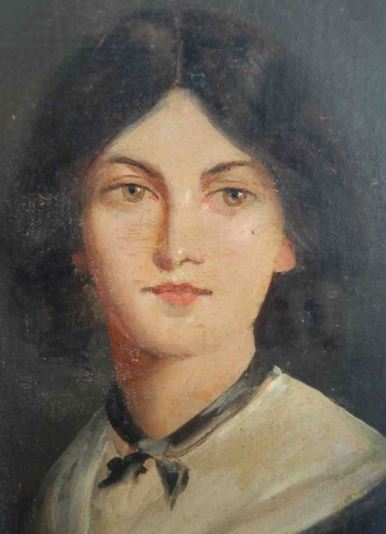
Emily Jane Brontë (Ellis Bell)
(Emily Brontë)
Reclusive Victorian visionary and poet who authored Wuthering Heights (1847)—a ferocious, elemental masterpiece of stormy passion, vengeance, and spiritual transcendence set on the Yorkshire moors between Catherine Earnshaw and Heathcliff.
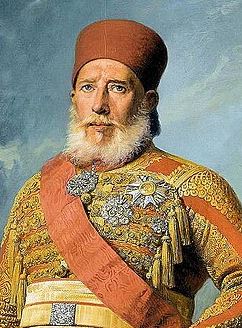
Ibrahim Pasha
(إبراهيم باشا)
Egyptian military genius, eldest son of Muhammad Ali Pasha, who revolutionized the Egyptian army, crushed the Wahhabi rebellion in Arabia, and routed Ottoman imperial armies across Syria and Anatolia to the gates of Istanbul.
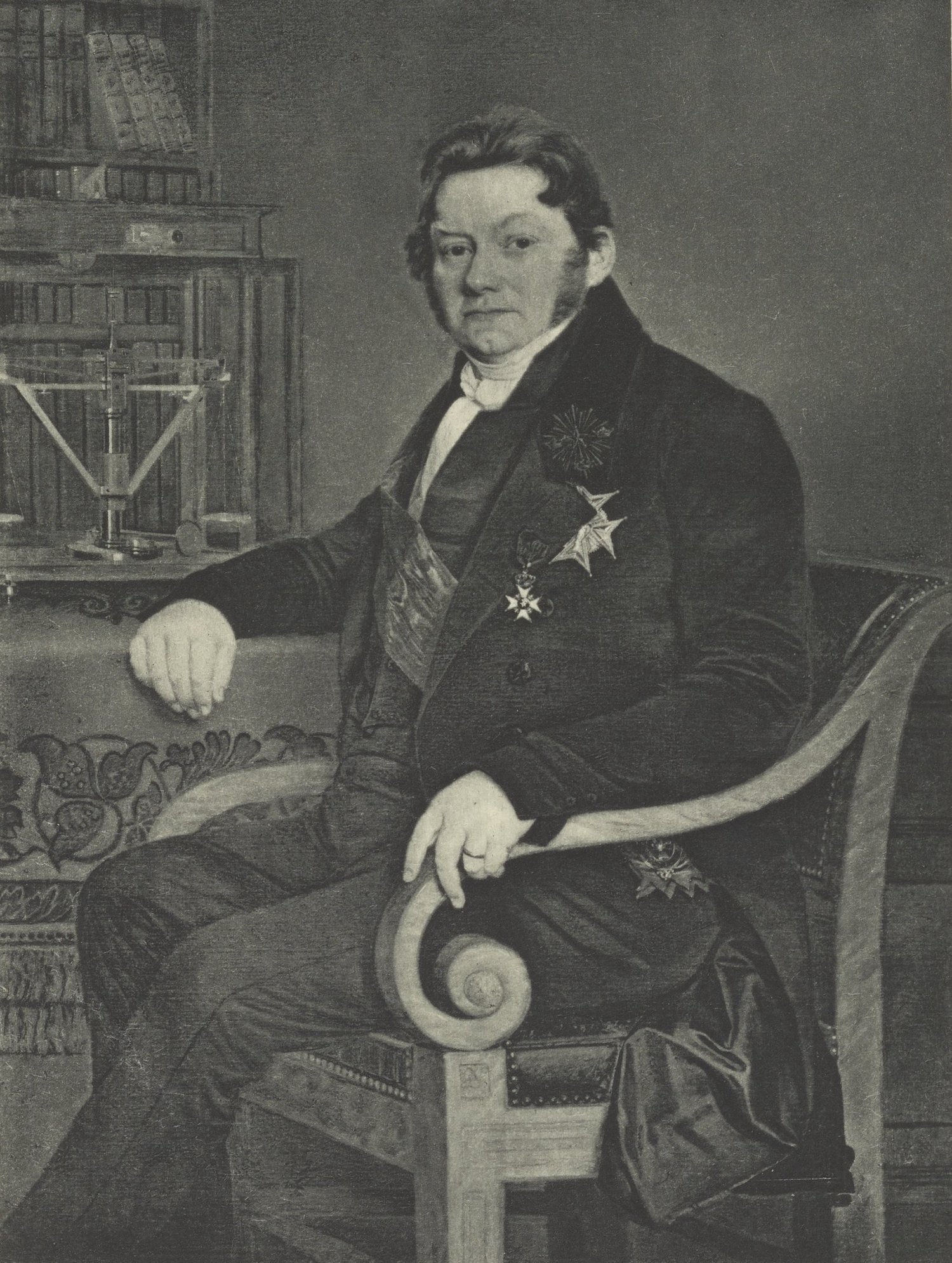
Jöns Jacob Berzelius
 (Jöns Jacob Berzelius)
Swedish chemist revered as a founder of modern chemistry who created modern chemical notation and discovered cerium, selenium, and silicon.
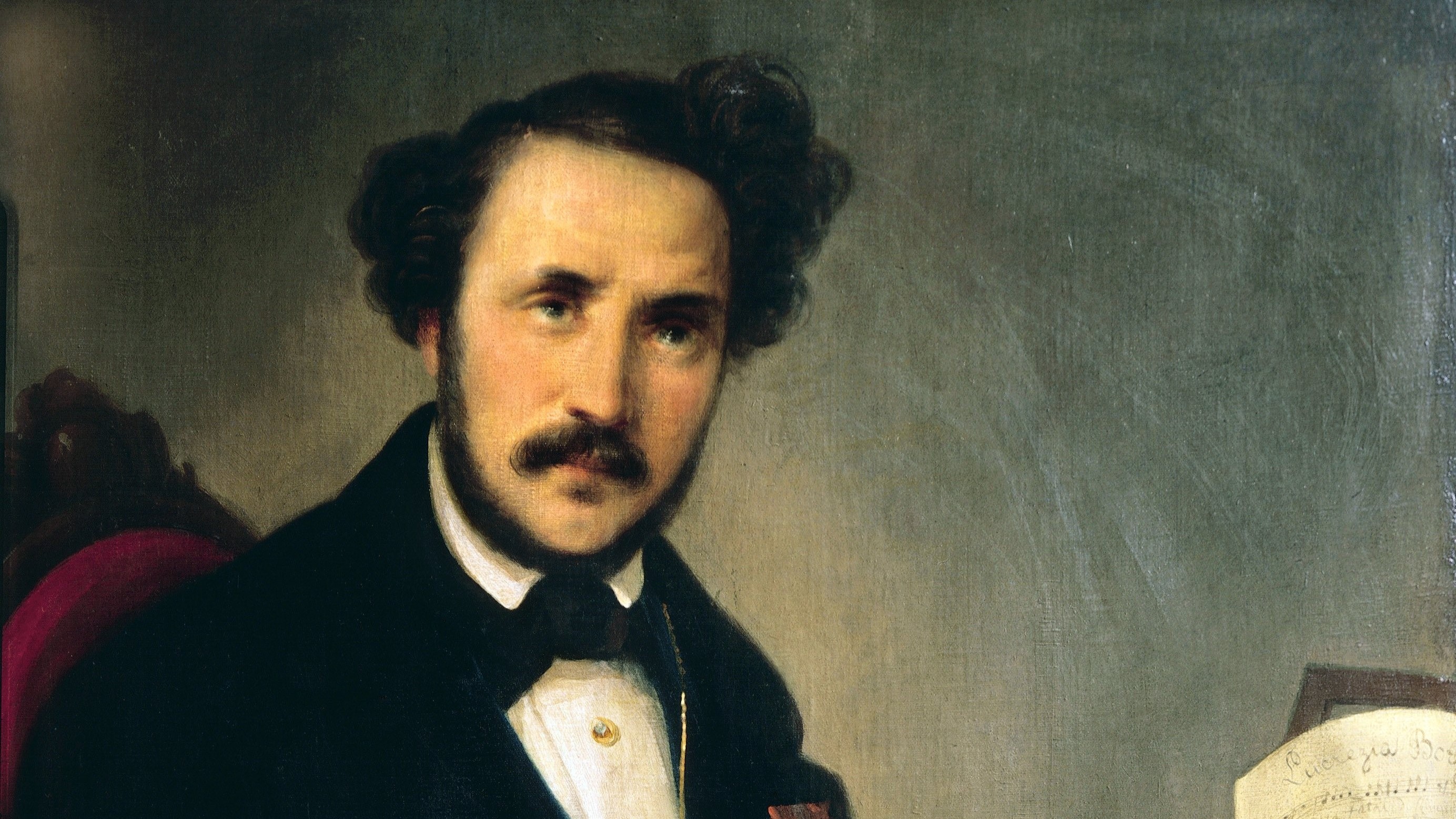
Gaetano Donizetti
 (Domenico Gaetano Maria Donizetti)
Leading Italian bel canto composer renowned for his dramatic tragedy Lucia di Lammermoor and comic gem L'elisir d'amore.
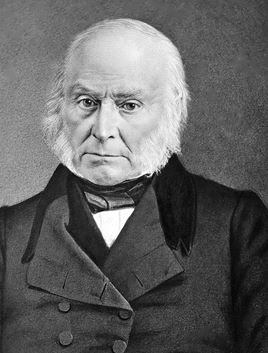
John Quincy Adams
(John Quincy Adams)
Renowned as one of the greatest diplomats in American history and an uncompromising champion of abolitionism in Congress.
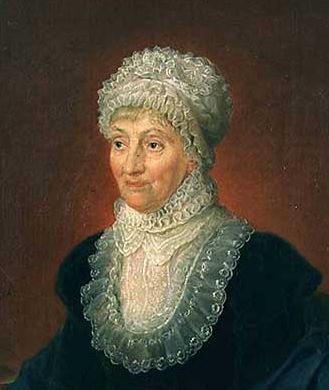
Caroline Herschel
 (Caroline Lucretia Herschel)
First woman to receive a salary as a professional scientist, who discovered eight comets (including periodic comet 35P/Herschel-Rigollet) and compiled the definitive NGC nebula catalogs.
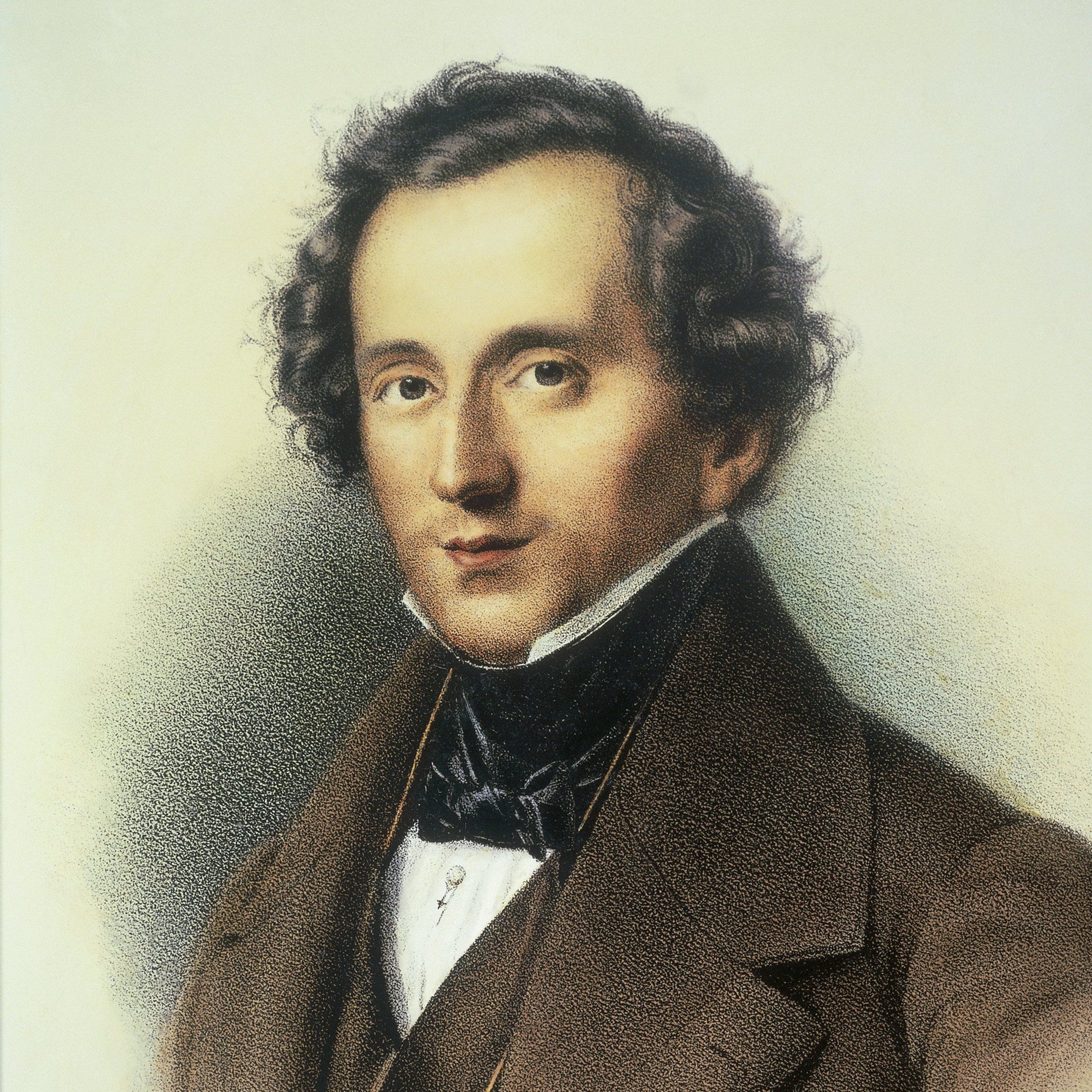
Felix Mendelssohn
(Jakob Ludwig Felix Mendelssohn Bartholdy)
German early Romantic composer, pianist, and conductor celebrated for his luminous melodies and revival of J.S. Bach's music.
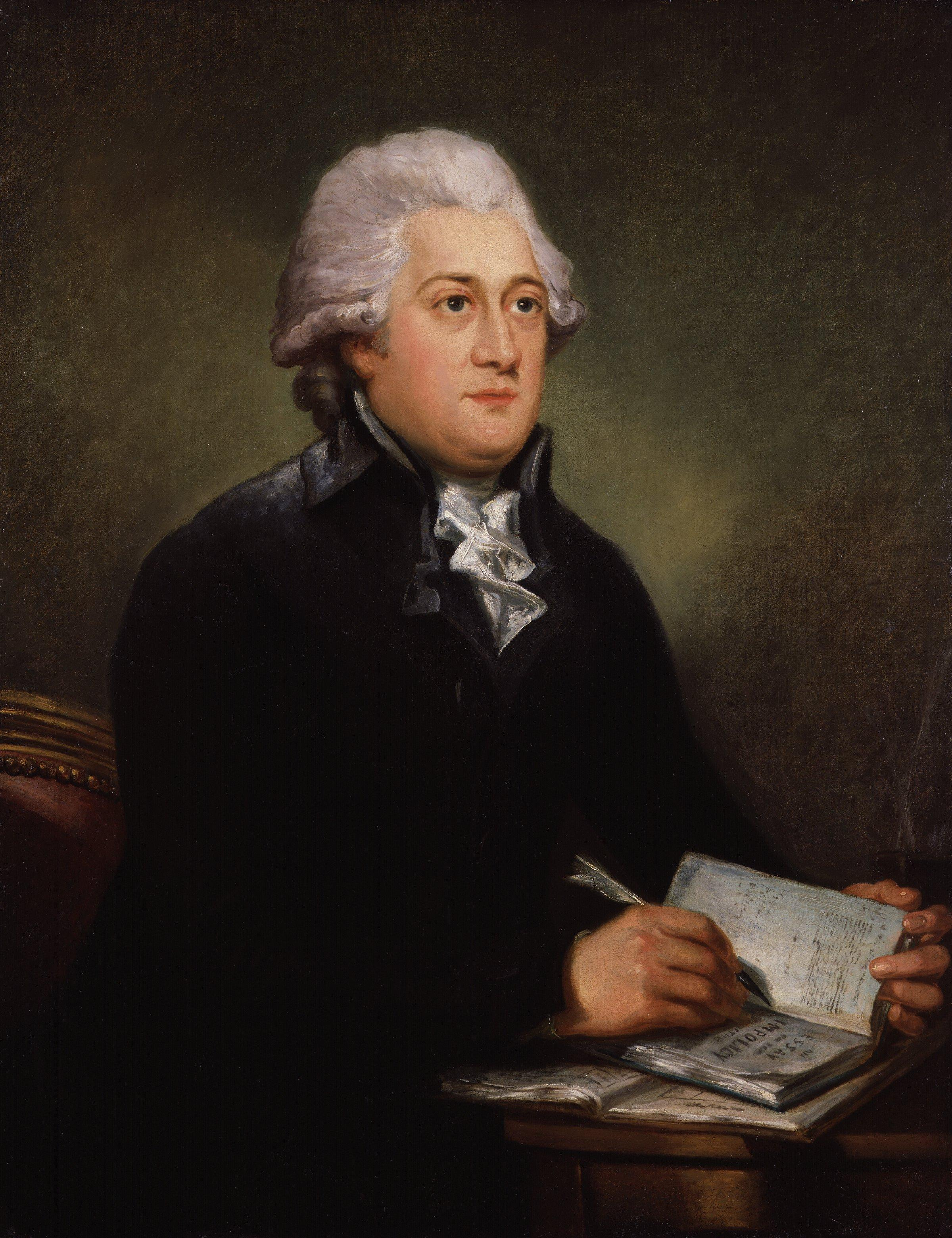
Thomas Clarkson
(Thomas Clarkson)
Key organizer and indefatigable investigator of the British abolitionist movement who rode 35,000 miles gathering evidence, slave shackles, and eyewitness testimony that enabled the abolition of the transatlantic slave trade.