 India
•
12 views
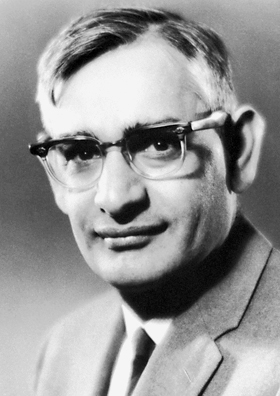
Har Gobind Khorana

Raipur, India
Archival Overview
Indian-American biochemist who shared the 1968 Nobel Prize in Physiology or Medicine for deciphering the genetic code and later synthesized the world's first artificial gene.
Biographical Record
Har Gobind Khorana was born in rural Punjab, British India, and studied chemistry at Punjab University in Lahore before earning his doctorate at the University of Liverpool. After postdoctoral research in Zurich and Cambridge under Lord Todd, he established a world-renowned laboratory at the University of Wisconsin-Madison.
Khorana developed chemical methods to synthesize defined chains of polyribonucleotides, conclusively demonstrating how triplet codons direct specific amino acids during protein synthesis. Moving to MIT, he constructed the world's first functional synthetic gene (a yeast tRNA gene) in 1972, laying the cornerstone of modern synthetic biology and biotechnology.
Key Life Milestones
Nobel Prize in Physiology or Medicine
Shared the Nobel Prize with Marshall Nirenberg and Robert Holley for cracking the nucleotide triplet genetic code.
Synthesis of the First Artificial Gene
Synthesized the first complete, functional synthetic gene, founding the field of genetic engineering.
Memorial Guestbook & Tributes
0 messages recordedLeave a Respectful Tribute
Final Resting Place
Perpetual MemorialConcord, United States