Public Figures & Cultural Luminaries
Filterable archive covering centuries of intellectual, artistic, and moral contributions to the human story.
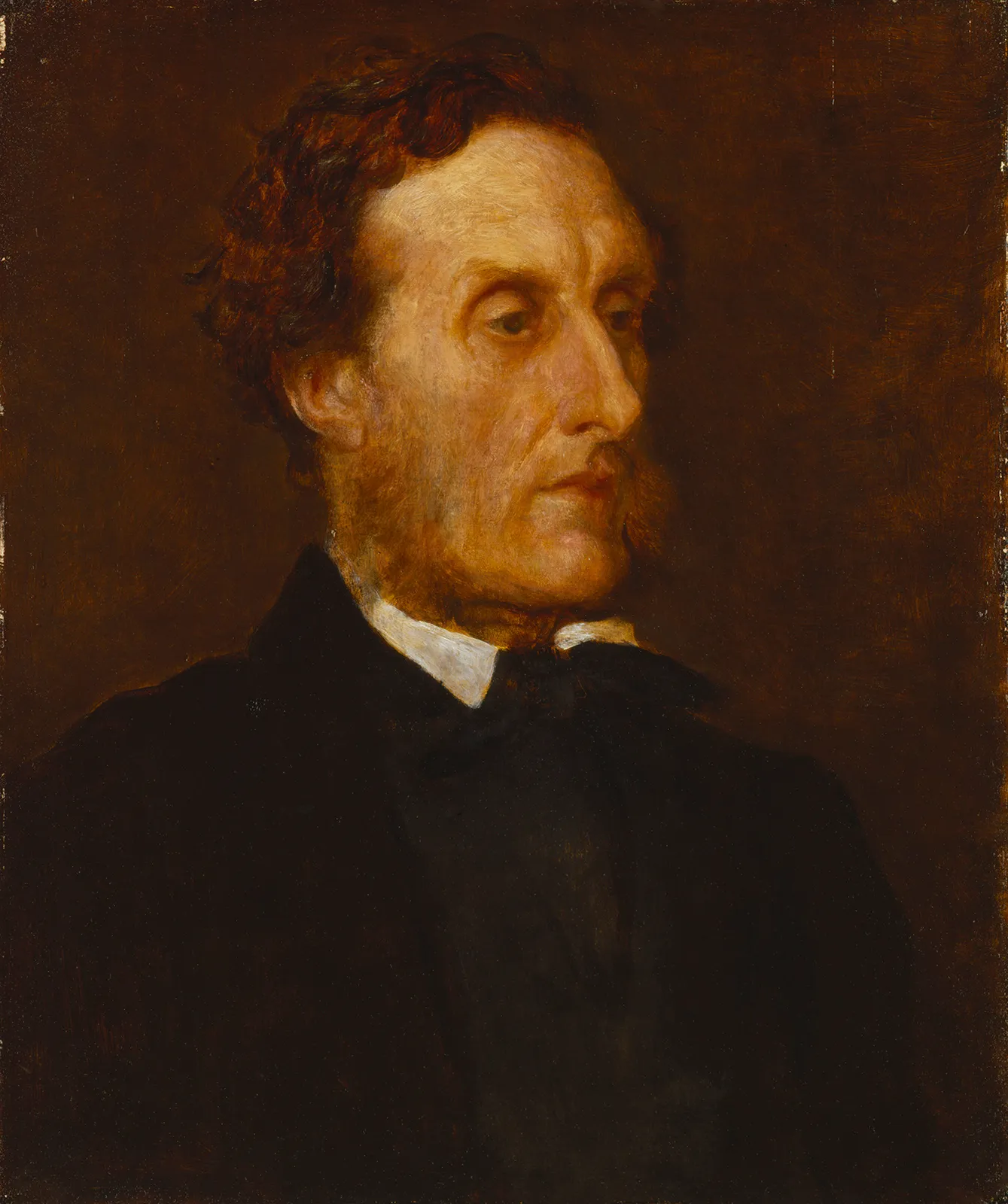
Anthony Ashley-Cooper, 7th Earl of Shaftesbury
 (Anthony Ashley-Cooper)
Homme d'État et philanthrope victorien, champion infatigable de l'abolition du travail des enfants dans les mines et les usines, et président de la Ragged School Union.
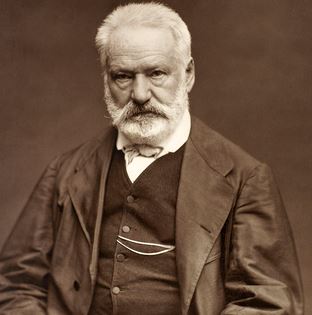
Victor-Marie Hugo
 (Victor Hugo)
Titan of French Romanticism and passionate defender of the oppressed whose monumental epics—Les Misérables, The Hunchback of Notre-Dame, and Les Châtiments—made his 1885 state funeral the largest in French history, drawing two million mourners.
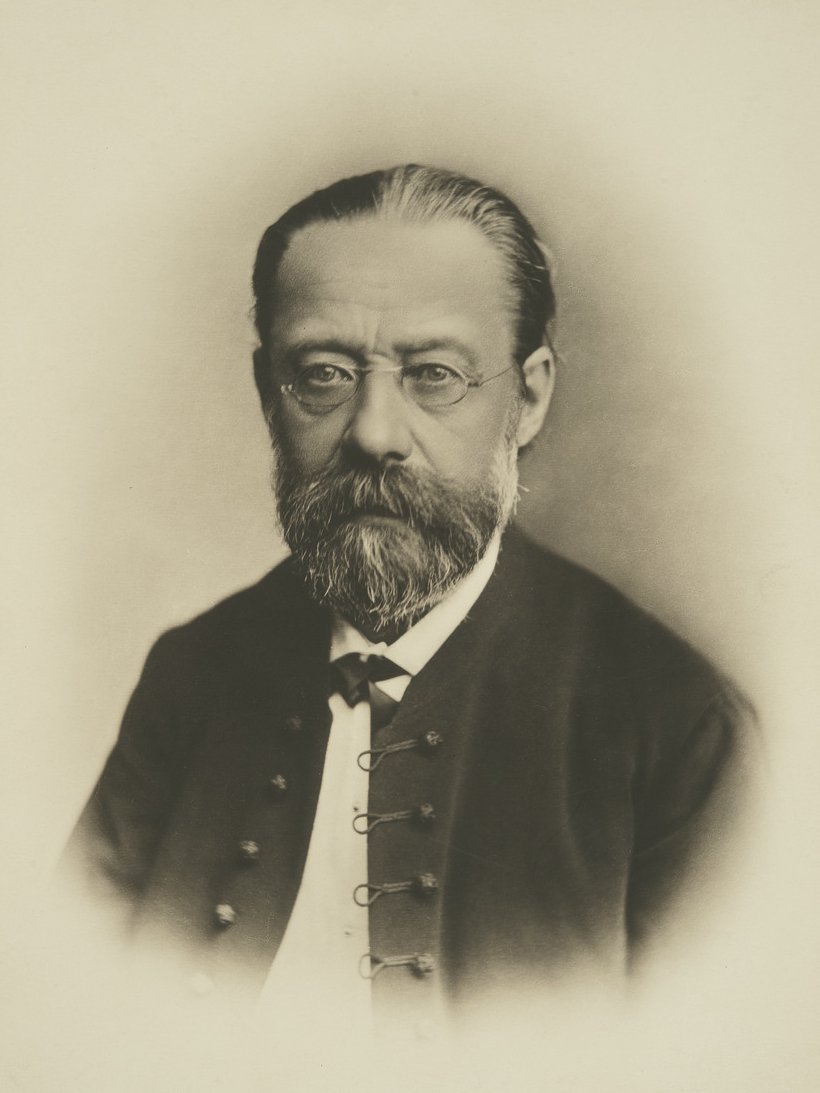
Bedřich Smetana
 (Bedřich Smetana)
Father of Czech classical music, celebrated worldwide for his comic opera 'The Bartered Bride' and the magnificent symphonic cycle 'Má vlast' containing the beloved river poem 'Vltava'.
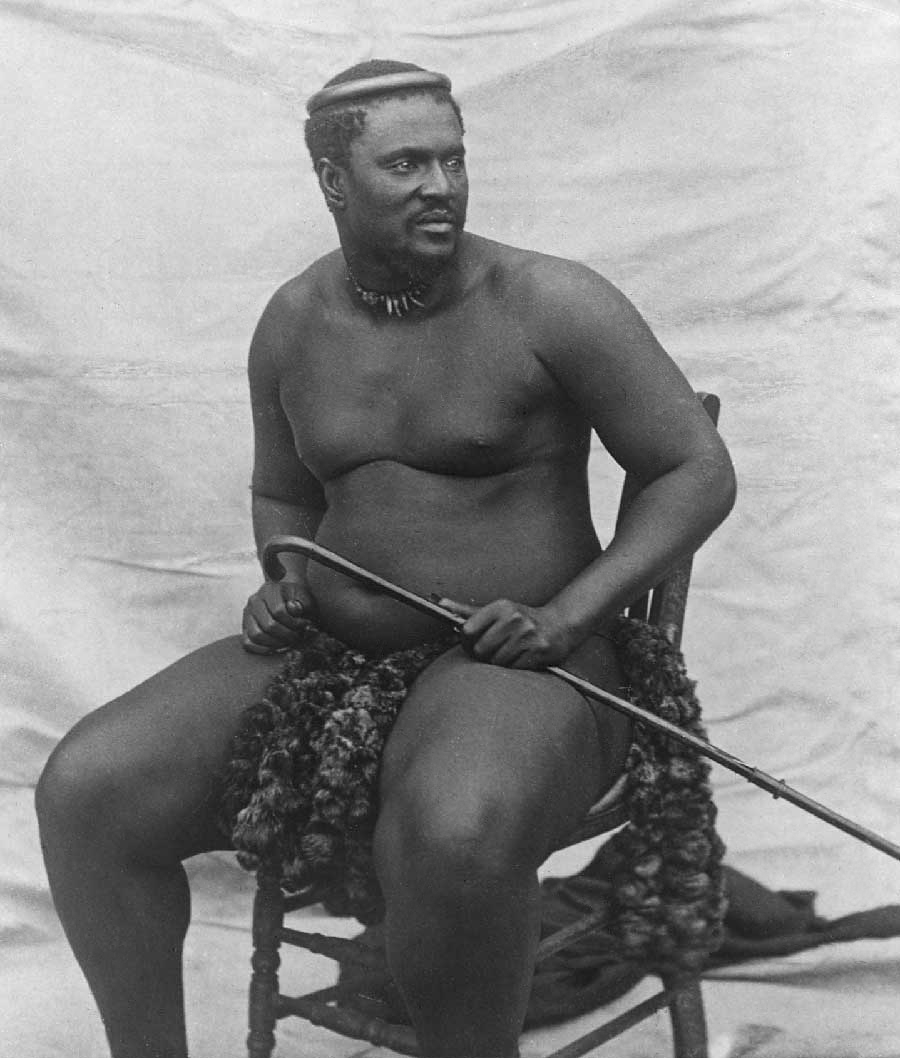
Cetshwayo kaMpande
 (Cetshwayo kaMpande)
King of the Zulu Kingdom whose disciplined impi regiments inflicted the most humiliating defeat in British imperial history at the Battle of Isandlwana on January 22, 1879, destroying an entire British invasion army.
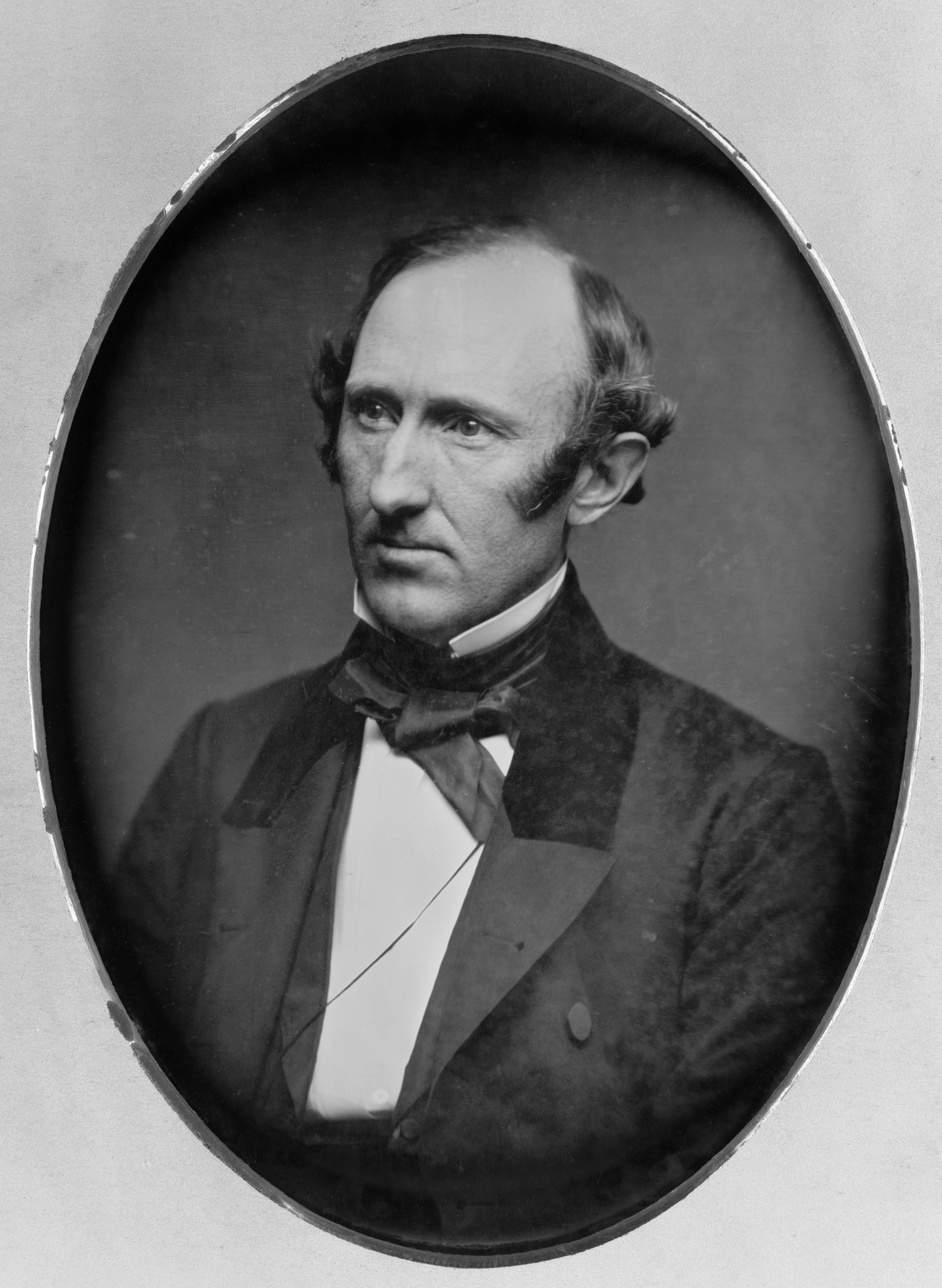
Wendell Phillips
 (Wendell Phillips)
Renowned American orator known as 'Abolition's Golden Trumpet', who abandoned his elite legal career to become the foremost orator of the American abolitionist movement, succeeding Garrison as president of the American Anti-Slavery Society.
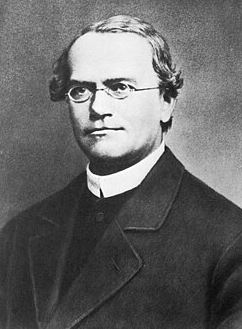
Gregor Mendel
(Gregor Johann Mendel)
Augustinian abbot whose meticulous eight-year breeding experiments with 29,000 pea plants (Pisum sativum) discovered the fundamental laws of genetic inheritance (dominant and recessive traits).
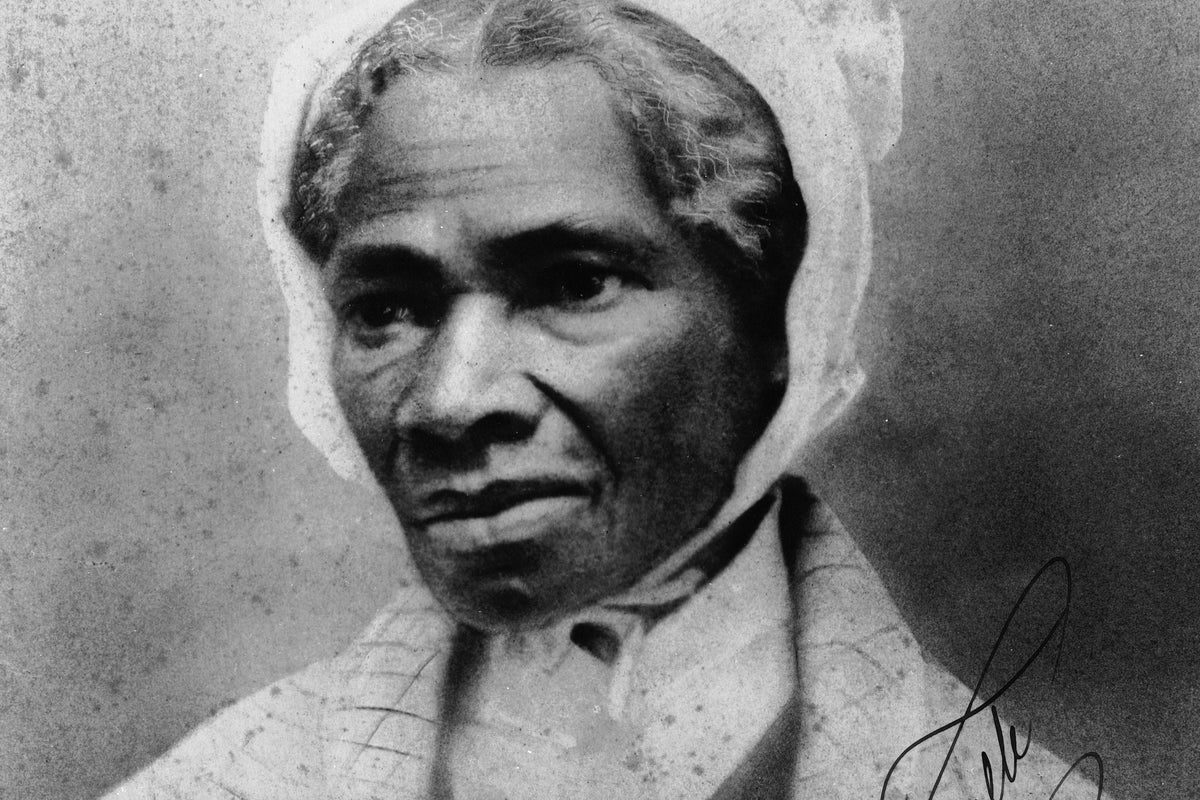
Sojourner Truth
(Isabella Baumfree)
Pioneering African American abolitionist and women's rights advocate whose fiery rhetoric and celebrated 1851 'Ain't I a Woman?' speech forged an indissoluble link between racial emancipation and gender equality.
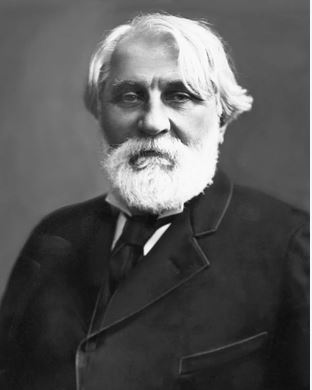
Ivan Sergeyevich Turgenev
 (Иван Сергеевич Тургенев)
Distinguished Russian realist novelist whose A Sportsman's Sketches helped convince Tsar Alexander II to emancipate the serfs, and whose masterpiece Fathers and Sons introduced the generational concept of nihilism (Bazarov).
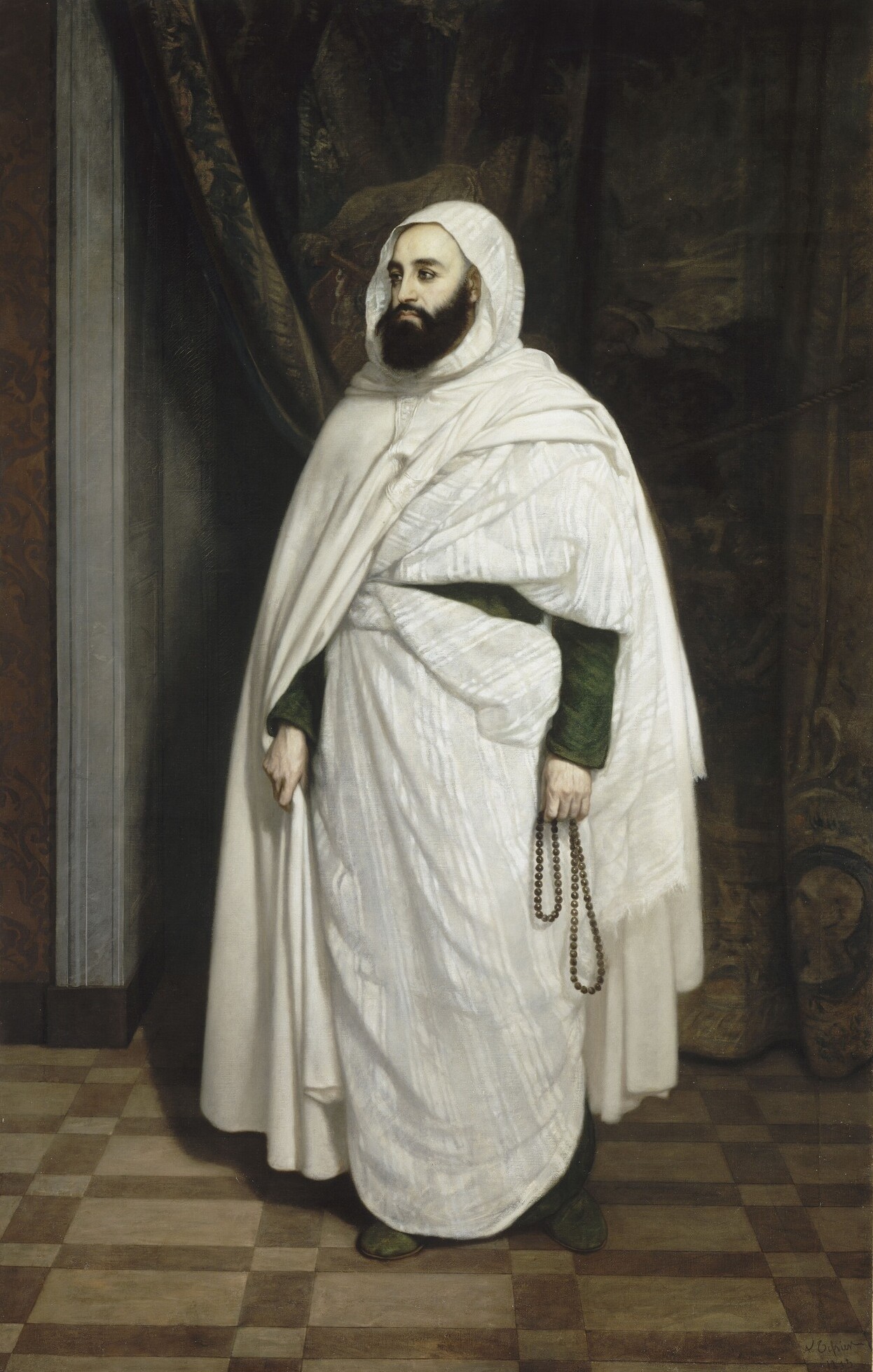
Emir Abdelkader
 (عبد القادر ابن محيي الدين)
Algerian religious and military leader who founded the modern Algerian state, led a legendary fifteen-year resistance against French colonial conquest, and earned global acclaim for defending thousands of Christians in Damascus.
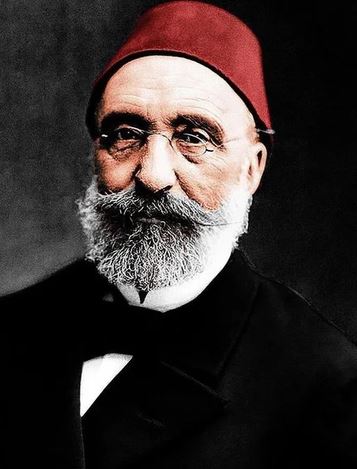
Midhat Pasha
 (Ahmed Şefik Midhat Paşa)
Father of Ottoman constitutionalism and modern provincial governance; created the institutional model of constitutional monarchy in the Islamic world.
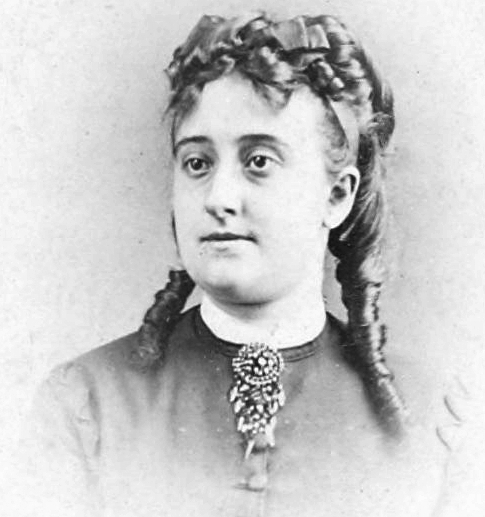
Eva Gonzalès
(Eva Gonzalès)
French Impressionist painter and sole formal pupil of Édouard Manet whose tender, luminous canvases like 'A Box at the Théâtre des Italiens' captured Paris cultural life.
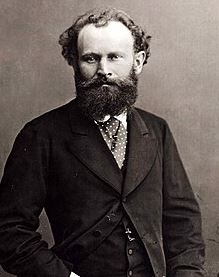
Édouard Manet
(Édouard Manet)
French modernist painter who served as a pivotal figure in the transition from Realism to Impressionism.
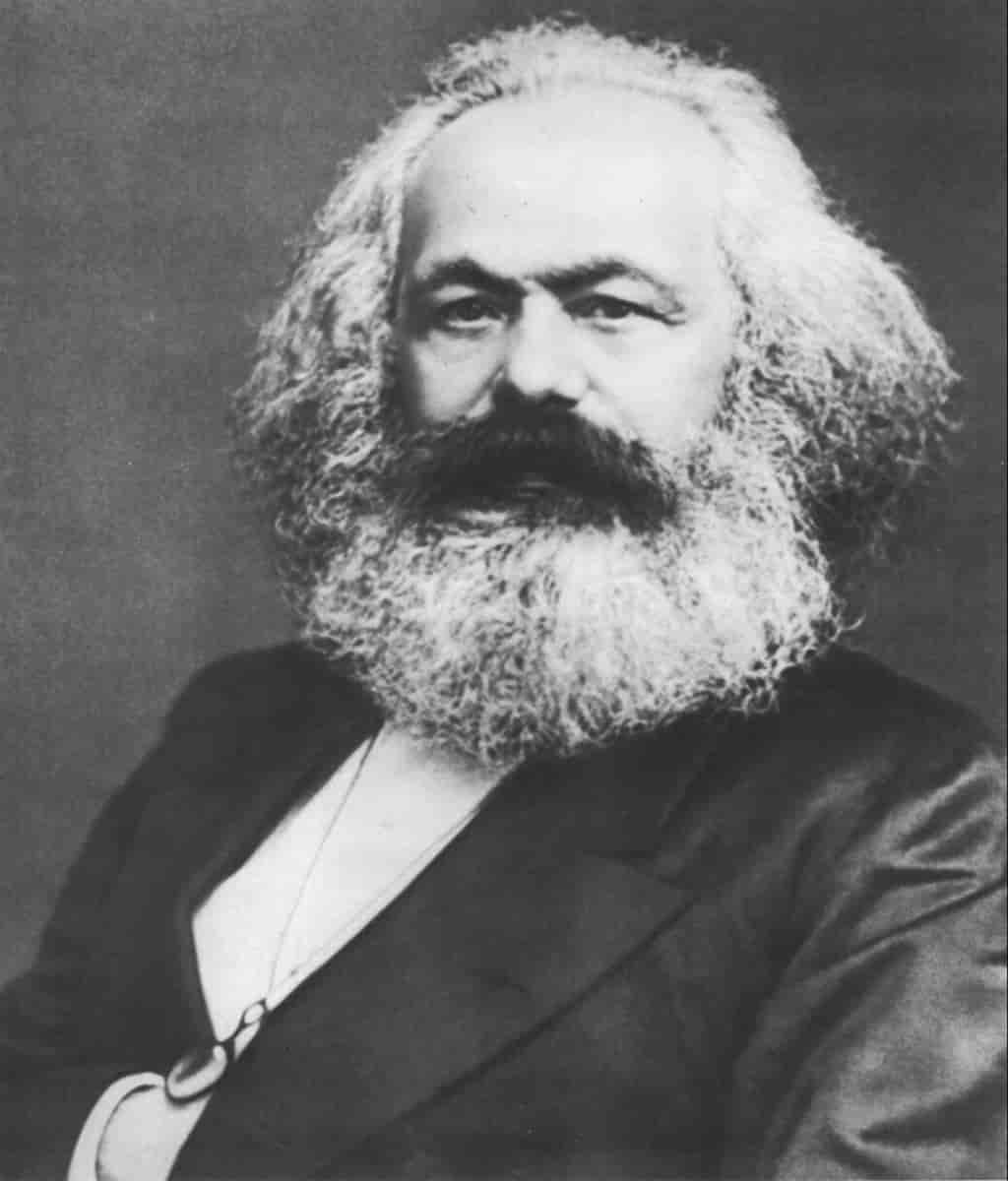
Karl Marx
 (Karl Heinrich Marx)
Revolutionary philosopher, political theorist, and economist whose historical materialism, The Communist Manifesto, and Das Kapital transformed modern history, politics, and sociology.
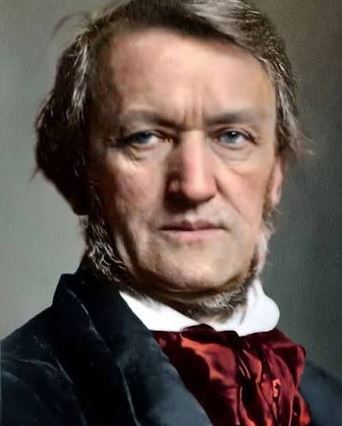
Wilhelm Richard Wagner
(Richard Wagner)
Revolutionary German composer and dramatist who revolutionized Western music with the 'Gesamtkunstwerk' (total work of art), the leitmotif system, chromatic breakdown of tonality in Tristan und Isolde, and the 16-hour Der Ring des Nibelungen.
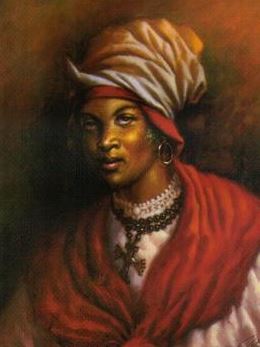
Cecile Fatiman
 (Cecile Fatiman)
Haitian revolutionary Mambo (Vodou high priestess) who co-presided over the historic August 1791 ceremony at Bois Caiman alongside Dutty Boukman, sacrificing the sacred black pig and distributing its blood to seal the revolutionary oath.
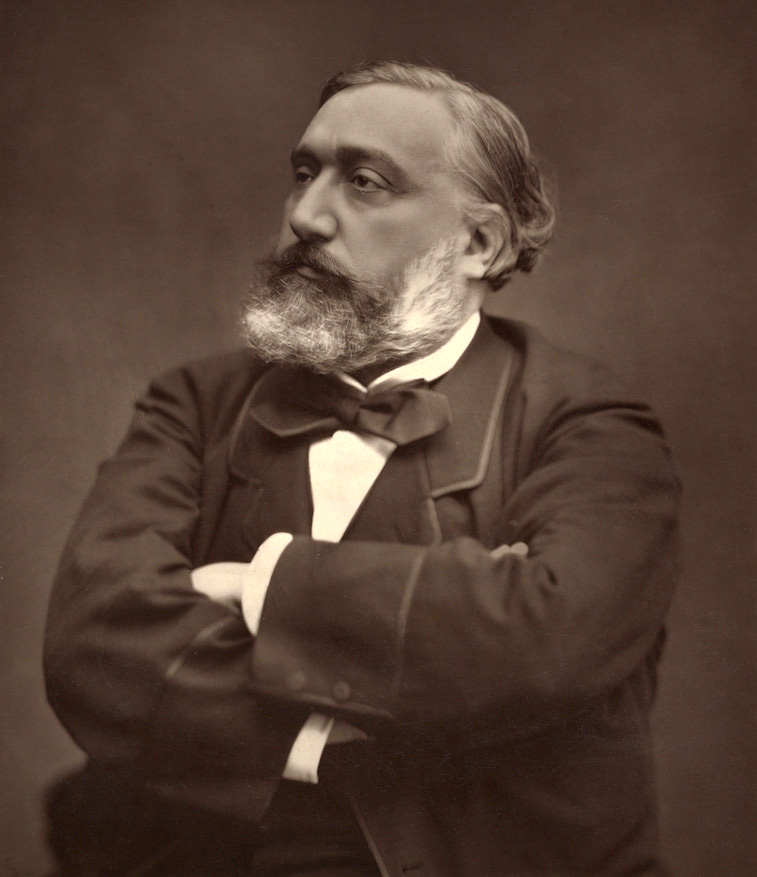
Léon Gambetta
(Léon Michel Gambetta)
Fiery republican orator and statesman who proclaimed the French Third Republic in 1870 and famously escaped besieged Paris in a hot air balloon to organize national resistance.
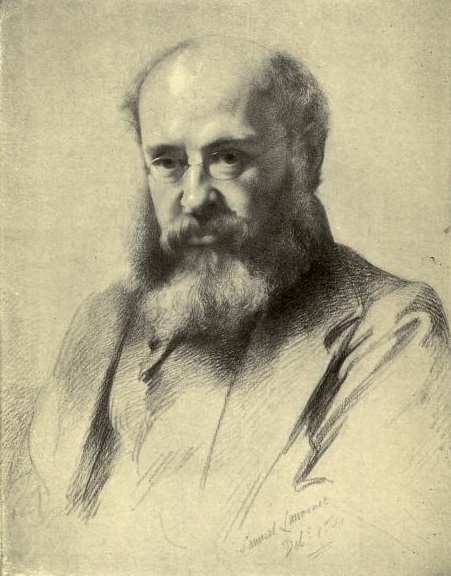
Anthony Trollope
(Anthony Trollope)
Prolific Victorian novelist and General Post Office official who created the Chronicles of Barsetshire, the Palliser political series, and the pillar postal box.
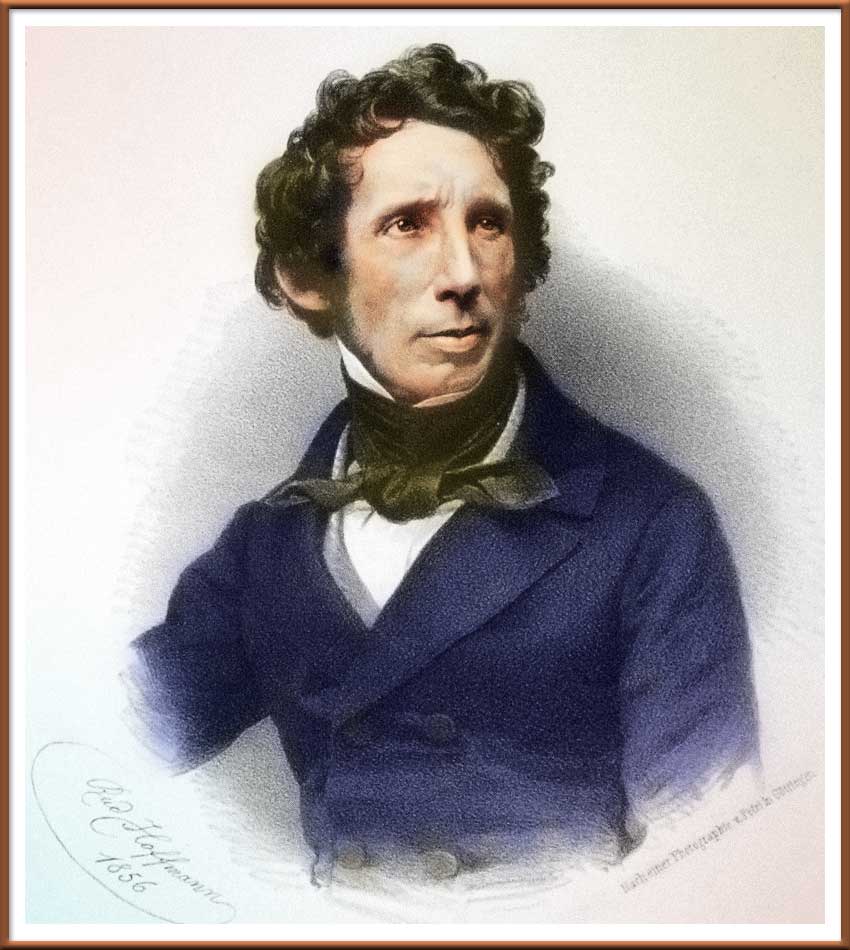
Friedrich Wöhler
(Friedrich Wöhler)
German chemist whose 1828 synthesis of urea shattered vitalism and founded modern synthetic organic chemistry.