Public Figures & Cultural Luminaries
Filterable archive covering centuries of intellectual, artistic, and moral contributions to the human story.
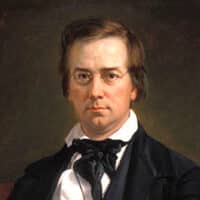
George Perkins Marsh
 (George Perkins Marsh)
Pioneering American environmental statesman, polymath, and diplomat whose 1864 book Man and Nature launched the global conservation movement and national forest preserves.
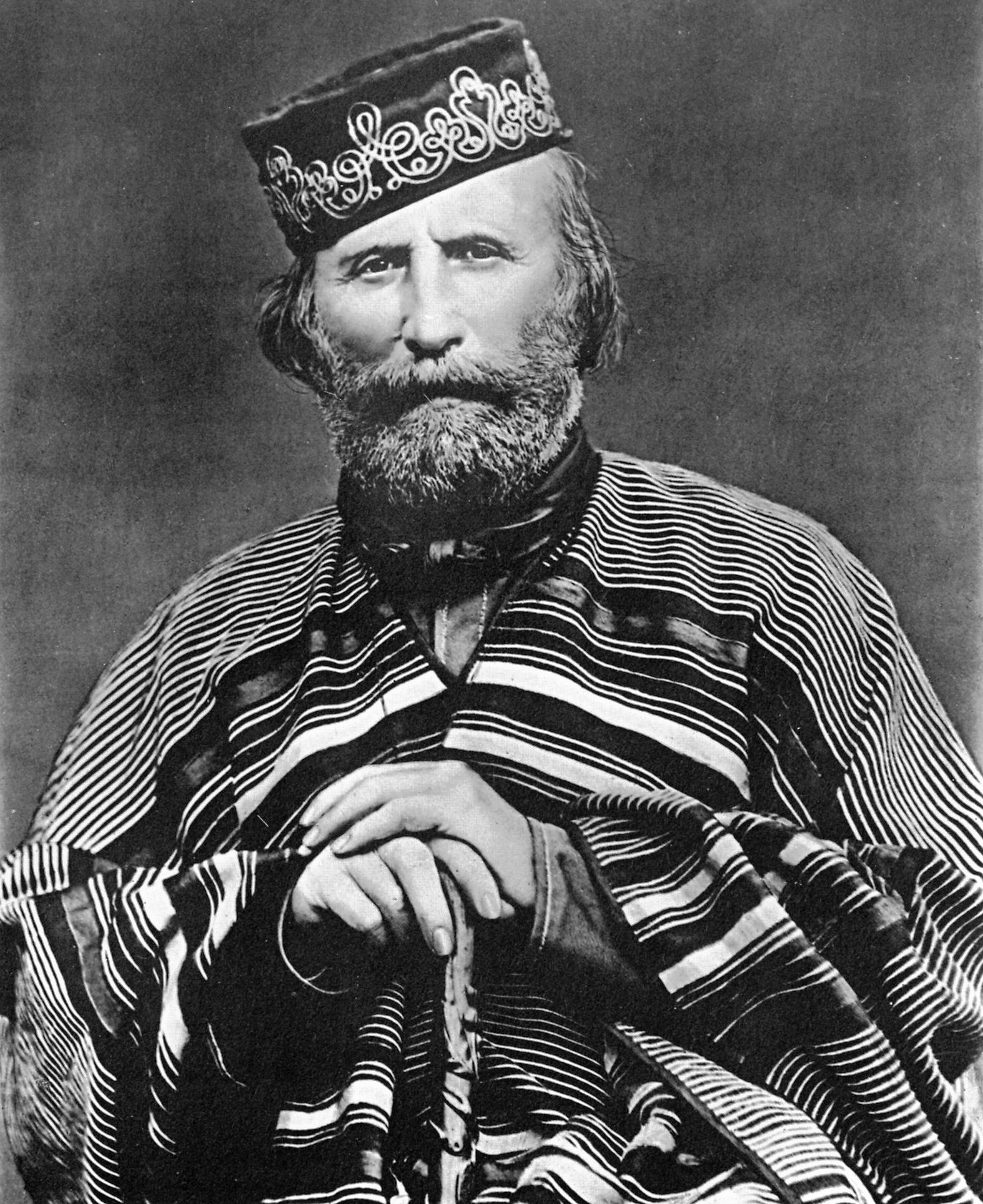
Giuseppe Garibaldi (Hero of the Two Worlds)
 (Giuseppe Garibaldi)
Italian general, nationalist, and revolutionary who led the Expedition of the Thousand in his iconic Red Shirts, conquering the Kingdom of the Two Sicilies to unify Italy.
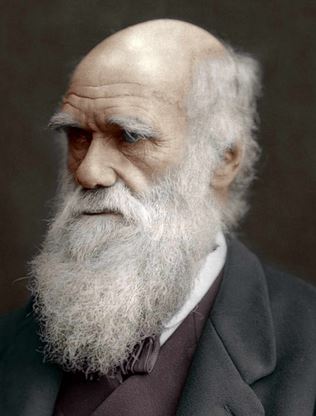
Charles Darwin
 (Charles Robert Darwin)
Naturalist whose 1859 masterpiece On the Origin of Species established the theory of biological evolution by natural selection, unifying all life on Earth under common descent.
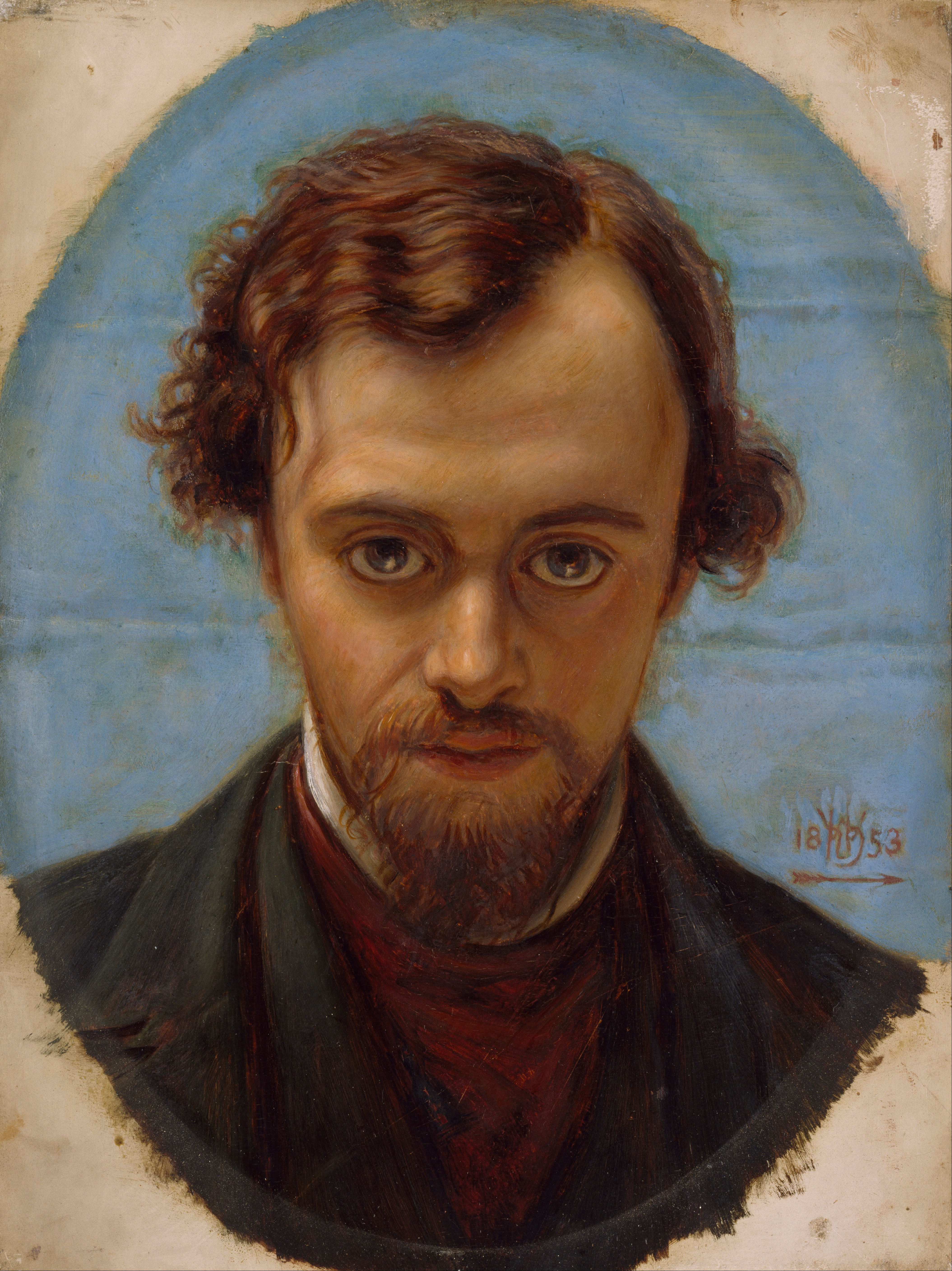
Gabriel Charles Dante Rossetti
(Dante Gabriel Rossetti)
Founder of the Pre-Raphaelite Brotherhood, poet, and painter whose haunting portraits of Elizabeth Siddal and Jane Morris ('Proserpine', 'Beata Beatrix') launched the Aesthetic movement.
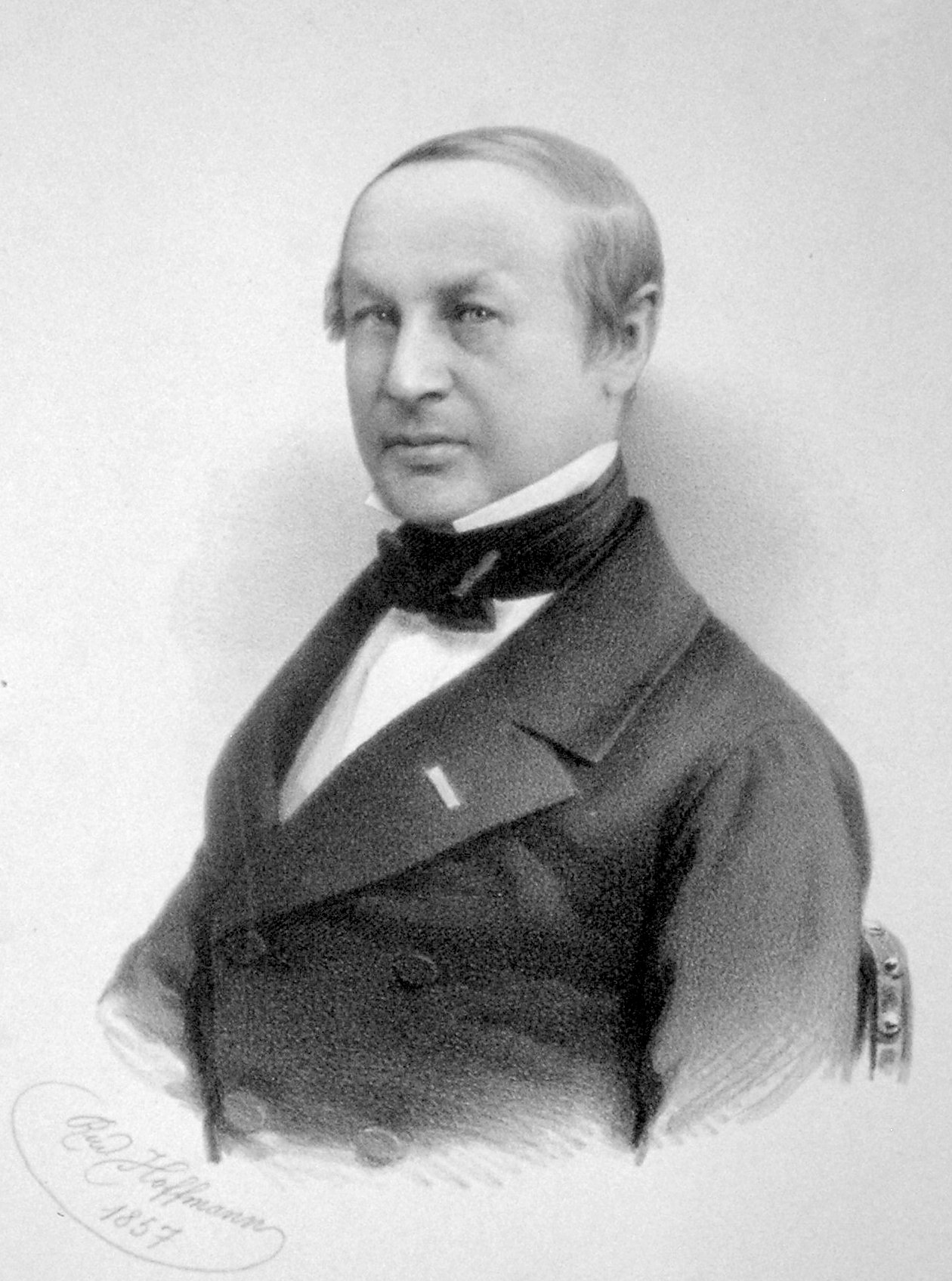
Theodor Schwann
 (Theodor Schwann)
German physiologist who formulated the universal Cell Theory in 1839, establishing that all animal tissues are composed of cells, discovered the digestive enzyme pepsin, and discovered the myelinating Schwann cells of the peripheral nervous system.
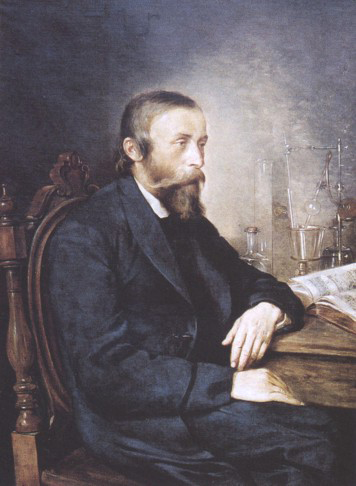
Ignacy Lukasiewicz
 (Jan Józef Ignacy Łukasiewicz)
Polish pharmacist and chemical engineer who invented the modern kerosene lamp in 1853 and constructed the world's first modern oil refinery and commercial oil well in Galician Poland.
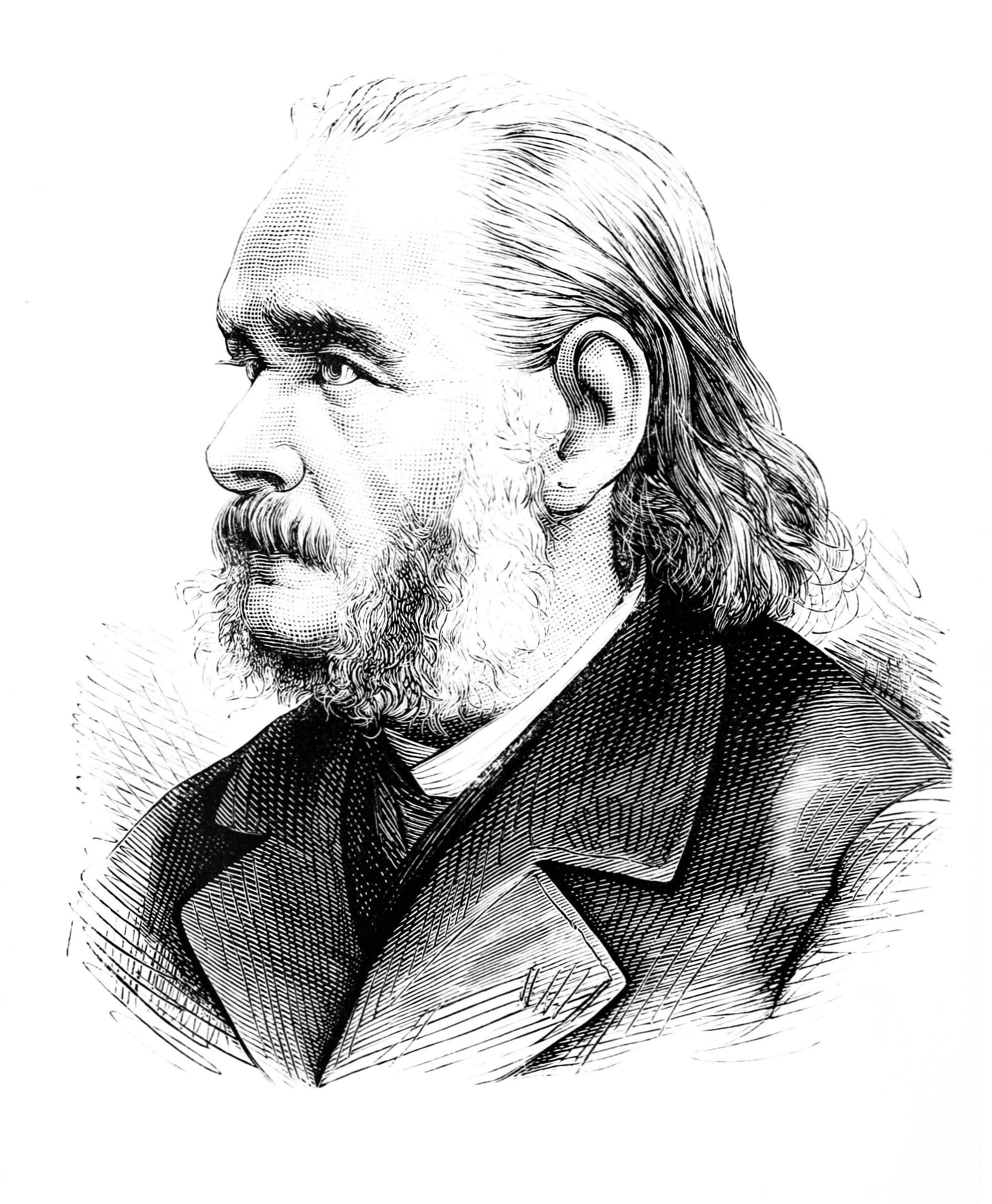
Matthias Schleiden
(Matthias Jakob Schleiden)
German botanist who co-founded the universal Cell Theory in 1838 by proving that all plant structures are composed of cells, recognized the fundamental role of the cell nucleus, and pioneered inductive experimental botany.
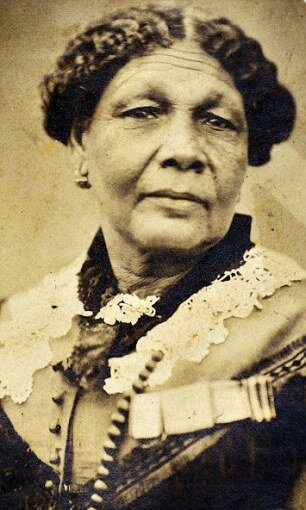
Mary Jane Seacole
 (Mary Jane Grant)
Mary Seacole was a Jamaican-born nurse, doctress, and businesswoman of mixed Scottish and Creole heritage who overcame racial prejudice to establish the 'British Hotel' behind front lines during the Crimean War. Applying West Indian herbal medicine and practical nursing to treat cholera, dysentery, and battlefield trauma, she was voted the greatest Black Briton in history.
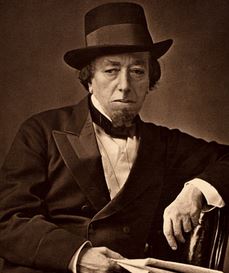
Benjamin Disraeli
(Benjamin Disraeli, 1st Earl of Beaconsfield)
Forged modern conservative social reformism, expanded the imperial role of Great Britain, and secured vital strategic waterways for global trade.
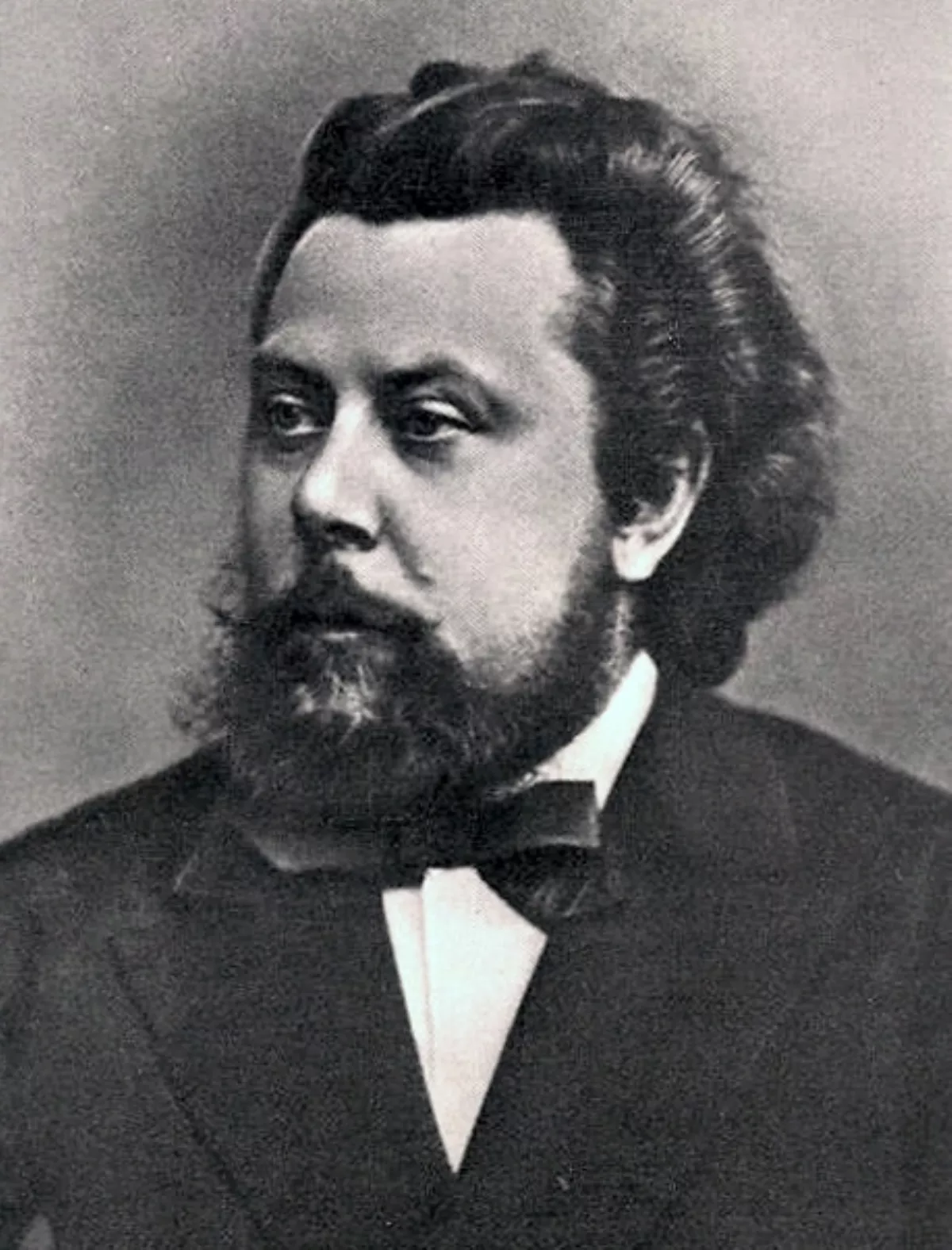
Modest Mussorgsky
 (Модест Петрович Мусоргский)
Visionary Russian composer of 'The Mighty Handful' celebrated for Boris Godunov and Pictures at an Exhibition.
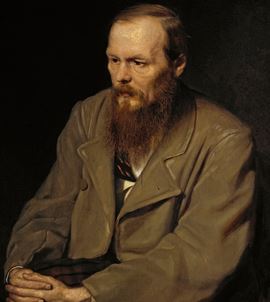
Fyodor Mikhailovich Dostoevsky
(Фёдор Михайлович Достоевский)
Supreme psychological novelist whose terrifying encounter with a Tsarist firing squad and Siberian labor camp forged transcendent explorations of guilt, free will, nihilism, and redemption in Crime and Punishment and The Brothers Karamazov.
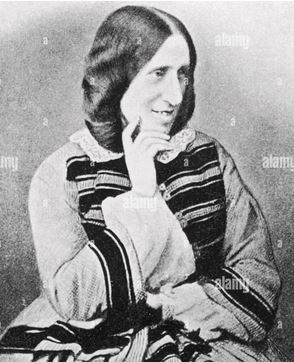
Mary Ann Evans (George Eliot)
(Mary Ann Evans (George Eliot))
Intellectual titan of the Victorian era whose psychological realism and moral complexity in Silas Marner, The Mill on the Floss, and above all Middlemarch—hailed by Virginia Woolf as 'one of the few English novels written for grown-up people'—rank her among world literature's greatest minds.
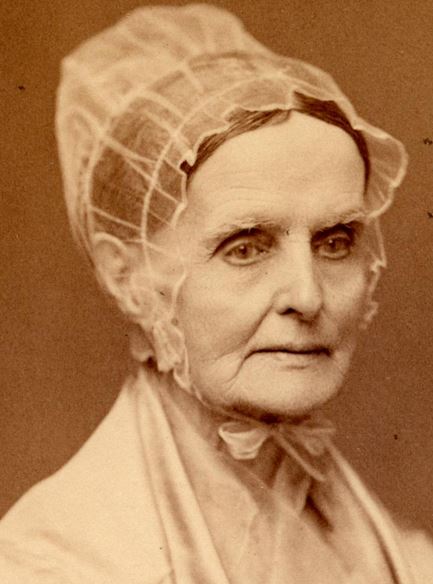
Lucretia Mott
(Lucretia Coffin)
Quaker minister, abolitionist, and women's rights pioneer who co-founded the Philadelphia Female Anti-Slavery Society and co-organized the historic 1848 Seneca Falls Convention.
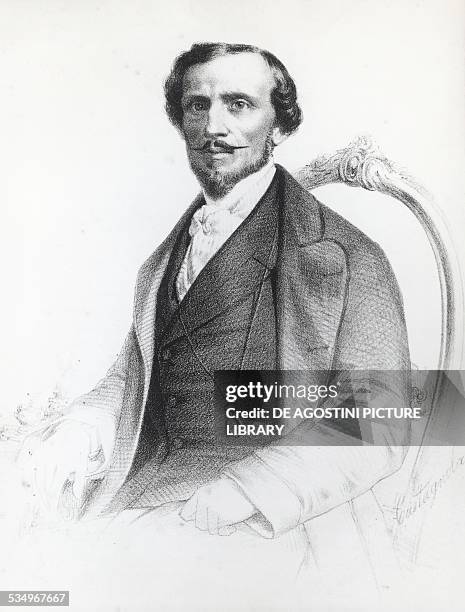
Bettino Ricasoli, 2nd Baron Ricasoli
 (Bettino Ricasoli)
Italian Risorgimento statesman known as the 'Iron Baron' who united Tuscany with Italy, served twice as Prime Minister, and invented the modern formula for Chianti Classico wine.
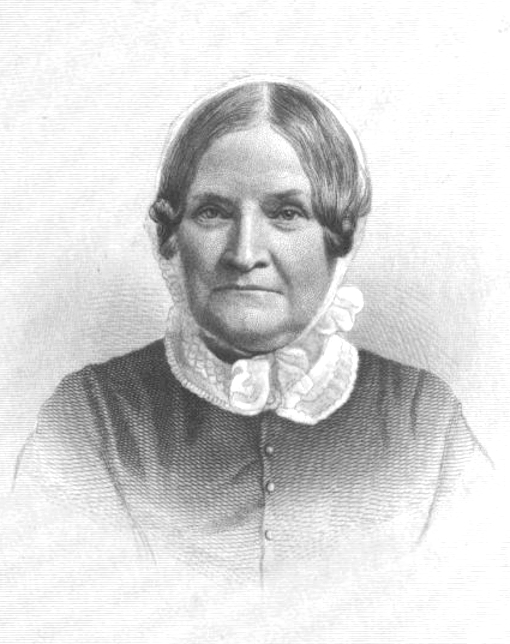
Lydia Maria Child
(Lydia Maria Child)
Prolific American author and abolitionist whose 1833 masterpiece 'An Appeal in Favor of That Class of Americans Called Africans' galvanized the anti-slavery movement and sacrificed her literary career for human justice.
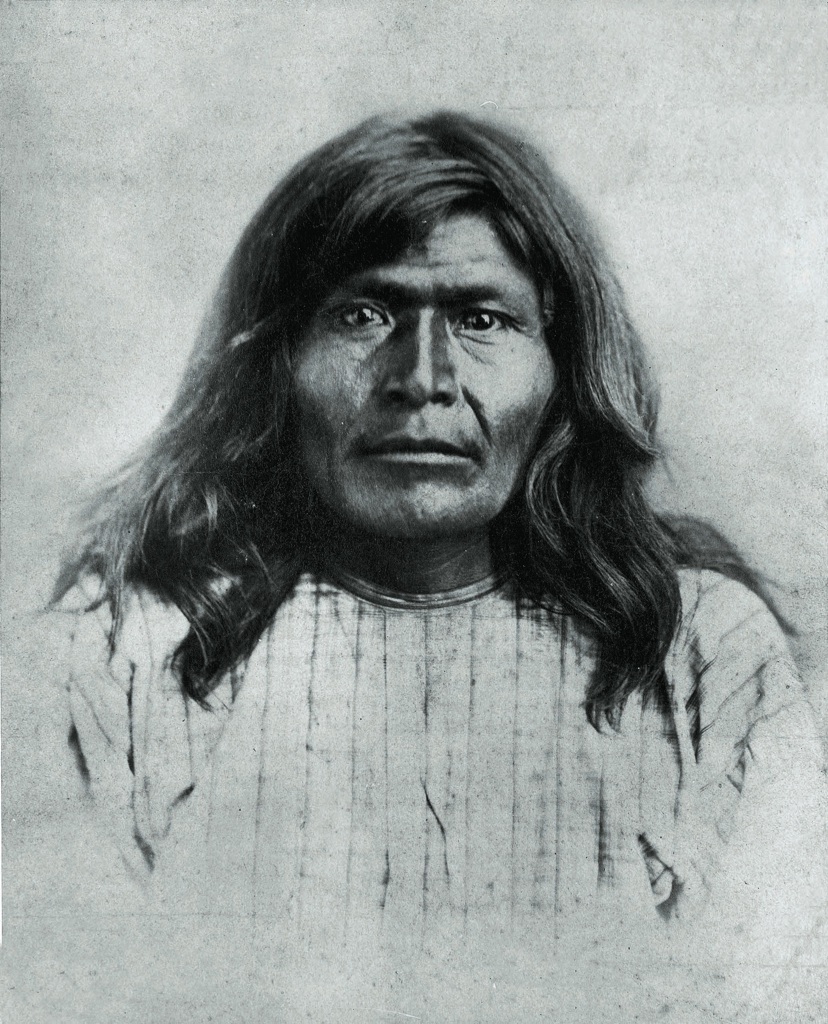
Victorio
(Bidu-ya)
Chihenne Chiricahua Apache war chief whose brilliant tactical maneuvers in Victorio's War baffled US and Mexican armies across thousands of miles of desert.
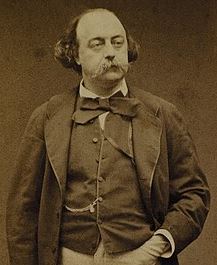
Gustave Flaubert
(Gustave Flaubert)
Fastidious master of French prose style who spent five agonizing years obsessing over 'le mot juste' (the right word) to create Madame Bovary (1857), enduring a sensational obscenity trial and birthing modern psychological realism.
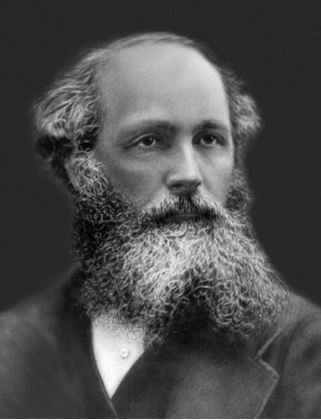
James Clerk Maxwell
(James Clerk Maxwell)
Scottish physicist who unified electricity, magnetism, and light into Maxwell's Equations, proving that light is an electromagnetic wave, and formulated the Maxwell-Boltzmann kinetic theory of gases.