Public Figures & Cultural Luminaries
Filterable archive covering centuries of intellectual, artistic, and moral contributions to the human story.
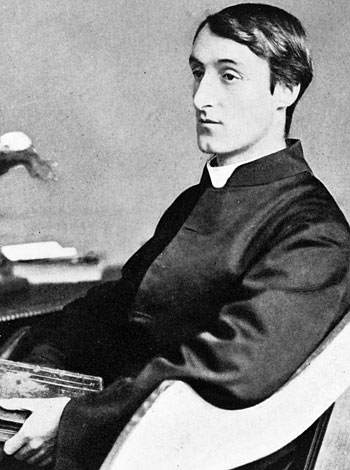
Gerard Manley Hopkins
 (Gerard Manley Hopkins)
Visionary English Jesuit poet who revolutionized modern verse through sprung rhythm and concepts of inscape and instress in 'The Windhover' and 'Pied Beauty'.
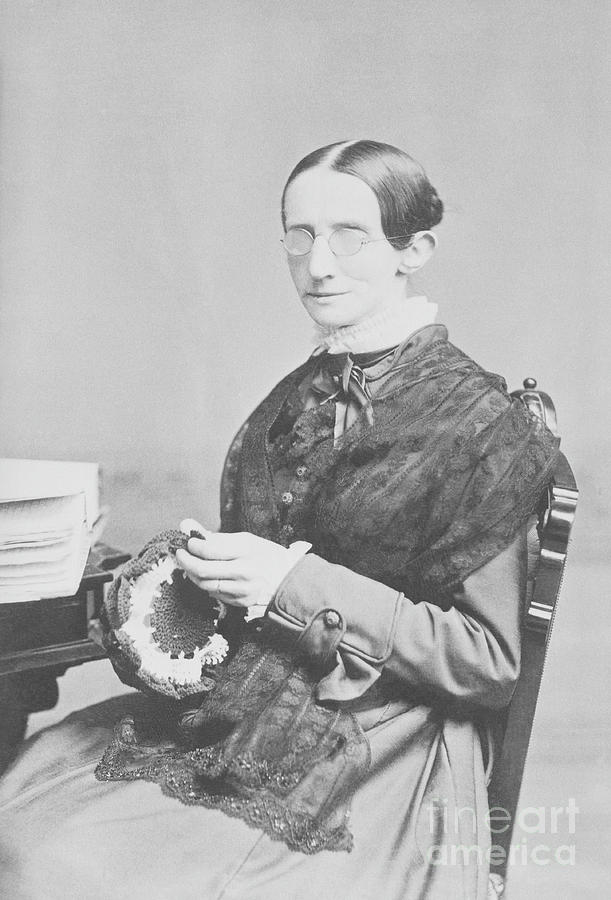
Laura Dewey Lynn Bridgman
 (Laura Bridgman)
Première personne sourde et aveugle à recevoir une éducation linguistique complète en anglais, cinquante ans avant Helen Keller.
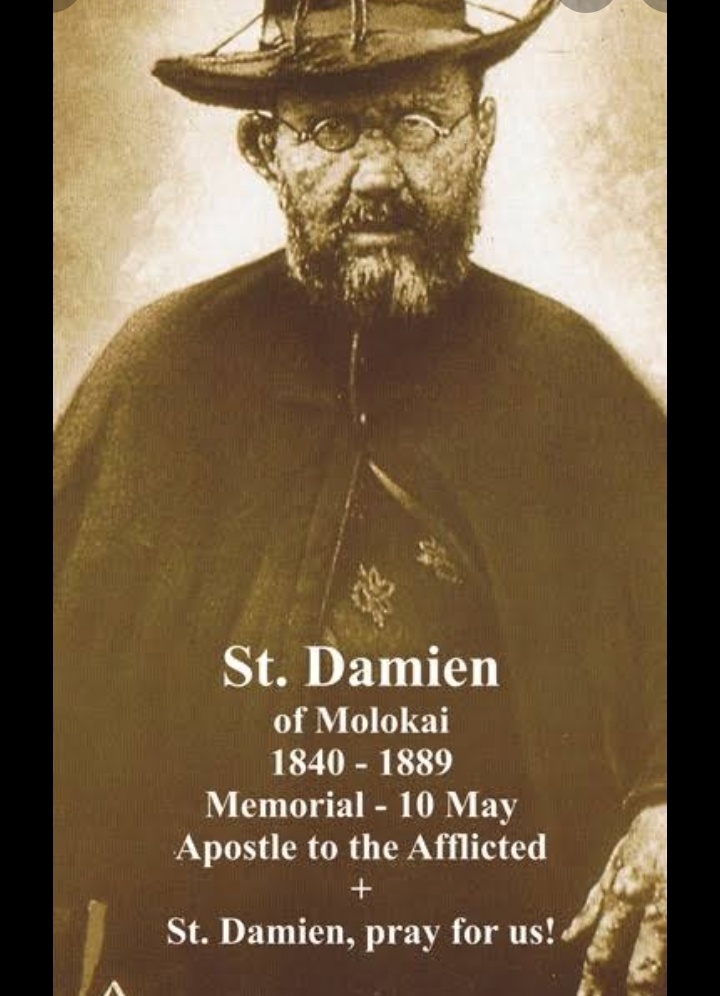
Father Damien (Saint Damien of Molokai)
 (Jozef De Veuster)
Father Damien was a Belgian Roman Catholic priest of the Congregation of the Sacred Hearts of Jesus and Mary who volunteered to minister to the quarantined leper colony on the Hawaiian island of Molokai. Living among the outcast lepers for sixteen years, he built homes, hospitals, and churches, contracted Hansen's disease himself, and died a martyr of charity, canonized in 2009.
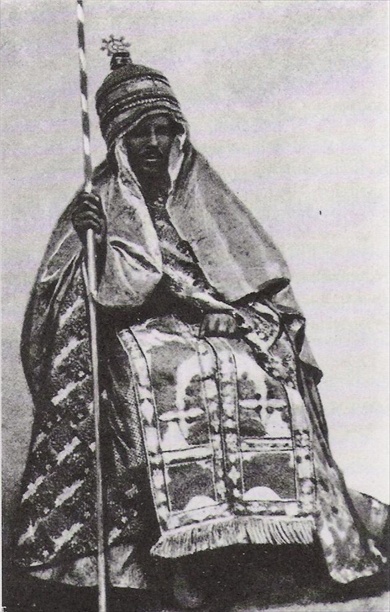
Yohannes IV
 (ዮሐንስ (Kassa Mercha))
Emperor of Ethiopia (1872–1889) who staunchly defended Ethiopian sovereignty against Egyptian expansionism, Italian colonial incursions, and Sudanese Mahdist invasions, dying heroically on the battlefield of Gallabat.
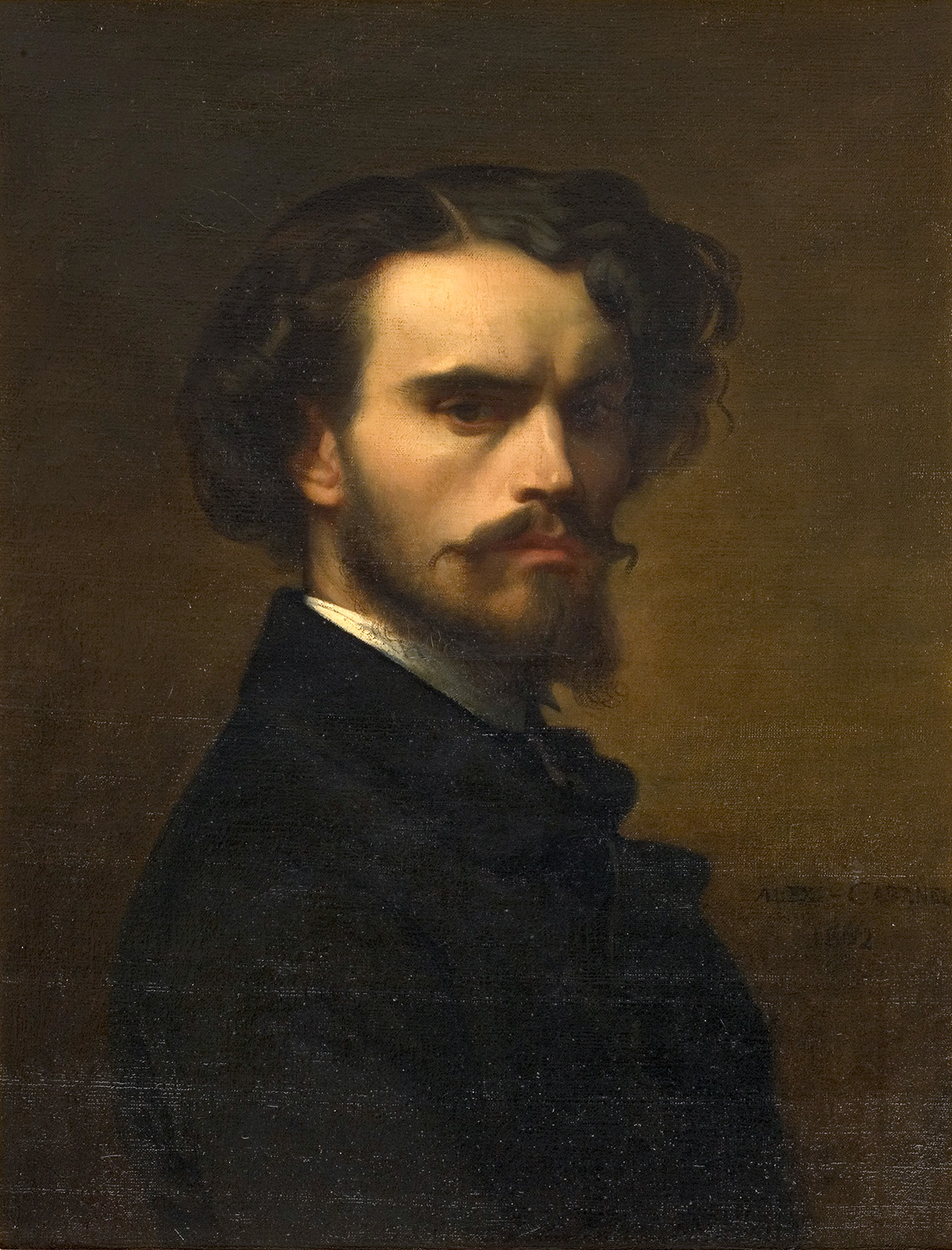
Alexandre Cabanel
 (Alexandre Cabanel)
French academic master whose sensuous 'Birth of Venus' was personally purchased by Emperor Napoleon III in 1863, and whose 'The Fallen Angel' remains an icon of Romantic pathos.
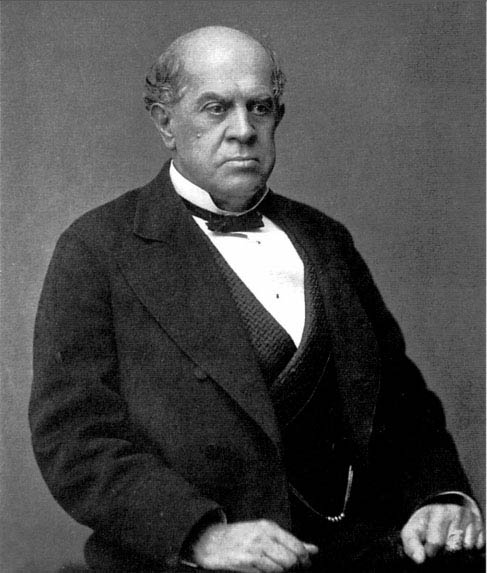
Domingo Faustino Sarmiento
 (Domingo Faustino Sarmiento)
President of Argentina (1868–1874) and 'Teacher of the Americas' who transformed national education, founded the Naval Academy, and authored the classic Facundo: Civilization and Barbarism.
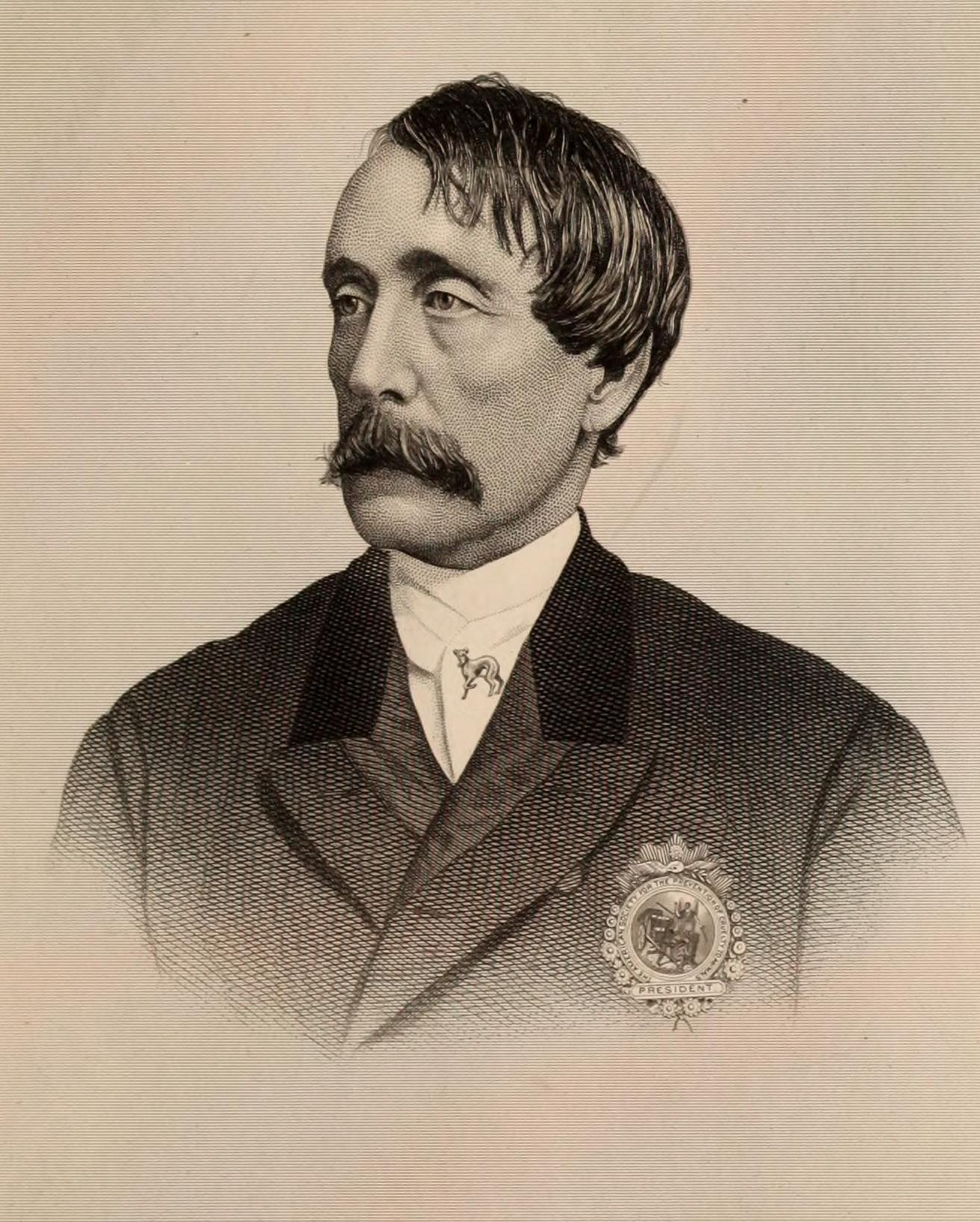
Henry Bergh
(Henry Bergh)
Visionary humanitarian who founded the American Society for the Prevention of Cruelty to Animals (ASPCA) and co-founded the world's first child protection society.
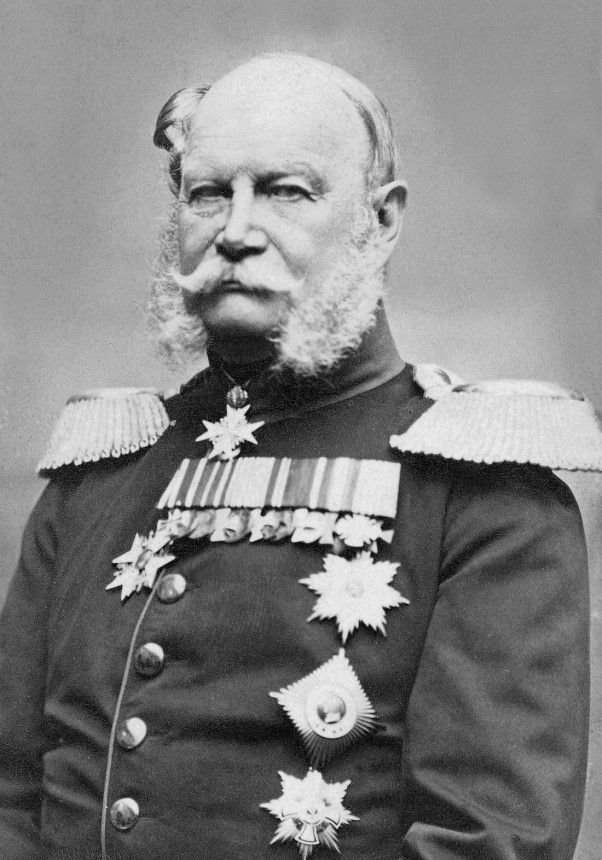
Wilhelm I (German Emperor)
 (Wilhelm I (Wilhelm Friedrich Ludwig))
First German Emperor (Kaiser) who unified Germany with Chancellor Otto von Bismarck, proclaimed at Versailles in 1871.
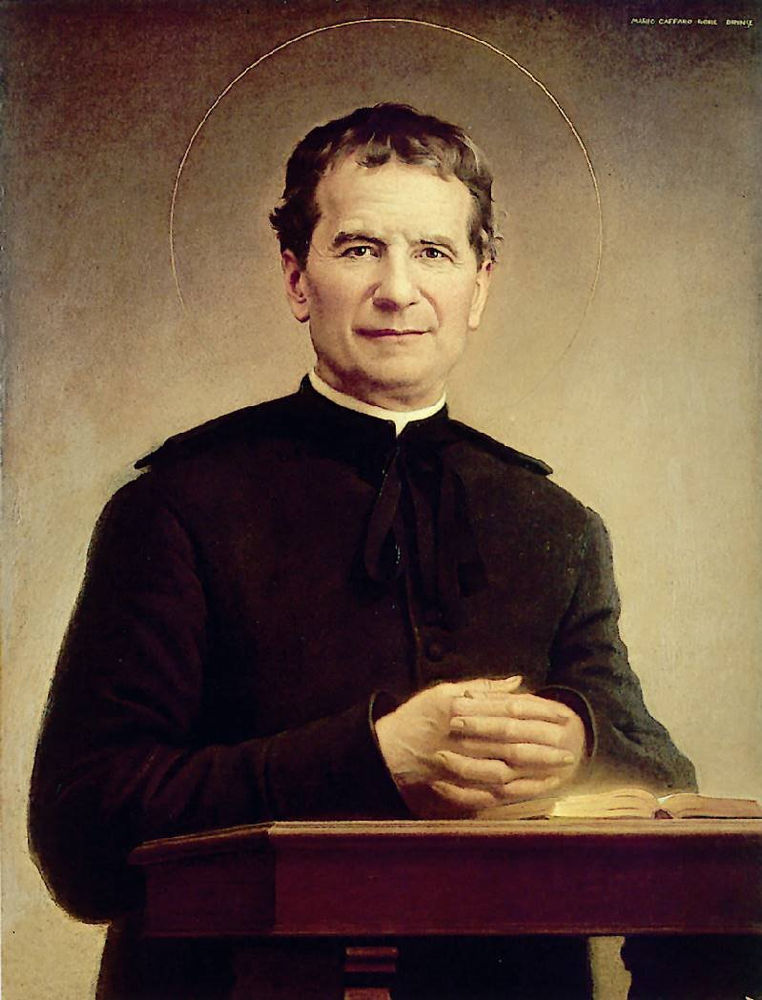
Saint Jean Bosco
 (Giovanni Melchiorre Bosco)
Prêtre et éducateur piémontais, fondateur des Salésiens et apôtre des enfants des rues et jeunes ouvriers exploités de Turin, inventeur du « système préventif ».
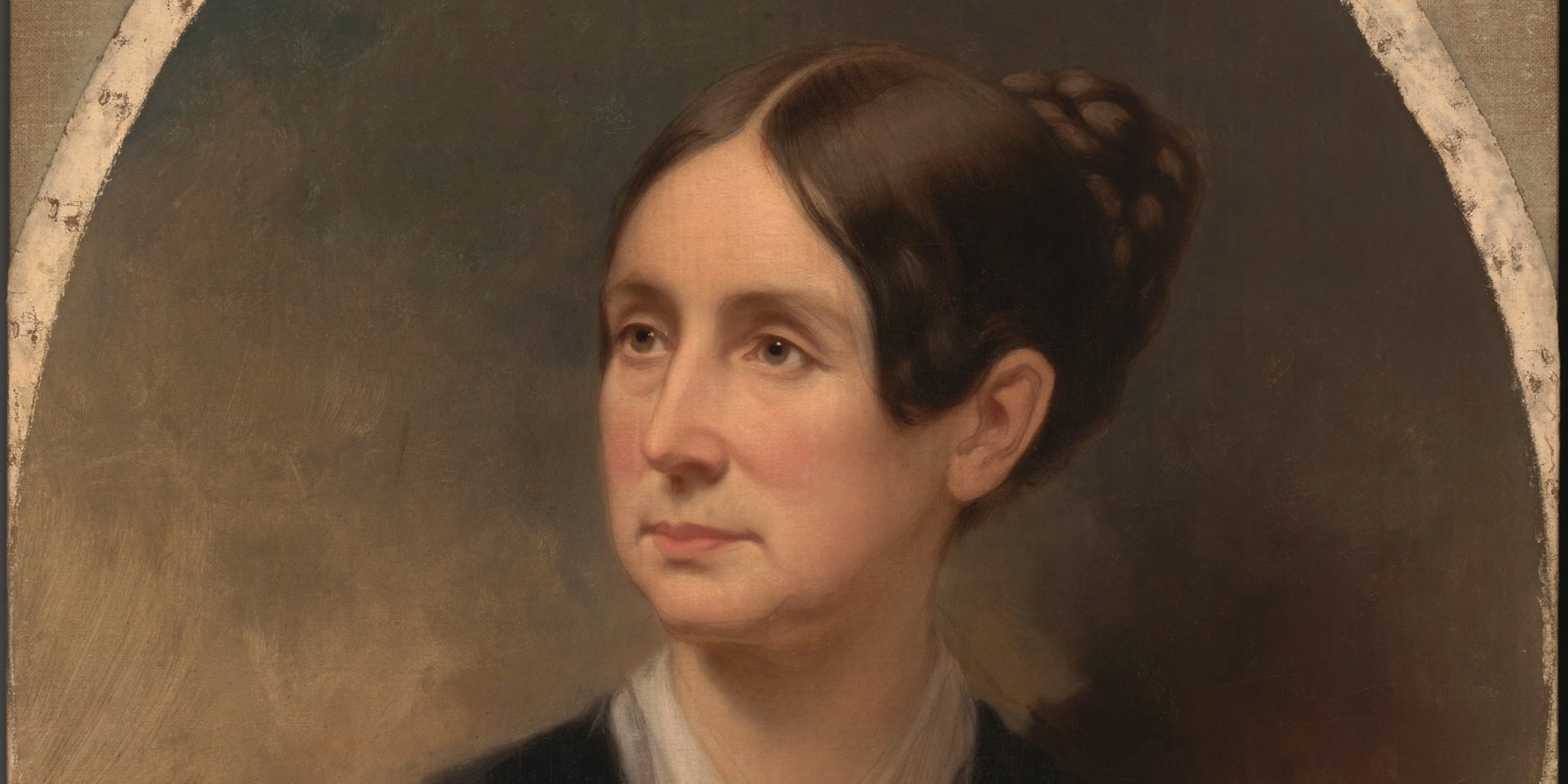
Dorothea Lynde Dix
(Dorothea Dix)
Réformatrice américaine et avocate des aliénés mentaux, créatrice des premiers asiles psychiatriques modernes et surintendante des infirmières durant la guerre de Sécession.
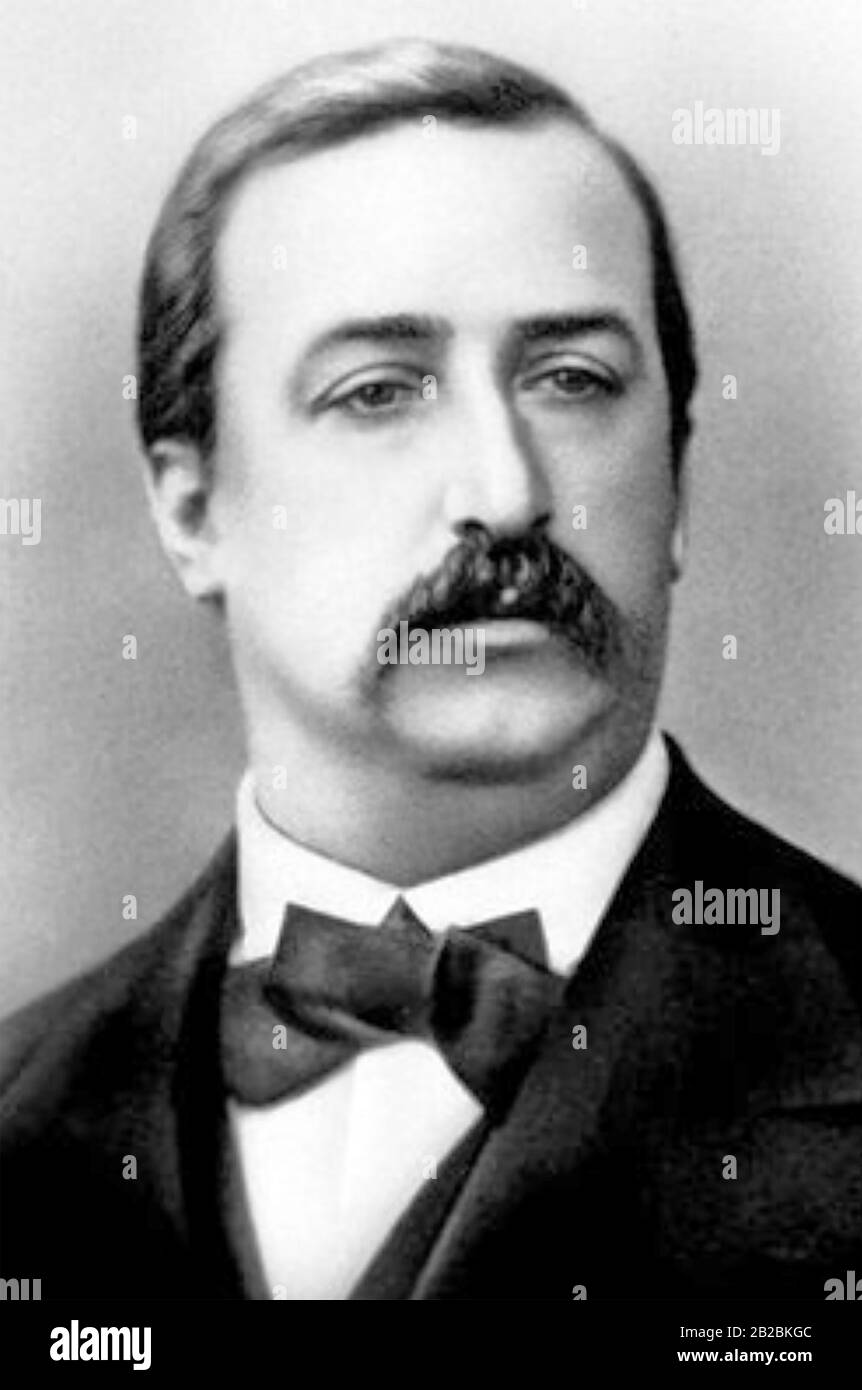
Alexander Borodin
 (Alexander Porfiryevich Borodin)
Russian composer of The Mighty Handful and distinguished professor of organic chemistry, celebrated for 'Prince Igor', the 'Polovtsian Dances', and his Second Symphony.
Nakayama Miki (Oyasama / Foundress of Tenrikyo)
 (中山みき)
Affectionately revered as 'Oyasama' (Beloved Parent) by millions of Tenrikyo followers, Nakayama Miki became the living shrine of God the Parent (Tenri-O-no-Mikoto) in 1838, divesting herself of all possessions to teach the Joyous Life (Yokigurashi).
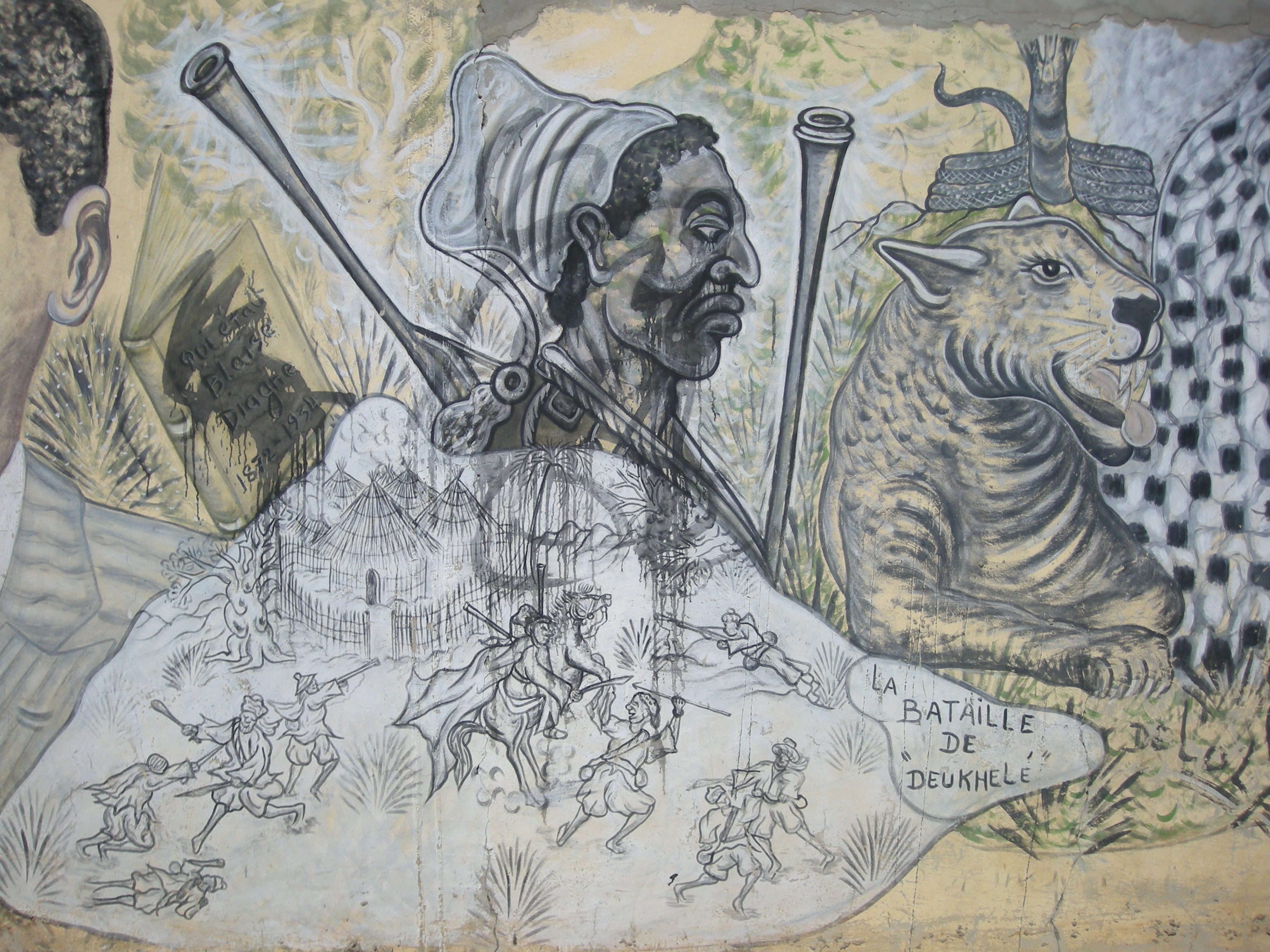
Lat Dior
 (Lat Dior Ngone Latyr Diop)
Damel of the Kingdom of Cayor and legendary Senegalese national hero who waged a fierce twenty-year resistance against French colonial governor Louis Faidherbe to stop the French military Dakar-Saint-Louis railway across his sovereign lands.
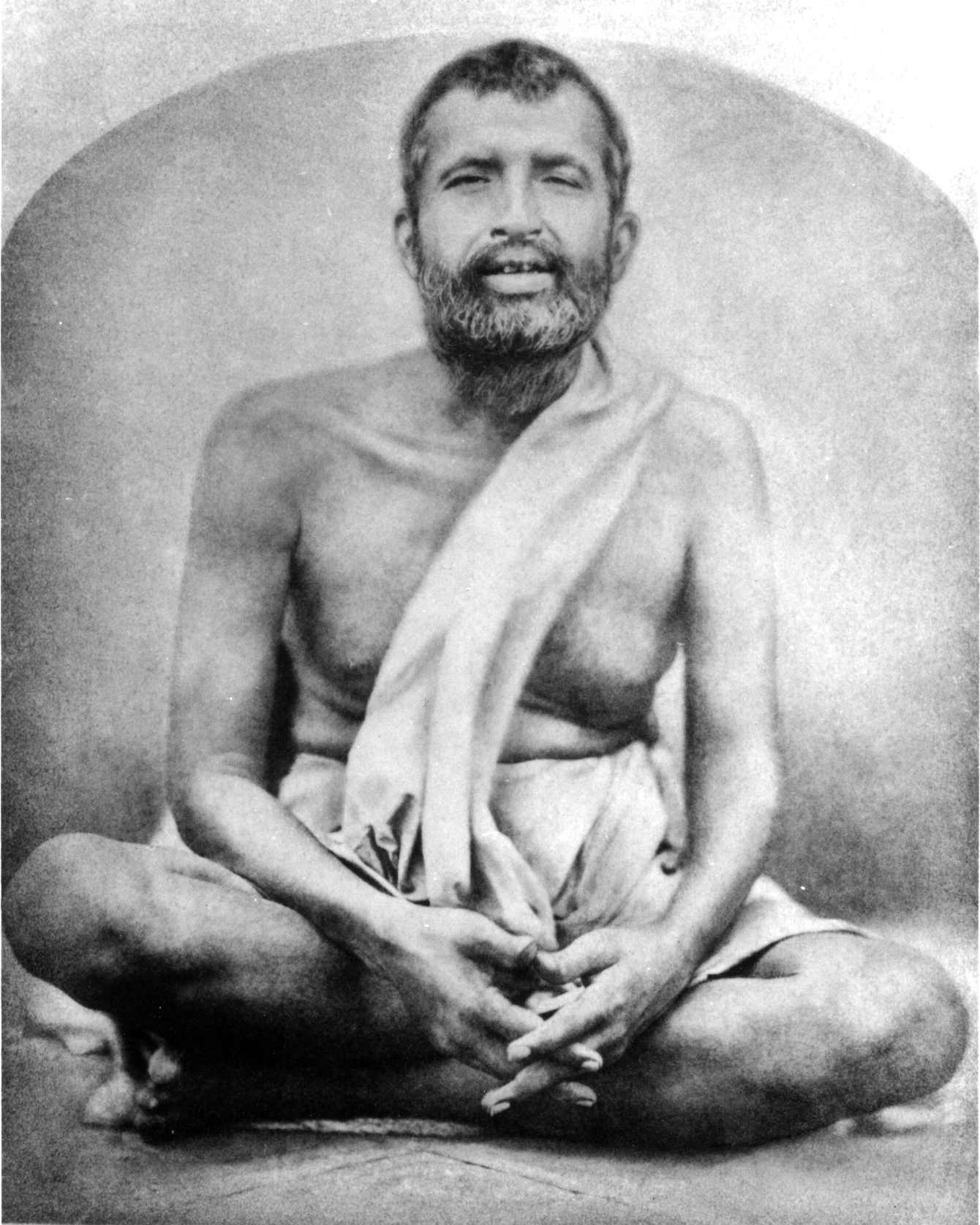
Ramakrishna Paramahamsa
 (শ্রীরামকৃষ্ণ পরমহংস)
Revered 19th-century Bengali mystic who experienced divine ecstasy across Hinduism, Islam, and Christianity, formulating the universal truth: 'As many faiths, so many paths'.
Gadadhar Chattopadhyay
(শ্রীরামকৃষ্ণ পরমহংস)
Beloved mystic of Dakshineswar whose direct spiritual realizations through Hinduism, Islam, and Christianity proclaimed the universal truth that all religions lead to the same God.
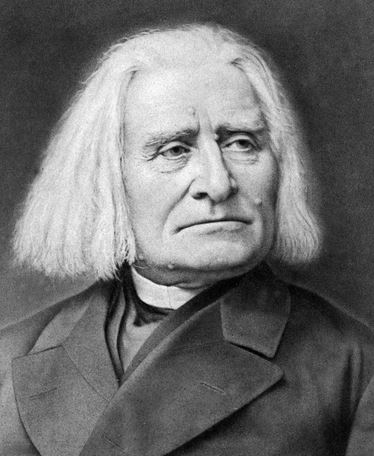
Franz Liszt (Liszt Ferenc)
 (Liszt Ferenc)
Hungarian musical titan and greatest piano virtuoso in history, who invented the solo piano recital and the orchestral symphonic poem, composed the Hungarian Rhapsodies, and anticipated modern harmony.
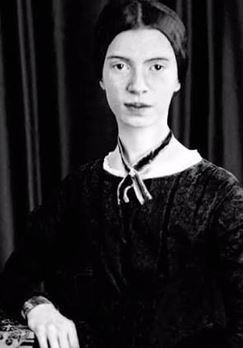
Emily Elizabeth Dickinson
(Emily Dickinson)
One of America's greatest and most original poets who lived as a reclusive hermit in white at her family home in Amherst, secretly binding nearly 1,800 revolutionary, dashed, epigrammatic poems exploring immortality, grief, and faith.
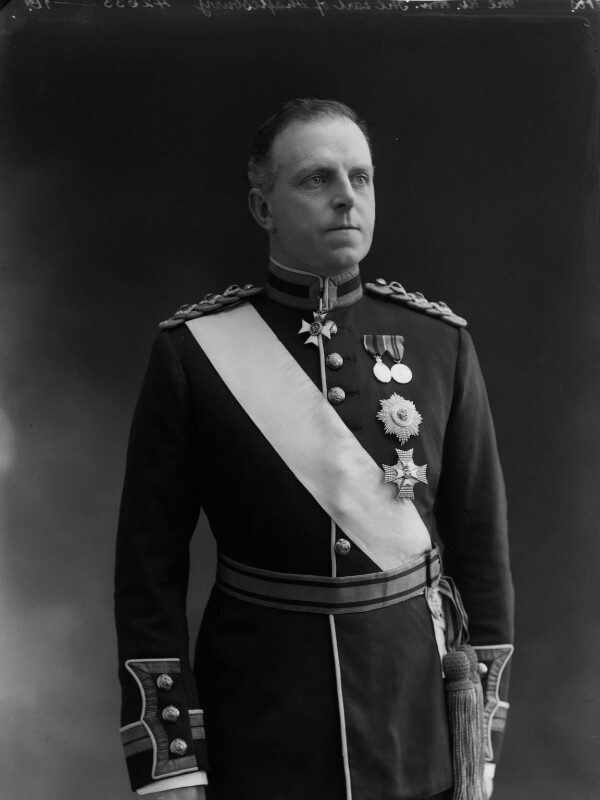
Lord Shaftesbury
(Anthony Ashley-Cooper, 7th Earl of Shaftesbury)
Foremost British social reformer of the Victorian era who dedicated fifty years in Parliament to abolishing child labor in coal mines and factories, passing the Ten Hours Act, and establishing Ragged Schools for destitute children.