 United States
•
15 views
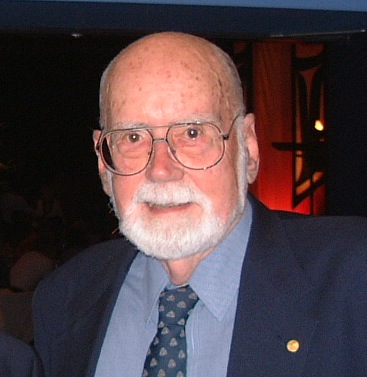
E. Donnall Thomas

Mart, United States
Archival Overview
American physician who developed bone marrow transplantation as a lifesaving treatment for leukemia and other fatal blood cancers, awarded the 1990 Nobel Prize in Physiology or Medicine.
Biographical Record
Edward Donnall Thomas grew up in rural Texas and graduated from Harvard Medical School in 1946. In the 1950s, amidst widespread medical skepticism that human marrow transplantation was impossible, he pursued persistent animal and clinical studies at the Mary Imogene Bassett Hospital in Cooperstown, New York.
In 1963, Thomas moved to the University of Washington and established the Clinical Research Division at the Fred Hutchinson Cancer Research Center in Seattle. Overcoming lethal graft-versus-host disease (GVHD) through tissue-typing and methotrexate, he achieved cure rates exceeding 70% for patients with advanced leukemia, transforming bone marrow transplantation into standard medical care worldwide.
Key Life Milestones
First Successful Allogeneic Marrow Transplant for Leukemia
Successfully treated terminal leukemia patients with matched sibling bone marrow grafts at the Seattle center.
Nobel Prize in Physiology or Medicine
Shared the Nobel Prize with Joseph Murray for pioneering cell and organ transplantation in the treatment of human disease.
Memorial Guestbook & Tributes
0 messages recordedLeave a Respectful Tribute
Final Resting Place
Perpetual MemorialSeattle, United States