Public Figures & Cultural Luminaries
Filterable archive covering centuries of intellectual, artistic, and moral contributions to the human story.
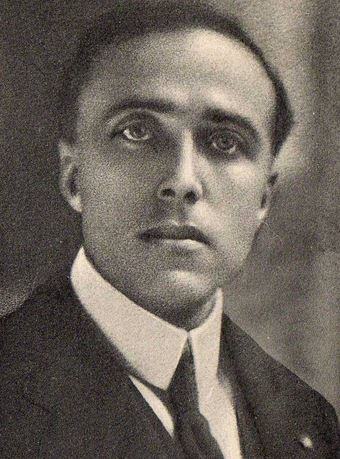
Giacomo Matteotti
 (Giacomo Matteotti)
Italian socialist politician and deputy whose courageous parliamentary speech exposing fascist electoral fraud and violence in May 1924 led to his abduction and murder by Mussolini's blackshirts, triggering the Matteotti Crisis.
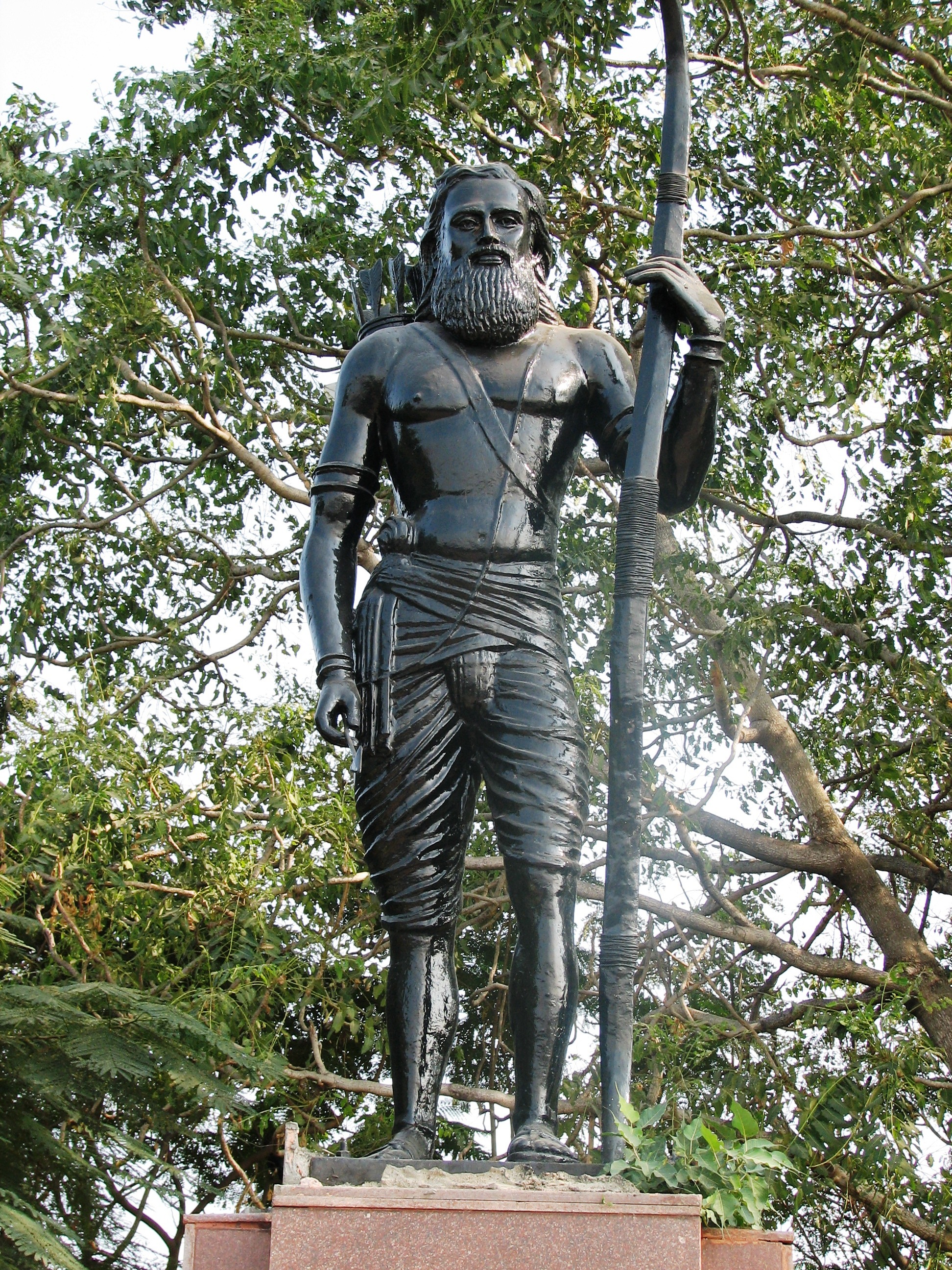
Alluri Sitarama Raju
 (అల్లూరి సీతారామరాజు)
Celebrated as 'Manyam Veerudu' (Hero of the Jungles), who led the Rampa Rebellion of 1922-1924 uniting Adivasi tribes against British forestry exploitation.
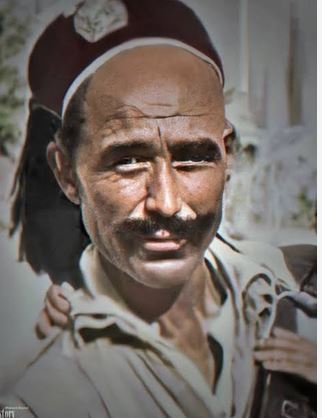
Mohamed Daghbaji
 (محمد الدغباجي)
Legendary Tunisian fellagha guerrilla leader who led daring desert ambushes against French colonial troops across southern Tunisia and Libya, immortalized as an epic folk hero of armed resistance.
Mouha ou Said
 (موحا وسعيد الويراوي)
Revered Moroccan Amazigh chieftain of the Ait Ouirra tribe who fought French colonial conquest across Tadla and the High Atlas for two decades, earning fame for the Battle of El Ksiba in 1913.
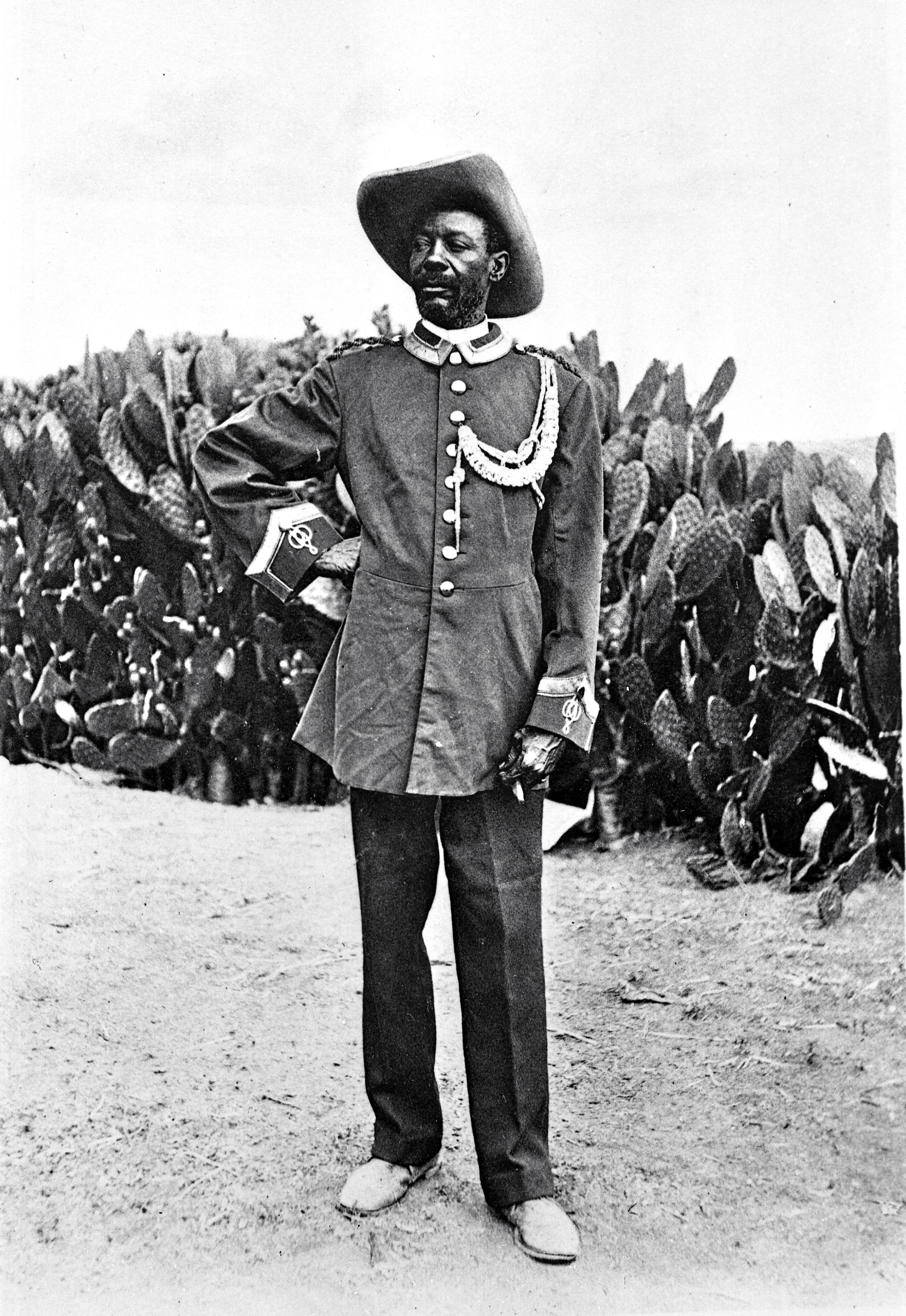
Samuel Maharero
 (Samuel Maharero)
Paramount Chief of the Herero people who launched the historic 1904 uprising against German colonial rule in South West Africa, surviving the Battle of Waterberg and General Lothar von Trotha's genocidal extermination campaign.
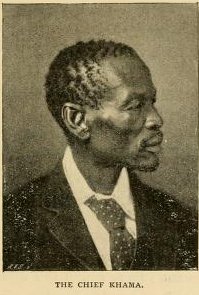
Khama III
 (Khama III (Khama the Good))
Kgosi (King) of the Bamangwato people who modernized his nation, banned alcohol and ivory exploitation, and sailed to London in 1895 with two fellow kings to outmaneuver Cecil Rhodes, preventing Botswana from being annexed into Rhodes' British South Africa Company.
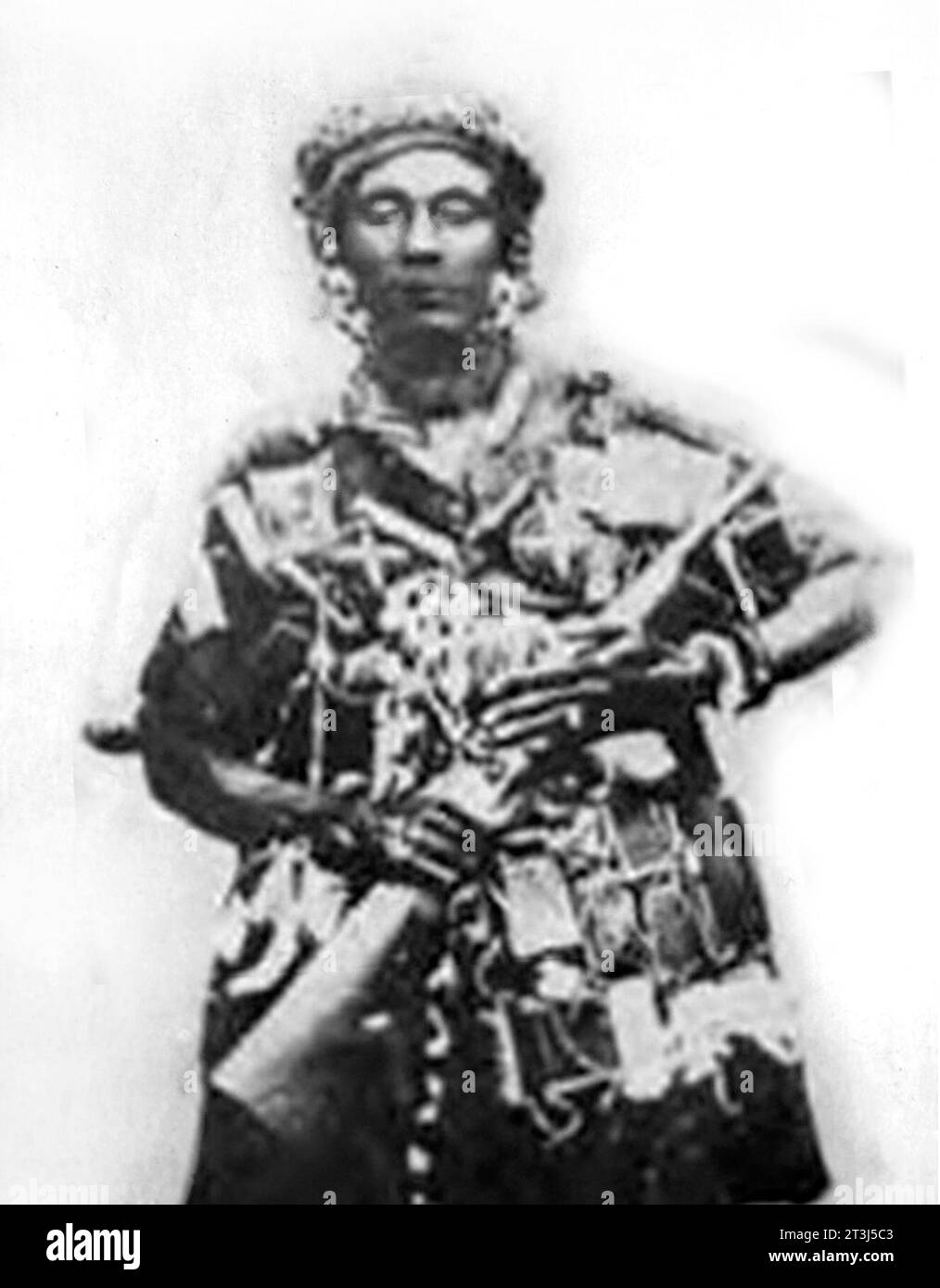
Yaa Asantewaa
 (Yaa Asantewaa)
Queen Mother of Ejisu in the Ashanti Empire who led the historic 1900 War of the Golden Stool against the British Empire, inspiring Ashanti chiefs to besiege British colonial forces in the fort of Kumasi.
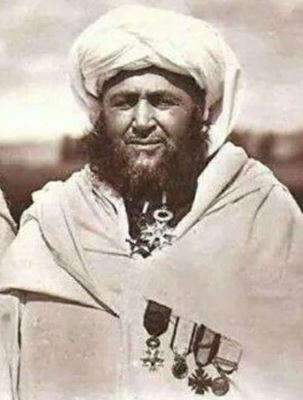
Moha ou Hammou Zayani
(موحا وحمو الزياني)
Moroccan Amazigh tribal warrior and leader of the Zaian confederation who inflicted the catastrophic defeat of the French army at the Battle of El Herri in 1914, remaining undefeated until his martyrdom.
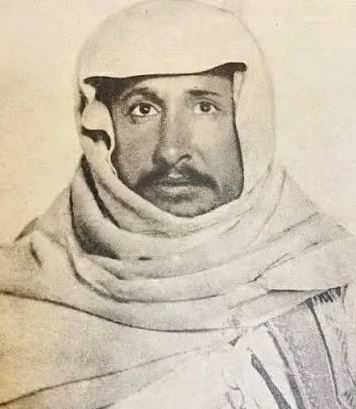
Ramadan al-Suwayhli
 (رمضان السويحلي)
Pioneering Libyan nationalist commander who crushed Italian colonial armies at the Battle of Qasr Bu Hadi in 1915 and helped establish the historic Tripolitanian Republic, the first democratic republic in the Arab world.
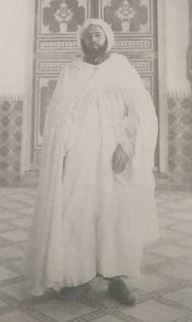
Ahmed al-Hiba (أحمد الهيبة بن الشيخ ماء العينين)
Saharan religious and military leader known as the 'Blue Sultan' who proclaimed holy resistance against the French Protectorate in 1912, marching from the Sahara to seize Marrakech with 10,000 warriors.
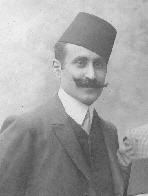
Ali Bach Hamba
(علي باش حانبة)
Tunisian lawyer, journalist, and nationalist pioneer who co-founded the Young Tunisian movement in 1907 and founded the newspaper Le Tunisien, laying the intellectual foundations for Tunisian independence.
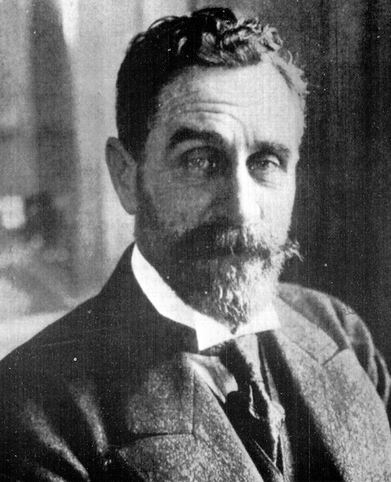
Roger Casement
 (Roger David Casement)
Irish diplomat, humanitarian, and revolutionary who authored the official 1904 Casement Report exposing horrors in the Congo Free State and the Putumayo rubber slavery in the Amazon, executed by Britain for his role in the 1916 Easter Rising.
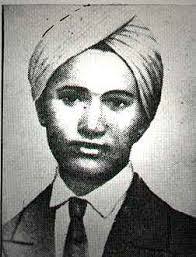
Kartar Singh Sarabha
(ਕਰਤਾਰ ਸਿੰਘ ਸਰਾਭਾ)
Heroic revolutionary of the international Ghadar Party executed in the Lahore Conspiracy Case at just 19 years old, revered as Bhagat Singh's principal inspiration.
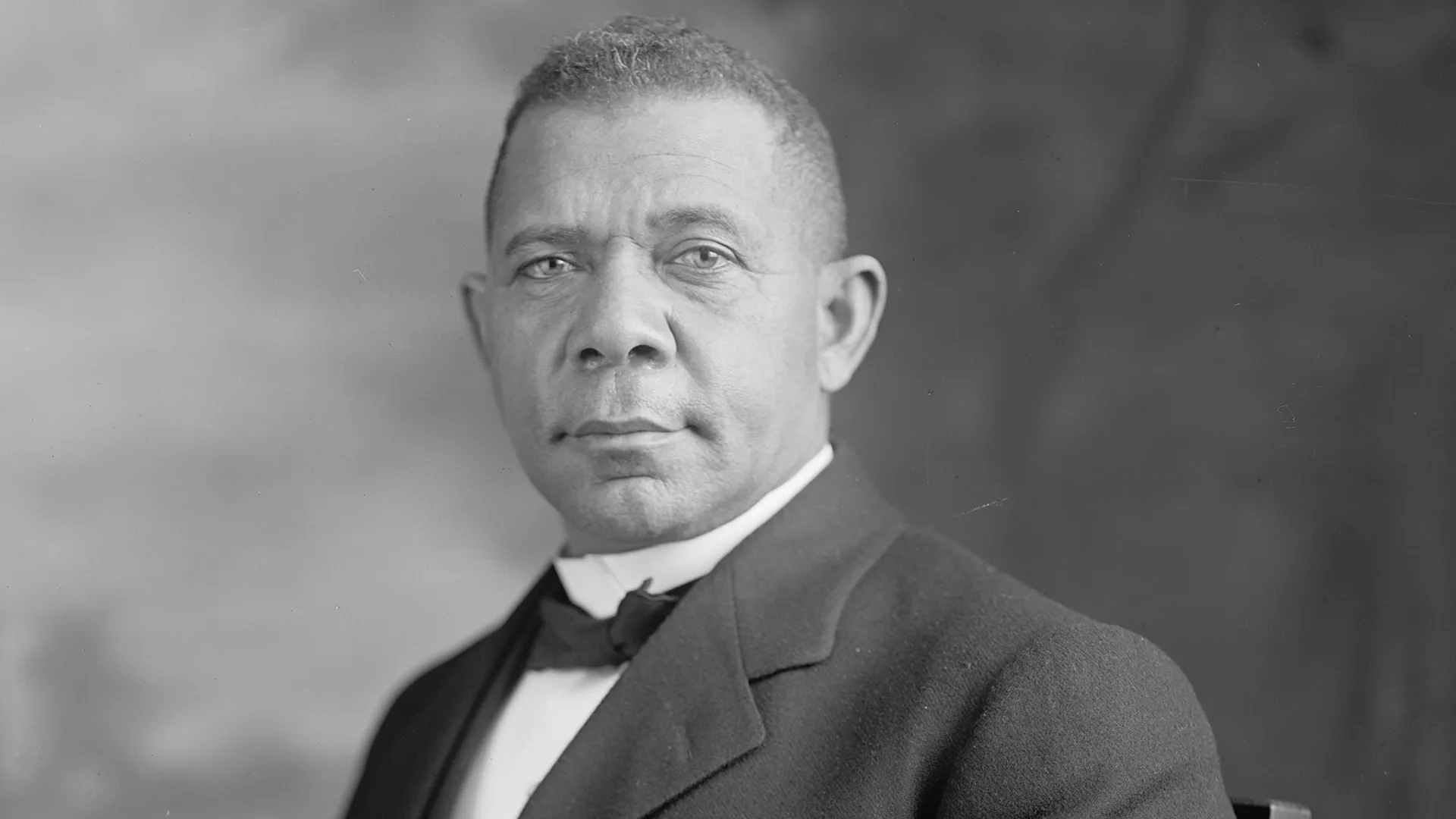
Booker T. Washington
 (Booker Taliaferro Washington)
Influential educator, reformer, and first leader of the Tuskegee Institute who championed self-reliance, vocational education, and economic independence for African Americans in the Jim Crow South.
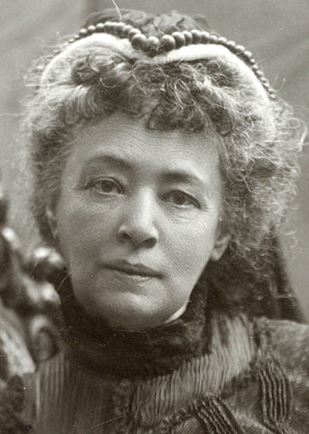
Bertha von Suttner
 (Bertha Sophia Felicita Freifrau von Suttner)
Austrian-Bohemian pacifist and novelist who wrote the epochal anti-war bestseller Lay Down Your Arms! (1889), inspired Alfred Nobel to create the Nobel Peace Prize, and in 1905 became the first woman to win it.
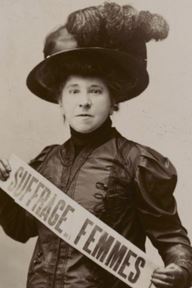
Hubertine Auclert
 (Marie Anne Hubertine Auclert)
French feminist pioneer and journalist who popularized the word 'feminism', founded the journal La Citoyenne, and waged militant campaigns of tax resistance and civil disobedience for women's voting rights.
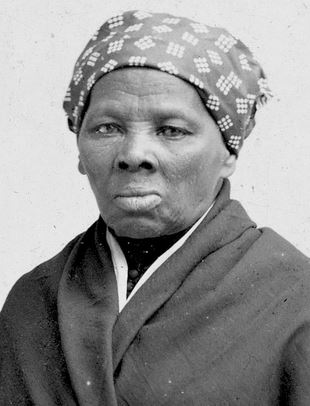
Harriet Tubman
(Araminta Ross (Harriet Tubman))
Iconic American abolitionist and political activist who escaped slavery and subsequently made roughly 13 missions to rescue approximately 70 enslaved people using the network of antislavery activists and safe houses known as the Underground Railroad.
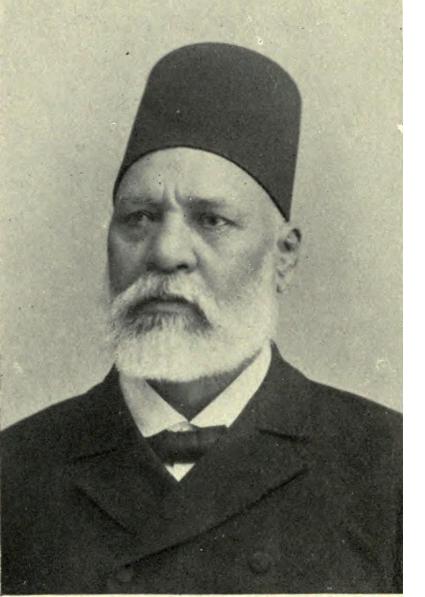
Ahmed Orabi
 (أحمد عرابي)
Egyptian nationalist army general who led the 1881–1882 Urabi Revolt against British and French financial control and Khedivial tyranny, demanding a constitutional government and national dignity.