 Czech Republic
•
6 views
Czech Republic
•
6 views
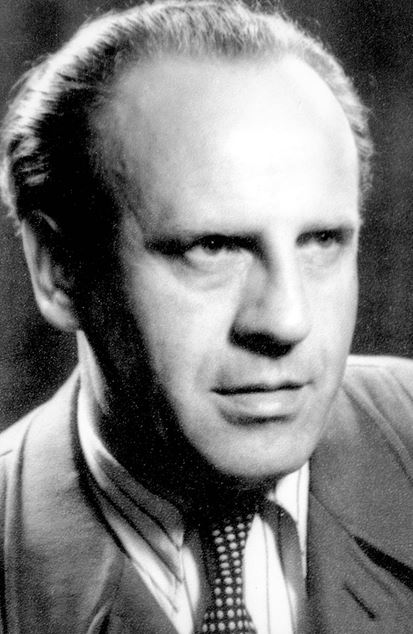
Oskar Schindler

Zwittau (Svitavy), Moravia, Czech Republic
Archival Overview
German industrialist and member of the Nazi Party who saved the lives of 1,200 Jews during the Holocaust by employing them in his enamelware and munitions factories in Poland and the Czech lands, spending his entire fortune on bribes.
Biographical Record
Oskar Schindler (1908 – 1974) was a German industrialist and humanitarian whose transformation from opportunist war profiteer to rescuer saved over 1,200 human lives. Operating an enamelware factory (*Deutsche Emaillewaren-Fabrik*, 'Emalia') in Kraków, Poland, Schindler initially employed Jewish slave labor from the Kraków Ghetto for commercial profit.
Witnessing the sadistic liquidation of the Kraków Ghetto by SS-Kommandant Amon Göth, Schindler experienced a profound moral awakening. He bribed SS officials with black-market diamonds, alcohol, and money to designate his workers as essential to the war effort, establishing a sub-camp where beatings and executions were prohibited. In late 1944, when the camp was ordered evacuated to Auschwitz, Schindler drew up lists of 1,200 Jewish men, women, and children, spending his entire personal fortune to relocate them to his new factory in Brünnlitz (Moravia), where not a single worker was murdered. He is buried on Mount Zion in Jerusalem, the only member of the Nazi Party so honored.
Key Life Milestones
Creation of the Emalia Sub-Camp
Secured permission to establish an independent worker sub-camp at his factory, shielding 1,000 Jews from Göth's brutality.
Schindler's List and Brünnlitz Relocation
Compiled the historic lists and paid massive bribes to transport 1,200 Jewish workers away from Auschwitz to safety in Moravia.
Memorial Guestbook & Tributes
0 messages recordedLeave a Respectful Tribute
Final Resting Place
Perpetual MemorialHildesheim, Lower Saxony, Germany