Public Figures & Cultural Luminaries
Filterable archive covering centuries of intellectual, artistic, and moral contributions to the human story.
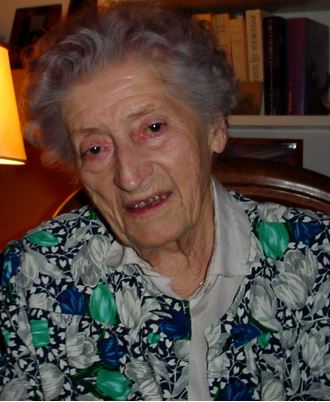
Lucie Aubrac
 (Lucie Bernard (Lucie Aubrac))
Iconic French history teacher and resistance fighter who co-founded the Libération-Sud network and led daring armed commando assaults to liberate imprisoned resistance comrades from Gestapo prisons in Lyon.
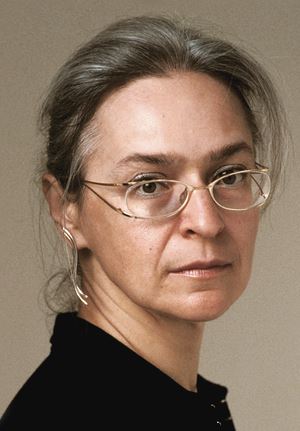
Anna Politkovskaya
 (Анна Степановна Политковская)
Anna Politkovskaya was a celebrated Russian investigative journalist, writer, and human rights defender whose courageous reporting for Novaya Gazeta exposed war crimes, torture, and state-sponsored atrocities during the Second Chechen War. Despite enduring arrests, mock executions, and poisoning attempts, she unmasked authoritarian abuses until she was assassinated in her Moscow apartment building in October 2006.
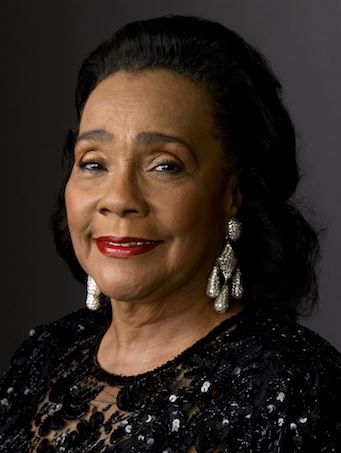
Coretta Scott King
(Coretta Scott)
American civil rights author, activist, and leader who stood alongside Martin Luther King Jr., founded the King Center, campaigned successfully to establish MLK Day as a federal holiday, and championed international anti-apartheid and LGBTQ+ rights.
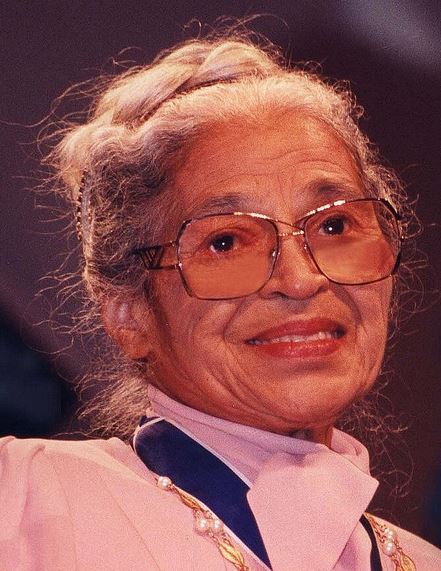
Rosa Parks
(Rosa Louise McCauley Parks)
American civil rights activist whose refusal to surrender her seat on a segregated Montgomery bus in 1955 ignited the Montgomery bus boycott and catalyzed the modern Civil Rights Movement.

Jacques Salort
 (جاك سالور)
Annaba-born European Algerian trade unionist who joined the armed struggle with the Combattants de la Libération, survived brutal torture, and remained an Algerian patriot.
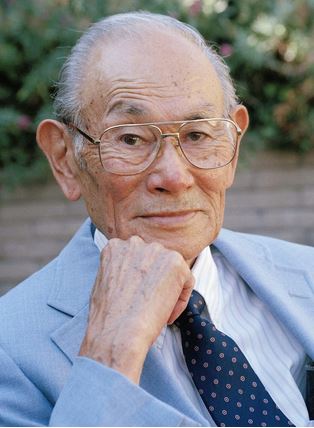
Fred Korematsu
(Fred Toyosaburo Korematsu (是松 豊三郎))
Fred Korematsu was an American civil rights activist who courageously refused to comply with President Franklin D. Roosevelt's Executive Order 9066, which forcibly interned over 120,000 Japanese Americans during World War II. Challenging his conviction all the way to the US Supreme Court in Korematsu v. United States (1944), he persevered for four decades until his conviction was formally overturned in 1983.
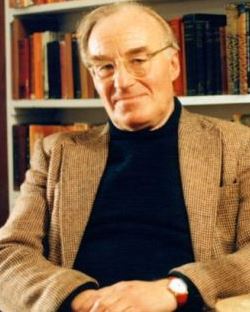
Peter Benenson
 (Peter James Henry Solomon Benenson)
Peter Benenson was a visionary British barrister and human rights campaigner who founded Amnesty International in 1961 after reading about two Portuguese students imprisoned for raising a toast to freedom. Pioneering grassroots letter-writing campaigns and the concept of 'prisoners of conscience', Benenson mobilized millions of ordinary citizens worldwide to hold dictatorial regimes accountable to universal standards of justice.
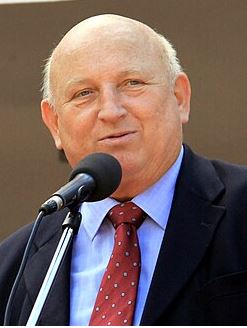
Jacek Kuroń
 (Jacek Jan Kuroń)
Jacek Kuroń was an iconic Polish historian, dissident theorist, and principal strategist of the democratic opposition whose visionary concept of civil self-organization dismantled communist totalitarianism from within. Co-founder of the Workers' Defence Committee (KOR) and chief adviser to Lech Wałęsa's Solidarity, he spent over nine years in political imprisonment before guiding Poland's peaceful transition to democracy.
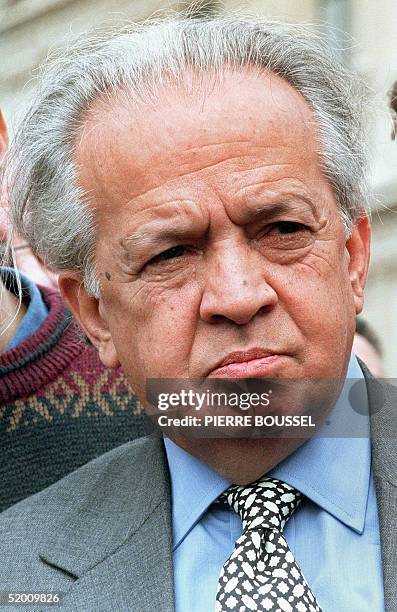
Mohamed Basri
 (محمد البصري (الفقيه البصري))
Legendary commander of the Moroccan Liberation Army (ALN) who led armed urban and mountain guerrilla resistance against the French protectorate, spending thirty years in exile as a leftist opposition leader.
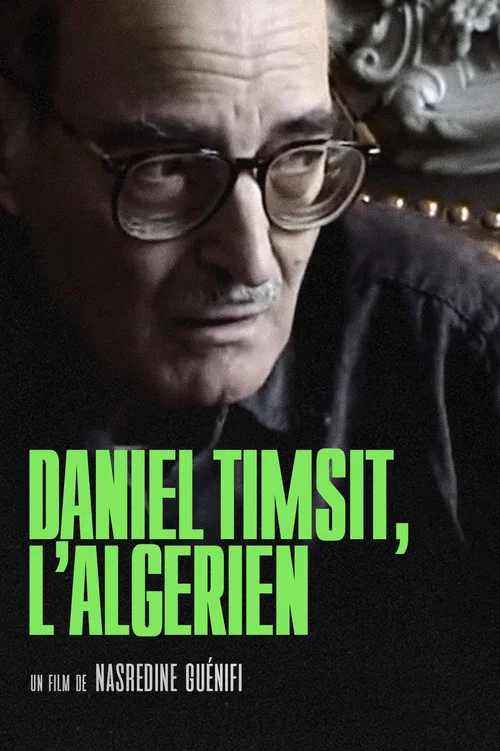
Dr. Daniel Timsit
(دانييل تيمسيت)
Jewish-Algerian medical student who established clandestine laboratories for the FLN during the Battle of Algiers, endured five years in Barberousse, and became a noted memoirist.
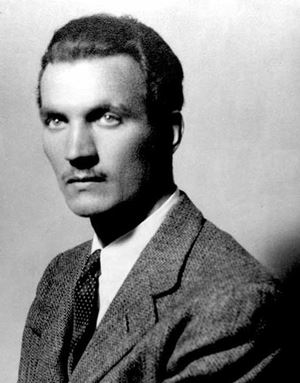
Jan Karski
 (Jan Kozielewski)
Polish underground resistance courier who smuggled himself into the Warsaw Ghetto and the Izbica transit camp, bringing the first eyewitness accounts of the extermination of European Jews to Churchill and Roosevelt.
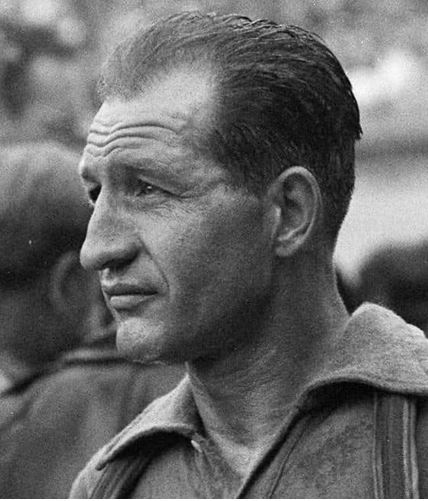
Gino Bartali
 (Gino Bartali)
Legendary two-time Tour de France champion cyclist who used his training rides during WWII to smuggle forged identity papers inside his bicycle frame, saving hundreds of Italian and foreign Jews from deportation.
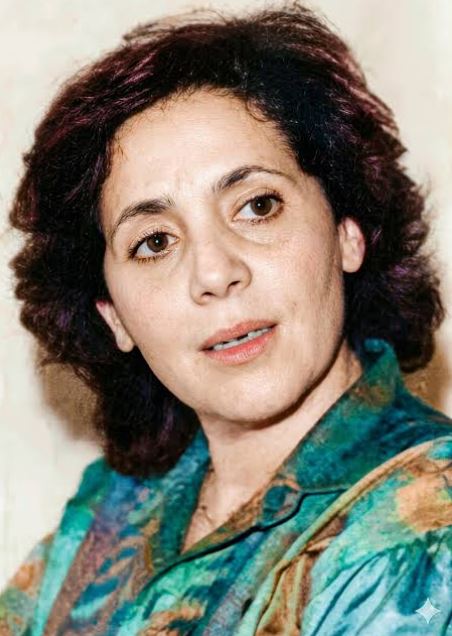
Baya Hocine
(باية حسين)
Pioneering Algerian teenage fedayeen who carried out urban resistance operations in the Battle of Algiers, condemned to death at age sixteen, and later became a prominent post-independence journalist.
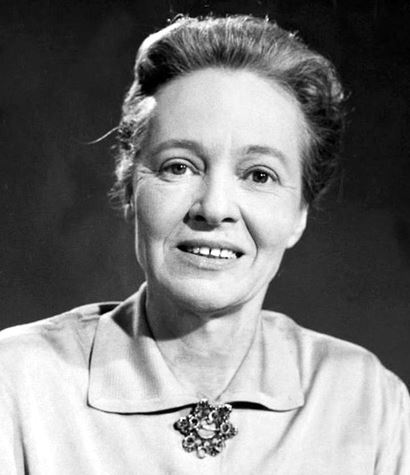
Marie-Claude Vaillant-Couturier
(Marie-Claude Vogel)
French photojournalist and communist resistance member who survived deportation to Auschwitz and Ravensbrück, becoming the premier eyewitness to detail the mechanics of the Nazi death factories at the Nuremberg Trials.
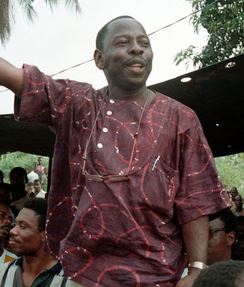
Ken Saro-Wiwa
 (Kenule Beeson Saro-Wiwa)
Nigerian writer, television producer, and president of the Movement for the Survival of the Ogoni People (MOSOP) who led nonviolent campaigns against catastrophic Shell oil pollution in the Niger Delta, executed by General Abacha's military junta.
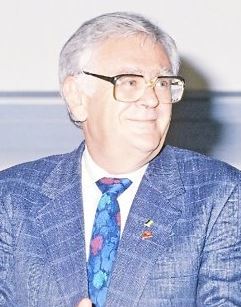
Joe Slovo
 (Yossel Mashel Slovo)
Lithuanian-born South African politician and anti-apartheid leader who was chief of staff of the ANC's armed wing Umkhonto we Sizwe and formulated the crucial 'sunset clauses' enabling the peaceful transition to multiracial democracy.
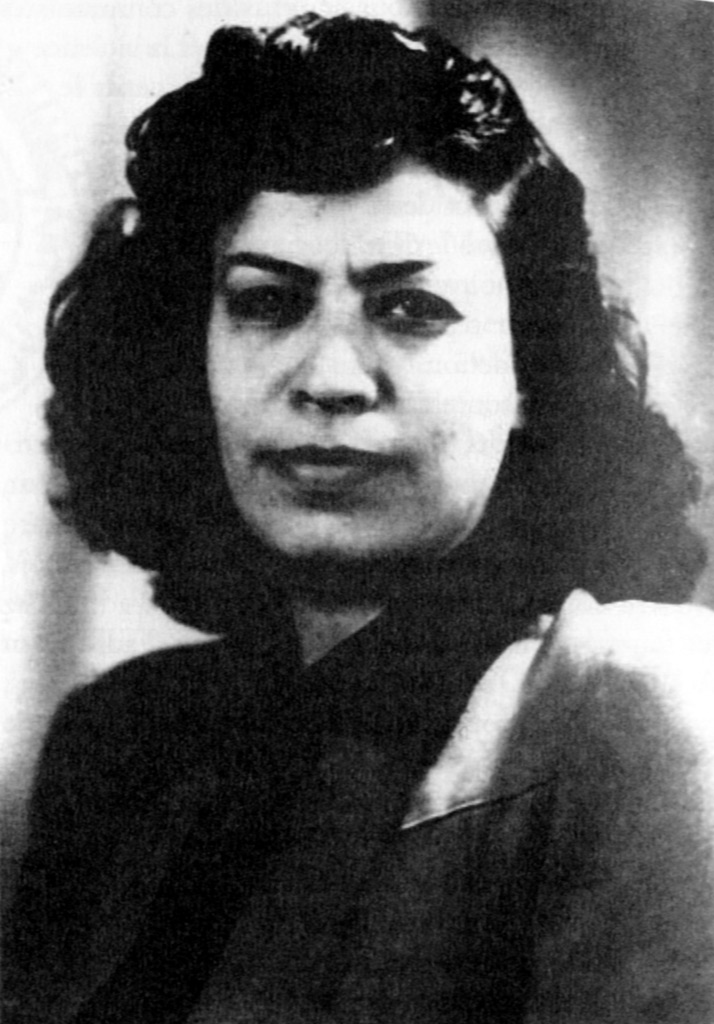
Bchira Ben Mrad
 (بشيرة بن مراد)
Pioneering founder of the first women's organization in modern Tunisia, the Union of Muslim Women of Tunisia (UMFT) in 1936, who mobilized thousands of women for education and national liberation.
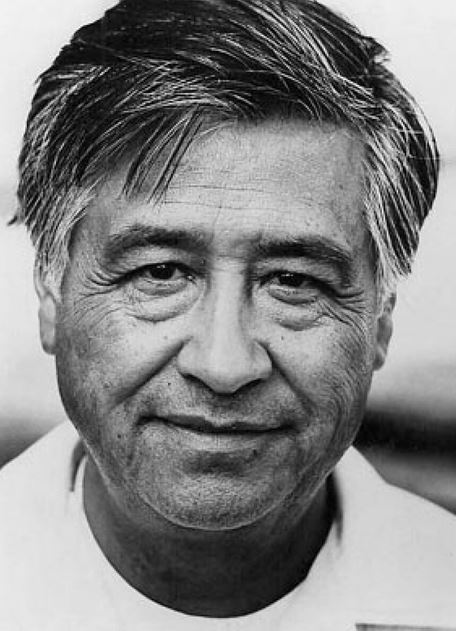
César Chávez
(César Estrada Chávez)
Mexican-American labor leader and civil rights activist who co-founded the National Farm Workers Association (later UFW) with Dolores Huerta, using nonviolent strikes, consumer boycotts, and hunger fasts to win union rights for farmworkers.